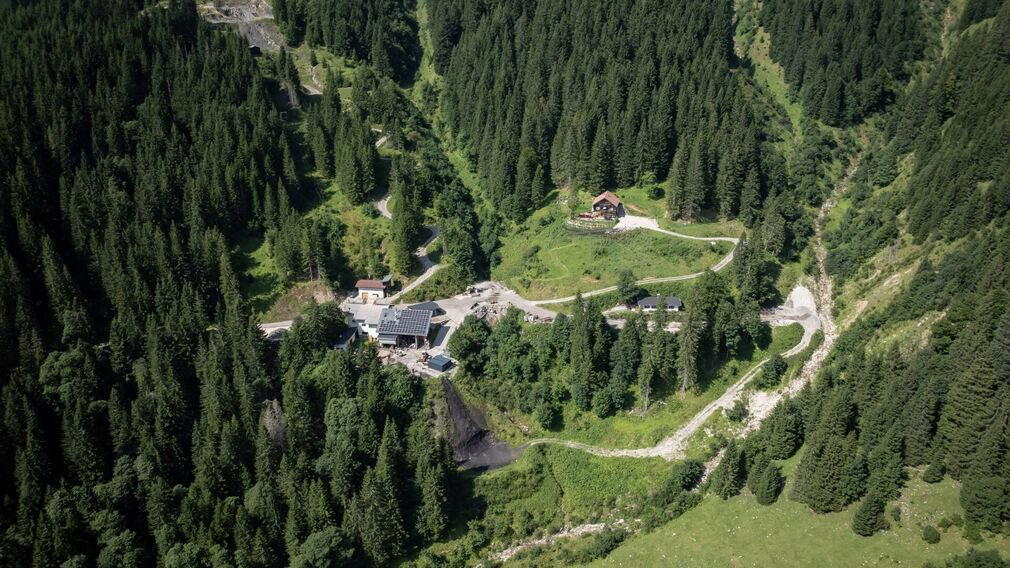
Götzner Alm sits on the slopes above the Tyrolean village of Gotzens, offering a mountain hut experience rooted in the agricultural traditions of the Inn Valley. The setting connects directly to the alpine pasture land that has shaped the region's cooking for centuries. For travellers exploring Innsbruck's wider food orbit, this is a point of reference for how altitude and terrain define what ends up on the plate.
Pearl is the En Primeur Club membership app — saves, bookings, and concierge access live there. Same editors, same standards.
- Address
- Götzner Bergweg 6, 6091 Götzens, Austria
- Phone
- +436644303842
- Website
- goetzneralm.at
- Directions
- Get directions
 Saves & bookings on Pearl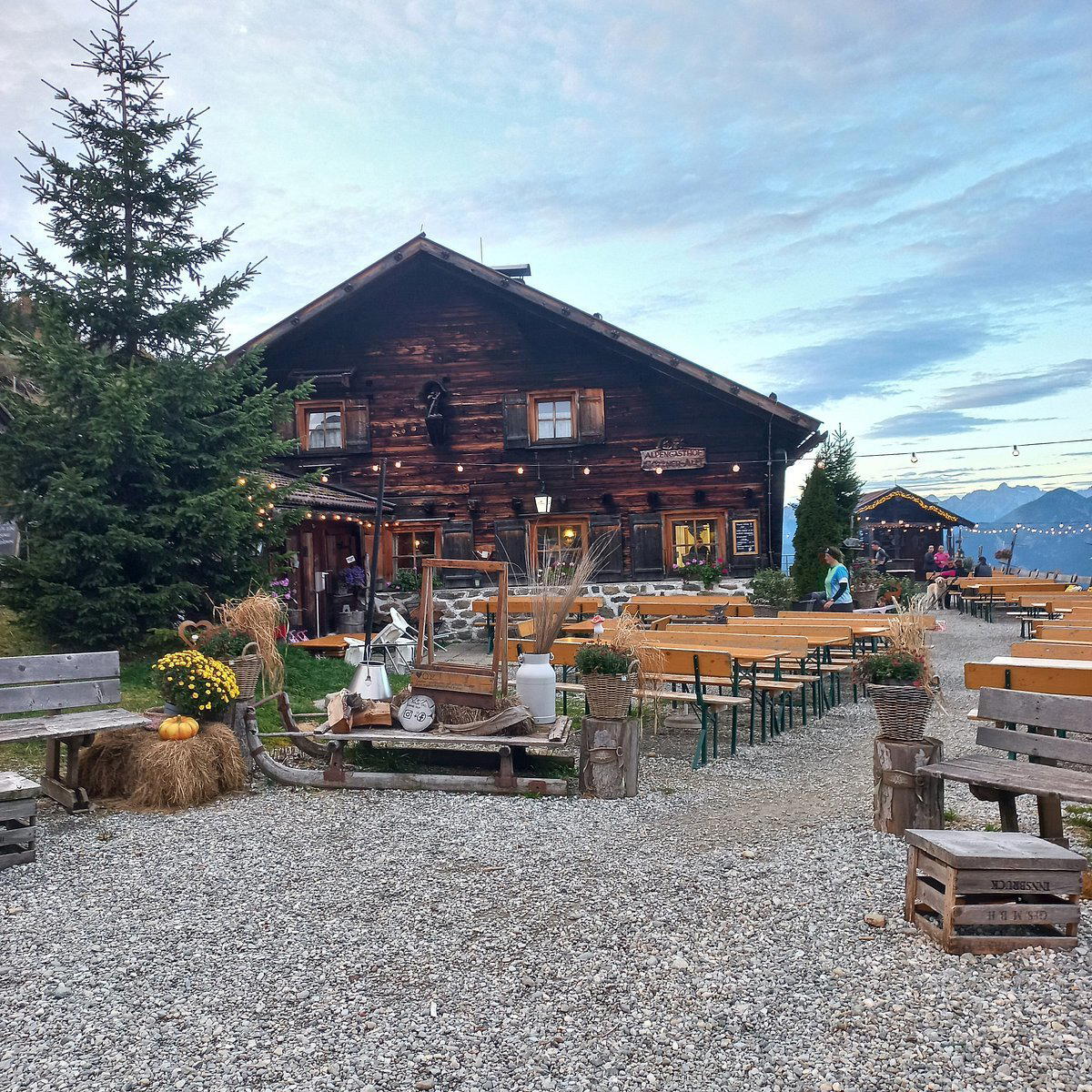
Where the Pasture Meets the Plate
The approach to Götzner Alm tells you most of what you need to know before you arrive. Above Gotzens, a compact village perched on a sun-facing terrace above the Inn Valley southwest of Innsbruck, the path climbs through meadows that have been grazed, cut for hay, and returned to grass in the same cycle for generations. That cycle is not incidental to the food served here; it is the food's entire foundation. In the Austrian alpine tradition, the Alm (mountain pasture hut) is where livestock spend the warmer months, where dairy production happens at altitude, and where cooking is inseparable from the immediate landscape. Götzner Alm sits inside that tradition rather than referencing it from a distance.
This matters as a framing point for any visitor approaching from Austria's formal dining circuit. The country's high-end restaurant scene, from Steirereck im Stadtpark in Vienna to Döllerer in Golling an der Salzach, has spent years refining and recontextualising alpine ingredient traditions within tasting-menu formats. The Alm experience occupies a different register entirely: less mediated, more direct, shaped by what the land immediately above the building produces rather than by a chef's editorial curation of it.
The Ingredient Logic of the Alpine Hut
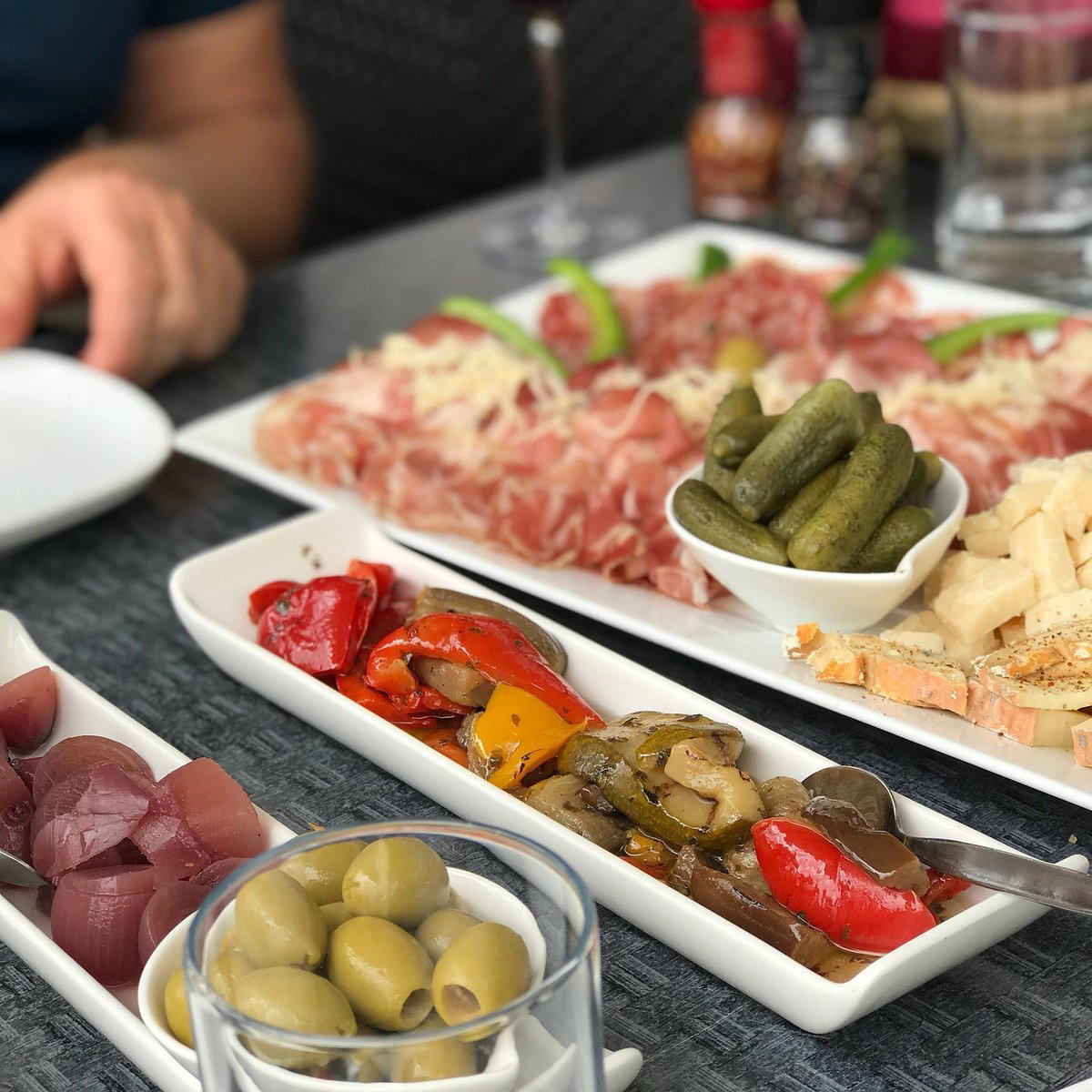
Tyrolean alpine cooking is built on a short, coherent ingredient list that reflects the constraints of altitude and season. Dairy is central: the milk produced by cattle on high-altitude pastures carries a fat content and grassy character that lowland dairy rarely matches, and the cheeses, butters, and cream that flow from it form the backbone of the regional table. Cured meats, particularly speck, represent the preservation tradition that carried mountain communities through winter. Rye and spelt flours, root vegetables, and foraged herbs fill out the picture. At an Alm property, these ingredients arrive from the surrounding land with minimal supply chain between source and kitchen. That proximity is the defining editorial fact of the experience.
The contrast with more formally positioned Tyrolean restaurants is instructive. At Gourmetrestaurant Tannenhof in Sankt Anton am Arlberg or Griggeler Stuba in Lech, alpine ingredients are filtered through a fine-dining framework with wine pairings, tasting progressions, and technical precision. The Alm format makes no such translation. Dishes reflect the season's immediate yield, and the cooking grammar is built around preservation, slow preparation, and uncomplicated presentation. Neither approach is superior; they answer different questions about what alpine food means.
Gotzens as a Setting
Gotzens itself is a village of around 1,600 residents that sits roughly 900 metres above sea level on the north-facing slope above the Inn Valley, with Innsbruck's urban centre roughly ten kilometres to the northeast. The village receives strong sun exposure on its upper terraces, which has historically supported both viticulture at lower altitudes and productive summer grazing further up the slope. It sits within Tyrol's broad agricultural belt, where the transition from valley farming to alpine pasture is compressed into a short vertical distance. That compression is part of what makes the Götzner Alm position legible: you are not far from the city, but you are unambiguously in mountain-farming territory.
Visitors coming from Innsbruck, which anchors the region's broader tourism and dining infrastructure, will find the journey short but the shift in register significant. The city is home to conventional mid-range dining and a handful of more ambitious addresses; the Alm tradition above Gotzens represents the older, less mediated layer of the region's food culture.
Where Götzner Alm Sits in a Wider Austrian Context
Austria's dining geography rewards travellers who read it vertically as well as horizontally. The high-end creative tier, represented by properties like Ikarus in Salzburg or Kräuterreich by Vitus Winkler in Sankt Veit im Pongau, applies technical ambition to local ingredients. The classic Austrian table, maintained at places like Landhaus Bacher in Mautern an der Donau, works within established culinary grammar with fine-tuned execution. Below and alongside both sits the Alm and Hütte tradition, which predates both categories and operates by different measures of quality: immediacy of sourcing, seasonal fidelity, and the specific taste signature of high-altitude ingredients. That tradition is not a consolation prize for those who cannot access the fine-dining tier; for those specifically interested in where alpine ingredients come from and what they taste like undressed, it is the more direct path to the answer.
Other ambitious regional addresses across Austria's food geography include Obauer in Werfen, Ois in Neufelden, Taubenkobel in Schützen am Gebirge, and Artis in Graz, each working in a distinct regional register. For a sense of how alpine ingredient culture connects outward to international fine dining, Le Bernardin in New York City and Atomix in New York City offer a useful counterpoint: both represent what happens when sourcing precision reaches its highest formal expression in an urban, technically driven context. The comparison clarifies how differently the same value, provenance, can be enacted across formats. Further regional contrasts are available through Schwarzer Adler in Hall in Tirol, Stüva in Ischgl, Restaurant 141 by Joachim Jaud in Mieming, and Atelier Fischer in Sankt Gilgen.
Planning a Visit
The restaurant is accessible from Gotzens village, which sits a short drive or bus connection from Innsbruck's city centre. The Alm's mountain position means seasonal access is the primary planning variable: high summer from June through September represents the core operating window for most Tyrolean alpine hut operations of this type, though visitors should confirm current hours and seasonal availability directly before travelling, as The address is Götzner Bergweg 6, 6091 Götzens, Austria. Given the altitude and terrain, suitable footwear is a practical consideration, and weather on the upper slopes can shift more quickly than in the valley below.
Comparison Snapshot
Comparable venues nearby, for context on price, style, and recognition.
| Venue | Cuisine | Price | Notes |
|---|---|---|---|
| Götzner AlmThis venue — the venue you are viewing | Traditional Austrian Alpine | $$ | Not listed |
| Sporthotel IGLS | Traditional Tyrolean & Austrian | $$ | Igls |
| Umbrüggler Alm | Modern Tyrolean | $$ | Hungerburg |
| Metzgerwirt | Traditional Tyrolean Austrian | $$ | Laimach |
| Almwirtschaft Gampe Thaya | Traditional Austrian Alpine | $$ | Gampealm |
| Alpengasthof Schönangeralm | Traditional Tyrolean Hausmannskost | $$ | Wildschönau |
Continue exploring
More in Gotzens
Restaurants in Gotzens
Browse all →
Bars in Gotzens
Browse all →
Hotels in Gotzens
Browse all →

At a Glance
- Scenic
- Rustic
- Cozy
- Romantic
- Classic
- Family
- Casual Hangout
- Group Dining
- Celebration
- Private Event
- Terrace
- Panoramic View
- Private Dining
- Standalone
- Local Sourcing
- Mountain
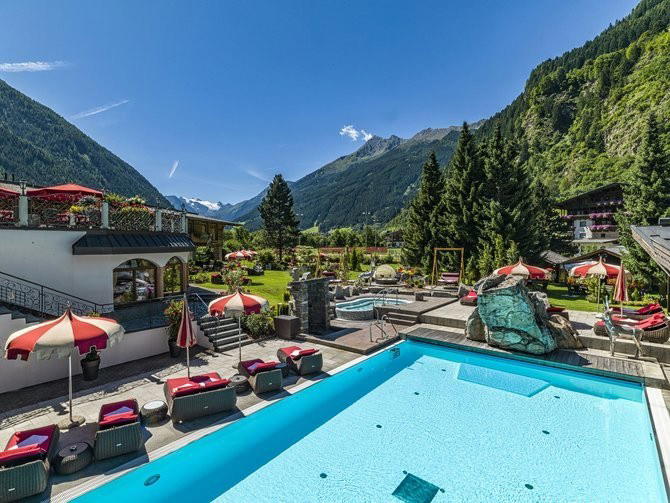
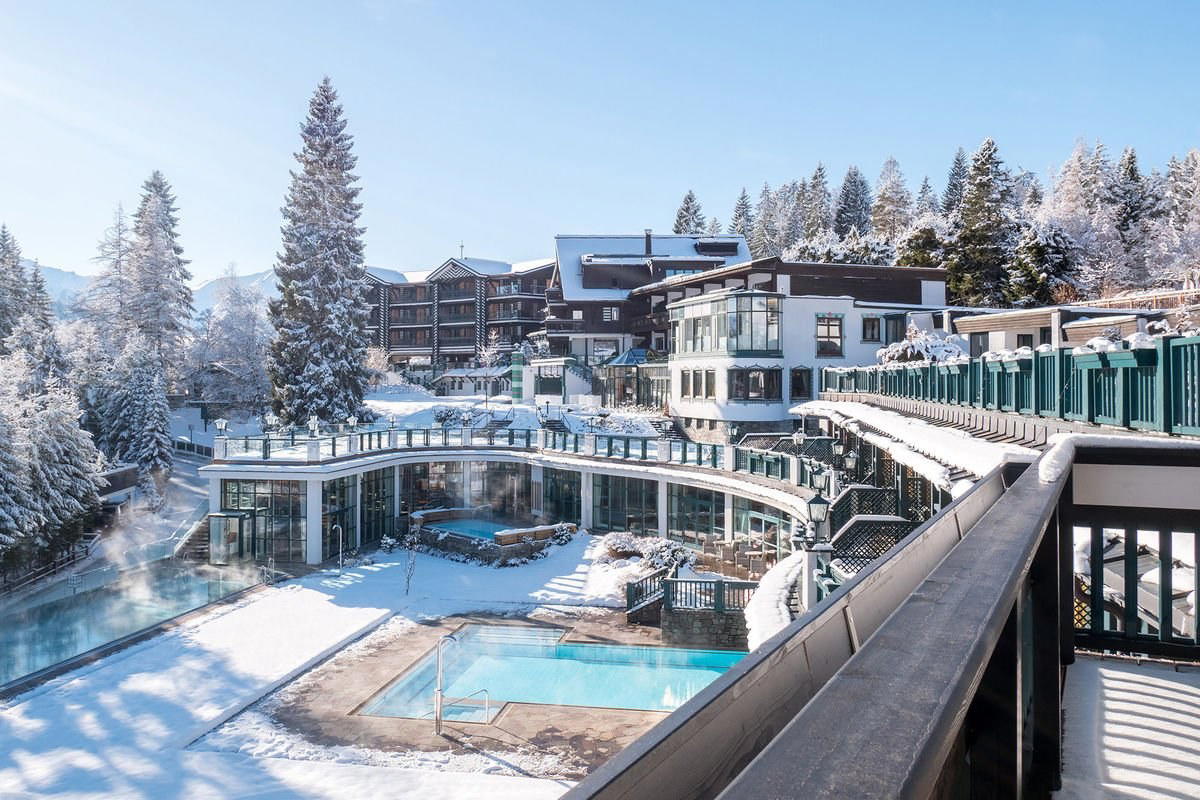
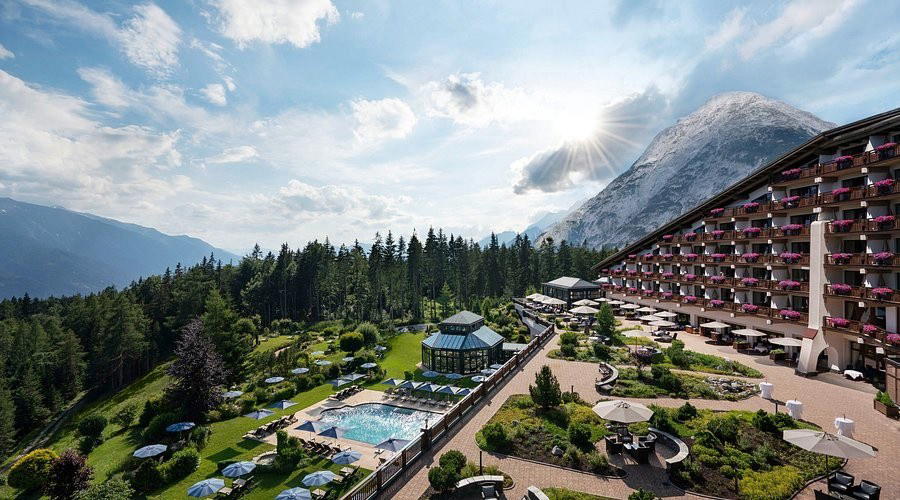
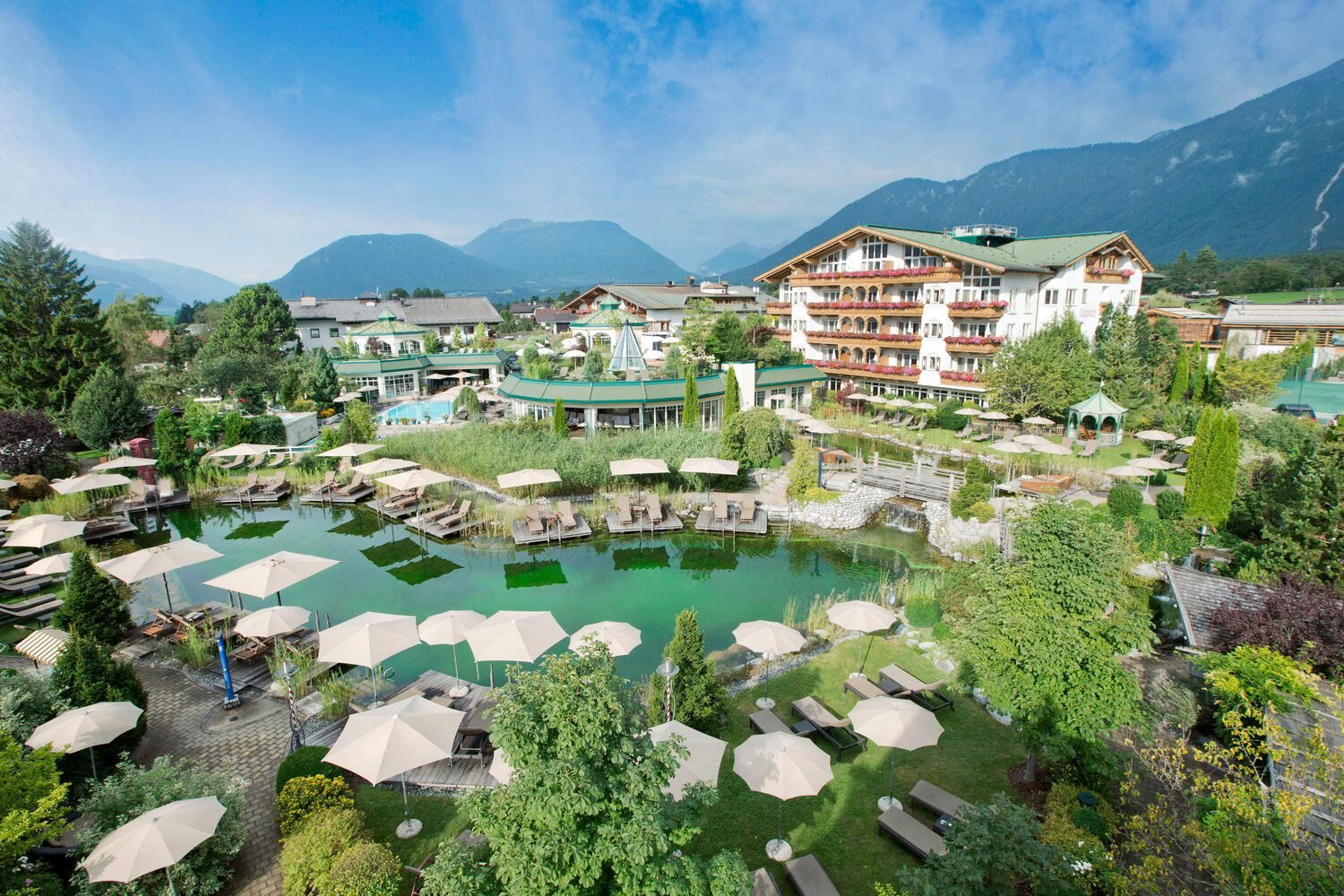
Rustic alpine hut atmosphere with a cozy wood-clad dining room, broad sun terrace and a relaxed mountain-pasture setting.