GT19
GT19 serves Modern Slovenian Fine Dining at Glavni trg 19 in Slovenj Gradec, with local sourcing, zero waste, and an open kitchen for leisurely brunch or dinner.
Pearl is the En Primeur Club membership app — saves, bookings, and concierge access live there. Same editors, same standards.
- Address
- Glavni trg 19, 2380 Slovenj Gradec, Slovenia
- Phone
- +38651331919
- Website
- gt19.si
- Directions
- Get directions
 Saves & bookings on Pearl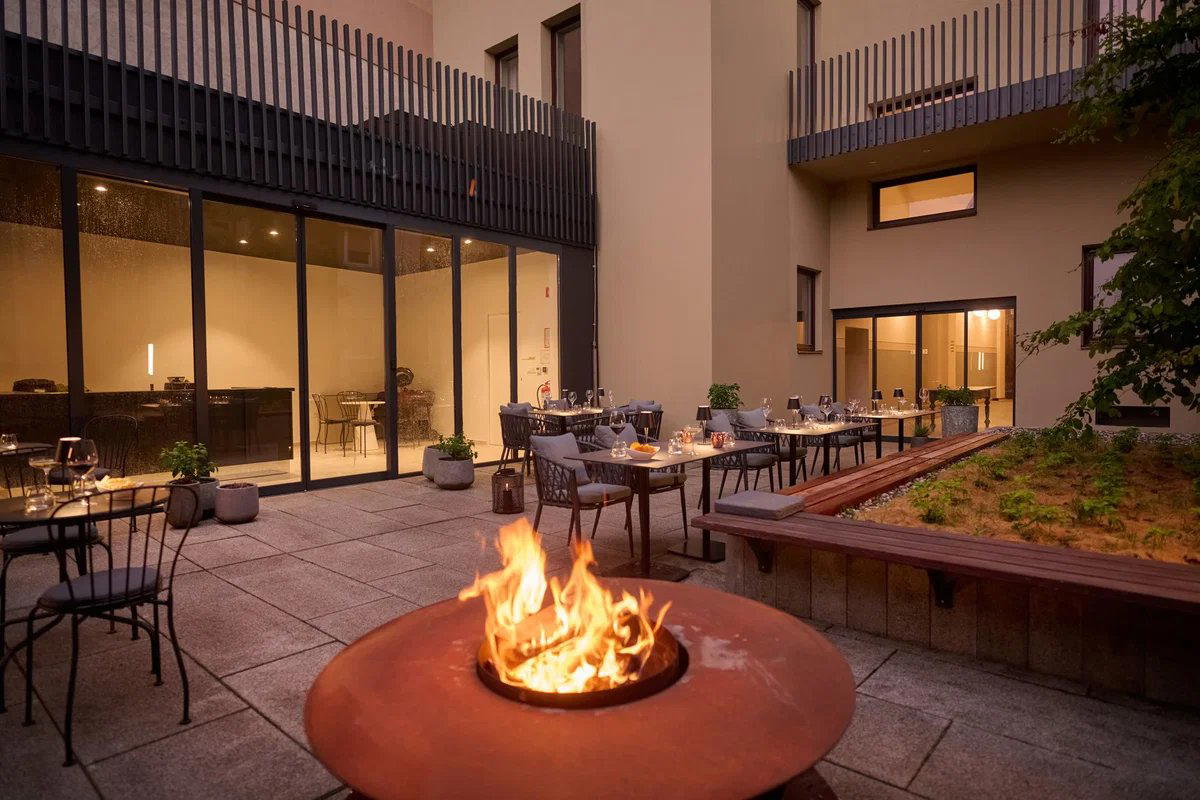
Glavni Trg and the Dining Logic of Small Slovenian Towns
Slovenia's dining conversation tends to collapse around a handful of coordinates: the Soča valley (where Hiša Franko in Kobarid has reshaped what a remote restaurant can mean internationally), the Alpine fringe around Milka in Kranjska Gora, the Vipava corridor anchored by Gostilna Pri Lojzetu, and Ljubljana's old town. The Koroška region, tucked against the Austrian border in Slovenia's north, rarely enters that conversation. That absence says more about editorial attention than about the food.
Slovenj Gradec is Koroška's cultural capital in a literal sense: it holds the title of UNESCO City of Peace and carries a municipal identity shaped by visual art, music, and a long civic tradition. The town's main square, Glavni trg, functions the way central squares always do in small Central European towns: as the social and commercial spine around which daily life organises itself. An address on that square is not incidental. It places a venue at the point where locals eat, meet, and mark occasions.
GT19 is a restaurant on Glavni trg 19 in Slovenj Gradec, Slovenia, serving Modern Slovenian Fine Dining. Slovenian town-square restaurants in this tier tend to operate as a bridge between the gostilna tradition, which prizes seasonal produce, hearty portions, and generational continuity, and a newer, more deliberate approach to plating and sourcing that has spread outward from the country's Michelin-recognised kitchens over the past decade.
The Koroška Table: What the Region Brings to the Plate
Koroška cuisine draws from an overlap of Austrian and Slovenian culinary traditions that has produced its own distinct register. Buckwheat, game, freshwater fish, forest mushrooms, and dairy from mountain pastures are the foundational ingredients. The region's cooking has historically been defined by altitude and season: what could be stored, preserved, or foraged determined what appeared on the table. That constraint has shaped a cuisine that rewards technique applied to modest, local materials rather than luxury imports.
Across Slovenia, particularly critically recognised restaurants, including Grič in Šentjošt nad Horjulom with its farm-to-table framework and Hiša Denk in Zgornja Kungota, have anchored their identity in hyper-local sourcing and a refusal to import luxury ingredients as status signals. That approach maps naturally onto the Koroška pantry, which has the raw materials to sustain serious cooking without reaching beyond the valley. Whether GT19 pursues that framework or operates in a more casual, everyday register is information that would come from the kitchen directly.
For broader context on where GT19 fits within Slovenj Gradec's current table offerings, Hiša Ančka represents the town's other well-documented address, and cross-referencing the two gives a more complete picture of what the local scene currently provides.
Placing GT19 in Slovenia's Wider Dining Picture
Slovenia punches considerably above its population in terms of Michelin density per capita, a fact that reflects both the country's agricultural diversity and a kitchen culture that has professionalised rapidly since EU accession. Addresses recognised in recent years span formats from the modernist tasting menu at Dam in Nova Gorica to the historically anchored cooking at Restavracija Strelec in Ljubljana, from the inn tradition preserved at Gostilna Mlinar in Idrija to the lakeside register of Pavus in Lasko. The country's critical infrastructure now reaches beyond Ljubljana and the obvious tourist corridors.
The Koroška gap in that national picture is partly a function of geography: the region sits off the main tourist routes, and international food media tends to follow visitor flows. Locally significant addresses rarely reach the review circuit unless a critic makes a deliberate detour. That dynamic is not distinctive to Slovenia. It plays out in comparable ways in rural Austria, in the Slovenian Karst, and in small-town France. The result is that squares like Glavni trg can sustain serious cooking for years before an external account catches up.
Other Slovenian addresses that sit in similar structural positions relative to the national conversation include Gostišče Karavla 297 in Trzic, Gostišče Neptun in Piran, Turistična Kmetija Breg in Brda, and Gostilna Oštirka in Celje. Each operates in a regional context that has its own internal logic, separate from the headline venues that attract international press. Hiša Linhart in Radovljica offers a useful reference point for how an address in a smaller Slovenian town can build a serious reputation through regional anchoring rather than capital-city positioning.
Planning a Visit: What to Know Before You Go
GT19 sits at Glavni trg 19, the main square of Slovenj Gradec, which is accessible by road from Maribor (roughly an hour's drive east) and from the Austrian border crossing at Holmec (approximately 20 minutes north). The town has limited public transport connections, so a car is the practical option for most visitors arriving from outside the region. Slovenj Gradec itself is compact enough to cover on foot once you arrive, and the main square is within easy walking distance of the town's small accommodation options.
Reservations are recommended. For a town of Slovenj Gradec's scale, reservations on weekends and during local festivals or market days are a reasonable precaution regardless of format. The town's cultural calendar, including events tied to its UNESCO City of Peace status, can affect both foot traffic and kitchen capacity at square-facing addresses.
Visitors combining GT19 with a broader Koroška itinerary will find the region's other draws, including the Koroška Museum and the Slovenj Gradec Gallery of Fine Arts, within a short walk of the square. The surrounding Pohorje hills and the Mislinja valley offer hiking and cycling routes that make the region a practical base for a two- or three-night stay rather than a single-day detour.
Booking and Cost Snapshot
Comparable venues nearby, for context on price, style, and recognition.
| Venue | Cuisine | Price | Notes |
|---|---|---|---|
| GT19This venue — the venue you are viewing | Glavni trg, Modern Slovenian Fine Dining | $$$ | Not listed |
| Hiša Ančka | Not listed | $$ | Slovenj Gradec, Italian with Slovenian influences and Neapolitan pizza |
| Gostišče Dolinšek | Sevnica, Traditional Slovenian | $$ | Not listed |
| Rose Restavracija | Lake Bled, Modern Slovenian Fine Dining | $$$ | Not listed |
| Cacao | Not listed | $$ | Center, Modern Cafe with Gelato & Patisserie |
| KUHLA, krčma na gradu | Not listed | $$ | Šmartno pri Litiji, Slovenian Castle Tavern |
Continue exploring
More in Slovenj Gradec
Restaurants in Slovenj Gradec
Browse all →
Bars in Slovenj Gradec
Browse all →
Hotels in Slovenj Gradec
Browse all →

At a Glance
- Modern
- Cozy
- Sophisticated
- Date Night
- Special Occasion
- Open Kitchen
- Local Sourcing
- Zero Waste
Current opening hours
- Monday
- Closed
- Tuesday
- Closed
- Wednesday
- 10 AM–2 PM
- Thursday
- 10 AM–2 PM
- Friday
- 10 AM–2 PM, 6–10 PM
- Saturday
- 6–10 PM
- Sunday
- 11 AM–2 PM
Hours can change for holidays and private events. Last verified .
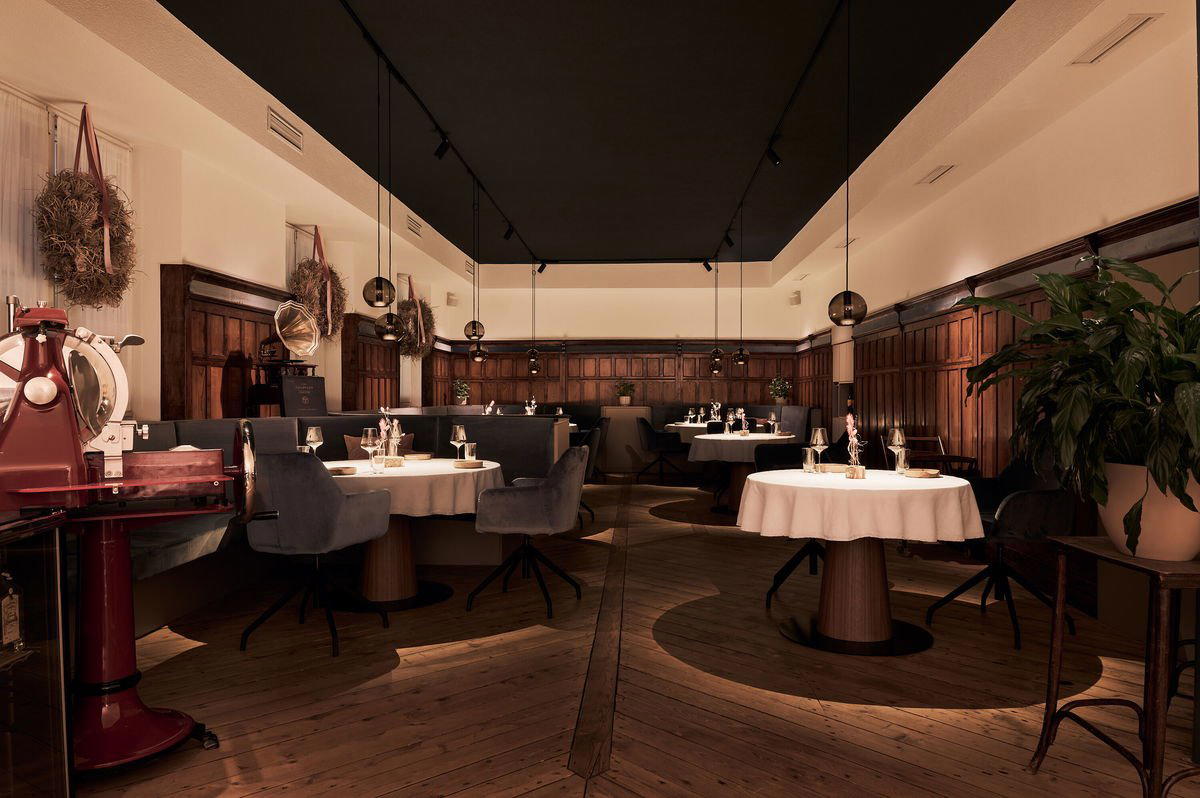
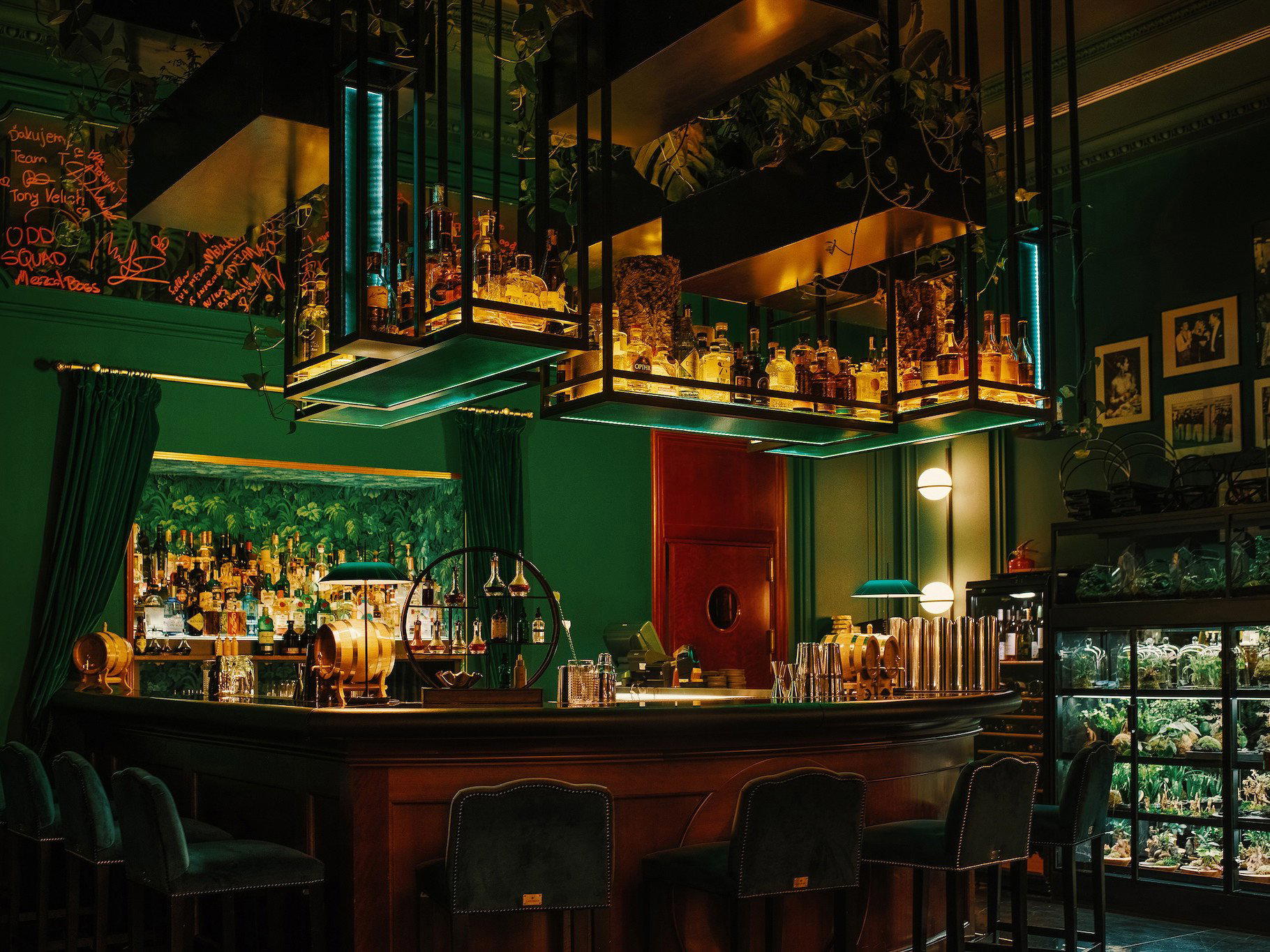
Cozy and sophisticated atmosphere blending traditional and contemporary elements in a central location.