KUHLA, krčma na gradu
Set within the historic grounds of Bogenšperk Castle near Šmartno pri Litiji, KUHLA operates in the krčma (tavern) tradition that has anchored rural Slovenian hospitality for centuries. The setting alone situates it within a longer story about how the country's interior regions have preserved ingredient-led cooking when the capital pulled toward European fine-dining conventions. A practical stop on any serious tour of Slovenia's lesser-visited culinary interior.
Pearl is the En Primeur Club membership app — saves, bookings, and concierge access live there. Same editors, same standards.
- Address
- Bogenšperk 5, 1275 Šmartno pri Litiji, Slovenia
- Phone
- +38651307413
- Website
- krcma-bogensperk.si
- Directions
- Get directions
 Saves & bookings on Pearl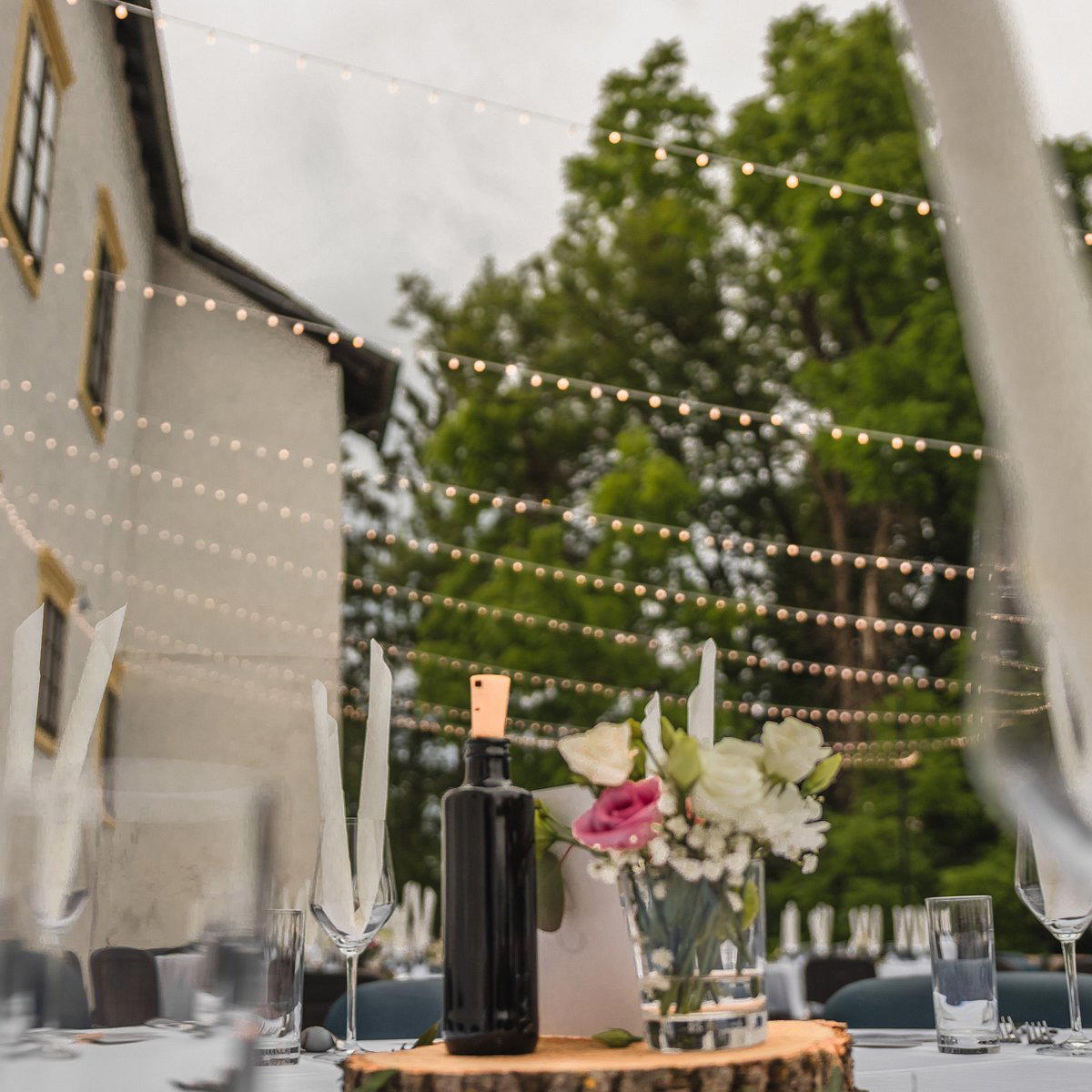
Stone Walls and the Logic of Place
The approach to Bogenšperk Castle tells you something before the food arrives. The road climbs through the forested hills east of Ljubljana. This is the Posavje-Zasavje zone, a stretch of Slovenia where the cooking tradition is older than any contemporary label applied to it, and where the term krčma carries specific weight: a tavern attached to a place, drawing on what that place produces.
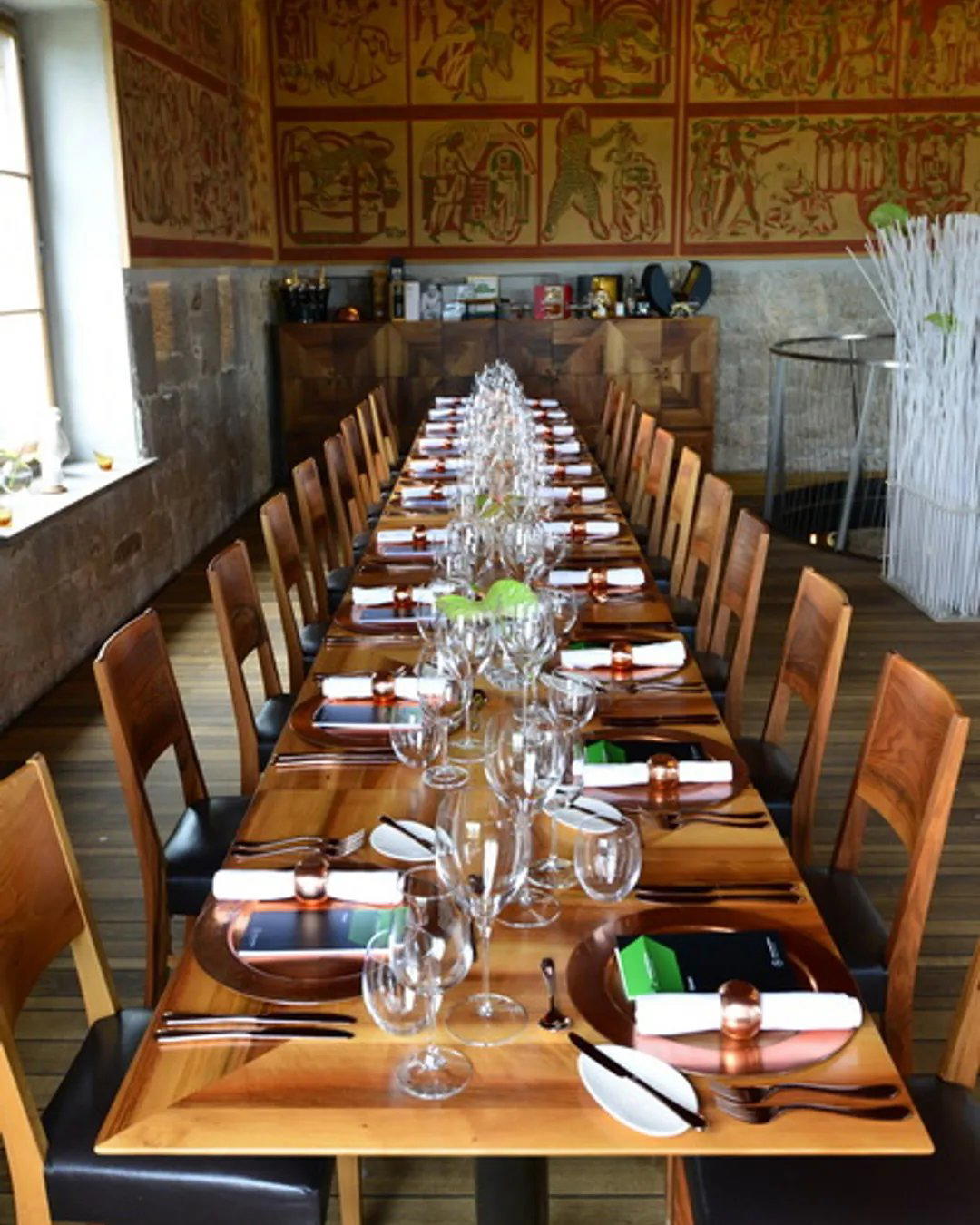
KUHLA occupies that role at Bogenšperk, a Renaissance castle dating to the sixteenth century. Castle-linked hospitality in Central Europe tends toward one of two modes: theatrical period pastiche or genuine rootedness in local supply. The better examples of the latter format, where the architecture functions as context rather than costume, are rare. The setting here works without pretension.
What the Krčma Tradition Actually Means for the Plate
Slovenia's interior tavern tradition, distinct from the coastal Adriatic kitchens and the alpine farm tables of Gorenjska, centres on produce from the immediate agricultural radius. The Posavje region supplies game, freshwater fish, foraged mushrooms, and preserved and fermented preparations. This is ingredient logic grounded in what has long been available.
Across Slovenia, some kitchens have formalised this sourcing into tasting-menu structures: Hiša Franko in Kobarid and Grič in Šentjošt nad Horjulom. The krčma model sits at a different point on that spectrum: less structured, more embedded in the rhythms of what the land offers week to week rather than season to season.
That distinction matters when thinking about ingredient sourcing. The flexibility that comes with a less formalised format allows for more honest responses to what's actually available, which can produce more interesting cooking in the way that a good market lunch in Lyon often outperforms a planned three-star dinner for sheer fidelity to the ingredient.
Slovenia's Interior as a Culinary Region
The Zasavje and Posavje areas receive less food-travel attention than the Vipava Valley, Brda, or the Karst. That imbalance reflects marketing geography more than culinary merit. The interior's cooking traditions are, in many respects, as developed as those of the more celebrated regions; they simply lack the wine export infrastructure and international chef connections that have given western Slovenia its current profile.
Other parts of the country have built reputations through precisely those channels. Gostilna Pri Lojzetu in Vipava operates at the formal end of regional Slovenian cooking, with a modern cuisine format at the €€€€ price tier. Dam in Nova Gorica brings a Mediterranean-inflected approach to the western border zone. These kitchens have translated regional identity into formats recognisable to fine-dining audiences. The krčma format at Bogenšperk is operating in a different register, one that doesn't require that translation because its audience is, primarily, local and regional.
That local orientation can support a strong level of sourcing integrity. When your guests are drawn from the surrounding region, the gap between what you claim about your ingredients and what those guests know from their own experience is small. That accountability shapes a kitchen in ways that external recognition cannot.
Placing KUHLA in Its comparable set
KUHLA sits in a category distinct from the formal tasting-menu kitchens that have driven Slovenia's recent international profile. It is closer in spirit to places like Gostišče Karavla 297 in Trzic or Gostilna Pr'Bizjak in Preddvor: tavern-format venues where the regional supply relationship is built into the format rather than bolted on as a marketing claim.
For reference points at a different scale and tier, Hiša Linhart in Radovljica and Pavus in Laško both illustrate how Slovenian regional kitchens can formalise without losing their sourcing logic. Further afield, Restavracija Strelec in Ljubljana represents the urban end of castle-context dining, with a different price and format proposition. Urban castle dining and rural castle taverns answer different questions about what the setting should do for the food.
For those cross-referencing at the highest end of the international spectrum, venues like Le Bernardin in New York City or Atomix in New York City represent the formalised, technique-forward pole of ingredient-sourcing philosophy. The krčma format at Bogenšperk is informal, place-specific, and legible on its own.
Getting There and Planning Your Visit
Bogenšperk is approximately thirty kilometres east of Ljubljana, accessible by car via the A2 motorway and local roads toward Šmartno pri Litiji. Public transport connections to this part of the Posavje interior are limited, and a car is the practical choice for most visitors. The castle setting means the approach is part of the experience: allow time for the drive and, if visibility permits, the views from the castle grounds before or after eating. The restaurant is open Saturday and Sunday, with reservations essential. This is a venue where advance contact is the sensible approach before making the journey from Ljubljana.
Quick Comparison
Comparable venues nearby, for context on price, style, and recognition.
| Venue | Cuisine | Price | Notes |
|---|---|---|---|
| KUHLA, krčma na graduThis venue — the venue you are viewing | Slovenian Castle Tavern | $$ | Not listed |
| Cojzla | Gluten-Free Fast Casual | $$ | Ljubljana BTC shopping center area |
| Kruhkerija Gorjanc Ljubljana | Traditional Slovenian Hotemaški Kruhki | $$ | Dunajska Street / Central Ljubljana |
| Gostišče Dolinšek | Traditional Slovenian | $$ | Sevnica |
| Gostilna Avguštin | Traditional Slovenian | $$ | Linhartov trg |
| Gostilna Pri Stričku | Traditional Slovenian | $$ | Ljubljana |
Continue exploring
More in Smartno Pri Litiji
Restaurants in Smartno Pri Litiji
Browse all →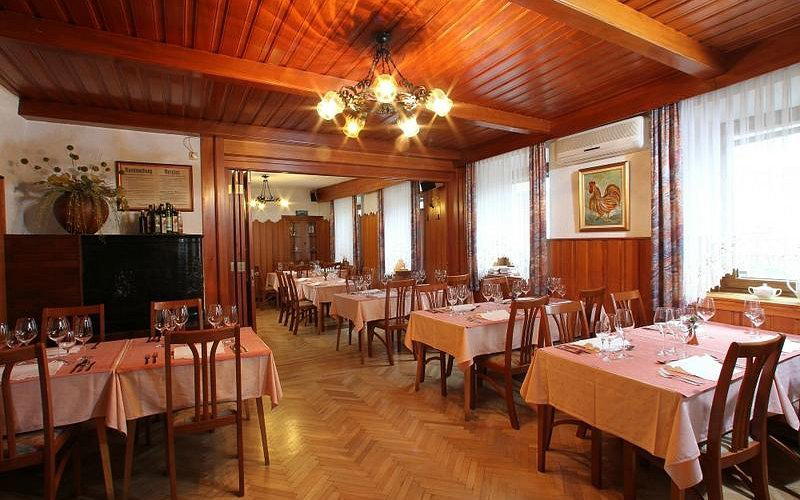
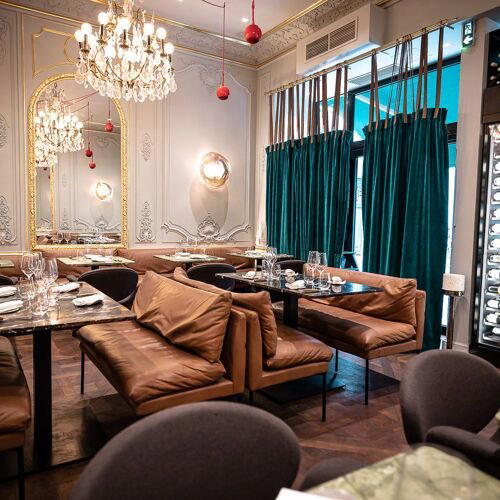
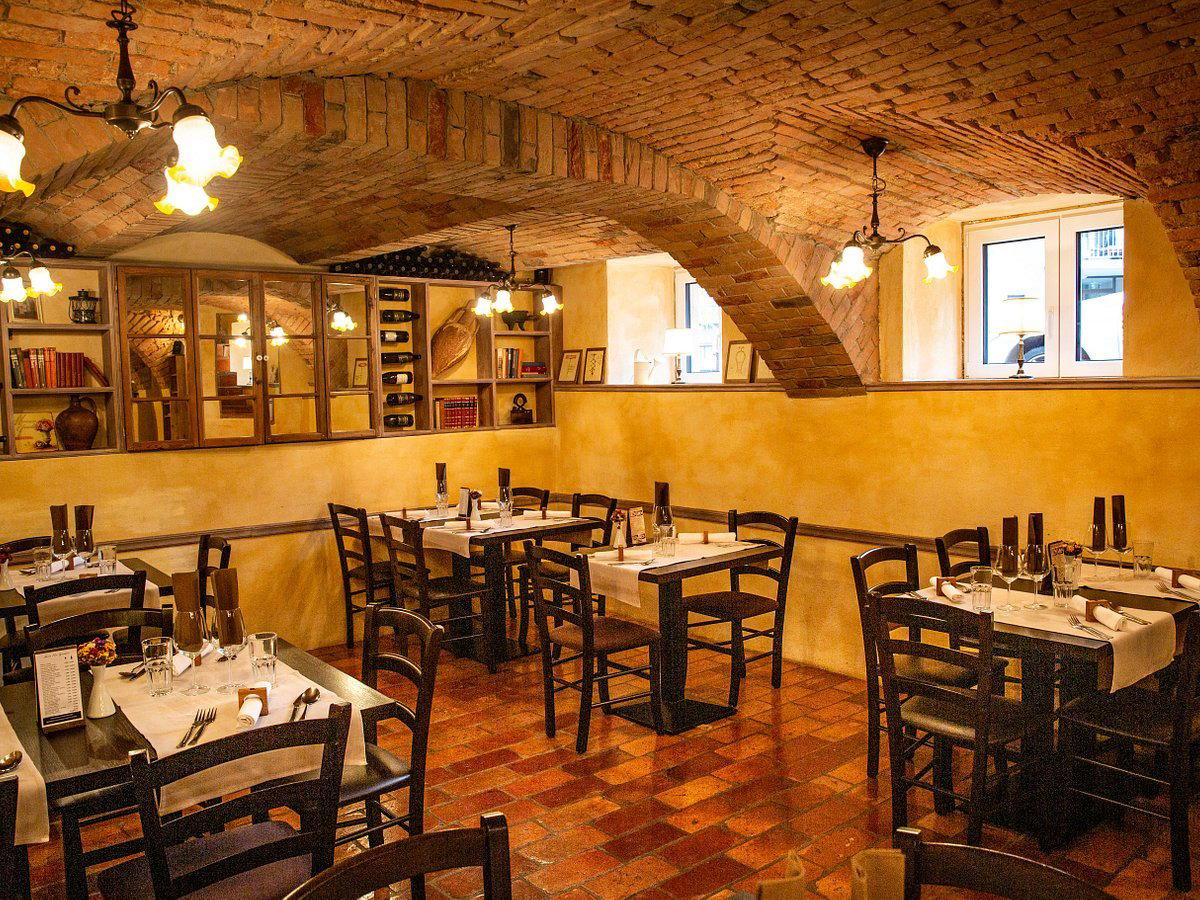
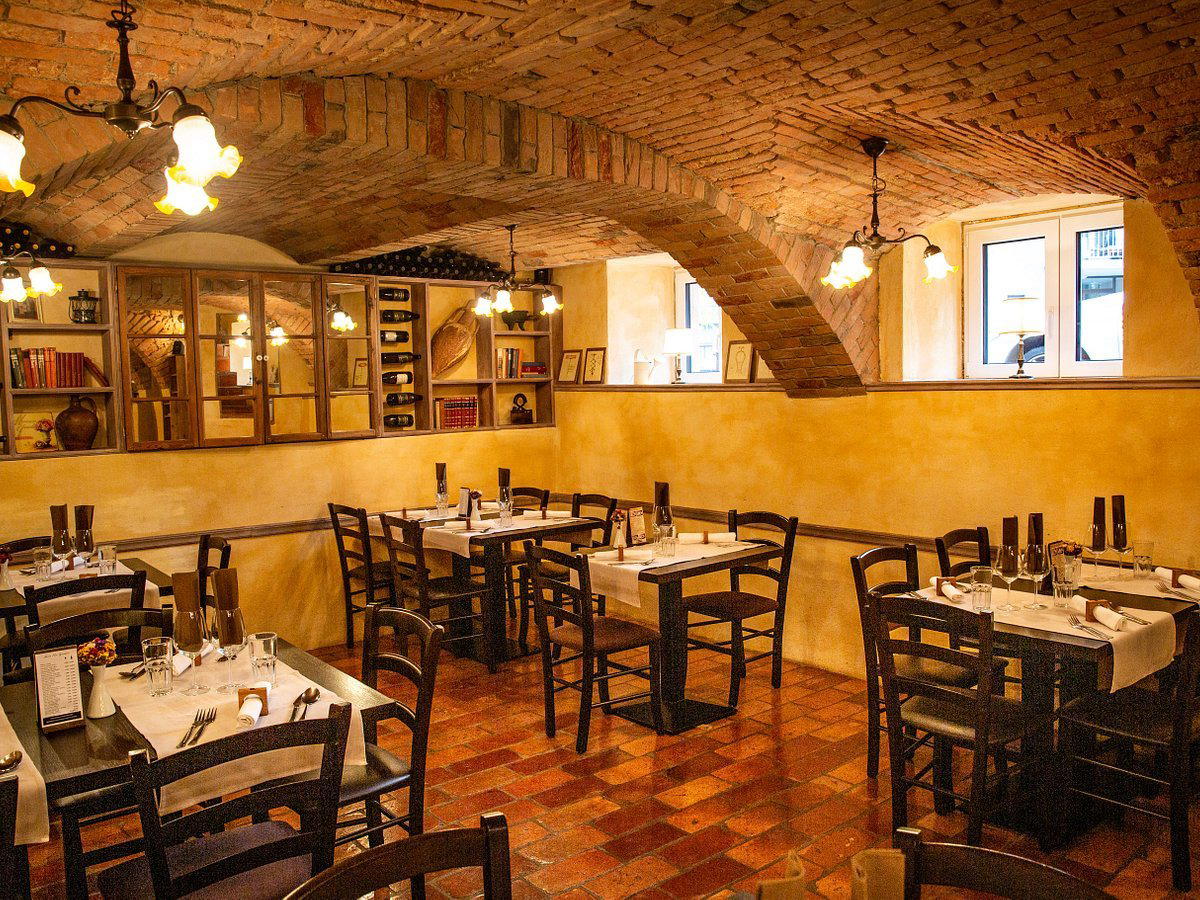
Bars in Smartno Pri Litiji
Browse all →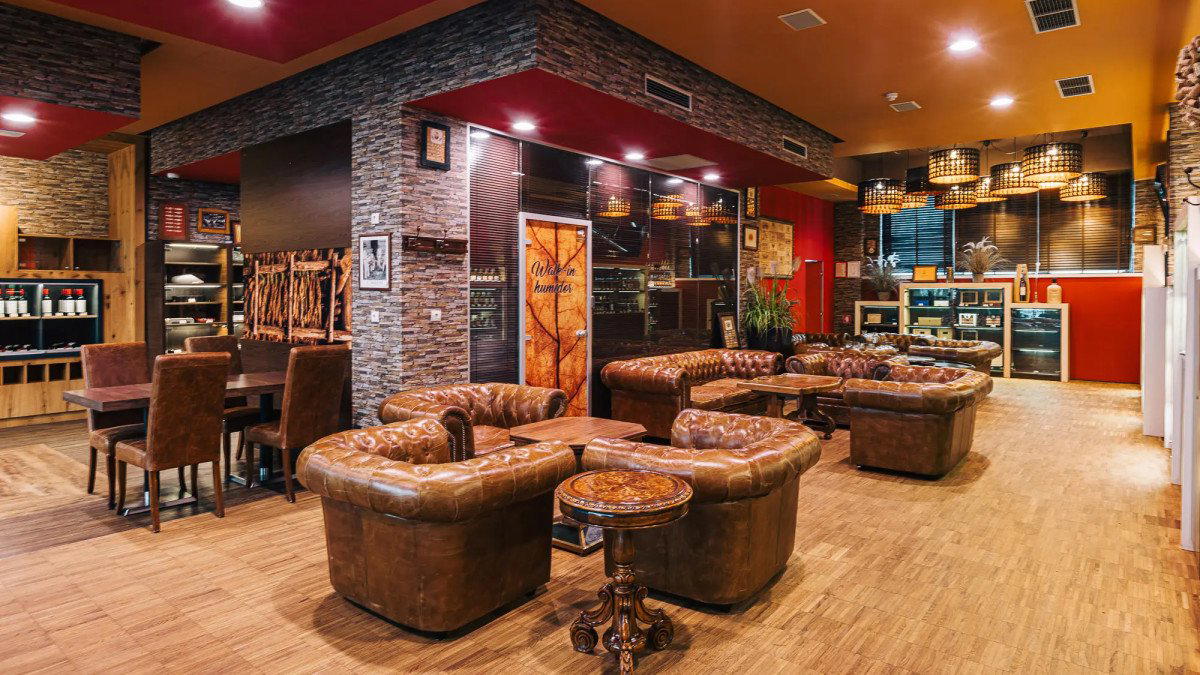
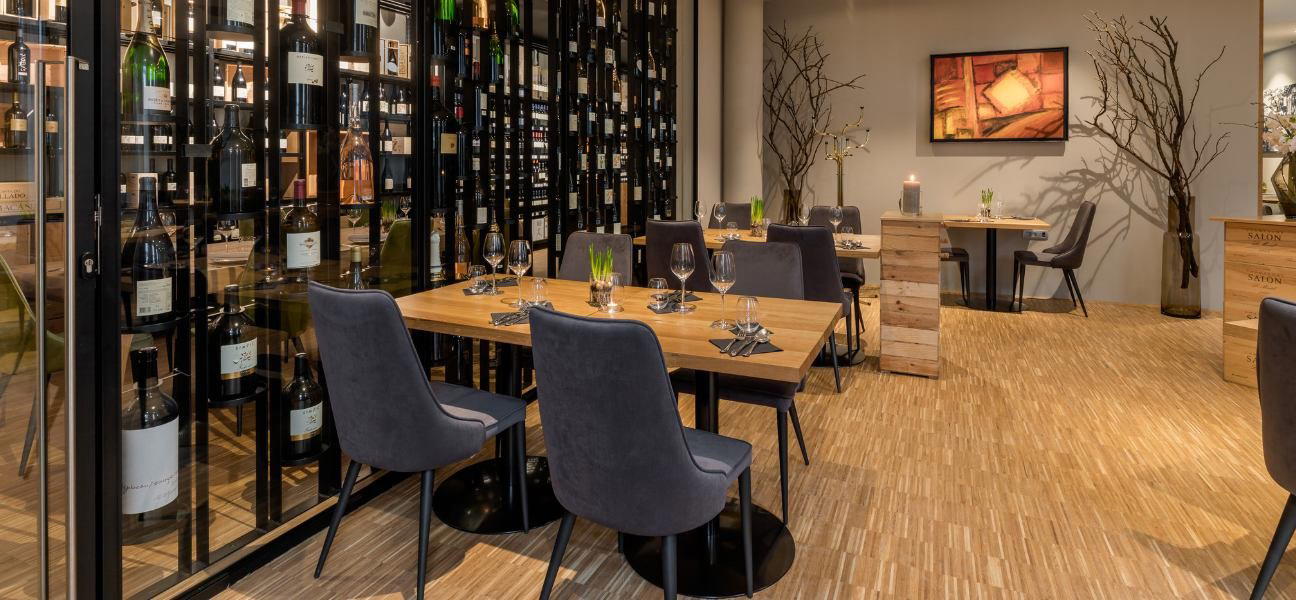
Hotels in Smartno Pri Litiji
Browse all →
Wineries in Smartno Pri Litiji
Browse all →
At a Glance
- Scenic
- Rustic
- Romantic
- Classic
- Cozy
- Celebration
- Private Event
- Group Dining
- Special Occasion
- Family
- Business Dinner
- Historic Building
- Terrace
- Courtyard
- Private Dining
- Panoramic View
- Standalone
- Beer Program
Current opening hours
- Monday
- Closed
- Tuesday
- Closed
- Wednesday
- Closed
- Thursday
- Closed
- Friday
- Closed
- Saturday
- 10 AM–8 PM
- Sunday
- 10 AM–6 PM
Hours can change for holidays and private events. Last verified .
Charming castle atmosphere with a romantic courtyard, terrace, historic interiors, and scenic surroundings; guest feedback highlights the location and atmosphere as memorable.