Hiša Ančka
Hiša Ančka sits on Celjska cesta in Slovenj Gradec, a small city in Slovenia's Koroška region where serious cooking has historically operated under the radar. The kitchen draws on the agricultural traditions of the surrounding Pohorje hills, placing local sourcing at the centre of its approach. For visitors tracing Slovenia's broader restaurant scene beyond Ljubljana, it represents a worthwhile stop in an underexplored part of the country.
Pearl is the En Primeur Club membership app — saves, bookings, and concierge access live there. Same editors, same standards.
- Address
- Celjska cesta 5, 2380 Slovenj Gradec, Slovenia
- Phone
- +38659034829
- Website
- hisaancka.si
- Directions
- Get directions
 Saves & bookings on Pearl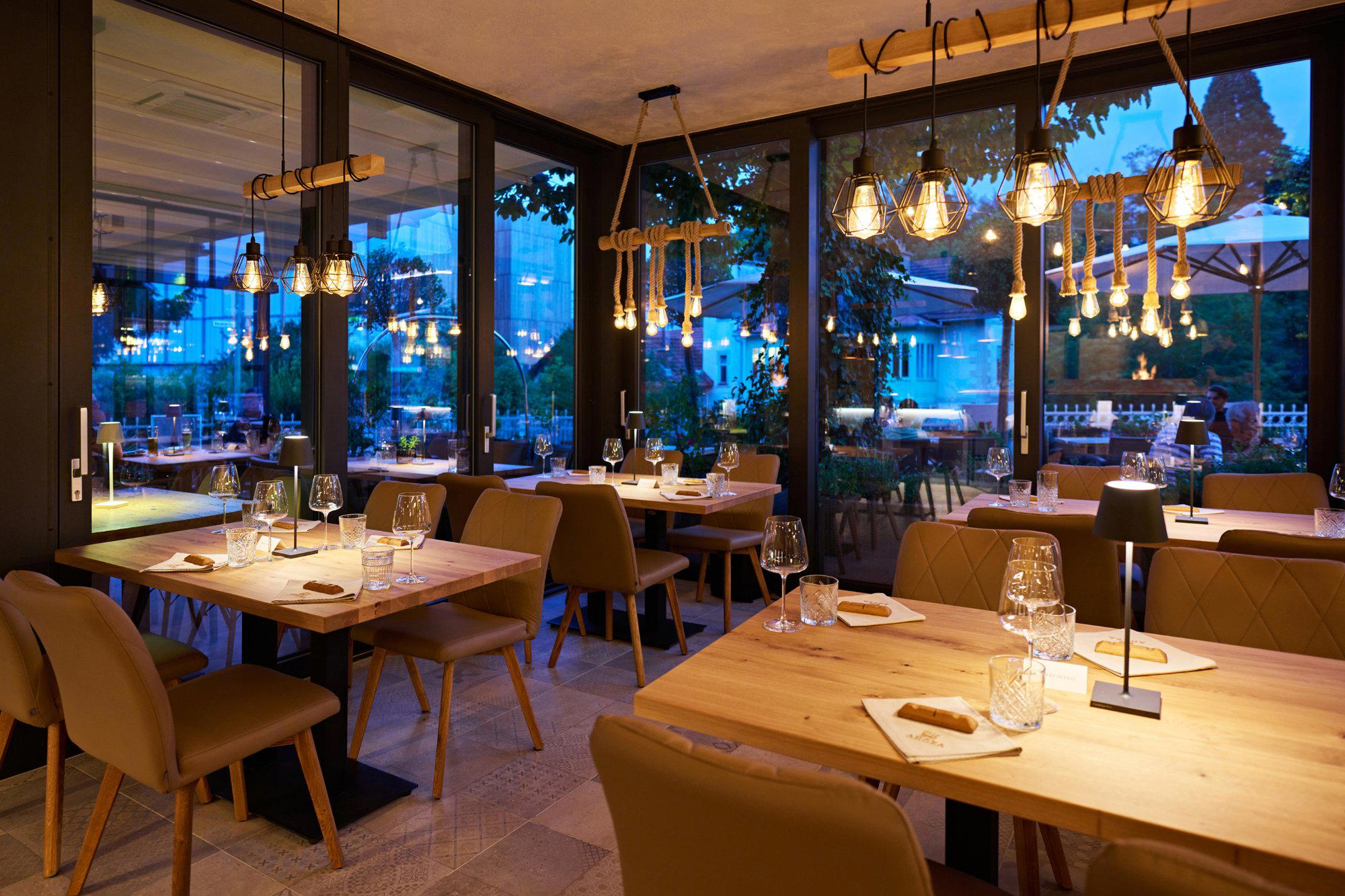
Koroška's Quiet Culinary Seriousness
Slovenia's most-discussed restaurant addresses tend to cluster in the Soča Valley, the Vipava corridor, or the capital. Slovenj Gradec, the compact administrative centre of the Koroška region in the country's north, rarely appears on those shortlists. That absence has less to do with quality than with geography: Koroška sits at the convergence of alpine and continental influences, hours from Ljubljana and closer in character to Austria's Styria than to the Adriatic-facing south. Restaurants here serve communities rather than tourism circuits, which produces a different kind of discipline, one rooted in what the land around the kitchen actually yields rather than what a menu needs to say about itself.
Hiša Ančka, located at Celjska cesta 5 in Slovenj Gradec, operates within that tradition. The address places it on one of the main arteries into the city, accessible by car from Maribor (roughly an hour northeast) or from the Pohorje plateau, whose forests and farms form the immediate hinterland.
The Ingredient Logic of the Pohorje Hills
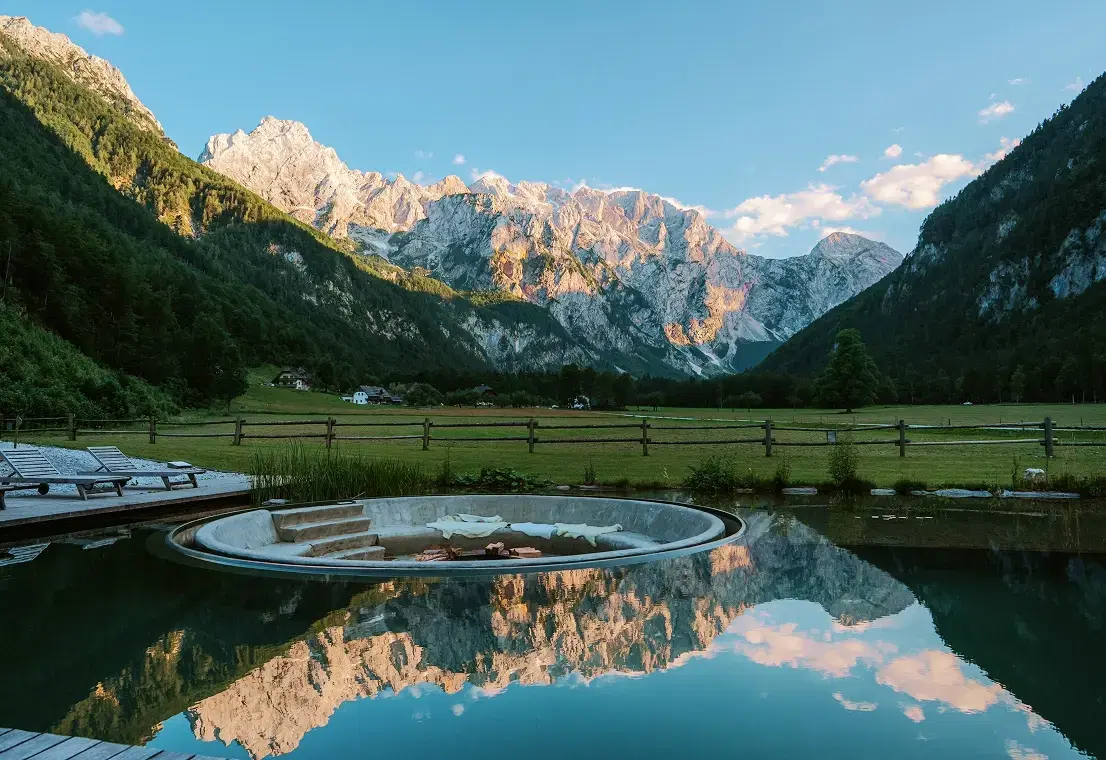
The Pohorje massif, which rises immediately east and north of Slovenj Gradec, is one of Slovenia's least-urbanised highland areas. Its economy has historically rested on timber, small-scale livestock farming, and foraging traditions that predate commercial agriculture. Mushrooms, game, dairy from highland pastures, and foraged herbs are not culinary affectations in this context, they are the regional pantry, and kitchens in Koroška have drawn on them for generations.
This matters when assessing a restaurant like Hiša Ančka, because the sourcing argument in Koroška is structural rather than performative. Across Slovenia's most-recognised addresses, the farm-to-table framing varies considerably in substance. At Grič in Šentjošt nad Horjulom, the farm-to-table commitment is verifiable and has attracted sustained editorial attention. At Hiša Franko in Kobarid, the sourcing logic is inseparable from the Soča Valley ecosystem, and the kitchen's international recognition reflects how convincingly that relationship has been articulated. In Koroška, the same underlying logic operates without the same critical infrastructure to document it, which means the connection between plate and place tends to be assumed rather than explained.
What Hiša Ančka represents within that local tradition is a kitchen that draws on the specific agricultural character of the Slovenj Gradec area, where highland produce, proximity to the Austrian border, and a predominantly local clientele all shape what ends up on the menu. Comparable dynamics appear in other Slovenian towns operating at a distance from the main tourism corridors: Gostilna Mlinar in Idrija and Gostišče Karavla 297 in Trzic both serve as reference points for how regional kitchens maintain serious cooking without the external validation infrastructure that surrounds Ljubljana or Kobarid.
How Hiša Ančka Sits in the Regional comparable set
Slovenia's restaurant tier between neighbourhood gostilna and Michelin-level creative tasting menu has grown in definition over the past decade. The middle register now includes addresses that take ingredient provenance seriously, maintain consistent cooking across seasons, and attract a mixed clientele of locals and informed visitors without replicating the format of the country's headline restaurants. The restaurant occupies a position in that middle tier within the Koroška context.
By comparison, the country's higher-profile addresses operate with greater format clarity and international visibility. Milka in Kranjska Gora and Gostilna Pri Lojzetu in Vipava both sit in the €€€€ bracket and have developed coherent creative identities around their respective terroirs. Dam in Nova Gorica applies a Mediterranean-modern framework to its sourcing at the €€€ level. These are useful reference points for understanding where the restaurant fits: it operates in a regional register rather than a nationally competitive one, which is not a diminishment but a description of its orientation and audience.
Also worth noting for visitors constructing a broader Slovenian itinerary: Hiša Denk in Zgornja Kungota, situated in the Styrian wine country northeast of Maribor, represents the closest geographically to Slovenj Gradec among Slovenia's recognised creative addresses, and could logically be paired with a visit to Koroška for travellers approaching from the Maribor direction. Pavus in Lasko, further south in the Savinja Valley, also offers a regional-ingredient framework that provides useful context for how this part of Slovenia approaches its culinary tradition.
Planning a Visit
Slovenj Gradec itself is a small city of around 17,000 people, with a compact old town, a regional museum of some quality, and a cultural calendar that reflects its status as the historical centre of Koroška. Accommodation options are limited compared to Slovenia's tourist-facing cities, which reinforces the sense that arriving here requires advance planning rather than spontaneous detours. The restaurant sits on Celjska cesta, one of the main approach roads, making it direct to locate by car. For those building a wider Slovenian dining itinerary, GT19 provides an additional reference point for serious eating within the city.
Reservations are recommended. Specific hours should be confirmed directly with the venue. The price tier is €€.
Visitors interested in Slovenian kitchens outside the main circuits will find Koroška worth the detour. The restaurant is one of the addresses that makes that case.
Comparable Venues
Comparable venues nearby, for context on price, style, and recognition.
| Venue | Cuisine | Price | Notes |
|---|---|---|---|
| Hiša AnčkaThis venue — the venue you are viewing | Italian with Slovenian influences and Neapolitan pizza | $$ | Not listed |
| GT19 | Modern Slovenian Fine Dining | $$$ | Glavni trg |
| Picerija Orli | Neapolitan-style Sourdough Pizza | $$ | Tenetiše |
| Kralj Matjaž | Italian Pizzeria with Burgers | $$ | City Center |
| Ljubljanski dvor | Wood-Fired Italian Pizzeria | $ | Center |
| Verace | Authentic Neapolitan Pizza | $$ | Center |
Continue exploring
More in Slovenj Gradec
Restaurants in Slovenj Gradec
Browse all →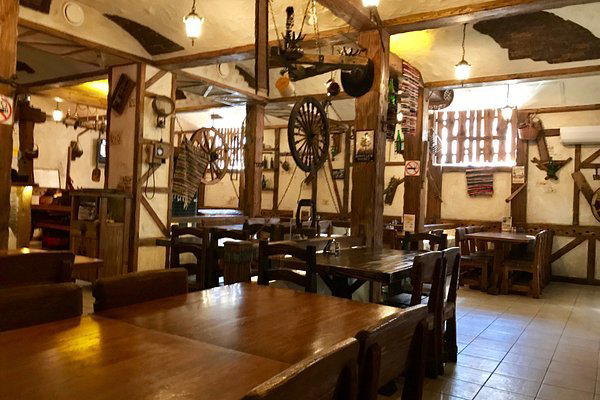
Bars in Slovenj Gradec
Browse all →
Hotels in Slovenj Gradec
Browse all →

At a Glance
- Cozy
- Rustic
- Modern
- Family
- Special Occasion
- Casual Hangout
- Historic Building
- Terrace
- Extensive Wine List
- Local Sourcing
- Zero Waste
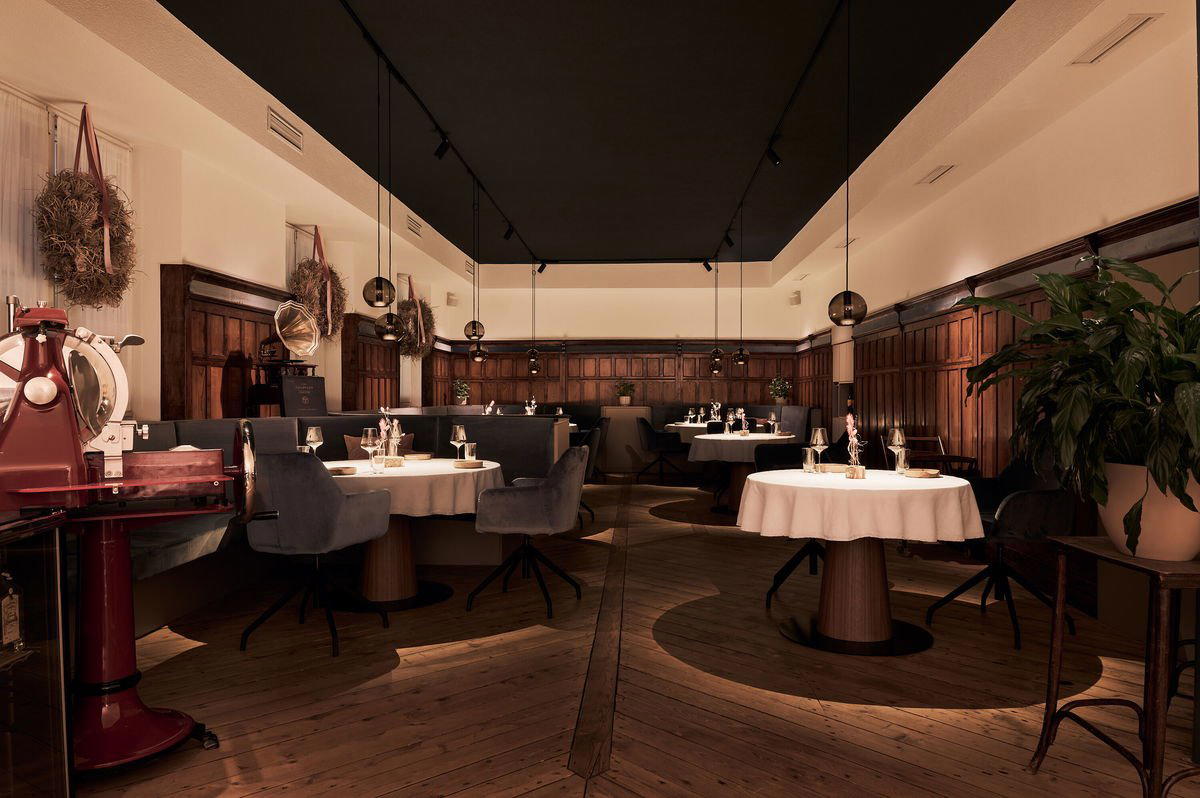
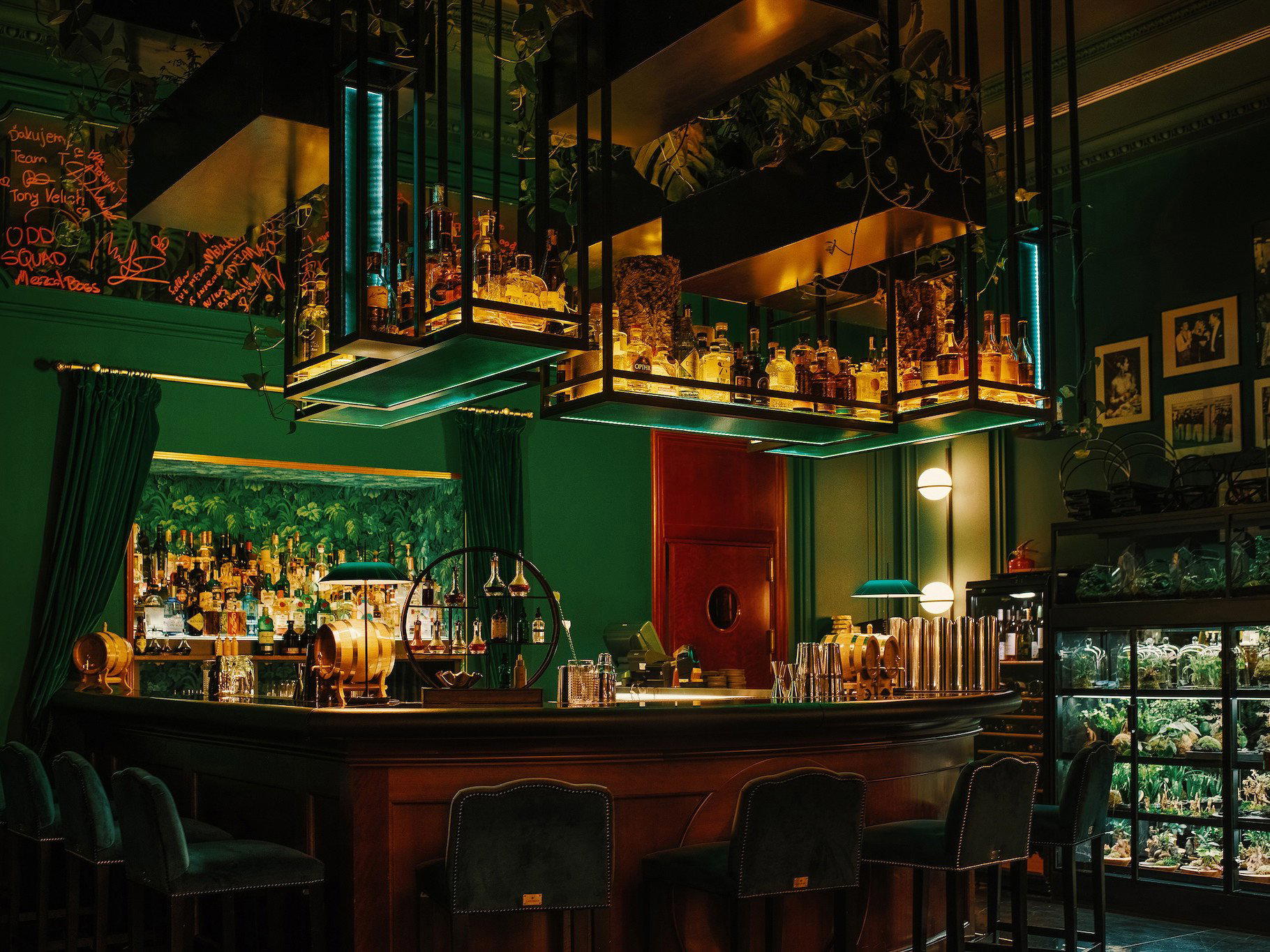
Cozy and welcoming with natural materials like oak, warm tones, and stylish designer oasis atmosphere.