Grød
Where Nørrebro's counter-culture dining sensibility meets one of Copenhagen's most enduring single-ingredient concepts, Grød has spent years refining porridge from a niche provocation into a serious culinary category. Situated on Jægersborggade, the street that helped define the neighbourhood's independent food scene, it sits at a different price point and register than the city's New Nordic fine-dining tier, occupying the space where everyday cooking meets genuine craft.
Pearl is the En Primeur Club membership app — saves, bookings, and concierge access live there. Same editors, same standards.
- Address
- kl tv, Jægersborggade 50, 2200 København, Denmark
- Phone
- +45 50 58 55 79
- Website
- groed.com
- Directions
- Get directions
 Saves & bookings on Pearl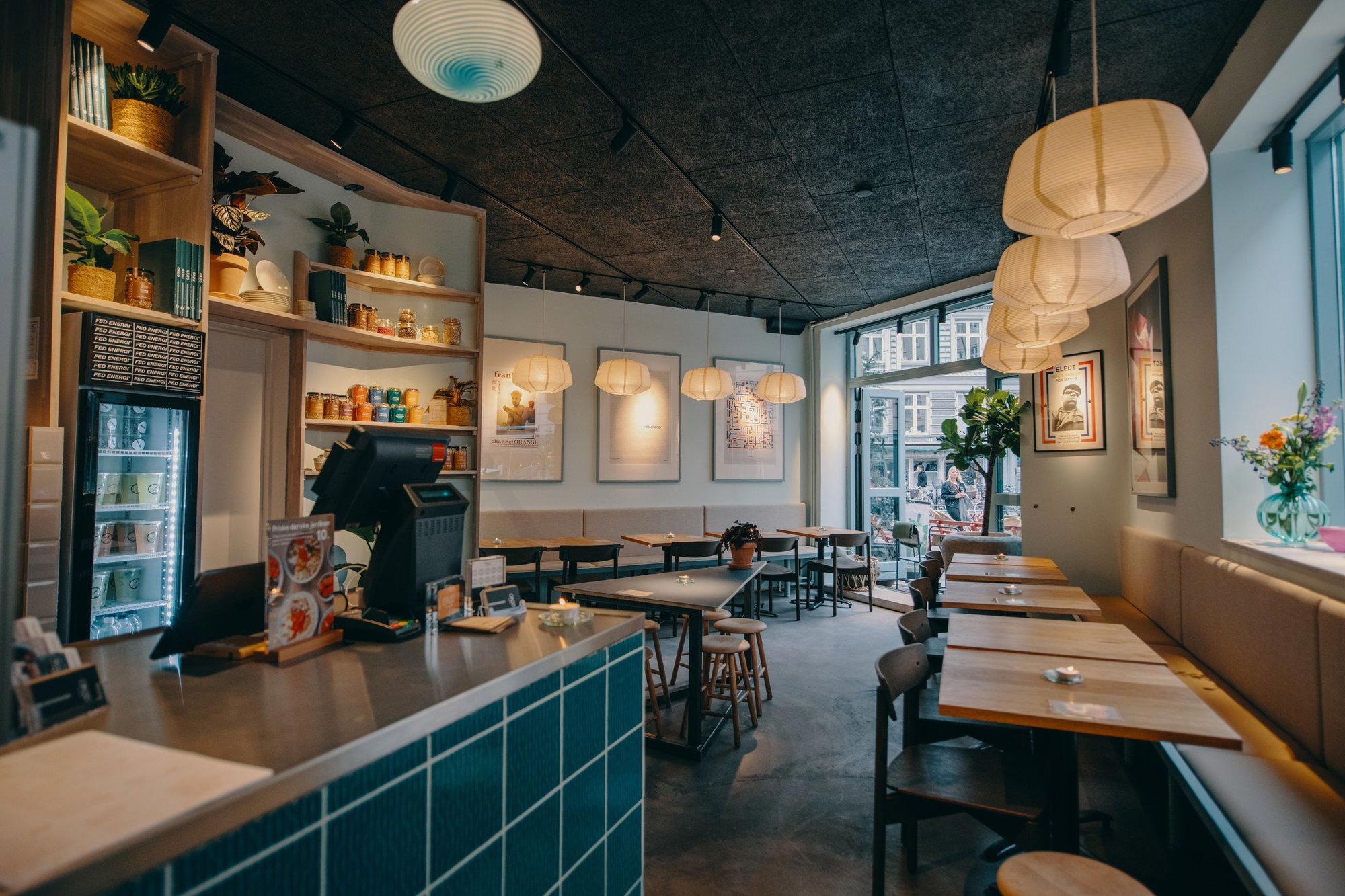
Jægersborggade and the Street That Built Nørrebro's Food Identity
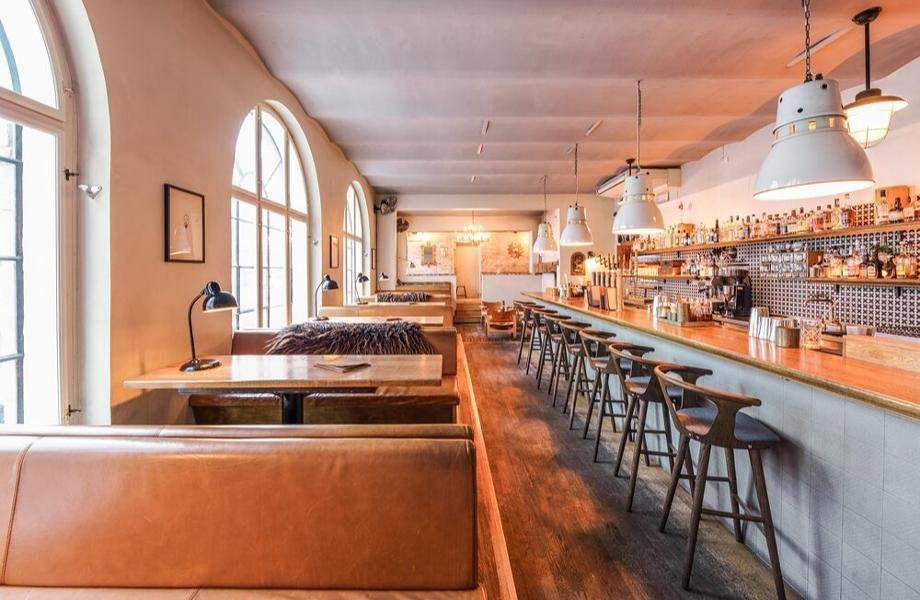
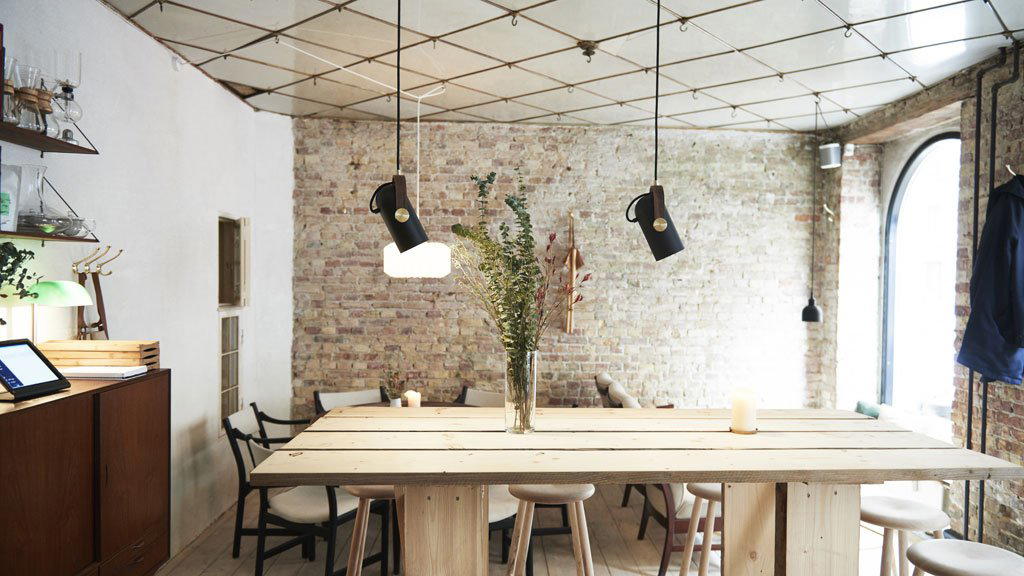
Arriving on Jægersborggade from the Nørrebro end, the shift in register is immediate. The street is compact, lined with small-batch roasters, natural wine importers, and independent food producers that have collectively shaped Copenhagen's argument that serious cooking does not require white tablecloths or three-course architecture. Grød sits within this ecology at number 50, and its physical presence matches the street's character: spare, functional, and deliberate rather than decorated. The aesthetic is not minimalism as a design statement; it reads more like the absence of anything that doesn't serve a purpose.
How a Single Ingredient Became a Serious Category
Copenhagen's food culture in the early 2010s was dominated by two poles: the high-concept New Nordic tasting menu (the world was watching Noma and its successors) and the traditional Danish café. Grød entered neither category cleanly. It built its entire identity around porridge, a food most of its first customers associated with childhood obligation or hospital breakfasts, and insisted on treating it with the same sourcing rigour and textural attention that fine-dining kitchens applied to technically demanding preparations. That was a genuine provocation at the time, and the concept has held.
The evolution has tracked in two directions simultaneously. The bowl format has expanded outward into grains beyond oat, incorporating rice congee, risotto-adjacent dishes, and seasonal grain preparations that shift the offering away from a fixed menu and toward something more responsive. At the same time, the price position and physical format have stayed accessible in a city where the fine-dining tier, occupied by venues like Geranium, Alchemist, and Koan, now commands prices that exclude most daily dining decisions. Grød's positioning as an everyday venue rather than an occasion venue has become more strategically coherent as the gap between Copenhagen's high-end and casual tiers has widened.
The Grain Format and What It Demands
Cooking well with grains is more technically constrained than it appears. The margin between a porridge that is properly hydrated, correctly seasoned, and at the right temperature when it reaches the table, and one that is gluey, under-seasoned, or already set is narrow. The same applies to congee at the rice end of the spectrum, where the ratio of grain to liquid, the length of the cook, and the aromatics in the base all compound. What Grød has demonstrated is that this constraint has pushed the kitchen toward precision. When the grain is the dish, not a substrate for something more expensive, every decision about it becomes load-bearing.
The toppings and accompaniments change with availability and season, which places Grød in the same sourcing conversation as the city's more formally recognised venues, even if the end result looks nothing like the tasting menus at Kadeau or the kaiseki-influenced structure at Koan. The logic, however, is parallel: let the season determine the plate rather than engineering a menu that works regardless of what is available.
Nørrebro as Context, Not Just Address
Understanding Grød requires some attention to the neighbourhood it operates in. Nørrebro has a different social and cultural density to the areas around Copenhagen's harbour or the more tourist-oriented streets closer to Tivoli. It has historically been one of the city's most diverse districts, and its food culture reflects that in ways that the fine-dining corridor does not. Jægersborggade specifically attracted independent operators partly because rents permitted it when the street was less established, and partly because the resident demographic supported a certain kind of considered but unstuffy eating. Grød's format, counter service, casual seating, a menu that is easy to understand without prior knowledge of Nordic food culture, belongs to that tradition.
For visitors working through Copenhagen's broader dining range, it offers a useful stopping point. After a tasting menu at a venue in the €€€€ tier, or an afternoon spent reading about the city's award circuit (Denmark's Michelin-starred kitchens extend well beyond Copenhagen to places like Jordnær in Gentofte, Frederikshøj in Aarhus, and Henne Kirkeby Kro), Grød represents a different set of values: craft applied at a human scale, in a neighbourhood context, without the formality that award-circuit dining tends to require.
The Reinvention That Wasn't a Reinvention
What is notable about Grød's trajectory is how little it has needed to pivot. Most food businesses that survive a decade do so by expanding, adding formats, softening their original proposition, or following trends toward whatever the market has moved to. Grød has done some of this, adding rice-based preparations and expanding the toppings repertoire, but the conceptual core has remained stable. That stability reads as confidence in the original idea rather than stubbornness, which is a distinction that matters in a city where the dining scene moves as quickly as Copenhagen's has in the past fifteen years. The venues that shaped the city's international reputation, from the original Noma to the high-concept theatre of Alchemist, have operated on cycles of radical reinvention. Grød has operated on a different principle: depth over breadth, within a deliberately narrow frame.
That approach places it in an interesting comparative position globally. Single-concept grain venues have emerged in other cities, and the congee and porridge format has received serious attention in New York and San Francisco, where venues like Lazy Bear operate at the other end of the formality spectrum entirely. The grain-as-hero argument no longer requires defending in the way it once did, which suggests that Grød was early to a position that has since become more broadly legible.
Planning Your Visit
Grød is on Jægersborggade in the Nørrebro district, a 15-20 minute walk or short metro connection from the city centre. The format is casual and counter-oriented; there is no dress consideration beyond what you'd wear to any relaxed neighbourhood spot. It runs across breakfast and lunch hours, making it a practical first stop on a day that might continue into Copenhagen's more formal dining later. Walk-ins are friendly, though popular slots on weekend mornings fill quickly. The price point places it well below the city's tasting-menu tier; it is one of the few places in Copenhagen where you eat seriously without spending significantly. Geranium and Koan,
Beyond Copenhagen, the broader Danish kitchen is worth tracking regionally: Frederiksminde in Præstø, Ti Trin Ned in Fredericia, Dragsholm Slot Gourmet in Hørve, LYST in Vejle, Tri in Agger, Pearl by Paul Proffitt in Kruså, and Syttende in Sønderborg each represent a different dimension of what serious Danish cooking looks like outside the capital.
The Quick Read
Comparable venues nearby, for context on price, style, and recognition.
| Venue | Cuisine | Price | Notes |
|---|---|---|---|
| GrødThis venue — the venue you are viewing | Nørrebro, Modern Porridge Bar | $ | Not listed |
| Folkehuset Absalon | Not listed | $ | Vesterbro-Kongens Enghave, Casual Communal Dining |
| Blume | Indre By, Cocktail Bar | $$ | Not listed |
| Slotskælderen Gitte Kik | Indre By, Traditional Danish Smørrebrød | $$ | Not listed |
| Cafe Valkenborg | Indre By, Traditional Danish Smørrebrød | $$ | Not listed |
| Prolog Coffee Bar | Not listed | $$ | Vesterbro-Kongens Enghave, Specialty Coffee Bar |
Continue exploring
More in Copenhagen
Restaurants in Copenhagen
Browse all →
Bars in Copenhagen
Browse all →

At a Glance
- Cozy
- Modern
- Trendy
- Brunch
- Casual Hangout
- Standalone
Current opening hours
- Monday
- 8 AM–8 PM
- Tuesday
- 8 AM–8 PM
- Wednesday
- 8 AM–8 PM
- Thursday
- 8 AM–8 PM
- Friday
- 8 AM–8 PM
- Saturday
- 9 AM–8 PM
- Sunday
- 9 AM–8 PM
Hours can change for holidays and private events. Last verified .
Cozy and casual atmosphere with a focus on quality, plant-based comfort food.