Cafe Valkenborg
Located below street level on Valkendorfsgade in Copenhagen's medieval core, Cafe Valkenborg occupies a basement address that places it within the city's older, more informal dining tradition. The setting puts it at a distance from the New Nordic tasting-menu circuit, offering a different register of the Copenhagen dining scene for those who want something less choreographed.
Pearl is the En Primeur Club membership app — saves, bookings, and concierge access live there. Same editors, same standards.
- Address
- Valkendorfsgade 36, Kælderen, 1151 København k, Denmark
- Phone
- +4553331453
- Website
- cafevalkenborg.dk
- Directions
- Get directions
 Saves & bookings on Pearl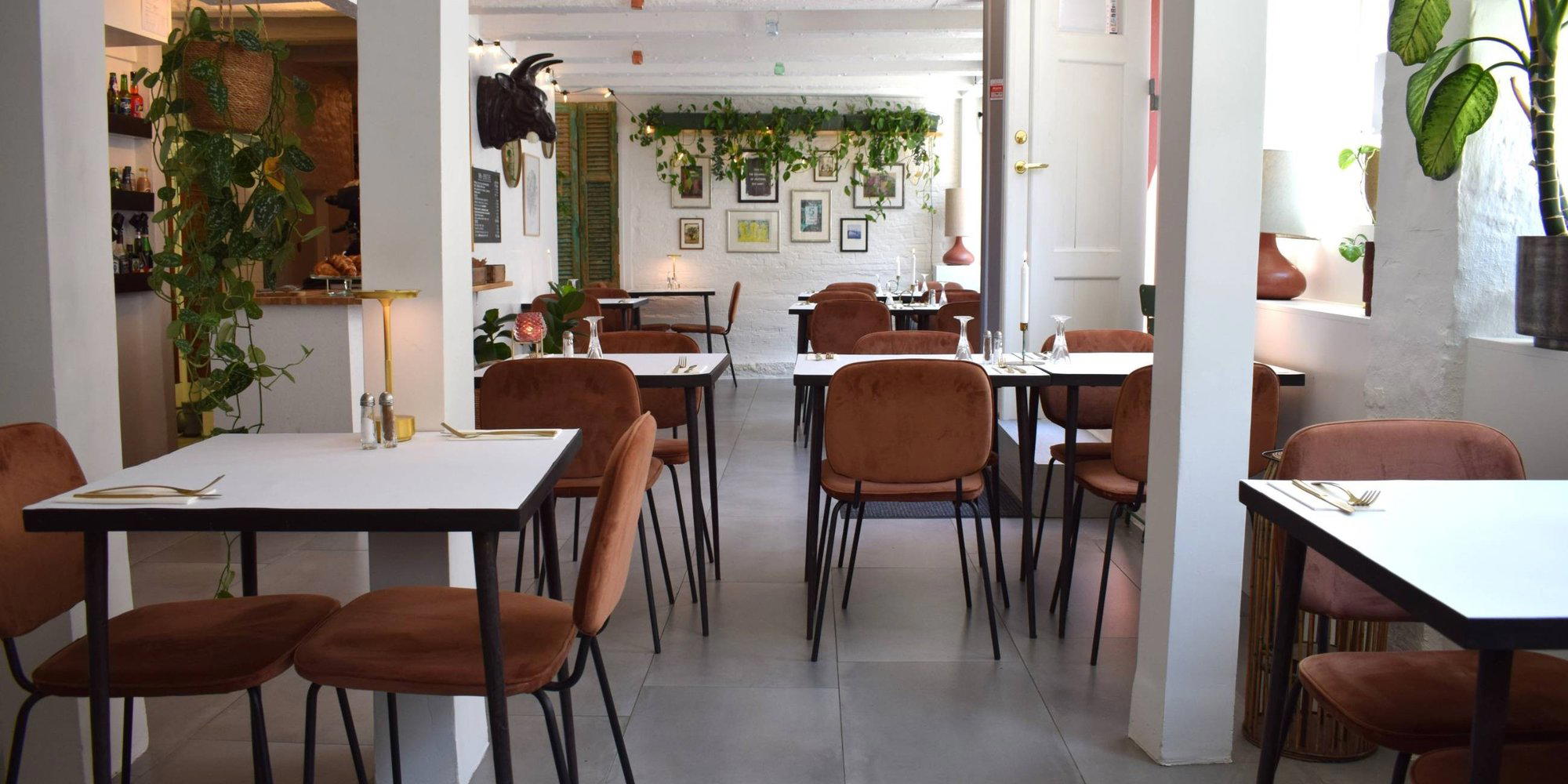
Below the Surface: Copenhagen's Basement Dining Tradition
Cafe Valkenborg is a traditional Danish smørrebrød restaurant in Copenhagen, serving a casual meal at about $20 per person. Copenhagen's dining reputation travels on the back of its tasting-menu restaurants. Geranium, Noma, and Alchemist have defined an international image of the city as a place where dinner is a structured, multi-hour event with a clear creative thesis. That image is accurate for a specific tier of the market. But Copenhagen has always maintained a parallel tradition: the basement café or kælder venue, entered by descending a stone staircase from a cobbled Inner City street, where the architecture does the heavy lifting and the food operates within a more familiar register.
Cafe Valkenborg sits inside that older tradition. Its address is Valkendorfsgade 36, Kælderen, the parenthetical Danish word for cellar is load-bearing here. The street runs through one of the densest, most historically intact sections of the medieval city, a short walk from Gammeltorv and the Latin Quarter. Buildings in this corridor date back several centuries, and their ground-floor and basement spaces have cycled through uses that include everything from merchant storage to the kind of informal hospitality that predates the modern restaurant concept entirely. Descending into a room with low vaulted ceilings and thick masonry walls puts you in immediate physical contact with that history in a way that no amount of Nordic-pine interior design can manufacture.
What the Room Signals Before a Plate Arrives
In cities where dining has become increasingly scenographic, the atmospheric cues a room sends before service begins matter. At the upper end of Copenhagen's market, venues like Koan and Kadeau treat the physical space as an extension of the creative program. The room is part of the argument. A kælder venue like Cafe Valkenborg makes a different kind of argument: the space precedes the concept. The stone walls and cellar proportions were not designed for the current occupant; they were inherited, and what you experience is a business that has adapted to an existing environment rather than built one around a brand identity.
That distinction affects what a service team can do. In venues where the space was purpose-built for a particular dining format, the front-of-house has a set of environmental tools, acoustics, sightlines, lighting temperature, counter placement, engineered to support a specific service rhythm. In a repurposed cellar, the team works with constraints that cannot be designed away. How a service team handles those constraints, how they pace a table through a meal in a room with low ceilings and compressed sight lines, is itself a form of craft. The collaboration between floor staff and kitchen in this kind of environment tends to be tighter by necessity: a well-timed course transition or a well-read table matters more when the space itself provides fewer of the atmospheric controls that purpose-built venues rely on.
The Copenhagen Dining Spectrum: Where Informal Registers Fit
Understanding the restaurant requires understanding how Copenhagen's dining market is stratified. At the leading sits a cluster of tasting-menu destinations that compete on a global stage. Below that, and considerably larger in number, is a category of neighbourhood bistros, wine bars, and café-restaurants that serve a local population and occasional visitors who want a dinner rather than an event. This second tier is less documented internationally but is more representative of how Copenhageners actually eat most of the time.
The broader Danish dining picture extends well beyond the capital. Properties like Jordnær in Gentofte, Frederikshøj in Aarhus, and Henne Kirkeby Kro in Henne demonstrate that serious cooking in Denmark is not concentrated in Copenhagen. Venues such as Dragsholm Slot Gourmet in Hørve, LYST in Vejle, Tri in Agger, Ti Trin Ned in Fredericia, Frederiksminde in Præstø, Pearl by Paul Proffitt in Kruså, and Syttende in Sønderborg collectively show a national dining culture that has developed real depth across multiple price tiers and geographic settings. Within Copenhagen itself, the informal-register category serves a function those destination venues do not: it provides the kind of repeatable, neighbourhood-anchored dining that sustains a food culture between the special-occasion visits. The comparison extends internationally too, the same tension between formal destination dining and informal local registers plays out at venues on both ends of the formality scale, from Le Bernardin in New York City to Lazy Bear in San Francisco, where communal-format dining has always complicated the boundary between structured event and relaxed evening out.
Service Dynamics in a Cellar Setting
The team-dynamic question in a venue like this is less about the division of responsibilities between a star chef, a sommelier, and a maître d', the triumvirate that anchors the formal fine-dining service model, and more about how a smaller, more generalist team reads and responds to a room. In basement venues, where the physical environment creates an inherent intimacy, the quality of the interaction between guests and staff tends to register more acutely. There is less spatial distance to absorb a mismatch in pace or tone. A table that feels over-attended in a large restaurant with high ceilings feels crowded in a cellar; a table that feels ignored in an expansive room feels abandoned in a compressed one. Getting that calibration right is the core service challenge, and it is one that relies on accumulated floor intelligence rather than on formal service protocol.
That kind of floor intelligence is built over time through consistent staffing and internal communication. Whether a cellar venue develops it depends largely on how stable the team is and how clearly the kitchen and floor communicate about what a given service requires. Those are the questions worth bringing to a visit.
Know Before You Go
Know Before You Go
- Address: Valkendorfsgade 36, Kælderen, 1151 København K, Denmark
- Setting: Below-street basement (kælder) in Copenhagen's medieval Inner City
- Price range: About $20 per person
- Reservations: Recommended
- Hours: Mon-Sun 11 AM-4:30 PM
- Getting there: Valkendorfsgade 36, Kælderen, 1151 København k, Denmark
Credentials Lens
Comparable venues nearby, for context on price, style, and recognition.
| Venue | Cuisine | Price | Notes |
|---|---|---|---|
| Cafe ValkenborgThis venue — the venue you are viewing | Traditional Danish Smørrebrød | $$ | Not listed |
| Saji | Authentic Indonesian with Danish Influences | $$ | Indre By |
| The Flatiron | Danish with International Influences | $$ | Nørrebro |
| Restaurant Kronborg | Traditional Danish Smørrebrød | $$ | Indre By |
| Pony | New Nordic Bistro | $$ | Vesterbro-Kongens Enghave |
| Andersen & Maillard | Danish Bakery & Specialty Coffee | $$ | Vesterbro-Kongens Enghave |
Continue exploring
More in Copenhagen
Restaurants in Copenhagen
Browse all →
Bars in Copenhagen
Browse all →
At a Glance
- Cozy
- Classic
- Intimate
- Casual Hangout
- Street Scene
Current opening hours
- Monday
- 11 AM–4:30 PM
- Tuesday
- 11 AM–4:30 PM
- Wednesday
- 11 AM–4:30 PM
- Thursday
- 11 AM–4:30 PM
- Friday
- 11 AM–4:30 PM
- Saturday
- 11 AM–4:30 PM
- Sunday
- 11 AM–4:30 PM
Hours can change for holidays and private events. Last verified .
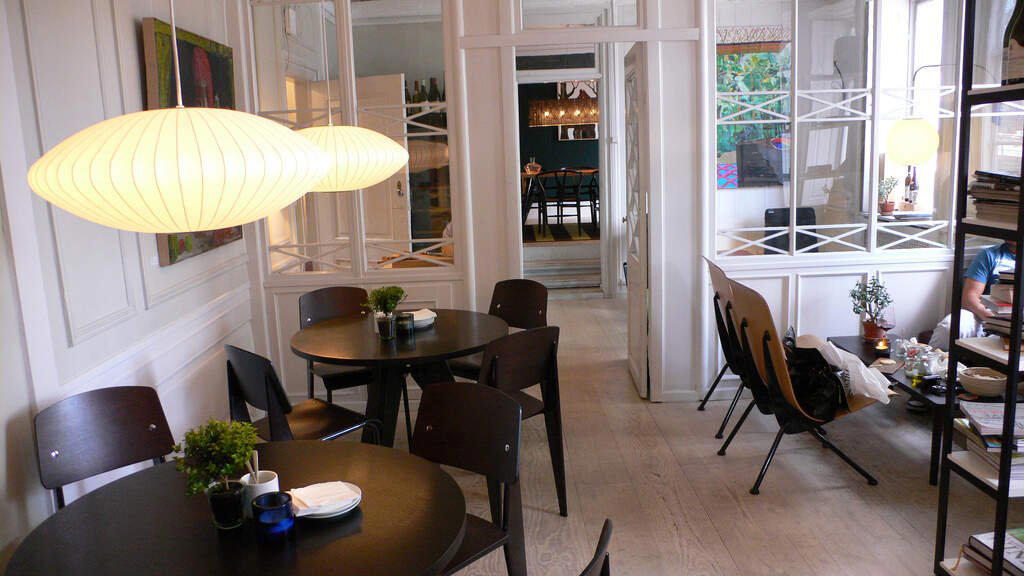
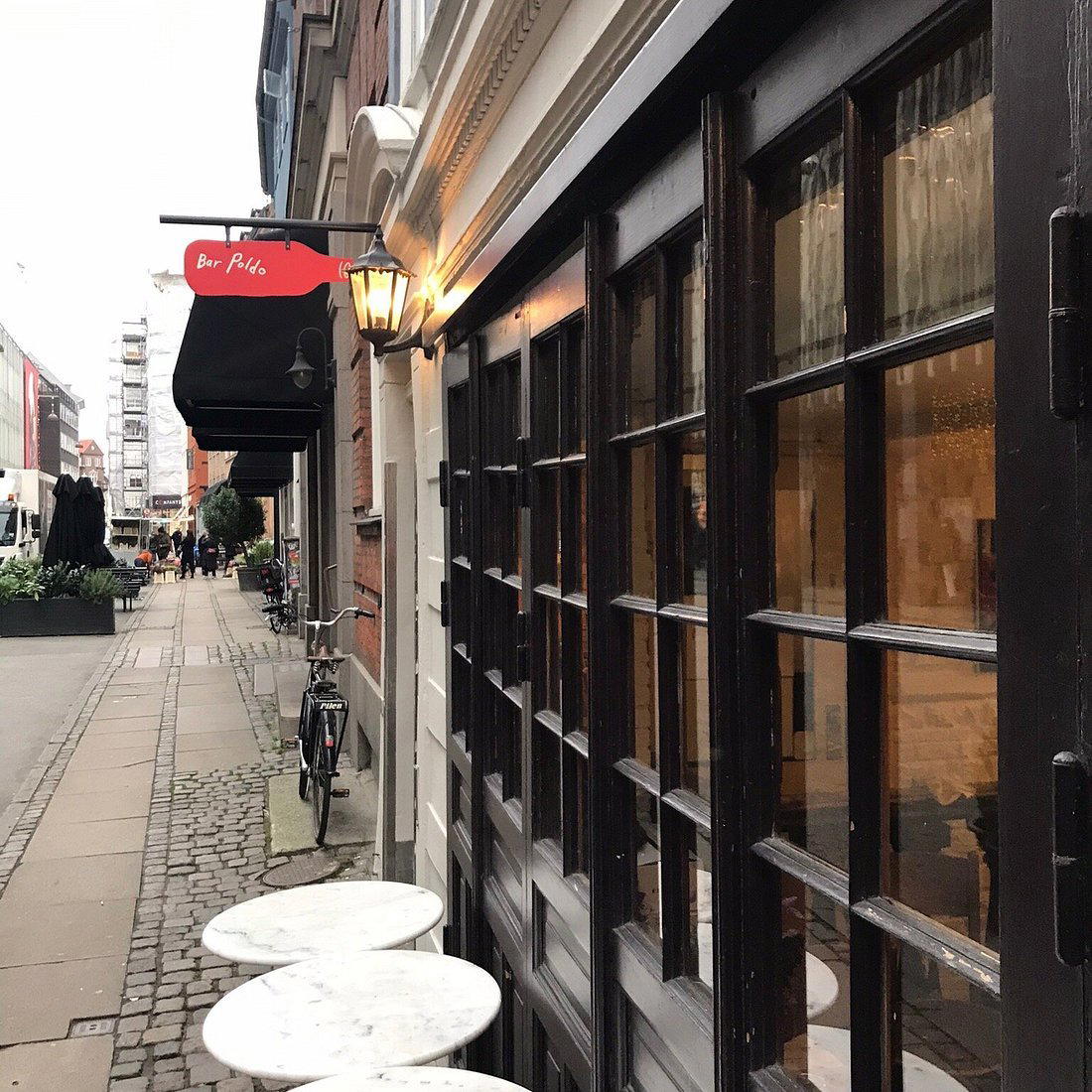
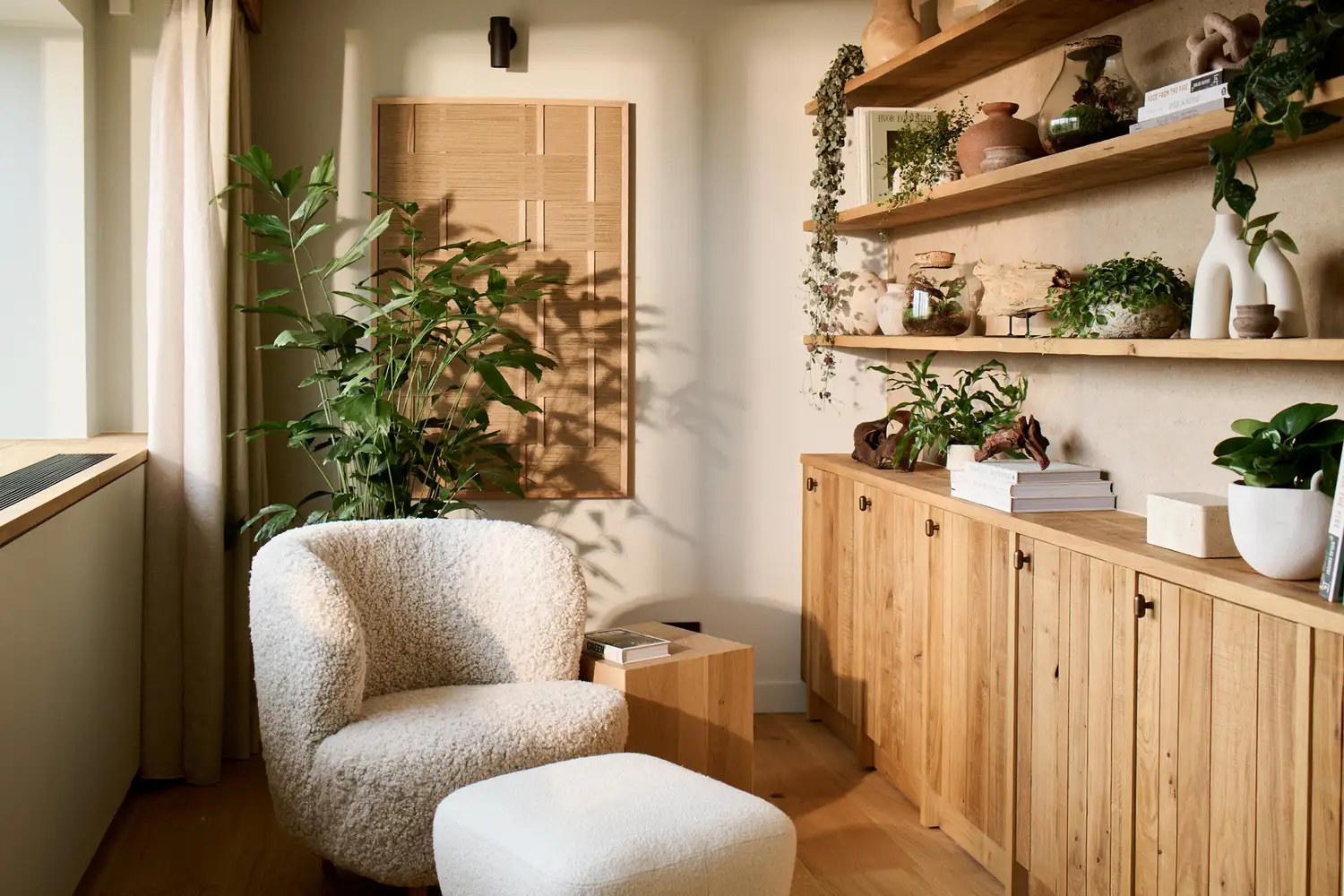
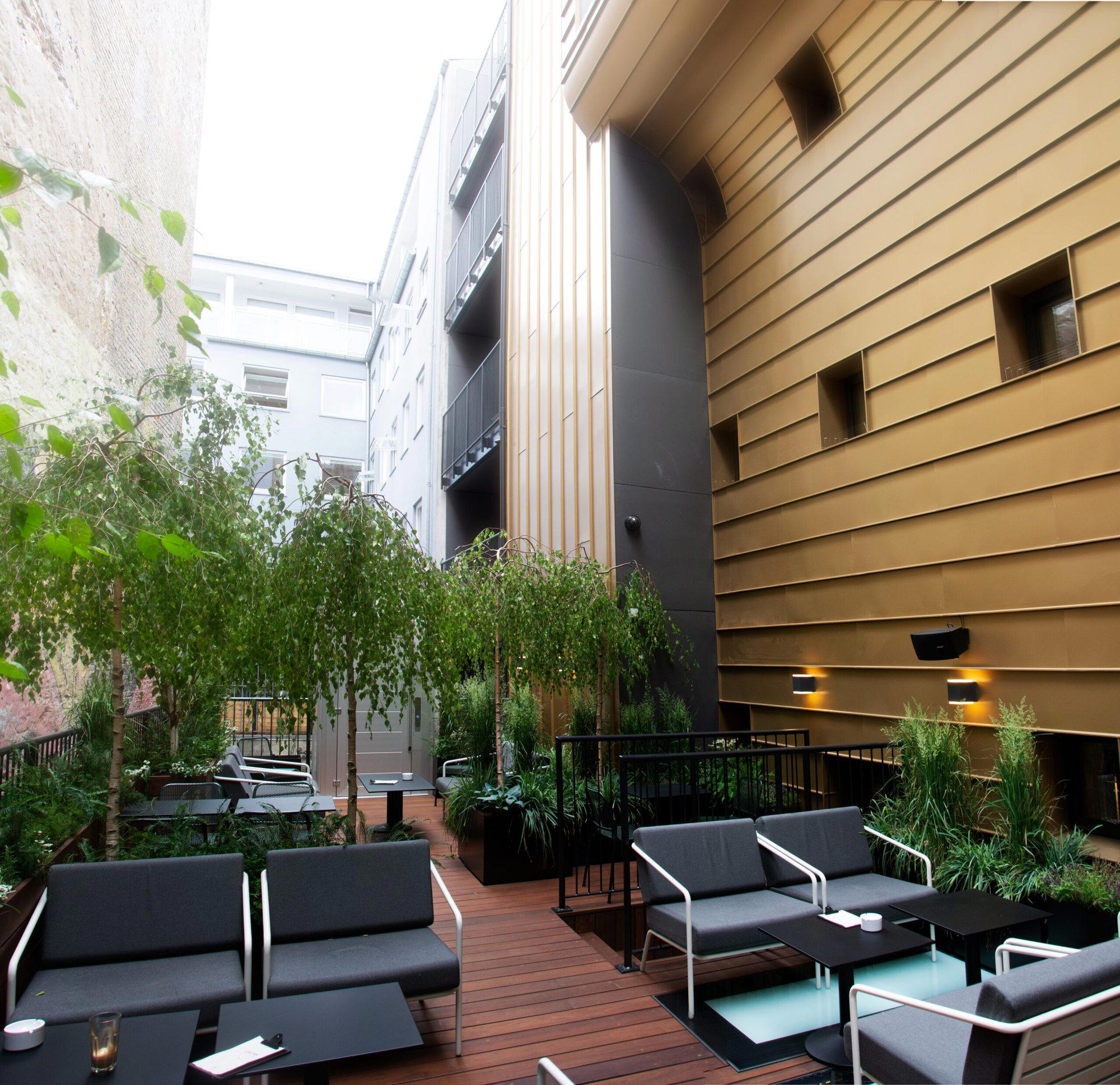
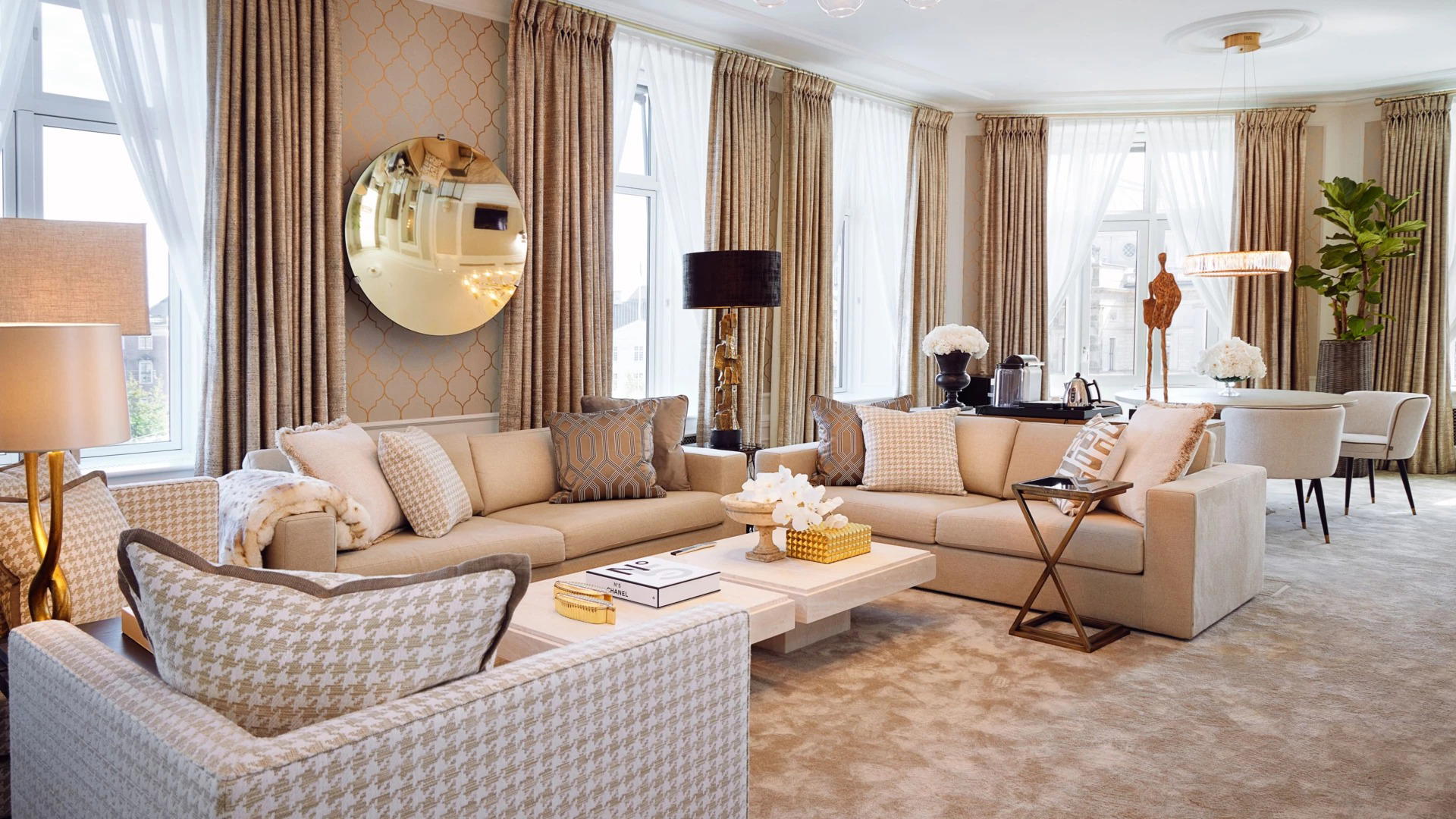
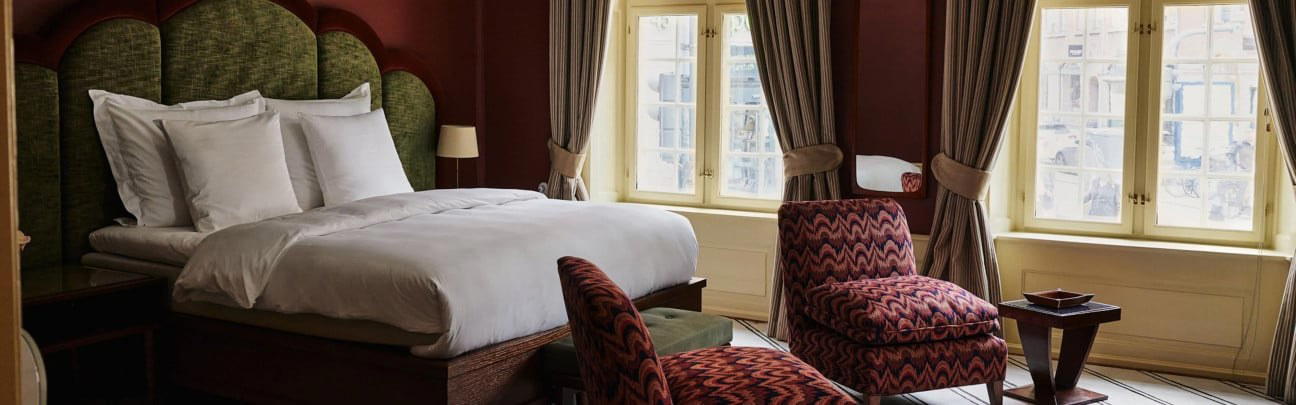
Bright Nordic-style interior with warm homely touches, cozy and relaxed atmosphere featuring quiet jazz music and a welcoming hygge feel.