Slotskælderen Gitte Kik
Slotskælderen Gitte Kik sits in the cellar beneath Copenhagen's old city, a few steps from Christiansborg Palace, and represents the kind of old-guard Danish eating that the New Nordic wave never replaced. Dark-timbered, low-ceilinged, and resolutely local in character, it occupies a different tier from the tasting-menu circuit entirely — one defined by tradition, atmosphere, and a following built over decades.
Pearl is the En Primeur Club membership app — saves, bookings, and concierge access live there. Same editors, same standards.
- Address
- Fortunstræde 4, 1065 København, Denmark
- Phone
- +4533111537
- Website
- slotskaelderen.dk
- Directions
- Get directions
 Saves & bookings on Pearl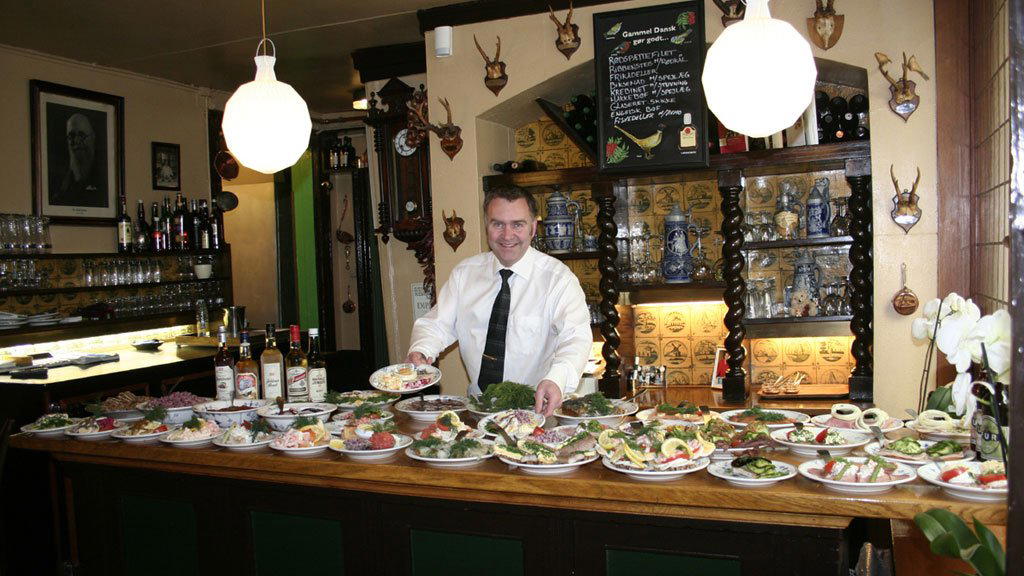
Below the Palace, Below the Radar
Copenhagen's dining conversation tends to run in one direction: forward. Geranium and Noma set the terms of international attention, and the city's ambitious newer openings — Alchemist, Koan, Kadeau — compete in the same progressive register. What that conversation tends to miss is the tier that predates it: the old cellar restaurants of the inner city, places built not around a chef's concept but around the rhythm of a neighbourhood that happens to contain a royal palace, a parliament building, and several centuries of civic life. Slotskælderen Gitte Kik, at Fortunstræde 4 in the heart of the old city, belongs to that category without apology.
The address alone is instructive. Fortunstræde is a narrow street in the dense medieval grid between Strøget and Christiansborg Slot, the kind of passage that most tourists walk past on their way somewhere else. The entrance to Slotskælderen descends below street level, as the name signals directly, slotskælder means castle cellar, into a room that has been absorbing the noise of Copenhagen's working and political life for generations. This is not a space designed for a magazine shoot. It is a space that has acquired its character the slow way.
A Room That Reads as History
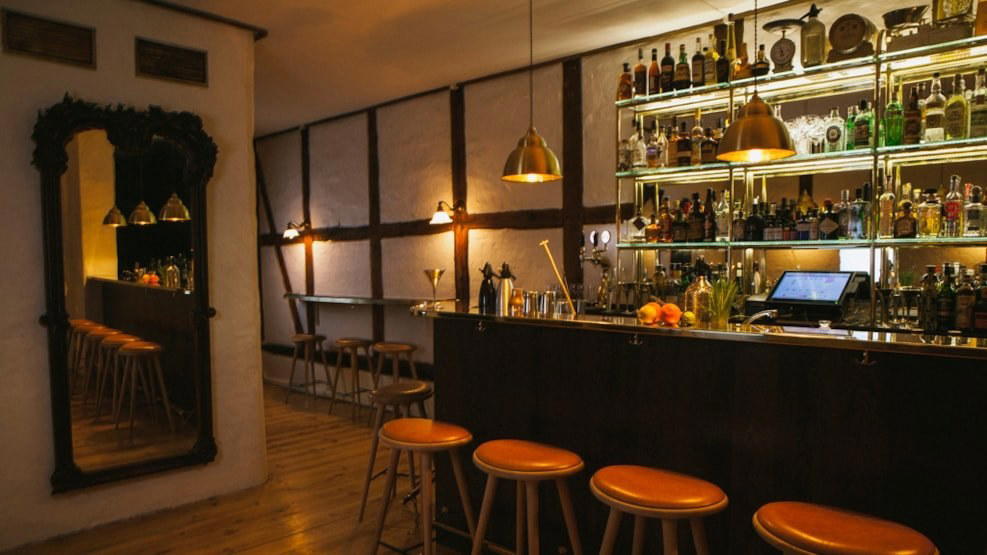
The physical container here does much of the editorial work. Low vaulted ceilings, heavy timbers, and the particular light quality that comes from a room partly underground define the experience before a single plate arrives. Copenhagen's cellar-restaurant tradition, distinct from the city's harbourside modernism and very different from the glassy, Scandinavian-minimal rooms that house most of its tasting menus, functions as a kind of architectural counterargument to contemporary hospitality design. Where venues like Jordnær in Gentofte or Frederikshøj in Aarhus work in polished, controlled environments calibrated for multi-course concentration, a room like this one operates on a different principle: accumulation rather than curation.
Seating arrangement at a place like Slotskælderen is communal in spirit even when the tables are not literally shared. The density of the room, the proximity of other diners, the sense of a full house at lunch, these are features of a dining culture that predates the idea of the restaurant as a personal experience. Danish smørrebrød culture, from which this kind of establishment draws its identity, was never really about solitude or ceremony. It was about eating well in company, in the middle of a working day, in a room that happened to be there.
The Smørrebrød Tier in Copenhagen's Wider Dining Map
To understand Slotskælderen's position, it helps to map the smørrebrød category against the rest of Copenhagen's eating. The tasting-menu circuit, represented at its outer edge by Geranium and Alchemist, operates at a price point and format that requires advance planning, often months ahead. The smørrebrød lunch house operates on a different logic entirely: typically open for lunch only, walk-in or same-day reservation, priced in a range accessible to the city's office workers as much as its visitors, and structured around individual open-faced rye-bread preparations rather than a chef-sequenced progression.
That format has its own internal quality hierarchy. At the leading sit the established houses with long institutional reputations; Slotskælderen, given its location adjacent to Christiansborg and its decades of service to the city's political and professional classes, occupies a position of some standing in that tier. The comparison relevant here is not with Le Bernardin in New York or Atomix, it is with the handful of Copenhagen institutions that have held their ground while the city's global reputation was built around an entirely different set of restaurants. The contrast with newer entries across the country, LYST in Vejle, ARO in Odense, Alimentum in Aalborg, underlines how distinct this category is from Denmark's contemporary fine-dining expansion.
Smørrebrød as a form is deceptively demanding. The rye bread base, the sequencing of toppings, the discipline of cold preparation, the reliance on cured, pickled, or smoked components rather than heat: these are craft requirements that reward specialist focus. The leading smørrebrød houses in Copenhagen are not cheaper versions of something fancier; they are practitioners of a parallel tradition with its own standards and its own connoisseurship. A visitor comparing this format to the tasting-menu experiences at Henne Kirkeby Kro or Dragsholm Slot Gourmet is not comparing lesser to greater; they are comparing two entirely different eating philosophies.
Location and Context for Visitors
The Fortunstræde address places Slotskælderen within easy walking distance of Christiansborg Slot, the National Museum, and the old stock exchange building. This is the administrative and historical core of Copenhagen, a neighbourhood that functions primarily as a working district during the week and draws tourists to its palace tours and waterfront views. It is not the neighbourhood where Copenhagen's food press concentrates its attention, that tends to migrate toward Vesterbro, Nørrebro, and the harbourfront, which partly explains why a place like this can maintain a strong local following without generating the kind of international press that attaches to the city's New Nordic addresses.
For visitors to Copenhagen with a wider interest in the city's food culture, the smørrebrød lunch is a category worth scheduling deliberately, not as an afterthought between museum visits. The format is explicitly a midday practice; most of the serious smørrebrød houses in the city do not operate dinner service. Arriving at Slotskælderen between 11:30 and 13:30 on a weekday places you in the room during its natural rhythm, alongside the civil servants, lawyers, and journalists who constitute its regular population. Arriving at the margins of service or on a weekend afternoon produces a different experience of the same room. See our full Copenhagen restaurants guide for broader context on timing and neighbourhood strategy.
Where This Fits in Your Copenhagen Planning
| Venue | Category | Format | Price Tier | Service Hours |
|---|---|---|---|---|
| Slotskælderen Gitte Kik | Smørrebrød / Traditional Danish | Lunch, à la carte | Mid-range | Lunch only (confirm locally) |
| Geranium | New Nordic, Creative | Tasting menu | €€€€ | Dinner, advance booking |
| Noma | Creative | Tasting menu | €€€€ | Seasonal openings |
| Kadeau | New Nordic | Tasting menu | €€€€ | Dinner, advance booking |
| Frederiksminde | Danish, Creative | Tasting menu | €€€€ | Dinner, hotel setting |
| MOTA | Nordic, Creative | Tasting menu | €€€ | Dinner, advance booking |
| Domæne | Danish, Creative | Tasting menu | €€€ | Dinner |
How Slotskælderen Gitte Kik Copenhagen compares with similar nearby venues.
| Venue | Cuisine |
|---|---|
| Coffee Collective | Café |
Continue exploring
More in Copenhagen
Restaurants in Copenhagen
Browse all →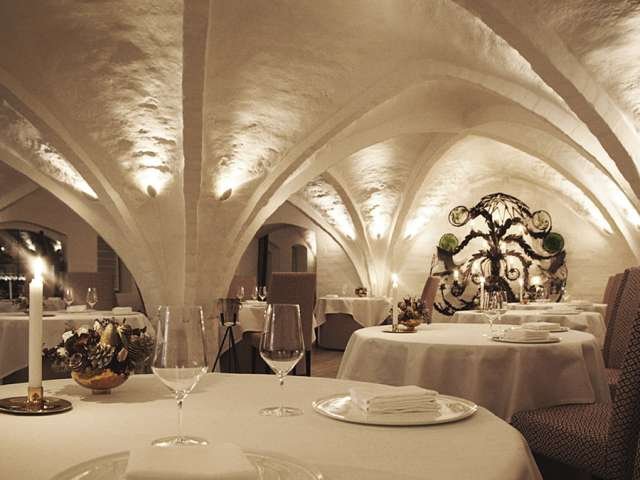
Bars in Copenhagen
Browse all →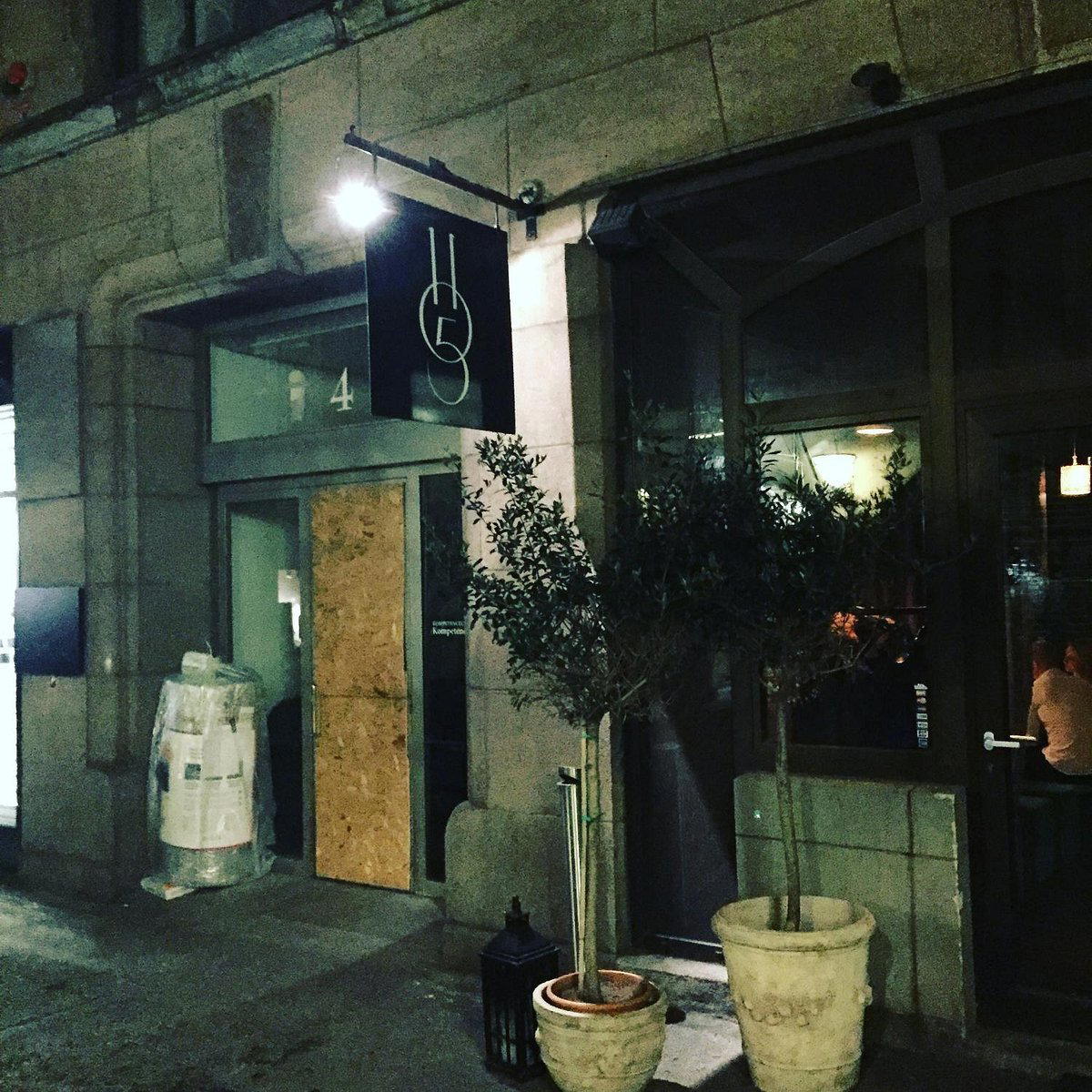
Hotels in Copenhagen
Browse all →

At a Glance
- Cozy
- Classic
- Historic
- Intimate
- Business Dinner
- Historic Building
Current opening hours
- Monday
- Closed
- Tuesday
- 10 AM–5 PM
- Wednesday
- 10 AM–5 PM
- Thursday
- 10 AM–5 PM
- Friday
- 10 AM–5 PM
- Saturday
- 10 AM–5 PM
- Sunday
- Closed
Hours can change for holidays and private events. Last verified .
Cozy, authentic historic basement atmosphere with classic Danish heritage, warm and inviting like stepping back in time.
Know Before You Go
- Getting there
- Fortunstræde 4, 1065 København, Denmark