Jatak




Jatak Copenhagen brings Chinese high-heat logic into the city’s modern tasting-menu register, with Jonathan Tam using Danish produce, Asian recipes and a counter-led format to tighten the distance between kitchen and diner. Its Solar menu follows 24 micro-seasons, while Opinionated About Dining rankings in 2023, 2024 and 2025 place it in a serious European conversation rather than a local novelty slot.
Pearl is the En Primeur Club membership app — saves, bookings, and concierge access live there. Same editors, same standards.
- Address
- Rantzausgade 39, 2200 København, Denmark
- Website
- jatakcph.com
- Directions
- Get directions
 Saves & bookings on Pearl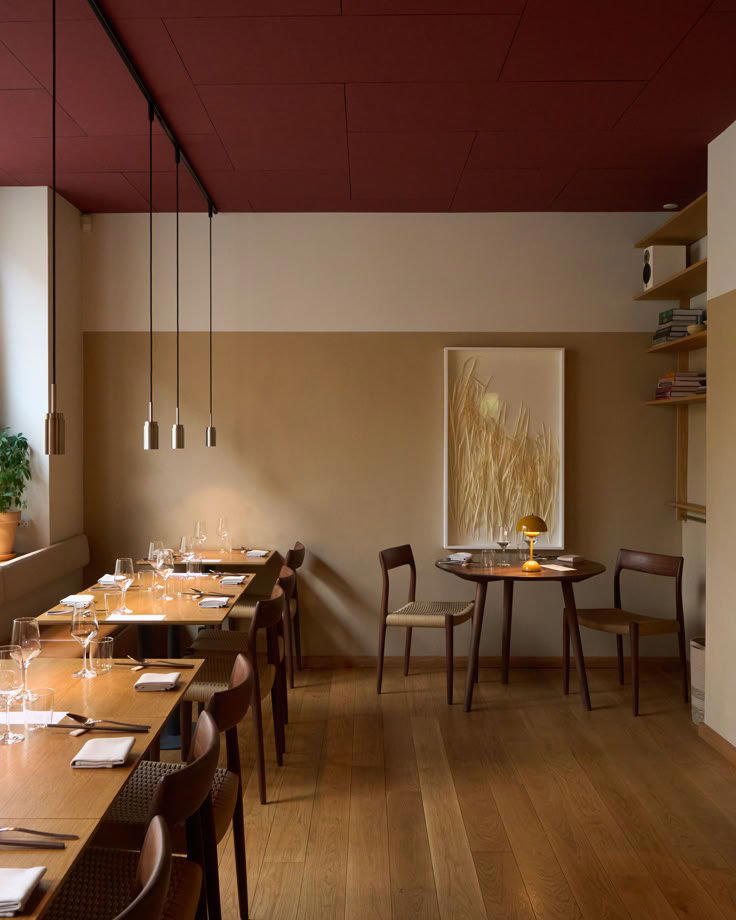
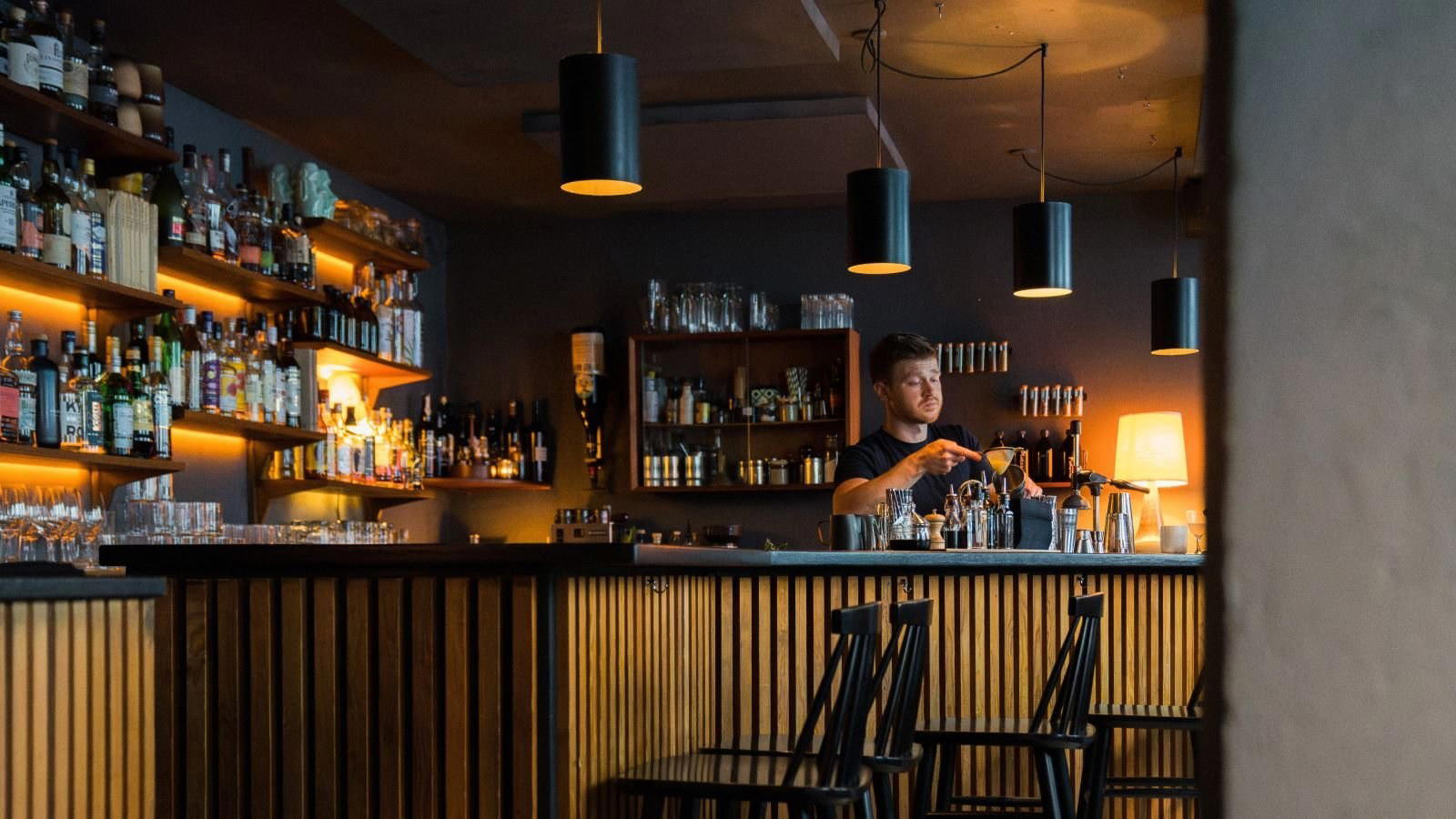
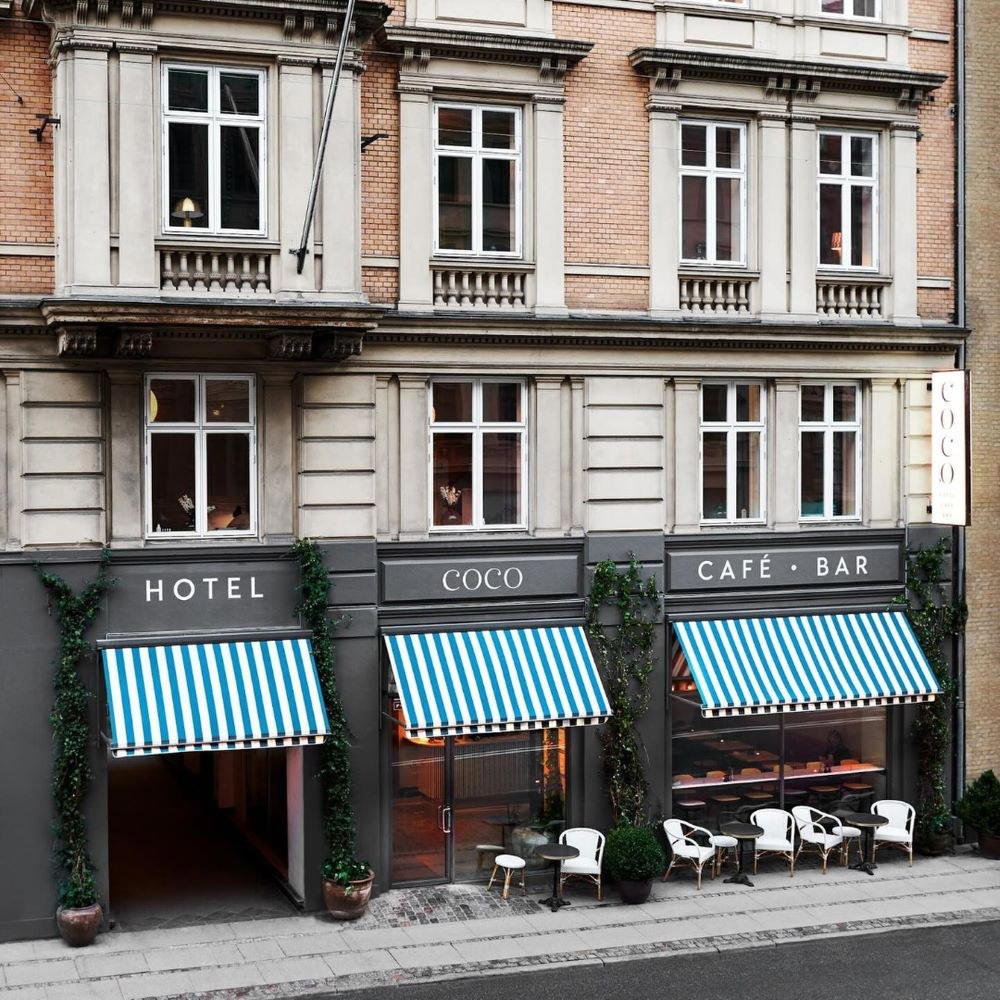
Copenhagen sets the tone: a city away from postcard shorthand and closer to a lived-in dining rhythm, where serious kitchens do not need theatrical frontage. Inside, the intimate, counter-oriented room matters because cooking at this level is about flavour architecture, timing, and the narrow interval between control and overstatement. Jatak Copenhagen belongs to the city’s smaller group of restaurants translating Asian recipes and flavours through Danish produce rather than importing a fixed template.
Copenhagen has taught diners to read seasonality as discipline. The shift now is that the local calendar can be interpreted through more than one culinary language. At Jatak, Chef-owner Jonathan Tam uses a tasting menu called Solar, structured around 24 solar micro-seasons, to pull Asian recipes into a local agricultural frame. The result is not loose-label fusion, but a format where fermentation, vegetable focus, and ethical sourcing do work that luxury ingredients often do elsewhere.
Asian flavour meets Copenhagen's micro-season calendar
The editorial point is precision, even when the meal is not simply a procession of technique-led dishes. Cooking this exact depends on timing: ingredients handled with intention, sauces and ferments used with care, aromatics landing at the right second. In a Copenhagen tasting-menu room, that logic changes shape. The counter seat makes the kitchen’s tempo part of the experience, while the Solar menu gives the year a sharper structure than the usual spring-summer-autumn shorthand.
The 24 micro-season framework signals shorter produce windows, not just garnish changes when the weather shifts. Local organic farms and ethical producers anchor the supply chain, and the vegetable emphasis places Jatak in a different conversation from luxury dining built around abundance. Waste turned into miso and shoyu with Koji Copenhagen is not a decorative sustainability line; it connects the restaurant’s Asian flavour vocabulary to Copenhagen’s long-running fermentation literacy.
That is where the room’s seriousness sits. Modern cooking that combines Asian recipes and flavours with European produce can get flattened into casual references or high-gloss tasting menus borrowing prestige cues. Jatak is more specific. It treats miso, shoyu, fermentation, and seasonal produce as working tools rather than aesthetic references. For readers mapping the city more broadly, other Copenhagen dining rooms are the wider frame, showing how broad the city’s modern-dining range has become.
A counter format built for precision, not spectacle
Recognition helps place the restaurant without turning the meal into trophy tourism. The restaurant is noted for its homely feel, its intimate setting, and a tasting menu that follows 24 solar micro-seasons through the year. Those signals point to a restaurant with a clear point of view: Danish ingredients, Asian recipes and flavours, and a produce-led structure that rewards close attention.
The counter is the key format detail. In a kitchen where timing, preparation, and last-second seasoning define craft, proximity gives the diner useful context. It also reduces the margin for performative luxury. The kitchen must show its work through sequence, texture, and restraint rather than grand-room choreography. Non-alcoholic pairings add another layer, especially in a city where pairing culture has moved well beyond wine as the default tasting-menu language.
Jonathan Tam’s role matters because the cooking has an identifiable author, but the larger story is Copenhagen’s absorption of Asian flavours into its produce culture. The city has enough tasting-menu restaurants that format alone no longer carries authority. What matters is whether a menu can justify its structure. Here, the 24-season idea gives the meal calendar logic, and the Asian framework gives that calendar fermentation, savour, and speed.
There is also a useful contrast with dining beyond a single counter seat. Readers following Danish dining more broadly can move from Copenhagen into other dining rooms to see how produce, seasonality, and international technique appear across different scales. For a broader modern-dining lens, the wider EP Club map can be read as context, but Jatak’s particular case remains rooted in Copenhagen, its farms, its counter format, and its seasonal discipline.
Who should book it into a Copenhagen itinerary
This is a stronger choice for diners who want Copenhagen’s produce obsession filtered through Asian recipes and flavours than for those seeking a conventional banquet-style meal. The decision is less about casual discovery than whether the Solar format fits the trip. Because the experience is built around a tasting menu and an intimate room, it is best treated as a planned reservation rather than an improvised stop.
The restaurant’s place in Copenhagen suits the cooking. The experience is intimate, counter-forward, and better read as a technical meal than a scene-driven night out. Diners comfortable with a longer tasting-menu rhythm may find the format rewarding; those needing speed, menu flexibility, or a different budget level will be better served elsewhere in the city.
For the rest of the trip, keep category lines clear. Dining is only one part of the city’s premium map; broader Copenhagen guides can help separate where to sleep, drink, and build time around the reservation. The case for Jatak is precise: Copenhagen seasonality, Asian flavour logic, a counter suited to watching decisions happen in real time, and enough distinctive recognition to treat it as part of the city’s serious dining conversation rather than a novelty category.
Budget Reality Check
Comparable venues nearby, for context on price, style, and recognition.
| Venue | Cuisine | Price | Awards | Notes |
|---|---|---|---|---|
| JatakThis venue — the venue you are viewing | Nørrebro, Nordic-Asian Fusion | $$$$ | Michelin 1 Star | Not listed |
| Møntergade | Not listed | $$$$ | Bib Gourmand | Indre By, Classic Danish Smørrebrød & Danish-French Brasserie |
| formel B | Not listed | $$$$ | Michelin 1 Star | Frederiksberg, Modern Nordic-French Fine Dining |
| Aure | Not listed | $$$$ | Michelin 1 Star | Indre By, Modern Nordic Seafood Fine Dining |
| Udtryk | Not listed | $$$$ | Michelin 1 Star | Indre By, Japanese-Chinese New Nordic Fusion |
| Søllerød Kro | Holte, Modern French Fine Dining | $$$$ | Michelin 1 Star | Not listed |
Recognition history
Dated appearances from independent guides and award organizations, with the underlying list record or original source where available.
Michelin 1 Star
Michelin
Opinionated About Dining Top Restaurants in Europe Ranked #79
Opinionated About Dining
White Guide Denmark Restaurants - Masters Level
White Guide
Michelin 1 Star
Michelin
Opinionated About Dining Top Restaurants in Europe Ranked #109
Opinionated About Dining
The Best Chef One Knife
The Best Chef
Michelin 1 Star
Michelin
Opinionated About Dining Top Restaurants in Europe Ranked #131
Opinionated About Dining
Opinionated About Dining Top New Restaurants in Europe Ranked #110
Opinionated About Dining
Continue exploring
More in Copenhagen
Restaurants in Copenhagen
Browse all →
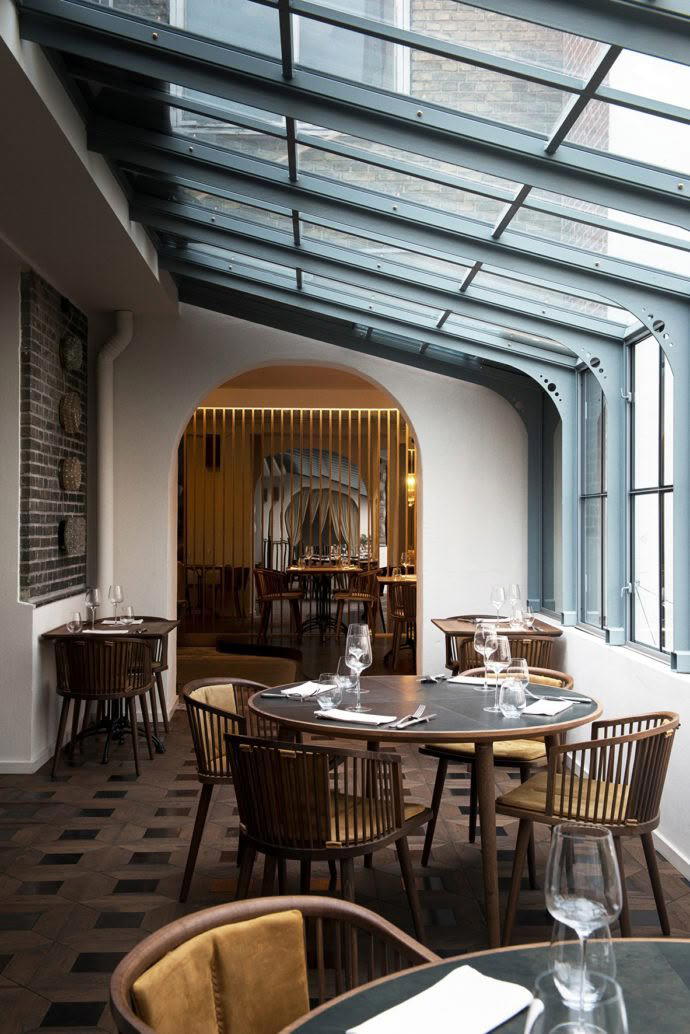

Bars in Copenhagen
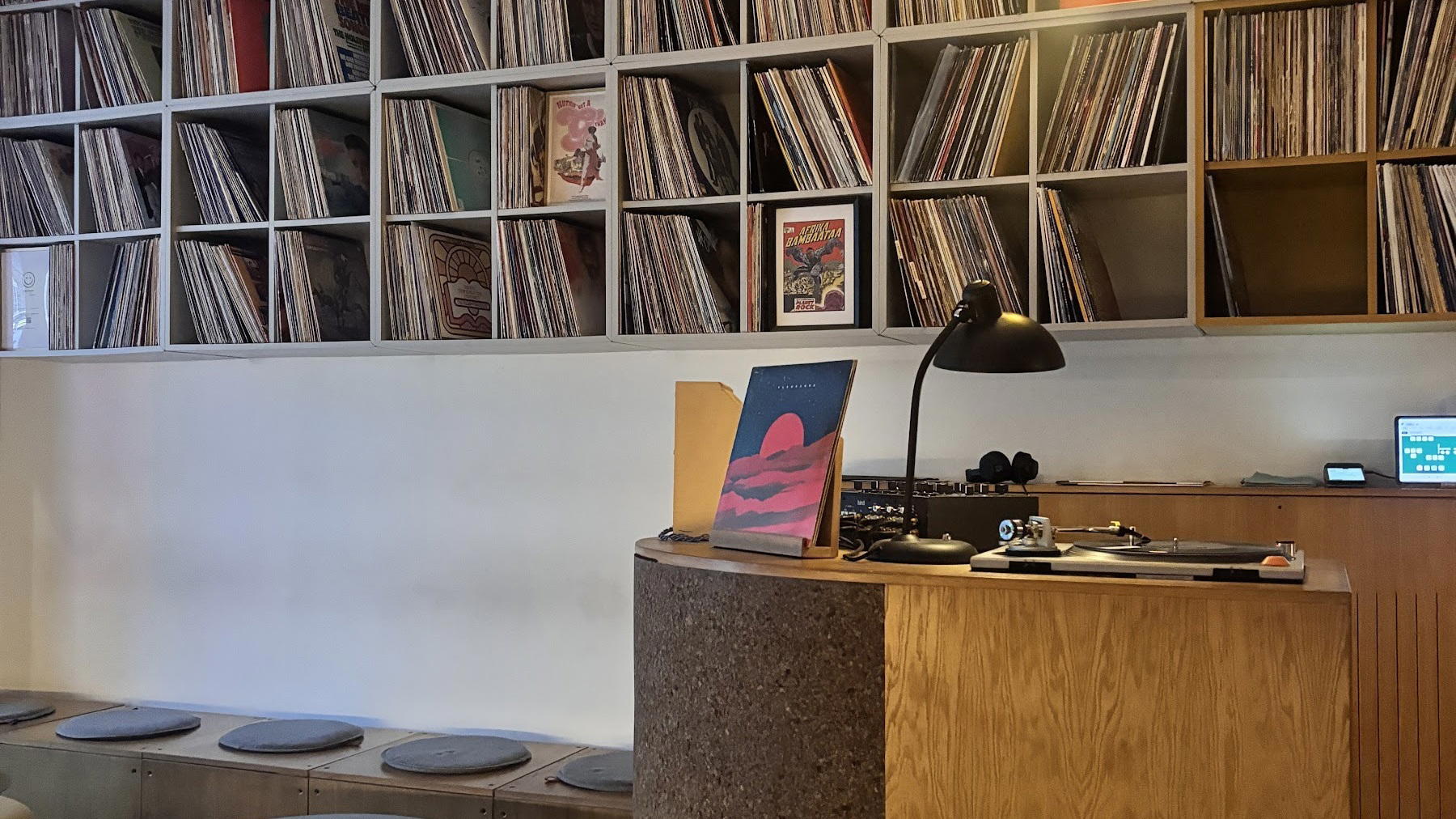
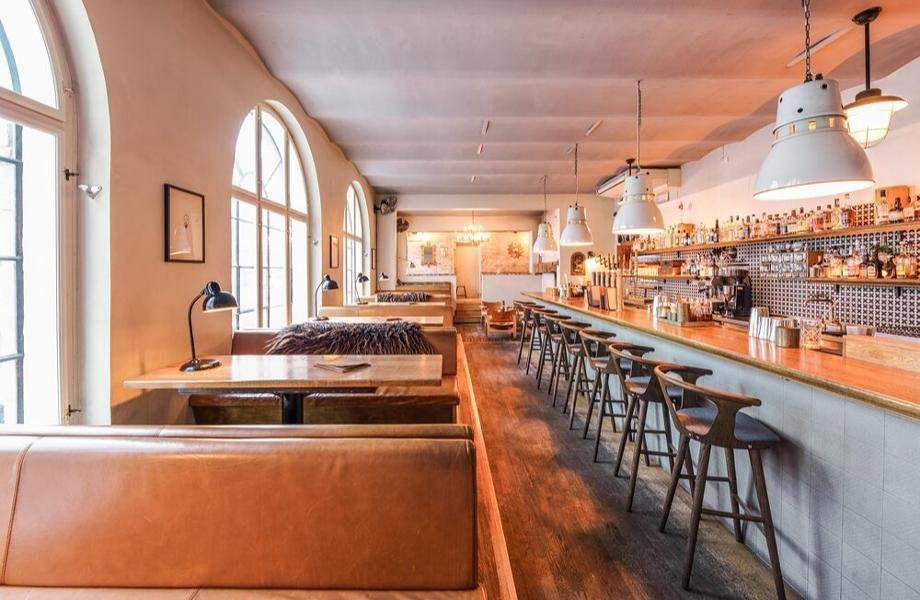
Browse all →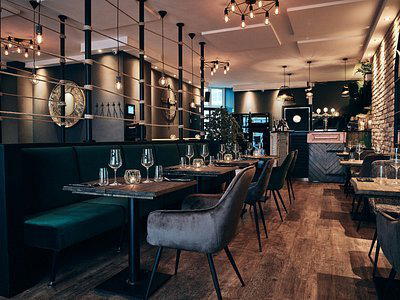

At a Glance
- Intimate
- Cozy
- Minimalist
- Modern
- Date Night
- Special Occasion
- Chefs Counter
- Open Kitchen
- Natural Wine
- Local Sourcing
- Farm To Table
Current opening hours
- Monday
- Closed
- Tuesday
- Closed
- Wednesday
- Closed
- Thursday
- 5 PM–12 AM
- Friday
- 5 PM–12 AM
- Saturday
- 5 PM–12 AM
- Sunday
- 5 PM–12 AM
Hours can change for holidays and private events. Last verified .
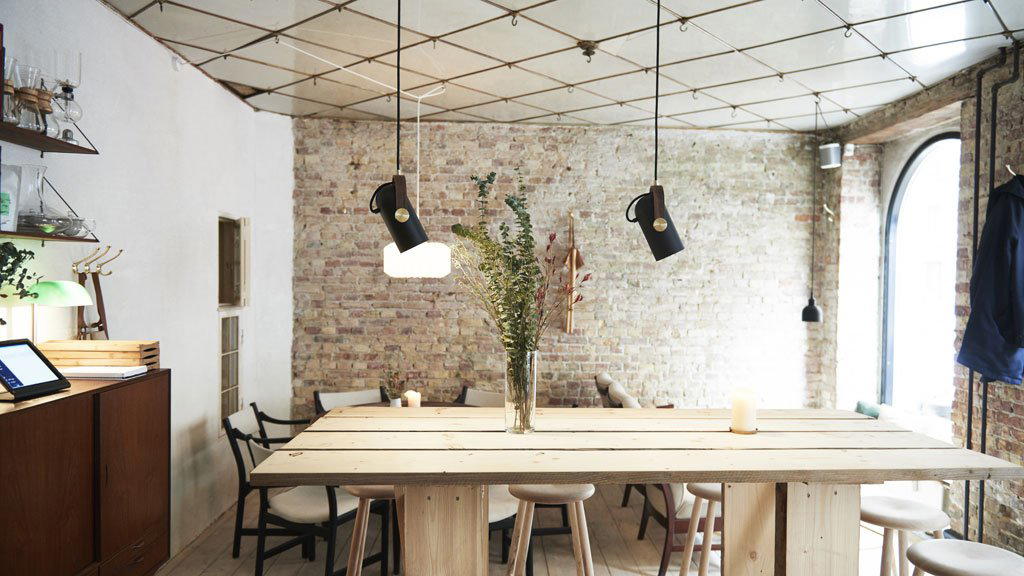
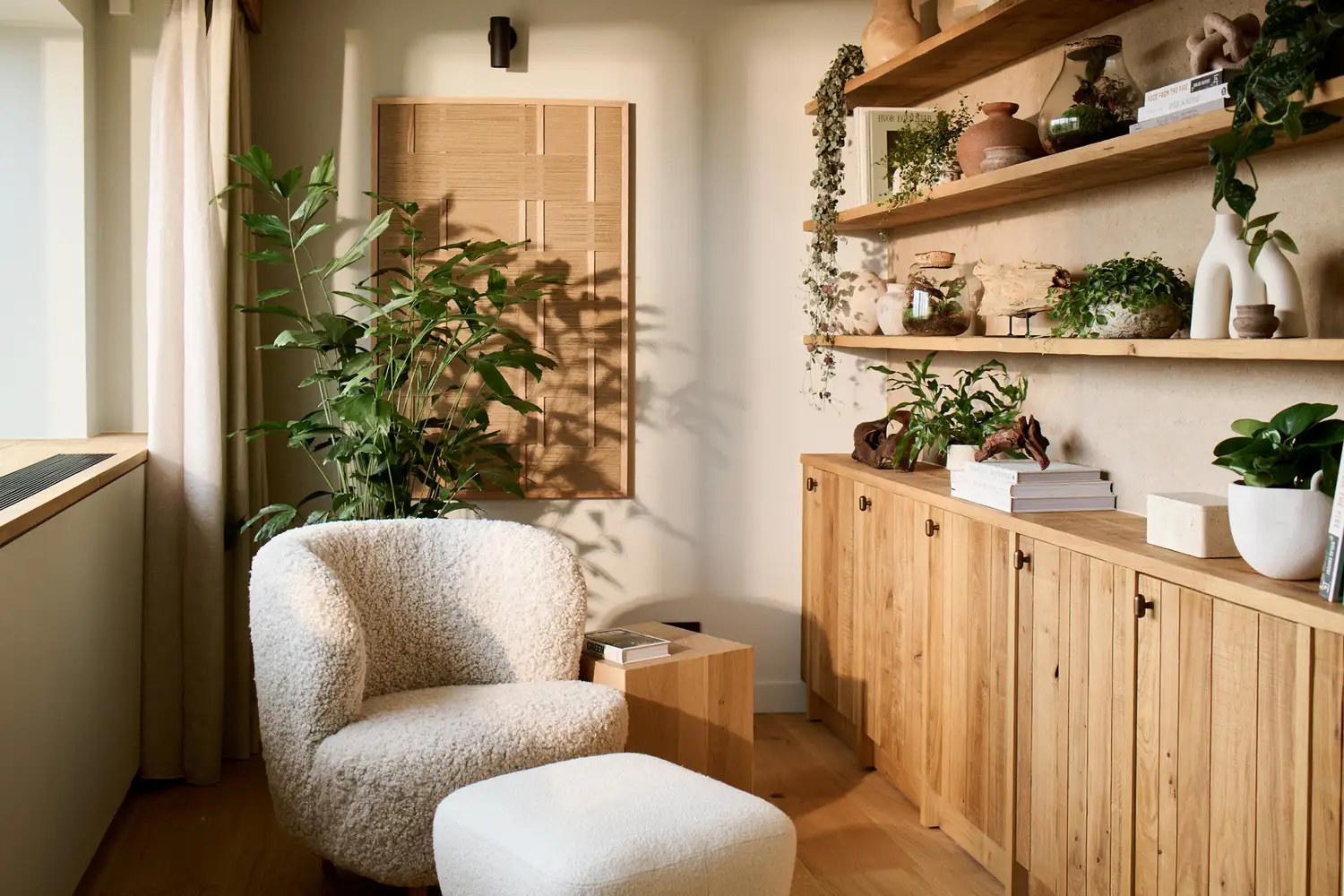
Cozy and intimate with wood decor, natural warm colors, and minimalist design creating a homely, relaxed atmosphere.