Blume
Our verdict
Blume occupies a quiet address on Studiestræde 14A in Copenhagen's Latin Quarter, operating in a city where the New Nordic framework has reshaped how Scandinavian ingredients are understood internationally. The restaurant sits within a dining scene that includes Michelin-decorated neighbours and draws visitors who treat Copenhagen as a serious eating destination. Advance planning is advisable for any table here.

Pearl is the En Primeur Club membership app — saves, bookings, and concierge access live there. Same editors, same standards.
- Address
- Studiestræde 14A, 1455 København, Denmark
- Phone
- +4560525592
- Hours
- Mon–Thu ClosedFri–Sat 8 PM–4 AMSun Closed
- Website
- blumecph.dk
- Directions
- Get directions
- Booking
- Book on the venue's website
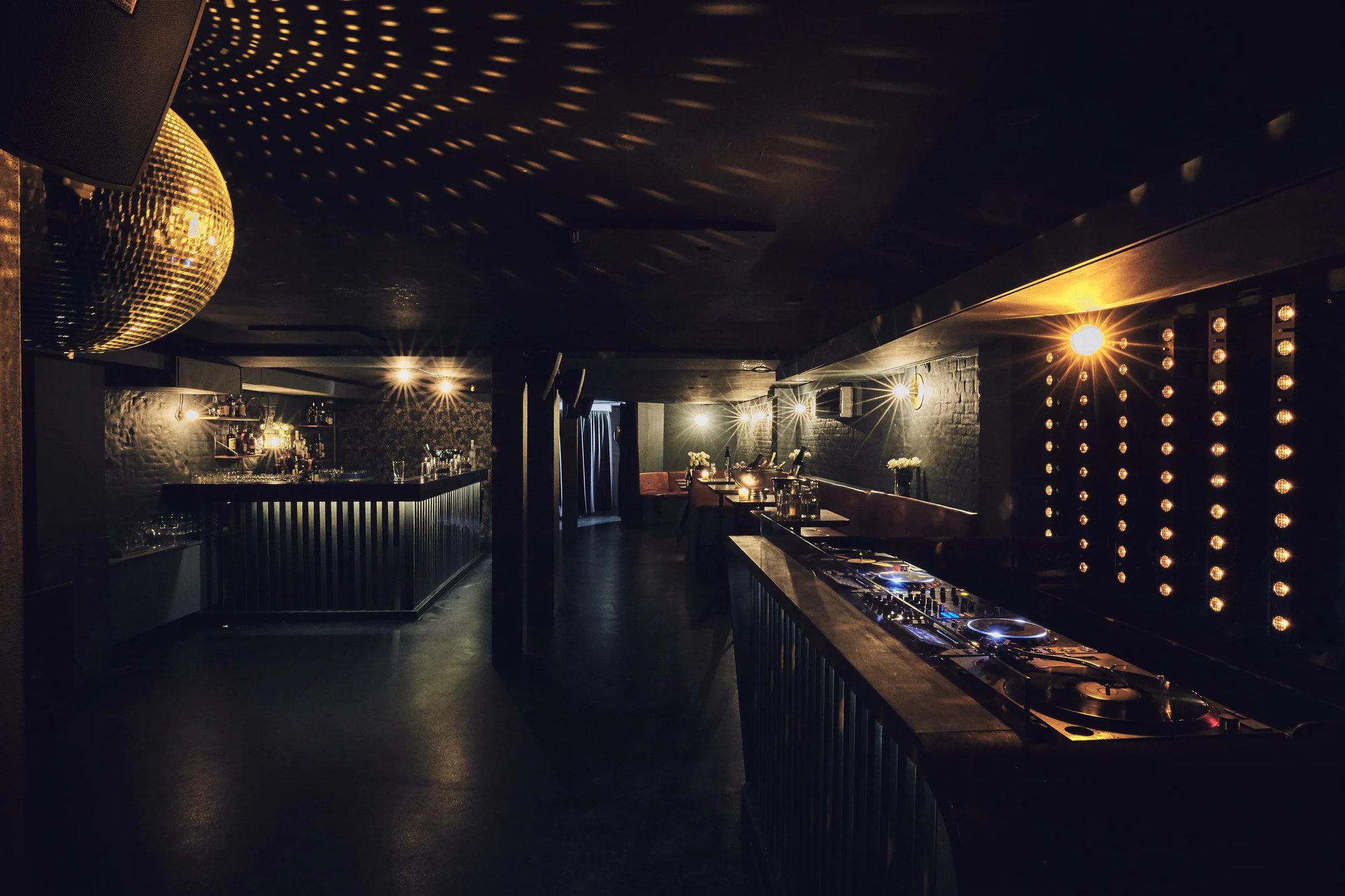
Where Studiestræde Meets the Plate
Studiestræde runs through Copenhagen's Latin Quarter with the unhurried confidence of a street that has been doing its job for centuries. The buildings here are low and close-set, the cobblestones worn to a shine, and the neighbourhood carries a density of bookshops, wine bars, and small restaurants that rewards walking slowly. It is the kind of address where a restaurant can exist at a remove from the flashier restaurant corridors of Vesterbro or Nørreport, drawing guests who come specifically rather than stumbling in from the tourist trail. Blume, at number 14A, occupies that position: a defined address in a neighbourhood with its own culinary character, set inside a city that has spent the past two decades becoming one of Europe's most consequential dining destinations.
Copenhagen's Dining Framework and Where Blume Sits
To understand any restaurant in Copenhagen now, you need to understand what the New Nordic movement did to the city's expectations. The framework — seasonal produce, Nordic terroir, fermentation, and a rigorous rejection of culinary imports that could be replaced by local equivalents — was codified in the early 2000s and has since filtered through every price tier in the city. What began as a manifesto pursued by a handful of restaurants became, over time, the baseline grammar of Copenhagen dining. Noma and Geranium set the international reference points; Alchemist pushed the format into theatrical territory; Kadeau anchored it to the specifics of Bornholm's larder; and Koan introduced a kaiseki sensibility into the Nordic conversation. Each represents a distinct position within a scene that rewards specificity.
Blume operates within this context rather than in opposition to it. The Latin Quarter address places it in the older, denser part of central Copenhagen, away from the waterfront developments that have attracted newer, larger-format restaurants. That geography tends to favour smaller rooms and tighter menus, which aligns with a dining culture that has consistently valued restraint and precision over scale. Across Scandinavia, this model has proven durable: see Jordnær in Gentofte, Frederikshøj in Aarhus, or Henne Kirkeby Kro, each building a serious reputation from a compact, intentional format rather than an expansive one.
The Cultural Weight of a Danish Table
Danish food culture carries particular ideas about the relationship between hospitality and restraint. The concept of hygge is frequently misquoted as a design aesthetic, but at the table it means something more specific: the deliberate creation of warmth through simplicity, where the quality of what is served matters more than the volume, and where the setting communicates ease rather than ceremony. This sensibility shows up in how Copenhagen's mid-tier and upper-tier restaurants handle their rooms: low lighting, natural materials, minimal decoration, and a service register that is attentive without being formal.
This is the tradition within which Latin Quarter addresses tend to operate. The neighbourhood's restaurant culture skews toward the kind of cooking that rewards return visits rather than single-occasion spectacle, and toward rooms that feel occupied rather than staged. That stands in contrast to the theatrical ambition of, say, Alchemist, which has built a fifty-course, multi-room format explicitly around spectacle, or the destination-pilgrimage model represented by coastal Danish restaurants like Tri in Agger or Dragsholm Slot Gourmet in Hørve. Urban Copenhagen dining at this address scale tends to operate closer to the intimacy end of the spectrum.
Internationally, the comparison set for this kind of format is instructive. Restaurants like Le Bernardin in New York City and Lazy Bear in San Francisco have demonstrated that serious cooking in a contained, deliberate format can hold its own against larger, more decorated competition, not by replicating the grand-restaurant experience but by doing something more focused. The same logic applies to Copenhagen's Latin Quarter tier, where the room size and neighbourhood context set expectations that the kitchen then either meets or doesn't.
Reading the Copenhagen Scene in 2024 and Beyond
Copenhagen's restaurant scene has entered a period of consolidation after years of rapid expansion. Several of the restaurants that defined the city's international reputation in the 2010s have closed or transformed significantly; the New Nordic framework has been absorbed into the mainstream sufficiently that it no longer functions as a point of differentiation on its own. What matters now is execution and specificity: what a restaurant does with its particular corner of the tradition, and how clearly that translates to the guest. Smaller restaurants in established neighbourhoods, the kind that book from local regulars as much as from visiting food tourists, tend to weather these consolidation periods more steadily than high-profile openings built primarily on novelty.
The broader Danish dining circuit reinforces this. Restaurants like Frederiksminde in Præstø, Ti Trin Ned in Fredericia, LYST in Vejle, Pearl by Paul Proffitt in Kruså, and Syttende in Sønderborg have all built recognition outside the capital by applying the same principles of seasonal specificity and restrained format that Copenhagen's scene established. The capital remains the reference point, but the conversation is now national in a way it wasn't fifteen years ago. For visitors building a Denmark itinerary, Copenhagen is the logical starting point; our full Copenhagen restaurants guide maps the current scene across price tiers and neighbourhood clusters.
Know Before You Go
Studiestræde 14A, 1455 København, Denmark
Neighbourhood
Latin Quarter, central Copenhagen
Phone
Not publicly listed, check the venue directly or via a concierge
Booking
Advance booking recommended; walk-ins subject to availability
Dietary requirements
Contact the venue ahead of your visit to confirm options
Practical note
The Latin Quarter is walkable from most central Copenhagen hotels; nearest metro access via Nørreport station, approximately ten minutes on foot
Frequently asked questions
Where is Blume located?
Blume is located at Studiestræde 14A, 1455 København, Denmark, Copenhagen.
What kind of dining experience does Blume offer compared to other Copenhagen restaurants in the Latin Quarter?
Blume's position at Studiestræde 14A in Copenhagen's Latin Quarter places it within a cluster of independently run restaurants shaped by the same post-New Nordic consolidation that has defined the city's dining scene through 2023 and into 2024. Where the area's larger-profile venues compete on tasting menu length and press cycles, neighbourhood-scale operations like Blume tend to compete on consistency and proximity to the local trade. That difference in orientation is worth factoring into how you approach the evening.
What's the best thing to order at Blume?
Copenhagen's stronger neighbourhood restaurants operate this way, letting the market dictate the plate. Arriving without expectations of a fixed menu is the right posture for Studiestræde 14A.
How hard is it to get a table at Blume?
Tables at neighbourhood-scale restaurants in this part of Copenhagen tend to fill faster than their profile suggests. Booking ahead by at least two to three weeks is a reasonable baseline.
What's the signature at Blume?
What the address and context suggest is a kitchen operating within the Copenhagen tradition of produce-first cooking, where the seasonal argument matters more than any fixed centrepiece. That approach, common to the better tables along this stretch of the Latin Quarter, means the menu shifts enough that any signature is a moving target.
Can Blume handle vegetarian requests?
Copenhagen restaurants operating within the New Nordic framework tend to treat vegetable-forward cooking as a structural part of the menu rather than an afterthought, which makes vegetarian requests more workable here than in many other European cities. Contacting the venue directly before arrival remains the practical approach.
Is Blume worth the price?
Pricing data for Blume is published details are limited. Copenhagen dining in the Latin Quarter spans a wide range, and restaurants at Studiestræde's level of neighbourhood credibility typically sit between mid-range and the lower end of the fine dining tier. Whether the spend is justified depends on what the kitchen is doing at the time of your visit, which makes an up-to-date look at current coverage worth the effort before booking. Check the venue's official channels for the latest details.
Standing Among Peers
Comparable venues nearby, for context on price, style, and recognition.
| Venue | Cuisine | Price | Awards | Notes |
|---|---|---|---|---|
| BlumeThis venue — the venue you are viewing | Cocktail Bar | Not listed | Not listed | Not listed |
| Brønnum | Cocktail Bar | Not listed | Falstaff Bar - 92 Falstaff Points | Indre By |
| Frk. Barners Kælder | Traditional Danish | $20–30 | Not listed | Vesterbro-Kongens Enghave |
| 1105 Copenhagen | Cocktail Bar | $20–30 | Not listed | Indre By |
| Restaurant Bror | Modern Nordic Nose-to-Tail | Not listed | Not listed | Indre By |
| Cafe Valkenborg | Traditional Danish Smørrebrød | $20–30 | Not listed | Indre By |
Continue exploring
More in Copenhagen
Restaurants in Copenhagen
Browse all →
Bars in Copenhagen
Browse all →
Hotels in Copenhagen
Browse all →

Details
- Cozy
- Lively
- Trendy
- Date Night
- Casual Hangout
- Late Night
- Standalone
- Craft Cocktails
- Cocktails
Current opening hours
- Monday
- Closed
- Tuesday
- Closed
- Wednesday
- Closed
- Thursday
- Closed
- Friday
- 8 PM–4 AM
- Saturday
- 8 PM–4 AM
- Sunday
- Closed
Hours can change for holidays and private events. Last verified .
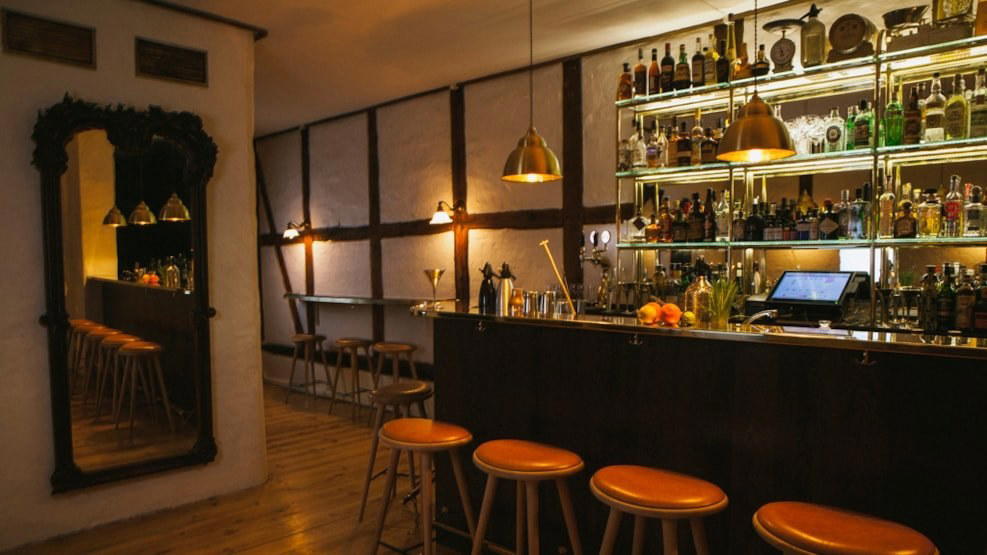
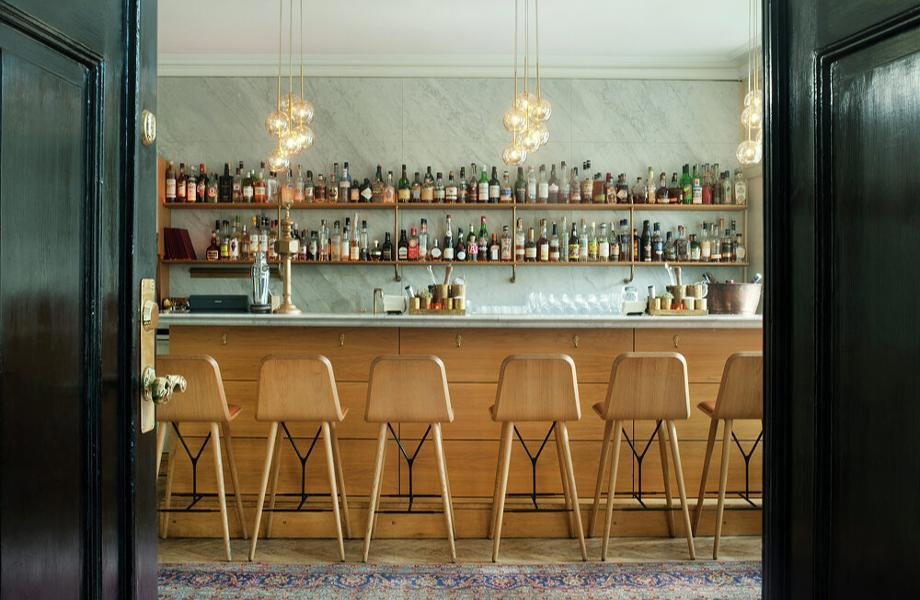
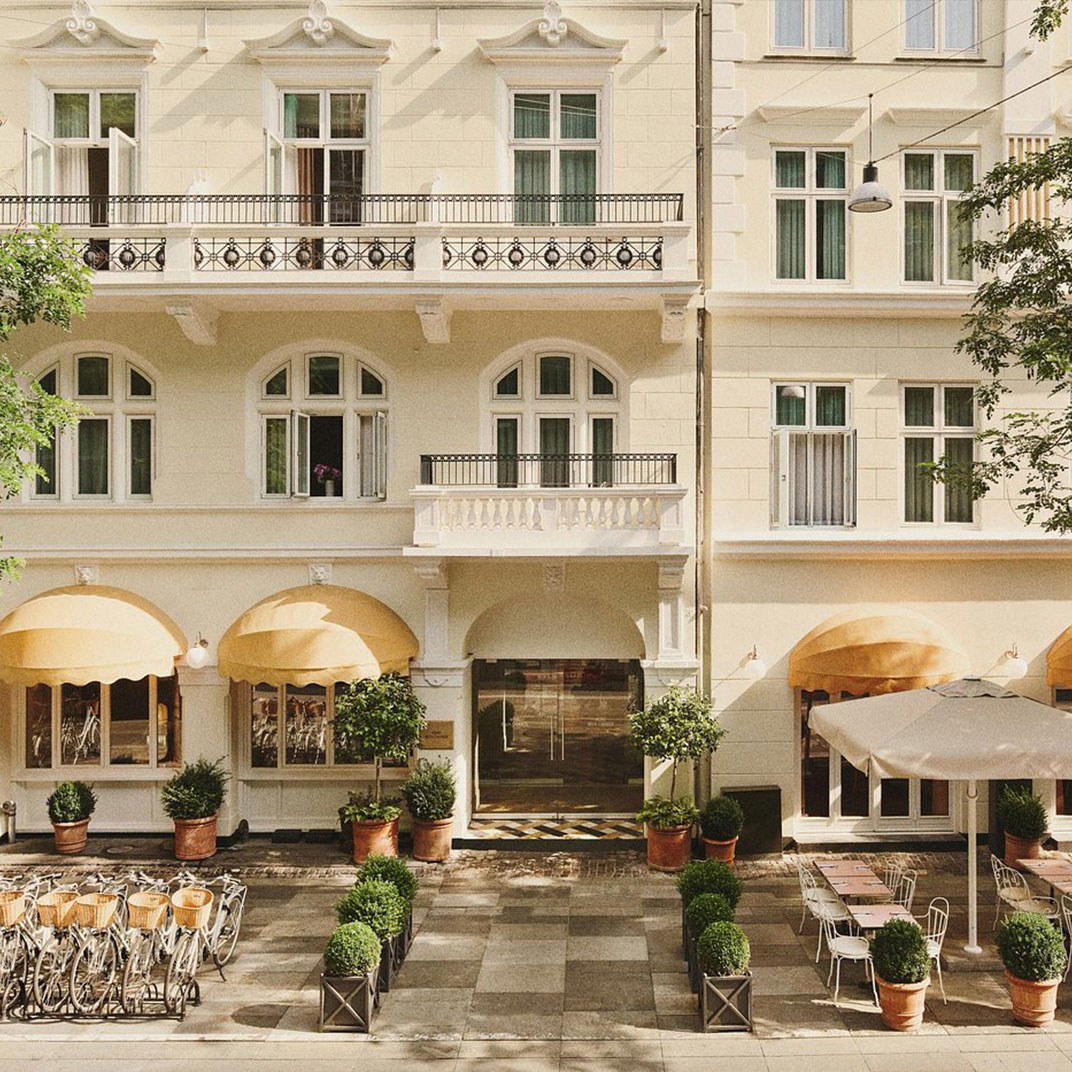
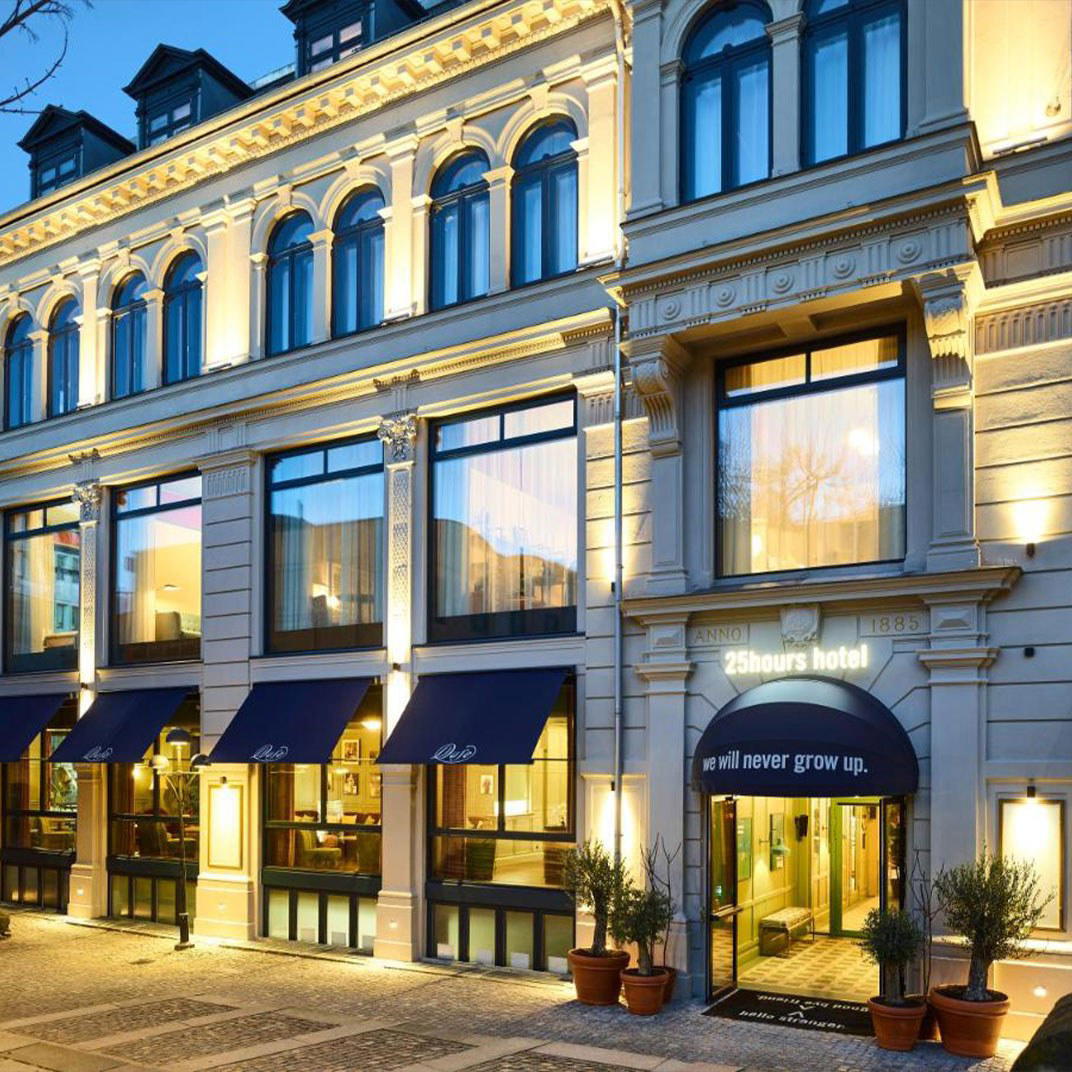
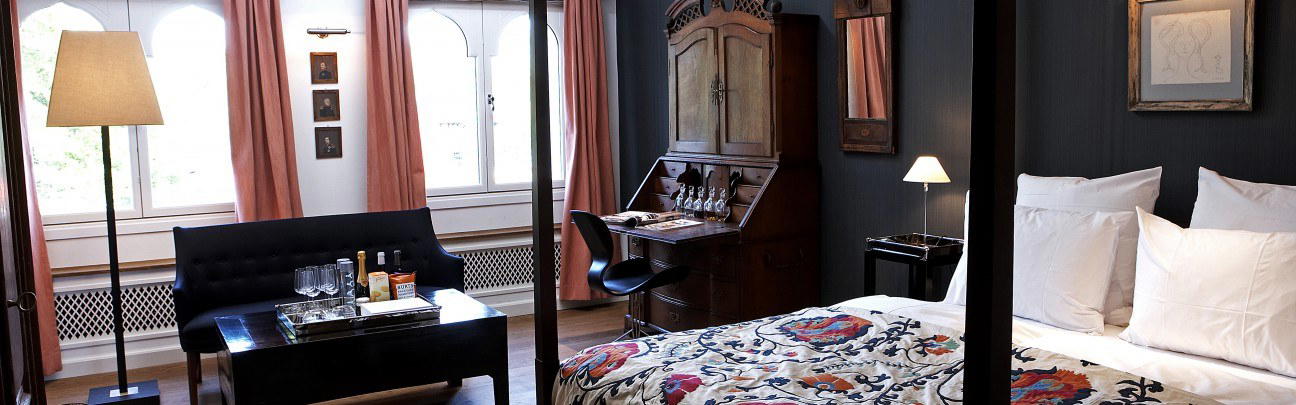
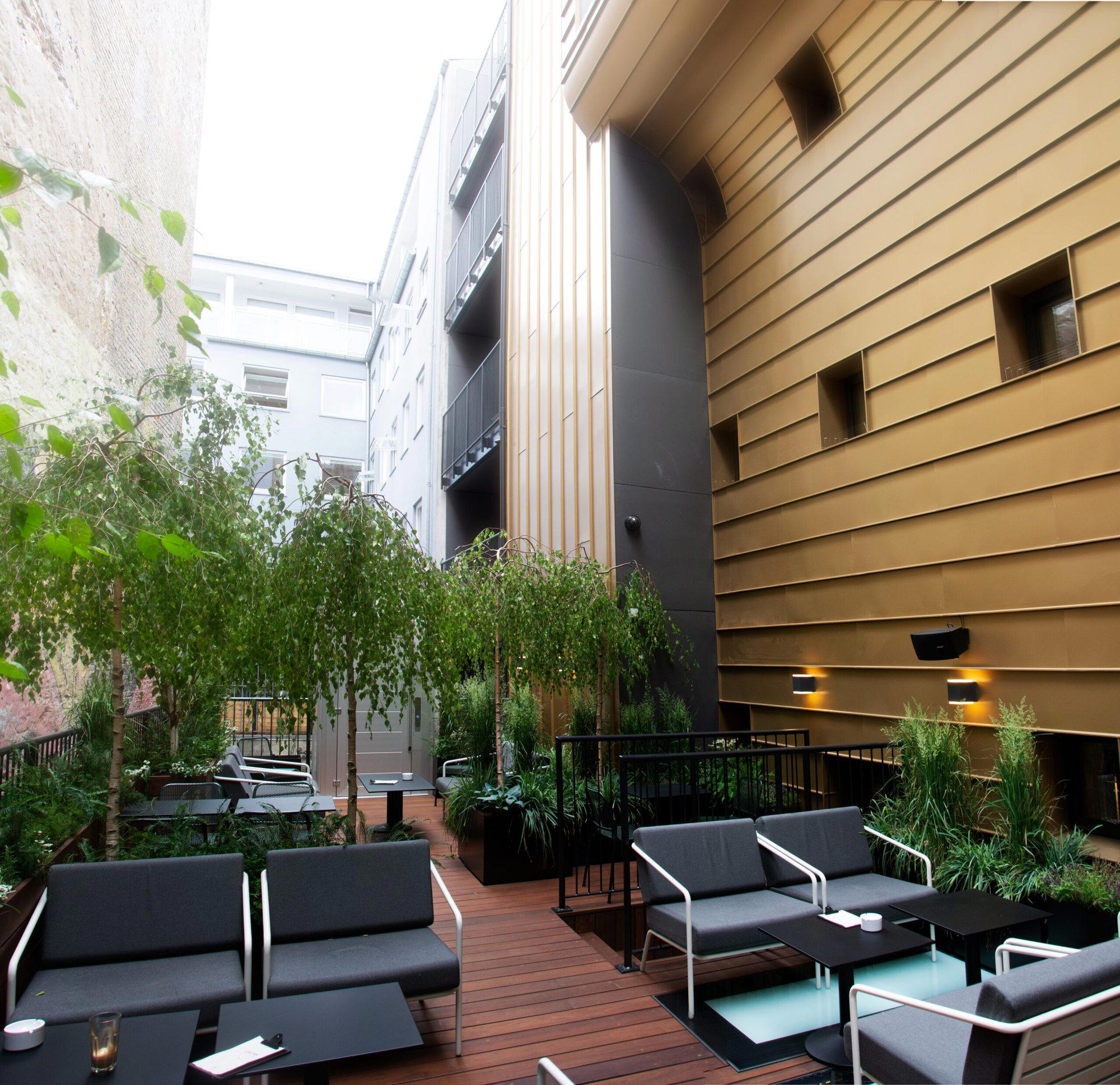
Cozy lounge with lively atmosphere, eclectic music, and low ceilings creating an inviting party feel.