Greek Stories occupies a considered space in the Makrigianni neighbourhood, steps from the Acropolis Museum, where the design framework does as much editorial work as the menu. Among Athens restaurants that trade on cultural proximity to antiquity, few commit as thoroughly to the physical language of storytelling. Visitors seeking a sharply positioned alternative to the city's contemporary Greek dining tier will find a purposeful address here.
Pearl is the En Primeur Club membership app — saves, bookings, and concierge access live there. Same editors, same standards.
- Address
- Makrigianni 19-21, Athina 117 42, Greece
- Phone
- +302114188431
- Website
- greekstories.gr
- Directions
- Get directions
 Saves & bookings on Pearl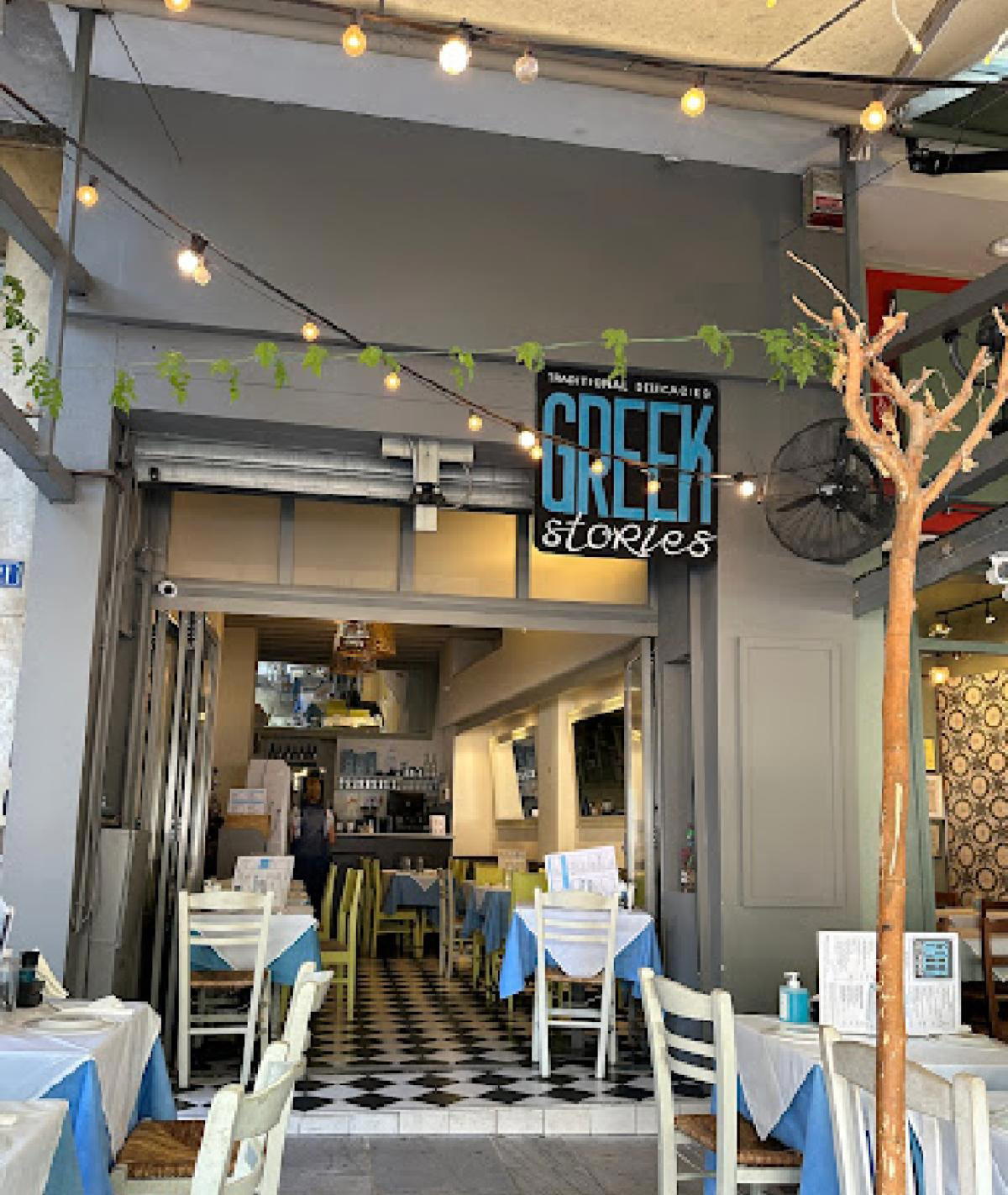
Where the Acropolis Shadow Falls
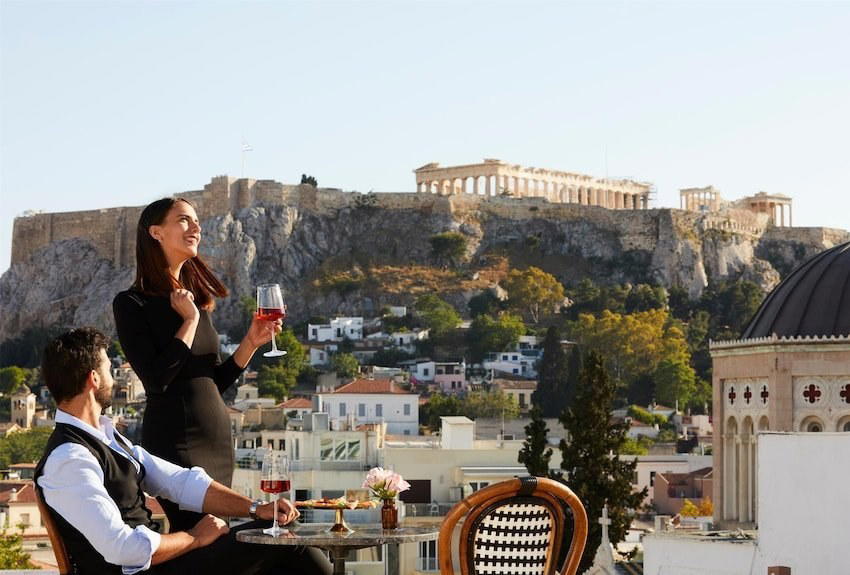
Makrigianni is not a neighbourhood that announces itself loudly. Pressed against the southern slope of the Acropolis, between the museum quarter and the quieter residential blocks that tourists rarely penetrate, it occupies a peculiar position in Athens: archaeologically charged but domestically scaled. The streets here carry a different weight than Monastiraki's market noise or Kolonaki's polished cafe rows. Walking along Makrigianni toward number 19-21, you feel the density of the hill above before you see it. That spatial pressure is the entry condition for Greek Stories, a venue whose address is, in itself, a positioning statement about how Athens frames its dining culture against its ancient inheritance.
Within Athens's contemporary restaurant scene, the tension between antiquity and modernity runs through almost every serious dining address. Hytra resolves it through abstracted modern Greek cuisine at the €€€ tier; Botrini's approaches it through Mediterranean technique pushed to €€€€ territory; Delta leans into creative provocation. Greek Stories operates in this field, in a neighbourhood where the physical context does much of the interpretive work before a single plate arrives.
The Architecture of Narrative Space
The editorial angle on Greek Stories is inseparable from its spatial logic, because in a district this architecturally saturated, interior design is never neutral. Athens restaurants that sit close to the Acropolis Museum face a specific design challenge: the building opposite, Bernard Tschumi's 2009 glass-and-concrete structure, already makes an argument about how Greek material culture should be held and displayed. Any dining room in that visual field is implicitly in dialogue with it.
Venues that succeed in this context tend to do one of two things: they either fold into the archaeological texture of the neighbourhood through materiality and restraint, or they create a deliberate interior counterpoint that acknowledges the weight outside without being crushed by it. The Makrigianni address positions Greek Stories within that interpretive challenge. The physical container, in venues of this type, functions less as backdrop and more as first course: it primes the reader, the diner, before any food arrives.
Across the broader Athens scene, the shift toward considered interior architecture at dining venues has tracked the city's post-2010 economic recovery. Restaurants that opened during or after the austerity years tended to reinvest in space more carefully than the pre-crisis generation, treating the room itself as an argument for seriousness. The cluster around Makrigianni, Koukaki, and the Acropolis Museum precinct reflects that sensibility: these are spaces designed with an awareness that international visitors now arrive in Athens with higher expectations of physical environment than a decade ago.
Greek Dining in Its Current Register
The broader context for any serious Athens restaurant in 2024 includes a recognition that Greek cuisine has entered a phase of serious international attention. This is not simply a matter of individual chefs earning recognition; it reflects a structural shift in how Mediterranean food cultures are being read by international critics and traveling diners. Hervé and Makris Athens represent the creative and contemporary poles of this movement within the city. The question for any Makrigianni venue is where it locates itself within that expanded field.
Greece's wider dining geography also matters here. The Santorini restaurant scene, which includes addresses like Cacio e Pepe in Thira, Lure in Oia, Feredini, and Aktaion in Firostefani, operates on a predominantly tourist-seasonal logic. Athens is different: it sustains year-round dining culture, with a local professional class that holds restaurants to consistent standards across seasons. Venues like Alykes in Palaio Faliro and Lake Vouliagmeni in the coastal suburbs demonstrate how that year-round logic extends into the greater Athens area. The restaurant, positioned in the museum quarter rather than the coastal belt, draws from a visitor profile that skews toward culturally motivated travelers rather than purely leisure-driven ones, which typically supports a different kind of menu seriousness.
For international comparison, the gap between Athens's leading dining tier and equivalent addresses in other European capitals has narrowed measurably. Where venues like Le Bernardin in New York or Atomix represent the fully developed end of their respective restaurant cultures, Athens represents a scene still consolidating its international identity, which creates both opportunity and variability for visiting diners.
The Neighbourhood as Context
Makrigianni's dining options have expanded significantly since the Acropolis Museum opened in 2009 and redrew the tourism geography of southern Athens. Before the museum's arrival, this was primarily a transit zone between Plaka and Koukaki; afterward, it became an anchor destination in its own right, pulling restaurant investment toward streets that previously had limited dining infrastructure. That history explains why the restaurant' address carries weight beyond mere proximity to a landmark: the neighbourhood itself is a product of cultural investment, and venues that opened within this context carry that framing.
Nearby in the broader Athens orbit, Cash in Kifisia, Jimy's Fish in Piraeus, Beauvoir in Katakolo, and Knossos Greek Taverna in Gouves each serve distinct regional and local dining functions, illustrating how varied the Greek restaurant field is once you move beyond the capital's centre. The restaurant operates in one culturally loaded part of that field. For a complete picture of what the Athens dining scene offers across price points and neighbourhoods, see our full Athens restaurants guide.
Planning Your Visit
The restaurant is located at Makrigianni 19-21 in Athens, a short walk from the Acropolis Museum and within the established cultural triangle that also takes in the Acropolis itself and the Odeon of Herodes Atticus. The address is well-served by Athens Metro (Acropolis station on Line 2), which removes any practical friction for visitors staying in central districts like Syntagma or Monastiraki. Given the venue's position in a high-footfall tourist corridor, visiting midweek and arriving at opening time tends to offer calmer conditions than weekend evenings, when the museum quarter draws significant pedestrian volume. Specific booking policies, hours, and pricing are best confirmed directly, as this information was not available for verification at time of publication.
How GREEK STORIES Athens compares with similar nearby venues.
| Venue | Cuisine | Price |
|---|---|---|
| SENSE | Creative | €€€ |
Continue exploring
More in Athens
Restaurants in Athens
Browse all →
Bars in Athens
Browse all →
Hotels in Athens
Browse all →
At a Glance
- Cozy
- Classic
- Rustic
- Family
- Casual Hangout
- Historic Building
- Local Sourcing
Current opening hours
- Monday
- 12–11 PM
- Tuesday
- 12–10:30 PM
- Wednesday
- Closed
- Thursday
- 12–11 PM
- Friday
- 11:30 AM–11 PM
- Saturday
- 11:30 AM–11 PM
- Sunday
- 12–11 PM
Hours can change for holidays and private events. Last verified .
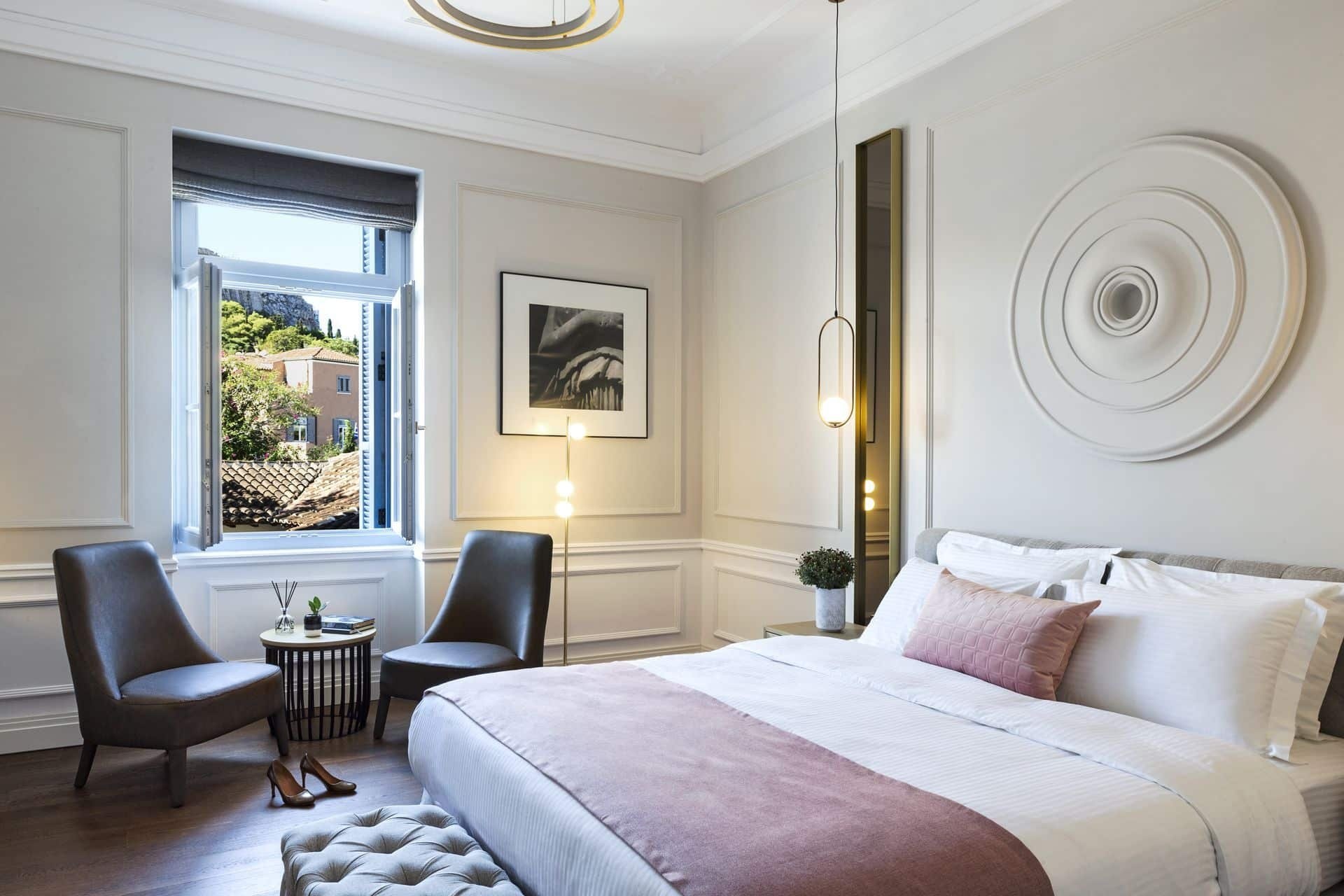
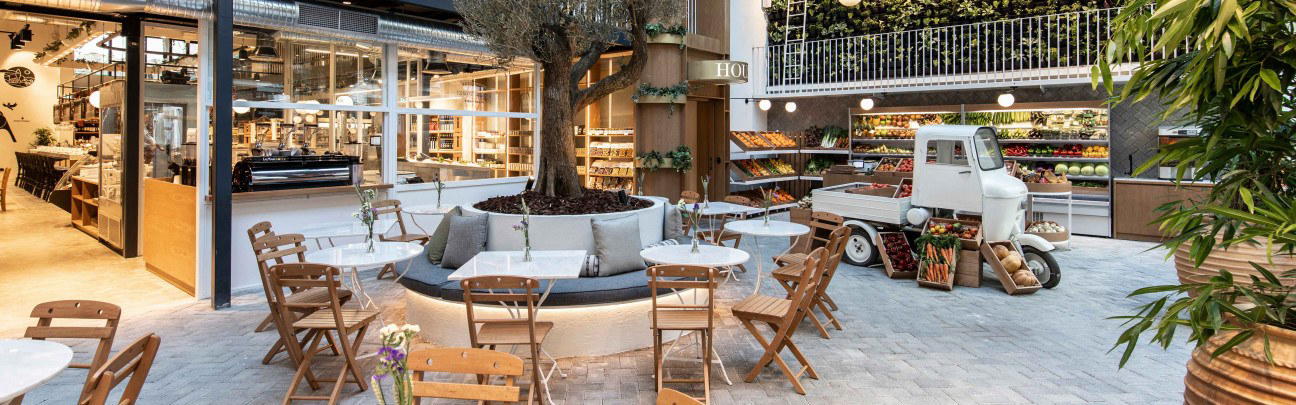
Cozy and inviting with traditional Greek decor elements creating a warm, welcoming atmosphere.