Grand Restaurant
Dining at Altitude: The Hotel Restaurant in the High Tatras Štrbské Pleso sits at roughly 1,350 metres above sea level, a resort lake town that spent the twentieth century hosting Olympic skiers and Central European spa culture in equal measure....
Pearl is the En Primeur Club membership app — saves, bookings, and concierge access live there. Same editors, same standards.
- Address
- Kúpelná 6 (Grand Hotel Kempinski), 059 85 Štrbské pleso
- Directions
- Get directions
 Saves & bookings on Pearl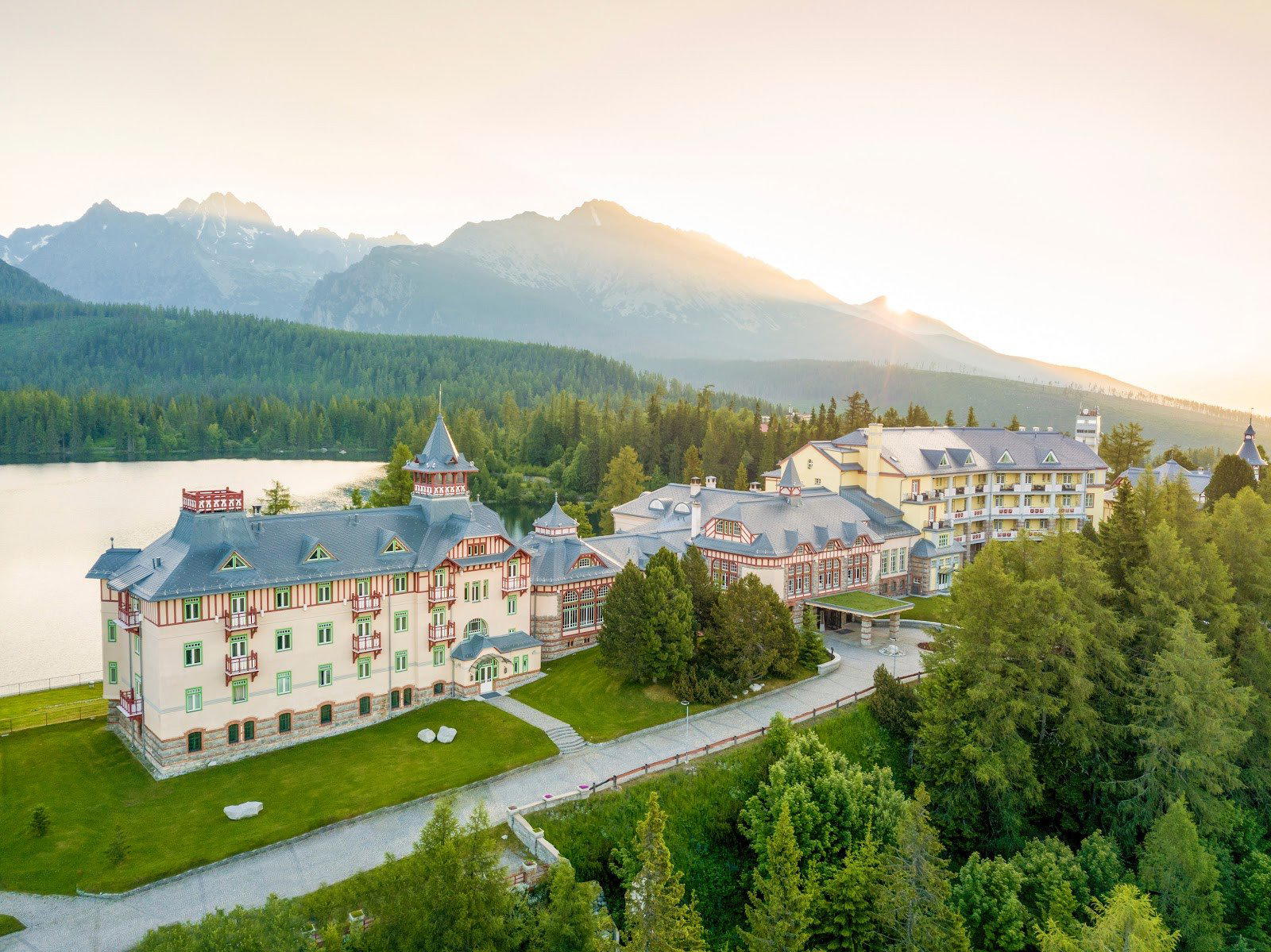
Dining at Altitude: The Hotel Restaurant in the High Tatras
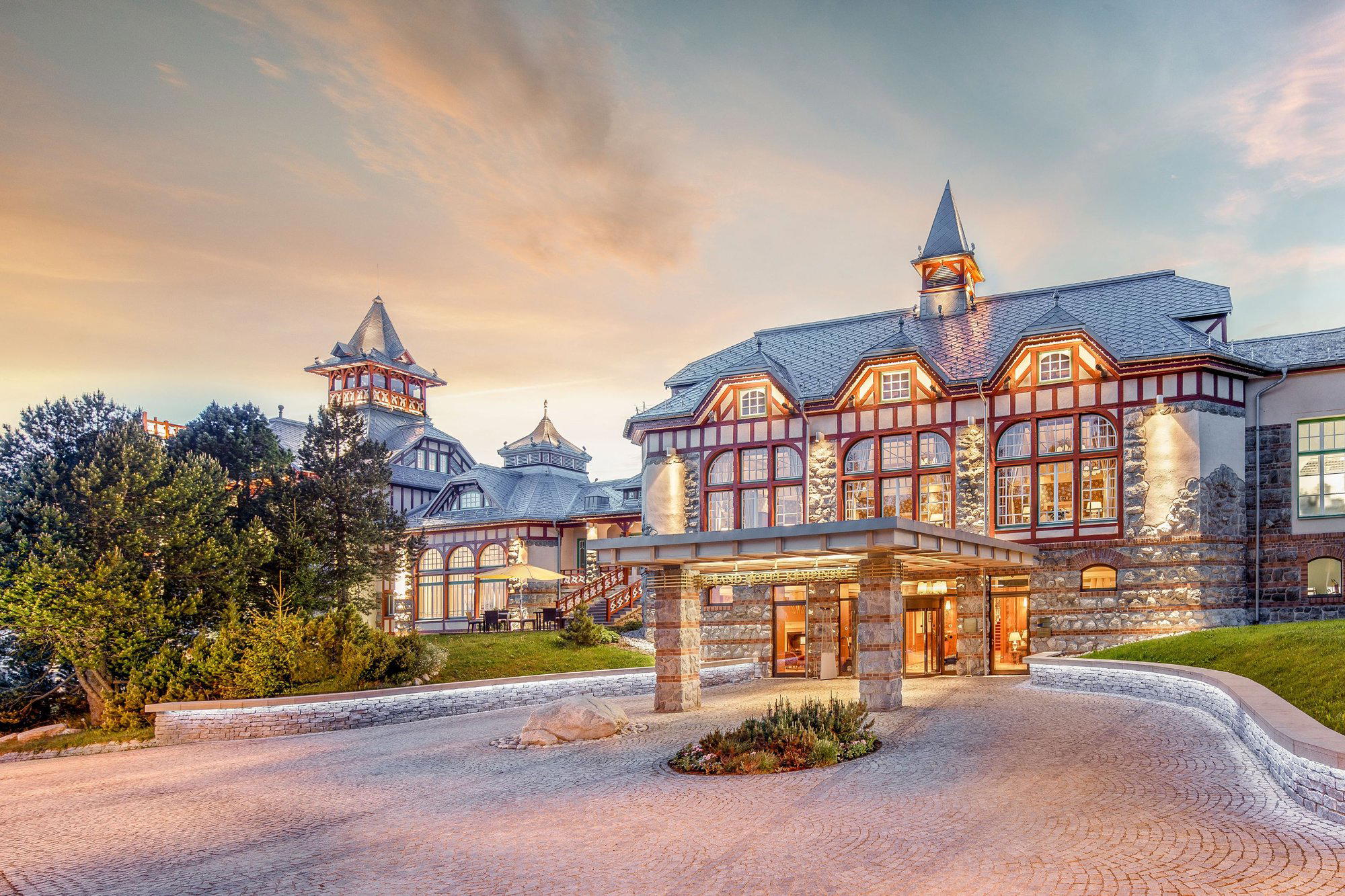
Štrbské Pleso sits at roughly 1,350 metres above sea level, a resort lake town that spent the twentieth century hosting Olympic skiers and Central European spa culture in equal measure. The Grand Hotel Kempinski, the address that frames this restaurant, anchors the setting on Kúpelná 6 in Štrbské Pleso. At this altitude, in a town where the dining options broadly split between mountain-rustic kolibas and hotel dining rooms, the Grand Restaurant occupies one of the more formal dining addresses in town.
Hotel restaurants in Slovak mountain resorts have historically functioned as captive dining for guests who have neither the transport nor the inclination to venture out in sub-zero evenings. These spaces also serve destination travellers who choose a location for its character and expect the food to reflect it. The Grand Restaurant sits inside this shift, shaped by a Slovak mountain setting.
The Slovak Table in the Mountains
Central European mountain cuisine has roots that are worth understanding before you arrive. The Tatra region historically fed itself on sheep dairy (most prominently bryndza, the sharp fermented sheep cheese that anchors Slovak national cooking), smoked meats, potato dumplings, and game from the surrounding forests. These are not romantic simplifications: they are the actual staple economy of a high-altitude agricultural region where cattle farming gave way to sheep grazing and where winters demanded preserved and calorie-dense food. Bryndzové halušky, the dumpling dish built around bryndza and topped with smoked bacon fat, is as close to a national dish as Slovakia has, and any serious hotel restaurant in this region is expected to have a position on it, whether faithful, refined, or pointedly absent.
The question for a property-level restaurant in a Kempinski hotel is how it interprets that inheritance. International hotel groups operating in Central Europe have taken varying approaches: some have pressed their properties into a globally neutral fine dining format, others have made a deliberate effort to source locally and anchor the menu in regional tradition. In Štrbské Pleso, where the surrounding landscape and cultural identity are so specific, the latter approach carries more editorial weight. Visitors arriving from Bratislava, Vienna, or Prague are not looking for the same menu they could find at any European hotel. They are, in varying degrees of consciousness, looking for the Tatras. For comparable Slovak mountain dining in the area, Koliba Patria and Reštaurácia Furkotka anchor the koliba-style end of the local spectrum, offering the full rustic-traditional format for those who want it unmediated.
The Setting and Its Logic
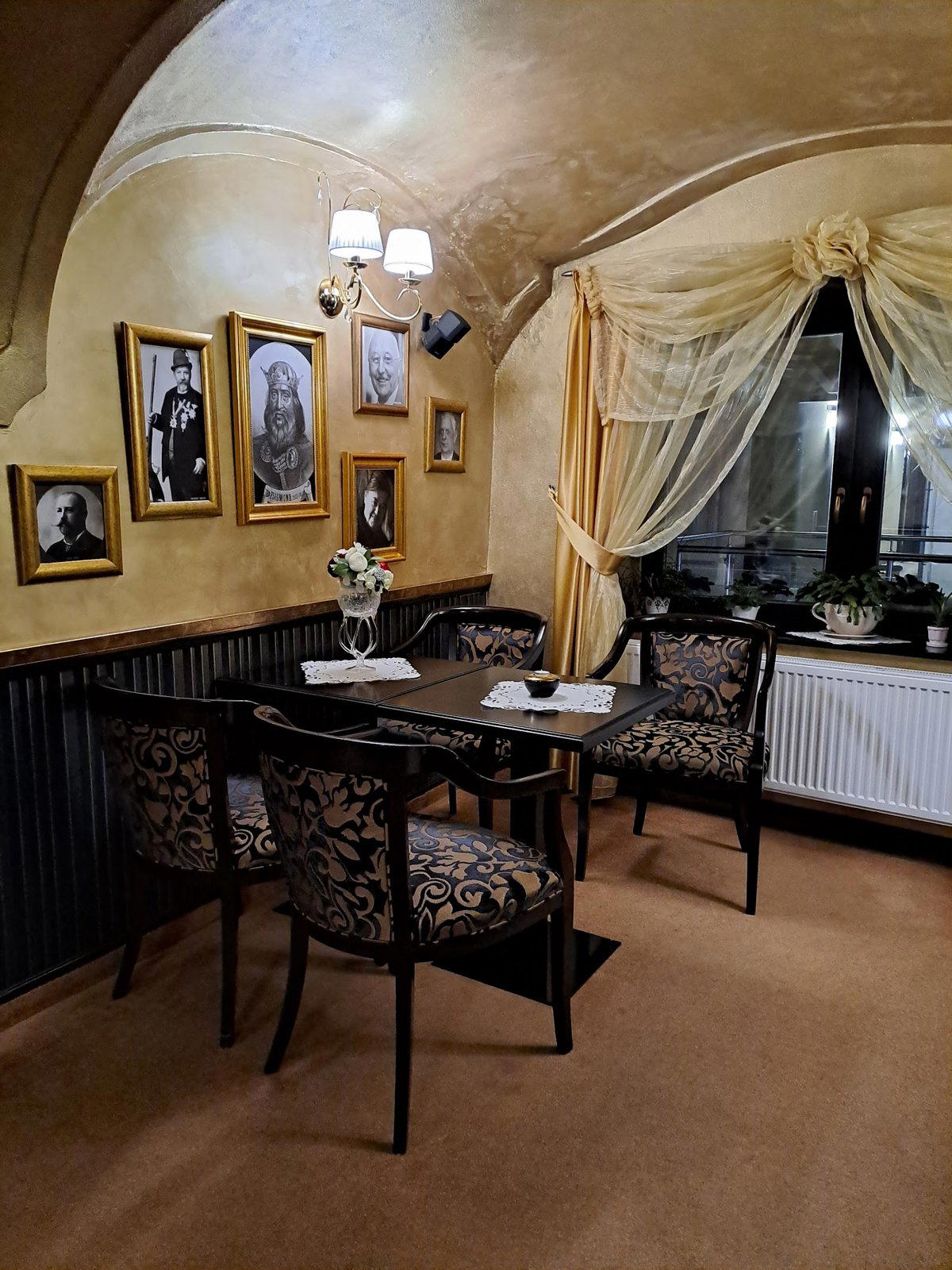
Grand Hotel properties of this era tend to share a common architectural logic: large public rooms designed for post-ski gatherings, high ceilings that read as grand in summer and drafty in February, and restaurant spaces that were built for volume rather than intimacy. The dining room at this address carries that signature. It is a room that rewards a certain frame of mind, one that accepts the formality of the setting rather than working against it. The lakeside position, with Štrbské Pleso visible from the hotel's orientation toward the water, adds a seasonal dimension that changes the experience materially between a July dinner in extended alpine light and a January meal in deep winter dark.
This kind of setting defines the category of hotel restaurants that compete not primarily against independent restaurants but against each other, against the dining rooms of comparable mountain resort properties across Slovakia, Austria, and the Czech Republic. The comparable set is not the koliba down the road but the hotel restaurant at a similar property in the High or Low Tatras, or the dining room at a wellness hotel in the Malá Fatra range. For context on how this broader Slovak hospitality category plays out across different towns, Hotel & Restaurant Gino Park Palace in Považská Bystrica and Hotel and Restaurant Drak in Liptovský Mikuláš sit in the same broad category of Slovak hotel dining rooms.
Slovak Dining Beyond the Tatras
The Grand Restaurant is a useful reference point for understanding how Slovak hospitality has stratified. At the summit of the country's dining register, Don Saro Cucina Siciliana in Bratislava represents the capital's growing appetite for specialist European cuisine, while the broader Slovak restaurant scene now includes everything from the locally sourced beef programme at Fatrabeef in Ľubochňa to the casual end represented by Bulli Kebab in Košice. Regional hotel dining, by contrast, remains a distinct category defined by its captive geography and the expectations of destination travellers rather than urban regulars. Other regional formats worth tracking include Klára v GOYA vitality hotel in Voderady and Focus Restaurant in Žilina. For mountain-rustic formats specifically, KOLIBA na Vršku in Bytča and Holotéch víška in Kosariská offer a clearer expression of the koliba tradition. Historic manor dining has its own register at Kaštieľ Čičmany in Čičmany. For the full picture of eating and drinking in Štrbské Pleso, our guide maps the options across formats and price points. Further afield in the Slovak west, Afrodita in Čereňany, Cafe Sissi in Trenčín, and Allora Fresh Pasta in Nitra illustrate the range of the western Slovak dining scene. The contrast with internationally prominent counterparts, such as Le Bernardin in New York City or Atomix in New York City, underscores how sharply defined hotel dining in a small mountain resort is by geography and cultural specificity rather than global benchmark.
Planning a Visit
The Grand Hotel Kempinski sits at Kúpelná 6 in Štrbské Pleso, accessible from Poprad by the historic cog railway that serves the Tatra resort towns. Štrbské Pleso is a year-round destination with winter ski season and summer hiking season both bringing steady visitor traffic. Reservation is recommended, particularly during peak season weekends. Dress expectations lean toward smart casual.
Budget Reality Check
Comparable venues nearby, for context on price, style, and recognition.
| Venue | Cuisine | Price | Notes |
|---|---|---|---|
| Grand RestaurantThis venue — the venue you are viewing | Not listed | $$$ | Not listed |
| Koliba Patria | Strbske Pleso, Traditional Slovak | $$ | Not listed |
| Reštaurácia Furkotka | Not listed | $$ | Strbske Pleso, Traditional Slovak & Central European |
| Pivnica u zlatej husi | Not listed | $$$ | Slovensky Grob, Traditional Slovak Goose Specialties |
| Doma u nás | Not listed | $$$ | Spišská Sobota, Modern Slovak Fine Dining |
| Bubbles Restaurant | Staré Mesto, Modern European Fine Dining | $$$ | Not listed |
Continue exploring
More in Strbske Pleso
Restaurants in Strbske Pleso
Browse all →
Bars in Strbske Pleso
Browse all →
At a Glance
- Romantic
- Elegant
- Classic
- Cozy
- Sophisticated
- Date Night
- Special Occasion
- Celebration
- Hotel Restaurant
- Historic Building
- Extensive Wine List
- Local Sourcing
- Mountain
Romantic candlelit dinners in a beautifully restored historic space resembling an old castle, featuring crackling fireplaces and elegant 19th-century atmosphere.