Reštaurácia Furkotka
At the edge of Štrbské Pleso in Slovakia's High Tatras, Reštaurácia Furkotka occupies a setting shaped as much by altitude and mountain air as by what arrives at the table. The restaurant sits within a region where the dining tradition leans on hearty Slovak ingredients and the unhurried pace of a mountain stay, placing it in a category that rewards visitors who plan their table time around the landscape itself.
Pearl is the En Primeur Club membership app — saves, bookings, and concierge access live there. Same editors, same standards.
- Address
- Štrbské Pleso 21, 059 85 Štrbské Pleso
 Saves & bookings on Pearl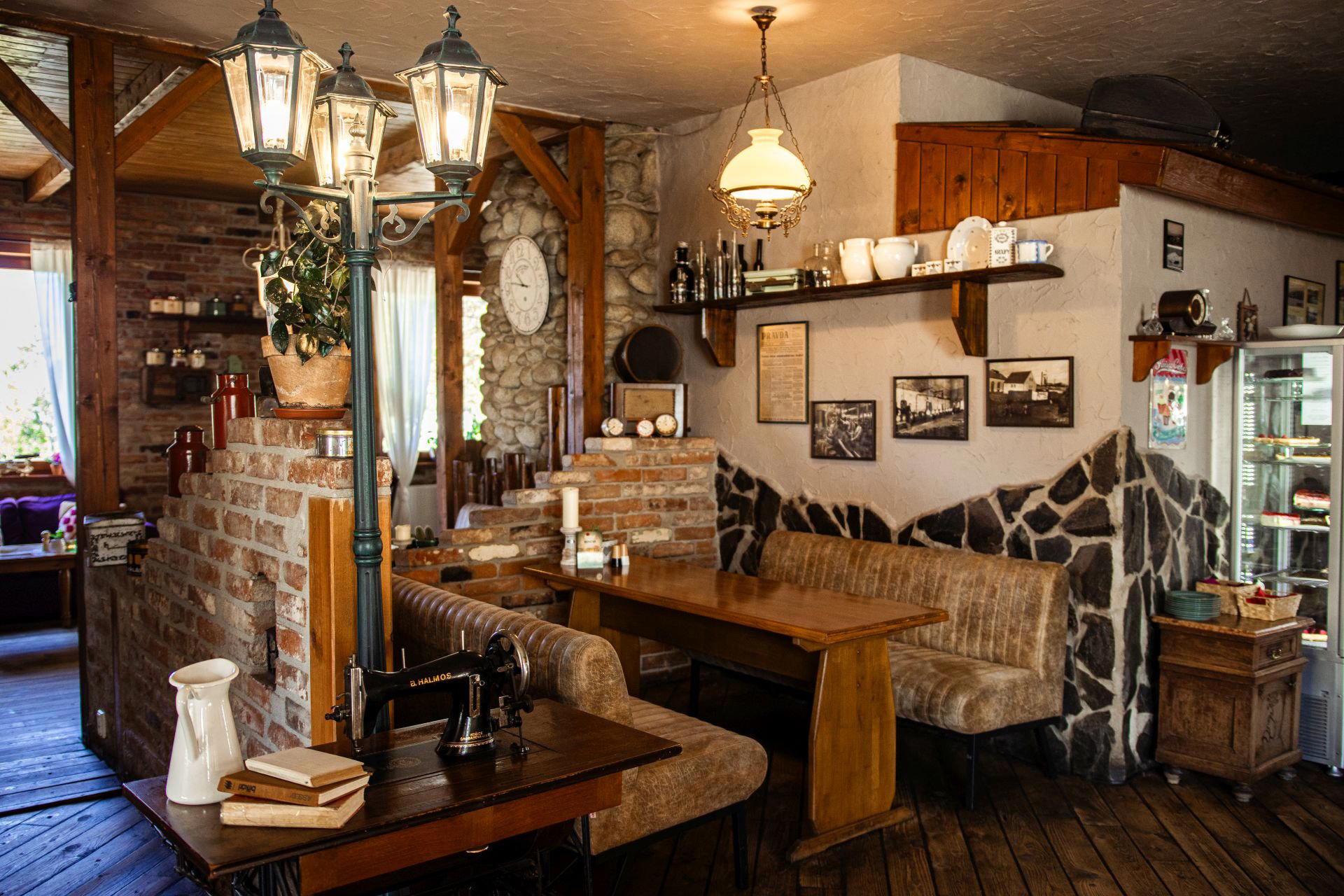
Arriving at Altitude: The Setting Around Furkotka
Štrbské Pleso is one of those Slovak mountain towns that earns its status not through urban polish but through sheer environmental authority. At roughly 1,350 metres above sea level in the High Tatras, the glacial lake at the village's centre pulls in hikers, cross-country skiers, and slow travellers who have learned to treat the area as a destination in its own right rather than a waypoint. Dining here follows a rhythm set by the outdoors: meals tend to run longer, arrive more generously, and carry more weight than the equivalent plate would at a city-centre address. Reštaurácia Furkotka, a restaurant in Štrbské Pleso serving Traditional Slovak & Central European cuisine, is located at Štrbské Pleso 21.
The Rhythm of Eating in a Mountain Town
The dining ritual in Slovakia's mountain resort towns differs structurally from the capital or the larger regional cities. There is less competitive pressure on each restaurant to innovate or pivot seasonally, and more expectation that a table will hold its guests for the full arc of an evening. Soup arrives first and is taken seriously: broth-based preparations, often with dumplings or noodles, function not as an opener in the French sense but as a foundational course that sets the pace. Main dishes lean on pork, game, and freshwater fish from the surrounding region, preparations that have changed slowly over generations and carry the weight of that continuity.
In this context, Furkotka's address in Štrbské Pleso places it inside a dining culture where the guest's relationship to the mountain environment informs expectations at the table. A visitor who has spent the morning on the trails around the lake arrives at lunch expecting volume and warmth rather than precision and restraint. The restaurant responds to that expectation in the way that Slovak mountain addresses have always responded: through portions calibrated to the day's physical output, and through flavours that read as restorative rather than cerebral.
For Slovak dining more broadly, this mountain tradition is the counterpart to the urban refinement that venues like Don Saro Cucina Siciliana in Bratislava represent, or the sharp edge of street-focused cooking that you find at addresses such as Bulli Kebab in Kosice. The mountain format occupies a different axis entirely, one where geography and season are the primary authors of the menu.
What the Regional Format Tells You About Slovak Mountain Cuisine
Slovakia's culinary geography divides more sharply along altitude lines than most Western European equivalents. The Tatras and the Fatra ranges to the west have sustained their own distinct register of cooking, one that resists the homogenising pressure of international hotel dining more stubbornly than the lowland towns. In the Tatras corridor, you still encounter bryndza in multiple forms, smoked meats prepared by local producers, and potato dumplings that bear no resemblance to the soft, floury versions served elsewhere. The regional specificity is not a performance for visitors; it reflects supply chains that remain genuinely local and preparation methods passed through kitchens rather than culinary academies.
Restaurants operating in this format, from Fatrabeef in Lubochna in the Fatra valley to KOLIBA na Vršku in Bytca, share a common structural logic: the menu is anchored in what the surrounding landscape produces, and the presentation follows the cooking logic of that ingredient rather than international plating conventions. Furkotka fits this regional pattern. The address puts it at the tourist-facing end of the Tatras dining economy, but the format it operates within is the same one you find throughout the Slovak highlands.
For context on how different Slovak culinary traditions read at the table, the comparison with venues in other scenic settings is instructive. Kaštieľ Čičmany in Cicmany and Holotéch víška in Kosariska both operate in village settings where heritage and landscape frame the meal, much as the High Tatras frame dining at Štrbské Pleso.
Practical Considerations for Visiting
Štrbské Pleso is accessible by rack railway from Poprad, a service that runs reliably and connects the lakeside village to the broader Tatras transport network without requiring a car. The village operates on a seasonal double peak, with summer hiking season and winter ski season both generating high occupancy. Visitors planning to eat at any of the lake's restaurants during these windows, particularly between December and February or July and August, are advised to confirm availability directly with the venue before arriving. The compact size of the Štrbské Pleso restaurant scene means demand concentrates on a small number of addresses simultaneously.
Dress is informal by convention in the Tatras: outdoor wear is normal at lunch and evening meals alike, reflecting the mountain context rather than any laxity in the dining culture. The usual Slovak custom of settling the bill per head rather than splitting the table's total applies, though practices vary. For those staying in the village, restaurants including Furkotka serve as anchors for the full day's itinerary rather than standalone evening destinations.
Readers building a wider Slovakia dining itinerary will find useful reference points at Focus Restaurant in Zilina, Hotel and Restaurant Drak in Liptovsky Mikulas, Cafe Sissi in Trencin, Afrodita in Cerenany, Klára v GOYA vitality hotel in Voderady, and Allora Fresh Pasta in Nitra.
The contrast is instructive precisely because the mountain format operates by a completely separate logic, one where the outdoors is the first course and the table is where the day is finally finished.
For the hotel-restaurant pairing that many Tatras visitors settle into, Hotel and Restaurant Gino Park Palace in Povazska Bystrica offers a useful comparison in a different Slovak mountain-adjacent setting.
Cuisine and Credentials
Comparable venues nearby, for context on price, style, and recognition.
| Venue | Cuisine | Price | Notes |
|---|---|---|---|
| Reštaurácia FurkotkaThis venue — the venue you are viewing | Traditional Slovak & Central European | $$ | Not listed |
| Koliba Patria | Traditional Slovak | $$ | Strbske Pleso |
| Grand Restaurant | Modern European with Slovak Specialties | $$$ | Strbske Pleso |
| Remeselná reštaurácia Vyhňa | Slovak Craft Grill | $$ | Rača |
| Matyšák | Traditional Slovak | $$ | Staré Mesto |
| Sýpka u Ludvíka | Traditional Slovak | $$ | Báb |
Continue exploring
More in Strbske Pleso
Restaurants in Strbske Pleso
Browse all →
At a Glance
- Cozy
- Rustic
- Classic
- Family
- Casual Hangout
- Group Dining
- Standalone
- Panoramic View
- Beer Program
- Local Sourcing
- Mountain
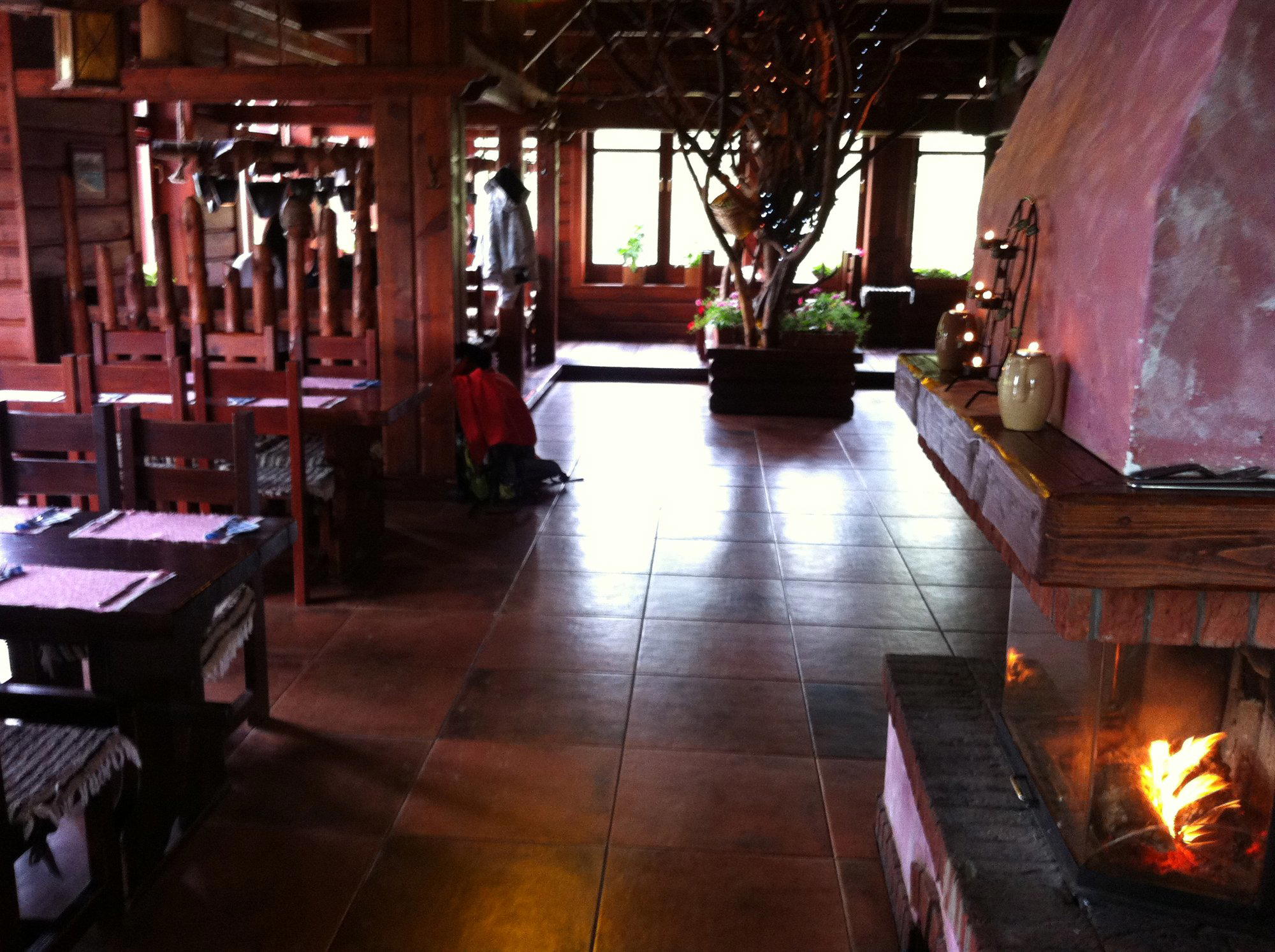
Cosy interior with traditional local character, featuring views of old railway stations and mountain scenery.