Our verdict
Gradska Meana serves traditional Serbian grill in a historic building with a garden, plus an extensive wine list for lunch or dinner in Vranje.

Pearl is the En Primeur Club membership app, where members save venues, book tables and use the concierge.
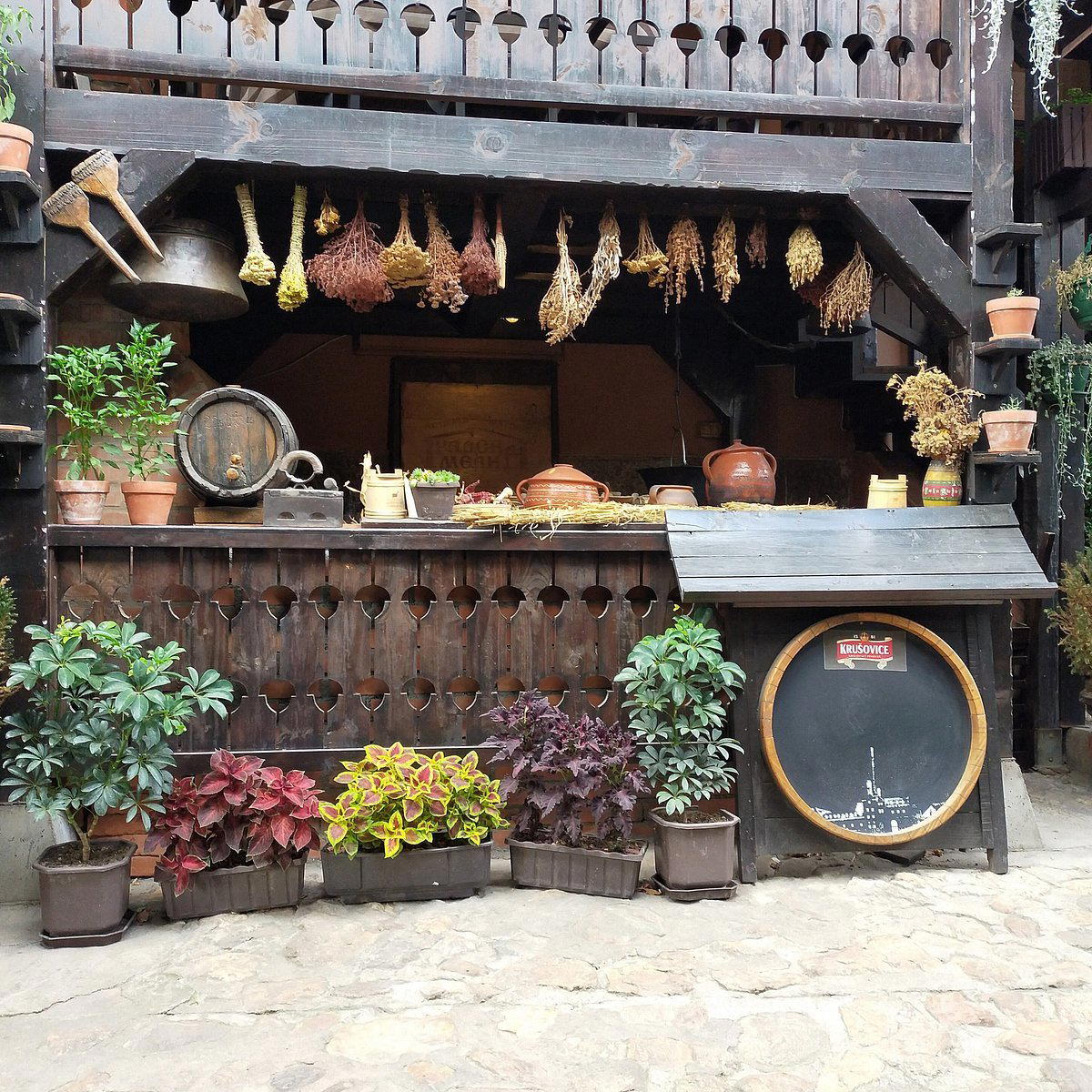
Where Southern Serbia's Kitchen Traditions Hold Their Ground
Vranje sits in the Pčinja district of southern Serbia, close to the North Macedonian border, in a part of the country where Ottoman-era culinary habits persisted longer than almost anywhere else in the region. The town's older restaurants operate as extensions of that history: a kafana format that prioritizes slow-cooked meat, local produce from the surrounding valleys, and the kind of communal table culture that predates restaurant dining as a formal category. Gradska Meana, on Jovana Hadživasiljevića street, fits squarely within that tradition.
Approaching the address, you are already inside a neighbourhood that reads like an older version of Serbia: quieter streets, a pace that has not been recalibrated for tourist throughput, and buildings whose scale belongs to a town rather than a city. The restaurant occupies this environment without apology, presenting itself as a civic institution rather than a dining destination in the contemporary sense. The name itself, Gradska Meana, translates roughly as "town tavern", a designation that signals intention more clearly than any branding exercise could.
Southern Serbian Produce and Why It Matters Here
The Pčinja and Vranjska valleys that surround this part of Serbia have long supplied their kitchens from close range. The agricultural geography is specific: the region sits lower and warmer than the Šumadija plateau further north, producing peppers, tomatoes, and lamb with a character that differs noticeably from central Serbian equivalents. In southern Serbian cooking, this proximity between land and kitchen is not a marketing position, it is a structural condition. Small producers selling direct to local restaurants remains the dominant supply model in towns like Vranje, because the infrastructure for large-scale distribution has historically bypassed them.
That supply structure shapes what ends up on the plate. The grilled meats and slow-braised dishes associated with kafana cooking in this part of Serbia draw their quality from sourcing consistency rather than technique innovation. Recipes in this tradition change slowly, if at all, and the variable is the ingredient rather than the method. For a diner arriving from Belgrade or further afield, this is a meaningfully different proposition from the modernist Serbian cooking emerging in the capital, and venues like Langouste in Belgrade represent that urban pole, while Gradska Meana represents the opposing end of the spectrum.
The Kafana Format in Context
Serbia's kafana tradition is one of the Balkans' most durable hospitality formats, and it has survived several waves of culinary modernisation largely intact in smaller cities. The format combines food service with a social function that European café culture approximates but never quite replicates: long tables, shared dishes, local rakija, and a rhythm of service that follows the table rather than a kitchen schedule. In towns like Vranje, this is not nostalgia, it is simply how restaurants function.
Across Serbia, the kafana format has splintered. In Belgrade, it has been reinterpreted as a design concept. In Novi Sad, venues like Kafe Restoran Maša occupy a middle ground between the traditional format and more contemporary service. In Pirot, KAFANA DUKAT holds a comparable position to Gradska Meana in its own city: a restaurant that reads as a local institution. In Leskovac, Koliba Etno Restoran leans into the ethnographic aesthetic that has become one way of framing traditional Serbian food for a wider audience. Gradska Meana, by contrast, appears to operate without that self-conscious framing, the meana as a going concern rather than a cultural exhibit.
Other southern Serbian restaurants worth considering alongside Gradska Meana include ETNO PODRUM BRKA in Nis and, in the western part of the country, Kafana Pećinar Ljubiš in Cajetina and Kafana Studenac in Bajina Basta, each of which illustrates how the kafana model adapts to different regional landscapes. For a broader Serbian context that includes international comparison points, the distance between this format and something like Le Bernardin in New York City or Atomix in New York City is not simply culinary, it represents a fundamentally different philosophy of what a restaurant is for.
Vranje as a Dining Context
Vranje's restaurant scene is small by Serbian standards. The city's population sits around 55,000, and its dining options reflect that scale. There is no equivalent here to the competitive density of Novi Sad or the ambition-driven churn of Belgrade. What Vranje offers instead is coherence: a set of restaurants that serve a local population with consistent habits, sourcing from the same regional suppliers, cooking with broadly the same repertoire, and measured against local rather than national standards.
That context matters for anyone visiting from outside the region. The frame of reference needs adjusting. Gradska Meana is not a venue competing on the axis of chef credentials or tasting menu architecture, it occupies a different axis entirely, one where longevity, local sourcing, and integration into community life are the operative metrics. For the full scope of what Vranje's dining scene looks like, our full Vranje restaurants guide maps the options with that context in mind.
For comparison against Serbian restaurants in similarly-sized or regionally comparable cities, Kod Brana in Cacak, Lovački dom in Valjevo, and Aleksandar Gold in Uzice each illustrate how mid-sized Serbian cities maintain their own restaurant identities. Further afield in terms of both geography and format, Windmill in Pancevo, Etno Kuća Dinar in Vrsac, Kod poštara in Aran Elovac, Grand in Kopaonik, and ČARDA ZLATNA KRUNA in Apatin round out the wider picture of how regional Serbian dining operates outside the two main cities.
Planning a Visit
Vranje is accessible by train and bus from Belgrade, with journey times in the range of three to four hours depending on the service. The address, Jovana Hadživasiljevića 33, is in the central part of the city and navigable on foot from the main square. Current hours, booking arrangements, and pricing are not published in formats we can verify, so contacting the restaurant directly or visiting in person remains the practical approach. Southern Serbian restaurants in this category generally operate at price points well below Belgrade equivalents, and reservations for lunch are typically less critical than for evening service on weekends.
Frequently asked questions
Is Gradska Meana child-friendly?
Kafanas in southern Serbia have historically functioned as family dining rooms as much as social gathering places, and Gradska Meana fits that pattern. The format is sit-down and unhurried, which suits families more comfortably than high-turnover dining. For specific seating arrangements or menu accommodations, contacting the venue directly at Jovana Hadživasiljevića 33 is advisable.
What kind of setting is Gradska Meana?
Gradska Meana operates within Serbia's kafana tradition, a hospitality format that has persisted across the Balkans for well over a century. In Vranje, a city of around 55,000 in the Pčinja district, that means a relatively intimate room oriented around shared meals and local produce rather than theatrical presentation. The address on Jovana Hadživasiljevića places it within the city proper, accessible by the train and bus connections that link Vranje to Belgrade in three to four hours.
Does Gradska Meana represent an authentic kafana experience in southern Serbia?
Vranje's position in the Pčinja district, close to the North Macedonian border, places Gradska Meana within a part of Serbia where Ottoman-era culinary habits have shaped the kitchen more persistently than in the north. The kafana format itself, long tables, regional dishes, no tasting-menu theatrics, is precisely what has made these establishments a durable reference point across the Balkans. For visitors travelling down from Belgrade, Gradska Meana at Jovana Hadživasiljevića 33 offers a ground-level introduction to how that tradition holds in a mid-sized southern Serbian city.
What's the must-try dish at Gradska Meana?
What the regional context does establish is that southern Serbian kitchens in the Pčinja and Vranjska valleys draw heavily on grilled meats, slow-cooked bean dishes, and produce sourced close to home, these are the categories worth asking about when you arrive.
What part of town is Gradska Meana in?
Gradska Meana is located at Jovana Hadživasiljevića 33, Vranje 17501, Serbia, Vranje.
Comparable Spots, Quickly
Comparable venues nearby, for context on price, style, and recognition.
| Venue | Cuisine | Price | Notes |
|---|---|---|---|
| Gradska MeanaThis venue (the venue you are viewing) | Traditional Serbian Grill | Not listed | Not listed |
| Restoran Kod Jukića | Balkan Barbecue | Not listed | Sjenica |
| ETNO PODRUM BRKA | Traditional Serbian | Not listed | Jelašnica |
| ETNO KOMPLEKS NIŠAVSKA DOLINA | Traditional Serbian Pirot Cuisine | $10–20 | Pirot |
| KOD PIROĆANCA | Traditional Serbian BBQ | Not listed | Pazar |
| Znak pitanja (?) | Traditional Serbian Kafana | Not listed | Stari Grad |
Continue exploring
More in Vranje
Restaurants in Vranje
All restaurants in Vranje →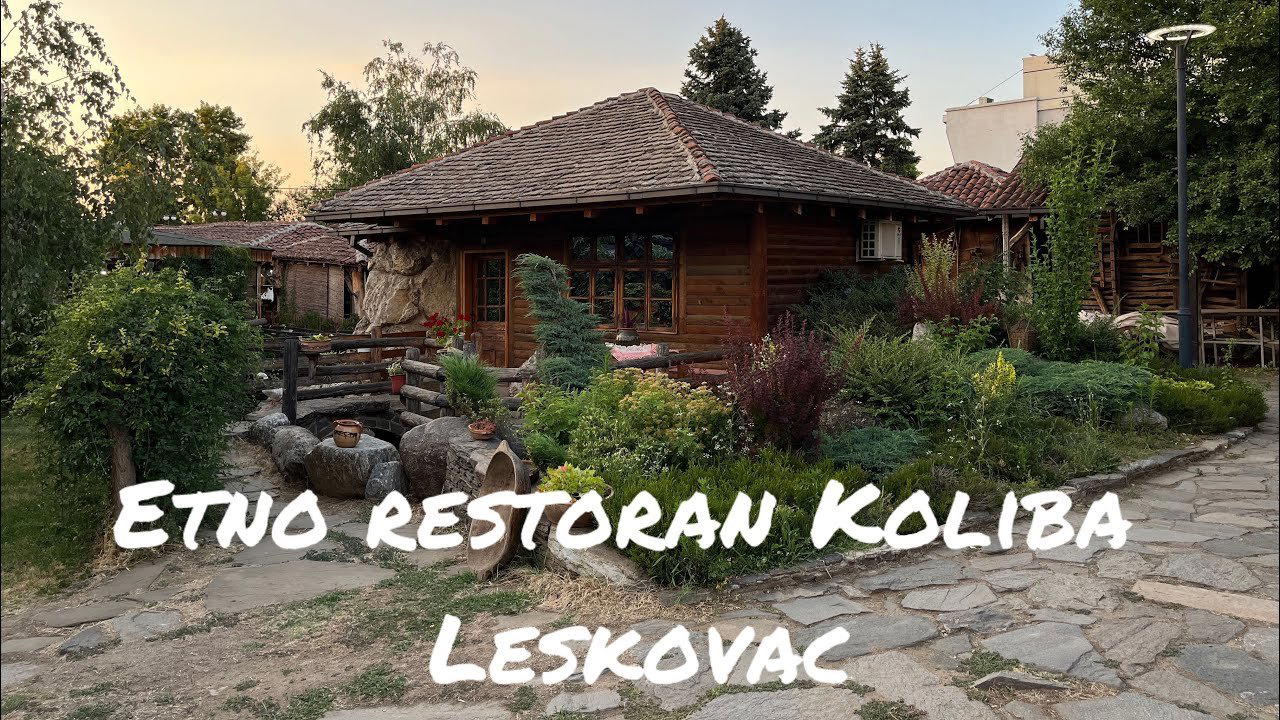
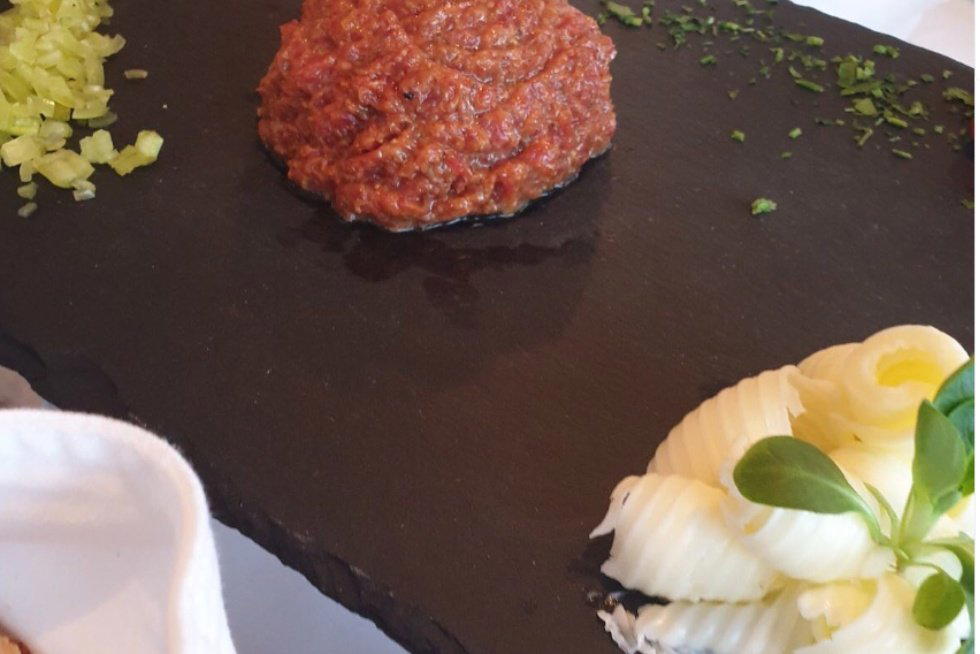
Hotels in Vranje
Browse all →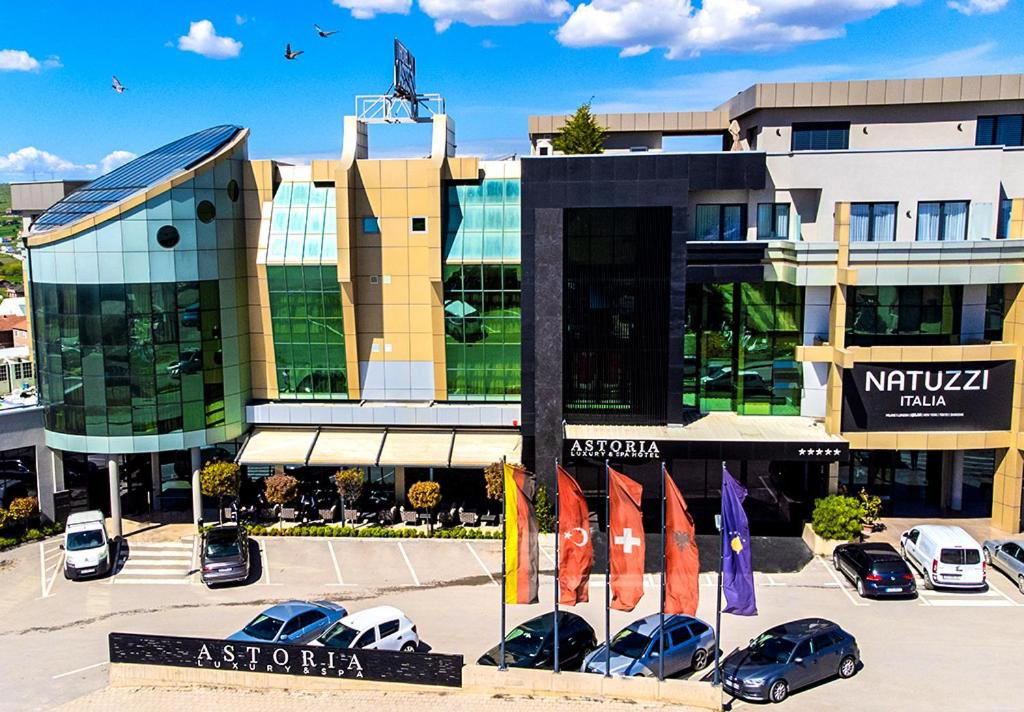
Wineries in Vranje
All wineries in Vranje →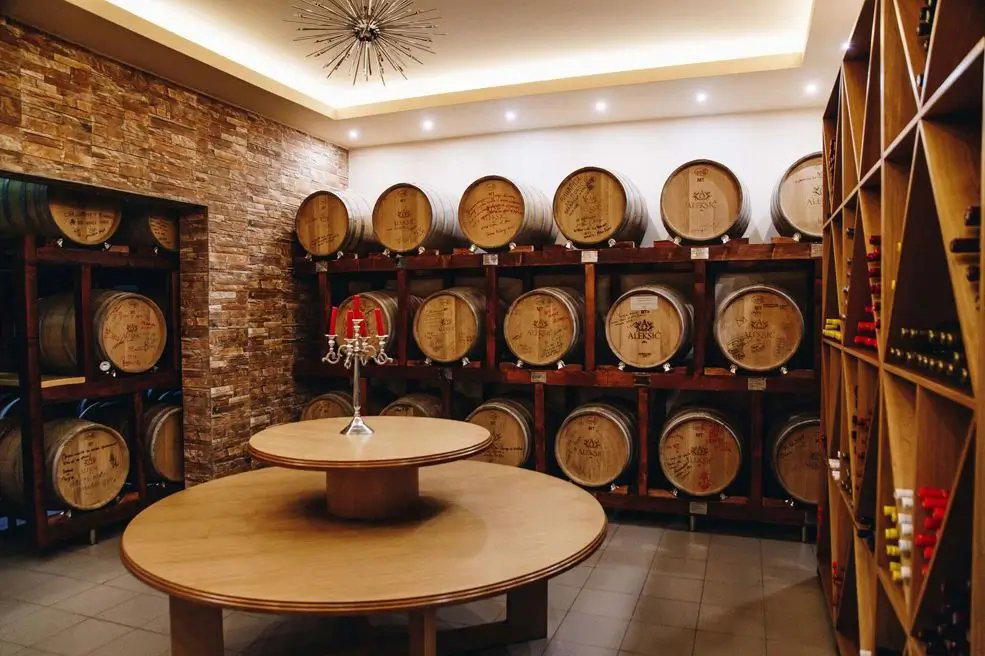
Details
- Classic
- Rustic
- Cozy
- Family
- Group Dining
- Casual Hangout
- Garden
- Historic Building
- Extensive Wine List
- Garden
- A La Carte
Current opening hours
- Monday
- 8 AM–12 AM
- Tuesday
- 8 AM–12 AM
- Wednesday
- 8 AM–12 AM
- Thursday
- 8 AM–12 AM
- Friday
- 8 AM–1 AM
- Saturday
- 8 AM–1 AM
- Sunday
- 11 AM–10 PM
Hours can change for holidays and private events. Hours as of .
Traditional and welcoming atmosphere in beautiful historic interior and serene garden.