Our verdict
Where the Djursland Coast Shapes What Ends Up on the Plate The road into Gjerrild runs through flatlands that open abruptly onto the Kattegat, and the village itself carries the unhurried quality of a place that has always looked to its own...

Pearl is the En Primeur Club membership app — saves, bookings, and concierge access live there. Same editors, same standards.
- Address
- Gjerrild Bygade 16, 8500 Grenaa, Denmark
- Phone
- +4586384020
- Website
- hotel-gjerrild-kro.dk
- Directions
- Get directions
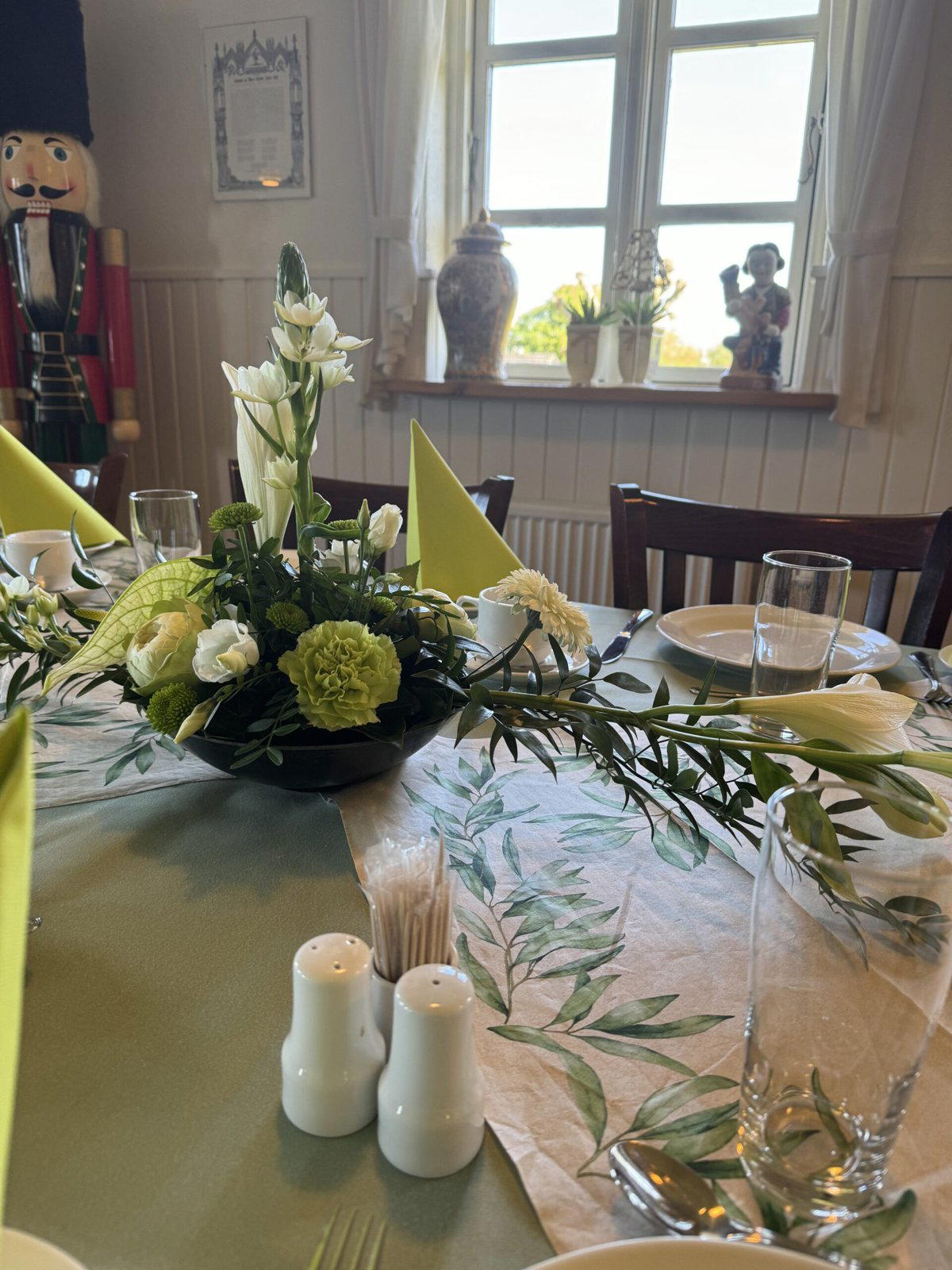
Where the Djursland Coast Shapes What Ends Up on the Plate
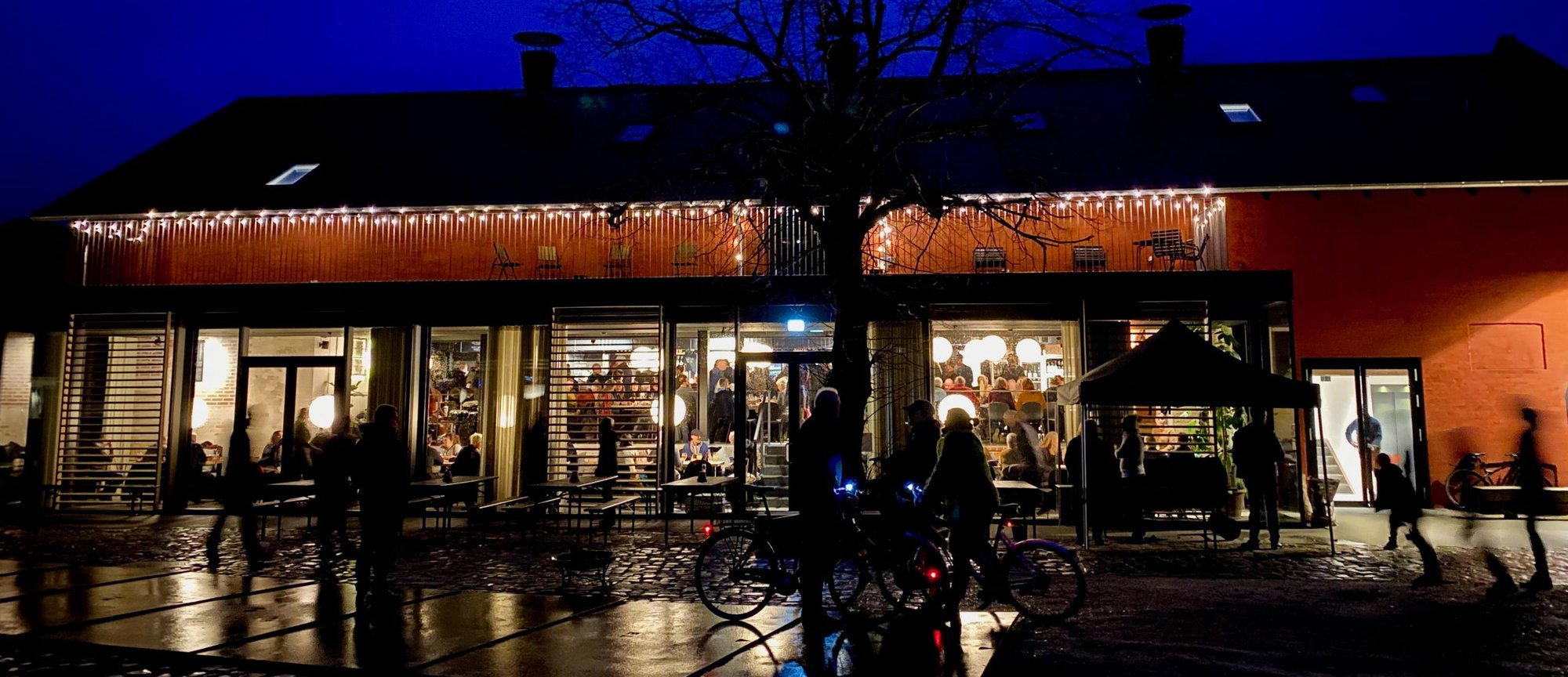
The road into Gjerrild runs through flatlands that open abruptly onto the Kattegat, and the village itself carries the unhurried quality of a place that has always looked to its own surroundings for sustenance. Gjerrild Kro sits on Gjerrild Bygade in the municipality of Grenaa, at the northern tip of the Djursland peninsula, a stretch of eastern Jutland where agriculture, fishing, and forest sit within close reach of one another. That geography is not incidental to what a kro in this location does. It is the operating logic. Danish country inns of this type have historically sourced from what surrounds them, not from what can be shipped in, and that pattern remains legible in the rural kro tradition across Denmark.
The word kro carries specific cultural weight in Denmark that "inn" or "gastropub" does not quite translate. Kros were the original nodes of rural Danish hospitality: waypoints for travellers, gathering places for communities, and kitchens that cooked what local farms and coastlines provided. The best of them, places like Henne Kirkeby Kro in Henne, have evolved into destination restaurants without abandoning the ingredient logic that defines the form. Gjerrild Kro occupies that same structural position in Djursland, a region where proximity to both coast and farmland creates a sourcing range that urban restaurants have to work considerably harder to access.
The Ingredient Geography of the Djursland Peninsula
Djursland produces conditions that are relatively unusual in a Danish context. The peninsula juts into the Kattegat, meaning that seafood from those waters, including flatfish, shellfish, and the cold-water species that define eastern Jutland coastal kitchens, is geographically close in a way that matters for freshness and for the economics of sourcing. At the same time, the interior of Djursland supports productive agricultural land, with livestock farming and market gardening that give a kro kitchen access to dairy, pork, and seasonal vegetables without extended supply chains.
This dual access, coast and farmland within the same regional radius, is what separates the rural kro tradition from the urban Nordic restaurant model. Where Copenhagen's top-tier houses, including Geranium and the broader creative field around it, must construct elaborate sourcing relationships to bring regional ingredients into the city, a kro like Gjerrild's occupies ground where those ingredients already converge. The editorial question is whether a given kro deploys that proximity deliberately or simply benefits from it by default. The Djursland setting makes the raw material case straightforwardly.
For comparison across the broader Danish provincial dining conversation, venues such as Frederikshøj in Aarhus and Dragsholm Slot Gourmet in Hørve have built their identities precisely around regional terroir and estate-level sourcing. The rural kro, operating at a different price register and with a different service register, pursues a version of the same logic without the tasting-menu architecture. That distinction matters when you are deciding whether Gjerrild Kro belongs in a trip itinerary alongside destination fine dining or functions as a different kind of stop entirely.
The Kro Format and What It Signals
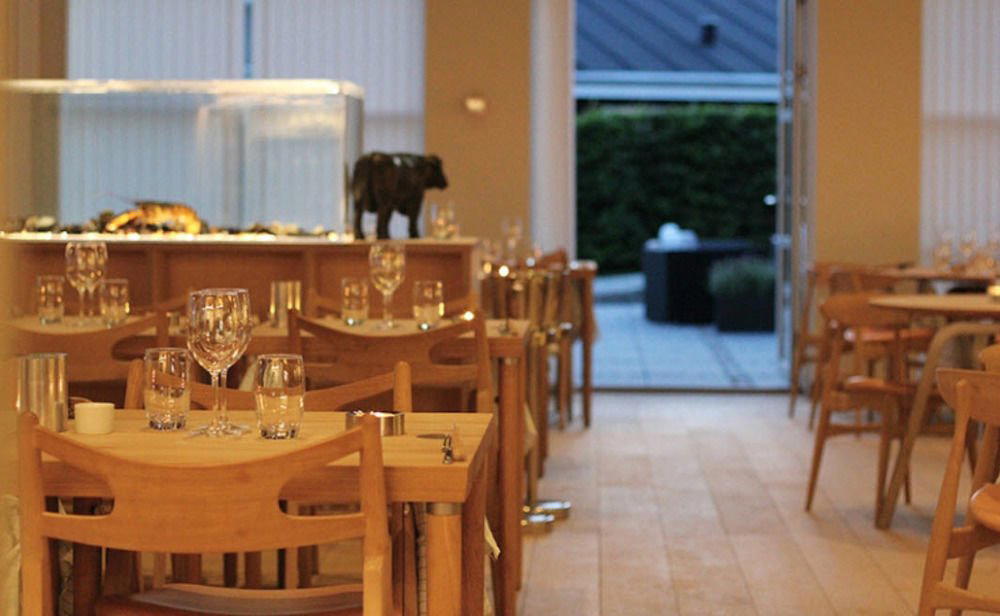
A traditional Danish kro is not structured around theatrical progression or extended service. The format tends toward direct execution: a fixed or limited menu built around what is available, served in a room that reads as functional rather than designed. This is a format that rewards the quality of the sourcing rather than the complexity of the technique, which is why the ingredient geography discussed above is the relevant lens. When the produce is good and the kitchen is competent, the kro delivers a kind of directness that a more elaborately produced meal cannot replicate.
This positions Gjerrild Kro within a category that Danish diners understand well but that international visitors sometimes misread. It is not competing with Jordnaer in Gentofte or LYST in Vejle on the terms of those restaurants. It belongs to a different continuum, one where the measure of quality is fidelity to local ingredients and the ability to cook them without distraction. Visitors arriving from Copenhagen or Aarhus who have been through the New Nordic fine-dining circuit should recalibrate expectations accordingly. The kro tradition operates by its own standards, and Gjerrild's location gives it legitimate regional credentials within that tradition.
For those building a broader itinerary across Danish provincial dining, other entries worth considering include Ti Trin Ned in Fredericia, Tri in Agger, and Syttende in Sønderborg, each of which operates in a different provincial context but shares the orientation toward regional sourcing that characterizes the best of Danish cooking outside the capital. Alimentum in Aalborg, Pearl by Paul Proffitt in Kruså, and Domæne in Herning round out the provincial picture further, while ARO in Odense and Parsley Salon in Hellerup represent adjacent registers worth knowing about. Our full Grena restaurants guide maps the local context in more detail.
Getting Here and Planning Around It
Grenaa is the main town on the eastern edge of Djursland and connects to Aarhus by regional train in roughly an hour and fifteen minutes. Gjerrild itself sits north of Grenaa, and the final leg from Grenaa requires a car or local taxi, which is standard for the village-based kro model across rural Denmark. Visitors staying overnight in the region should factor in the limited late-evening transport options when timing dinner, a consideration that applies equally to comparable rural destinations like Frederiksminde in Praestø. Those arriving from further afield might note that international visitors familiar with formats like Lazy Bear in San Francisco or Le Bernardin in New York City will find the kro a deliberate reset in register, by design rather than by default.
Frequently asked questions
Does Gjerrild Kro work for a family meal?
The traditional kro format is historically built around communal, unhurried dining rather than formal progression, which tends to suit mixed-age groups well. Gjerrild Kro sits in the village of Gjerrild on the Djursland peninsula, a rural setting that carries a relaxed, unfussy character.
Is Gjerrild Kro better for a quiet night or a lively one?
A traditional Danish kro in a small village like Gjerrild tends toward the quieter end of the spectrum by format and geography. The peninsula setting and the unhurried pace of the surrounding flatlands reinforces that character. If a high-energy atmosphere is the priority, a larger venue in Grenaa or Aarhus would be a more reliable choice.
How far is Gjerrild Kro from Aarhus, and is it worth the trip from the city?
Grenaa, the main town on the eastern edge of Djursland, connects to Aarhus by regional train in roughly an hour and fifteen minutes; Gjerrild itself sits a short distance north of Grenaa on the peninsula. The draw is less about destination dining credentials and more about the kro format in its proper geographic context: a coastal village setting that shapes both the pace and the ingredient sourcing in ways that a city restaurant cannot replicate. The address is Gjerrild Bygade 16, 8500 Grenaa.
What should I eat at Gjerrild Kro?
What is established is the broader culinary context: the Djursland peninsula, which juts into the Kattegat, produces conditions favourable to local seafood and regional Danish produce. A kro in this location would typically orient its kitchen around those ingredient sources, but confirming current offerings directly with the venue is the right approach.
How do I find Gjerrild Kro?
Gjerrild Kro is located at Gjerrild Bygade 16, 8500 Grenaa, Denmark, Grena.
Do I need a reservation for Gjerrild Kro?
Given that Gjerrild is a small village on the Djursland peninsula with limited alternative dining options nearby, arriving without a booking on a busy evening carries real risk. Reaching out in advance through the venue's direct contact is the practical course.
A Quick Peer Check
| Venue | Cuisine | Price | Awards | Notes |
|---|---|---|---|---|
| Gjerrild KroThis venue — the venue you are viewing | Homemade Danish | Not listed | Not listed | Not listed |
| Geranium | Modern New Nordic Pescatarian | $500+ | 3 Michelin Stars · World's 50 Best #1 | New Nordic, Creative |
| Noma | New Nordic Fine Dining | $300–500 | 3 Michelin Stars · World's 50 Best #1 | Creative |
| Alchemist | Avant-Garde Molecular Gastronomy with Social Commentary | $500+ | 2 Michelin Stars · World's 50 Best #5 | Progressive, Creative |
| Koan | Modern Korean-Nordic Fine Dining | $300–500 | 2 Michelin Stars · World's 50 Best #91 | New Nordic, Kaiseki, Creative |
| a|o|c | Modern Scandinavian Fine Dining | $300–500 | 2 Michelin Stars · La Liste Top Restaurants | New Nordic, Mediterranean Small Plates, Creative |
Details
- Cozy
- Rustic
- Classic
- Quiet
- Family
- Casual Hangout
- Group Dining
- Hotel Restaurant
- Garden
- Terrace
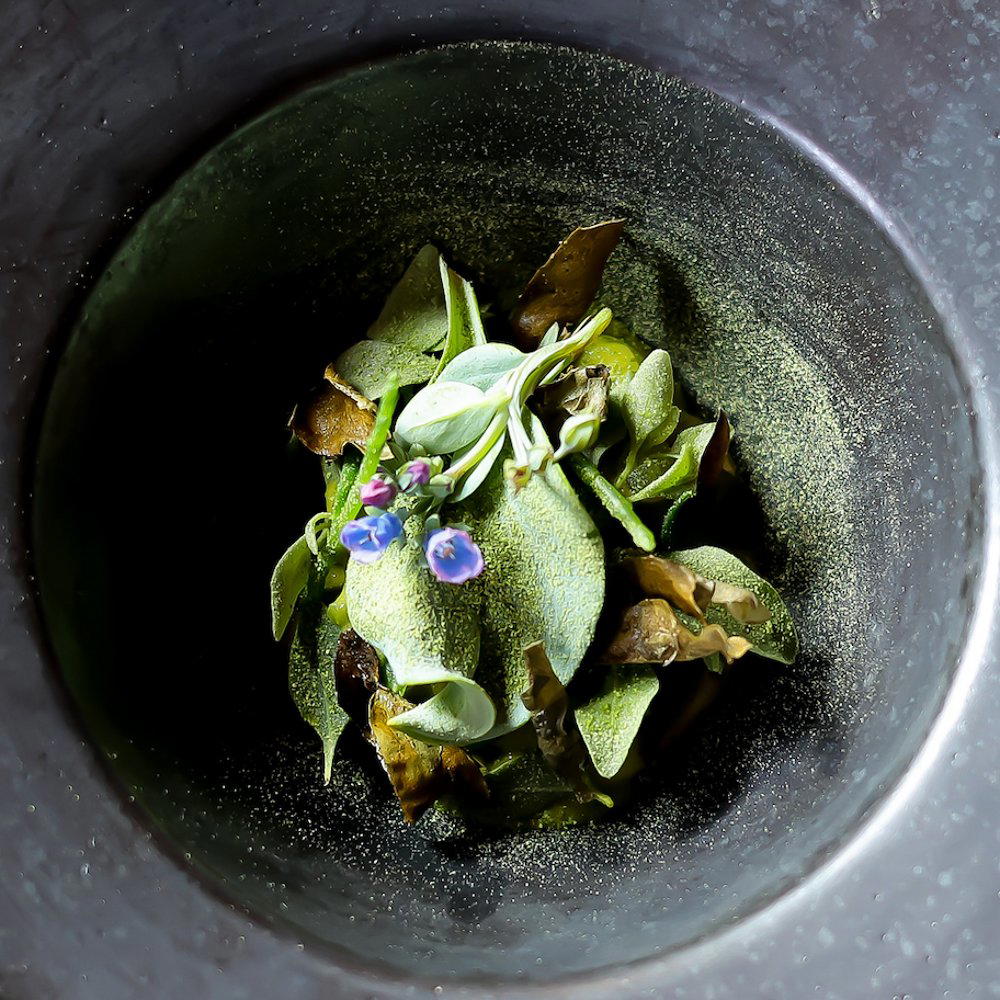
- Local Sourcing
- Garden
- A La Carte
- Buffet
- Vegetarian Friendly
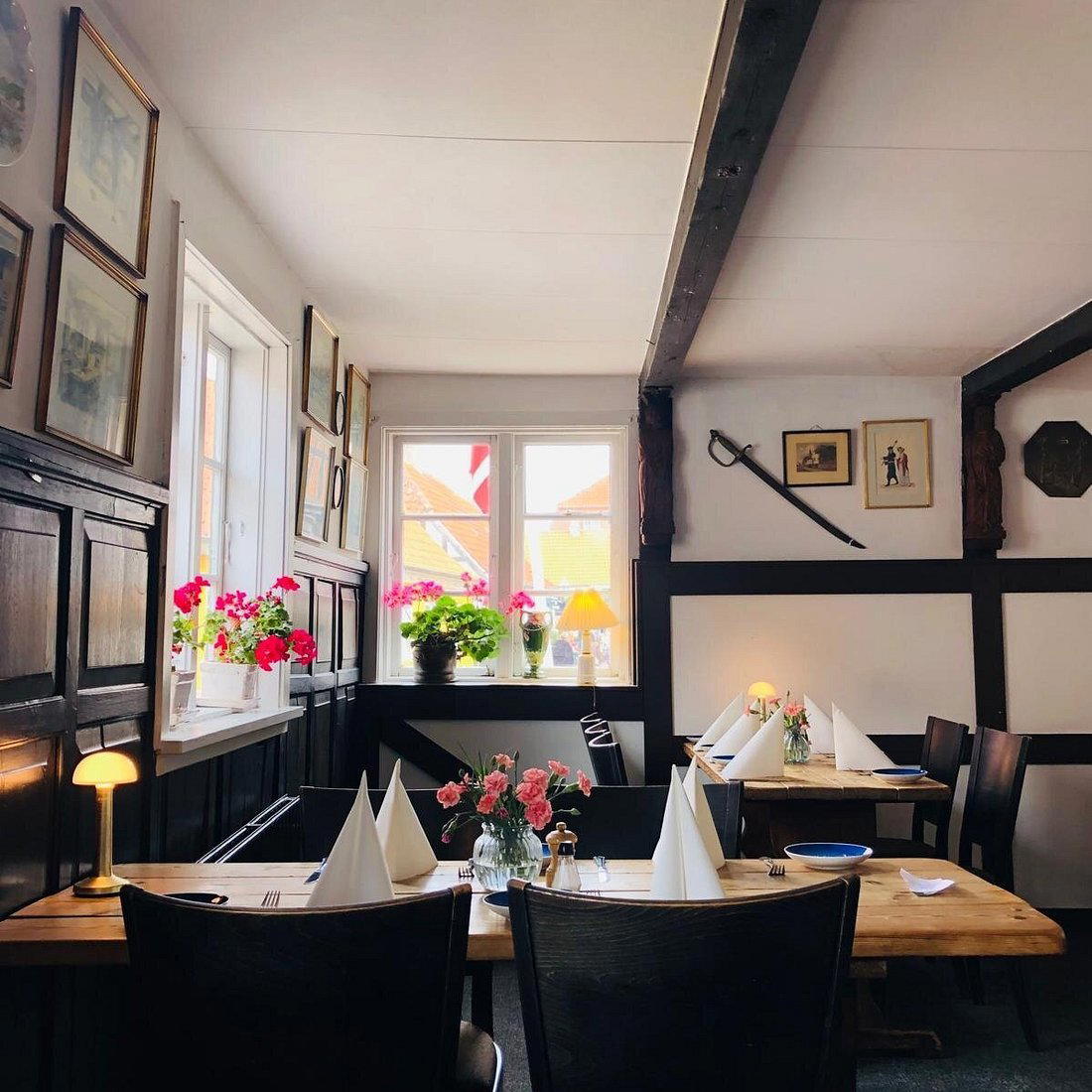
Warm, simple, and cozy atmosphere with charming surroundings; guests praise the friendly and helpful staff in a serene rural setting.