Syttende





Syttende holds a Michelin star and sits on the 17th floor of the Alsik hotel in Sønderborg, southern Jutland, with views across the Danish-German borderland. Chef Michael Nørtoft leads a modern cuisine menu that has drawn consistent recognition from both the Michelin Guide and La Liste, while the wine program has appeared on the Star Wine List rankings every year since the restaurant opened in 2019.
Pearl is the En Primeur Club membership app — saves, bookings, and concierge access live there. Same editors, same standards.
- Address
- Nørre Havnegade 25, 6400 Sønderborg, Denmark
- Phone
- +45 74 20 30 00
- Website
- syttende.dk
- Directions
- Get directions
 Saves & bookings on Pearl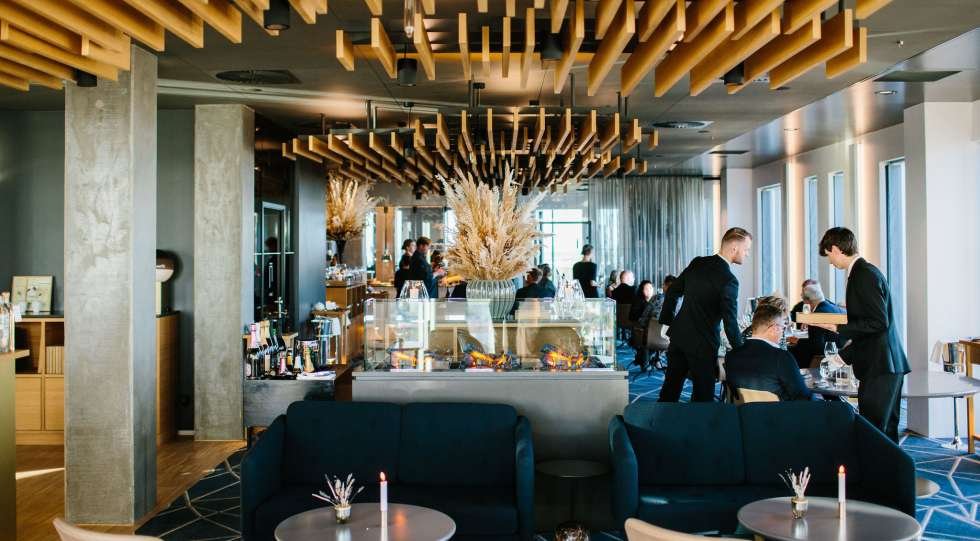
Seventeen Floors Above the Borderland
There is a specific category of dining room in Scandinavian hospitality that earns its context from geography rather than from interior design: the room where the view is not a backdrop but an argument. Syttende, on the 17th floor of the Alsik hotel at Nørre Havnegade 25 in Sønderborg, belongs to that category. From stronger examples from the building you look out across the Als Strait and the borderland where Denmark meets Germany, a region whose cultural layering is not incidental to how the kitchen thinks. The approach to the restaurant, through a hotel that anchors Sønderborg's newer waterfront, creates a deliberate sense of arrival before you reach the dining room itself.
Southern Jutland does not occupy the same mental map for most international visitors as Copenhagen or Aarhus. That geographic remove is precisely what makes the Michelin star Syttende has held since 2024 worth contextualising. Outside the capital, Denmark's starred restaurants tend to cluster around distinctive local identities: landscape, produce sourcing, a sense of place that justifies the journey. Syttende sits in that cohort alongside places like Henne Kirkeby Kro in Henne, Kadeau Bornholm in Åkirkeby, and MOTA in Nykøbing Sjælland, each of which asks the diner to reckon with a Denmark that does not begin and end at the capital's ring road.
Michael Nørtoft and the Logic of the Menu
Denmark's generation of chefs working outside Copenhagen has largely defined itself through a similar set of decisions: how directly to reference the New Nordic framework established by restaurants like Geranium in Copenhagen, how much weight to give local produce versus technical range, and whether the format should prioritise intimacy or occasion. Chef Michael Nørtoft has shaped Syttende's modern cuisine menu around the Alsik hotel context, which means the restaurant operates as a destination within a destination rather than as a standalone address. That positioning shapes everything from the pace of service to the ambition of the wine program.
The editorial angle of Nørtoft's cooking sits closer to the occasion-dining end of the Danish spectrum than to the hyper-local foraging registers associated with Jordnær in Gentofte or the progressive experimentation of Alchemist in Copenhagen. This is not a limitation; it is a calibration. A Michelin-starred room on the 17th floor of a hotel in a provincial city has a different social function than a closed-counter experience in the capital, and kitchens that understand their own function tend to perform it more confidently than those that misread it.
For a broader view of what modern cuisine looks like across Danish regional cities, the comparison set extends to Frederikshøj in Aarhus, Alimentum in Aalborg, and ARO in Odense. Each of those addresses holds Michelin recognition and each operates in a city with its own distinct relationship to the capital's fine dining culture. Syttende's position in Sønderborg is especially geographically peripheral among the group, which places greater pressure on the quality of the proposition to justify the journey.
A Wine Program That Has Held Its Line
One of the more durable signals of a restaurant's seriousness is the consistency of its wine recognition over time. By that measure, Syttende's wine list is among the more credentialled in Denmark outside Copenhagen. The Star Wine List rankings have included Syttende every year since 2020, across both the first and second ranked positions in their category, and the program continued to receive recognition through 2025. For a restaurant that opened in 2019, that sustained presence on a specialist wine publication's list represents a deliberate investment in the cellar rather than a single strong vintage of buying decisions.
In the Scandinavian fine dining context, a serious wine program typically signals one of two orientations: a focus on natural and biodynamic producers that aligns with the New Nordic sourcing philosophy, or a more classically curated list that prioritises depth in Burgundy, Champagne, and the northern Rhône. Without access to the current list's specifics, the sustained Star Wine List recognition across six years suggests a program maintained with enough editorial discipline to remain relevant as the publication's standards have evolved. This places Syttende in a narrower tier than most regional Danish restaurants, where wine lists often reflect the difficulty of building cellar depth at a distance from the major import hubs.
Syttende in the Wider Danish Fine Dining Picture
The La Liste scores provide a useful secondary calibration. Syttende appeared in La Liste's global restaurant rankings at 83.5 points in 2025, dropping marginally to 81 points in 2026. Those scores place it in a tier that La Liste treats as solidly recognised but below the upper-tier cluster that includes Geranium and the capital's most decorated addresses. The slight movement between years is within normal variance for restaurants at this level and does not suggest a loss of direction; La Liste's methodology aggregates multiple critic sources and guide inputs, so single-point shifts are rarely meaningful on their own.
Within the Scandinavian cross-border context, the comparison extends naturally to Sweden's high-end modern cuisine rooms. Frantzén in Stockholm operates at the upper end of that spectrum, while FZN by Björn Frantzén in Dubai shows how the Nordic modern cuisine template has exported. Syttende operates at a different scale and ambition level than either of those, but the shared frame of reference for what modern Nordic cuisine should do with technique, produce, and occasion is legible across all three.
For Denmark's more experimental registers, Domæne in Herning and Dragsholm Slot Gourmet in Hørve represent the kind of destination dining that draws on specific rural or castle contexts in ways that parallel Syttende's use of its southern Jutland setting. Parsley Salon in Hellerup occupies a different urban niche entirely.
Getting There and Planning Your Visit
Sønderborg sits in the southernmost part of Jutland, roughly 75 kilometres south of Kolding. The city is accessible by train from Copenhagen, with the journey typically requiring a change at Fredericia or Kolding; the total travel time from the capital runs to approximately three and a half hours. Sønderborg also has a small regional airport with connections to Copenhagen. The Alsik hotel's waterfront location on Nørre Havnegade puts it within easy walking distance of the city centre, which means the Alsik functions as a genuine base for exploring the region rather than an isolated resort.
The price range at Syttende falls at the €€€€ tier. At that price point, the logical planning approach is to treat the meal as the primary reason for being in Sønderborg rather than one item in a casual itinerary, and to consider staying at the Alsik hotel itself to avoid any logistical friction at the end of the evening.
Comparable Spots, Quickly
Comparable venues nearby, for context on price, style, and recognition.
| Venue | Cuisine | Price | Awards | Notes |
|---|---|---|---|---|
| SyttendeThis venue — the venue you are viewing | Modern Danish Fine Dining | $$$$ | Michelin 1 Star | Not listed |
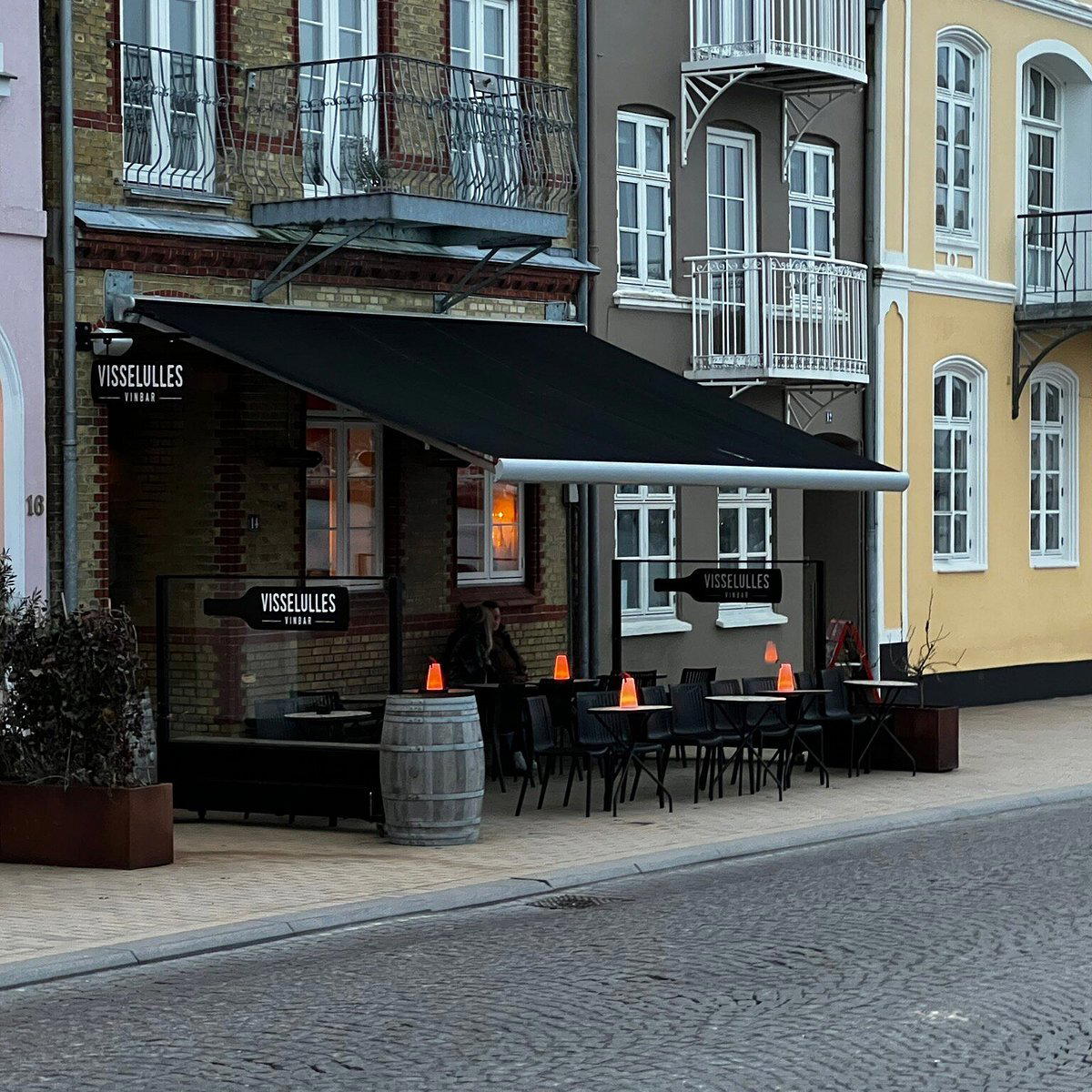
| Visselulles Vinbar | Wine Bar | $$ | Not listed | Sønder Havnegade |
| Visselulles Vinbar | wine_bar | $$$ | Not listed | Sønder Havnegade, Harbour District |
| LYST | Nordic Creative Fine Dining | $$$$ | Michelin 1 Star | Havneøen |
| Domestic | Modern Scandinavian Fine Dining | $$$$ | Michelin 1 Star | Latin Quarter |
| The Samuel | Classic French Fine Dining | $$$$ | Michelin 1 Star | Hellerup |
Recognition history
Dated appearances from independent guides and award organizations, with the underlying list record or original source where available.
Falstaff Restaurant - 96 Falstaff Points
Falstaff
La Liste Top Restaurants
La Liste
Michelin 1 Star
Michelin
Star Wine List
Star Wine List
White Guide Denmark Restaurants - Global Masters Level
White Guide
La Liste Top Restaurants
La Liste
Michelin 1 Star
Michelin
Star Wine List
Star Wine List
Michelin 1 Star
Michelin
Star Wine List
Star Wine List
Star Wine List
Star Wine List
Star Wine List
Star Wine List
Star Wine List
Star Wine List
Continue exploring
More in Sønderborg
Restaurants in Sønderborg
Browse all →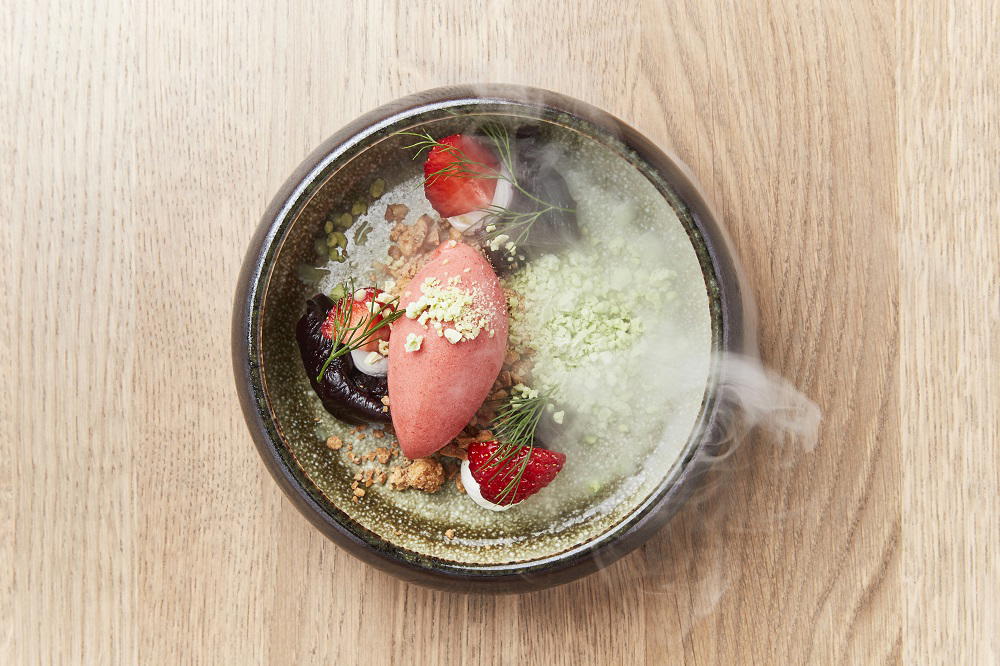
Hotels in Sønderborg
Browse all →

At a Glance
- Elegant
- Sophisticated
- Intimate
- Scenic
- Date Night
- Special Occasion
- Celebration
- Waterfront
- Panoramic View
- Hotel Restaurant
- Extensive Wine List
- Local Sourcing
- Waterfront
Current opening hours
- Monday
- Closed
- Tuesday
- 5 PM–12 AM
- Wednesday
- 5 PM–12 AM
- Thursday
- 5 PM–12 AM
- Friday
- 5 PM–12 AM
- Saturday
- 5 PM–12 AM
- Sunday
- Closed
Hours can change for holidays and private events. Last verified .
Sophisticated and elegant atmosphere with comfortable seating, soft lighting, and far-reaching waterfront views from the 17th floor.