A table-focused spisehus on the outskirts of Ebeltoft, Lundbergs Spisehus operates in the quieter register that defines much of Djursland's dining scene: produce-driven cooking in a setting where the surrounding peninsula's farms and coastline do most of the talking. For travellers already making the journey to the Mols Bjerge area, it represents the kind of local restaurant that rewards curiosity over recognition.
Pearl is the En Primeur Club membership app — saves, bookings, and concierge access live there. Same editors, same standards.
- Address
- Maltvej 12, st. 8400, 8400 Ebeltoft, Denmark
- Phone
- +4531360148
- Website
- lundbergsspisehus.dk
- Directions
- Get directions
 Saves & bookings on Pearl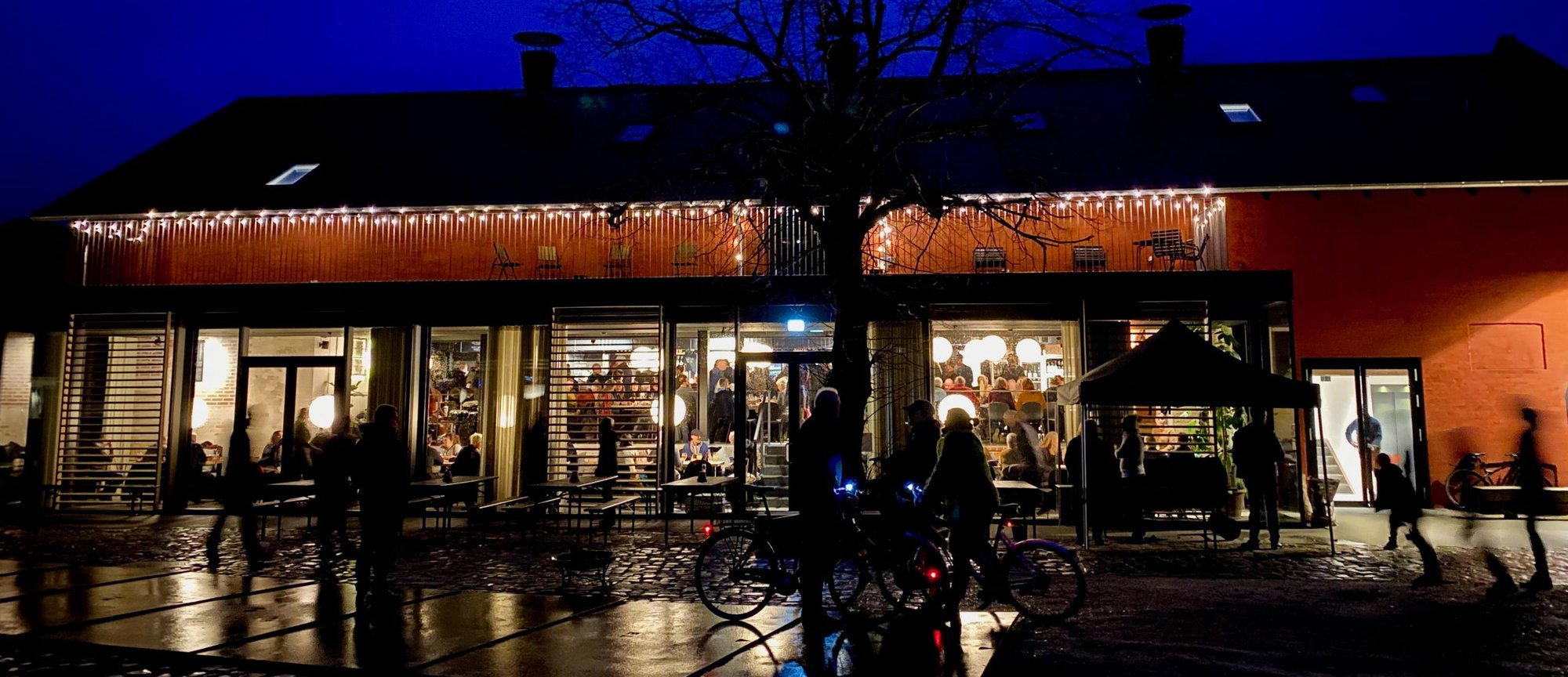
Where the Djursland Pantry Meets the Plate
Ebeltoft sits at the end of a peninsula that juts into Kattegat with more agricultural land than tourist infrastructure. That geographical fact shapes how its restaurants eat, and Lundbergs Spisehus, at Maltvej 12 in Ebeltoft, is a casual Danish Scandinavian brasserie where local abundance shapes the menu. The approach here is consistent with a broader current running through provincial Danish cooking: let the sourcing do the argumentative work, and resist the temptation to compete with the tasting-menu formalism of Jutland's major cities.
Danish provincial dining has been quietly recalibrated over the past decade. As Geranium in Copenhagen and Jordnær in Gentofte pushed the formal end of New Nordic into international competition, smaller towns responded with cooking that draws on the same sourcing philosophy but dispenses with the ceremonial architecture of the long tasting menu. Ebeltoft sits squarely in that second current. The town is surrounded by market gardeners, dairy producers, and the coastal catch of Kattegat, and restaurants here have access to ingredient quality that larger cities would pay premiums to import.
The Ingredient Logic of Djursland
The Djursland peninsula is one of Denmark's more quietly productive agricultural zones. The combination of maritime air, clay-loam soils, and relatively low industrial farming density has sustained a tradition of small-scale production that gives local kitchens genuine variety: root vegetables with more flavour depth than the mass-market equivalents, lamb from the moor edges of Mols Bjerge, fish from the short supply chains of Kattegat's smaller ports. This sourcing reality is not distinctive to Lundbergs, but it is the defining context for understanding what any serious Ebeltoft kitchen is doing.
One instructive comparison at this price tier and geography is with Molskroen (Modern Cuisine), the Ebeltoft restaurant that operates at the €€€ level and represents the more formal expression of this same sourcing philosophy. Lundbergs sits in a different register, where the cooking is less likely to be structured around elaborate technique and more likely to be organised around the seasonal logic of what the surrounding farms are producing in a given week. This is not a lesser approach; it is a different contract with the diner.
Across Denmark's smaller cities, this kind of market-anchored cooking has become increasingly coherent as a category. Alimentum in Aalborg, ARO in Odense, and LYST in Vejle each anchor their menus to regional supply chains rather than imported luxury ingredients. Lundbergs operates within the same logic, applied to what the Djursland peninsula specifically produces.
The Ebeltoft Context
Ebeltoft is a town of around 14,000 people with a well-preserved medieval street plan, a glass museum of genuine international standing, and a summer-season visitor economy that draws Danish families and increasingly, Scandinavian travellers making slow tours of the Jutland coast. Its restaurant scene is correspondingly modest in scale but coherent in character. Brasserie 1864 and Mellem Jyder represent other points on the local spectrum; together with Lundbergs, they form the practical dining map for a town where evening options are curated rather than numerous.
For the kind of traveller who has spent time at Henne Kirkeby Kro in Henne or Dragsholm Slot Gourmet in Hørve, the appeal of a provincial Danish town's market restaurant is already understood: these are places where the sourcing story is a structural fact. In Ebeltoft's case, proximity to Kattegat and the agricultural interior of Djursland makes that story particularly credible.
The wider Danish provincial dining scene has found a productive tension between formal ambition and ingredient honesty. Frederikshøj in Aarhus represents the Michelin-recognised end of Jutland's fine dining, while places like Lundbergs represent the less visible but equally serious middle ground where cooking is judged by how well it translates local produce into a coherent meal. The contrast is not about quality; it is about register and expectation.
Planning a Visit
Ebeltoft is reachable by road from Aarhus in roughly 45 minutes, making it a practical day-trip or overnight stop for visitors already in East Jutland. Given that Ebeltoft's restaurant options are limited in number and that summer-season demand can outpace capacity at the better-regarded tables, booking ahead is the sensible approach, particularly between June and August when Danish domestic tourism peaks.
Travellers making a wider sweep of Denmark's provincial dining scene might also consider Frederiksminde in Præstø, MOTA in Nykøbing Sjælland, Domæne in Herning, or Parsley Salon in Hellerup as part of a longer itinerary. The pattern across all of these is consistent: provincial Danish kitchens are drawing on short supply chains to produce cooking that is direct in its relationship to what the surrounding land and water actually produces. For those interested in seeing how the same sourcing philosophy applies at the furthest reach of the formal end, Le Bernardin in New York City and Atomix in New York City offer a useful point of international contrast, where the ingredient-sourcing argument is made at considerably higher technical and financial investment.
Quick Comparison
Comparable venues nearby, for context on price, style, and recognition.
| Venue | Cuisine | Price | Awards | Notes |
|---|---|---|---|---|
| Lundbergs SpisehusThis venue — the venue you are viewing | Danish Scandinavian Brasserie | $$ | Not listed | Not listed |
| Mellem Jyder | Traditional Danish | $$ | Not listed | Ebeltoft |
| Brasserie 1864 | French Brasserie with Nordic Influences | $$$ | Not listed | Ebeltoft |
| Molskroen | French Brasserie | $$$ | Michelin Plate | Ebeltoft |
| Restaurant L'øst | Modern Scandinavian Grill | $$ | Not listed | Midtbyen |
| Slap Af | Modern Scandinavian with French Techniques | $$ | Not listed | Aarhus C |
At a Glance
- Cozy
- Rustic
- Casual
- Family
- Casual Hangout
- Brunch
- Courtyard
- Historic Building
- Local Sourcing
- Waterfront
Current opening hours
- Monday
- 10 AM–4 PM
- Tuesday
- 10 AM–4 PM
- Wednesday
- 10 AM–7 PM
- Thursday
- 10 AM–11 PM
- Friday
- 10 AM–11 PM
- Saturday
- 9:30 AM–11 PM
- Sunday
- 9:30 AM–4 PM
Hours can change for holidays and private events. Last verified .
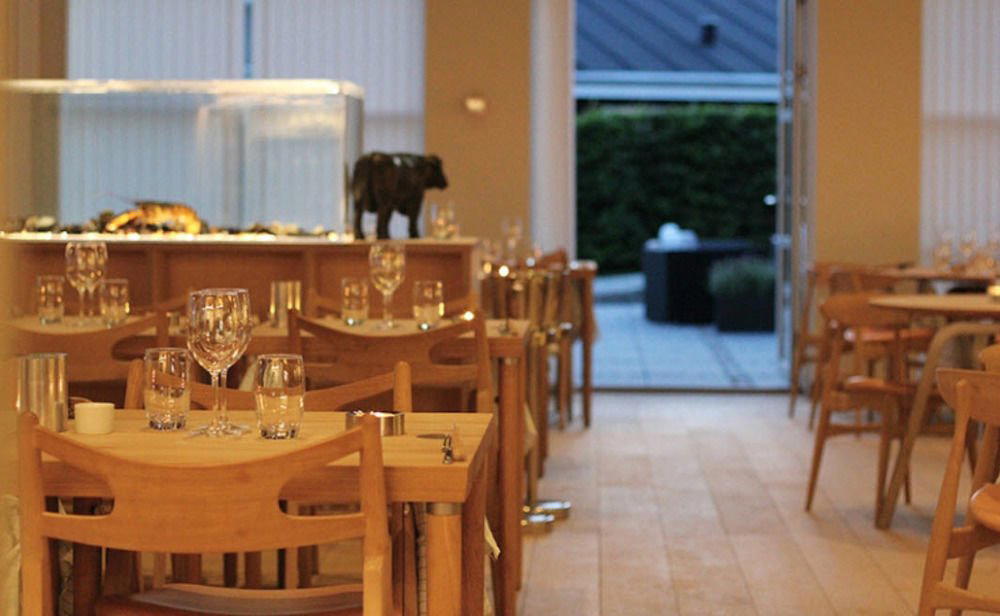
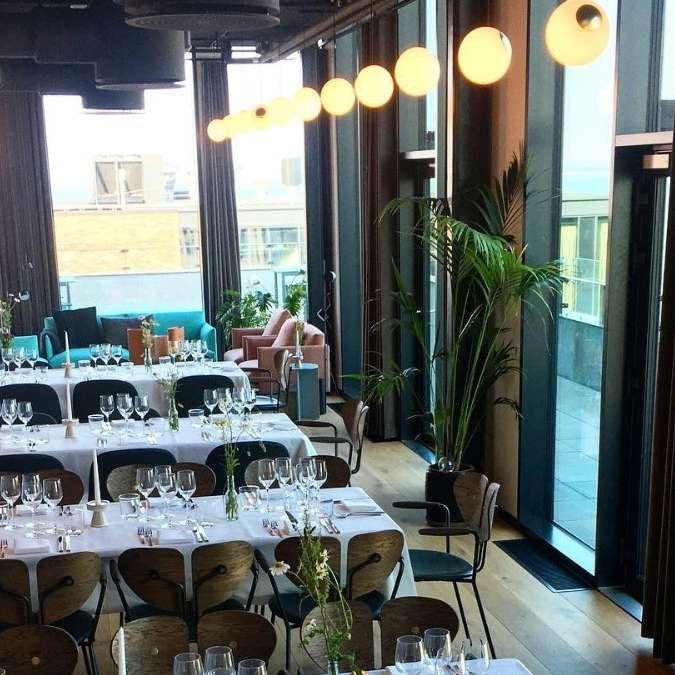
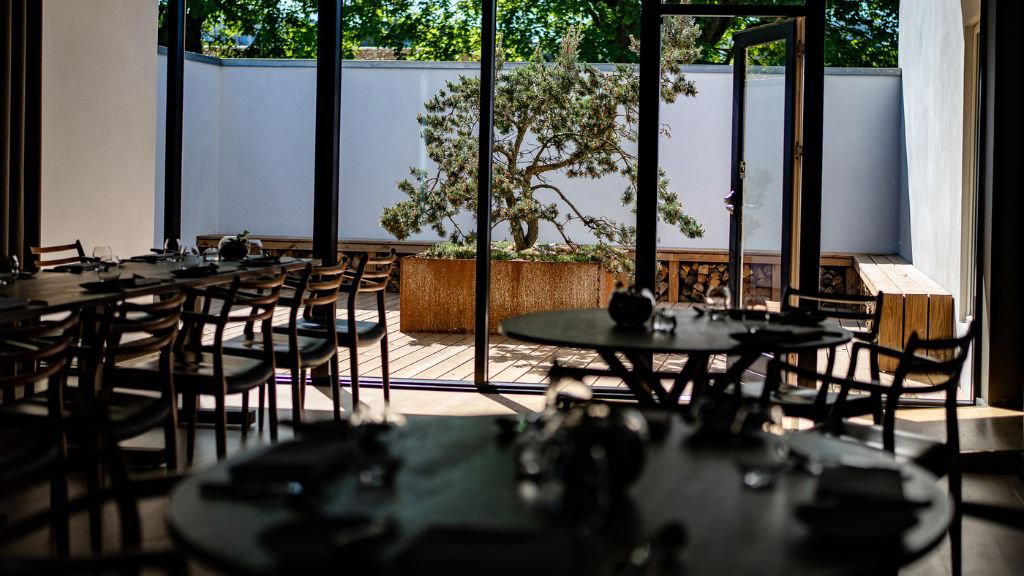
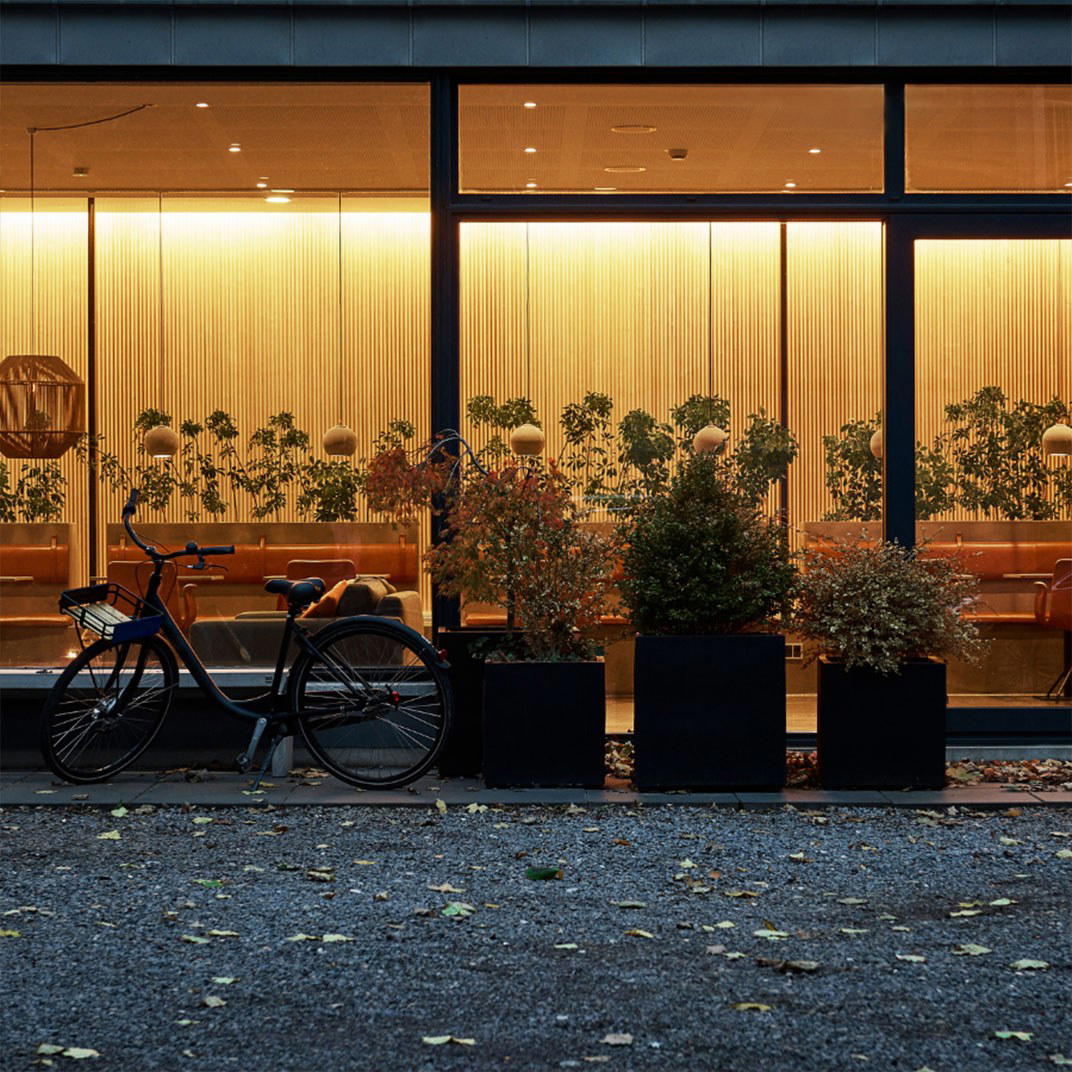
Warm, inviting, and cozy atmosphere in a renovated old malt factory with lively courtyard seating in summer.