Mellem Jyder occupies a quiet address at Juulsbakke 3 in Ebeltoft, a small Danish harbour town on the Djursland peninsula. The restaurant sits within a dining scene shaped by Jutlandic produce traditions and a growing regional interest in ingredient-led cooking. Visitors to Ebeltoft's table-service options will find Mellem Jyder positioned alongside a compact group of local establishments serving the town's resident and visitor community.
Pearl is the En Primeur Club membership app — saves, bookings, and concierge access live there. Same editors, same standards.
- Address
- Juulsbakke 3, 8400 Ebeltoft, Denmark
- Phone
- +4586341123
- Website
- mellemjyder.dk
- Directions
- Get directions
 Saves & bookings on Pearl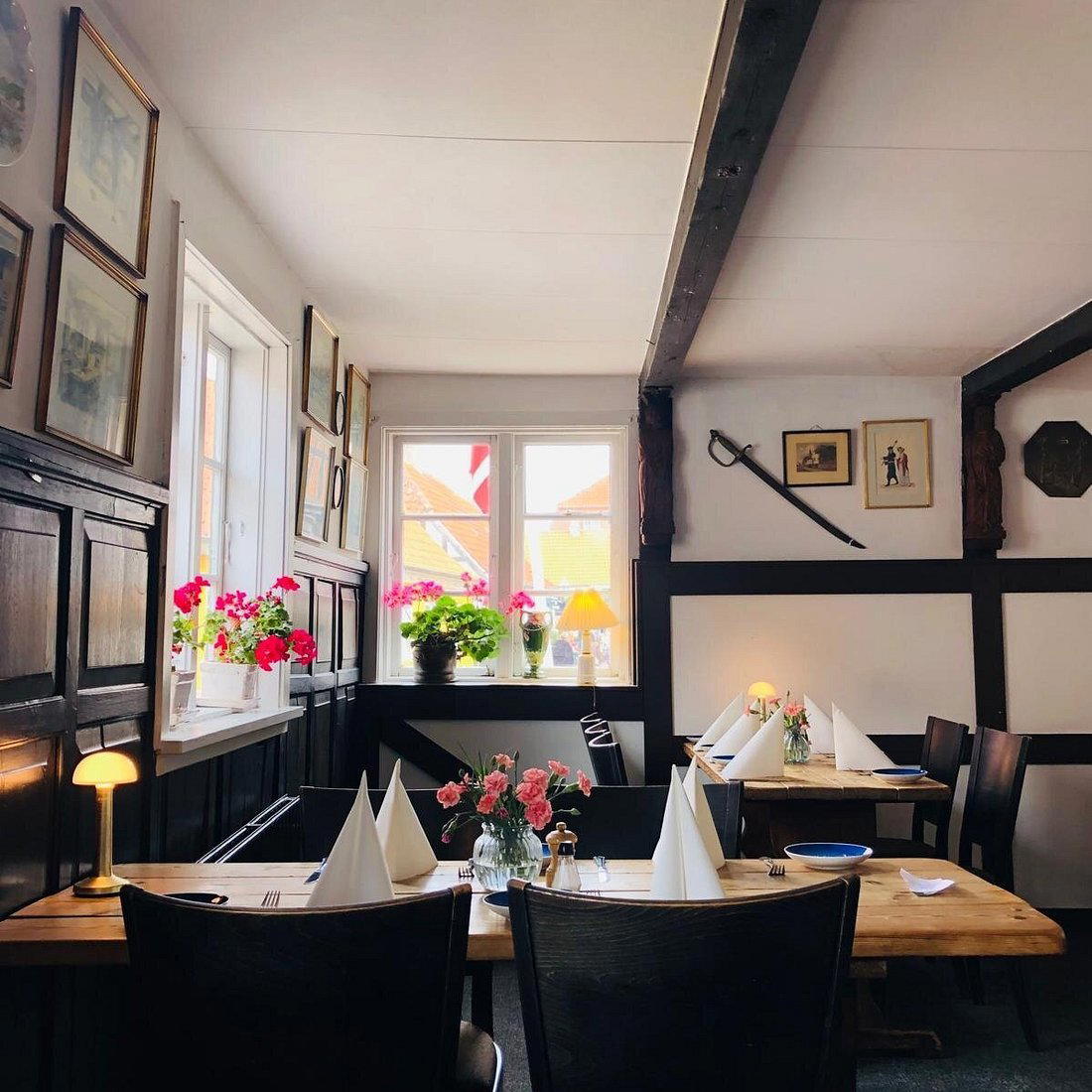
Jutlandic Dining in a Town That Moves at Its Own Pace
Ebeltoft is not a city that announces itself. The Djursland peninsula curves into the Kattegat on Denmark's eastern Jutland coast, and the town of Ebeltoft sits near its tip: a preserved merchant streetscape, a working glass museum, a harbour with ferry connections to Sjælland. The rhythm here is slower than Aarhus, which lies roughly 45 kilometres to the southwest, and the dining scene reflects that pace. Restaurants serve a community that expects honest cooking rooted in what the surrounding land and sea produce, rather than the kind of tasting-menu theatre that has made Geranium in Copenhagen or Jordnær in Gentofte internationally visible.
Mellem Jyder, addressed at Juulsbakke 3, sits inside that local register. The name itself is telling: it translates roughly as "among Jutlanders," a phrase that carries connotations of plainspoken community rather than culinary ambition signalled from a distance. Whether the cooking lives up to or complicates that framing is a question the room itself begins to answer before a menu arrives.
What "Jutlandic" Means at the Table
Danish cuisine's international reputation was rebuilt from the outside in. The New Nordic movement, catalysed at Noma in the early 2000s and later distributed through alumni kitchens at places like Frederikshøj in Aarhus and Henne Kirkeby Kro in Henne, trained a generation of diners to read seasonal, foraged, and fermented as markers of seriousness. That vocabulary filtered outward from Copenhagen and into provincial Denmark over the following decade.
Jutland's contribution to that story is specific. The peninsula's agricultural character, its heathlands, its North Sea and Kattegat coastlines, and its tradition of practical farmhouse cooking give local restaurants a distinct set of raw materials to work with. Smoked and cured fish, root vegetables from heavy clay soils, lamb from coastal heathland, rye bread with a density that reflects centuries of grain culture: these are the building blocks that a restaurant operating in this region inherits whether it acknowledges them explicitly or not. Elsewhere in Jutland, kitchens at Alimentum in Aalborg and Domæne in Herning have built menus that engage directly with that regional produce inheritance.
Mellem Jyder's position in Ebeltoft places it within walking distance of a harbour that still lands catch, and within the agricultural orbit of Djursland's farms. The address at Juulsbakke 3 puts it slightly above the old town centre, which gives the approach a residential quality that contrasts with the tourist-facing streets closer to the waterfront.
The Ebeltoft Table: A Small Scene with a Clear Hierarchy
Ebeltoft's restaurant offering is compact. The town draws summer visitors from across Denmark, particularly families and cyclists working the Jutland coast routes, and the dining infrastructure reflects a place that serves both a stable local population and a seasonal influx. That dynamic shapes what restaurants here can sustain: ambitious tasting menus require a density of committed diners that a small harbour town cannot guarantee year-round.
The clearest marker of what the scene aspires to sits slightly outside town. Molskroen, priced at the €€€ tier and operating a modern cuisine format, represents the ceiling of the local market: a coastal inn format that has served the Mols Bjerge area for generations and now pitches its cooking at a visitor audience willing to spend at that level. Brasserie 1864 and Lundbergs Spisehus occupy the more everyday register, providing the brasserie and dining-room formats that a town of Ebeltoft's size sustains. Mellem Jyder operates in this context, as part of a small group of establishments that together cover most of the local appetite.
For a broader view of what the town offers across price points and formats, the full Ebeltoft restaurants guide maps the current options in detail.
Danish Provincial Cooking and Its Quiet Ambitions
Interesting dining in provincial Denmark often happens outside the frame of award recognition. The Michelin Guide's Danish coverage has expanded beyond Copenhagen to include restaurants in Aarhus, on Bornholm, and along the coasts, but the map remains partial. Kitchens at LYST in Vejle, MOTA in Nykøbing Sjælland, Dragsholm Slot Gourmet in Hørve, and Frederiksminde in Præstø have built serious reputations without necessarily being legible to the international dining audience that tracks Le Bernardin in New York City or Atomix in New York City.
Ebeltoft sits further from those circuits still. A restaurant here operates for its community first, for visiting Danes second, and for internationally travelling food audiences rarely if at all. That is not a limitation so much as a different set of conditions: the cooking answers to a local audience whose expectations are shaped by what good Danish home cooking looks and tastes like, rather than by what critics in Copenhagen or London have recently validated. There is a case that this produces more honest cooking, less preoccupied with signalling and more focused on feeding people well.
That broader pattern is worth keeping in mind when approaching the restaurant. The name, the address, and the town context all point toward a kitchen operating in the local-community register of Danish provincial dining, where the cultural roots of Jutlandic cooking matter more than international positioning. Whether that means smørrebrød at lunch, a short evening menu built around seasonal Djursland produce, or something else entirely, the cultural frame is set before a dish arrives. Similar considerations apply when reading kitchens like Parsley Salon in Hellerup or ARO in Odense, where local context shapes the offer as much as any particular technique or format.
Planning a Visit
Ebeltoft is reachable from Aarhus by car in under an hour, following the coastal route across Djursland. A ferry connection from Sjælland also serves the town seasonally, which makes Ebeltoft accessible as a destination stop rather than just a day trip from Aarhus. The town's accommodation is limited, which concentrates overnight visitors and gives restaurants here a more reliable evening trade than the day-tripper numbers alone would suggest.
Price and Recognition
Comparable venues nearby, for context on price, style, and recognition.
| Venue | Cuisine | Price | Awards | Notes |
|---|---|---|---|---|
| Mellem JyderThis venue — the venue you are viewing | Ebeltoft, Traditional Danish | $$ | Not listed | Not listed |
| Lundbergs Spisehus | Not listed | $$ | Not listed | Maltfabrikken, Danish Scandinavian Brasserie |
| Brasserie 1864 | Not listed | $$$ | Not listed | Ebeltoft, French Brasserie with Nordic Influences |
| Molskroen | Ebeltoft, French Brasserie | $$$ | Michelin Plate | Not listed |
| London | Latin Quarter, Modern Danish Bistro | $$ | Not listed | Not listed |
| Restaurant Skovbakken | Randers C, Traditional Danish | $$ | Not listed | Not listed |
At a Glance
- Cozy
- Rustic
- Historic
- Intimate
- Casual Hangout
- Family
- Historic Building
- Courtyard
- Local Sourcing
- Garden
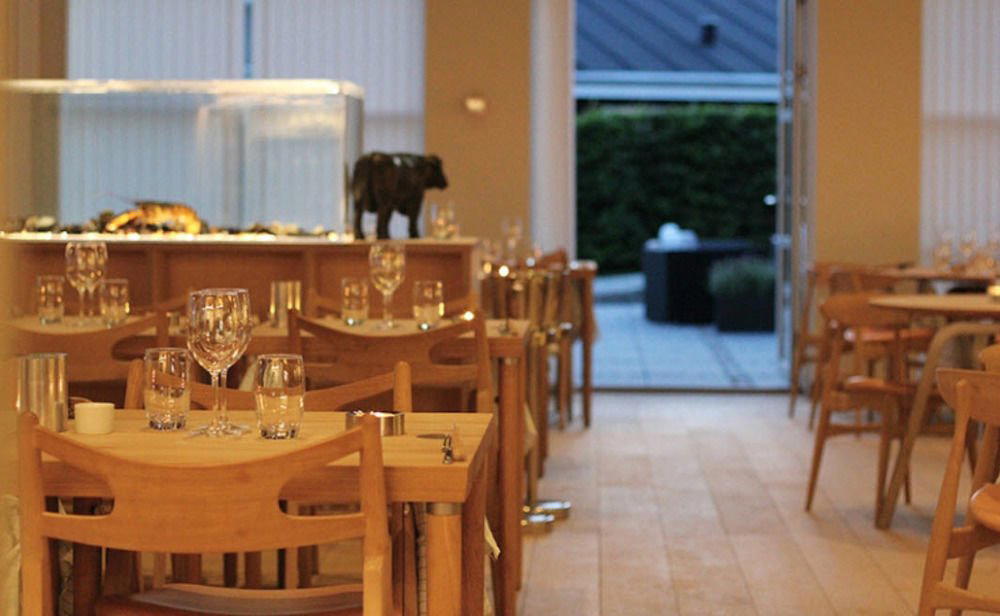
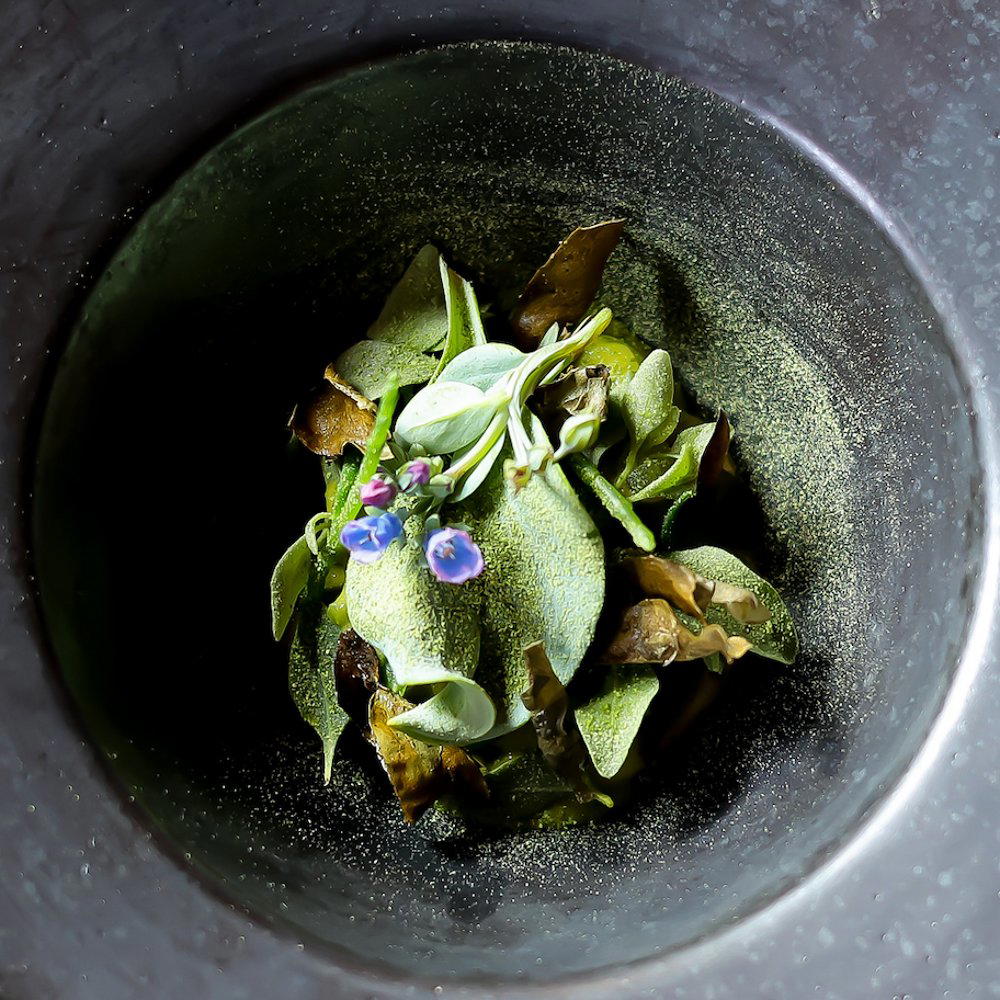
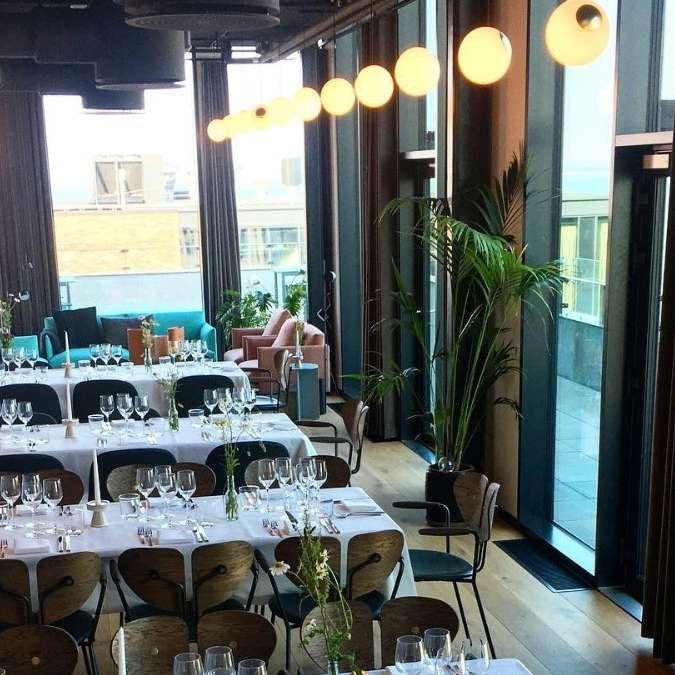
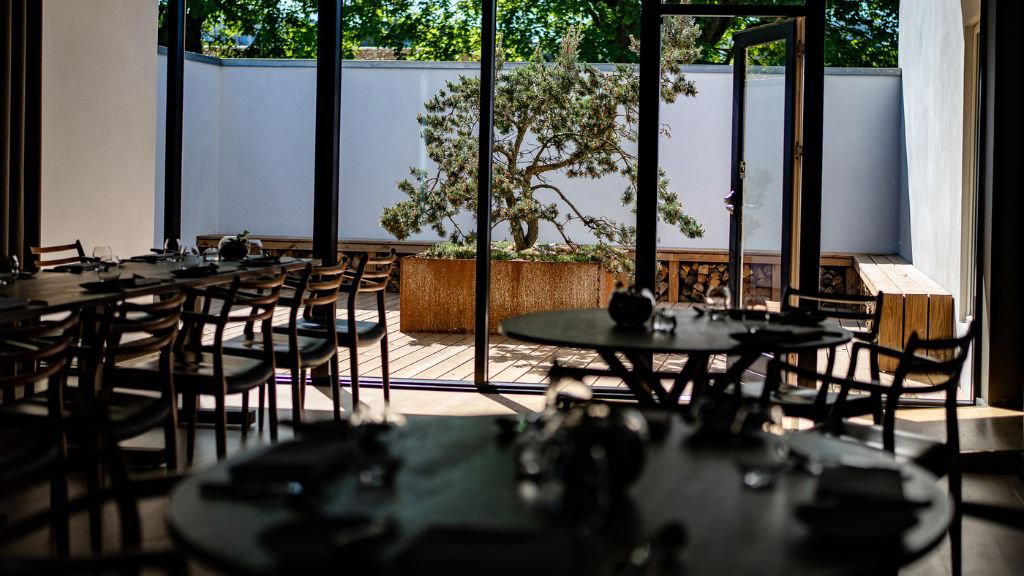
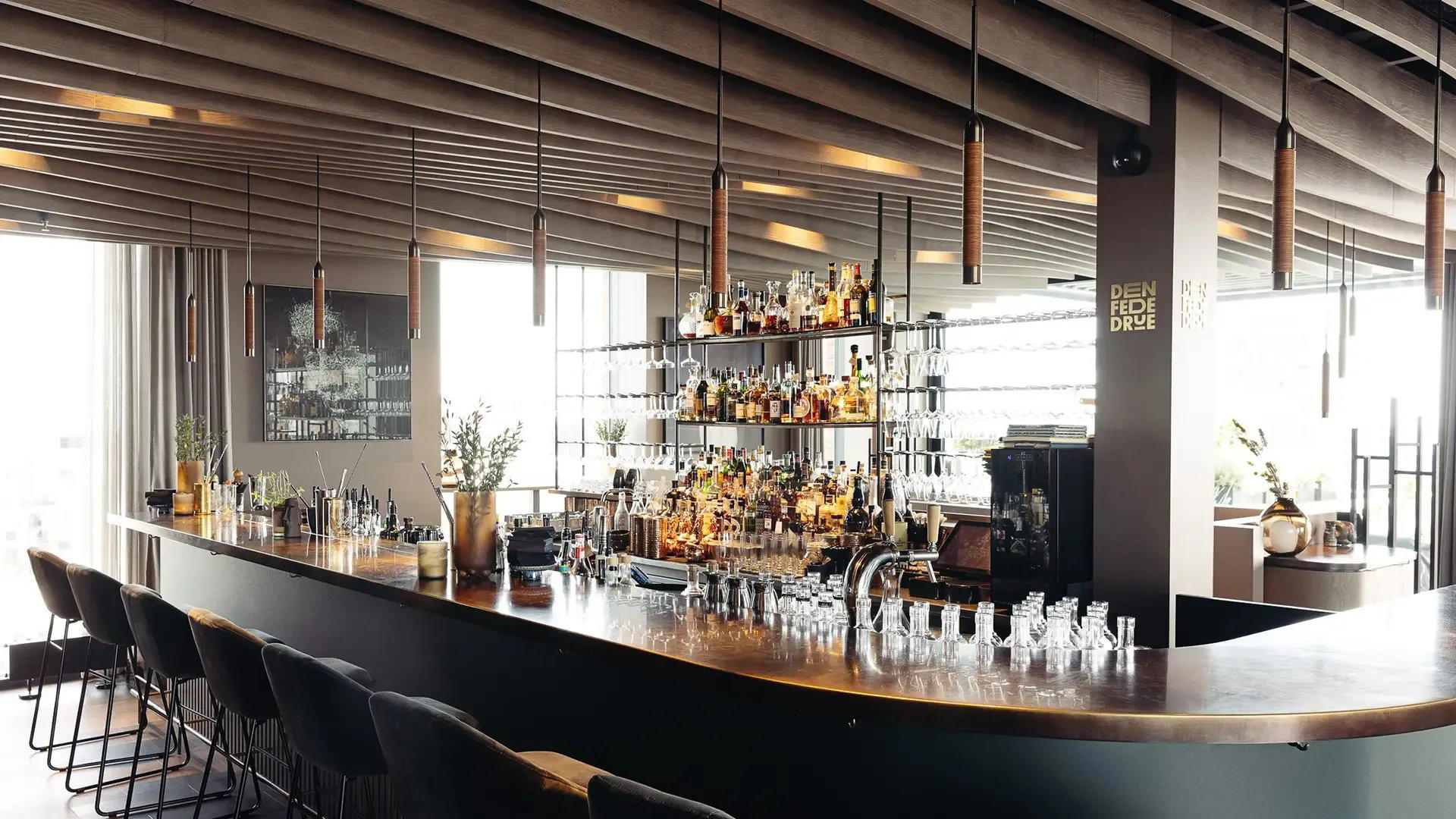
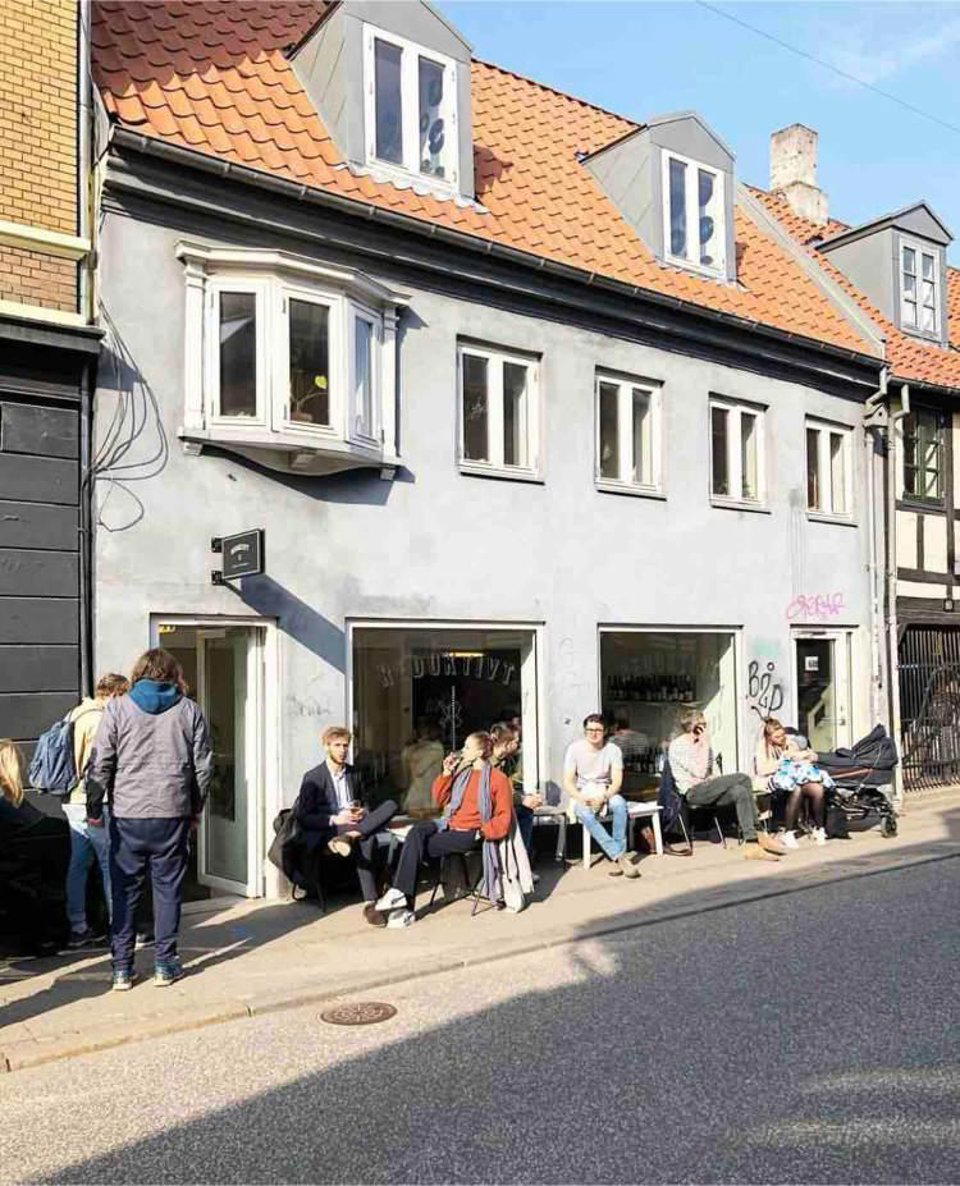
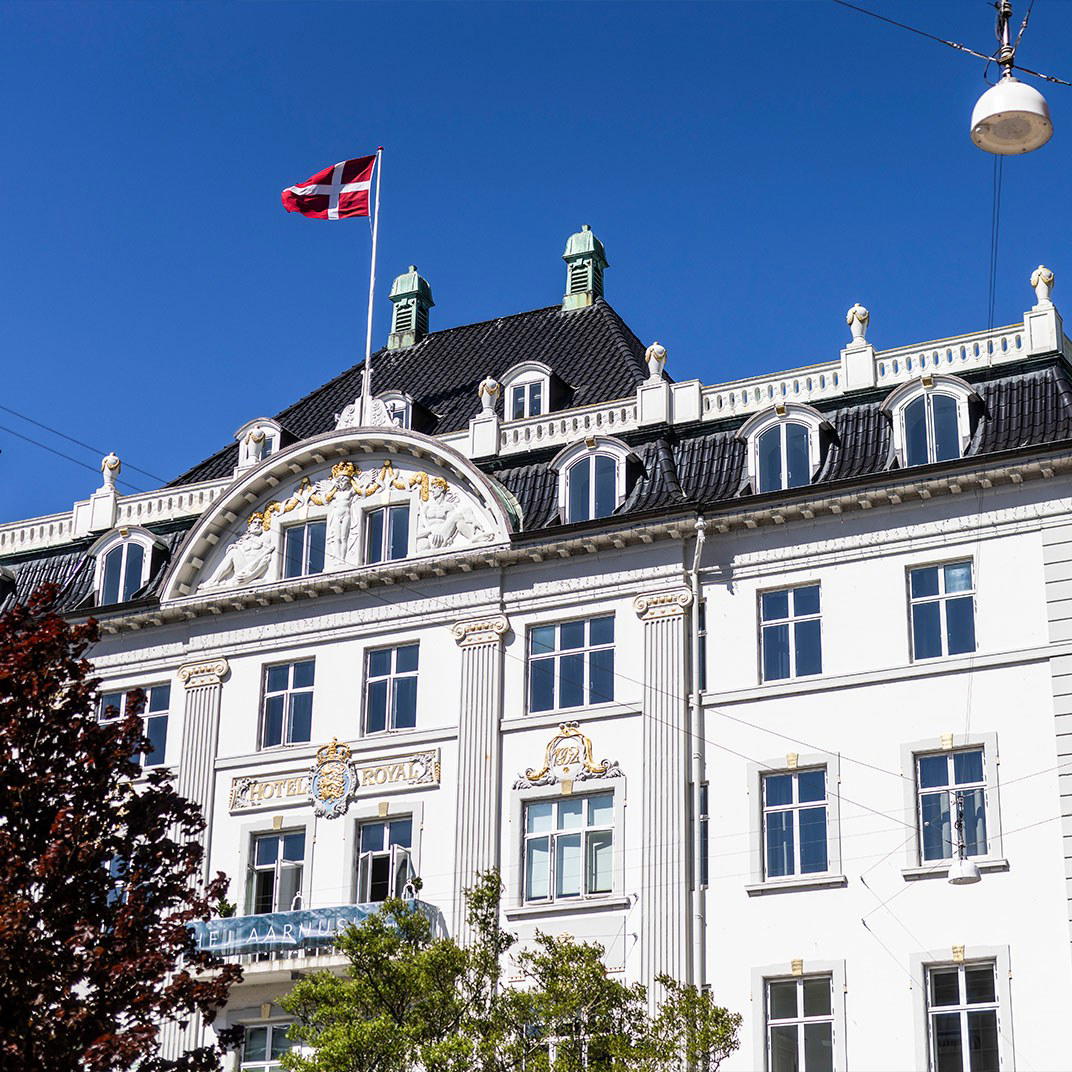
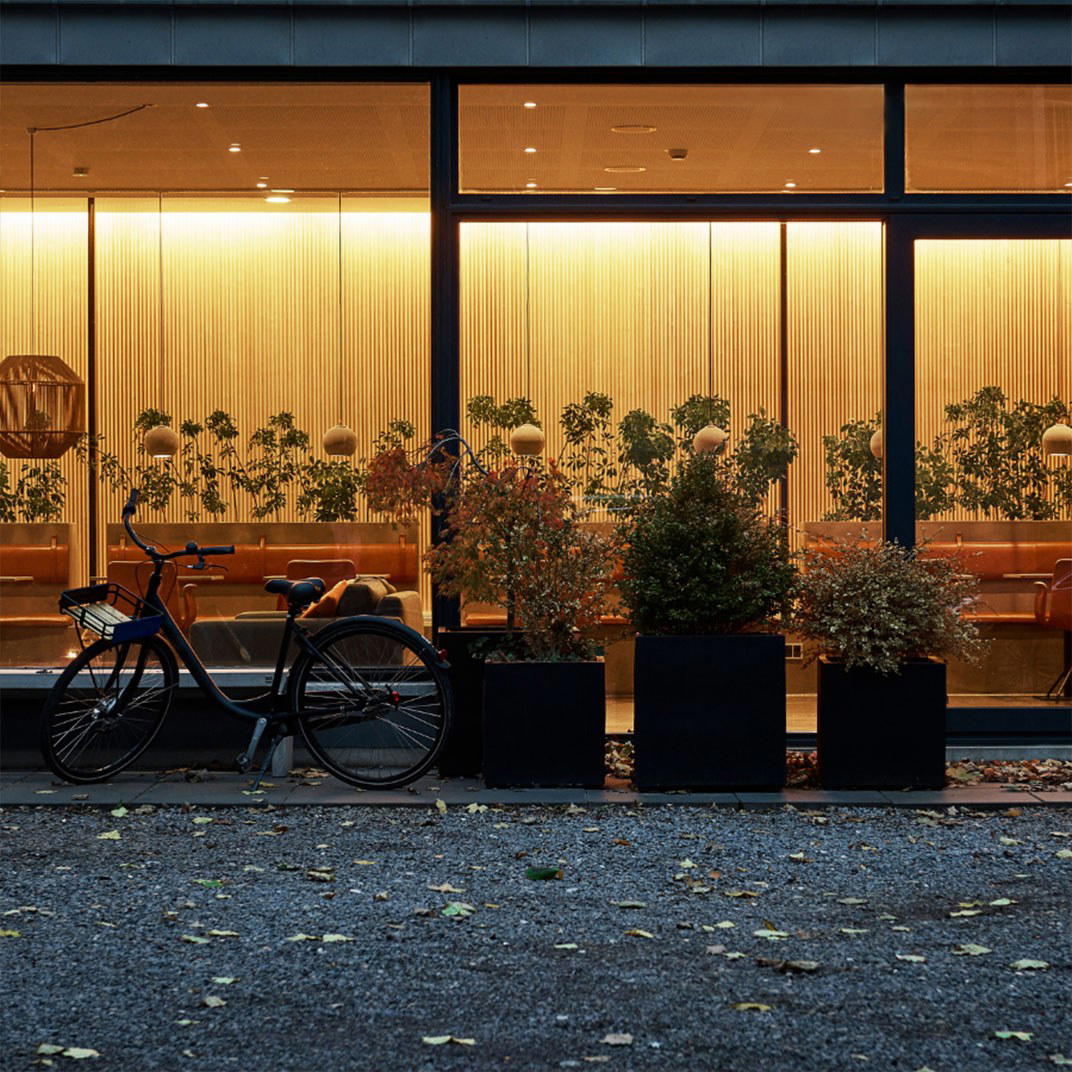
Warm, soulful atmosphere in lovely old rooms with cozy historic charm and sunny courtyard dining.