
Tabelog 100 #1
Our verdict
Gion Fuji gives Kyoto tempura a small-room, high-focus setting in Gion, with counter seating, Japanese cuisine, sake, shochu and wine in the frame. Its selection for Tabelog Tempura 100 in 2025 and 2023 places it in a serious local category rather than the casual fry-shop register.

Pearl is the En Primeur Club membership app, where members save venues, book tables and use the concierge.
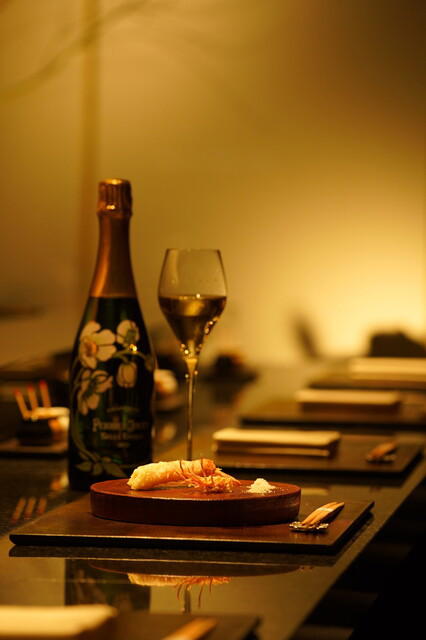
The menu
What to order
- Seasonal seafood tempura
- Seasonal vegetable tempura
- Meat tempura course
- Wakamurasaki lunch course
Kyoto at night changes register quickly: lantern light, narrow approaches, taxis easing past traditional facades, then the quieter concentration of a counter built for oil, batter and timing. Kyoto tempura is not loud; its drama sits between raw ingredient and finished piece, as a small room turns frying into sequence rather than spectacle.
That is the useful way to read Gion Fuji. The restaurant belongs to Kyoto’s compact, high-price tempura tier, where the counter matters as much as the category. The format puts the work close, with attention directed toward preparation, timing and service. In a city where kaiseki often owns the luxury conversation, serious tempura offers different control: less ceremony, more immediacy, sharper dependence on heat management.
Kyoto tempura in its small-counter register
Tempura in Kyoto carries different expectations from other Japanese dining counters. The local context prizes seasonality, restraint and the relationship between fried pieces and the surrounding Japanese meal structure. At this level, light batter is baseline. The better questions are whether the sequence has rhythm, whether vegetables and seafood feel placed rather than simply served, and whether the meal can handle oil, salt, dipping sauce and rice.
Gion Fuji’s category listing, Tempura and Japanese Cuisine, matters because it frames the restaurant as more than a single-technique counter. That breadth is increasingly relevant in Kyoto’s premium dining rooms, where international guests may arrive with broad fine-dining expectations while local regulars still want a meal that suits seasonal ingredients and the rhythm of Japanese service.
The Tabelog Tempura 100 selection in 2025 is the clearest public marker of standing. Tabelog’s Hyakumeiten lists are not Michelin stars and should not be treated as interchangeable, but in Japan they are useful for identifying genre-specific depth. For tempura, that matters. The category is narrower than sushi or ramen in international search behavior, yet small differences in room size, pace and ingredient handling can change the entire meal.
Kyoto’s broader dining map explains the positioning. A visitor comparing formats might place Gion Fuji alongside Japanese rooms such as Gion Fukushi or Sottaku Tsukamoto for scale of intent, while a low-cost breakfast counter such as Choshoku Kishin serves a different travel need. This address is for the night when tempura is the main event, not a supporting dish.
The room turns frying into pacing, not performance
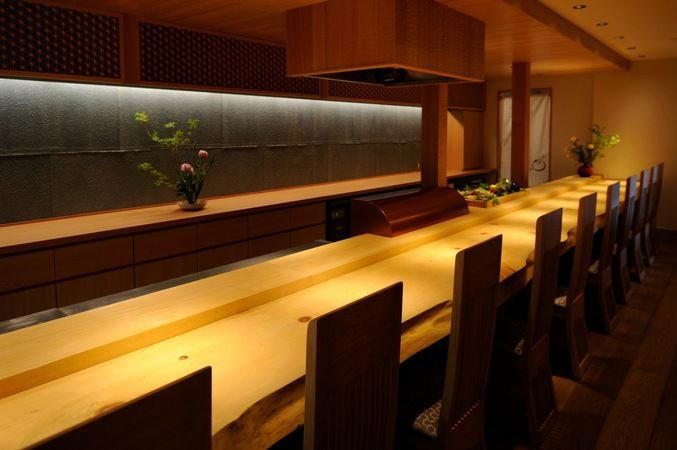
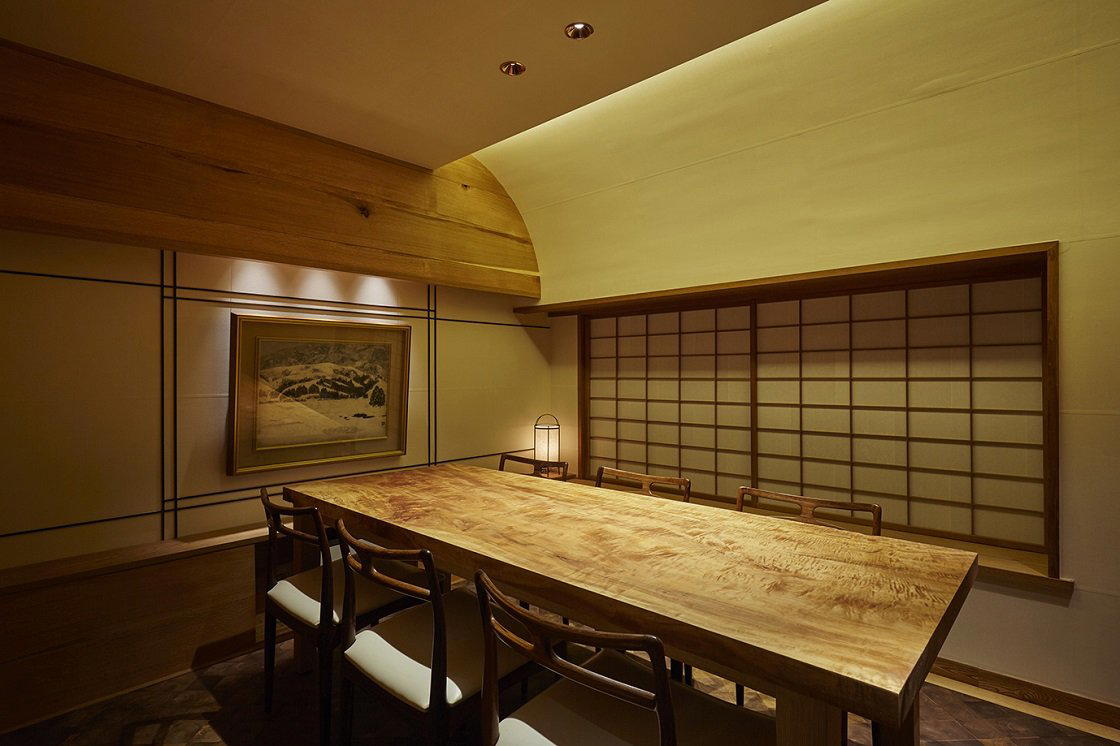
The strongest tempura rooms make the counter feel technical without becoming theatrical. A close-format room creates pressure: every piece must justify its moment, and the restaurant cannot hide behind scale. Table seating or other arrangements may add business-dining flexibility, but the counter remains the more revealing format for understanding the craft.
Practical etiquette matters in tempura more than in many genres. The most focused rooms depend on aroma, and oil carries scent. Heavy fragrance or distraction can distort the meal for nearby guests. Kyoto’s formal dining culture often expresses itself through small courtesies, and here they read as part of the cuisine’s operating logic rather than house fussiness.
Gion Fuji’s Tabelog Tempura 100 selection in 2025 suggests the room belongs in the city’s specialist conversation. That is notable in Kyoto, where established names often benefit from memory, lineage and local habit, while newer or less internationally discussed rooms must earn attention through genre-specific performance.
For comparison within Kyoto’s range, other Kyoto dining rooms show how broad the city’s dining spectrum becomes once the search moves beyond default sightseeing routes. This address is for the night when tempura is the main event, not a supporting dish.
Who should choose this kind of Kyoto dinner
This fits travelers who want Kyoto precision without committing every serious meal to kaiseki. Tempura gives a clear view of transformation: ingredient, batter, oil, rest, serve. It rewards diners who follow sequence rather than volume. The format makes less sense for anyone seeking a casual, flexible meal, or for diners with major dietary restrictions, since specialist tempura counters are usually harder to adapt on short notice.
The planning frame is specific: treat Gion Fuji as a high-end Kyoto restaurant, with dinner and lunch budgeted in the JPY 20,000 - JPY 29,999 range. Payment, access and reservation details should be checked directly before visiting, especially for travelers building a tight evening schedule. In practical terms, this is a focused Kyoto meal rather than a drop-in stop.
Within a larger Japan itinerary, Gion Fuji represents the small specialist counter, not the broad-market crowd-pleaser. That distinction matters when balancing regions and meal types. A trip can move from Kyoto tempura to other dining in Kyoto or elsewhere in Japan without pretending every restaurant answers the same craving. Outside Japan, Japanese formats translate differently again, which is why this kind of Kyoto counter should be judged on its own terms.
Gion Fuji brings together Kyoto tempura and Japanese Cuisine in a counter-led format, with genre recognition from Tabelog. Choose it when the appeal is watching restraint work, piece by piece, in a city where atmosphere already carries half the charge.
Frequently asked questions
Is Gion Fuji more mid-range or high-end?
Pricing at Gion Fuji is listed as JPY 20,000 - JPY 29,999.
When can I go to Gion Fuji?
Check current opening times directly with Gion Fuji before visiting, as hours can change.
Quick Comparison
Comparable venues to calibrate price, style, and recognition.
| Venue | Cuisine | Price | Awards | Notes |
|---|---|---|---|---|
| Gion FujiThis venue (the venue you are viewing) | Michelin-starred Tempura Omakase | $150–200 | Tabelog 100 #1 | Not listed |
| 鮨 楽味 | Modern Japanese Omakase | $300–500 | 1 Michelin Star | Higashiyama |
| Park Hyatt Kyoto | French-inspired Teppanyaki | $200–300 | Not listed | Higashiyama |
| 鳥さき | Michelin-Starred Yakitori Omakase | $100–150 | 1 Michelin Star · Tabelog Bronze #472 | Nakagyo Ward |
| 鮓割烹 なか一 | Traditional Omakase Sushi & Kyoto Kaiseki | $150–200 | 1 Michelin Star | Gion |
| Kara Semi Tei (空蝉亭) | Specialty Tonkatsu with Aged Pork | $30–50 | Tabelog 100 #50 | Kamigyo-ku |
Recognition history
Dated appearances from independent guides and award organizations, with the underlying list record or original source where available.
Tabelog 100 #1 · No. 1
Tabelog · Tabelog 100 - Tempura - 2025
Continue exploring
More in Kyoto
Restaurants in Kyoto
All restaurants in Kyoto →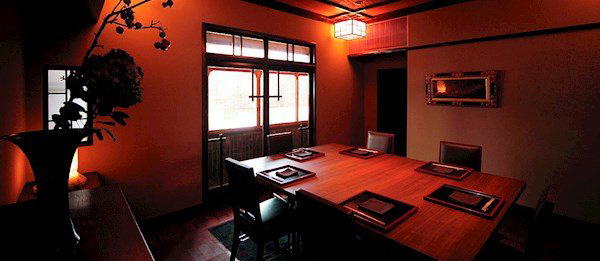
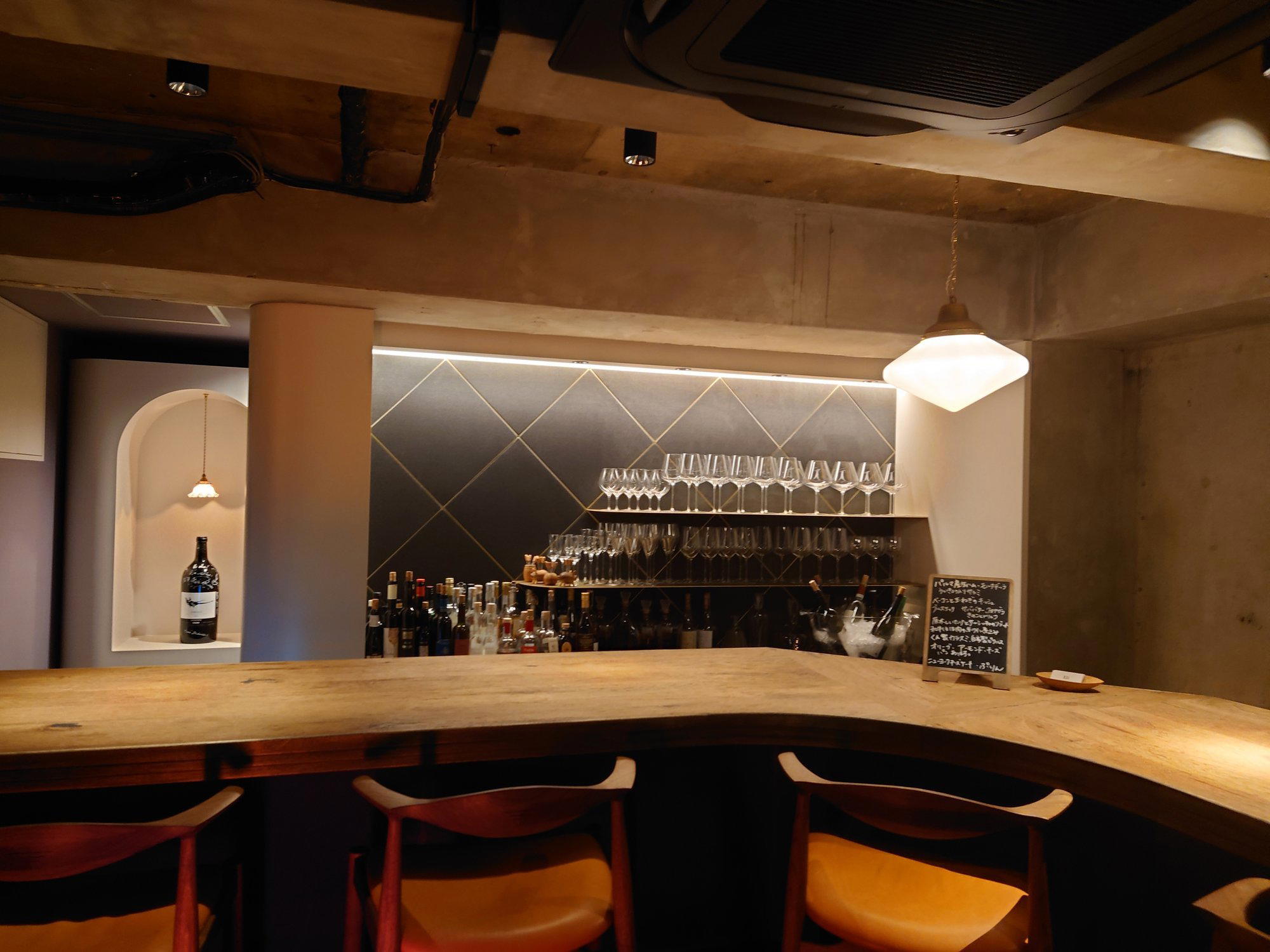
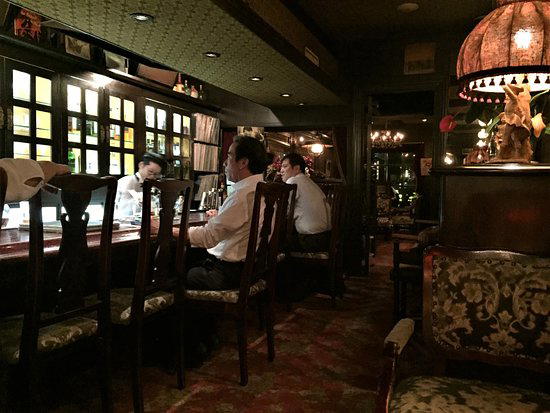
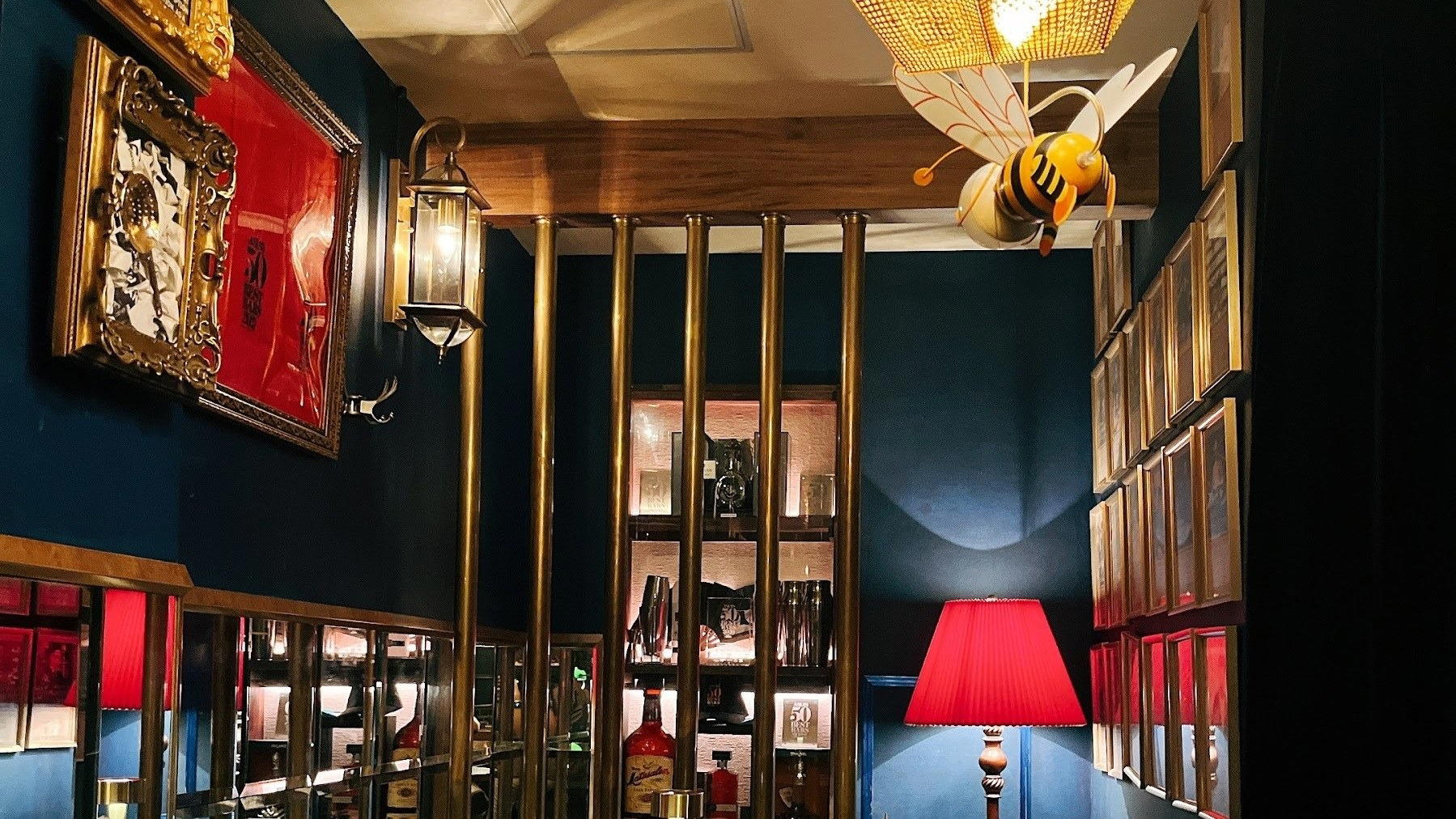
Bars in Kyoto
All bars in Kyoto →
Hotels in Kyoto
All hotels in Kyoto →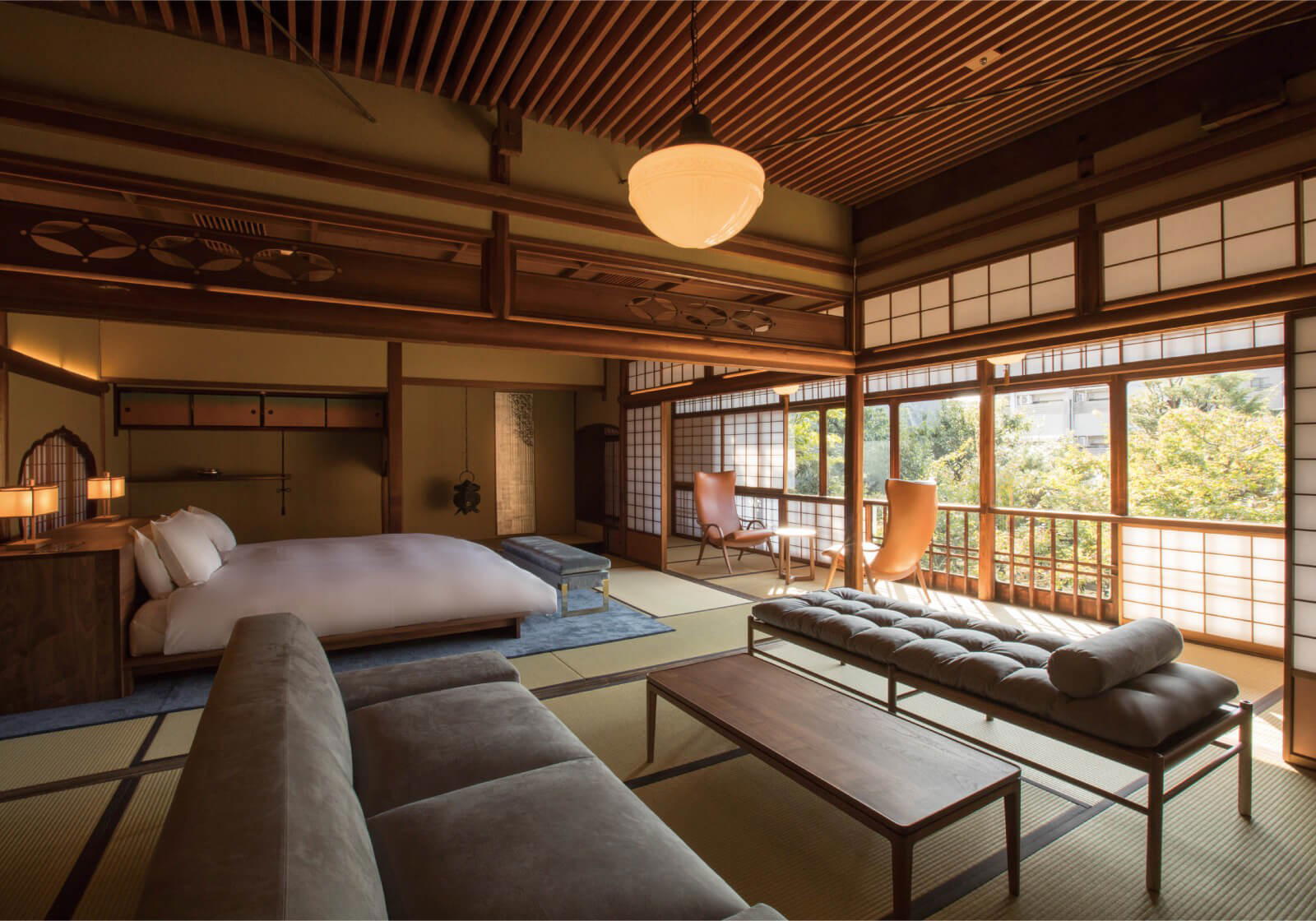

Wineries in Kyoto
Browse all →
Details
- Elegant
- Intimate
- Classic
- Cozy
- Special Occasion
- Date Night
- Business Dinner
- Celebration
- Solo
- Chefs Counter
- Open Kitchen
- Private Dining
- Historic Building
- Standalone
- Design Destination
- Sake Program
- Extensive Wine List
- Local Sourcing
- Sustainable Seafood
- Omakase
- Counter Dining
- Tasting Menu
- Set Menu
- Sake
- Wine
- Beer
- Shochu
- Pescatarian Friendly
Current opening hours
- Monday
- 5–10 PM
- Tuesday
- 12–3 PM, 5–10 PM
- Wednesday
- 5–10 PM
- Thursday
- 12–3 PM, 5–10 PM
- Friday
- 5–10 PM
- Saturday
- 12–3 PM, 5–10 PM
- Sunday
- Closed
Hours can change for holidays and private events. Last verified .
Refined and tranquil counter-style space with a small number of seats, subdued lighting, and a classic Gion townhouse feel that focuses attention on the chef frying tempura right in front of guests.