
Our verdict
Akasaka Asada places Kaga-style kaiseki inside Tokyo’s polished Akasaka dining circuit, where seasonality, dashi, and ingredient selection matter more than spectacle. Chef Yushi Tsuchida’s kitchen is listed in the 2026 Opinionated About Dining Top Restaurants in Japan Recommended selection, giving it a clear editorial signal within the city’s crowded formal Japanese dining field.

Pearl is the En Primeur Club membership app — saves, bookings, and concierge access live there. Same editors, same standards.
The menu
What to order
- Kaga kaiseki course menus
- Jibu-ni duck stew
- Seasonal ayu cuisine
- Five-tier Kutanigosai bento
- Vegan kaiseki course
Tokyo’s dining rooms tend to reveal themselves quietly: office towers, political addresses, hotel corridors, then the controlled hush of a Japanese restaurant where the meal depends on timing rather than theatre. In that setting, Akasaka Asada belongs to a tradition that treats kaiseki as a sequence of seasonal judgments. The point is not abundance.
Tokyo has many formal Japanese restaurants, but kaiseki occupies a different register from sushi counters and tempura rooms. It asks the kitchen to build rhythm across courses, using dashi, seasonal produce, seafood, and tableware as a single grammar. Chef Yushi Tsuchida’s name attached to the kitchen gives the page a human anchor, but the more useful reading is categorical: this is a Tokyo address for diners who want Japanese seasonality expressed through structure rather than novelty.
Kaiseki in Tokyo, read through dashi and season
Kaiseki has long prized tableware, seafood, vegetables, and a composed sense of progression. In Tokyo, that tradition sits within a dense serious-dining landscape. The city’s kaiseki rooms compete not only with each other, but with sushi counters, kappo restaurants, and tasting-menu formats for the same serious-dining calendar. Ingredient quality alone is not enough. The kitchen has to make seasonality legible without turning it into explanation.
That is where a restaurant like this earns its place. The 2026 Opinionated About Dining Top Restaurants in Japan Recommended listing is a useful trust signal because OAD’s Japan coverage sits outside the usual Michelin-driven shorthand. It does not tell diners what the meal tastes like course by course, and it should not be treated as a substitute for preference. It does, however, place the restaurant within a national conversation about serious Japanese dining rather than leaving it as only a local Tokyo address.
The ingredient-forward lens matters here because kaiseki can look formal from the outside while being intensely practical in the kitchen. Dashi is not decoration; it is the foundation that decides whether a bowl feels thin, smoky, saline, or rounded. Seasonal produce is not a garnish; it sets the pace of the meal. Seafood is not simply a luxury marker; it tests sourcing and knife work. In stronger kaiseki formats, the luxury is often restraint: fewer gestures, cleaner transitions, and no need to prove importance through volume.
Why Tokyo suits this kind of formal Japanese meal
Tokyo gives kaiseki a particular frame. The city brings together business dining, hotel stays, travel itineraries, and a broad local audience for serious Japanese food, so restaurants here often serve a clientele that values privacy, polish, and consistency. That differs from more casual or counter-driven dining circuits elsewhere in the city. Tokyo rewards restaurants that can host serious meals without making the room feel performative.
For travellers, that context is useful. A kaiseki meal in Tokyo is less about chasing a viral reservation and more about choosing a format that fits the evening: composed, formal, seasonal, and built around a progression rather than a single showpiece. Akasaka Asada’s Tokyo setting also places it within a practical dining plan for visitors building an evening around the city. The restaurant’s address and contact details belong in the practical rail; the editorial decision is whether this style of meal suits the trip.
It will suit diners who want Japanese cuisine at a measured tempo. It is less suited to those seeking a quick counter meal, a casual izakaya crawl, or a chef-led performance where personality dominates the room. Kaiseki is at its strongest when the diner pays attention to sequence: soup before sashimi, grilled or simmered courses after the opening movements, rice and pickles near the close. The pleasure comes from the accumulation of small decisions, not from a single headline dish.
How to place it within a Tokyo dining itinerary
Tokyo rewards specialization. A strong itinerary separates formats rather than stacking prestige meals that feel similar by the third night. Sushi, tempura, yakitori, kappo, kaiseki, and other Japanese and international formats each ask for a different mood and appetite. Akasaka Asada works as the kaiseki anchor in that rotation, especially for diners interested in Japanese seasonality as it is practiced in the capital.
The restaurant’s OAD Recommended status in 2026 gives it external recognition, while the kaiseki format gives the meal a clearer identity than generic formal Japanese dining. That combination is the reason to consider it: not because Tokyo lacks kaiseki, but because the city’s dining abundance makes specificity valuable. A meal here should be chosen for seasonality, broth work, and a formal progression tied to careful technique.
Readers building a wider Tokyo plan can map this choice against other categories in Our full Tokyo restaurants guide, then balance the trip with Our full Tokyo hotels guide, Our full Tokyo bars guide, Our full Tokyo wineries guide, and Our full Tokyo experiences guide. Nearby and broader Japan listings are best scanned generically for contrast across sushi, kappo, cafes, regional cooking, curry specialists, and other kaiseki rooms, rather than treated as direct peers to Akasaka Asada.
The editorial verdict is simple: choose Akasaka Asada when the meal’s purpose is formal Japanese seasonality rather than novelty. Tokyo has louder dining experiences, but kaiseki is not improved by noise. Its authority comes from disciplined sourcing, controlled pacing, and the confidence to let dashi, produce, and technique carry the evening.
Frequently asked questions
Can I bring kids to Akasaka Asada?
Akasaka Asada’s kaiseki format in Tokyo is aimed at a measured, formal meal rather than a casual family stop. Children who can sit through a multi-course service are the better fit, especially in a room recognized in the 2026 OAD Recommended list.
Is Akasaka Asada formal or casual?
Formal. Akasaka Asada is a kaiseki restaurant in Tokyo, and its 2026 OAD Recommended listing points to a structured dining room.
What kind of cuisine does Akasaka Asada serve?
Akasaka Asada serves Kaiseki cuisine.
What is Akasaka Asada known for?
Akasaka Asada is primarily known for Kaiseki in Tokyo.
Comparable Venues Nearby
Comparable venues nearby, for context on price, style, and recognition.
| Venue | Cuisine | Price | Notes |
|---|---|---|---|
| Akasaka AsadaThis venue — the venue you are viewing | Traditional Kaga Kaiseki (Ryotei) | $150–200 | Not listed |
| しんせん割烹 佐乃家 | Kaiseki Kappo | $150–200 | Shibuya |
| 四ッ谷 みね村 | Traditional Japanese Kaiseki | $500+ | Shinjuku |
| Kusunoki | Oil-Free Tempura Omakase | $150–200 | Shinjuku |
| sukiyaki & shabu shabu Ginza Rangetsu | Premium Sukiyaki & Shabu-Shabu | $200–300 | Chūō |
| 日本料理 つきぢ田村 | Traditional Japanese Kaiseki | $200–300 | Chūō |
Recognition history
Dated appearances from independent guides and award organizations, with the underlying list record or original source where available.
Opinionated About Dining Top Restaurants in Japan Recommended
Opinionated About Dining
Continue exploring
More in Tokyo
Restaurants in Tokyo
All restaurants in Tokyo →
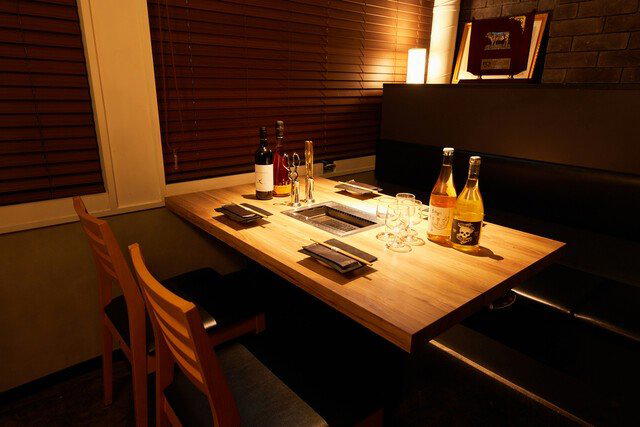
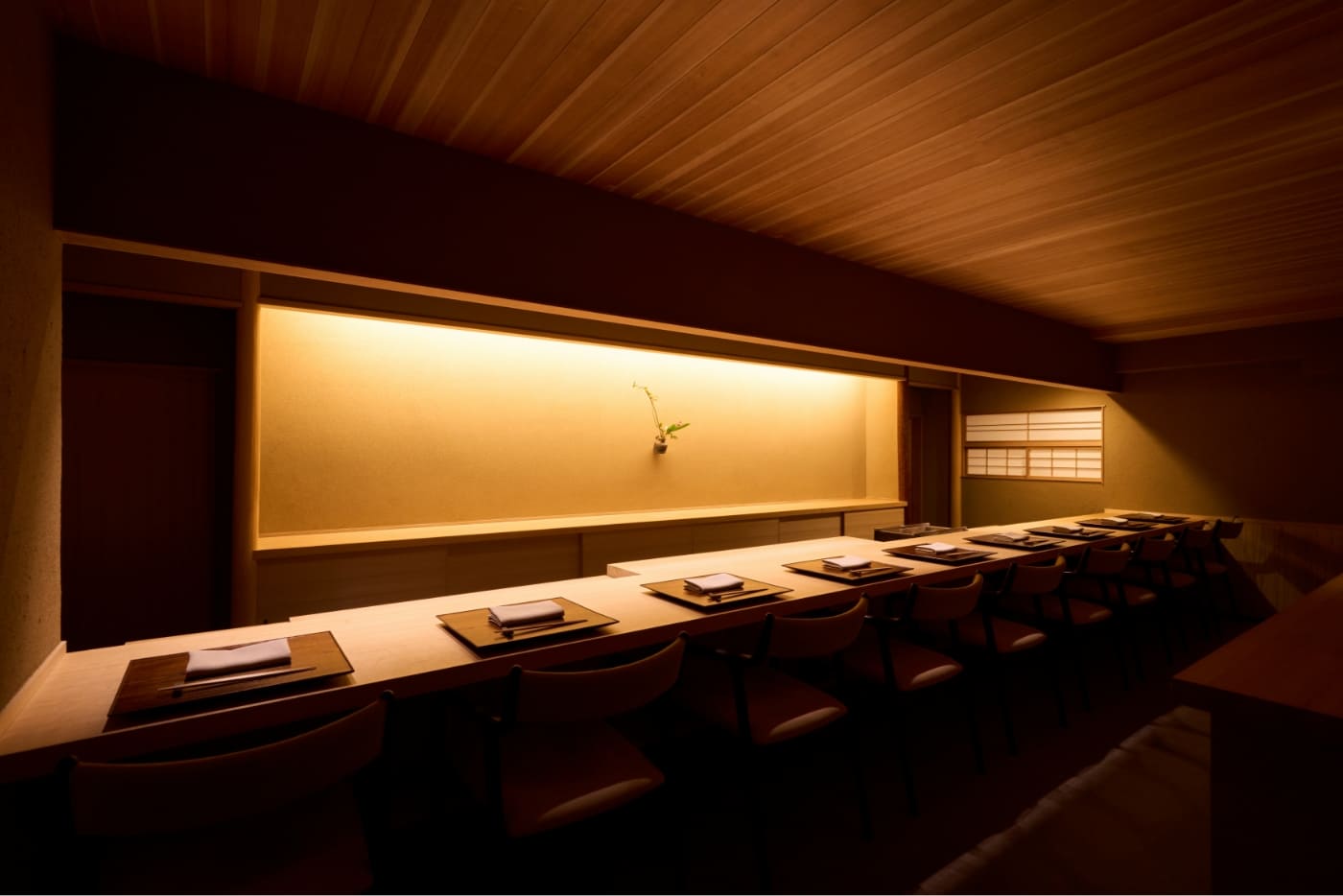
Bars in Tokyo
All bars in Tokyo →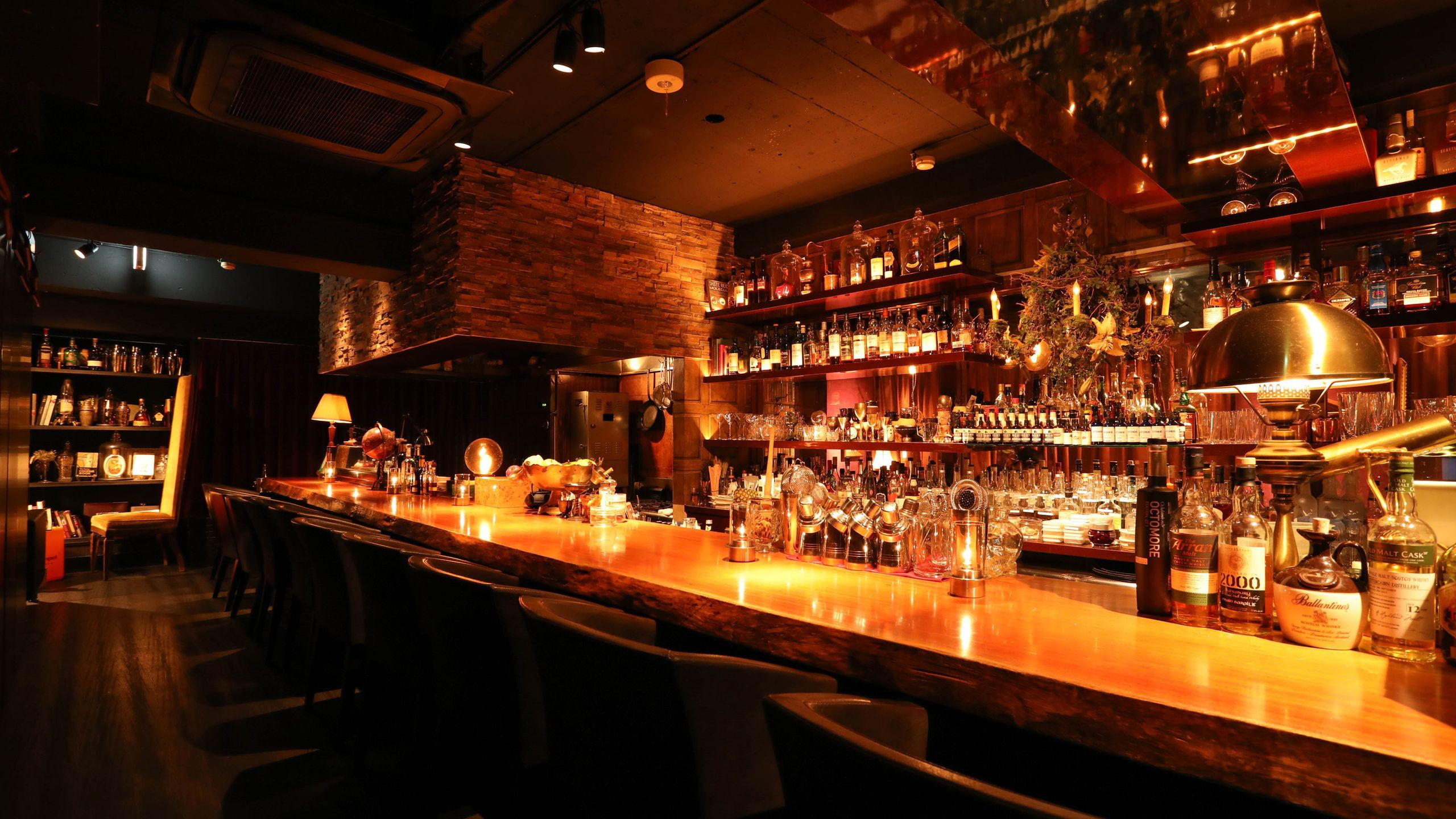
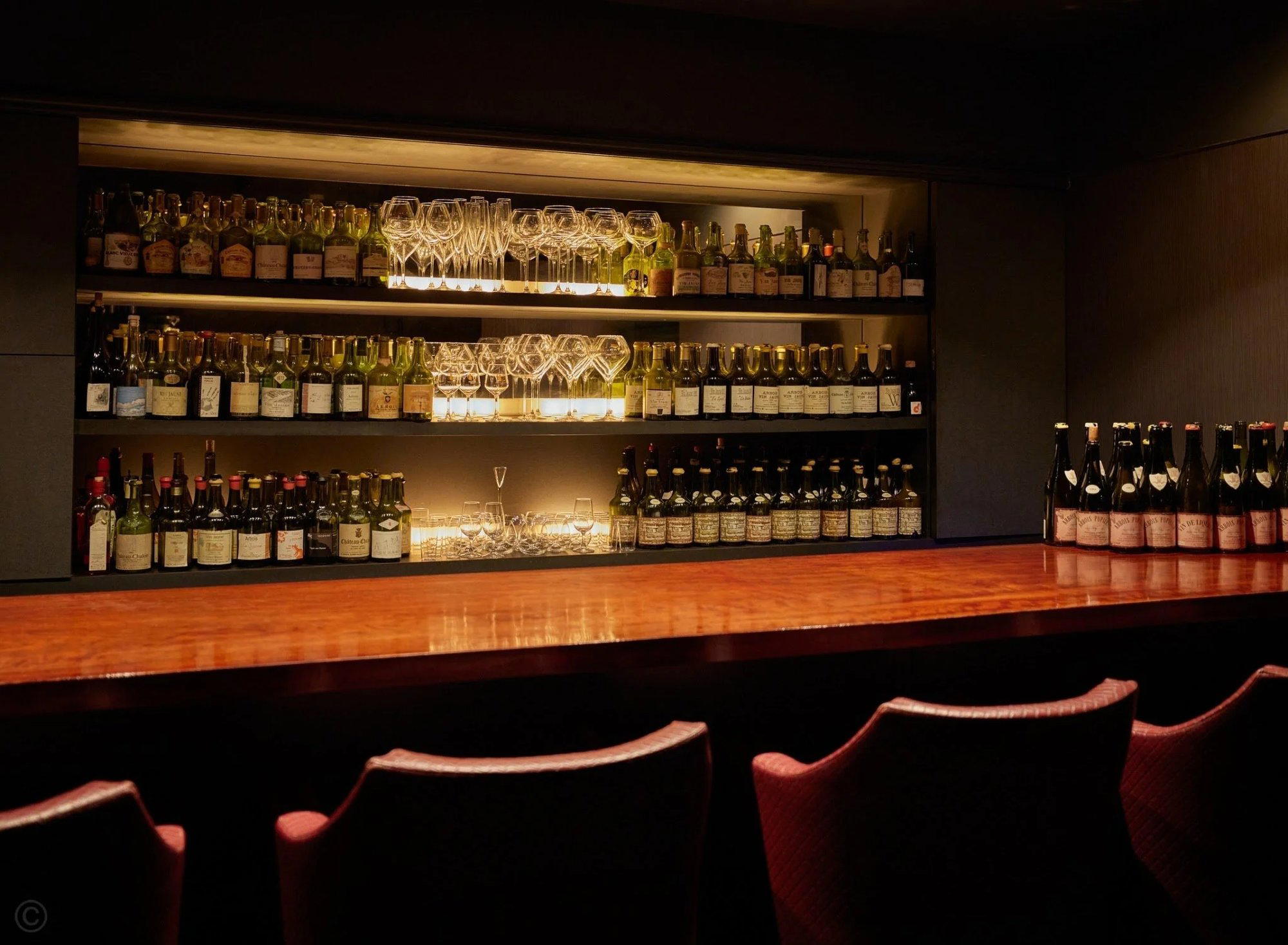
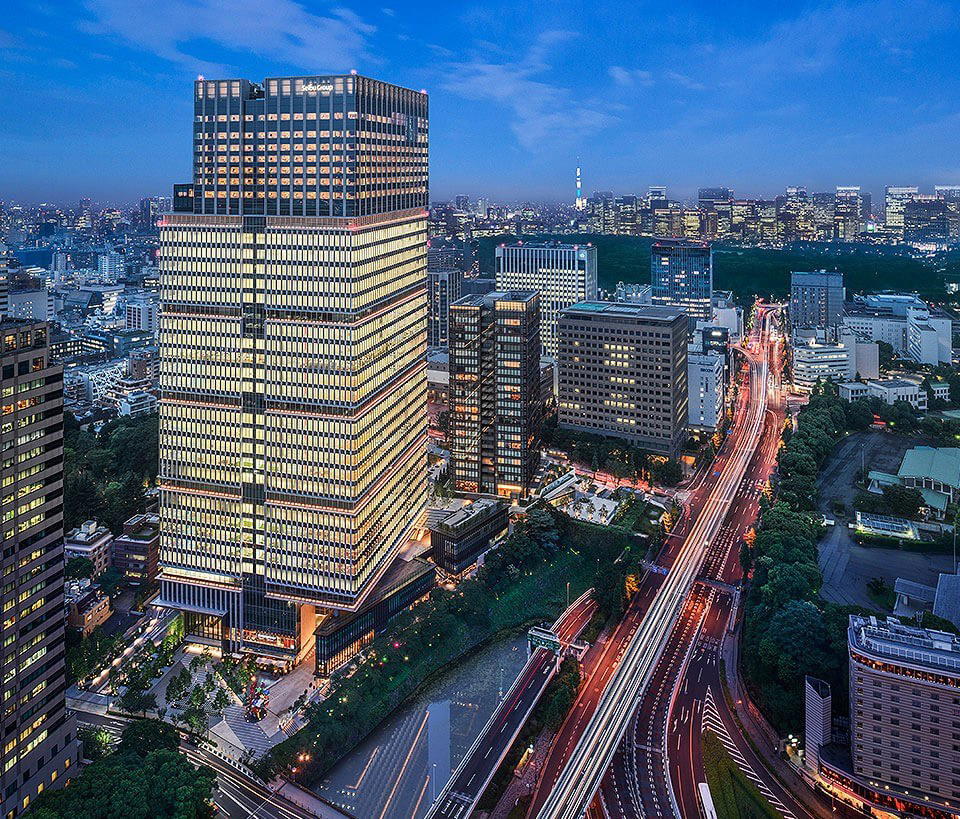
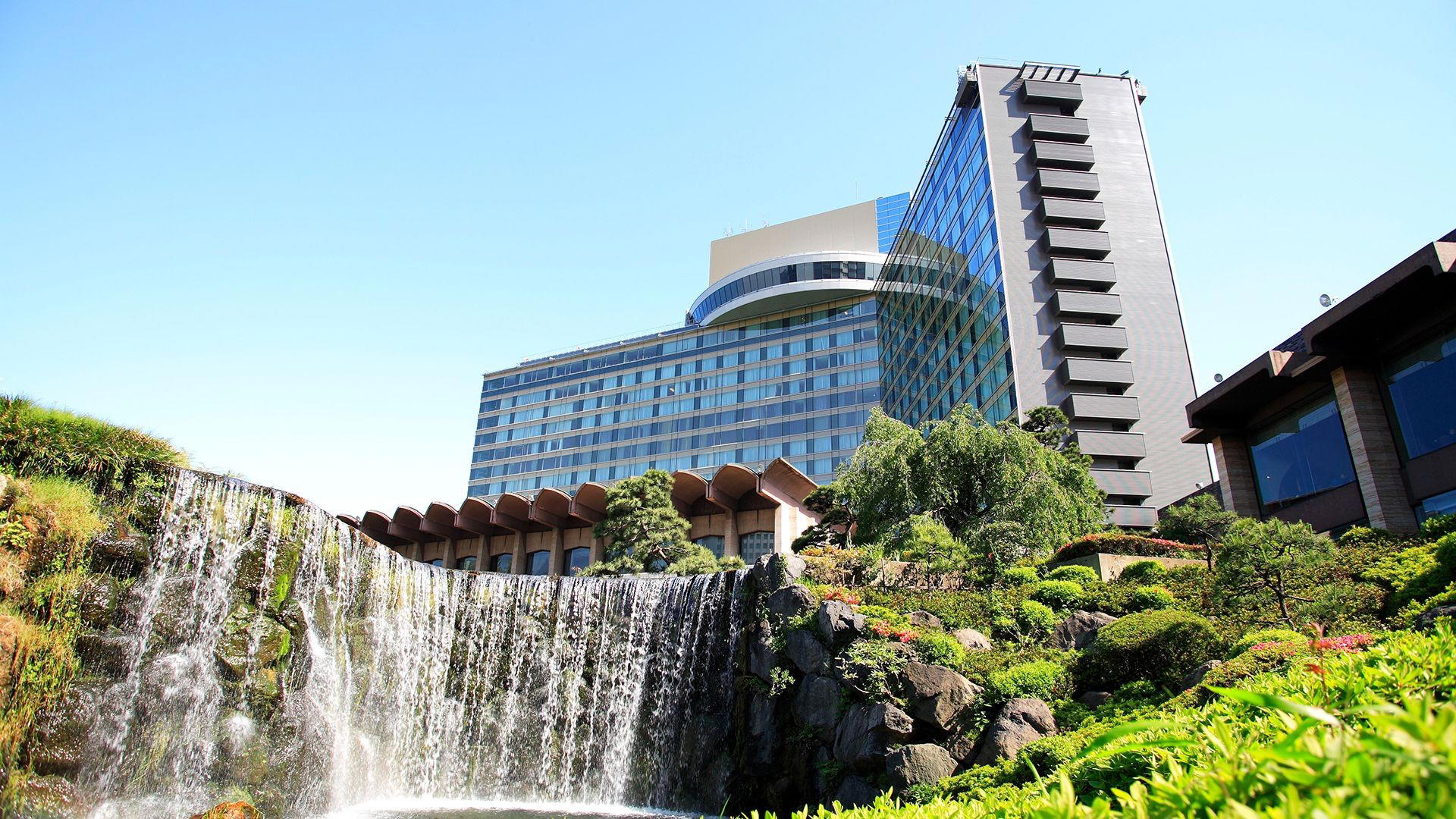
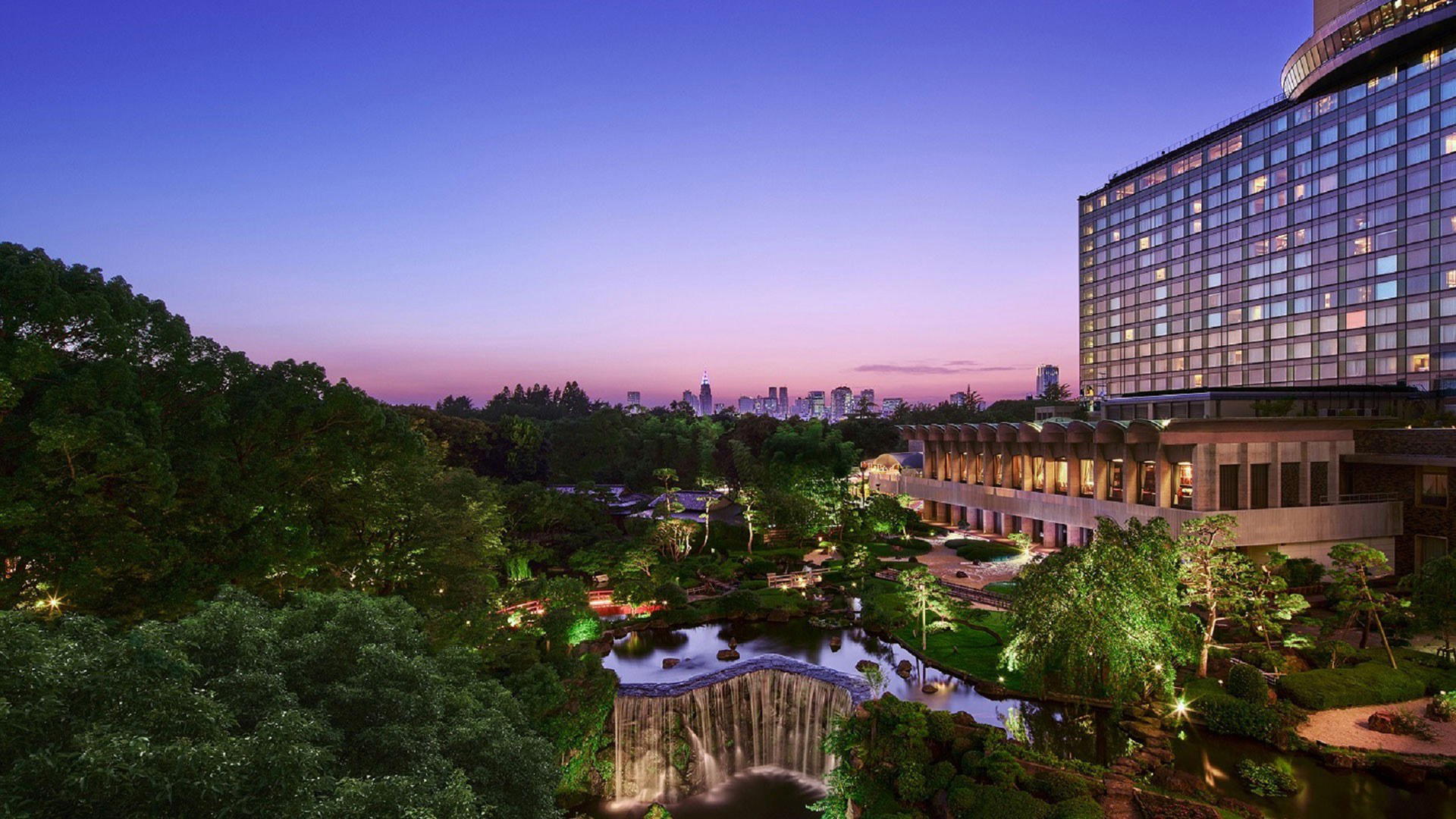
Akasaka Asada
The wine
- Wine program
- Curated wine list
- Extensive wine list
- Sake program
Details
- Elegant
- Classic
- Intimate
- Sophisticated
- Well Known
- Business Dinner
- Special Occasion
- Celebration
- Group Dining
- Date Night
- Private Event
- Private Dining
- Historic Building
- Standalone
- Sake Program
- Extensive Wine List
- Local Sourcing
- Sustainable Seafood
- Tasting Menu
- Set Menu
- Sake
- Wine
- Vegetarian Friendly
- Vegan Options
- Pescatarian Friendly
- Allergy Accommodating
Current opening hours
- Monday
- 11:30 AM–2:30 PM, 5:30–10:30 PM
- Tuesday
- 11:30 AM–2:30 PM, 5:30–10:30 PM
- Wednesday
- 11:30 AM–2:30 PM, 5:30–10:30 PM
- Thursday
- 11:30 AM–2:30 PM, 5:30–10:30 PM
- Friday
- 11:30 AM–2:30 PM, 5:30–10:30 PM
- Saturday
- 11:30 AM–2:30 PM, 5:30–10:30 PM
- Sunday
- 11:30 AM–2:30 PM, 5:30–10:30 PM
Hours can change for holidays and private events. Last verified .
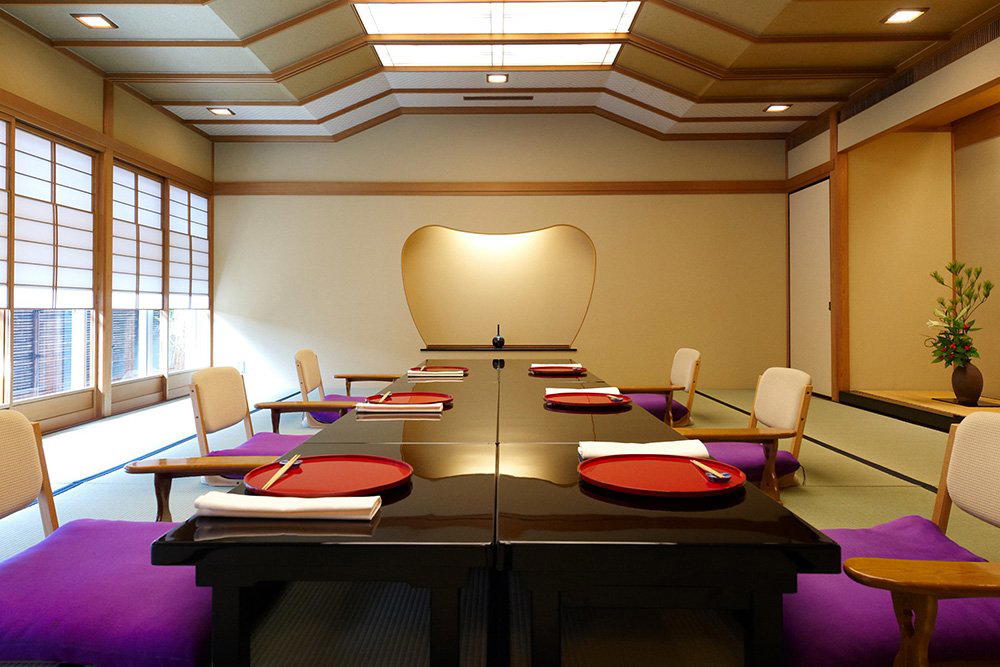
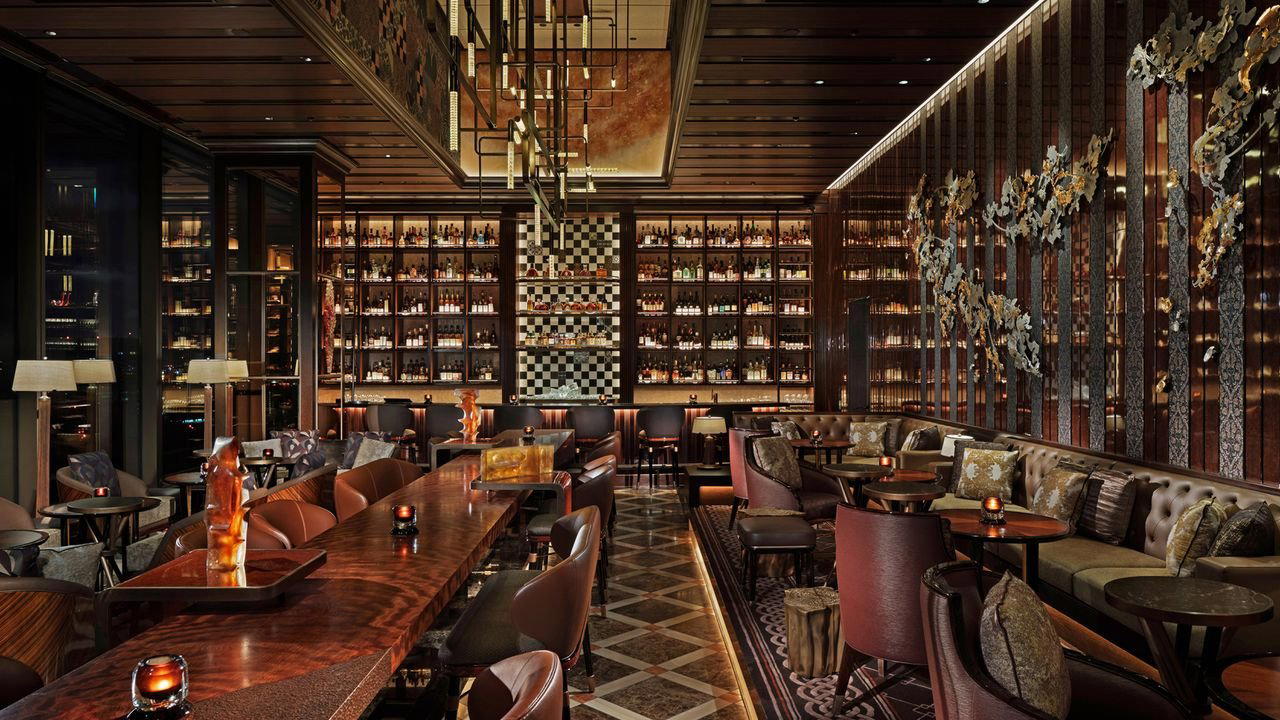
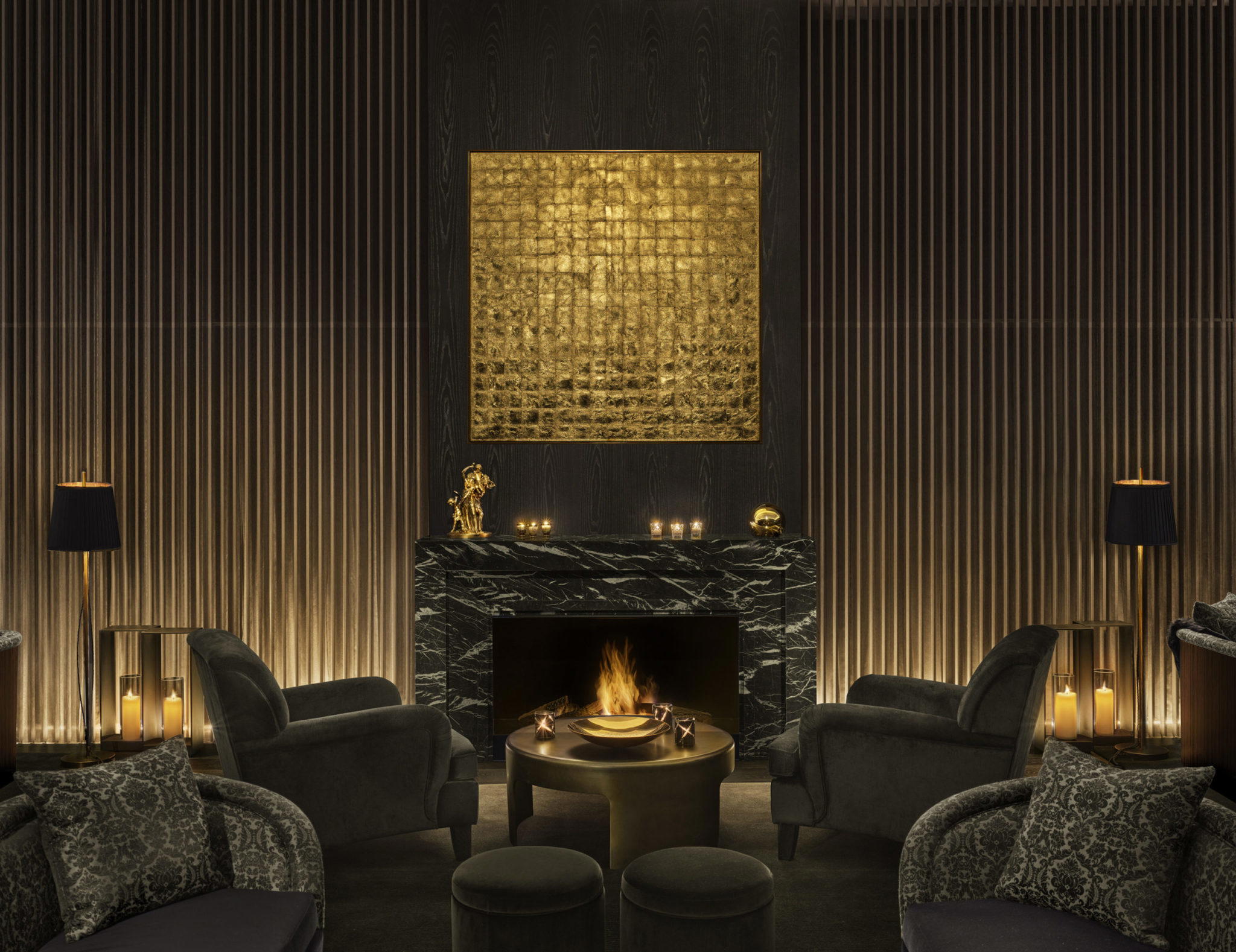
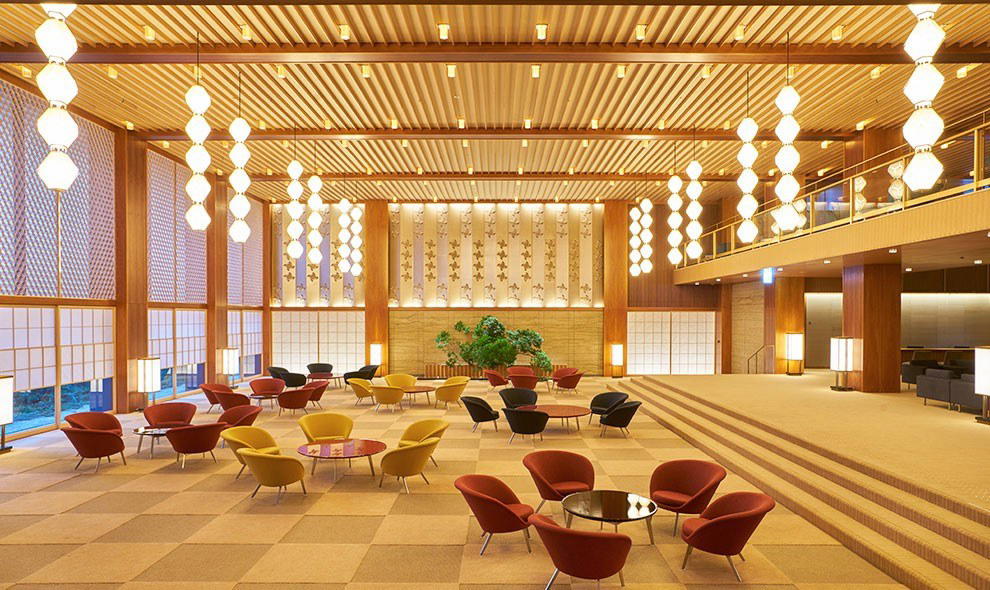
Refined ryotei setting with warm-toned Japanese interiors and private ozashiki rooms, creating a calm, formal atmosphere suited to business entertainment and special occasions.