

Ginza Ibuki sits in Ginza’s serious Japanese-cuisine tier: small-format, fish-led, and built around the counter-and-private-room rhythm that defines much of Tokyo’s high-end kappo culture. Recognition from Tabelog 100 for Japanese cuisine in Tokyo and Opinionated About Dining’s 2026 Japan Recommended list gives it a stronger critical signal than many neighbourhood kappo rooms operating at similar scale.
Pearl is the En Primeur Club membership app — saves, bookings, and concierge access live there. Same editors, same standards.
- Address
- Japan, 〒104-0061 Tokyo, Chuo City, Ginza, 2 Chome−14−6 第2松岡ビル B1F
- Phone
- +81 50-3188-0660
- Website
- ginza-ibuki.com
 Saves & bookings on Pearl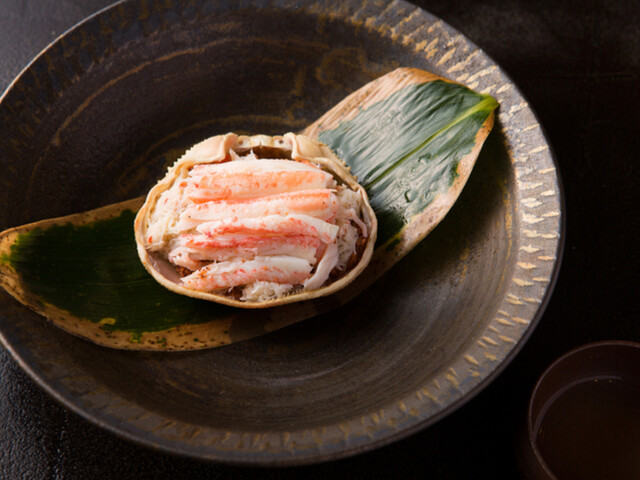
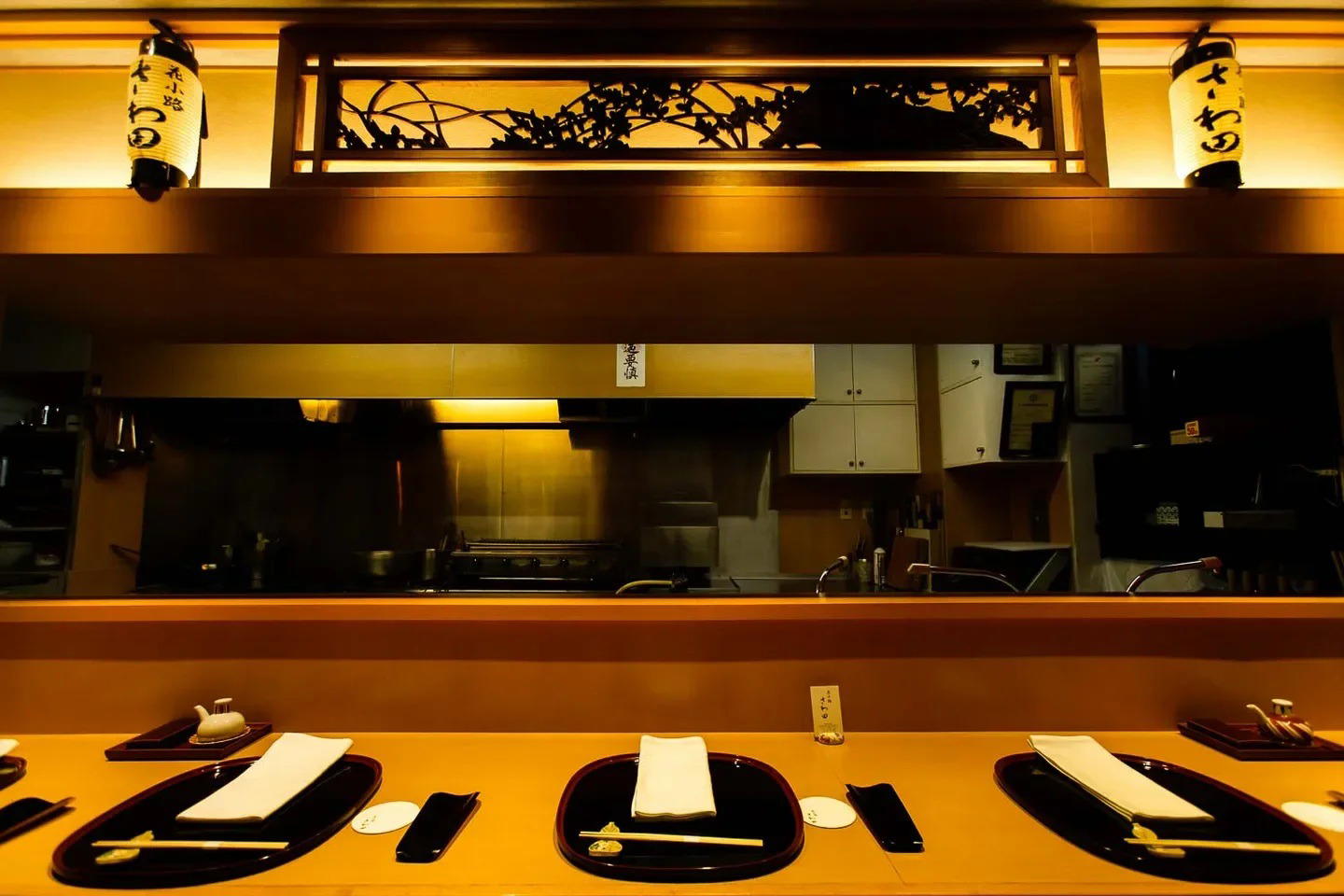
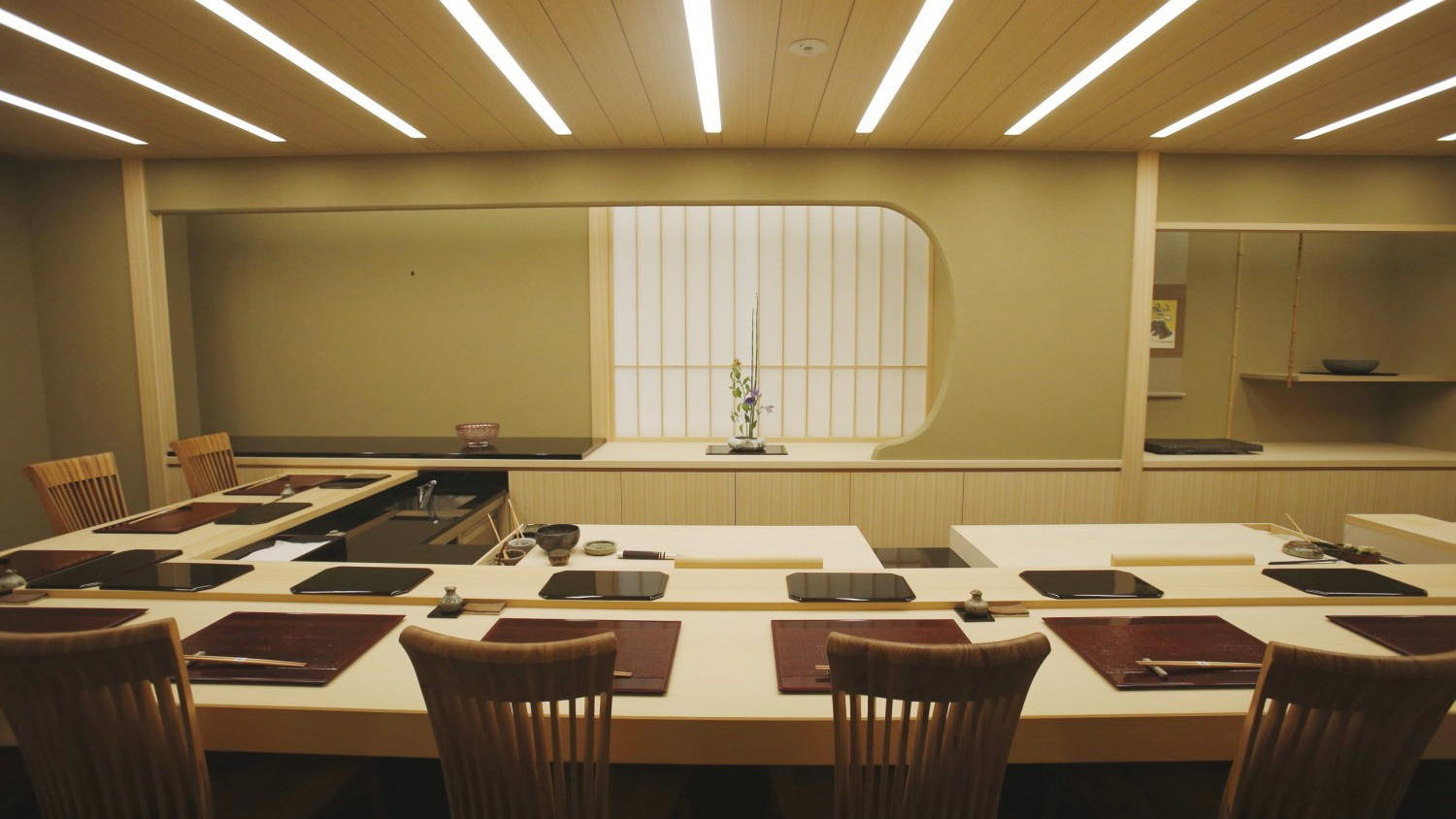
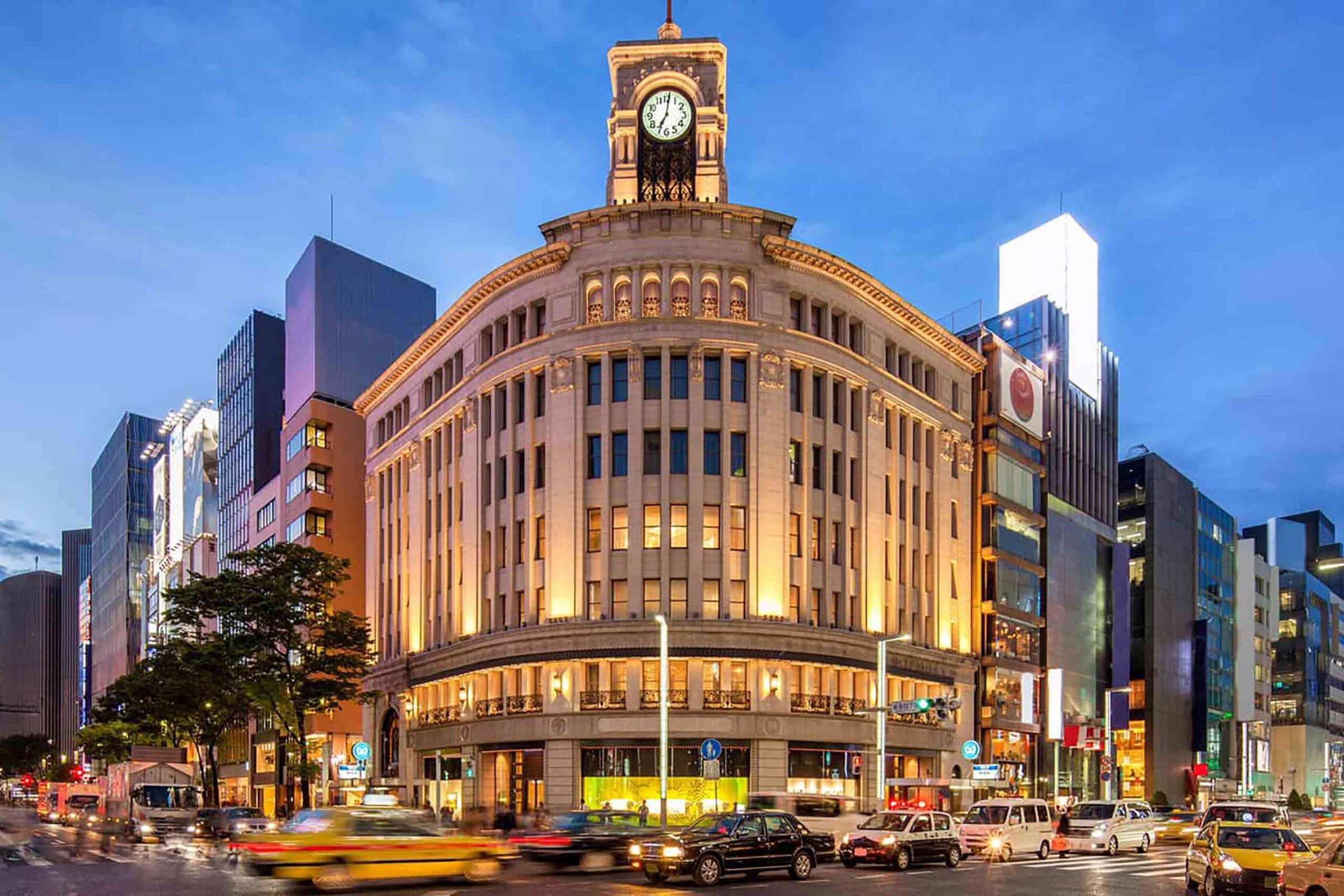
Below street level in Ginza, the appeal is compression rather than spectacle: a small room, counter seating, private rooms, and the quiet discipline of Japanese cuisine for guests who know Tokyo’s serious meals often sit away from street-facing drama. Ginza Ibuki is closer to the city’s kappo and kaiseki-adjacent tradition than to the export-friendly image of sushi counters and ramen queues. Its 17 seats, including seven at the counter and two private rooms, place it at the intimate end of Ginza dining, where pacing, seasonality, and the kitchen-guest relationship matter more than decoration.
Ginza usefully sorts Japanese restaurants. Luxury alone is not enough; the neighbourhood spans department-store dining, formal counters, long-running washoku rooms, polished tempura specialists, and high-ticket sushi. Ginza Ibuki’s reception gives it identity: selected for Tabelog 100 Japanese cuisine Tokyo in 2021, 2023, and 2025, and listed in Opinionated About Dining’s 2026 Top Restaurants in Japan Recommended list. Those signals place it in a competitive group where consistency and repeat recognition matter more than a single burst of attention.
Ginza kappo measured by awards, not theatre
Tokyo’s Japanese-cuisine category is harder to read from abroad than its sushi scene. Kappo rooms, small kaiseki counters, and formal washoku restaurants can look similar in listings, yet serve different needs. Kaiseki often leans ceremonial; kappo is usually more direct, with the kitchen closer to the guest and the meal shaped by seasonal ingredients and technique. Ginza Ibuki is listed as Japanese cuisine, with public notes emphasizing fish, sake, shochu, and wine rather than one dish. That breadth is the point: course structure without tasting-menu theatre.
The Tabelog 100 selection matters because it narrows the field to Japanese cuisine within Tokyo rather than grouping every ambitious restaurant together. A 3.78 Tabelog score is meaningful in a market where local diners score conservatively against a deep bench of washoku rooms. Opinionated About Dining’s 2026 Japan Recommended placement adds a second, more international, list-driven recognition. Neither credential alone makes a trophy address; together, they suggest a room assessed by both local-platform users and an external dining-guide audience.
That distinction matters because Ginza contains several dining economies. At one end are destination counters whose prices and booking difficulty dominate discussion. At another are practical specialists such as Soba Sasuga, where soba anchors a specific proposition, or Ginza Ichibun, in a higher dinner-price band. Nearby casual names such as Chukasoba Ginza Hachigou and Kobiki Cho Yuzukamiya show how Ginza and its edges support everyday formats. The restaurant sits in the middle of the serious Japanese-cuisine conversation: more intimate and recognition-led than casual neighbourhood dining, less defined by global trophy culture than the hardest-to-access counters.
A small-room format for fish, sake and business dining
The format suits a particular Tokyo meal. Seven counter seats create the more immediate experience; private rooms for four and six make the restaurant useful for business meals and small celebrations. The maximum seated party size is 17, so this is not built for volume. Tokyo diners distinguish between restaurants suited to conversation and those suited to performance; this counter-and-private-room mix puts the restaurant in the former camp without losing the kitchen-facing discipline that makes kappo compelling.
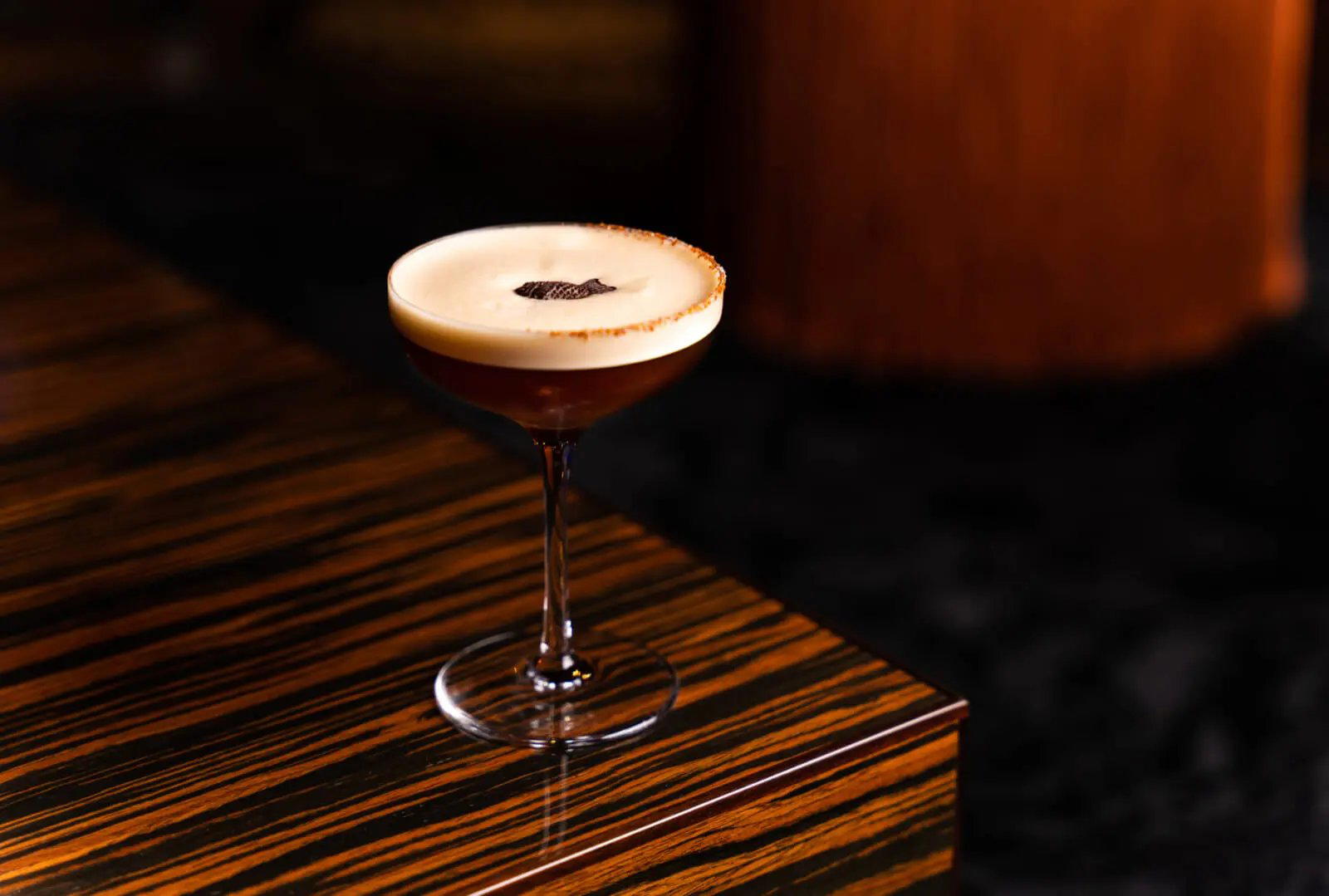
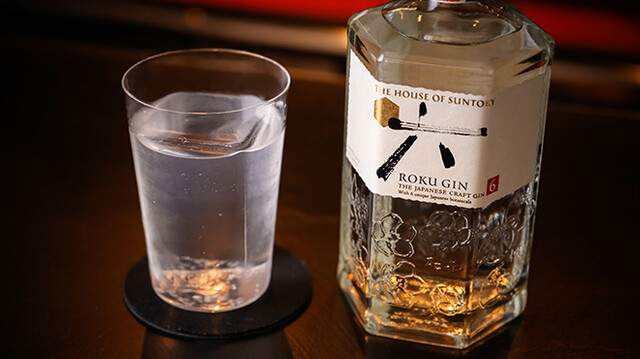
The drinks information defines the audience. Sake and shochu are expected, but explicit attention to wine suggests a broader pairing culture than old-school washoku orthodoxy. That is increasingly common in Ginza, where international guests and Japanese regulars expect serious wine alongside nihonshu. The food note, centered on fish, anchors the meal in Japanese seasonal cooking rather than luxury-ingredient signalling. Without a published signature dish, the safer reading is categorical: a fish-conscious Japanese restaurant with course-dining infrastructure, not a place to chase a named plate.
Longevity matters. Opened in 2010, the restaurant has enough history to be judged across inbound tourism surges, pandemic disruption, reservation-platform growth, and the post-2023 return of high-spend visitors. Repeated Tabelog 100 selections in 2021, 2023, and 2025 show relevance beyond one cycle. Chef Sadahisa Yoshizawa appears in the OAD listing, but the larger point is not biography; it is that the kitchen is evaluated within a Japanese-cuisine category where craft, pacing, and seasonality face an unusually dense Tokyo field.
How to place it within a Tokyo dining itinerary
For visitors planning Tokyo, this is not the slot for maximal theatre. It suits a night for Japanese cuisine with recognized local standing, a compact room, and a Ginza address that does not announce itself from the pavement. Choose the counter for kitchen visibility; choose private rooms for conversation-led meals or small groups. The child policy is category-consistent: children are accepted only when they can take the same course-style meal as adults, keeping the room aligned with its format.
Tokyo rewards specialization, so balance this meal with sharper formats elsewhere. A yakitori night at 124. KAGURAZAKA (Yakitori), a casual curry stop such as 3 Chome no Curry Ya San, or a Shinjuku counter like 12/10 Shinjuku ten will read differently from Ginza’s polished washoku register. For seafood and charcoal in another part of the city, . 鮪と炭火焼き うお炭 秋葉原店 offers a contrasting urban rhythm, while 2D Cafe sits at the visual-pop end of Tokyo’s dining spectrum.
Readers mapping a broader Japan trip can set Ginza’s controlled formality against regional and overseas Japanese-food references: -Grilled beef Sukiyaki- KAMAKURA TANUKIAN 鎌倉 たぬき庵 in Kamakura, [ki:] in Kyoto.cafe in Osaka.know in Kumamoto, (Shoku) Vietnam in Kawasaki, and [Curry Senmon Ten] Maruyama Kyoju. in Sapporo. Japanese formats abroad, including Jōdo Saké Bar in Los Angeles and Onigiri Time in Pasadena, underline the contrast: the restaurant remains rooted in Tokyo’s small-room, course-led dining culture rather than translating itself for export.
For wider planning, use Our full Tokyo restaurants guide alongside Our full Tokyo hotels guide, Our full Tokyo bars guide, Our full Tokyo wineries guide, and Our full Tokyo experiences guide. The reason to seek this address is not novelty. It is repeated Japanese-cuisine recognition, small-room discipline, and a Ginza format that rewards diners who want Tokyo washoku without turning dinner into a status performance.
Pricing, Compared
Comparable venues to place this listing in its category.
| Venue | Cuisine | Price |
|---|---|---|
| Ginza IbukiThis venue — the venue you are viewing | Chūō, Seasonal Kaiseki in Ginza | $$$$ |
| Toku Uchiyama | Chūō, Traditional Japanese Kaiseki | $$$$ |
| 日本料理 つきぢ田村 | Chūō, Traditional Japanese Kaiseki | $$$$ |
| Ginza Yonemura | Chūō, Edo Ryori Kaiseki | $$$$ |
| Azabu Muroi | Chūō, Seasonal Kaiseki Omakase | $$$$ |
| Namba | Chiyoda, Modern Edomae Omakase | $$$$ |
Recognition history
Dated appearances from independent guides and award organizations, with the underlying list record or original source where available.
Opinionated About Dining Top Restaurants in Japan Recommended
Opinionated About Dining
Tabelog 100 #100 · No. 100
Tabelog · Tabelog 100 - Japanese cuisine - TOKYO - 2025





At a Glance
- Elegant
- Intimate
- Quiet
- Sophisticated
- Date Night
- Business Dinner
- Special Occasion
- Celebration
- Solo
- Standalone
- Private Dining
- Design Destination
- Sake Program
- Extensive Wine List
- Local Sourcing
Current opening hours
- Monday
- 6–10 PM
- Tuesday
- 6–10 PM
- Wednesday
- 6–10 PM
- Thursday
- 6–10 PM
- Friday
- 11:30 AM–2:30 PM, 6–10 PM
- Saturday
- 11:30 AM–2:30 PM, 6–10 PM
- Sunday
- Closed
Hours can change for holidays and private events. Last verified .
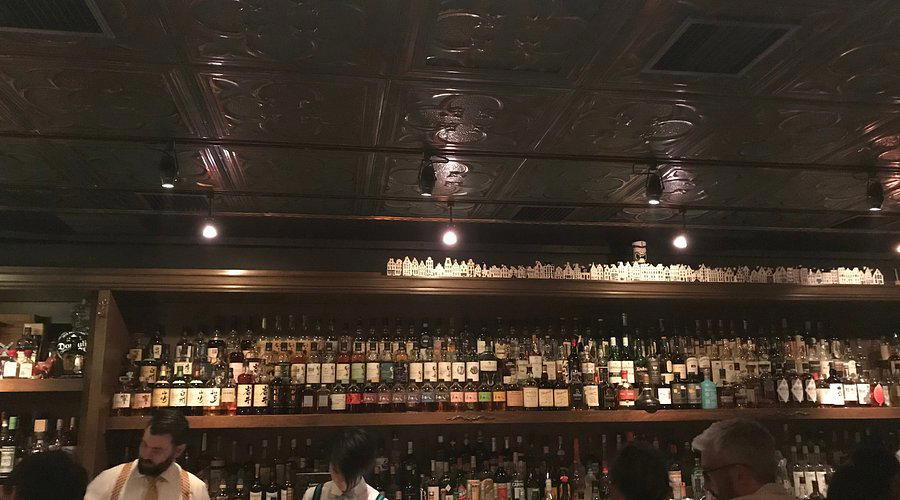
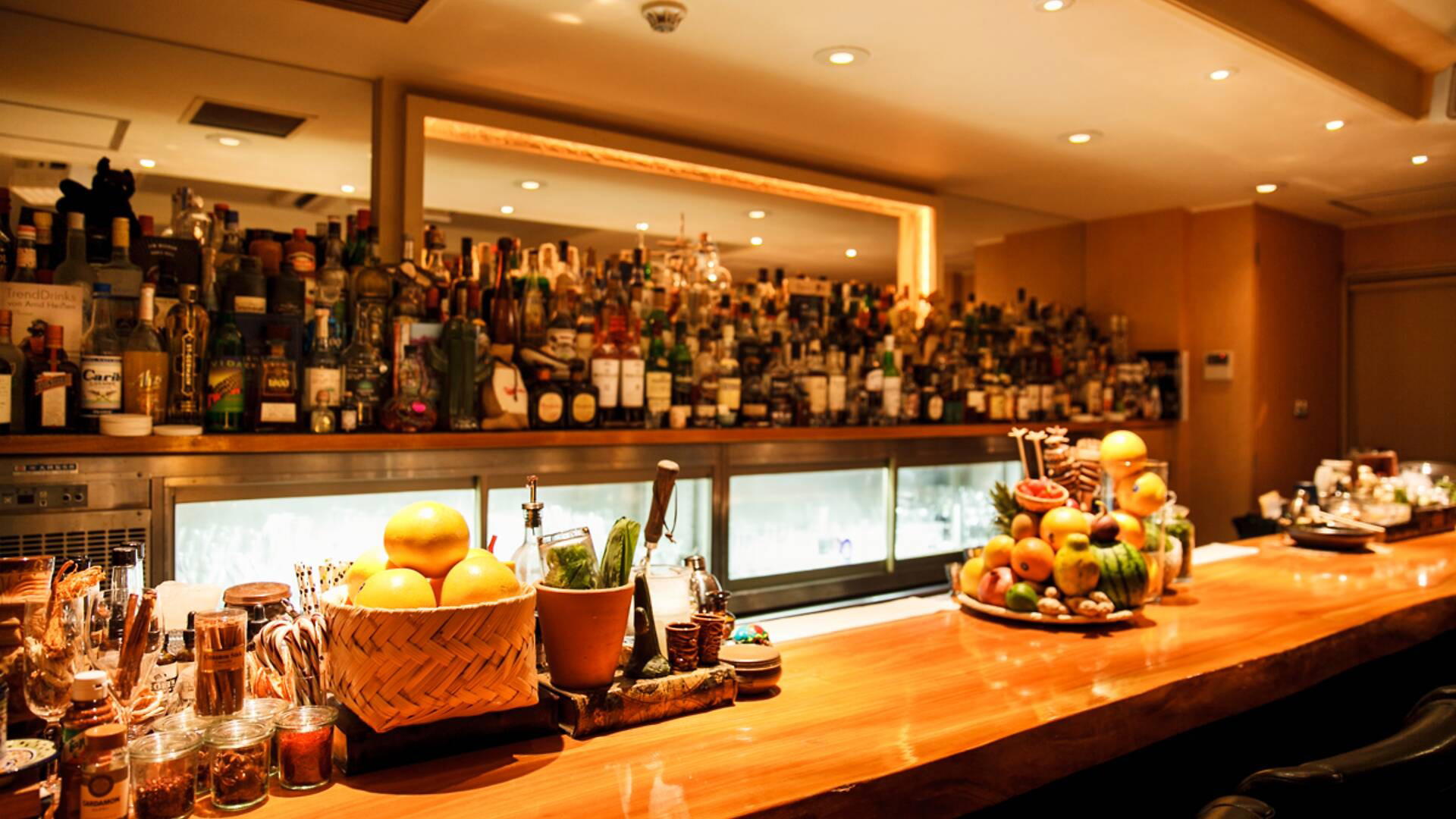
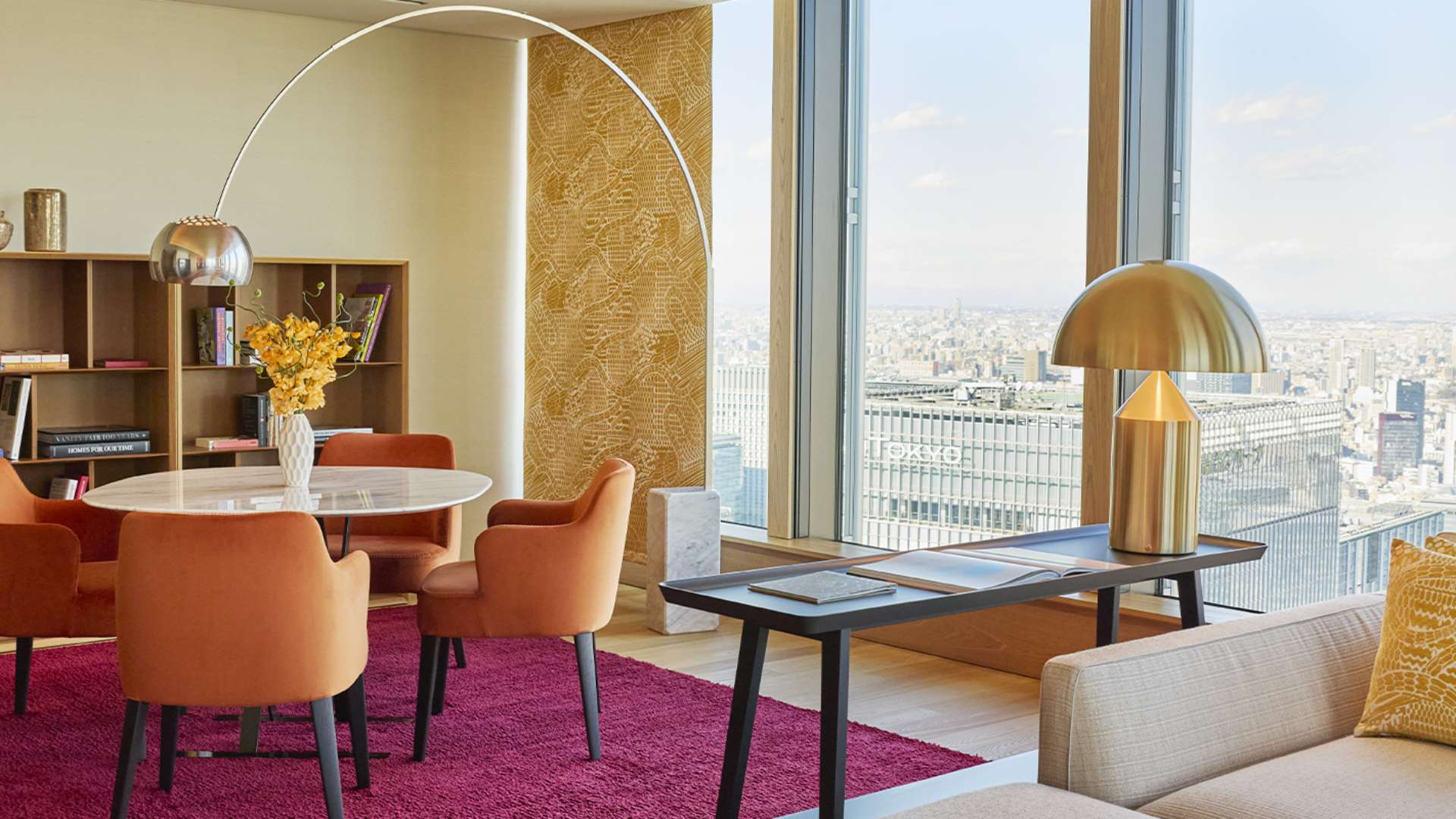
A serene, refined basement space on a quiet Ginza backstreet, with a calm, low-noise atmosphere designed for guests to relax and enjoy a leisurely multi-course meal; lighting and decor are understated and traditional rather than flashy, emphasizing comfort and quiet conversation.