Gina
Gina sits within London's growing cohort of comfort-forward Modern British spaces where dessert and baking craft take centre stage rather than playing second fiddle to a savoury main event. The kitchen draws on pastry heritage and British pantry traditions, positioning it closer to a serious patisserie sensibility than a conventional restaurant. For visitors seeking something other than the city's established fine-dining circuit, it occupies a distinct lane.

Pearl is the En Primeur Club membership app — saves, bookings, and concierge access live there. Same editors, same standards.
Where Baking Becomes the Argument
London's restaurant culture has long treated pastry as a department rather than a destination. The brigade structure at most serious kitchens places the pastry chef at the end of the meal and, implicitly, at the end of the hierarchy. A smaller cohort of venues has been pushing back against that convention for several years, building identities around baking craft, comfort-driven plates, and dessert-led menus that require the kitchen to be as technically literate in sugar and dough as any brigade working a savoury pass. Gina belongs to that cohort, operating in the Modern British register with a particular emphasis on the sweet and baked end of the menu.
The broader context matters here. British baking heritage is deep and often underappreciated in a fine-dining conversation that tends to look to France for pastry authority. Regional pie traditions, suet-based puddings, shortcrust and rough-puff variations, the architecture of a proper custard tart — these are not lesser techniques. They are distinct ones, with their own canon of difficulty and their own standards of execution. Venues that take this tradition seriously are doing something the capital's more celebrated addresses rarely attempt. Places like Dinner by Heston Blumenthal have occasionally mined British culinary history for inspiration, but the focus there is on the full sweep of historical British cooking rather than baking craft specifically.
The Comfort-Forward Model in London's Mid-Market
London's dining middle ground has shifted considerably since 2020. The venues that survived and then grew audience share tended to offer one of two things: a clear technical proposition that justified higher prices, or a comfort-driven offer that prioritised familiarity and generosity over architectural plating. Gina's cuisine type — Modern British with a comfort and desserts focus, places it in the second category, though comfort-forward does not mean technique-light. The craft that goes into a well-executed pie crust, a properly laminated pastry, or a set cream with the right texture is considerable. It simply reads differently on a menu than a twelve-step tasting course.
This positioning sets Gina at a meaningful distance from the upper bracket of London's Modern British dining, where venues like CORE by Clare Smyth and The Ledbury operate at the four-pound-sign level with Michelin recognition and multi-month booking windows. That tier is not Gina's competitive set. Its peers are the neighbourhood-anchored spaces that have made a virtue of approachability and baking-led identity, a category London has developed more confidence in articulating over the past five years.
Pie, Pastry, and the Question of Craft
The editorial angle on any venue built around baking should start with what the kitchen actually understands about the tradition it is working in. British pie and pastry heritage is not a monolith. There are regional distinctions between a Cornish pasty's crimped rope edge and a Melton Mowbray pork pie's freestanding hot-water crust. There are technique distinctions between a suet-lined pudding basin and a fluted shortcrust tart shell. A kitchen that treats these as interchangeable is doing something categorically different from one that tracks those distinctions and makes decisions accordingly.
Dessert-focused venues face a related but distinct challenge. Sugar work, temperature control, and the timing of service all behave differently at the sweet end of a menu. A custard that is two degrees off, or a pastry cream that has split slightly, is as legible to an informed diner as an overcooked piece of protein. The difference is that diners have been trained by decades of fine-dining discourse to assess savoury technique more readily than sweet. Venues that build their identity around dessert craft are, in part, making an argument about where rigour belongs.
For a broader map of where London's restaurant culture sits right now, the EP Club London restaurants guide covers the full range from tasting-menu institutions to the neighbourhood venues that have been reshaping the city's mid-market since the pandemic.
London's Baking-Focused Venues in a Wider Context
The comfort-and-baking model has found traction in other British cities too. Corner Shop in Glasgow and The Highland Laddie in Leeds each represent versions of the neighbourhood-anchored, comfort-driven offer that has gathered audience across the UK's secondary cities. Franc in Canterbury offers another data point on how this model travels outside London. These venues share a resistance to the escalating formality of the upper-bracket dining circuit and a commitment to cooking that feels grounded in place and season rather than in international fine-dining convention.
Internationally, the question of where dessert and baking sit in the dining hierarchy plays out differently. At Le Bernardin in New York City, the pastry program supports a savoury identity built on seafood technique. At Atomix, also in New York, the progression from savoury to sweet is part of a tightly choreographed narrative sequence. Lazy Bear in San Francisco and Emeril's in New Orleans each anchor comfort and craft in regional American traditions in ways that offer useful comparison points. None of these are doing what a dessert-and-comfort-led British venue is doing, but they illuminate how the relationship between baking, comfort, and fine-dining credibility is being renegotiated in multiple markets simultaneously.
At stronger examples from the formal dining register, venues like Alain Ducasse at Louis XV in Monte Carlo, Restaurant Gordon Ramsay, and Sketch, The Lecture Room and Library represent the kind of multi-award, destination-dining proposition that operates in an entirely different register from comfort-forward baking venues. The comparison is not invidious, it simply clarifies how differently stacked these propositions are.
Planning a Visit
Specific logistics for Gina, including address, booking method, hours, and pricing, are not currently confirmed in EP Club's verified data. Visitors planning a trip should cross-reference directly with the venue before travelling, particularly for time-sensitive details. London's comfort-forward dining segment operates across a range of formats, from all-day cafe settings to focused evening sittings, and the booking window and walk-in policy vary considerably across the category. For a broader framework on getting around London's dining, drinking, and hospitality options, the EP Club London hotels guide, London bars guide, London wineries guide, and London experiences guide provide verified, editorially curated options across the full spectrum of the city.
Compact Comparison
Comparable venues nearby, for context on price, style, and recognition.
| Venue | Cuisine | Price | Notes |
|---|---|---|---|
| GinaThis venue — the venue you are viewing | Not listed | $$$ | Not listed |
| EQUAL PARTS | Haggerston, Cocktail Bar | $$ | Not listed |
| Colombo Kitchen | Worcester Park, Authentic Sri Lankan | $$ | Not listed |
| Myrtle | Chelsea, Modern Irish Fine Dining | $$$ | Not listed |
| Scenery | Bankside, Café | $$ | Not listed |
| The Terrace by Pommery | Not listed | $$$$ | Leicester Square, Champagne Terrace with Small Plates |
Continue exploring
More in London
Restaurants in London
Browse all →
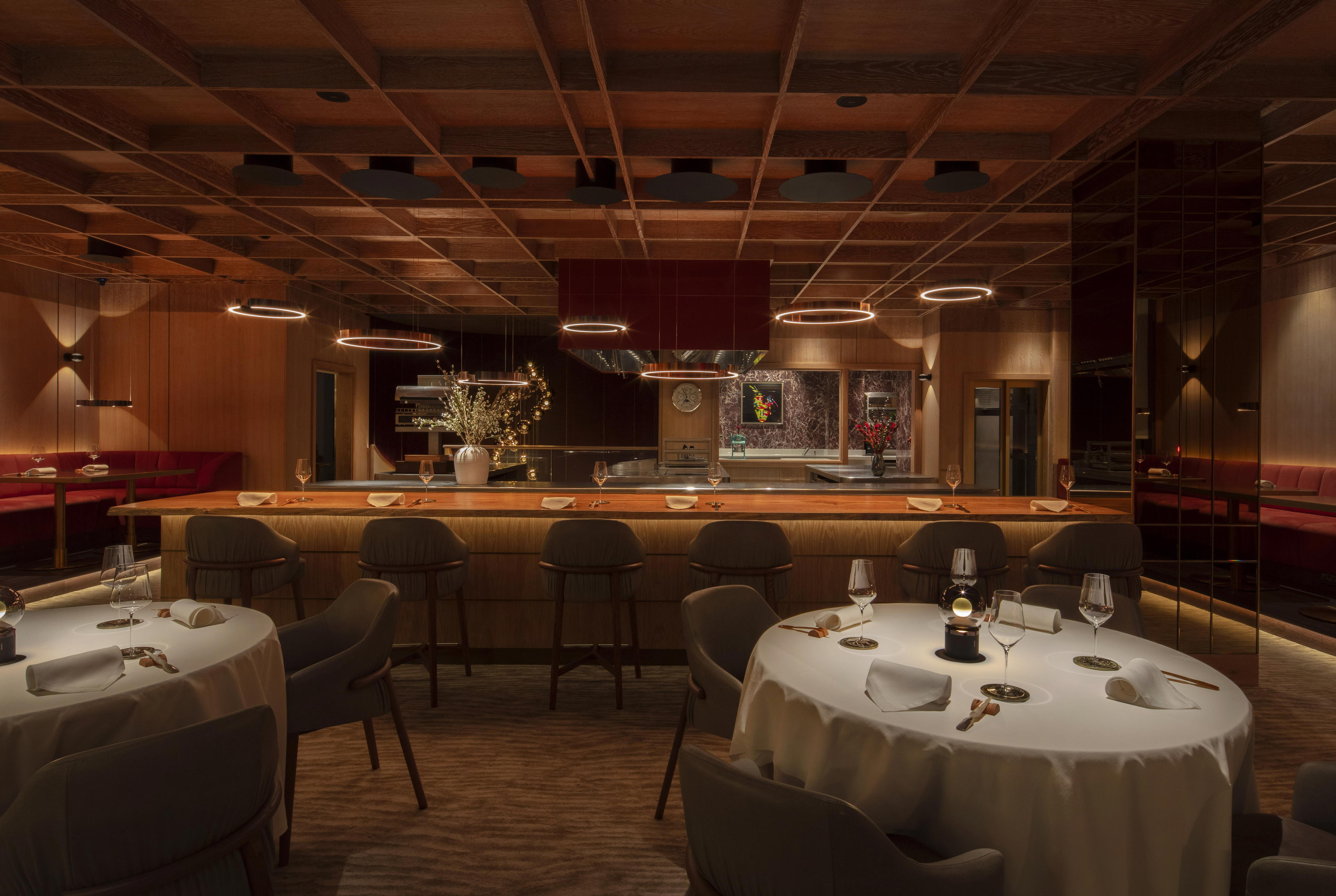
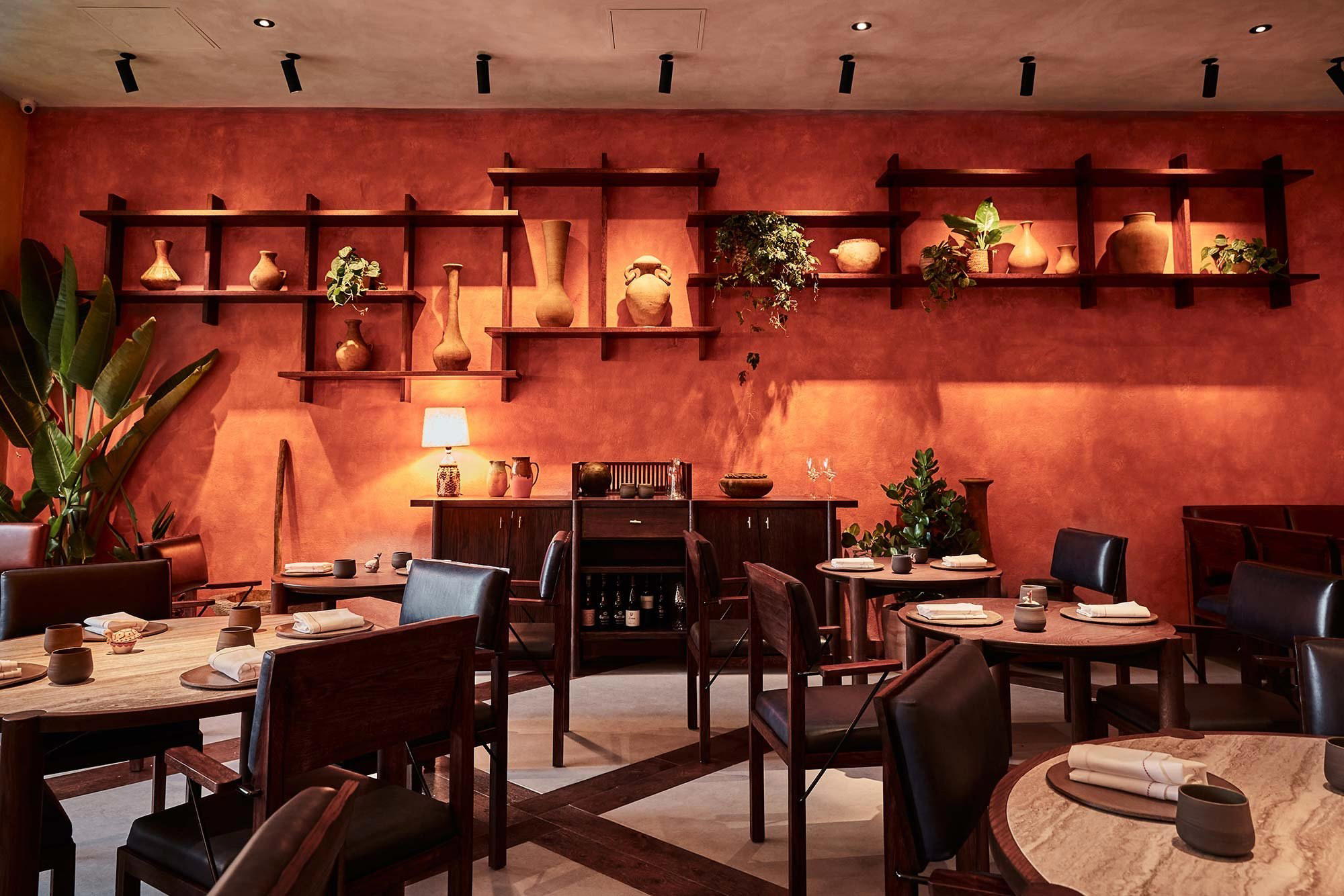
Bars in London
Browse all →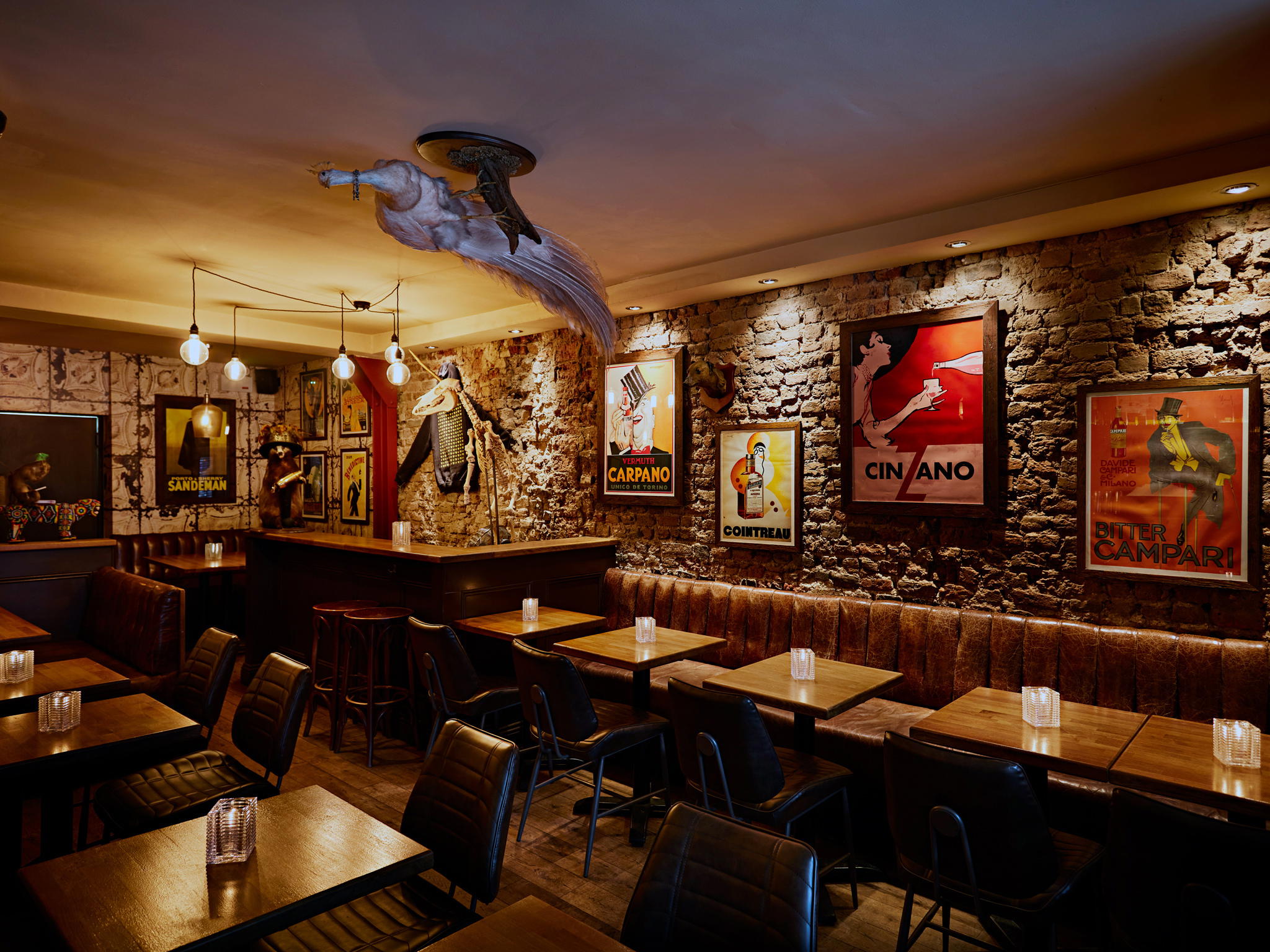
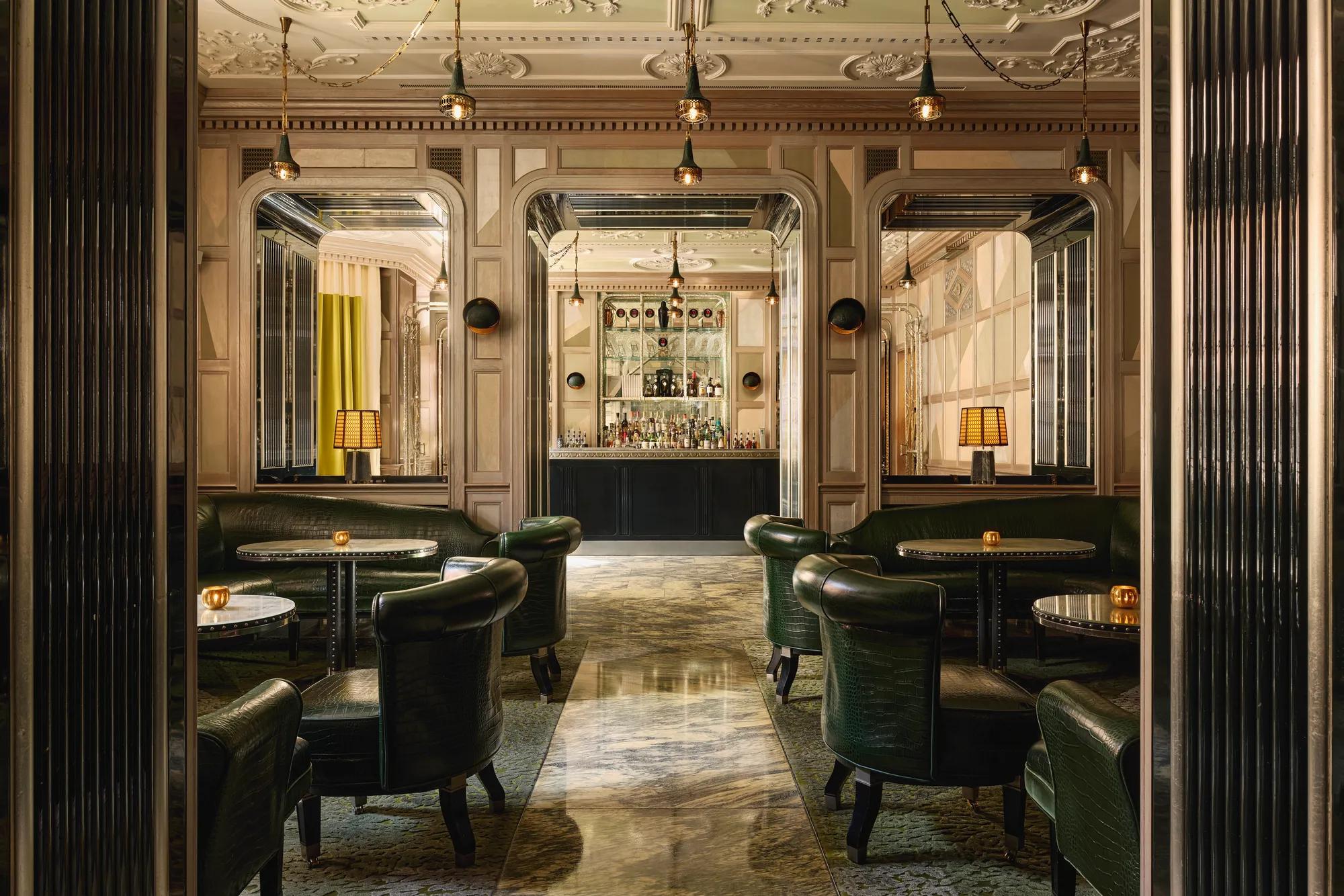
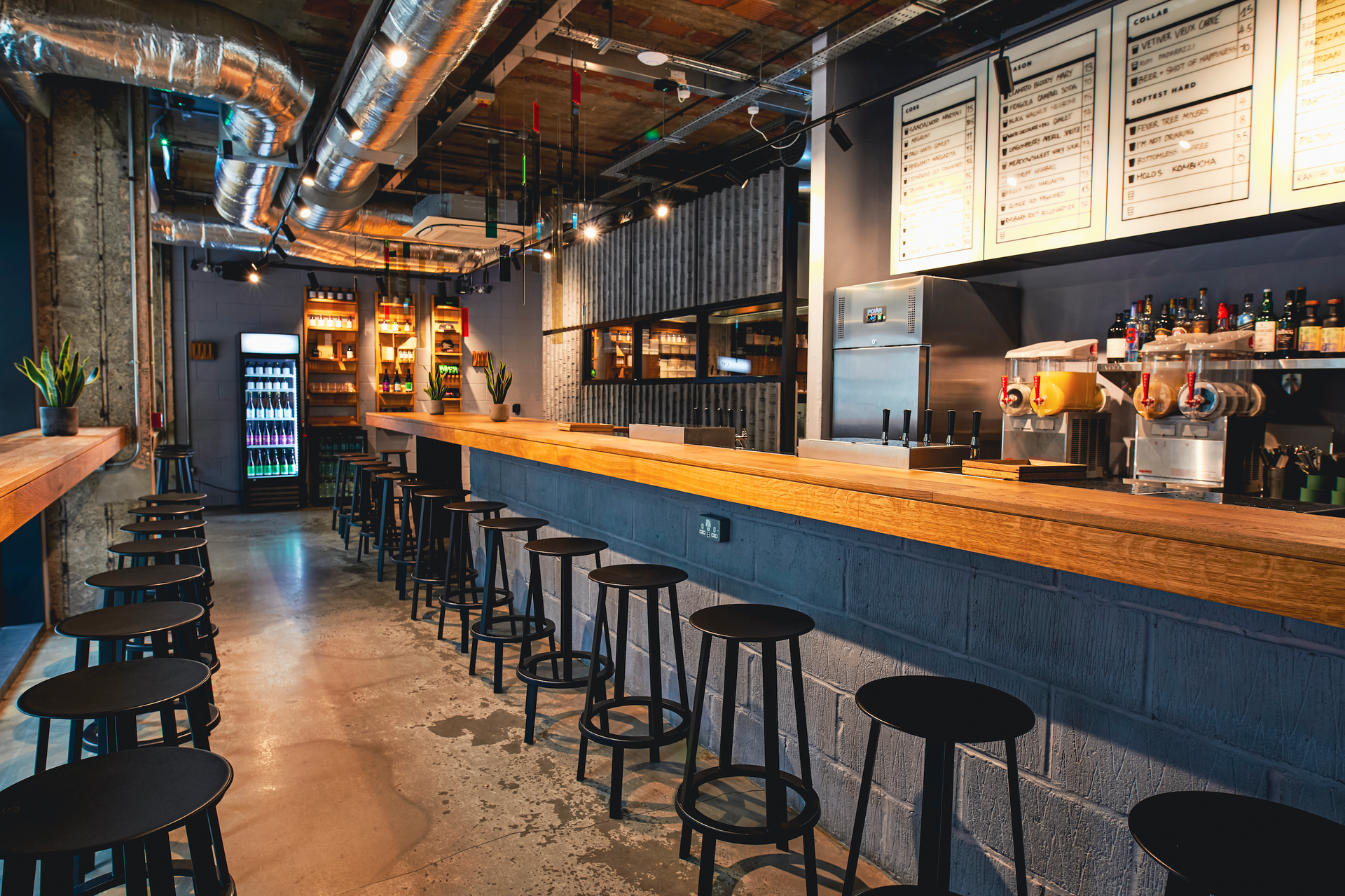
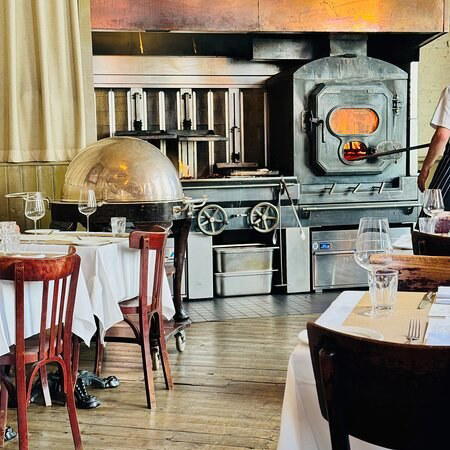
Hotels in London
Browse all →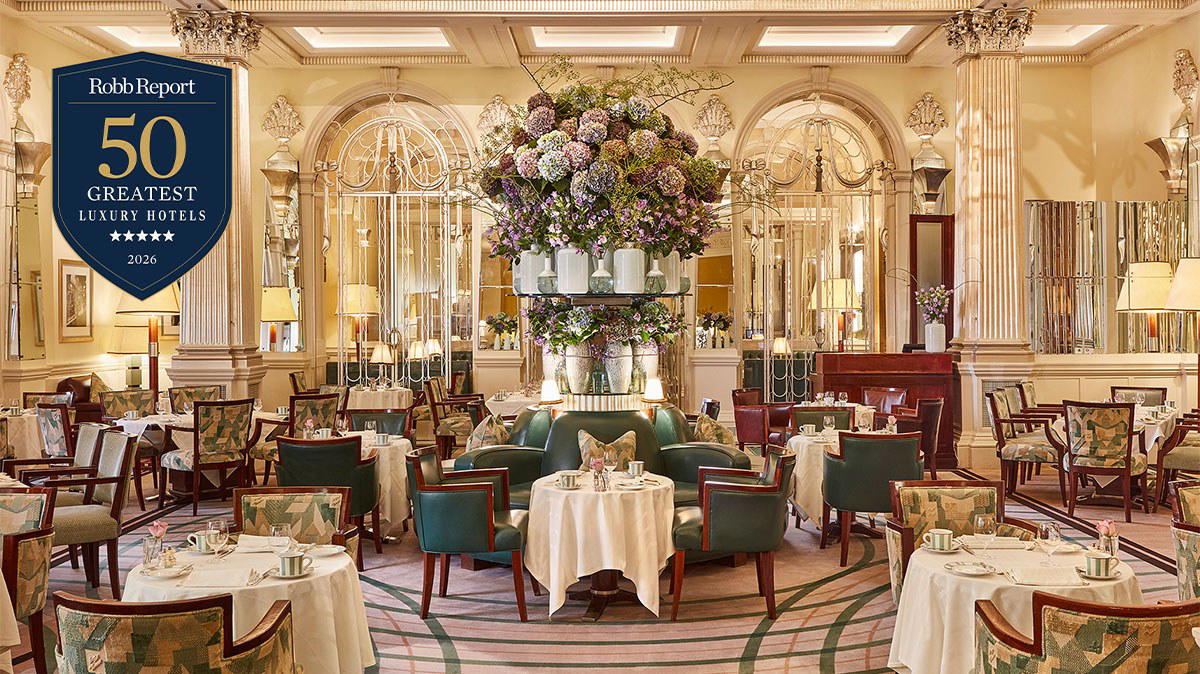
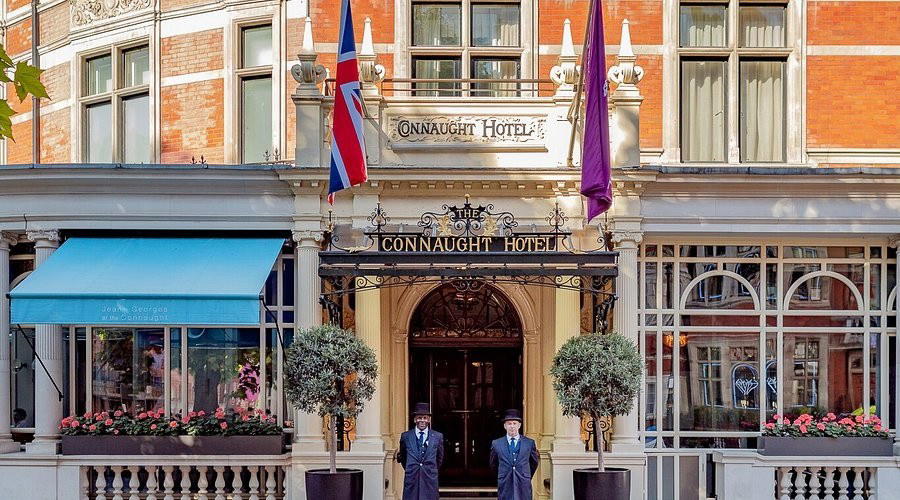



At a Glance
- Cozy
- Modern
- Lively
- Intimate
- Date Night
- Family
- Casual Hangout
- Special Occasion
- Open Kitchen
- Extensive Wine List
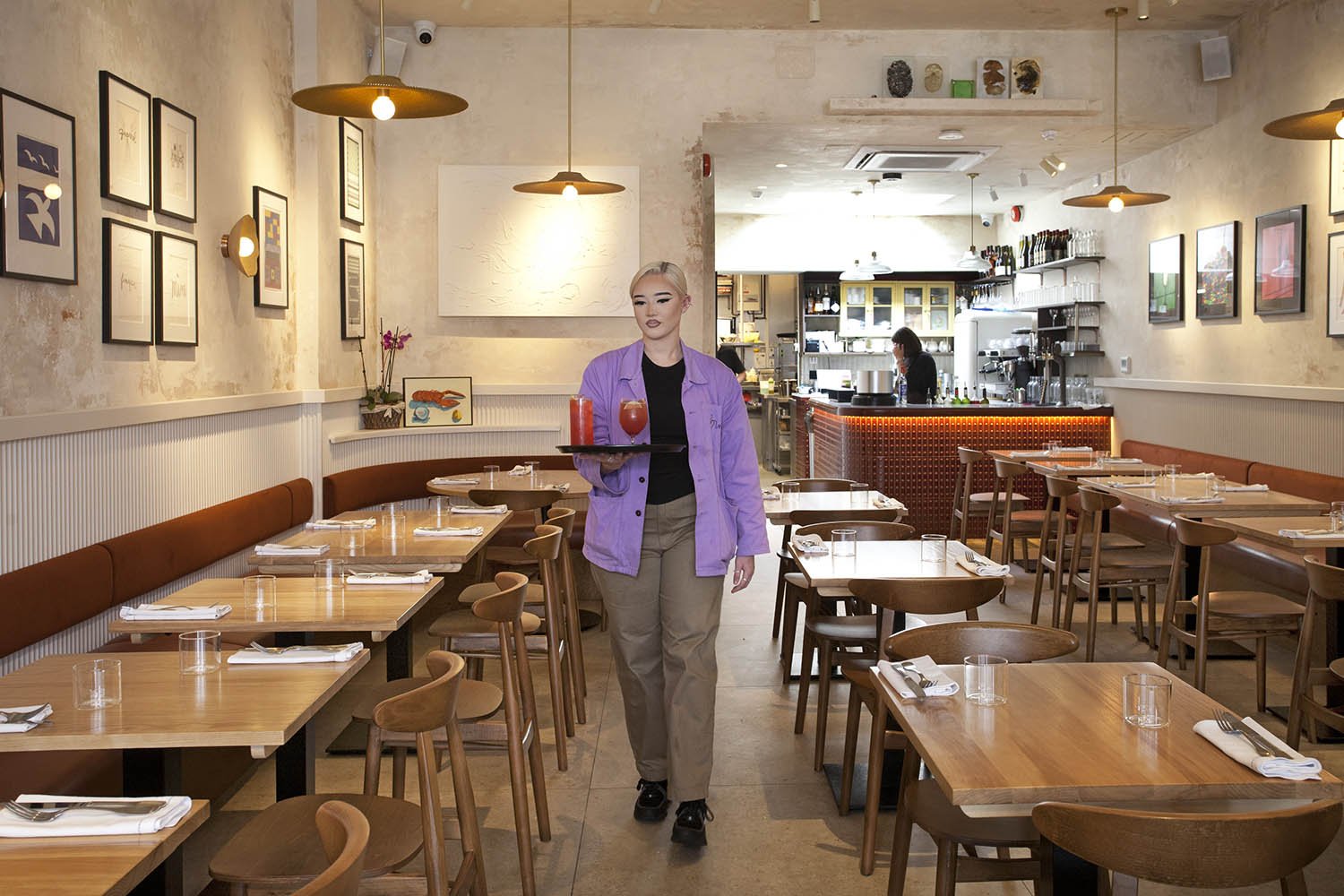
Warm and familiar with bifold doors letting in woodland air, modern art on raw plaster walls, long banquettes, and a homely contemporary feel amid lively laughter.