Myrtle
On a quiet Chelsea side street, Myrtle operates within a small but growing cohort of London restaurants that treat ethical sourcing and seasonal discipline as structural commitments rather than marketing positions. The kitchen draws on British produce with a focus on traceability and minimal waste, placing it in conversation with destination dining rooms like L'Enclume and Moor Hall that have made provenance the backbone of their menus.
Pearl is the En Primeur Club membership app — saves, bookings, and concierge access live there. Same editors, same standards.
- Address
- 1A Langton St, London SW10 0JL, United Kingdom
- Phone
- +44 20 7352 2411
- Website
- myrtlerestaurant.com
- Directions
- Get directions
 Saves & bookings on Pearl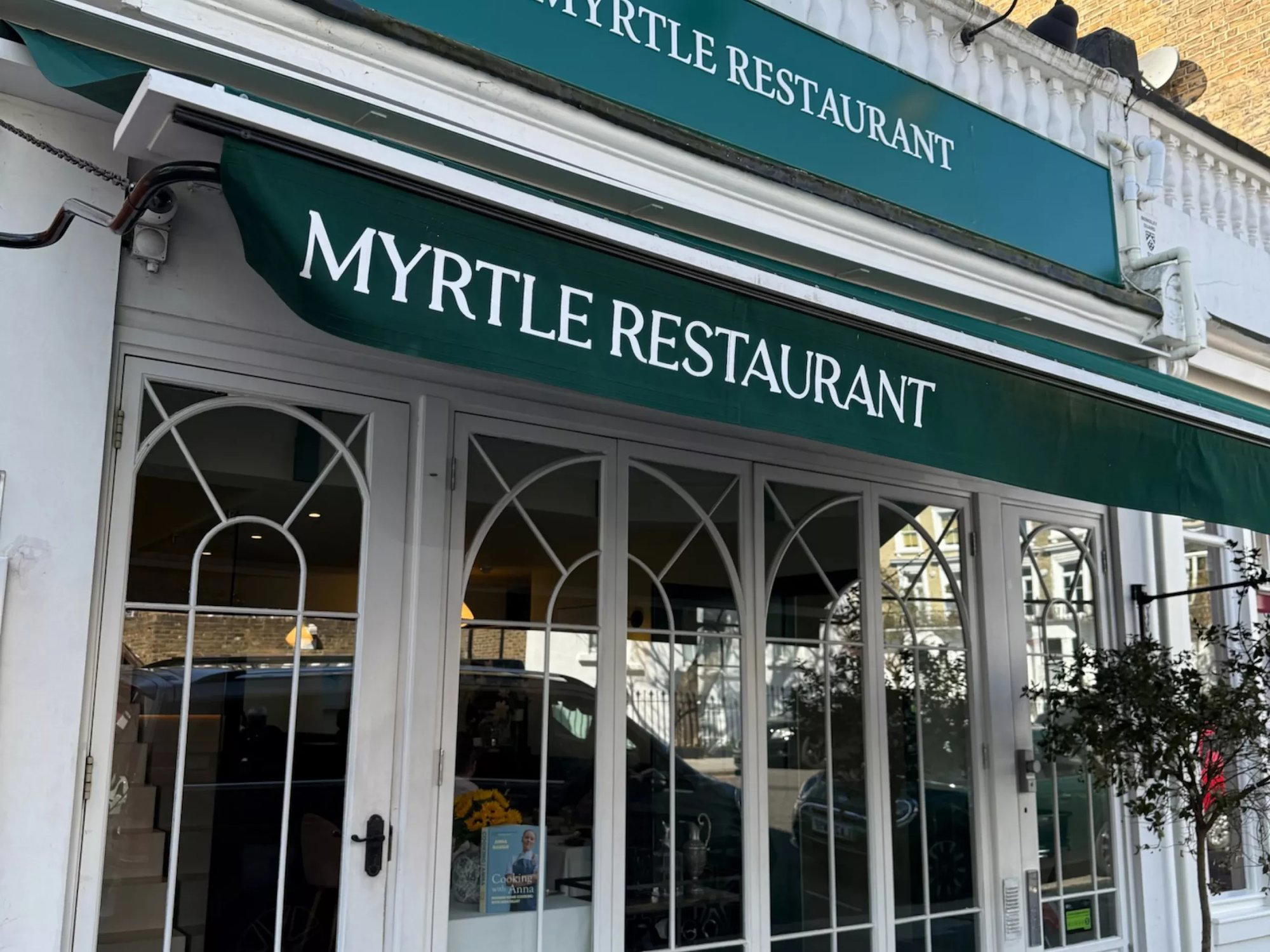
Chelsea's Quiet Argument for Sourcing Discipline
London's fine dining tier has spent the past decade splitting along a fault line that has little to do with cuisine type and everything to do with supply chain philosophy. On one side sit the grand European-lineage rooms, the tasting-menu institutions of Mayfair and Knightsbridge where classical technique and imported luxury ingredients remain the dominant grammar. On the other, a smaller, younger cohort has built its identity around British provenance, seasonal constraint, and an auditable relationship with the land. Myrtle is a restaurant in Chelsea, London, serving Modern Irish Fine Dining at about $100 per person. Myrtle, on Langton Street in Chelsea's SW10 pocket, belongs to the second group.
That distinction matters more than it might initially appear. Restaurants that commit structurally to seasonal British sourcing accept a constraint that shapes every operational decision: menus must rotate not quarterly but as supply dictates, ingredient substitution is limited by geography rather than budget, and the kitchen's identity is tied to what British growers, fishers, and farmers can actually deliver. The result, when it works, is a coherence that ingredient-agnostic kitchens rarely achieve. When it doesn't, the gaps show. Myrtle's position in Chelsea, a neighbourhood more associated with polished European cooking than with farm-to-table austerity, makes it an interesting case study in whether that philosophy travels beyond its natural habitat in the rural North.
The Sustainability Frame: More Than Seasonal Menus
The word 'sustainable' has been so broadly applied across London restaurant marketing that it has lost most of its signal value. What separates credible sustainability practice from the decorative kind is specificity: named suppliers, measurable waste reduction, and menu structures that reflect scarcity rather than paper over it. The more rigorous end of British fine dining, venues like L'Enclume in Cartmel and Moor Hall in Aughton, have demonstrated that this approach can coexist with multi-star recognition, largely because the discipline it imposes produces distinctive, place-specific food that cannot be easily replicated elsewhere.
Myrtle operates within that same ethical framework, translated to a London context. The address on Langton Street places it in a residential Chelsea corridor that sits apart from the King's Road's denser restaurant strip, which means the room is not pulling casual footfall. The guests who find it tend to be there deliberately, which shapes the dynamic of the service and the expectations around the menu. London's broader fine dining comparison set, CORE by Clare Smyth, The Ledbury, Dinner by Heston Blumenthal, operates at price points and visibility levels that create a different set of pressures. Myrtle's scale and neighbourhood positioning allow for a quieter, more considered register.
British Produce as the Central Argument
The broader movement Myrtle represents has deep roots in British culinary history, even if its current form looks forward. The tradition of building menus around what the seasons of the British Isles can provide, game in autumn, root vegetables through winter, coastal fish along eastern and northern shores, soft fruit in the brief northern summer, was, before the era of global supply chains, simply how serious British kitchens operated. The revival of that practice, now self-conscious and philosophically articulated, is one of the more significant shifts in the country's restaurant culture over the past fifteen years.
Places like Gidleigh Park in Chagford and Le Manoir aux Quat' Saisons in Great Milton built early versions of this model around kitchen gardens and rural proximity. The Fat Duck in Bray and Hand and Flowers in Marlow took it in different directions, one toward culinary experimentation, the other toward refined pub cooking with serious sourcing. What Myrtle adds to this map is a Chelsea address and an implicit claim that the sourcing-led model works as well in an urban neighbourhood room as it does in a country house or rural village setting. That claim is tested every service.
The Chelsea Context
SW10's relationship with serious dining is longer and more layered than the neighbourhood's residential reputation might suggest. Chelsea has supported destination-level cooking for decades, though it operates differently from the Michelin-concentrated corridors of Mayfair or the chef-as-celebrity axis of Knightsbridge. Langton Street in particular is the kind of address that suits a small, precise restaurant: low traffic, residential scale, close enough to the Fulham Road to draw from its dining catchment without competing directly with its higher-visibility rooms.
The comparison that positions Myrtle most accurately is not with its Chelsea neighbours but with its philosophical peers across London and the country. Restaurant Gordon Ramsay and Sketch's Lecture Room and Library represent one pole of London fine dining: classical French-European luxury, high production value, imported ingredients as a marker of quality. Myrtle represents a different pole: local constraint as a positive discipline, the season's limitations treated as creative parameters rather than obstacles. Both poles can produce strong cooking. They are simply making different arguments about what fine dining is for.
For comparison at a transatlantic scale, the contrast is even sharper: rooms like Le Bernardin in New York City or Atomix operate within entirely different sourcing philosophies and cultural contexts, making Myrtle's specifically British and specifically ethical orientation all the more distinct in the global fine dining conversation.
When to Visit
The strongest case for visiting Myrtle falls in the shoulder seasons, when British produce is at its most expressive and the kitchen's sourcing commitments are most visible in the menu. Late spring, when British asparagus and early coastal fish are in supply, and autumn, when game and root vegetables define the larder, are the periods when the sourcing-led model produces its most coherent results. Midwinter, when British supply contracts sharply, tests the philosophy hardest and can produce either its most inventive or its most austere menus, depending on the kitchen's approach to scarcity.
Peers Worth Knowing
Comparable venues nearby, for context on price, style, and recognition.
| Venue | Cuisine | Price | Notes |
|---|---|---|---|
| MyrtleThis venue — the venue you are viewing | Modern Irish Fine Dining | $$$ | Not listed |
| Samaia Georgian Restaurant | Authentic Georgian | $$$ | Castelnau |
| The Owl & Monkey | Cocktail Bar with British Small Plates | $$$ | Earl's Court |
| Top Cuvee | Modern European Small Plates | $$$ | Highbury |
| Raw Press | Plant-Based Juice Bar & Healthy Cafe | $$ | Belgravia |
| Harrods Food Halls | Luxury Food Hall | $$$$ | Brompton |
Recognition history
Dated appearances from independent guides and award organizations, with the underlying list record or original source where available.
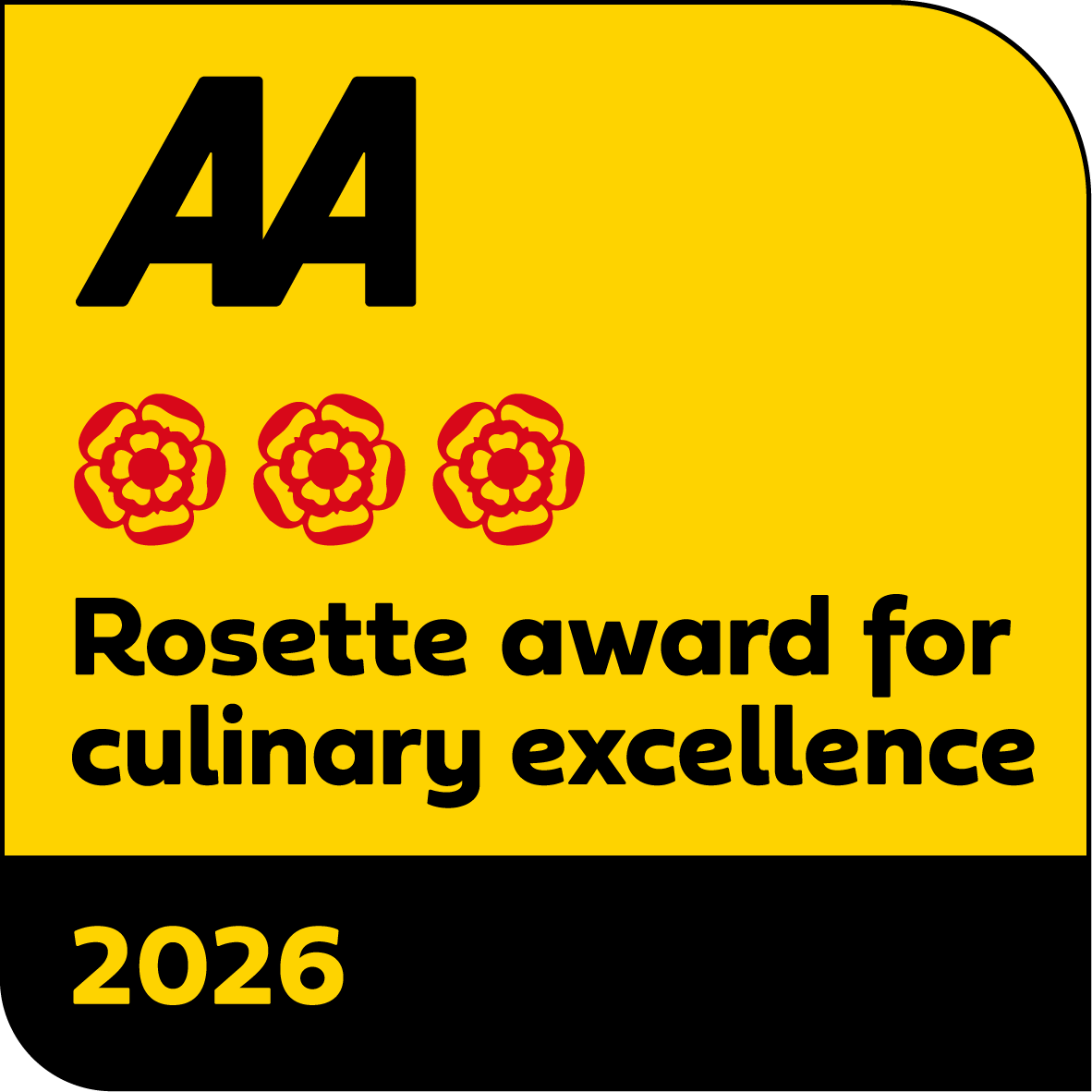
AA Rosettes 3 Rosettes
AA Rosettes
Continue exploring
More in London
Restaurants in London
Browse all →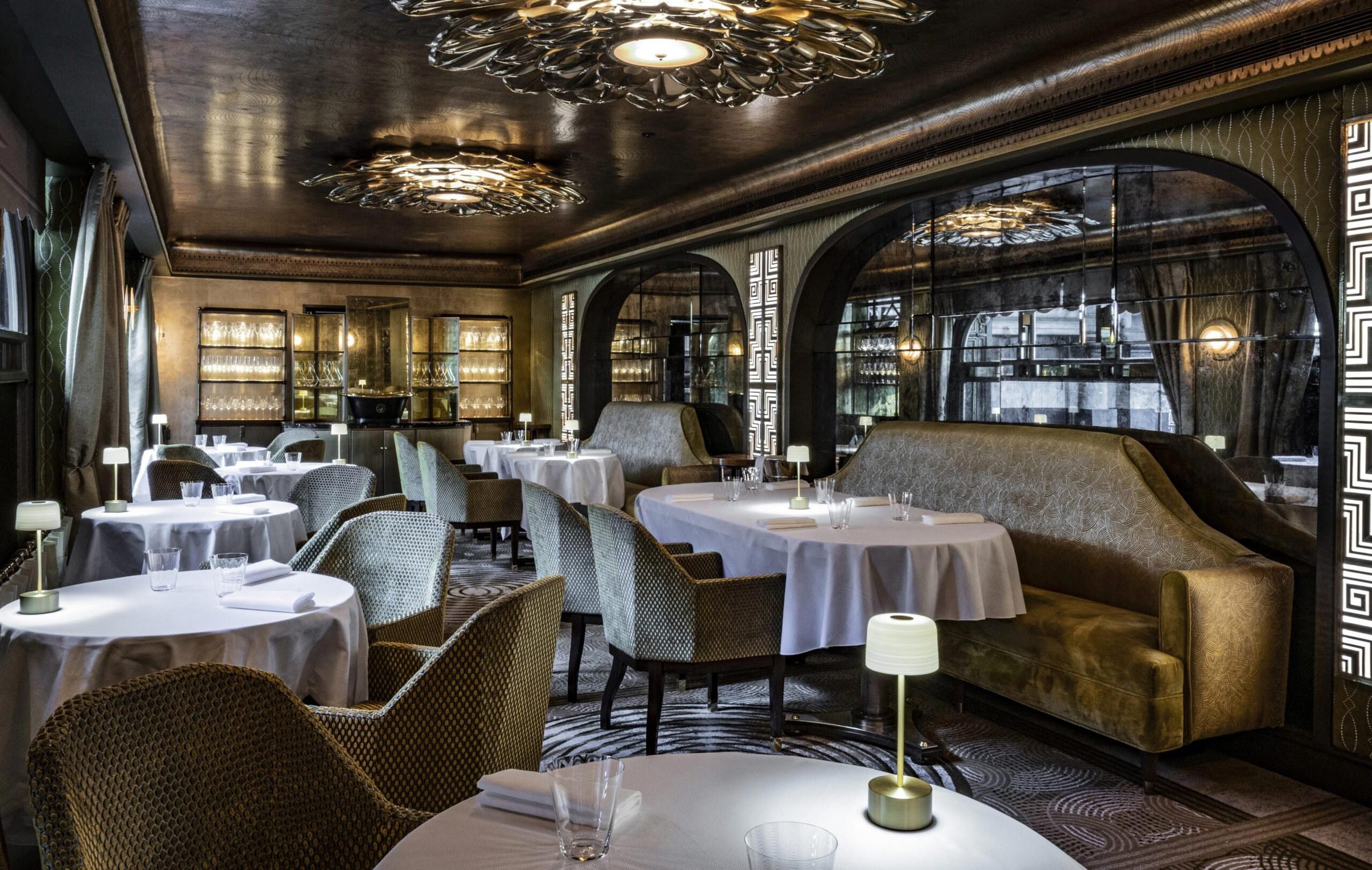
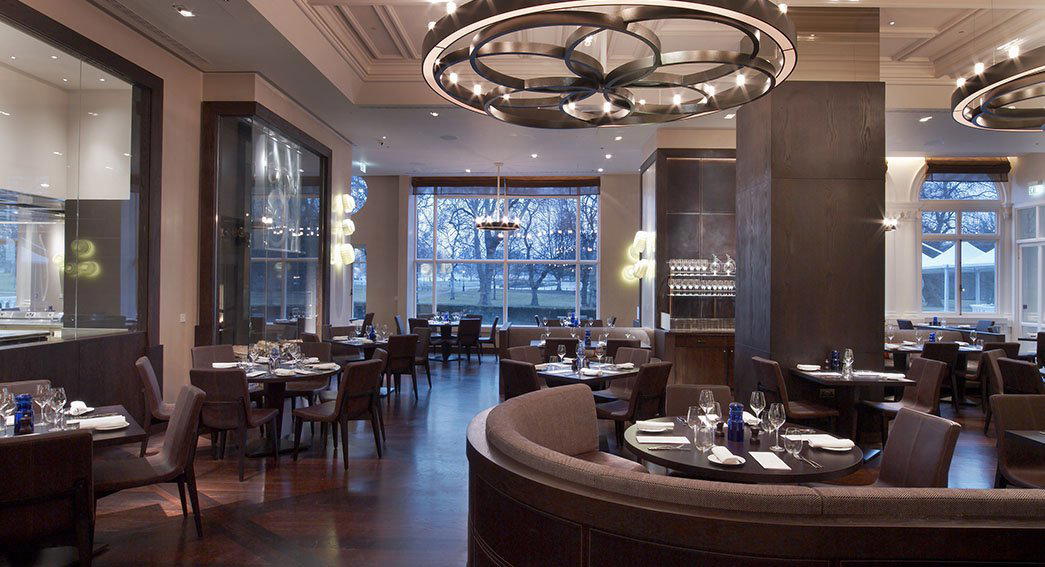
Bars in London
Browse all →
Hotels in London
Browse all →


At a Glance
- Intimate
- Cozy
- Elegant
- Rustic
- Date Night
- Special Occasion
- Celebration
- Private Dining
- Extensive Wine List
- Local Sourcing
Current opening hours
- Monday
- Closed
- Tuesday
- Closed
- Wednesday
- 6–9:45 PM
- Thursday
- 12–3 PM, 6–9:45 PM
- Friday
- 12–3 PM, 6–9:45 PM
- Saturday
- 12–3 PM, 5–9:45 PM
- Sunday
- Closed
Hours can change for holidays and private events. Last verified .
Intimate and cozy with a rustic Irish charm, relaxed atmosphere, light and airy upstairs, warm attentive service.