Enotria

Falstaff Winery - Listed
Enotria belongs to London’s trade side of wine culture: distribution, portfolio curation and education rather than cellar-door tourism. Founded in 1972 as an Italian specialist importer, it now works across wine and spirits with a large global portfolio, WSET training and sustainability credentials that matter more to sommeliers and buyers than to casual walk-ins.

Pearl is the En Primeur Club membership app, where members save venues, book tables and use the concierge.

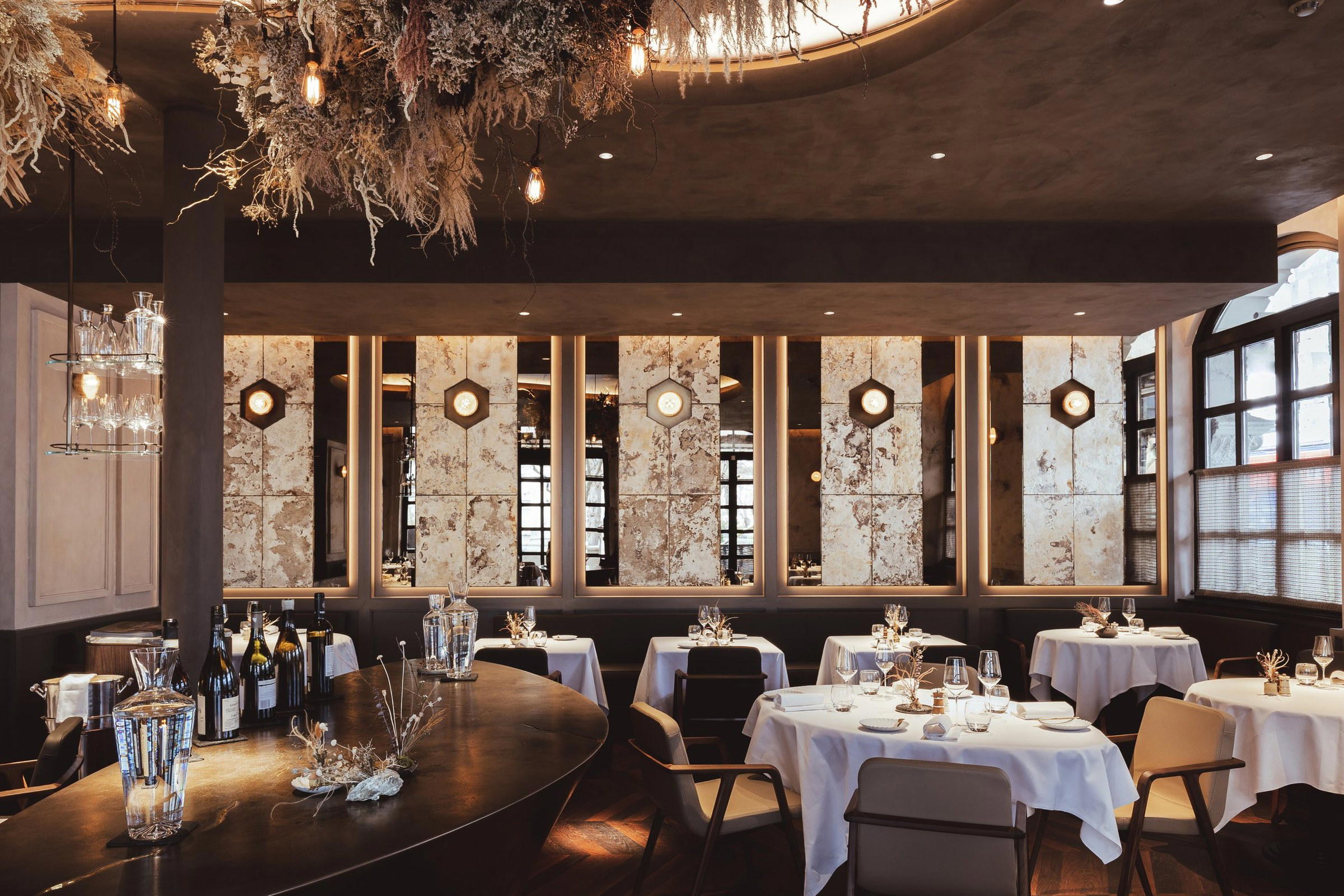
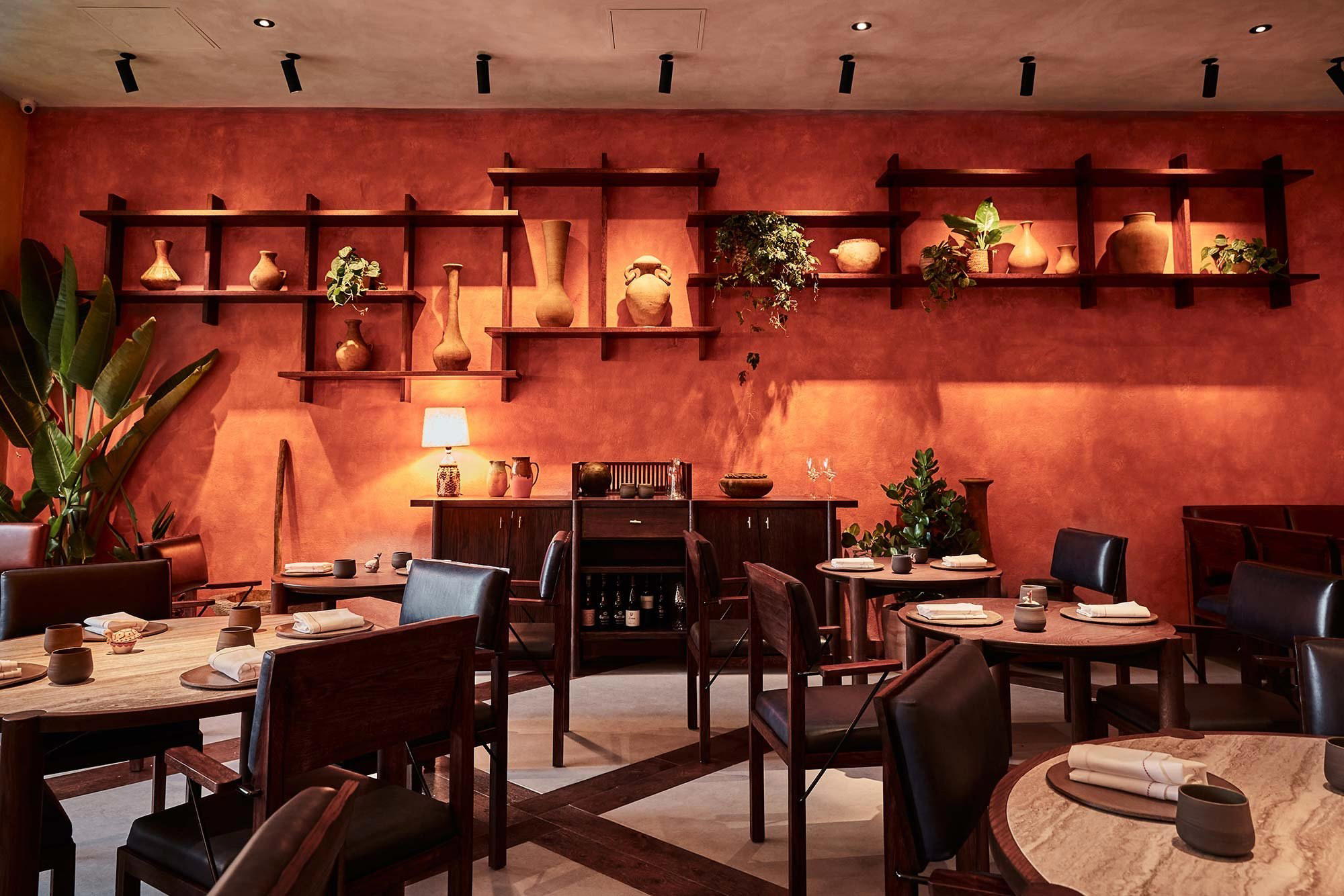
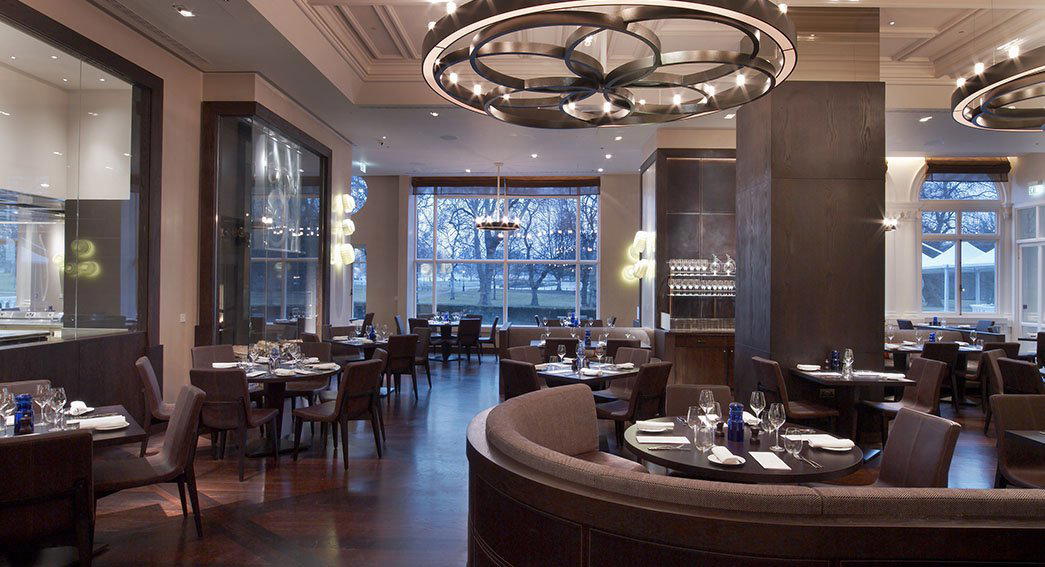
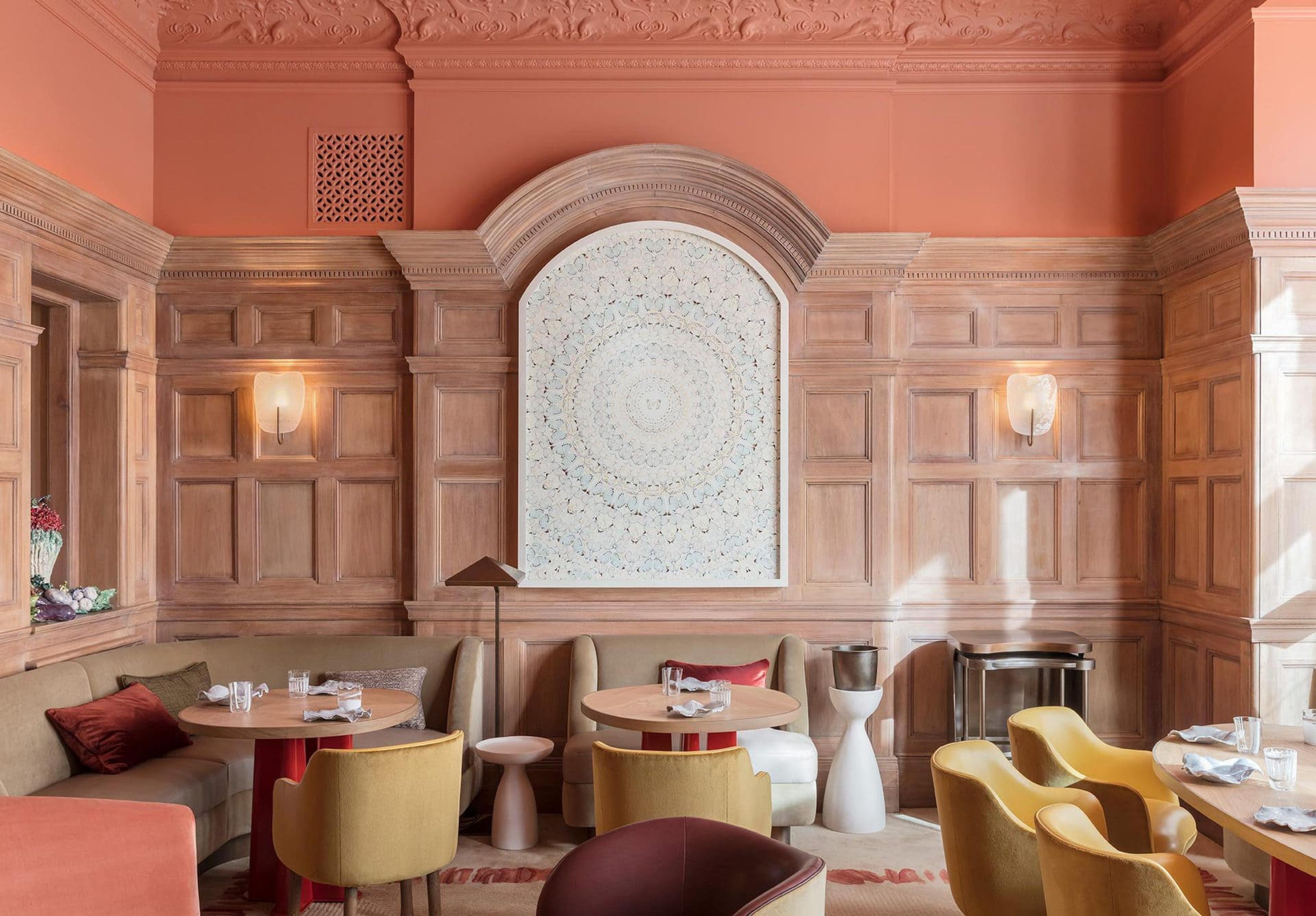
Approach Enotria in London as a professional, trade-focused distribution environment rather than as a consumer-facing winery visit. The picture is deliberately limited, but the available information points to a modern yet classic, industry-oriented atmosphere rooted in heritage, discovery and sustainability. That combination gives the venue its most useful frame: not a place to describe through the usual language of public tastings, walk-in hospitality or destination leisure, but through the quieter, more structured world that sits behind London’s restaurants, bars and wider hospitality trade.
The safest way to understand Enotria is as part of London’s wider professional hospitality infrastructure. The emphasis is on a professional setting rather than a casual leisure venue, with a premium price signal listed as $$$. Beyond that, specific claims about menus, appointments, training, portfolio size, ownership, founding dates, address details or public visitor services should not be treated as confirmed here. In practical terms, this means the description should stay focused on positioning and atmosphere rather than stretching into details that the available information does not support.
London distribution culture, not a public venue profile
Enotria is best framed through its London context and its trade-focused character. The description does not support presenting it as a vineyard, restaurant, bar, cellar door or public tasting room. Instead, it suggests a professional environment connected to distribution and industry-facing activity. That places it in a different category from the kinds of venues travellers might browse for a relaxed glass, a hosted tasting, or a food-led experience.
That distinction matters for expectations. Visitors should not assume a consumer-facing winery experience, a particular drinks list, a specific tasting format or a walk-in hospitality model unless those details are confirmed directly by the venue. What can be said is that the brand projects a modern yet classic tone, with emphasis on heritage, discovery and sustainability. Those words suggest a balance between continuity and forward movement: a respect for established wine culture, paired with an interest in exploration and contemporary values.
The grounded takeaway is atmosphere and positioning, not a detailed public-visit itinerary. Enotria should therefore be read less as a stop to plan around in the ordinary tourist sense, and more as a reference point for the professional systems that help shape what London hospitality can offer.
Why the trade format changes the experience
The description points to a professional, trade-focused distribution environment. That makes Enotria different from venues built primarily around casual dining, public flights or spontaneous leisure visits. The tone should be understood as industry-oriented rather than tourist-led, with an implied focus on trade relationships, selection, presentation and the business side of drinks culture rather than on an openly public hospitality format.
Because the available facts are narrow, practical details should remain general. The confirmed price signal is $$$, and the setting is best described as professional, modern and classic. The price signal supports the impression of a premium environment, but it should not be converted into assumptions about specific costs, services or buying options. It is simply one piece of context that reinforces the idea of a serious, polished trade setting.
Sustainability is part of the brand emphasis, but the exact initiatives, certifications or awards are not confirmed here. It is therefore more accurate to describe sustainability as a stated part of the brand’s positioning rather than to attach recognitions or operational details. The same caution applies to discovery and heritage: they are useful tonal markers, but they should not be expanded into claims about particular producers, regions, collections or programmes.
This is where restraint is important. A trade-focused distribution environment can be central to a city’s dining and drinking culture without functioning like a public venue.
How to place Enotria within a London itinerary
For travellers or industry readers, Enotria is best approached as context for London’s professional distribution landscape rather than as a conventional public stop. The guide can confirm London as the location, a $$$ price signal and a professional trade-focused atmosphere. That is enough to establish its general character, but not enough to promise a visit, recommend a particular experience or describe a service model.
Use Enotria as a lens on the industry side of London hospitality: a place associated with distribution, heritage, discovery and sustainability rather than a consumer-facing winery format. For everything beyond that, including visits, access and services, direct confirmation from the venue is necessary. Readers who are trying to understand the broader ecosystem may find the reference useful precisely because it points away from the front-of-house experience and toward the professional structures that support it.
In short, Enotria belongs in the London conversation as a polished, trade-facing name with a modern yet classic atmosphere and a premium signal. It should not be over-described as a public attraction. Kept within those boundaries, the profile remains accurate, useful and appropriately measured.
Recognition history
Dated appearances from independent guides and award organizations, with the underlying list record or original source where available.
Falstaff Winery - Listed
Falstaff
Continue exploring
More in London
Wineries in London
All wineries in London →

Bars in London
All bars in London →
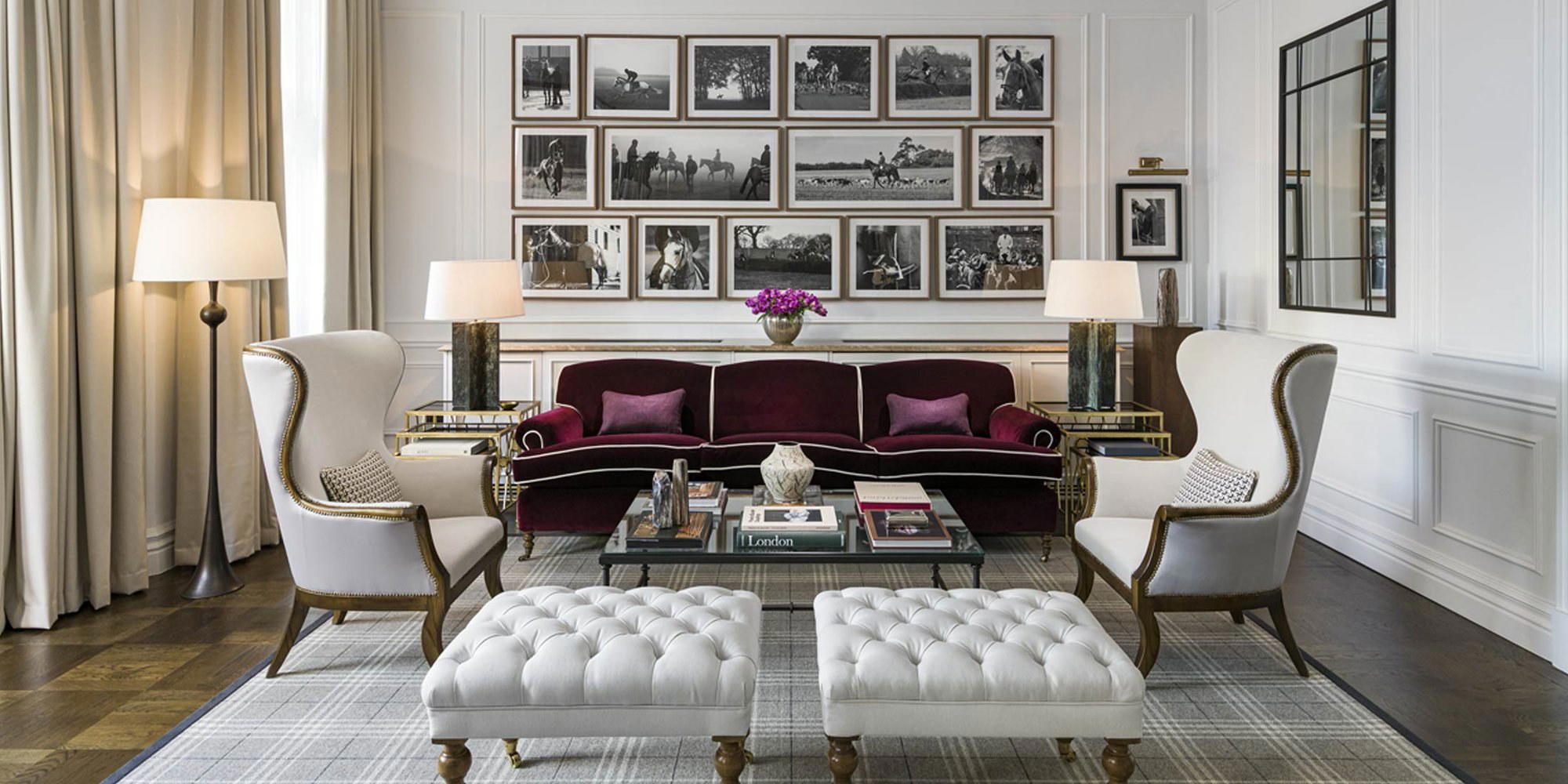
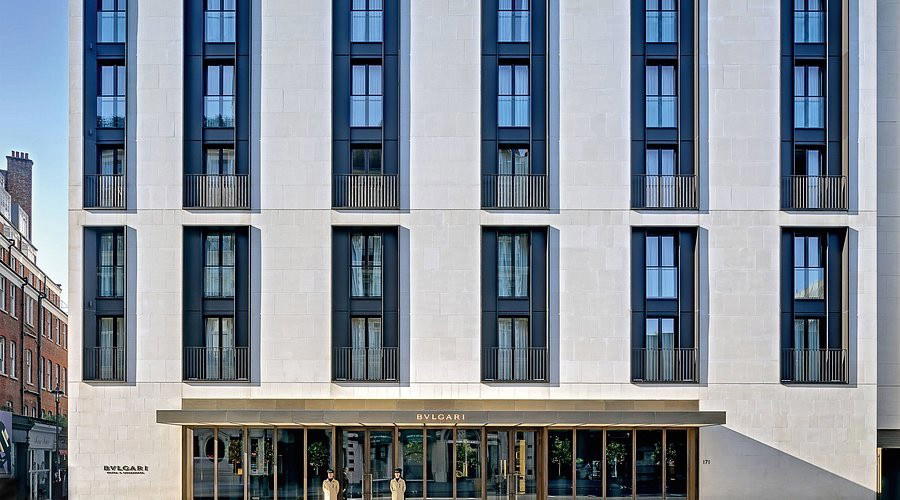
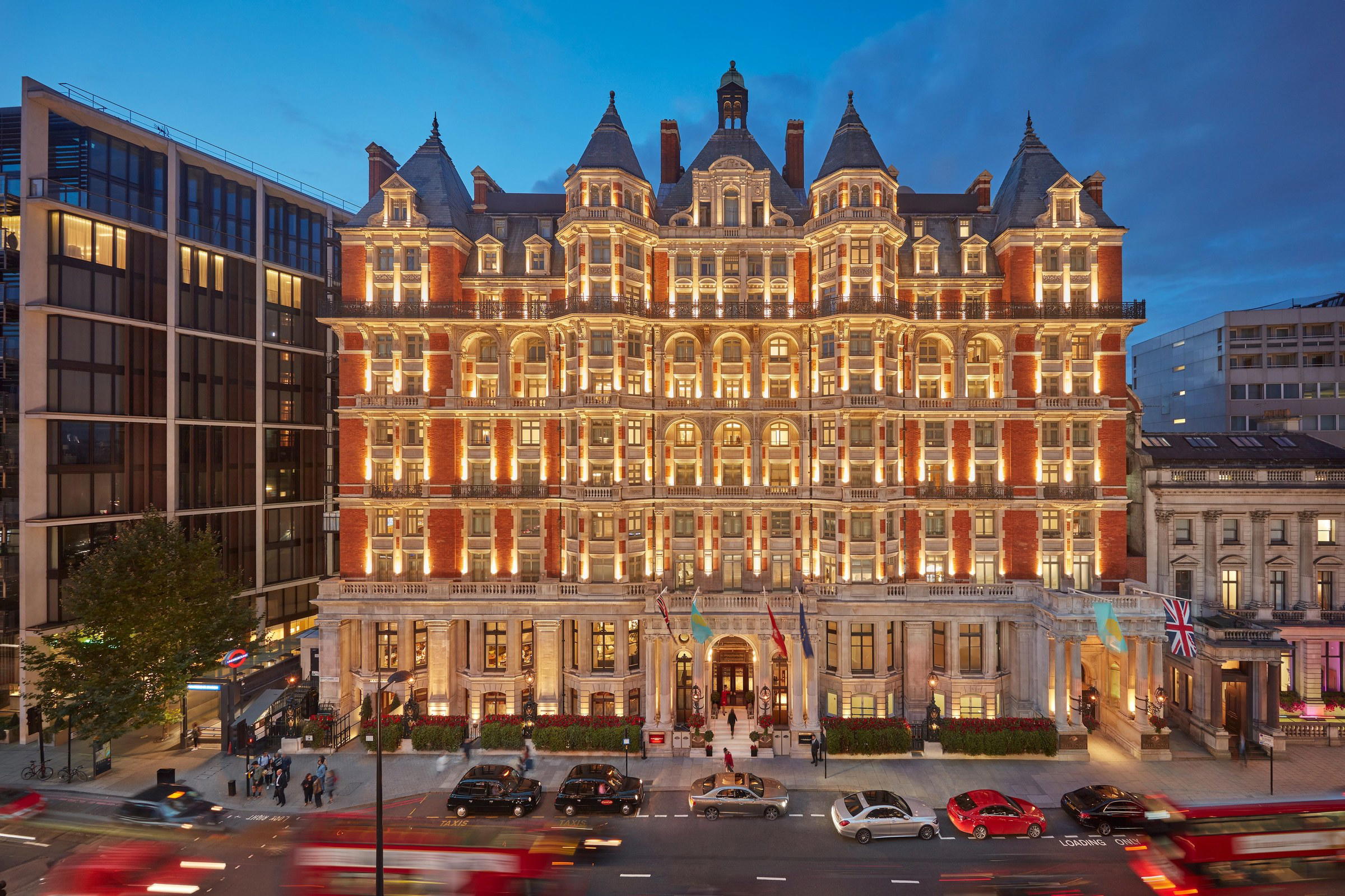
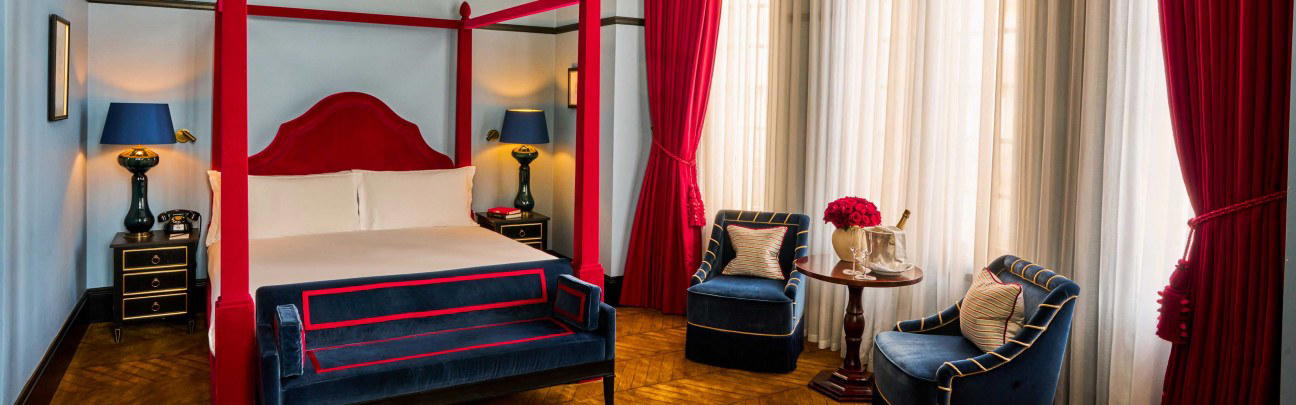
Details
- Modern
- Classic
- Sophisticated
- Industrial
- Well Known
- Corporate Event
- Wine Education
- Group Outing
- Private Tasting
- Sustainable
- Still Red
- Still White
- Still Rosé
- Sparkling
- Dessert
- Fortified
- Trade Tastings
- Portfolio Tastings
- Educational Tastings
Current opening hours
- Monday
- 9 AM–5 PM
- Tuesday
- 9 AM–5 PM
- Wednesday
- 9 AM–5 PM
- Thursday
- 9 AM–5 PM
- Friday
- 9 AM–5 PM
- Saturday
- Closed
- Sunday
- Closed
Hours can change for holidays and private events. Hours as of .
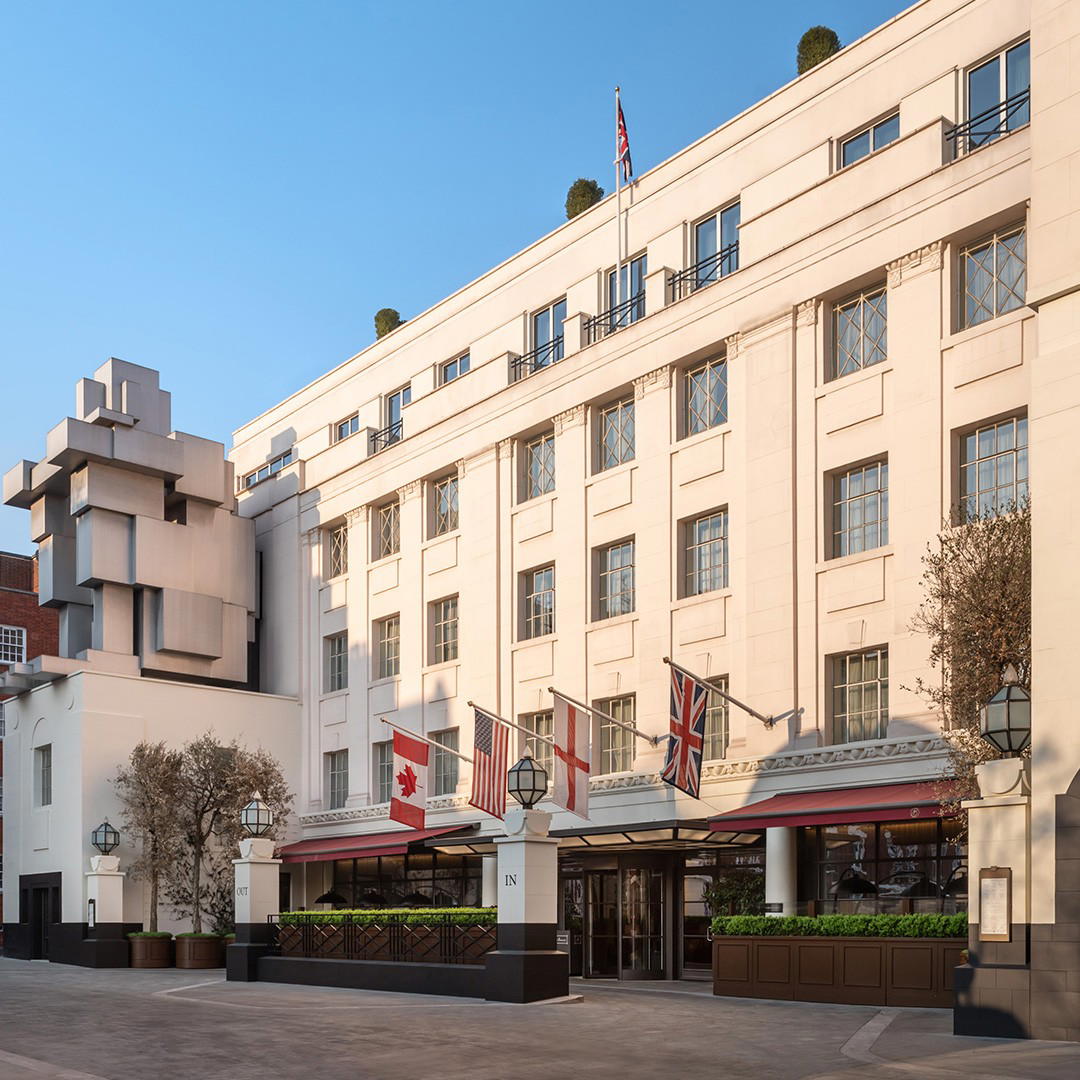
Professional, trade-focused distribution environment rather than a consumer-facing winery; the brand emphasizes heritage, discovery, and sustainability, projecting a modern yet classic, industry-oriented atmosphere rooted in long-standing relationships with producers and hospitality partners.