The Terrace by Pommery
Pommery's champagne heritage meets the theatre district at The Terrace by Pommery on Irving Street, where the storied Reims house extends its reach into London's West End. The venue sits at the intersection of fine champagne culture and London's appetite for branded luxury experiences, offering a reference point for those tracing how heritage champagne houses have moved beyond the bottle and into physical hospitality.
Pearl is the En Primeur Club membership app — saves, bookings, and concierge access live there. Same editors, same standards.
- Address
- 21 Irving St, London WC2H 7RR, United Kingdom
- Phone
- +442079151818
- Website
- radissonhotels.com
- Directions
- Get directions
 Saves & bookings on Pearl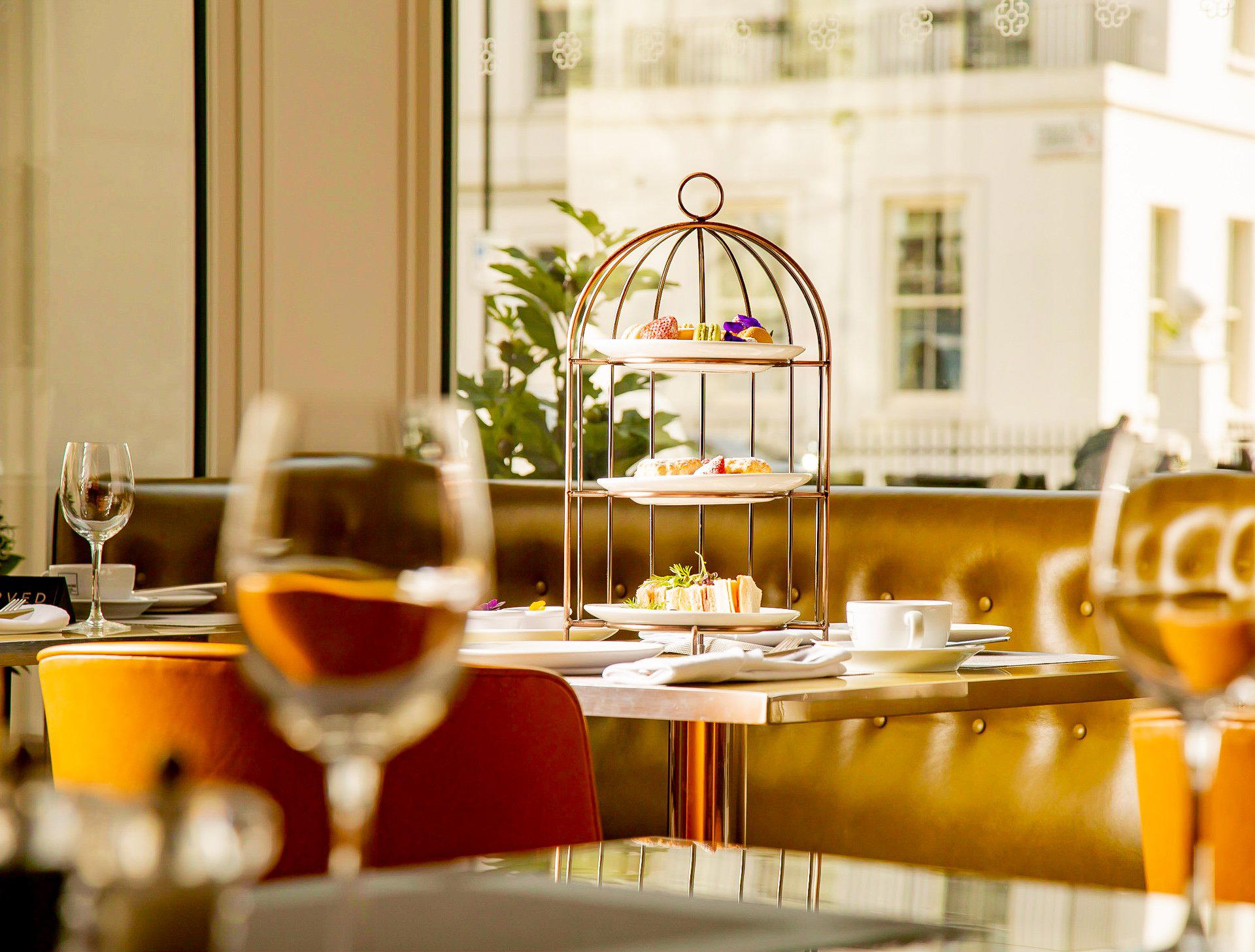
Champagne Houses on the Move: How Pommery Landed in the West End
The expansion of champagne houses into branded hospitality is not a recent phenomenon, but it has accelerated in the past decade. Houses such as Pommery, with roots in Reims dating to 1836, have long understood that the bottle alone does not build the relationship that sustains a luxury brand across generations. Physical venues, from cellar experiences at the domaine to urban terraces in capital cities, have become a deliberate extension of that relationship-building. The Terrace by Pommery, at 21 Irving Street in London's West End, sits within that strategic arc: a champagne-led hospitality format positioned in one of the city's highest-footfall cultural corridors, steps from Trafalgar Square and the Leicester Square theatre district.
Irving Street occupies a useful middle position in the West End's dining and drinking geography. It is close enough to the tourist intensity of Leicester Square to benefit from constant passing trade, yet sufficiently removed to attract the pre-theatre and post-gallery visitor who wants a more considered setting than a chain bar. For a champagne house placing a venue in London, that positioning matters: the likely guest is not a first-time visitor to London, but someone with a relationship to wine culture who has made a specific choice.
The Cultural Weight Behind the Label
Pommery's significance in champagne history sits well beyond branding. The house is credited, through the work of Madame Louise Pommery in the nineteenth century, with establishing the fashion for dry champagne in Britain, a development that reshaped how Champagne was produced and perceived across export markets. Before her push for Brut styles in the 1870s, champagne was predominantly sweet, dosed heavily for British and Russian tastes. The shift toward drier, lower-dosage styles that Pommery helped catalyse is the direct ancestor of the Brut NV format that now dominates global champagne consumption.
That historical weight is not merely decorative context. When a house with that kind of category-shaping history places a branded terrace in a European capital, it is deploying institutional credibility. The Terrace by Pommery invites the guest to consume not just champagne but a narrative that runs from Reims to the present, through the cellars of the Crayères, through the nineteenth-century shift in British drinking culture, and into a glass on an Irving Street terrace. Whether the execution matches that lineage is a reasonable critical question, and one that depends on service intelligence, list curation, and the quality of the food pairing programme on offer.
Where This Format Sits in London's Drinking Scene
London's premium drinking market has shifted considerably since the mid-2010s. The city moved through a phase of speakeasy theatrics and experimental cocktail formats before arriving at a more settled, product-literate tier where the drink itself is expected to carry the experience. Champagne-forward venues fit neatly into that matured sensibility: they rely on the quality and heritage of the producer rather than on format novelty, and they attract a guest who is already oriented toward the category.
The Terrace by Pommery is not competing with the champagne lists at CORE by Clare Smyth or Sketch, The Lecture Room and Library, where champagne is one component of a comprehensive fine dining offer. Nor does it sit in the same tier as standalone wine bars pursuing producer diversity across multiple regions. Its comparable set is closer to brand-anchored hospitality: venues where a single house's range is the programme, and where the guest is choosing to spend time inside a particular producer's world. That format requires depth of range across the house's cuvées, knowledgeable floor staff who can articulate style differences and vintage character, and a food offer calibrated to let the champagne lead.
For context on London's wider fine dining register, the city's Michelin-starred restaurants such as Restaurant Gordon Ramsay, The Ledbury, and Dinner by Heston Blumenthal each maintain champagne programmes as part of larger wine lists. The Terrace inverts that logic, making champagne the primary axis and food the supporting element. That inversion is coherent for a house of Pommery's stature, but it demands that the champagne selection be genuinely comprehensive, ranging from the entry-tier Brut Royal NV through to prestige cuvées and any available vintage expressions.
Beyond London: The Broader UK Fine Dining Frame
For visitors whose itinerary extends beyond London, the UK's broader fine dining circuit provides useful comparison. Waterside Inn in Bray and Le Manoir aux Quat'Saisons in Oxford both maintain classical French-influenced wine programmes where champagne plays a formal role. Further north, L'Enclume in Cartmel and Moor Hall in Aughton work with more contemporary pairings. For those tracking UK restaurant wine culture in a single region, Gidleigh Park in Chagford, Hand and Flowers in Marlow, hide and fox in Saltwood, and Midsummer House in Cambridge each represent distinct regional inflections. Further afield, Opheem in Birmingham and Restaurant Andrew Fairlie in Auchterarder extend the map.
Internationally, the champagne-and-cuisine pairing conversation is most advanced in New York, where Le Bernardin has long demonstrated how precise seafood cookery and high-quality sparkling wine interact, and where Atomix represents a newer generation of tasting-menu formats with sophisticated beverage programmes. The restaurant operates in a different register from those venues, but the underlying logic of matching food intelligence to champagne quality applies across all of them.
Know Before You Go
- Address: 21 Irving Street, London WC2H 7RR
- Area: West End, steps from Trafalgar Square and Leicester Square
- Format: Champagne-led terrace experience; Pommery house range
- Booking: Walk-in friendly
- Context: Well-suited to pre-theatre visits given proximity to West End stages
Side-by-Side Snapshot
Comparable venues nearby, for context on price, style, and recognition.
| Venue | Cuisine | Price | Awards | Notes |
|---|---|---|---|---|
| The Terrace by PommeryThis venue — the venue you are viewing | Champagne Terrace with Small Plates | $$$$ | Not listed | Not listed |
| Disrepute | Cocktail Bar | $$$$ | Not listed | Soho |
| Satay House | Authentic Malaysian | $$$ | Not listed | Paddington |
| Myrtle | Modern Irish Fine Dining | $$$ | Not listed | Chelsea |
| Above | Modern British Fine Dining | $$$$ | Not listed | Bow |
| Sino | Modern Ukrainian | $$$$ | Michelin Plate | Notting Hill |


At a Glance
- Elegant
- Scenic
- Sophisticated
- Date Night
- Casual Hangout
- Terrace
- Hotel Restaurant
- Extensive Wine List
- Street Scene
Current opening hours
- Monday
- 12–10 PM
- Tuesday
- 12–10 PM
- Wednesday
- 12–10:30 PM
- Thursday
- 12–10:30 PM
- Friday
- 12–10:30 PM
- Saturday
- 12–10:30 PM
- Sunday
- 12–10 PM
Hours can change for holidays and private events. Last verified .
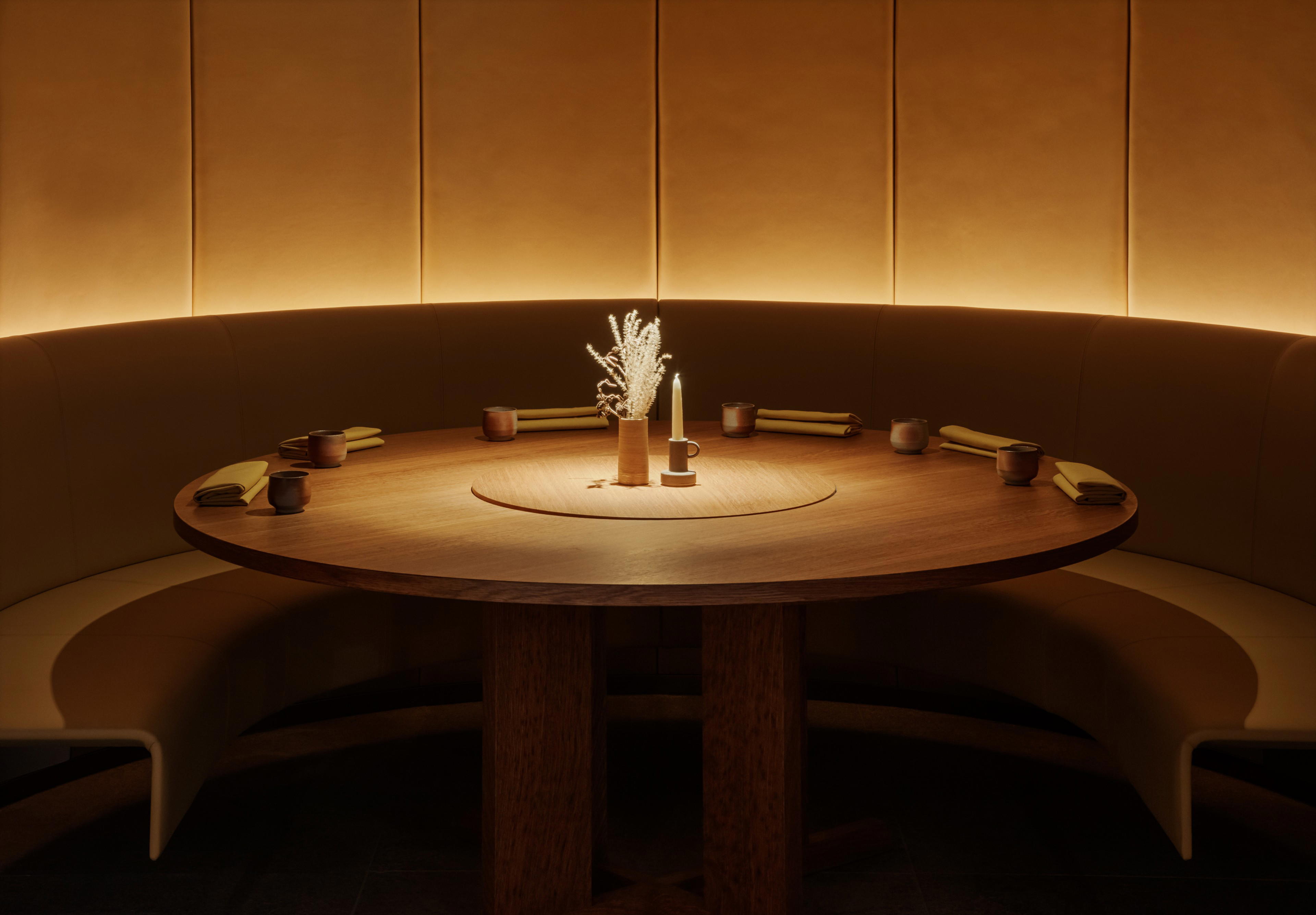
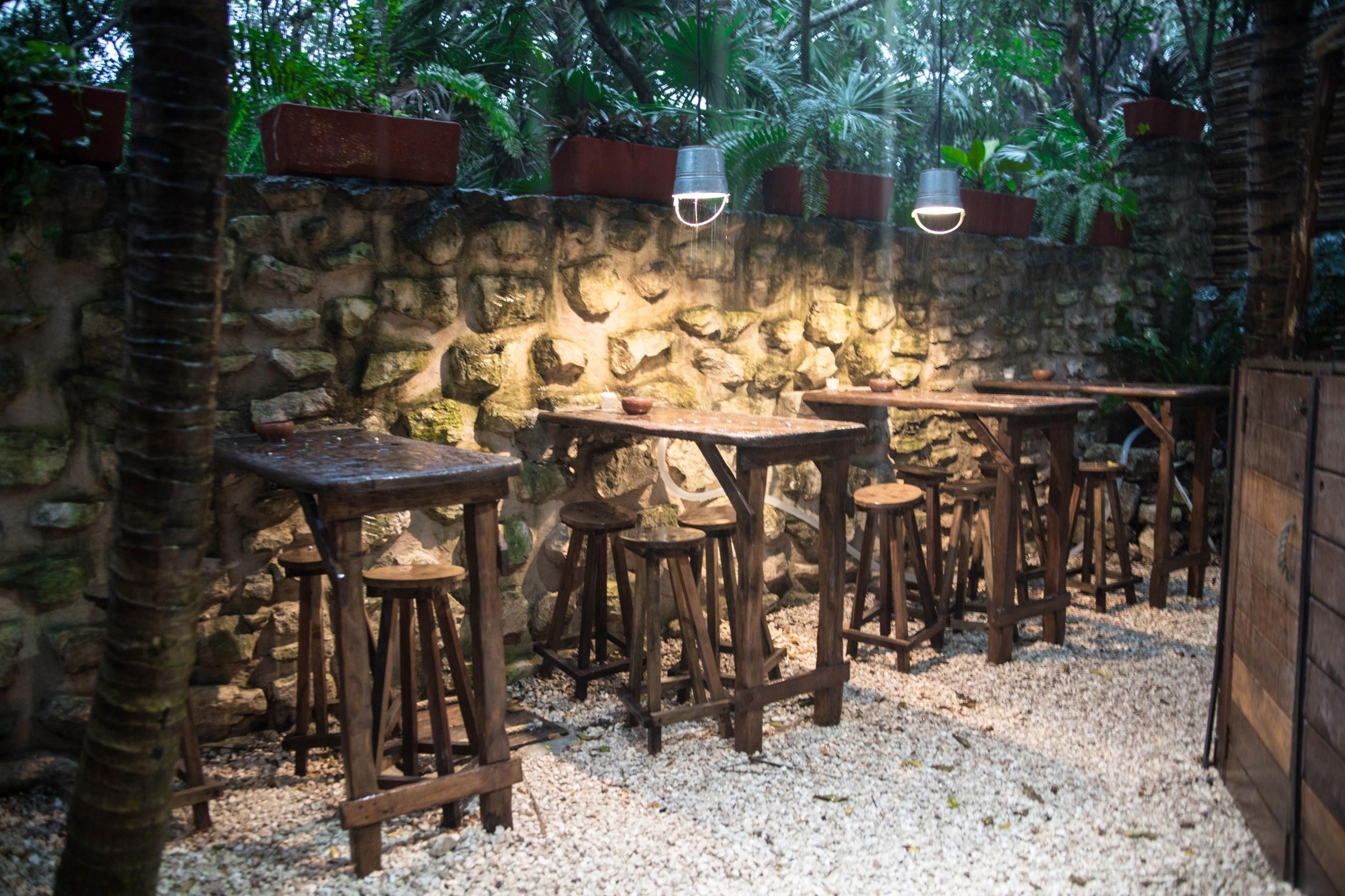
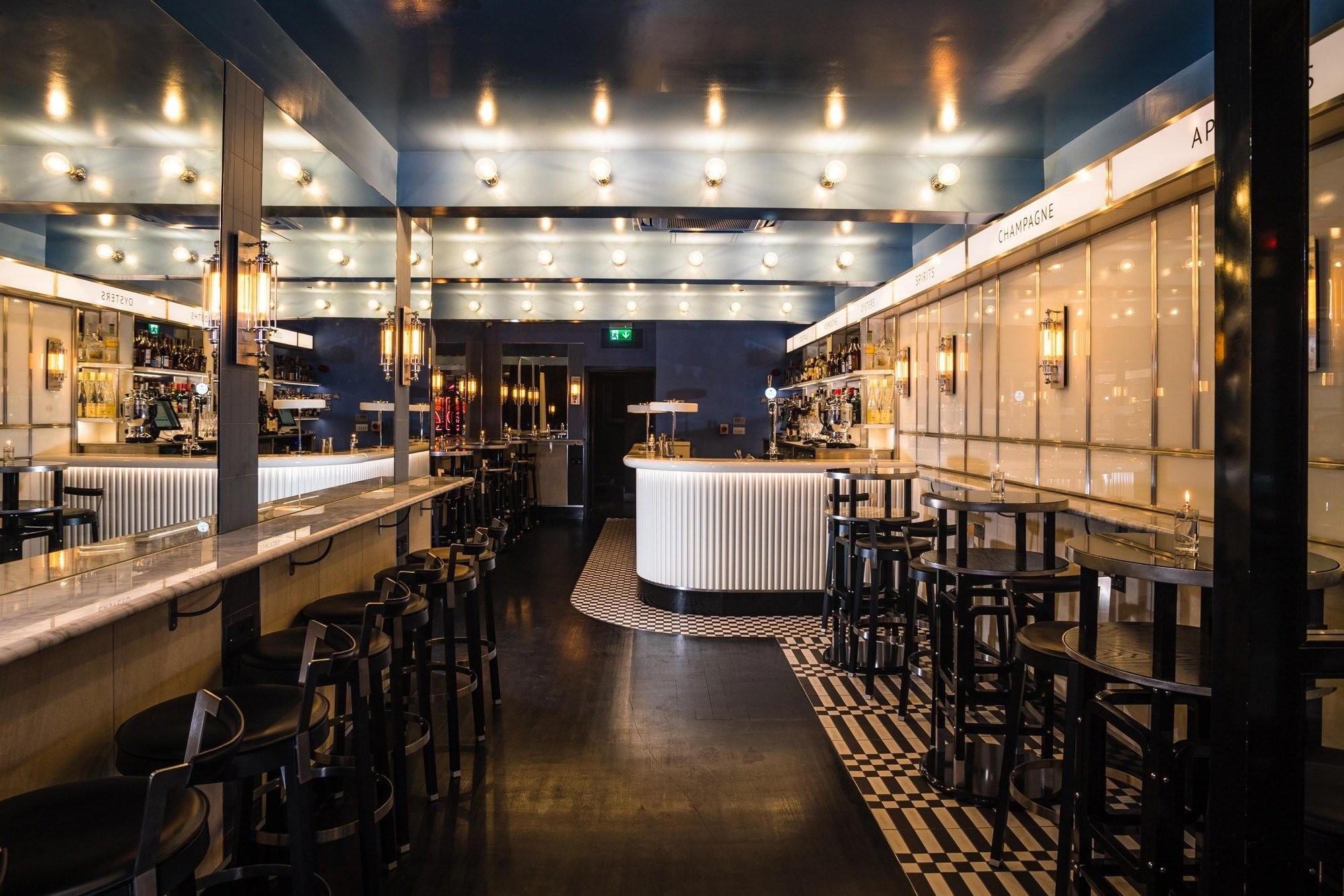
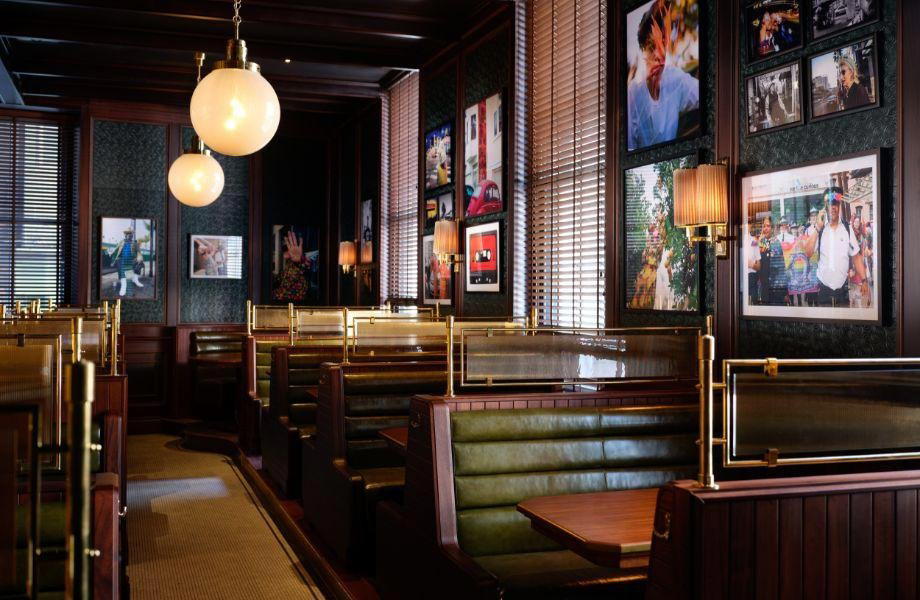
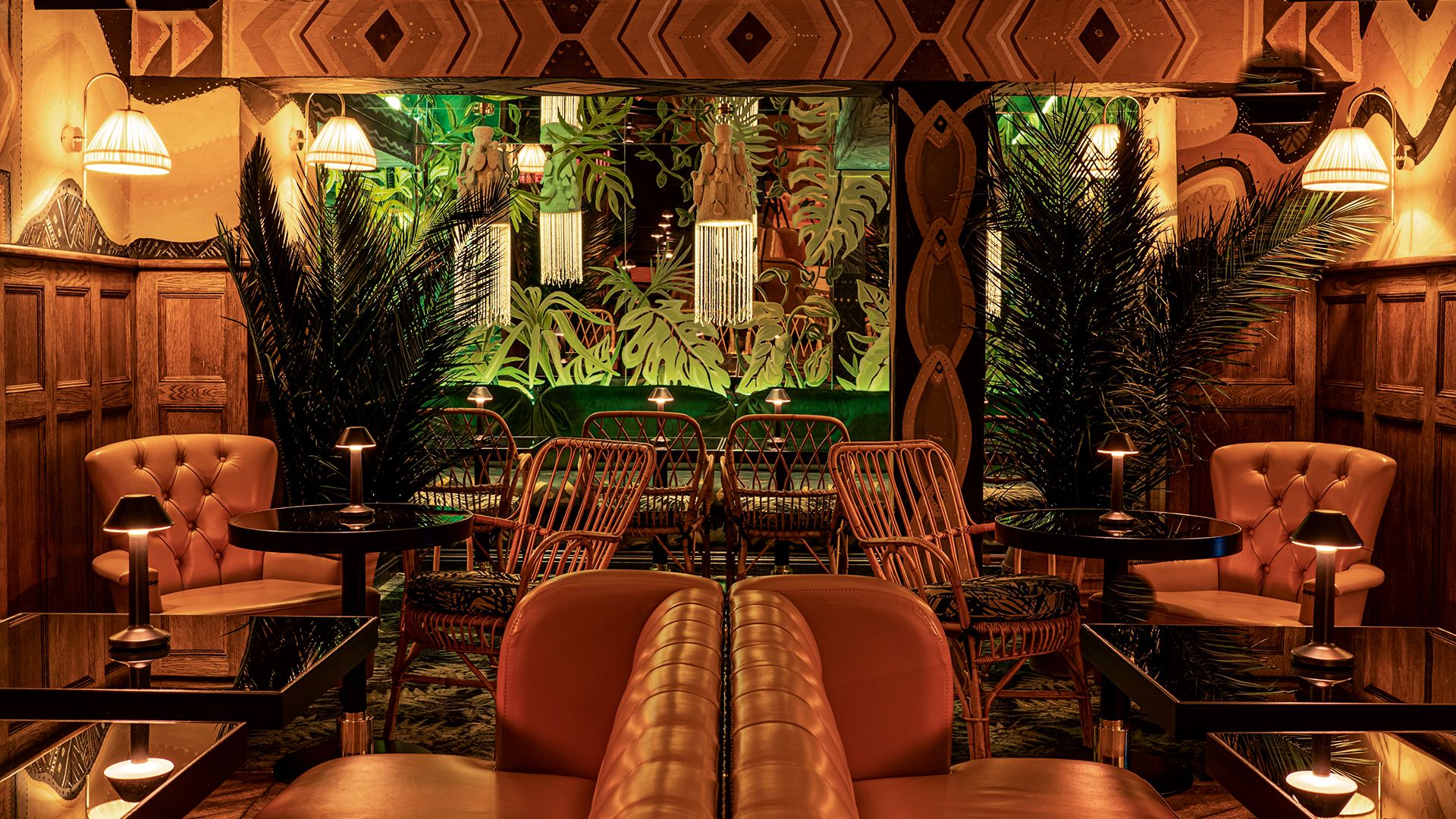
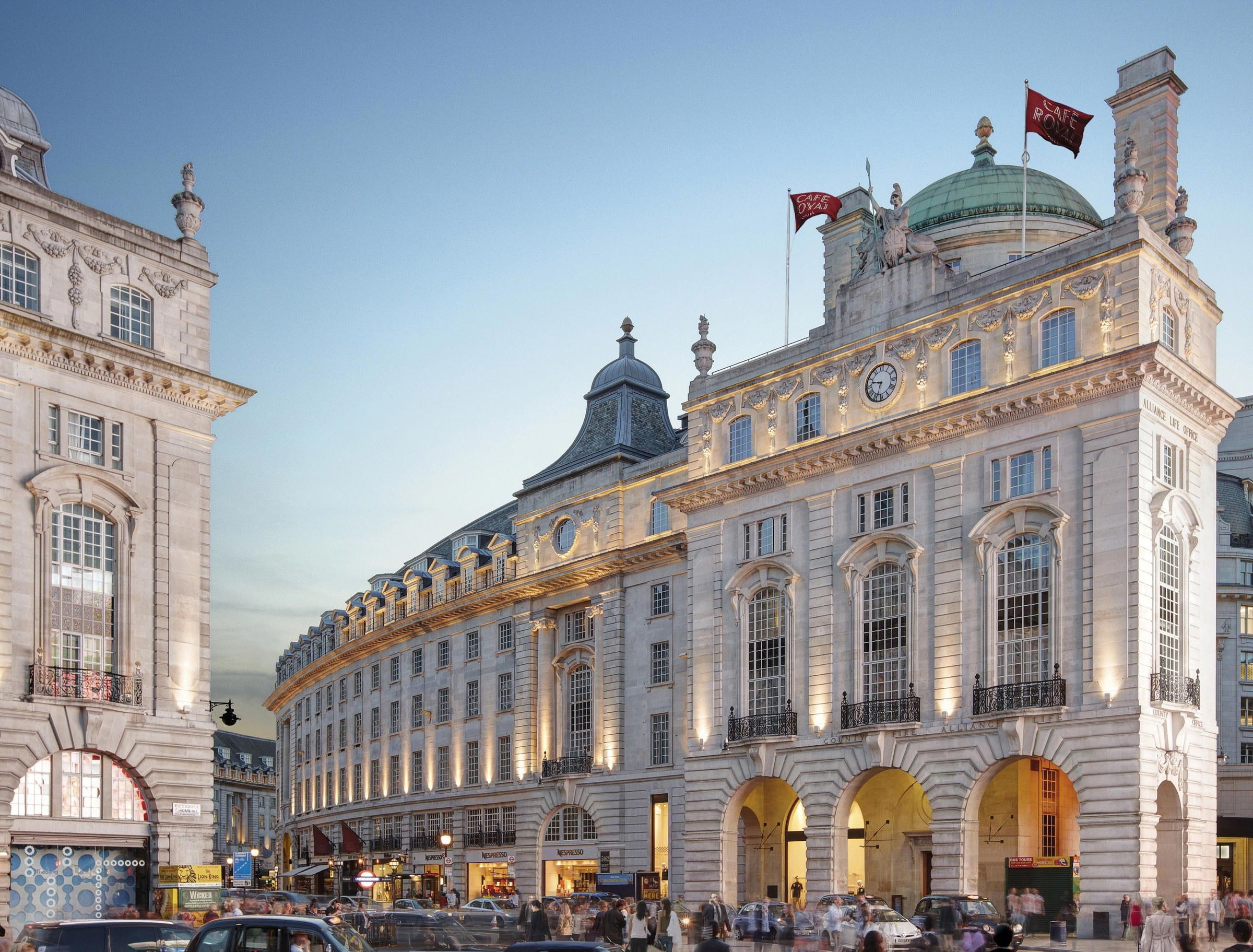
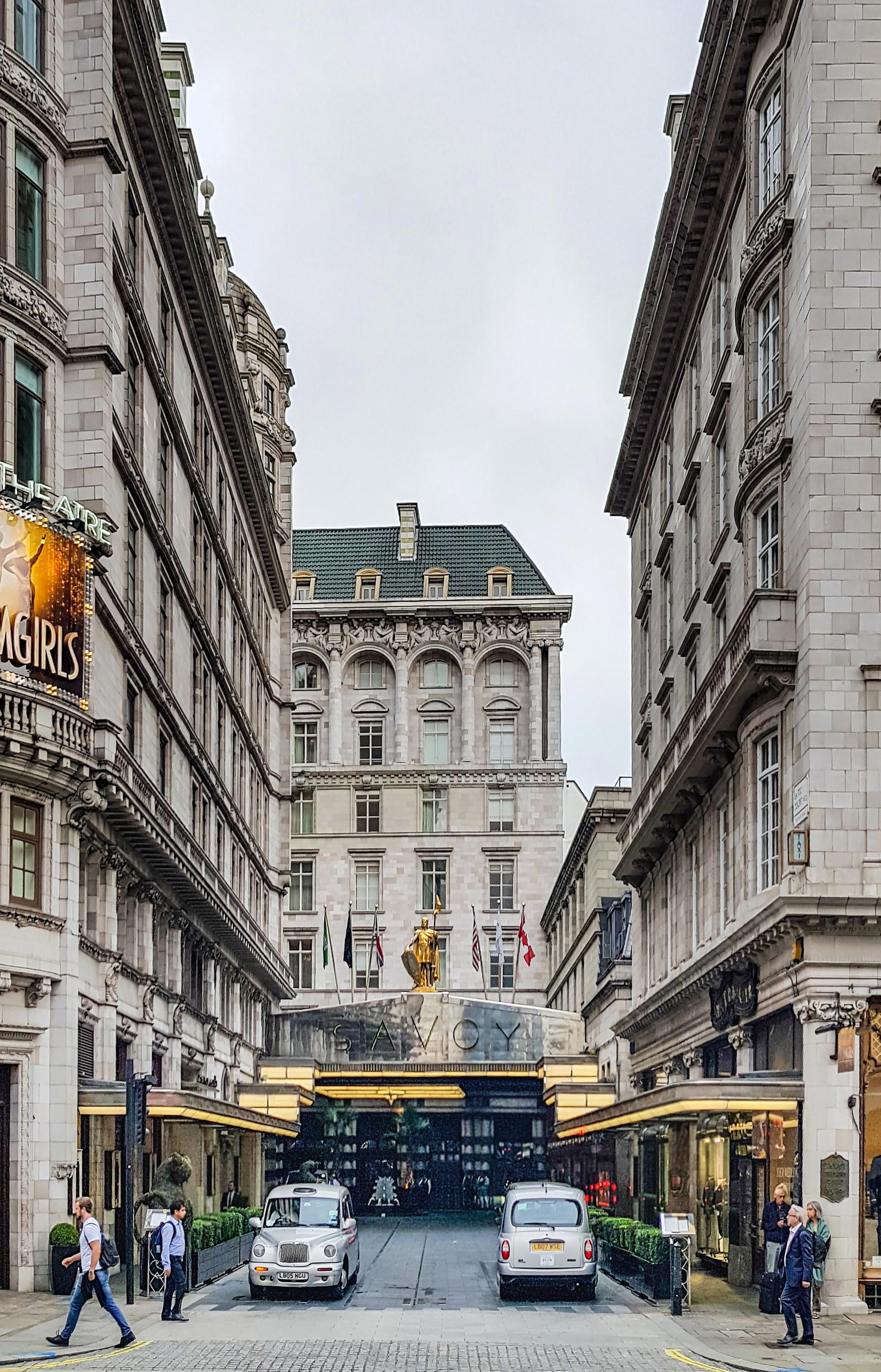
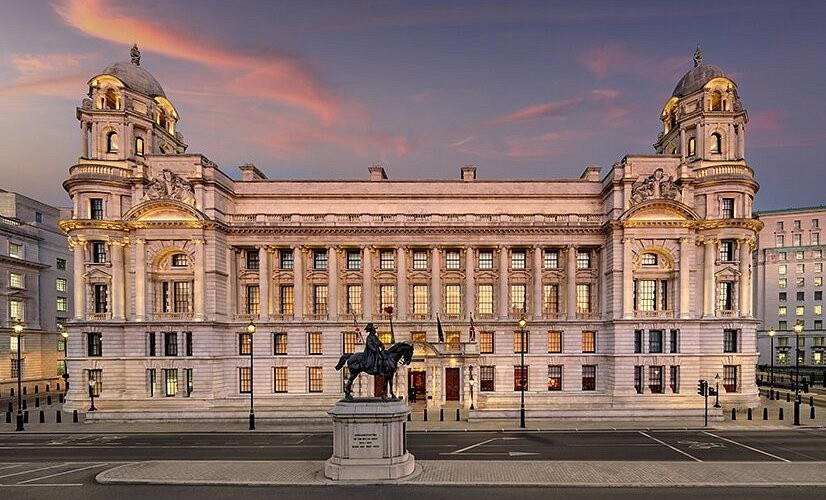
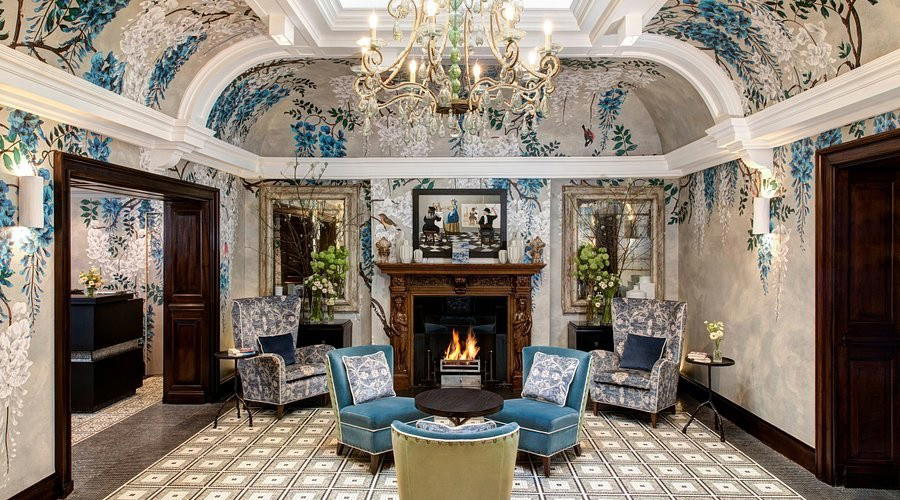
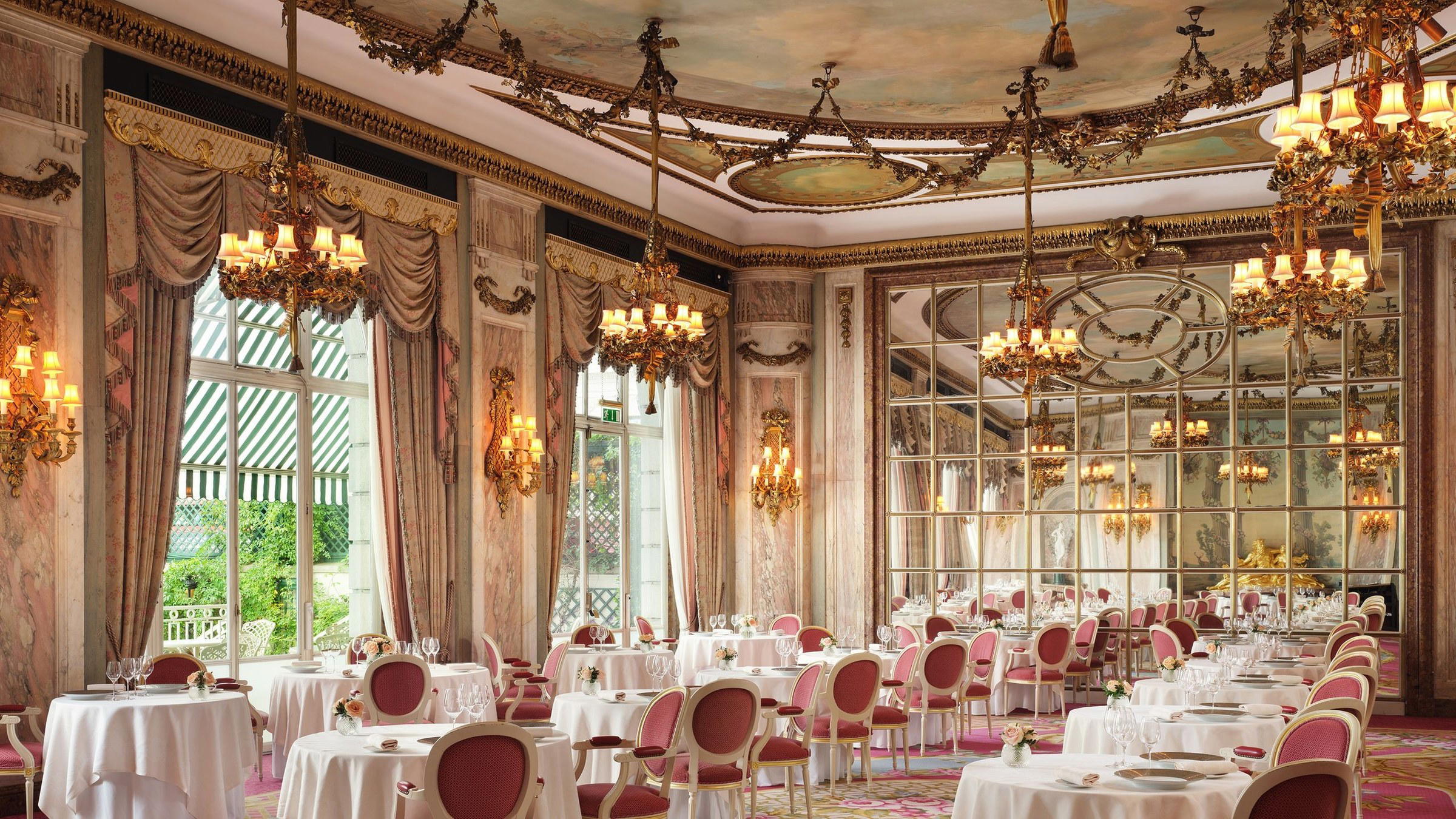
Lively outdoor terrace atmosphere with views of Leicester Square's energy, elegant champagne-focused setting.