Colombo Kitchen
Our verdict
Colombo Kitchen sits in Worcester Park, one of London's quieter suburban pockets, serving Sri Lankan cooking to a neighbourhood crowd that returns with the kind of frequency that says more than any review. The cooking draws on the spice logic and rice-forward traditions of Colombo's home kitchen rather than the adapted curry-house register most of London defaults to. For suburban Sri Lankan, it occupies a consistent local position.

Pearl is the En Primeur Club membership app, where members save venues, book tables and use the concierge.

The menu
What to order
- Mutton rolls
- Hoppers
- King prawn curry
- Kottu roti
- Crab curry
- Blackened fish
Worcester Park and the Suburban Sri Lankan Question
London's Sri Lankan restaurant scene has never been evenly distributed. The city's most-discussed South Asian cooking tends to cluster in Tooting, Whitechapel, and pockets of East London, where density and diaspora overlap. Worcester Park, by contrast, sits at the southern edge of Greater London, closer to Surrey than to the city's culinary press circuit. That geographic remove is precisely why a place like Colombo Kitchen develops the kind of loyal, repeat clientele that central London restaurants rarely sustain. The audience is local by necessity, and local audiences are harder to fool.
Sri Lankan cooking occupies a complicated position in Britain. Decades of curry-house standardisation flattened much of the subcontinent's regional variation into a single, broadly North Indian register. Sri Lankan cuisine, with its coconut-forward gravies, dried fish, raw jackfruit curries, and string hoppers, operates on a different logic entirely. The tamarind acidity, the black pepper heat, the use of pandan and goraka, these elements distinguish Colombo's kitchen tradition from the dishes most British diners grew up associating with "Indian food." Venues that work from Sri Lankan source material rather than adapting toward familiar expectations tend to build tighter, more committed followings. The trade-off is reach for depth.
What Regulars Come Back For
The regulars' perspective on any neighbourhood restaurant tells you something the menu cannot. At Colombo Kitchen, the draw is consistency with a cooking tradition that doesn't require a central London journey to access. For the Worcester Park crowd, this is the local that handles a specific craving, the place where the rice and curry plate arrives in the proportion and heat level that marks genuine familiarity with Sri Lankan home cooking rather than a restaurant's interpretation of it.
Sri Lankan rice and curry, when done with attention to sourcing and spice sequencing, is not a simple dish. The correct version involves multiple accompaniments, each cooked separately, each with its own spice base: a dhal, a green vegetable mallum, a sambol, a protein curry, served alongside long-grain rice that acts as the neutral base. The architecture of the plate is the point. Restaurants that collapse this into fewer components or sweeten the gravies for a broader audience are making a different dish. The regulars at places like Colombo Kitchen tend to notice the difference and return when they find the version that reads as correct.
String hoppers, the steamed rice-flour noodle discs that function as an alternative carbohydrate base in Sri Lankan meals, represent a similar test. They require the right accompaniment, typically a coconut milk-based curry or a thin gravy, and a kitchen that understands the texture ratio. Getting this right in a suburban London setting, away from the specialist supply chains of Tooting's Sri Lankan shops, takes deliberate effort. That effort, when visible in the result, is what converts first-time visitors into regulars.
Worcester Park in Context
Worcester Park is not a dining destination in the way that Bray is for The Fat Duck or Cartmel is for L'Enclume. There is no critical apparatus sustaining it, no Michelin inspector circuits through KT4. What the area does have is a residential population with specific food memories and a preference for eating close to home. That context shapes what a restaurant like Colombo Kitchen needs to deliver: not spectacle, but reliability. Not innovation, but authenticity to a regional cooking tradition that the local Sri Lankan diaspora population can use as a benchmark.
The contrast with London's central restaurant tier is worth holding in view. At the upper end of the city's dining spectrum, places like CORE by Clare Smyth, Restaurant Gordon Ramsay, Sketch, The Lecture Room and Library, and The Ledbury operate with three Michelin stars and price points to match, serving audiences who travel specifically for the experience. Dinner by Heston Blumenthal at two stars sits in a comparable aspirational tier. Colombo Kitchen operates in a different economy entirely, one where the metrics are local loyalty rather than destination appeal, and where the competition is not other starred restaurants but the domestic kitchen and the commuter's grocery run.
That is not a diminishment. The suburban neighbourhood restaurant is, arguably, where cooking culture actually lives for most people most of the time. The press circuit covers central London's tasting menus; the real work of feeding people happens further out, in postcode areas that rarely make it into editorial round-ups. For those exploring what London's outer boroughs offer beyond the obvious circuits, the full London restaurants guide covers the range, and the experiences guide maps what the city offers beyond the plate.
For visitors extending their time outside London, the broader UK dining picture includes Moor Hall in Aughton, Gidleigh Park in Chagford, Hand and Flowers in Marlow, and hide and fox in Saltwood, each representing a different take on the regional destination-dining model. Internationally, the precision-focused Korean tasting menu at Atomix in New York offers an instructive comparison point for how diaspora cooking traditions translate into fine-dining formats, a trajectory that Sri Lankan cuisine in London has not yet fully explored.
Planning a Visit
Colombo Kitchen is located at 25-27 Central Road, Worcester Park, KT4 8EG. Worcester Park station, on the London Waterloo mainline, puts the address within walking distance. For those staying in the city, the London hotels guide covers the central and neighbourhood options. The London bars guide and London wineries guide are useful for building out the wider visit.
Address: 25-27 Central Rd, Worcester Park KT4 8EG. Nearest rail: Worcester Park (London Waterloo line).
Frequently asked questions
What is Colombo Kitchen known for?
Colombo Kitchen is known for Sri Lankan cooking in Worcester Park, a part of outer south-west London that sits outside the main circuits of the city's South Asian restaurant coverage. The kitchen works from the Sri Lankan rice-and-curry tradition, a cooking register that differs substantially from the broader British curry-house template in its use of coconut milk, pandan, dried fish, and sambols. For the local audience, the draw is access to a specific regional cuisine without a central London commute.
What's the signature dish at Colombo Kitchen?
What Sri Lankan kitchens of this type characteristically anchor around is the rice and curry plate, a multi-accompaniment format where the quality and variety of the side dishes, rather than a single headline item, determine the kitchen's seriousness. String hoppers and short eats are also standard reference points within the cooking tradition.
How hard is it to get a table at Colombo Kitchen?
Booking data for Colombo Kitchen is not in the public record at the detail required to give a precise answer. Suburban neighbourhood restaurants of this type in London generally operate without the three-month advance booking windows of the city's destination dining tier. Walk-in availability is typically higher than at central London venues, though weekend evenings at locally popular spots tend to fill earlier than weekday service.
Is Colombo Kitchen suitable for those unfamiliar with Sri Lankan food?
Sri Lankan cuisine is accessible as an entry point to South Asian cooking, particularly for diners familiar with the broader category but less experienced with the specific regional register. The rice-and-curry format is structurally intuitive, and the coconut-milk base in many gravies moderates heat relative to some other South Asian traditions. Worcester Park's Sri Lankan community presence means Colombo Kitchen is cooking for an audience that includes people with direct culinary reference points, which tends to keep the kitchen honest about authenticity.
Fast Comparison
Comparable venues nearby, for context on price, style, and recognition.
| Venue | Cuisine | Price | Awards | Notes |
|---|---|---|---|---|
| Colombo KitchenThis venue (the venue you are viewing) | Authentic Sri Lankan | $30–50 | Not listed | Not listed |
| Turo Turo Tooting | Filipino BBQ & Grill | $20–30 | Not listed | Tooting |
| Freud Cafe | Boho Cafe-Bar | $20–30 | Not listed | St Giles |
| Lahpet West End | Modern Burmese | $30–50 | The Good Food Guide GFG Good | Covent Garden |
| Bugis Kitchen | Modern Singaporean | $20–30 | Not listed | South Kensington |
| Little Lines by Black Lines | Cocktail Bar | Not listed | Not listed | Knightsbridge |
Continue exploring
More in London
Restaurants in London
All restaurants in London →
Bars in London
All bars in London →


Details
- Cozy
- Modern
- Elegant
- Lively
- Group Dining
- Family
- Casual Hangout
- Celebration
- Open Kitchen
- Garden
- Terrace
- Beer Program
- Garden
- A La Carte
- Family Style
- Sri Lankan Beer
- Mango Lassi
- Vegetarian Friendly
- Pescatarian Friendly
Current opening hours
- Monday
- Closed
- Tuesday
- Closed
- Wednesday
- 5–11 PM
- Thursday
- 5–11 PM
- Friday
- 5–11 PM
- Saturday
- 12–11 PM
- Sunday
- 12–11 PM
Hours can change for holidays and private events. Hours as of .
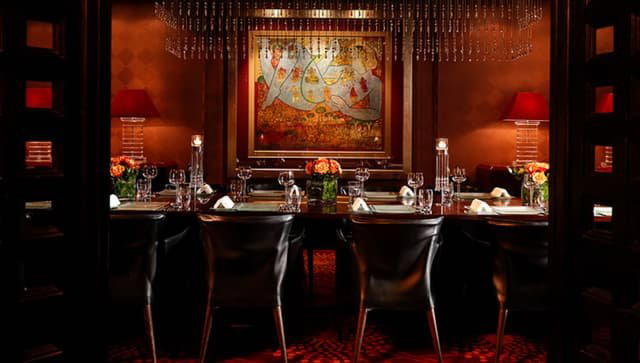
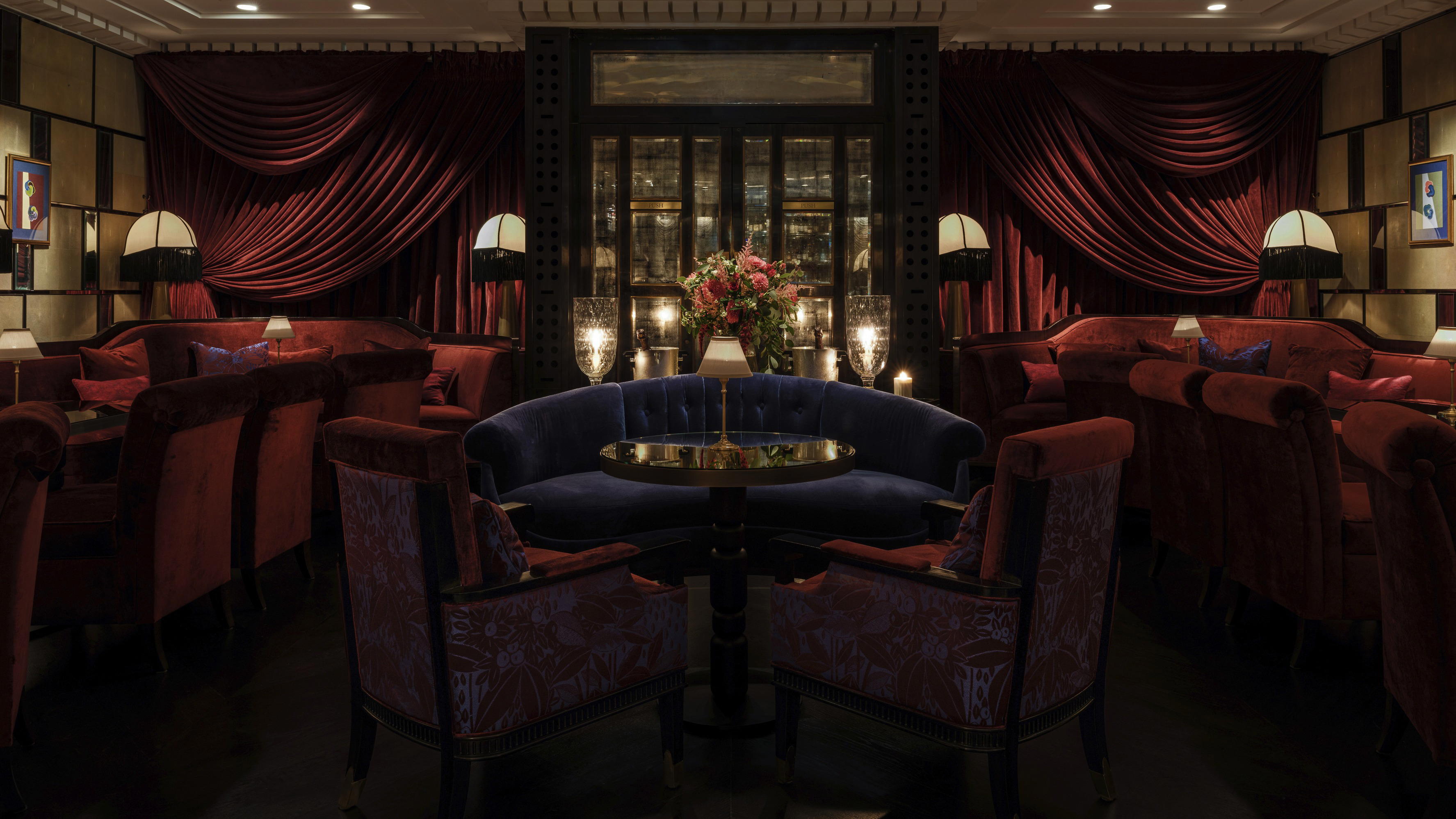
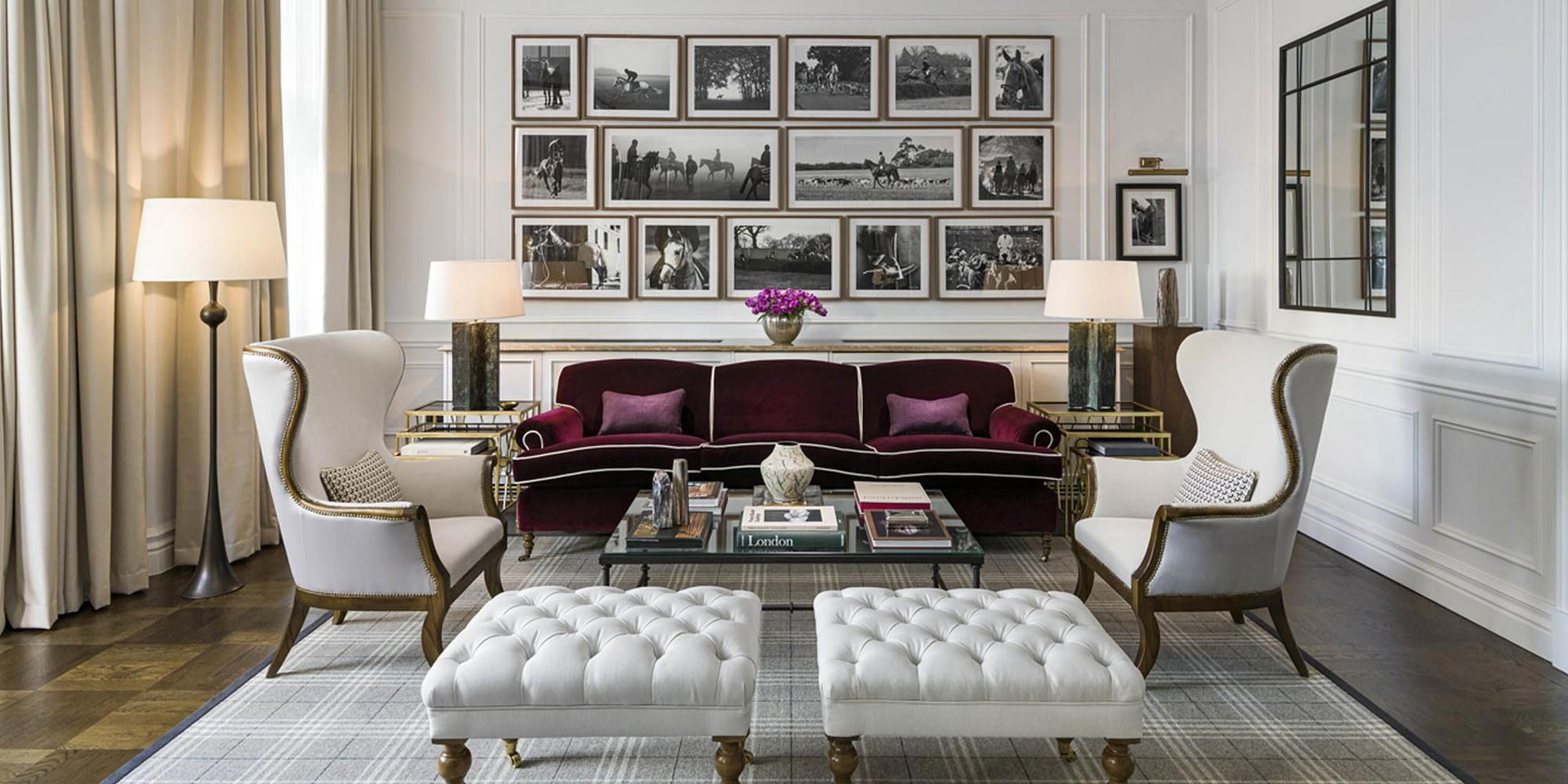
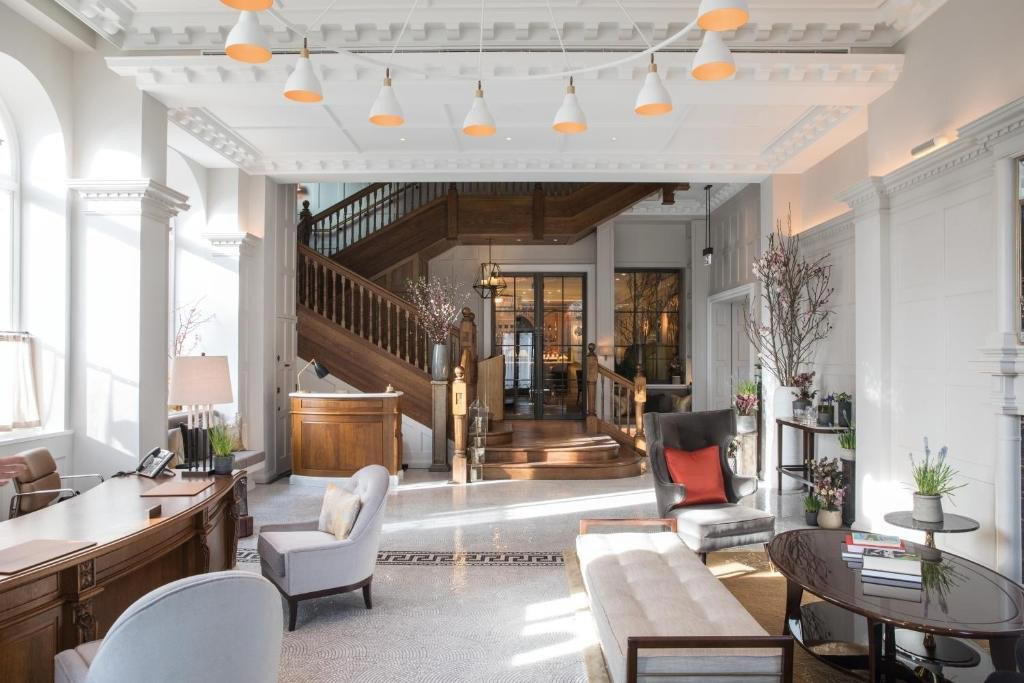
Warm and inviting with a cozy yet airy atmosphere; simultaneously relaxed and elegant with effortless refinement. Modern décor with spacious layout across multiple floors.