Gibsons Tavern
Gibsons Tavern at 233 N Canal St operates in the tradition of Chicago's classic American steakhouse, where aged beef and cold-water seafood anchor menus that have defined the city's power-dining culture for decades. Positioned in the West Loop corridor, it draws a crowd that reads the room before ordering, suits at lunch, celebrations at dinner, and regulars who know which cut to call without looking at the menu.
 Discover on Pearl
Pearl is the En Primeur Club membership app — saves, bookings, and concierge access live there. Same editors, same standards.
The Weight of a Chicago Dining Room
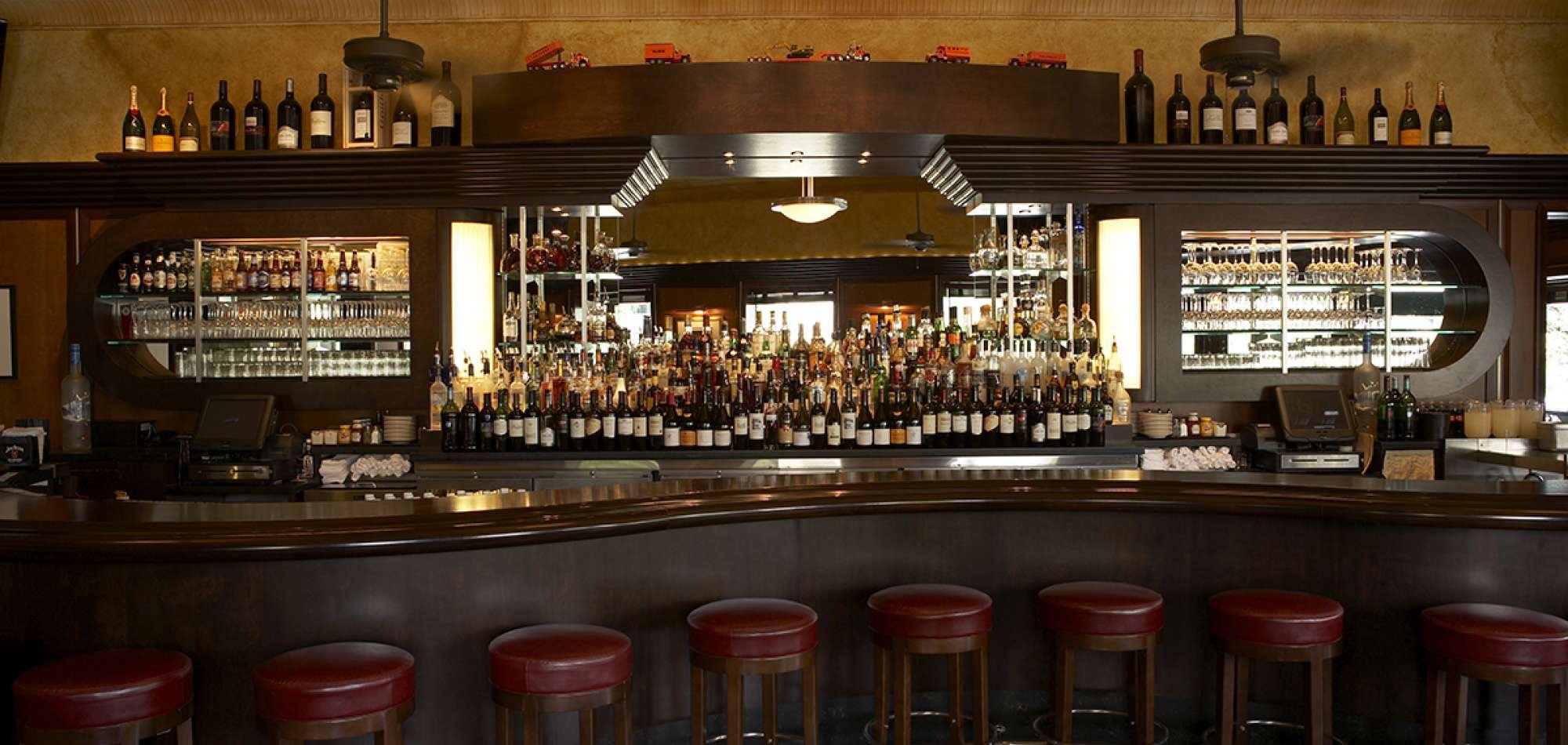
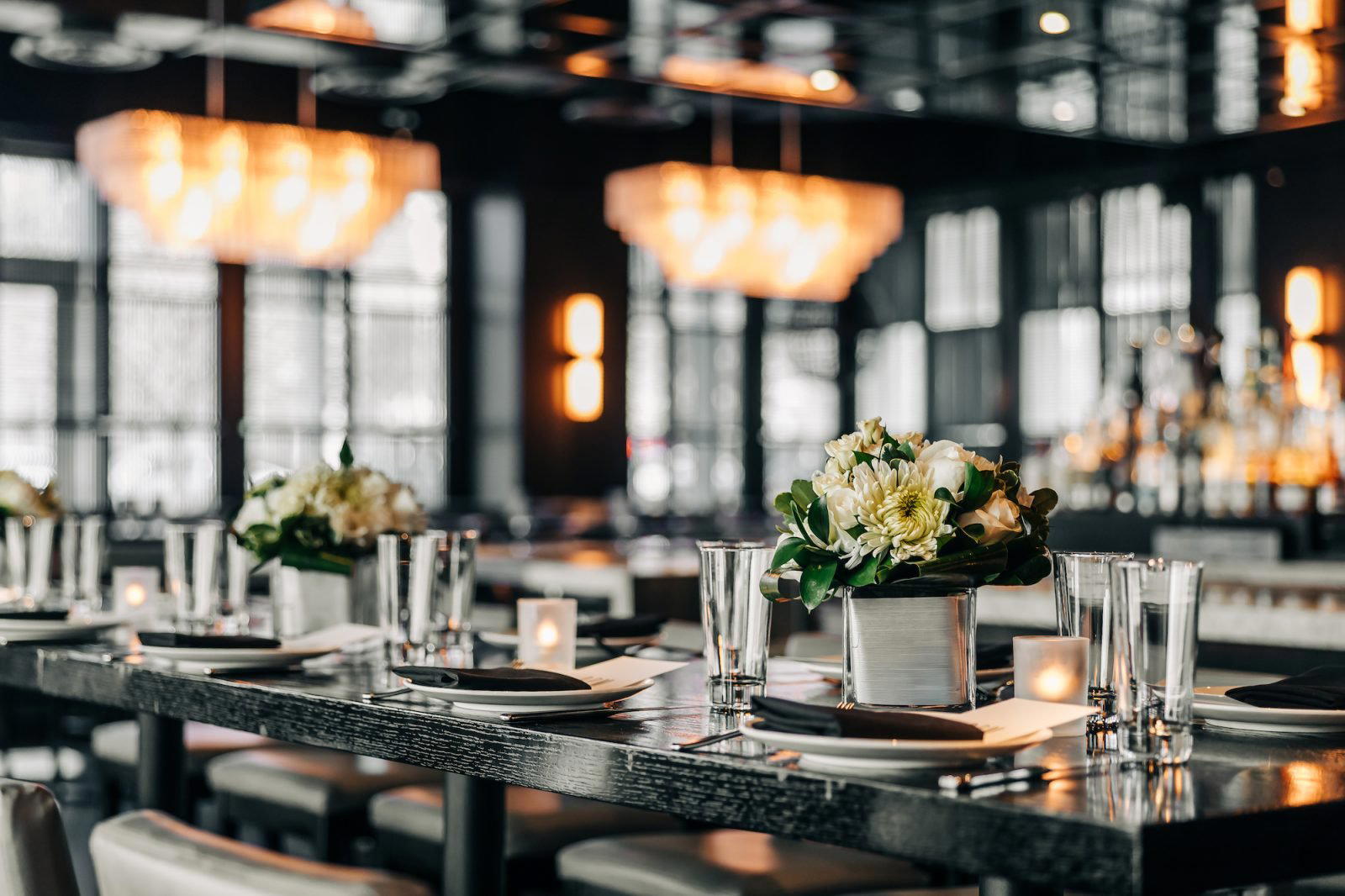
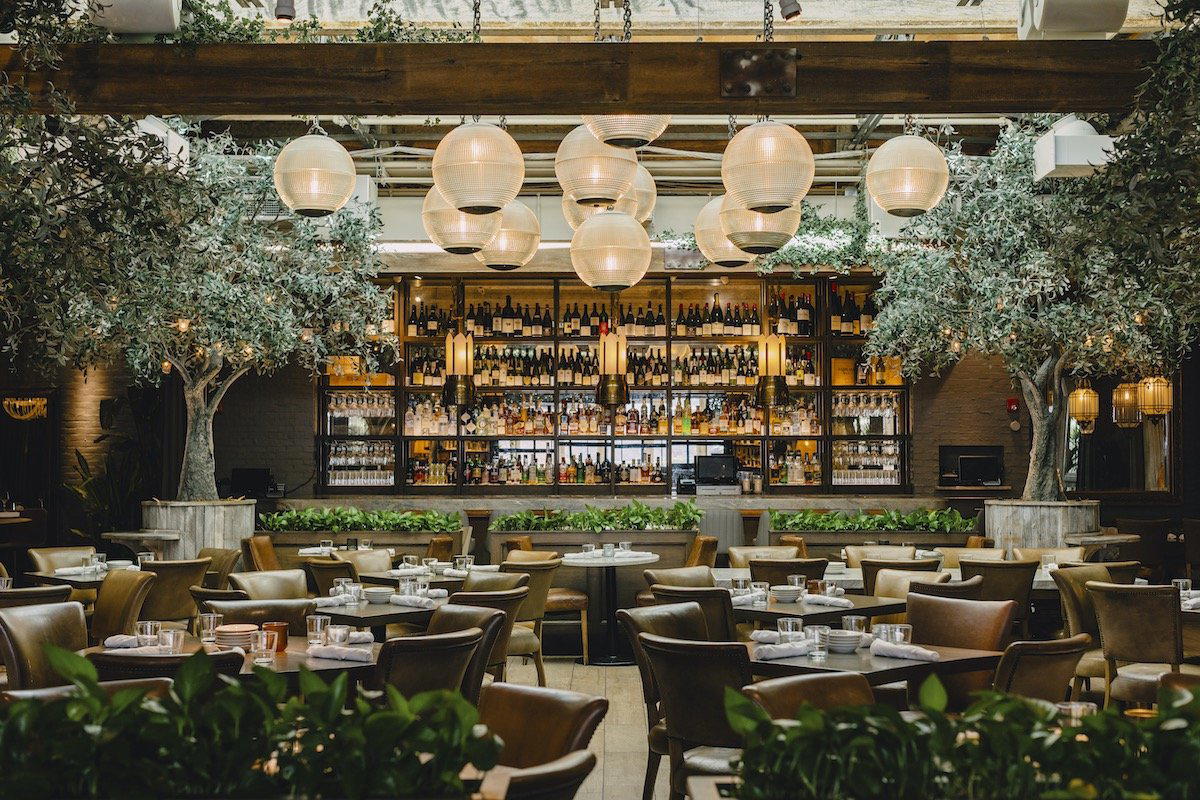
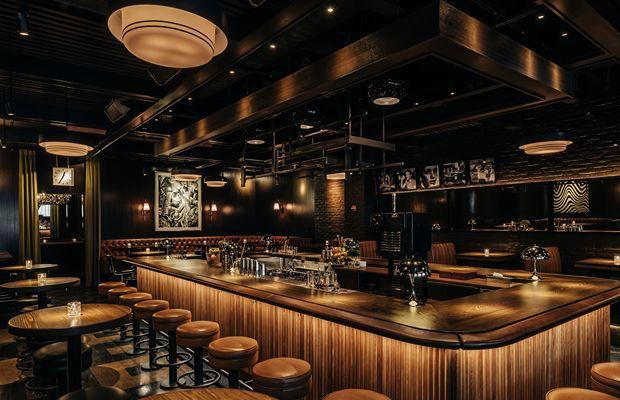
There is a particular atmosphere that Chicago's classic American steakhouses have cultivated over generations, and it is not subtle. Walk into a room like Gibsons Tavern on North Canal Street and the signals register immediately: the low ceiling of noise from tables running at capacity, the smell of dry-aged beef moving from kitchen to floor, the dark wood and leather that signal this is not a room interested in trend cycles. The West Loop has become Chicago's most contested dining corridor, home to progressive kitchens like Alinea and Smyth, but the classic American steakhouse occupies a different register entirely. It doesn't compete with tasting menus. It preexists them.
That preexistence is architectural as much as culinary. The steakhouse format, booths, tablecloths, a seafood tower at the pass, a wine list weighted toward California Cabernet, carries a social function that the progressive restaurant cannot replicate. It is the format Chicago's political class, its attorneys, and its sports world have used for serious conversations over several decades. The room at Gibsons Tavern participates in that tradition by proximity and format, even as the broader dining city has diversified sharply around it.
Refined Classic American: What the Category Actually Means
The designation "refined classic American" is doing specific work here. It sits above the casual chophouse tier and below the white-tablecloth continental rooms that Chicago still maintains near Michigan Avenue. In practice, it means the menu organizes itself around a legible hierarchy: prime beef cuts as the centerpiece, cold-water shellfish as the opener, and a set of sides, creamed spinach, hash browns, onion rings, that are not afterthoughts but part of the ritual. Sauces tend toward the classic: béarnaise, au poivre, a simple compound butter. The kitchen's job is execution, not invention, and that is a harder brief than it sounds.
Nationally, this format has held its ground even as chef-driven American cooking has fragmented into subcategories. Le Bernardin in New York represents the French-inflected seafood-led version of serious American dining; The French Laundry in Napa and Single Thread Farm in Healdsburg sit at the progressive farm-to-table end. The classic American steakhouse, by contrast, made a different bargain: it traded novelty for consistency, and it has found a loyal market willing to pay for exactly that trade.
The Sensory Logic of the Room
The experience of a room like this runs on accumulated sensory cues that are calibrated, even when they appear unrehearsed. The sound levels in a full steakhouse are a feature, not a flaw: they create the sensation of being inside a functioning city, which is precisely what this format sells. Chicago has always been a city that confuses noise with vitality, and the steakhouse dining room has always known how to use that preference. Tables are close enough to create energy but spaced enough for conversation to stay private, an engineering problem that the finest of these rooms solve without the diner noticing.
The visual language of the classic American steakhouse has remained largely unchanged for fifty years because it works as shorthand. The menu arrives on heavy card stock. The water glasses are wide. The bread basket precedes everything. These are not accidents of interior design; they are prompts for a particular kind of ease. The diner knows what role to play, and the room provides the costume. In a city where progressive restaurants like Oriole, Kasama, and Next Restaurant ask diners to surrender to the kitchen's narrative, the classic steakhouse inverts the relationship: the diner directs, the kitchen executes.
West Loop Placement and What It Implies
Address on North Canal Street puts Gibsons Tavern at the western edge of the Loop, a location that serves both the financial district lunch crowd and the Fulton Market dinner traffic that has reshaped this part of the city over the past decade. The West Loop's restaurant density now rivals River North, but its character has skewed younger and more experimental. A classic American format in this zip code is a deliberate counterpoint to its neighbors. It draws the crowd that finds the experimental kitchens exhausting and wants a transaction they can predict: order a specific cut, receive it at a specific temperature, leave satisfied.
For international visitors comparing Chicago to other American dining cities, the steakhouse remains the format that most legibly exports. The language of a prime ribeye or a half-shell oyster plateau crosses cultural contexts in a way that a highly referential tasting menu does not. Emeril's in New Orleans, Lazy Bear in San Francisco, and Providence in Los Angeles each represent regional American dining in formats that require more context to navigate. The Chicago steakhouse makes fewer demands on prior knowledge, which is part of its durability.
How This Fits Into Chicago's Broader Dining Map
Chicago's restaurant scene runs across a wider range than most American cities. At one end, Michelin three-star progressive kitchens operating tasting-menu formats with months-long booking windows. At the other, neighborhood institutions serving the specific comfort food traditions of Chicago's Polish, Mexican, and Eastern European communities. The classic American steakhouse occupies the upper-middle band: premium pricing, no advance narrative required, and a menu that rewards preference over curiosity.
For comparison points outside the United States, 8½ Otto e Mezzo Bombana in Hong Kong and Alain Ducasse's Louis XV in Monte Carlo represent how classic fine-dining formats hold their ground against more contemporary competitors in other major markets.
Planning a Visit
Gibsons Tavern is located at 233 N Canal Street in Chicago's West Loop, within walking distance of Union Station and the Ogilvie Transportation Center, making it accessible for both pre-theater and post-workday dining. The format is suited to groups of two to six; larger parties should inquire about private dining options when booking. Given the Canal Street address and the lunch-to-dinner throughput that the West Loop sustains, weekday lunch reservations tend to be easier to secure than prime Friday or Saturday evening slots. Dress runs business casual to business formal; the room's existing social register makes overdressing less awkward than underdressing.
Budget Reality Check
Comparable venues nearby, for context on price, style, and recognition.
| Venue | Cuisine | Price | Awards | Notes |
|---|---|---|---|---|
| Gibsons TavernThis venue — the venue you are viewing | $$$$ | , | ||
| Grace | West Loop, Modern American Fine Dining | $$$$ | , | |
| Gingie | $$$$ | , | River North, Contemporary American with Japanese and European Influences | |
| Offshore Rooftop | $$$ | , | Near North Side, New American with Mediterranean Influences | |
| Truffleberry Market | $$$$ | , | Avondale, Modern American Fine Dining Catering | |
| RL Restaurant | $$$$ | 1 recognition | Magnificent Mile, Classic American City Club |
At a Glance
- Classic
- Lively
- Energetic
- Group Dining
- Business Dinner
- Casual Hangout
- Extensive Wine List
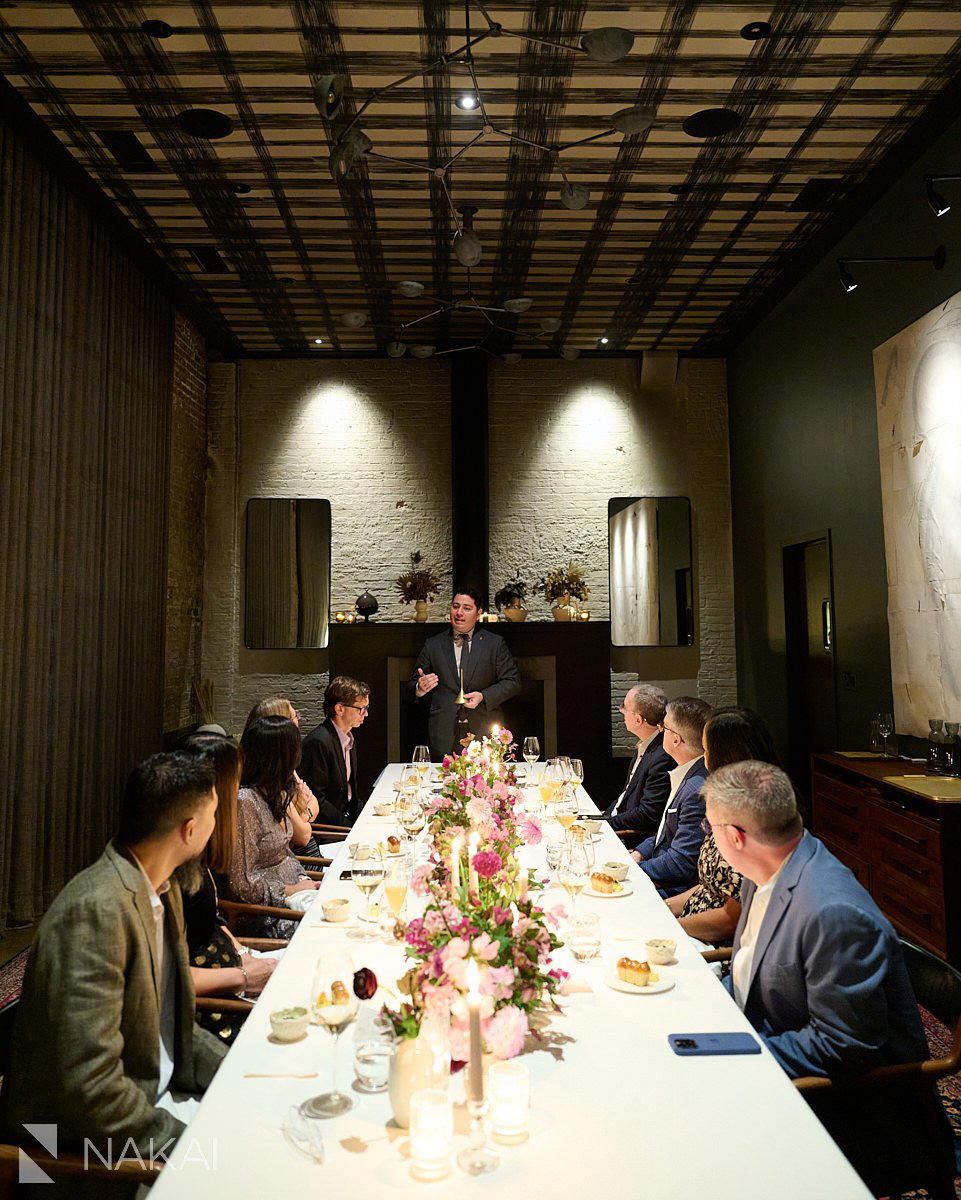
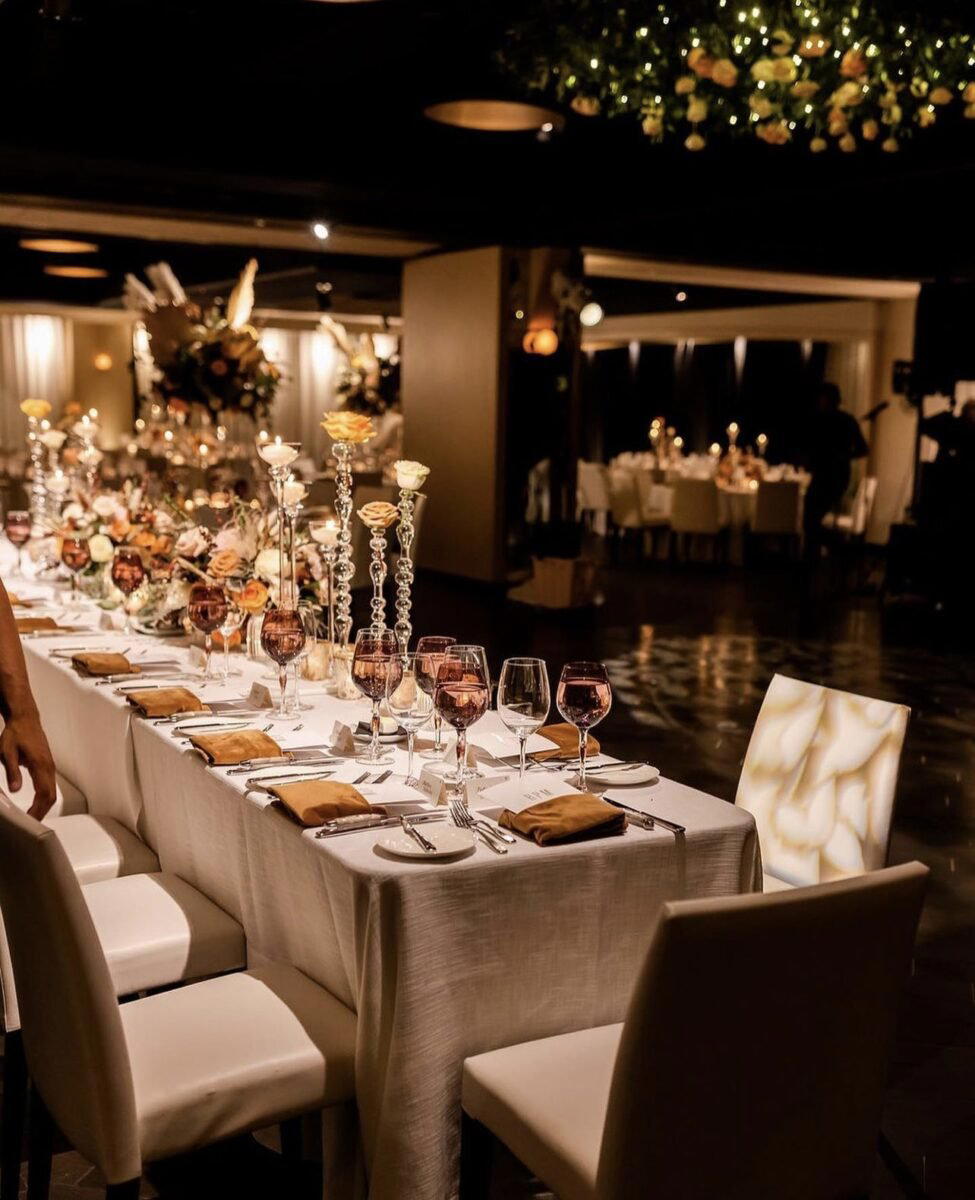
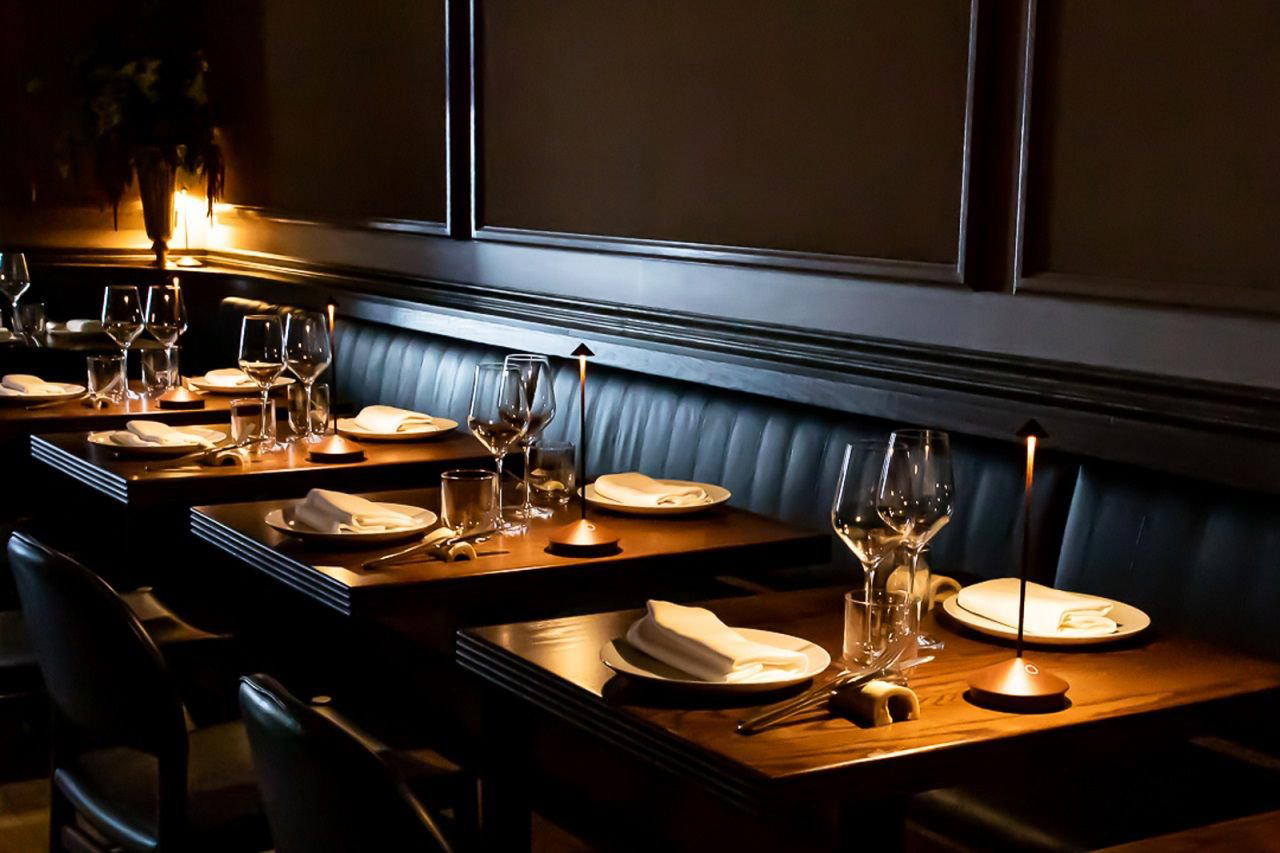
Classic tavern atmosphere with energetic Chicago steakhouse vibe.