Gingie
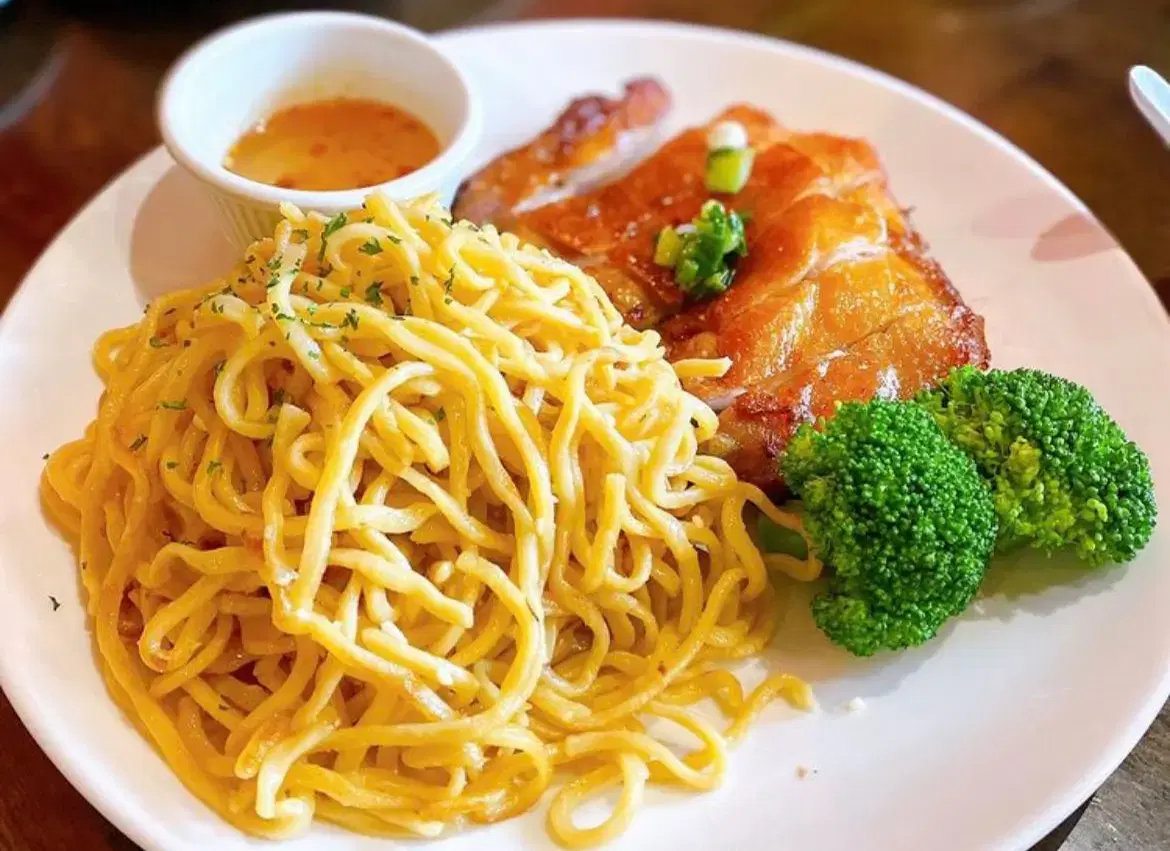
Gingie at 707 N Wells St brings seasonal, live-fire cooking to Chicago's River North corridor, sitting in a category that prizes technique and ingredient sourcing over ceremony. The format rewards repeat visitors who track how the menu shifts with the seasons, and the live-fire approach places it in a distinct tier from the tasting-menu formalism of nearby River North and West Loop peers.
Pearl is the En Primeur Club membership app — saves, bookings, and concierge access live there. Same editors, same standards.
- Address
- 707 N Wells St, Chicago, IL 60654
- Phone
- (312) 600-6305
- Website
- gingiechicago.com
- Directions
- Get directions
 Saves & bookings on Pearl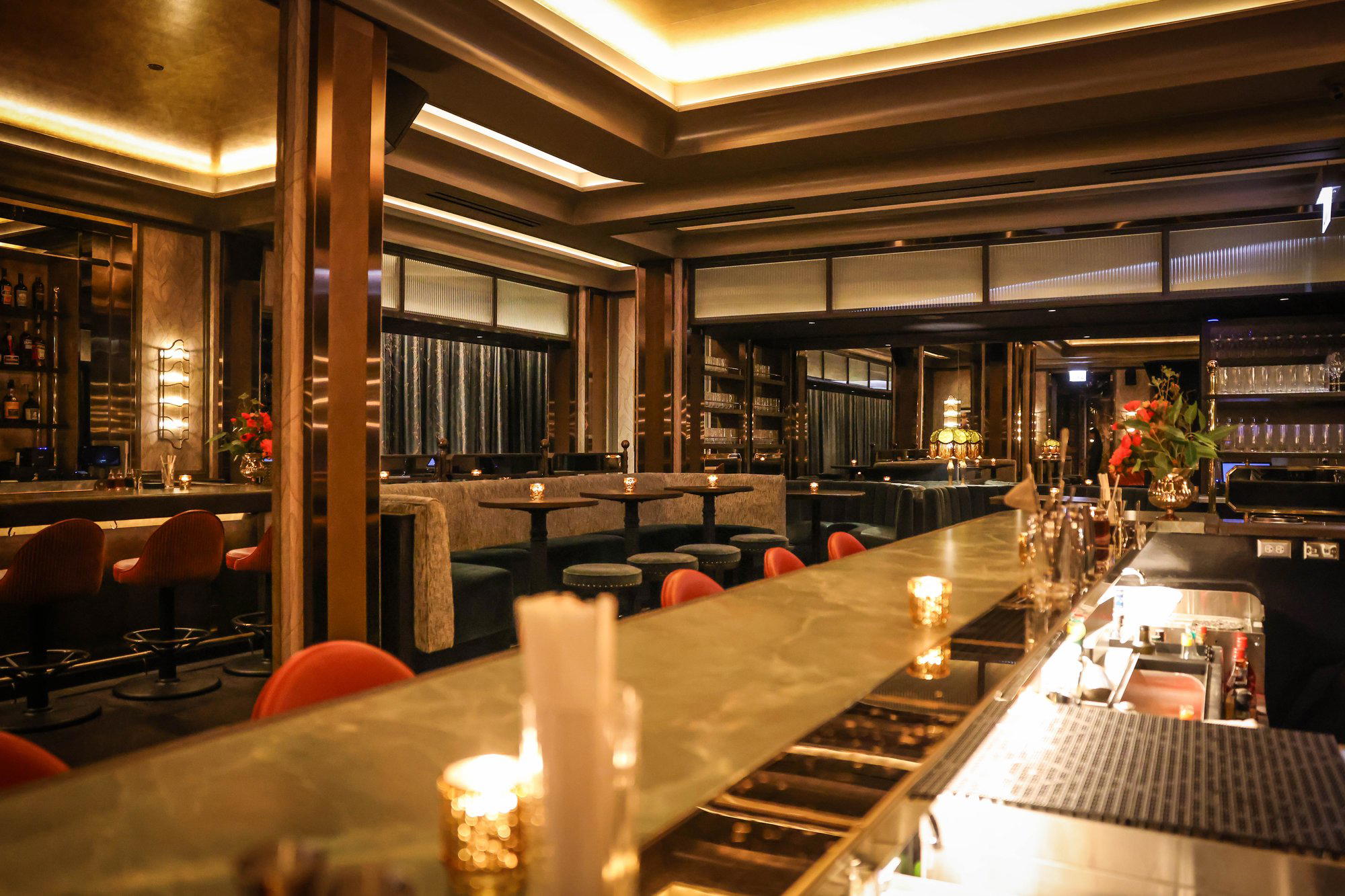
Live Fire on Wells Street: Chicago's River North and the Shift Toward Seasonal Cooking
Chicago's serious dining conversation has long centered on the West Loop and the progressive American format that venues like Alinea, Smyth, and Oriole have made the city's de facto calling card internationally. But the past several years have produced a quieter counter-movement: restaurants built around live fire and seasonal produce that owe more to the open-hearth tradition than to the modernist kitchen. Gingie, a restaurant at 707 N Wells St in Chicago's River North, serves contemporary American cooking with Japanese and European influences.
River North is a neighborhood that tends to attract high-volume hospitality rather than specialist cooking. The presence of a live-fire, seasonally driven operation here is itself an editorial statement about where that part of the city is heading. Where River North once meant steakhouses and rooftop bars, a tighter cohort of ingredient-focused restaurants is beginning to establish a different kind of identity. Gingie sits at the forward edge of that shift, and its Wells Street address puts it within walking distance of both the tourist corridor and a genuine local clientele who treat the neighborhood as their own.
The Fire and the Season: What Drives the Menu
Live-fire cooking as a dining format has moved well beyond the Argentine-influenced parrilla or the Basque txoko tradition. In American cities, it now describes a specific kind of restaurant that uses wood, charcoal, or ember heat as the organizing principle of the kitchen, making ingredients rather than technique the visible star of the plate. The approach produces a different sensory register than a classical French kitchen or a high-precision modernist counter: smoke and char are flavors in themselves, and the cook's relationship to heat is less about control than about reading and responding.
For a restaurant working in this format, the seasonal commitment is not optional. Fire cooking amplifies the qualities already present in an ingredient, which means that the quality of sourcing is immediately legible on the plate. A tomato at peak summer and a tomato forced through winter taste categorically different when they meet live heat, and any kitchen built around this approach has to track seasonal availability closely. This is the structural logic behind Gingie's seasonal framing: the two elements, fire and season, are mutually reinforcing.
Nationally, this format sits between the casual end of the wood-fire pizza and burger category and the formal end of the tasting-menu world. Restaurants like Lazy Bear in San Francisco and Single Thread Farm in Healdsburg have demonstrated that fire-and-season cooking can operate at a high price tier with reservation-driven formats.
Lunch, Dinner, and the Divide in Fire-Driven Kitchens
In restaurants anchored by live fire, the gap between lunch and dinner service tends to be more pronounced than in kitchens built around a cold station or a precision technique. Fire takes time to build, and the cook's relationship to a wood or charcoal hearth deepens across an evening service as the heat stabilizes and the coals reach their working temperature. This means dinner is typically where the live-fire format delivers its fullest expression: longer cook times, more complex preparations, and a kitchen operating at the summit of its range.
Lunch in these rooms, where offered, generally means a different menu structure. Lighter preparations, faster-cooking proteins, and dishes that work with the earlier stages of a fire rather than its peak are common features. The value proposition shifts too: lunch formats at fire-driven restaurants frequently allow a more accessible entry into the kitchen's cooking at a lower price point, which draws a different crowd than the evening service. The daytime table tends to be faster, less ceremonial, and better suited to a solo diner or a working meal.
This lunch-versus-dinner divide has parallels at the high end of American dining more broadly. Consider the difference in register between a weekday lunch counter at a restaurant in the same tier and its evening tasting menu: the cuisine tradition is the same, but the mood, pacing, and investment differ substantially. For a venue like Gingie, where the fire is the kitchen's primary instrument, that divide is likely to be particularly clear in what arrives at the table and how long the meal takes.
Chicago's seasonal rhythm adds another layer. The city's winters are severe, and a wood-fire kitchen in January reads differently than in July, when the same hearth might feel oppressive to a room without adequate ventilation. Live-fire restaurants in northern cities tend to lean into the cold-weather season as their defining period: the visual drama of an open hearth against a January evening has no summer equivalent. This seasonal mood shift is worth factoring into when to visit.
Chicago's Fire-Forward Restaurants in Context
Gingie is not operating in isolation. Chicago's broader restaurant scene has room for multiple registers of serious cooking, from the tasting-menu formalism of Next Restaurant and Kasama's Filipino-inflected counter to the open-fire and seasonal format that Gingie represents. Internationally, the live-fire tradition appears across the top tier: Le Bernardin in New York City works the other end of the elemental-cooking spectrum through water and precision, while restaurants like Providence in Los Angeles demonstrate how ingredient-season-technique alignment operates at the highest award levels. The point is that Gingie is working in a cooking language with serious international precedents, adapted to a Midwestern ingredient calendar and a River North address.
For travelers already planning a Chicago trip structured around the city's restaurant scene, the practical question is about sequencing. A visit to Gingie alongside a broader itinerary that includes the West Loop's tasting-menu corridor gives a more complete picture of what Chicago's kitchens are doing right now. For context on building that itinerary, our full Chicago restaurants guide maps the city's dining character neighborhood by neighborhood, and our Chicago hotels guide covers accommodation options close to both River North and the West Loop. If the trip extends to bars and experiences, the Chicago bars guide and experiences guide add further context, and the Chicago wineries guide is useful for anyone tracking what the region produces in wine as well as food.
Gingie is at 707 N Wells St, River North, Chicago. Reservations are recommended.
Cuisine and Awards Snapshot
Comparable venues nearby, for context on price, style, and recognition.
| Venue | Cuisine | Price | Notes |
|---|---|---|---|
| GingieThis venue — the venue you are viewing | Contemporary American with Japanese and European Influences | $$$$ | Not listed |
| The Lobby | Contemporary American | $$$$ | Streeterville |
| Truffleberry Market | Modern American Fine Dining Catering | $$$$ | Avondale |
| The Hampton Social | New England-Style Seafood | $$$ | River North |
| etc. | Polished Southern American with Global Influences | $$$ | Loop |
| All Well | Modern American Fine Dining | $$$ | West Loop |
At a Glance
- Lively
- Modern
- Sophisticated
- Trendy
- Date Night
- Special Occasion
- Group Dining
- Open Kitchen
- Craft Cocktails
- Local Sourcing
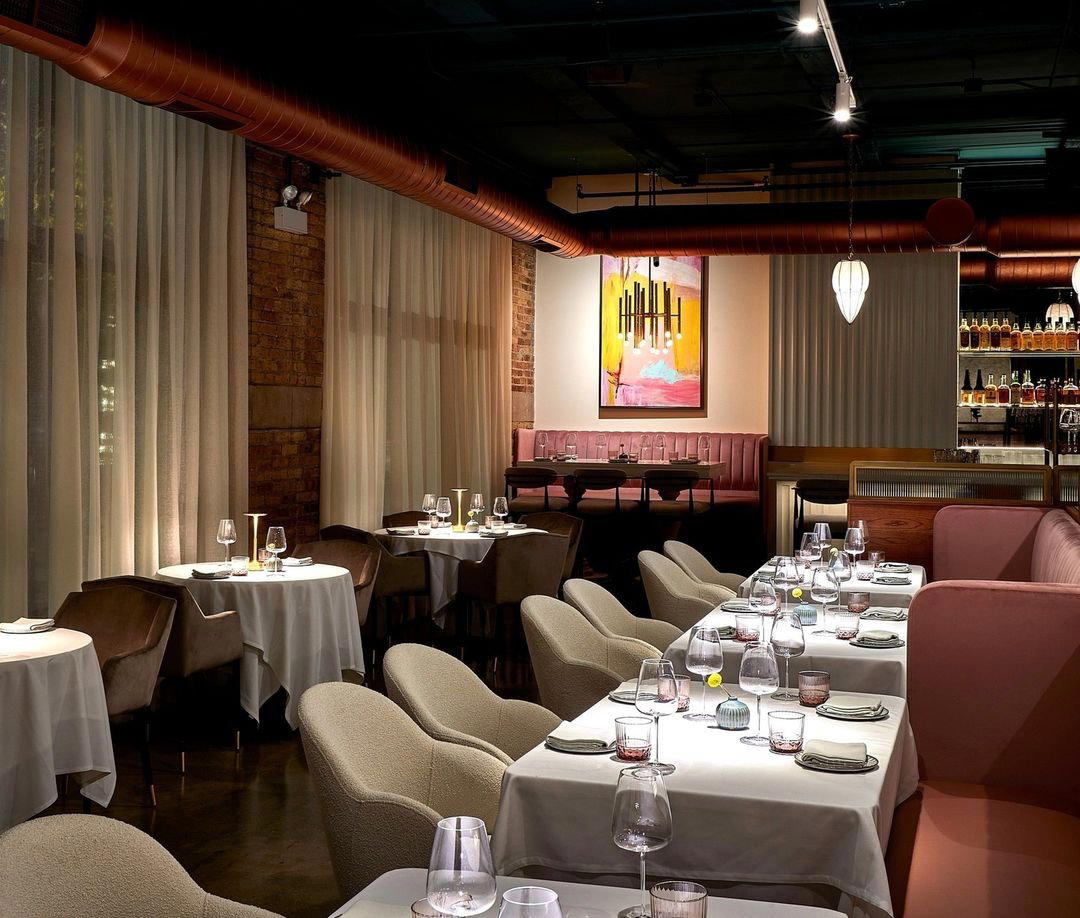
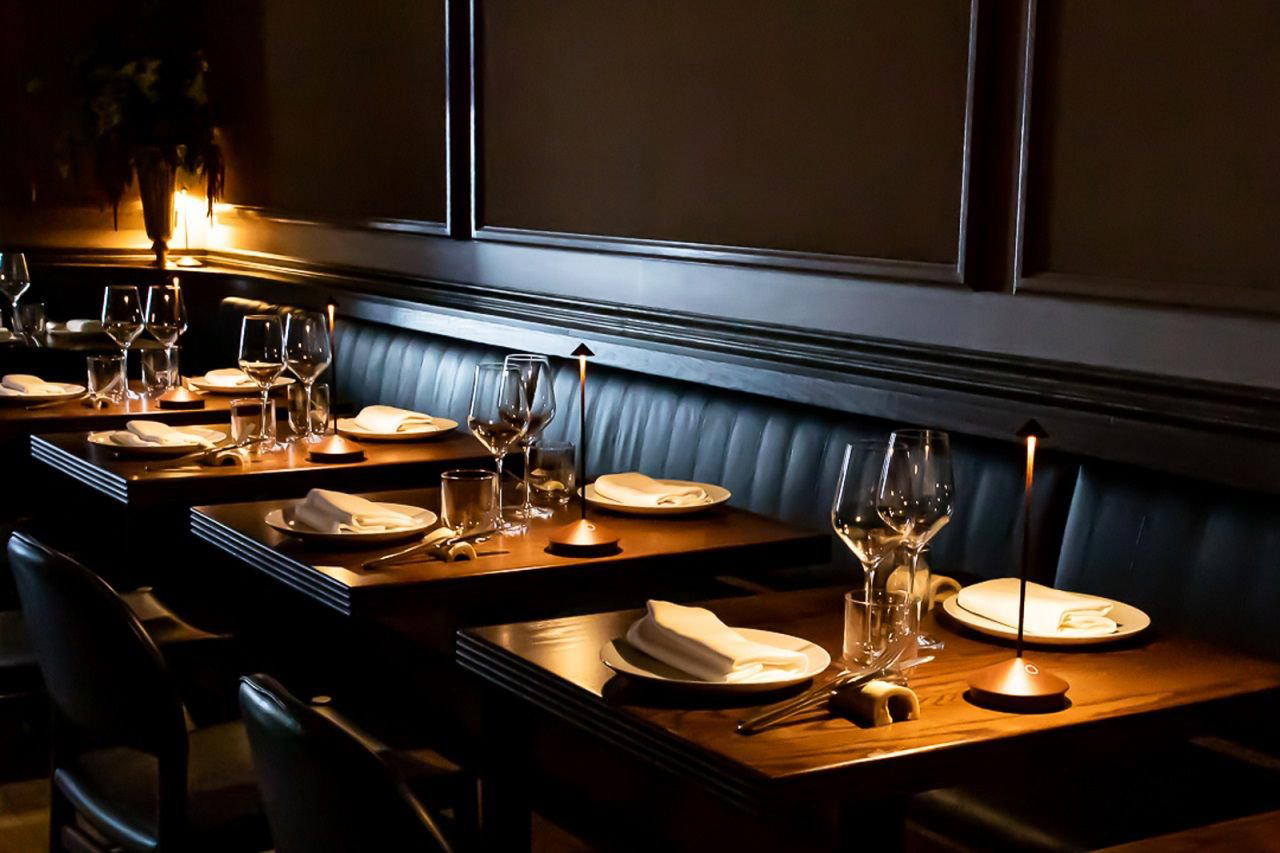
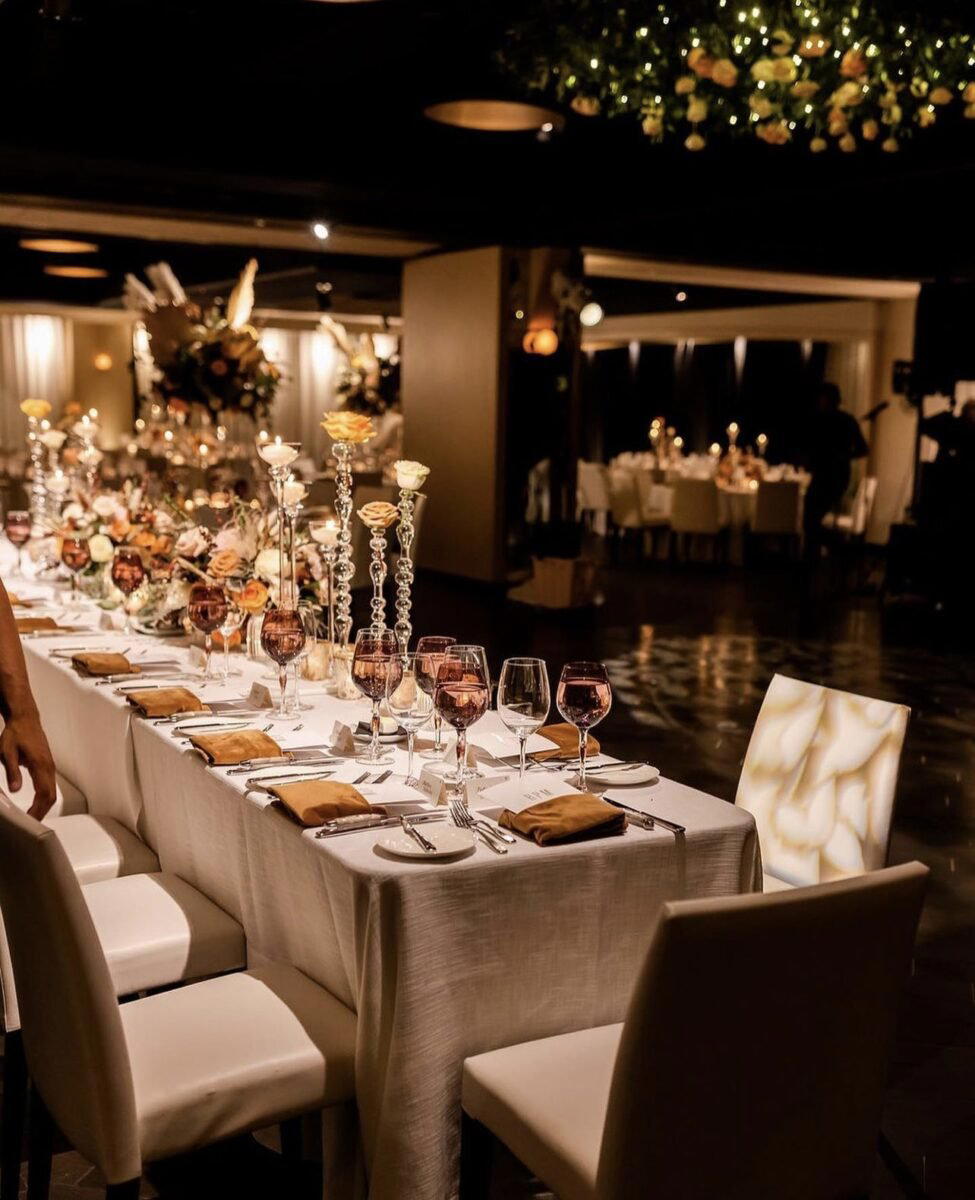
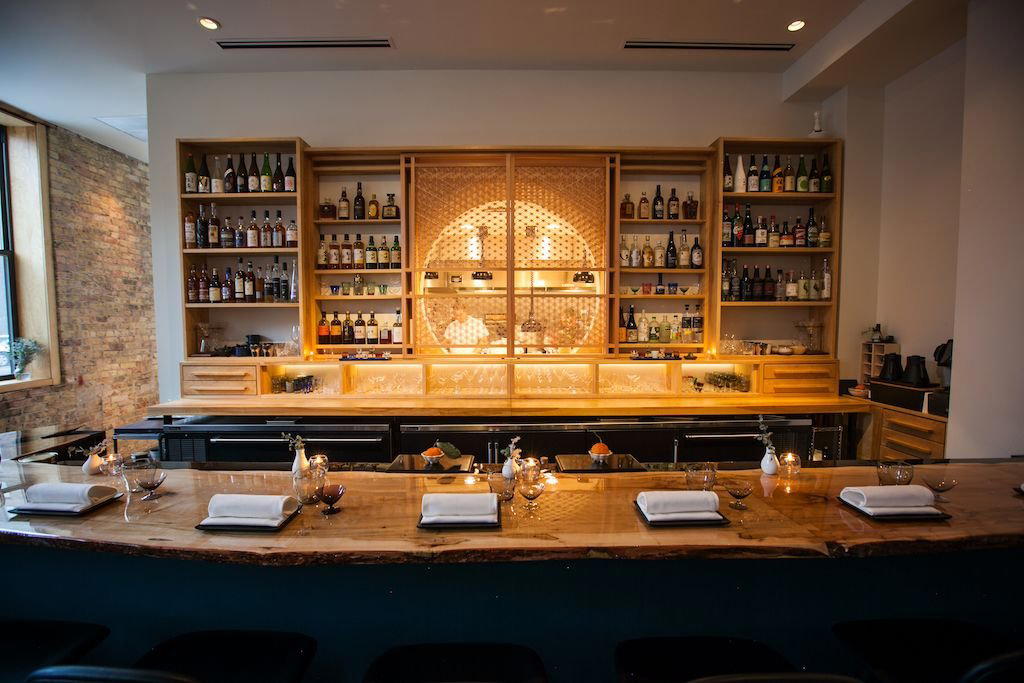
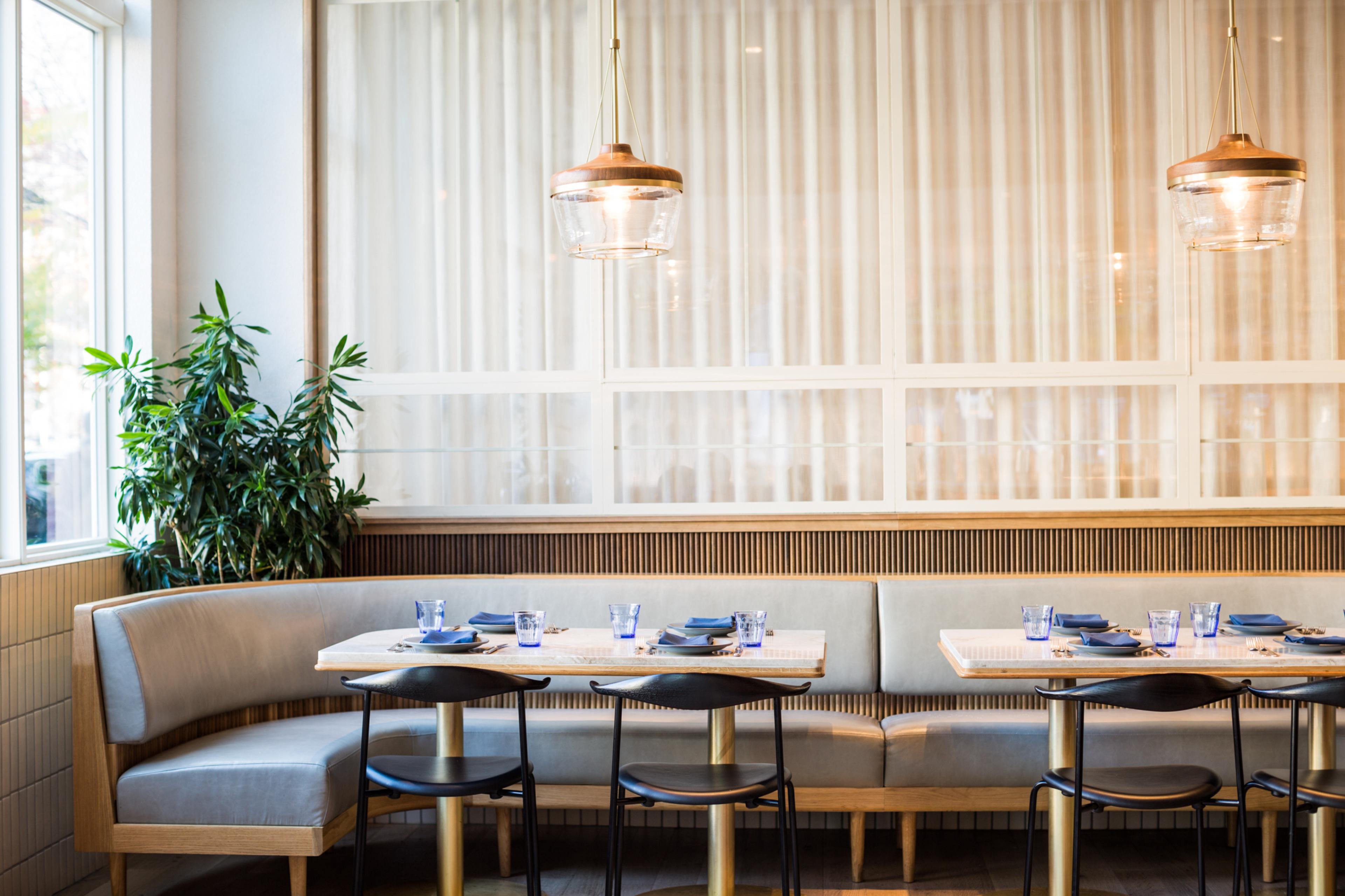
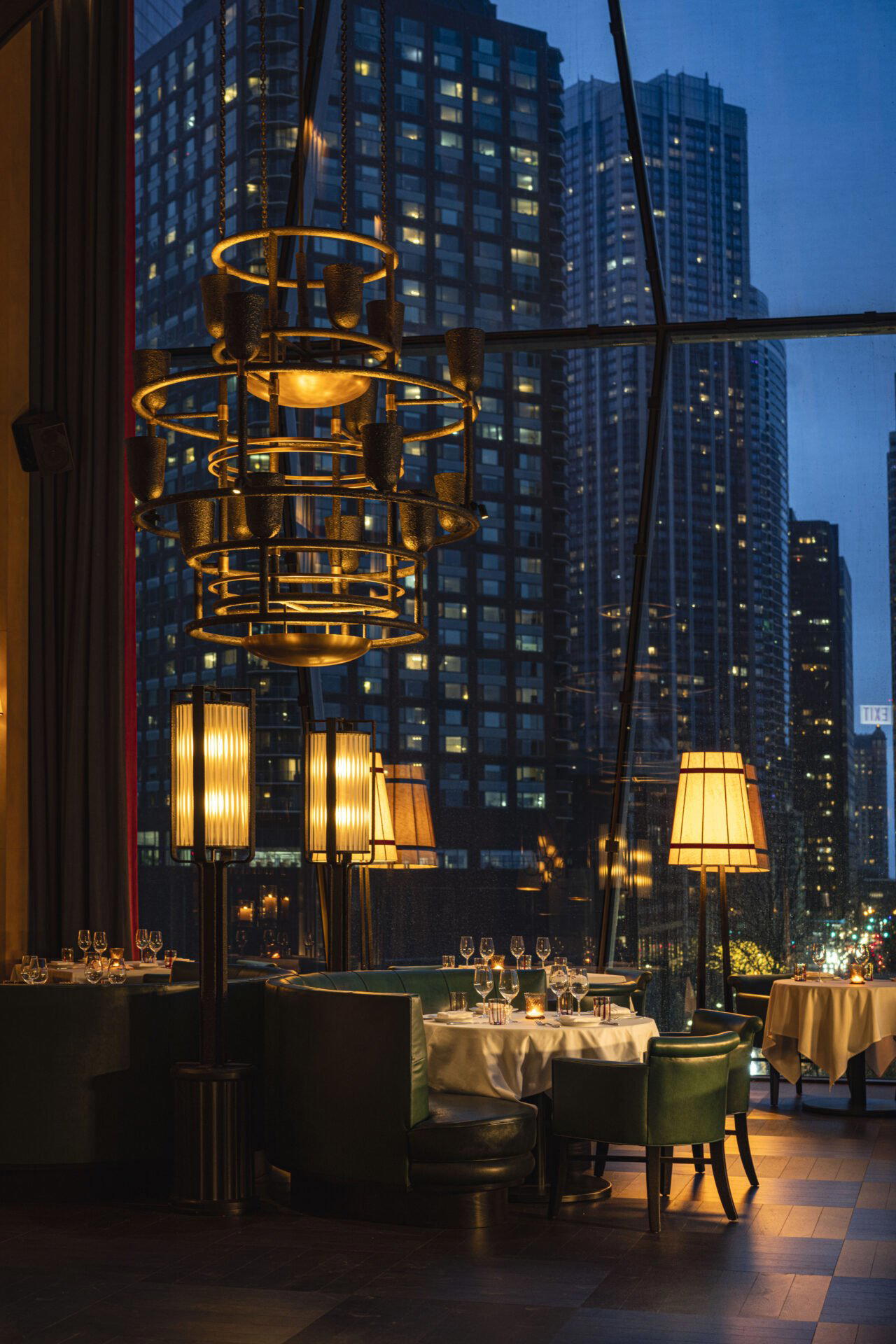
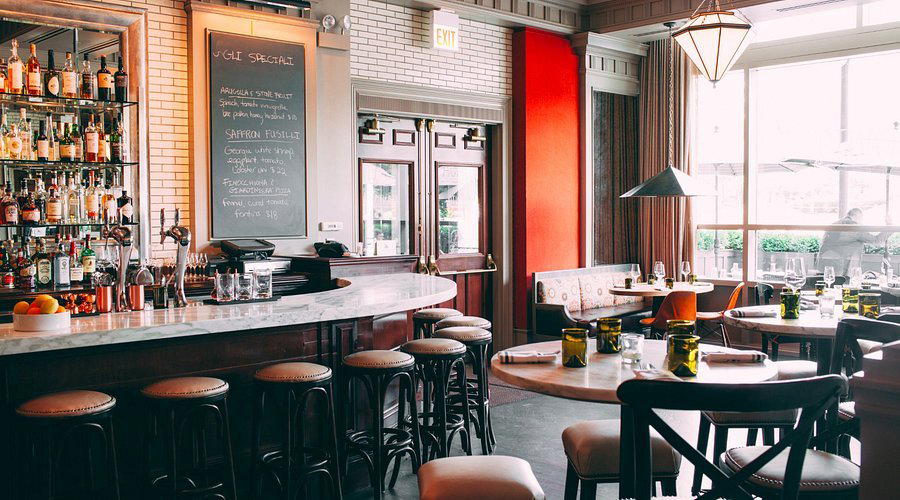
Sophisticated and approachable atmosphere with cozy seating and lively energy in River North.