Truffleberry Market
Our verdict
On a residential stretch of Roscoe Village, Truffleberry Market occupies a quieter corner of Chicago's densely competitive dining scene. The address at 2744 W Roscoe St places it squarely in a neighbourhood where independent food businesses have carved out loyal local followings rather than chasing downtown visibility. For visitors willing to look beyond the Loop and River North circuit, it represents the kind of destination that rewards deliberate planning.

Pearl is the En Primeur Club membership app, where members save venues, book tables and use the concierge.
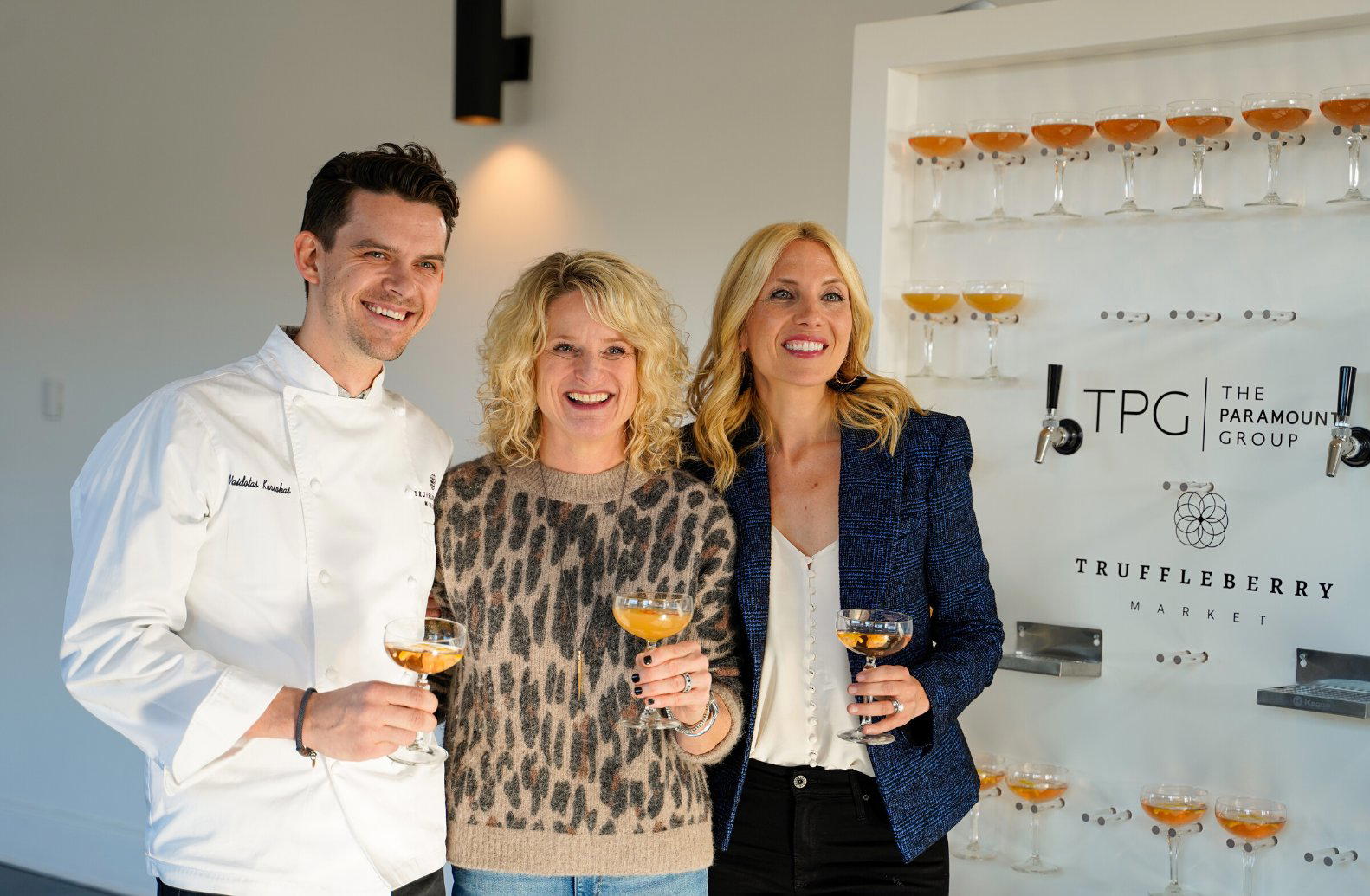
The menu
What to order
- Mini lobster corn dogs
- Cucumber sandwiches
- Goat cheese cones
Roscoe Village and the Case for Chicago's Neighbourhood Dining
Chicago's dining conversation often starts and ends with the high-profile corridors: River North's polished tasting menus, the West Loop's concentration of nationally recognised kitchens, and the flagship addresses that draw reservations from across the country. But the city's residential neighbourhoods have long operated on a different logic, one where community anchoring, repeat business, and a close relationship with local supply chains matter more than press cycles or award campaigns. Roscoe Village, the low-rise stretch of north-side Chicago where 2744 W Roscoe St sits, belongs firmly to that second category.
The neighbourhood is characterised by tree-lined blocks, converted storefronts, and a dining culture that skews toward independent operators rather than group concepts. It is the kind of area where a food business earns its reputation through consistency and word of mouth rather than opening-week coverage. Truffleberry Market, positioned on that street, operates within that tradition. Understanding what it offers requires setting it against that neighbourhood context rather than measuring it against the tasting-menu rooms that define Chicago's national profile.
What the Address Tells You
The Roscoe Village address functions as its own editorial signal. Chicago's most-discussed restaurant openings in recent years have clustered west and south of the Loop, in neighbourhoods where real estate and cultural momentum aligned to support ambitious, capital-intensive projects. Alinea in Lincoln Park and Smyth in the West Loop represent the kind of destination dining that draws visitors with specific itineraries. Oriole operates on a similar logic further south. Kasama, the Filipino-rooted tasting counter on the North Side, demonstrates that serious culinary ambition can exist outside the West Loop cluster. Next Restaurant draws its own dedicated following through a rotating concept format that keeps attention focused squarely on the Fulton Market area.
Truffleberry Market is not competing in that tier. Its Roscoe Village location signals a different kind of proposition: neighbourhood-first, with a scale and format suited to local regulars rather than destination seekers. That is not a limitation. In Chicago's dining culture, the neighbourhood anchor plays a distinct and valuable role, filling the gap between convenience dining and the full commitment of a tasting-menu evening.
The Cultural Logic of Market-Format Food Businesses
The market format as a food business model carries specific cultural weight in American cities. Where fine dining isolates the meal as an event, the market integrates food into the rhythm of daily or weekly life. European cities have sustained this model for centuries through covered markets, fromageries, and épiceries that blend retail and hospitality functions. American cities have adopted and adapted it, particularly in the post-2008 period when food halls, specialty grocers with prepared food counters, and hybrid retail-restaurant concepts became a meaningful segment of urban food culture.
In Chicago specifically, this format has found expression across several neighbourhoods. The city's broader appetite for producer-aligned food businesses, from farm-table restaurants to specialty purveyors, reflects a consumer base that has grown attentive to sourcing questions. This mirrors national trends visible at operations like Blue Hill at Stone Barns in Tarrytown, Single Thread Farm in Healdsburg, and Frasca Food and Wine in Boulder, each of which has built a distinct identity around product sourcing and regional specificity. At a smaller, more accessible scale, neighbourhood market concepts in cities like Chicago operate within the same cultural current, even if the execution and investment differ substantially.
The name Truffleberry Market suggests a positioning in the specialty or artisan food space, combining a prestige ingredient association with the accessibility implied by the word market.
Chicago's North Side Food Scene in Context
The concentration of dining coverage on Chicago's West Loop can obscure a more distributed reality. The North Side, from Lincoln Park through Lakeview, Roscoe Village, and into Andersonville, contains a dense layer of independent food businesses with long track records. These are not second-tier operations but rather a different expression of the city's food culture: less theatrical, more integrated into neighbourhood life, and often more resilient over time than higher-profile openings that depend on continuous media attention.
For visitors building a Chicago itinerary around food, the standard architecture tends toward a handful of flagship restaurants and a loose framework of well-known neighbourhoods. Our full Chicago restaurants guide maps that landscape in more detail. What it demonstrates is that the city rewards visitors who move beyond the obvious circuits. A morning or afternoon in Roscoe Village, anchored by a stop at a specialty food business like Truffleberry Market, fits a different kind of itinerary than an evening at Alinea or a counter booking at Kasama, but both have genuine value.
For comparison, the market-format day visit occupies a similar position in other American food cities. Emeril's in New Orleans and Providence in Los Angeles anchor destination evenings in their respective cities, while neighbourhood food businesses fill daytime hours and create the texture of daily food life that makes a city worth knowing beyond its headline addresses. Lazy Bear in San Francisco, Addison in San Diego, and The Inn at Little Washington each occupy destination-dining roles in their cities; the neighbourhood food business operates in a different register entirely but is no less worth tracking down.
Planning a Visit
For visitors with broader Chicago itineraries, pairing a Roscoe Village visit with dinner reservations elsewhere on the North Side makes logistical sense. Atomix in New York City and Le Bernardin in New York City are reference points for the kind of formal destination dining that sits at the opposite end of the spectrum; Atelier Moessmer Norbert Niederkofler in Brunico represents the European equivalent of the produce-rooted, sourcing-led approach that informs the better end of the specialty market format globally. The French Laundry in Napa remains the American benchmark for ingredient-first formal dining. Truffleberry Market operates in a different register, but the underlying commitment to specialty food culture connects it to that broader tradition.
Frequently asked questions
What should I eat at Truffleberry Market?
Do they take walk-ins at Truffleberry Market?
What makes Truffleberry Market worth seeking out?
How does Truffleberry Market handle allergies?
Is Truffleberry Market suited to food gift shopping or specialty pantry sourcing in Chicago?
A quick peer reference to anchor this venue in its category.
| Venue | Cuisine | Price | Awards | Notes |
|---|---|---|---|---|
| Truffleberry MarketThis venue (the venue you are viewing) | Modern American Fine Dining Catering | Not listed | Not listed | Not listed |
| Smyth | Modern American Tasting Menu | $200–300 | 3 Michelin Stars · World's 50 Best #1 | Progressive American, Contemporary |
| Alinea | Avant-Garde Molecular Gastronomy | $300–500 | 2 Michelin Stars · World's 50 Best #37 | Progressive American, Creative |
| Kasama | Modern Filipino | $30–50 | 2 Michelin Stars · World's 50 Best #31 | Filipino |
| Next Restaurant | Avant-Garde Themed Tasting Menus | Not listed | 1 Michelin Star · We're Smart World 2 Radishes | American Cuisine |
| Moody Tongue | Modern American with Beer Pairings | $200–300 | 1 Michelin Star · La Liste Top Restaurants | Contemporary |
Continue exploring
More in Chicago
Restaurants in Chicago
All restaurants in Chicago →
Bars in Chicago
All bars in Chicago →

Details
- Elegant
- Whimsical
- Sophisticated
- Celebration
- Special Occasion
- Private Event
- Private Dining
- A La Carte
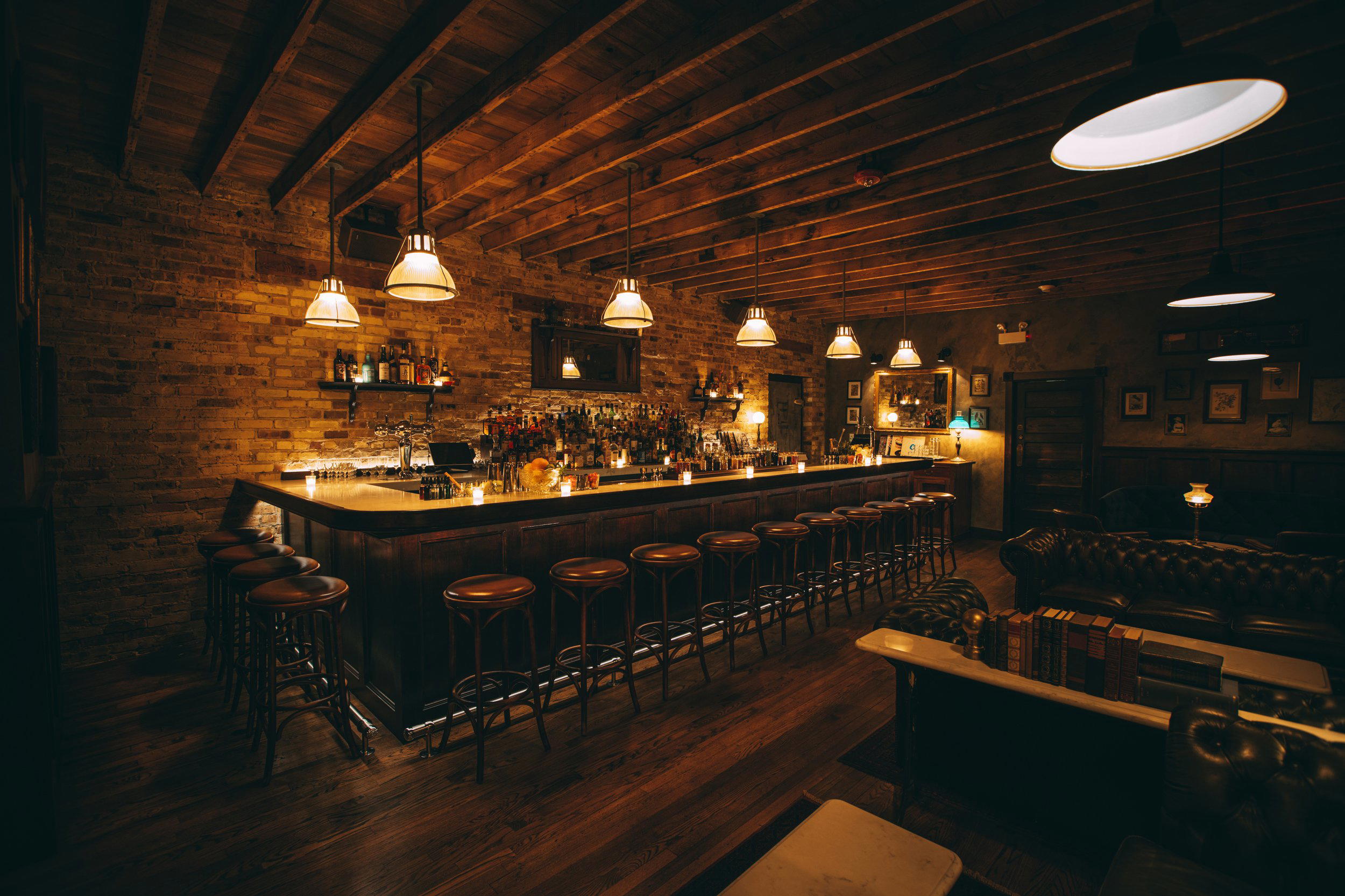
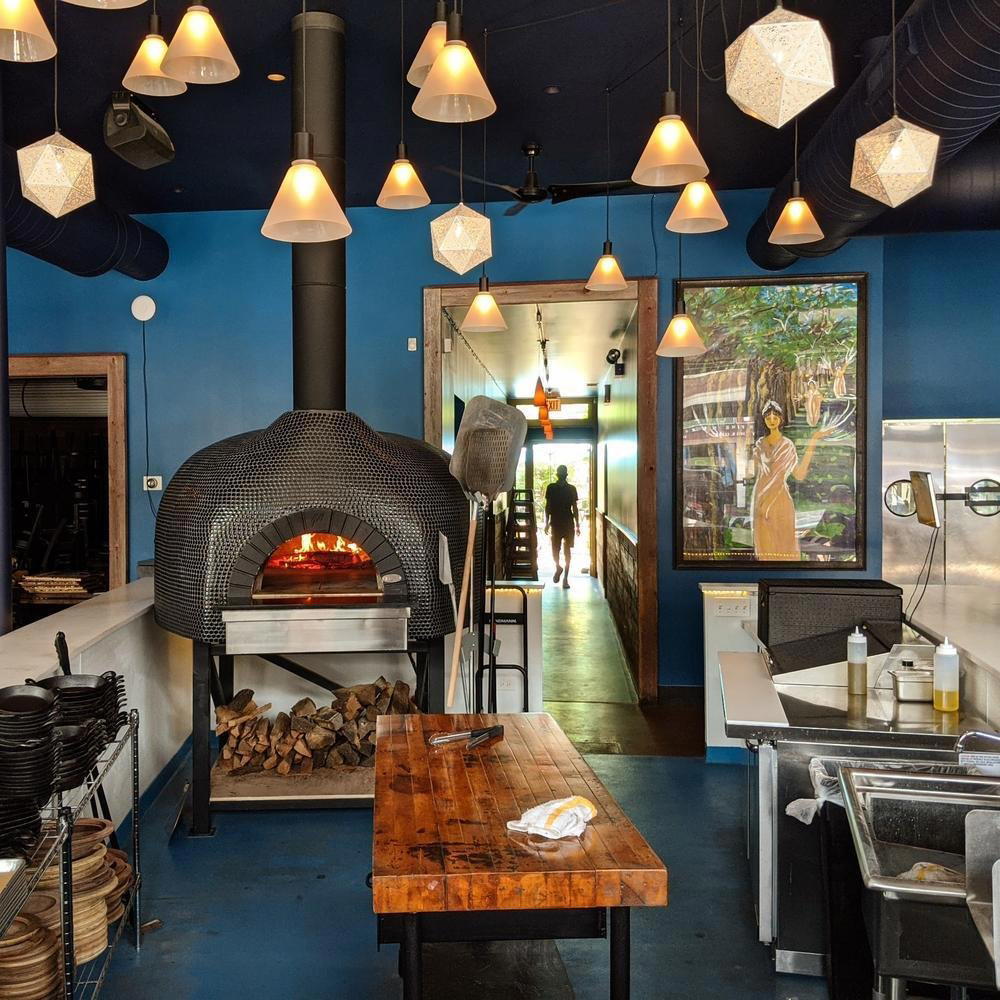
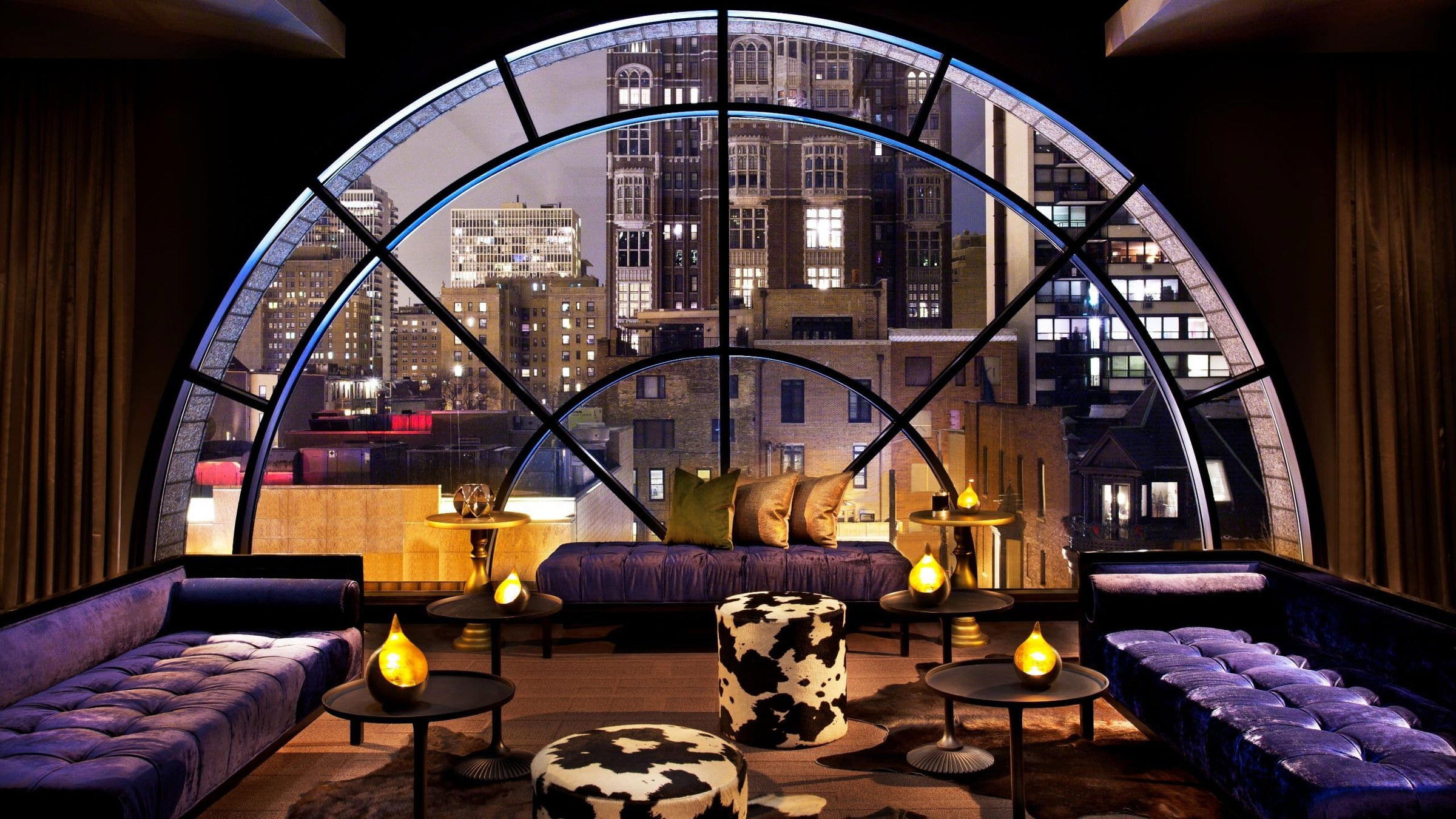
Elegant and versatile atmosphere adaptable to whimsical, avant-garde, rustic, or black-tie events with creative, memorable food displays.