RL Restaurant


In a city that cycles through concepts at speed, RL Restaurant on East Chicago Avenue holds a different kind of position: the room that Chicago's established crowd returns to not for novelty but for consistency. The aesthetic is club-adjacent, the service formalized, and the cooking calibrated to a clientele that measures quality against a long personal history of dining well rather than against last week's opening.
Pearl is the En Primeur Club membership app — saves, bookings, and concierge access live there. Same editors, same standards.
- Address
- 115 E Chicago Ave, Chicago, IL 60611
- Phone
- (312) 475-1100
- Website
- rlrestaurant.com
- Directions
- Get directions
 Saves & bookings on Pearl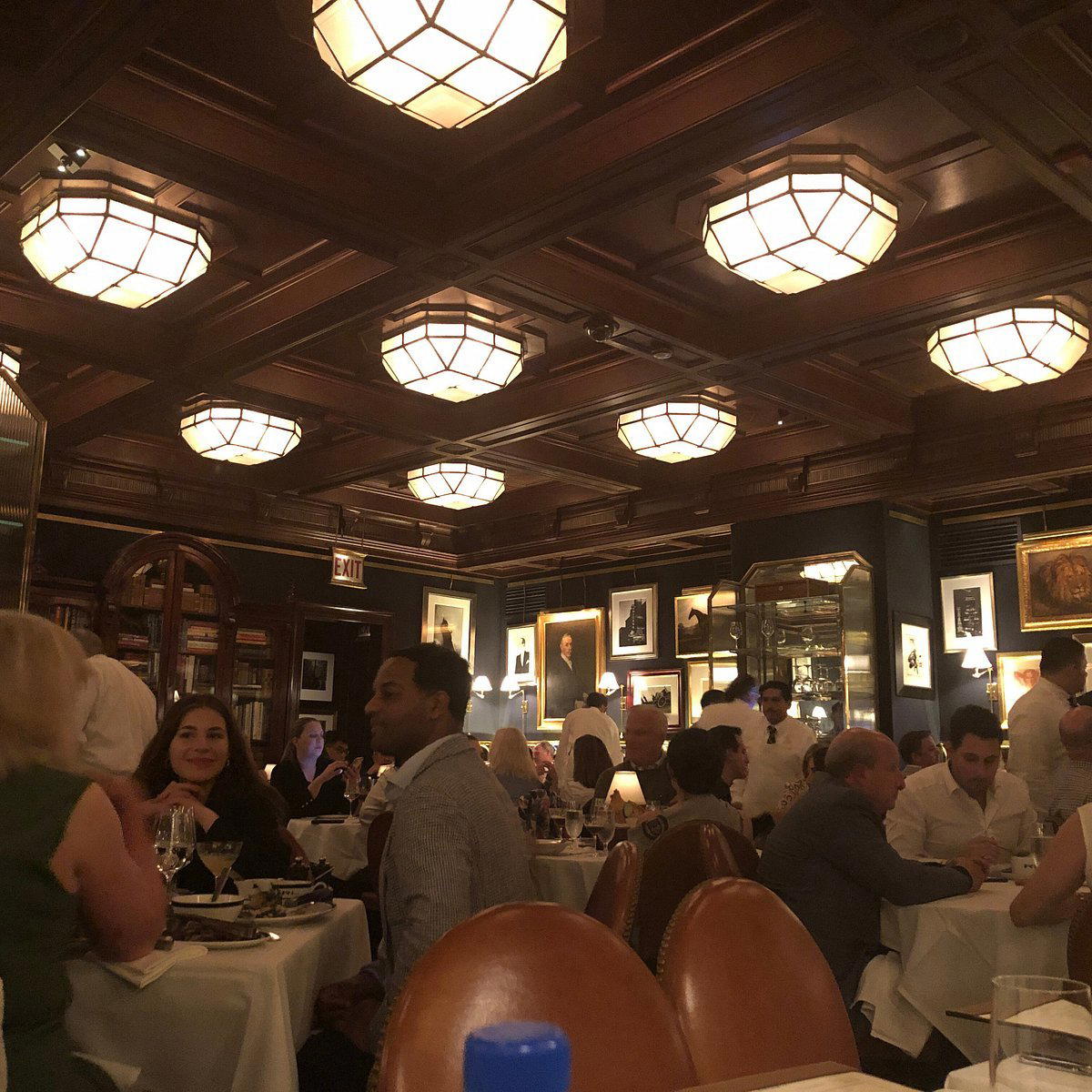
The Case for Permanence on East Chicago Avenue
Chicago's dining scene moves fast. The city has produced particularly technically ambitious restaurants in North America, from the molecular recalibrations at Alinea to the ingredient-driven precision at Smyth and the format-bending tasting menus at Oriole. New concepts arrive with PR campaigns and six-week reservation windows; others close before the year is out. Against that backdrop, the restaurants that endure without reinventing themselves every season occupy a distinct and somewhat rare category. RL Restaurant, at 115 East Chicago Avenue in the Gold Coast, is a restaurant serving Classic American City Club cuisine and is priced at about $70 per person. The address alone signals something: this is the part of the city where old money and new ambition have coexisted for decades, and the restaurants that survive here do so by understanding both.
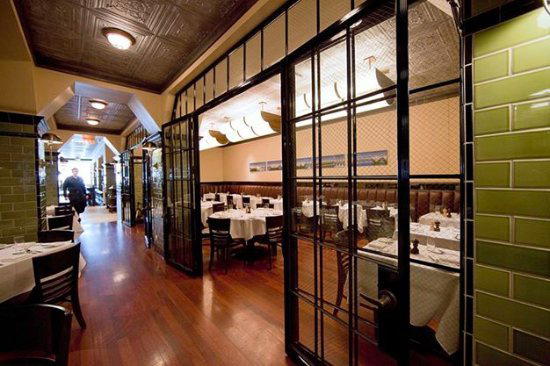
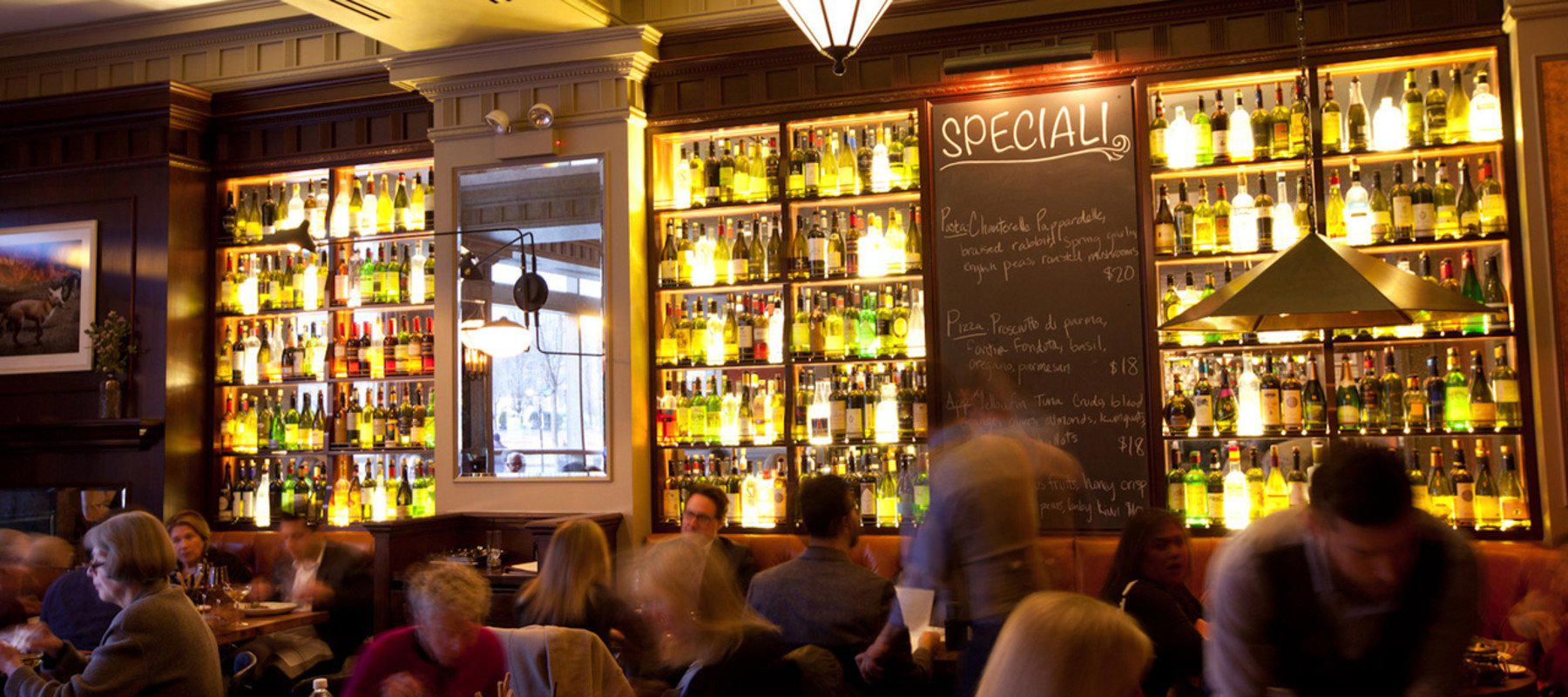
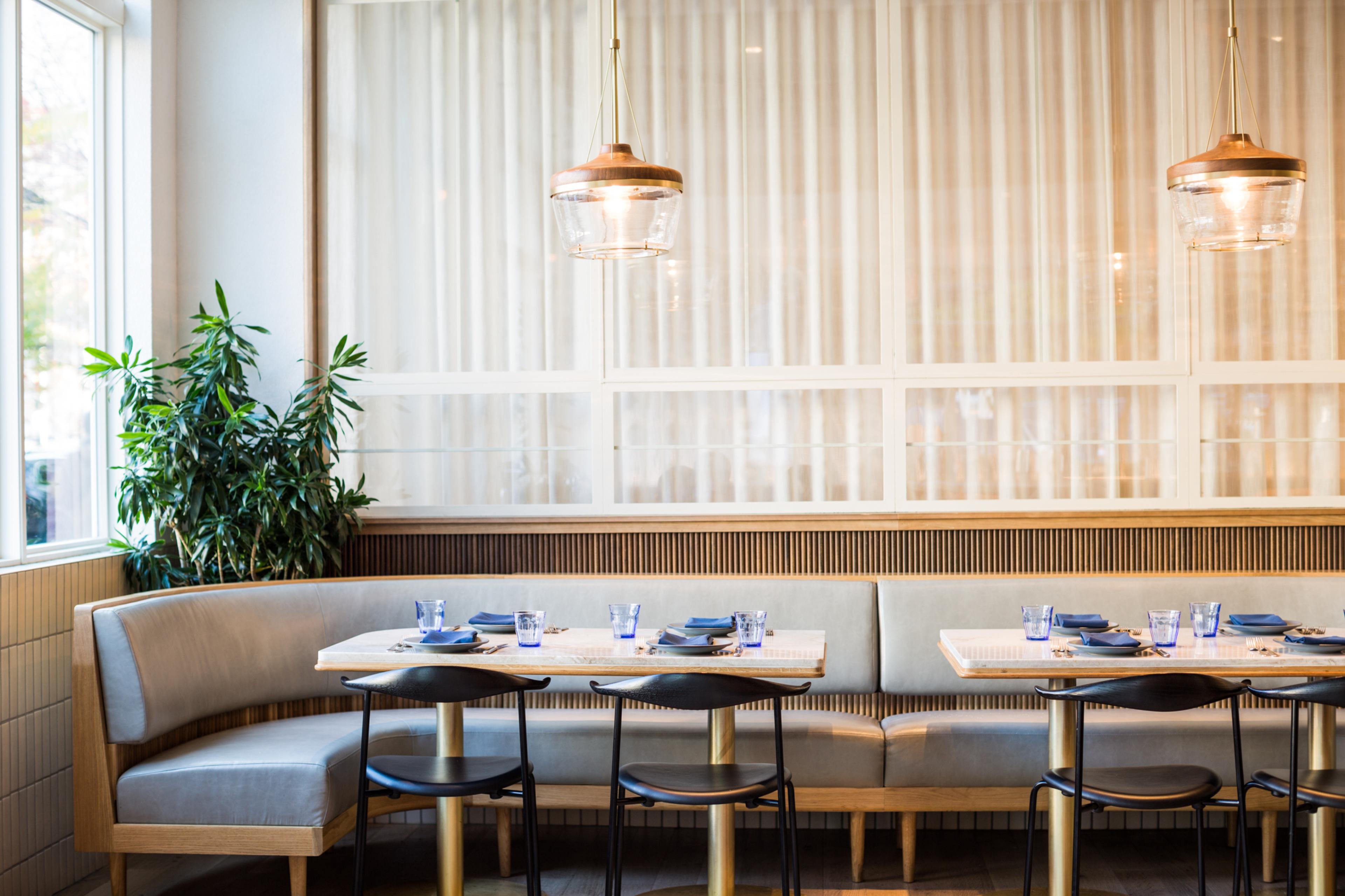
The room itself is the first argument RL makes. Dark wood paneling, leather banquettes, and a two-story layout that feels closer to a private members' club than a contemporary dining room, this is an aesthetic built for the long term, not for a particular moment. Cities like Chicago have relatively few spaces that perform this kind of function: a place where the power lunch and the anniversary dinner and the post-theater table all coexist without any of them feeling out of place. The design communicates that the kitchen's job is to support the room, not the other way around.
Technique in Service of Familiarity
The editorial angle that matters most at RL is not innovation but mastery within a recognized framework. American restaurants working in the classic tradition, whether in Chicago, New York, or New Orleans, have long operated at the intersection of imported European technique and domestically sourced product. Le Bernardin in New York City applies French discipline to American seafood; Emeril's in New Orleans routes Louisiana product through classical training. RL occupies a related position in Chicago: the kitchen draws on the conventions of American club cooking, shaped by French and European structural influence, and applies them to a menu that the city's established dining crowd reads as both comfortable and credible.
This approach has a longer history in Chicago than the current wave of avant-garde restaurants might suggest. The city's culinary tradition includes a strong lineage of chophouses, continental rooms, and private-club kitchens that predate the modernist moment by decades. RL connects to that lineage while operating in the present tense. The result is a kitchen where consistency is the primary signal of quality, not novelty. For a segment of the dining population, that is precisely the point.
The global-technique, local-product framework that defines particularly considered American kitchens is present here in a quieter register than at, say, Lazy Bear in San Francisco or Single Thread Farm in Healdsburg. At those addresses, the sourcing narrative is explicit and foregrounded. At RL, it operates in the background: the expectation is that product quality is given, and the kitchen's obligation is execution. That restraint in self-presentation is, in its own way, a form of confidence.
Where RL Sits in the Chicago Competitive Set
Chicago's restaurant market has stratified considerably over the past decade. At the summit of the price tier, restaurants like Next Restaurant and Kasama operate with tasting-menu formats, limited seatings, and pre-paid booking structures that are closer to ticketed events than traditional restaurant experiences. Those formats serve a specific kind of diner: one who plans weeks or months ahead and wants a structured, often theatrical evening.
RL addresses a different need. The room accommodates walk-ins during slower periods, runs a full à la carte format, and operates on a timeline that suits business lunches and spontaneous dinners alike. In competitive terms, it sits closer to the high-end steakhouse and continental American tier than to the tasting-menu circuit. Peers in other cities might include Providence in Los Angeles in terms of positioning within a formal-but-accessible tier, though RL's aesthetic vocabulary is more classically American than Providence's seafood-centric fine dining identity. Internationally, the gap between RL's approach and the formal European model is instructive: the kind of structured grandeur on display at Alain Ducasse's Louis XV in Monte Carlo or 8½ Otto e Mezzo Bombana in Hong Kong demands a different register of ceremony. RL is formal by Chicago standards, not by Monaco ones.
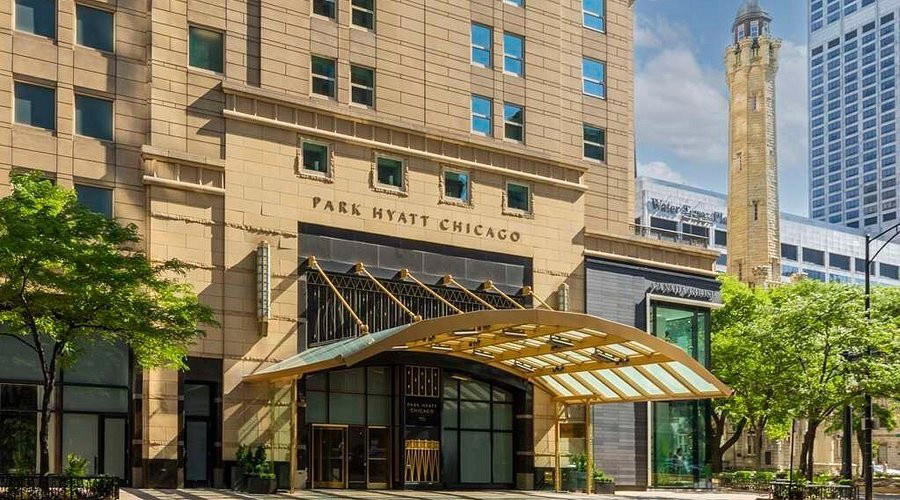
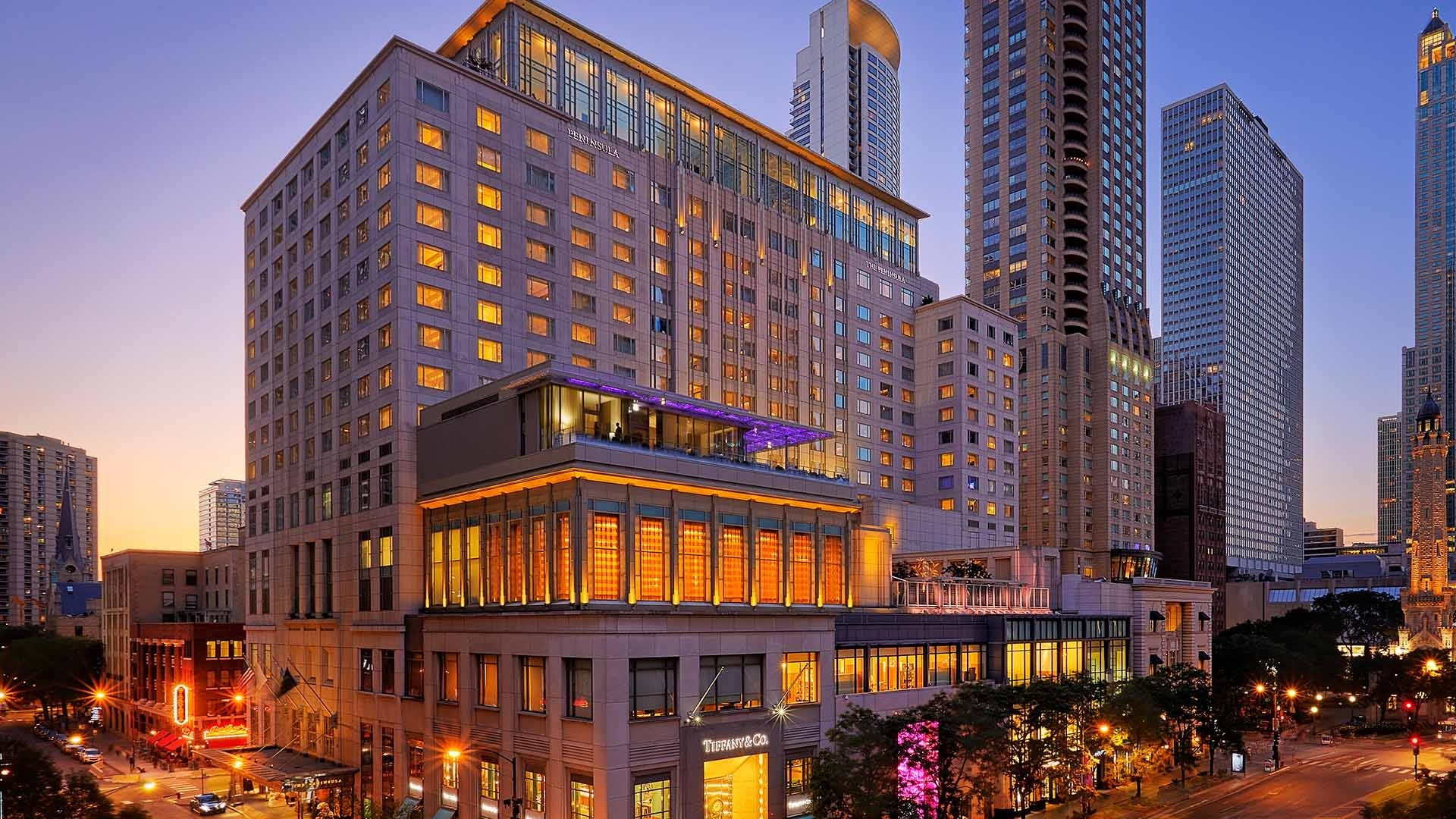
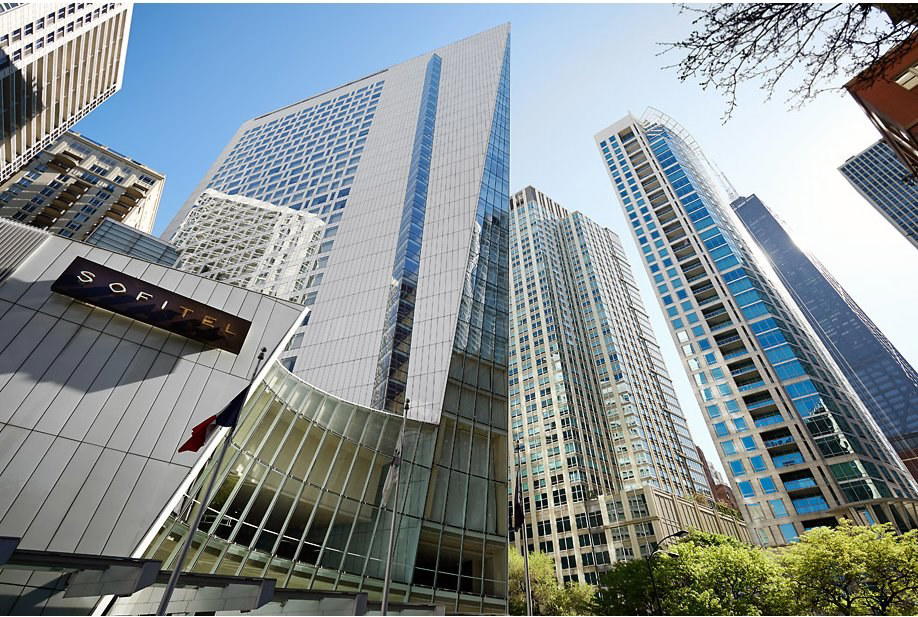
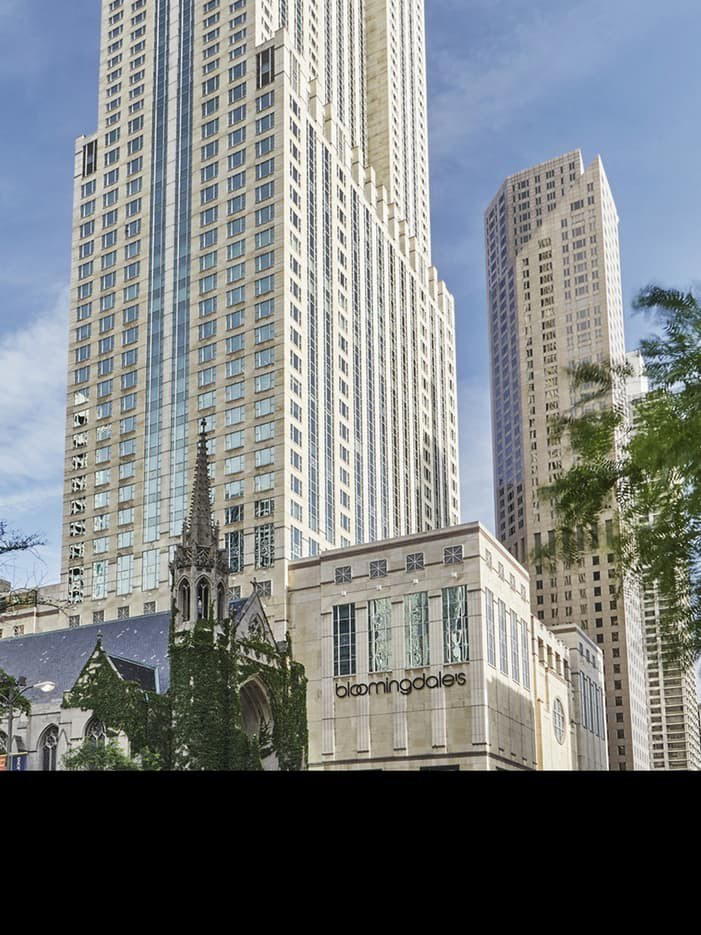
The Gold Coast location matters to the competitive analysis. Unlike the West Loop restaurant corridor, where foot traffic is driven by a younger, more trend-oriented crowd, East Chicago Avenue draws from the hotel and residential base of the Near North Side. Guests arriving from the surrounding luxury hotels, or from the adjacent Magnificent Mile, arrive with different expectations than the West Loop diner hunting for a reservation that proves they read the right newsletter. That clientele rewards reliability.
Planning a Visit
RL Restaurant sits at 115 East Chicago Avenue, accessible from the Chicago/Red Line stop and within walking distance of the cluster of luxury hotels along Michigan Avenue. Reservations are recommended, especially for weekend evenings and lunch service during the week. The à la carte format means there is no fixed commitment on arrival time or course count, which makes it a more flexible option than Chicago's tasting-menu restaurants. Dress code expectations at this address skew toward smart-casual at minimum; the room sets a tone and most guests read it correctly on arrival.
Comparable Venues
Comparable venues nearby, for context on price, style, and recognition.
| Venue | Cuisine | Price | Notes |
|---|---|---|---|
| RL RestaurantThis venue — the venue you are viewing | Classic American City Club | $$$$ | Not listed |
| Blackbird | Contemporary American | $$$$ | West Loop |
| NoMI Kitchen | Modern American with French and Sushi Influences | $$$$ | Magnificent Mile |
| The Lobby | Contemporary American | $$$$ | Streeterville |
| The Grillroom | Modern American Steakhouse | $$$ | Theater District |
| Pacific Standard Time | Modern California Cuisine | $$$ | River North |
Recognition history
Dated appearances from independent guides and award organizations, with the underlying list record or original source where available.
Star Wine List
Star Wine List
Wine Spectator Award of Excellence
Wine Spectator
At a Glance
- Classic
- Elegant
- Sophisticated
- Cozy
- Well Known
- Date Night
- Business Dinner
- Special Occasion
- Hotel Restaurant
- Terrace
- Extensive Wine List
- Street Scene
Current opening hours
- Monday
- 11 AM–11 PM
- Tuesday
- 11 AM–11 PM
- Wednesday
- 11 AM–11 PM
- Thursday
- 11 AM–11 PM
- Friday
- 11 AM–11 PM
- Saturday
- 11 AM–11 PM
- Sunday
- 11 AM–11 PM
Hours can change for holidays and private events. Last verified .
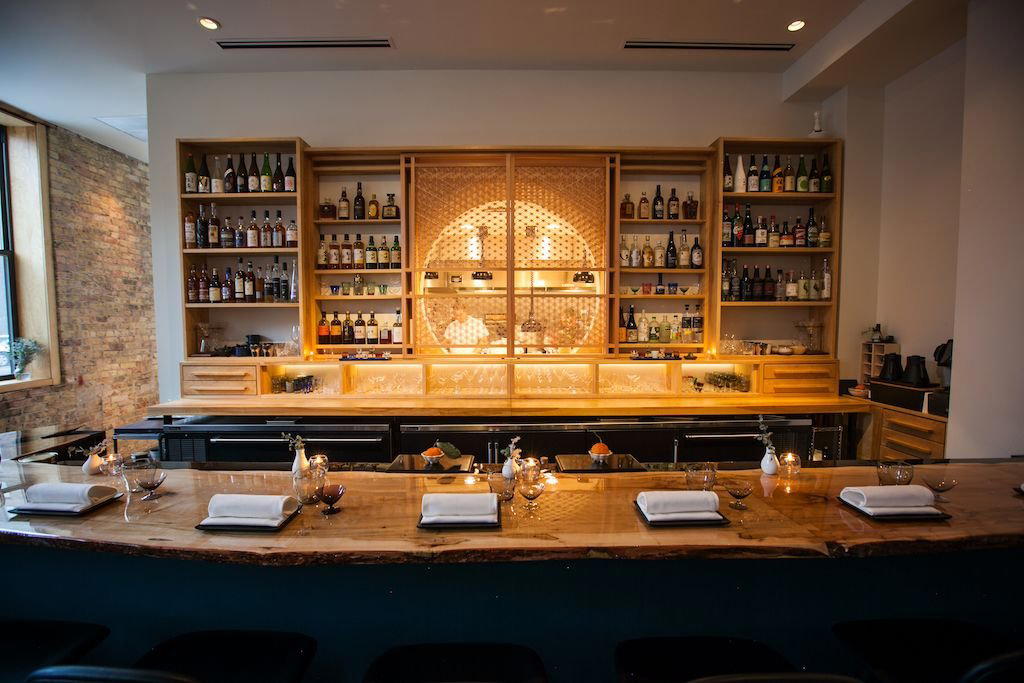
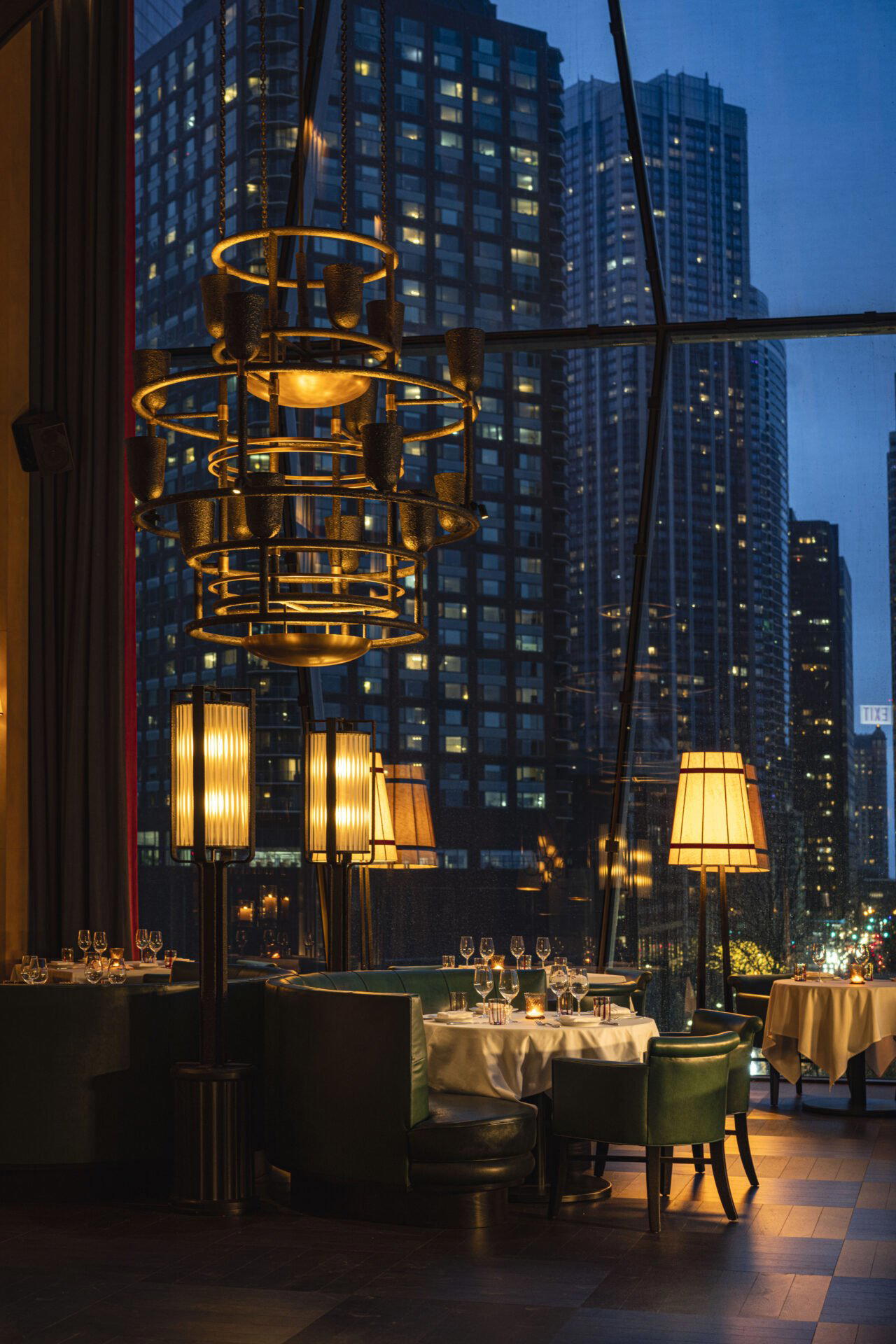
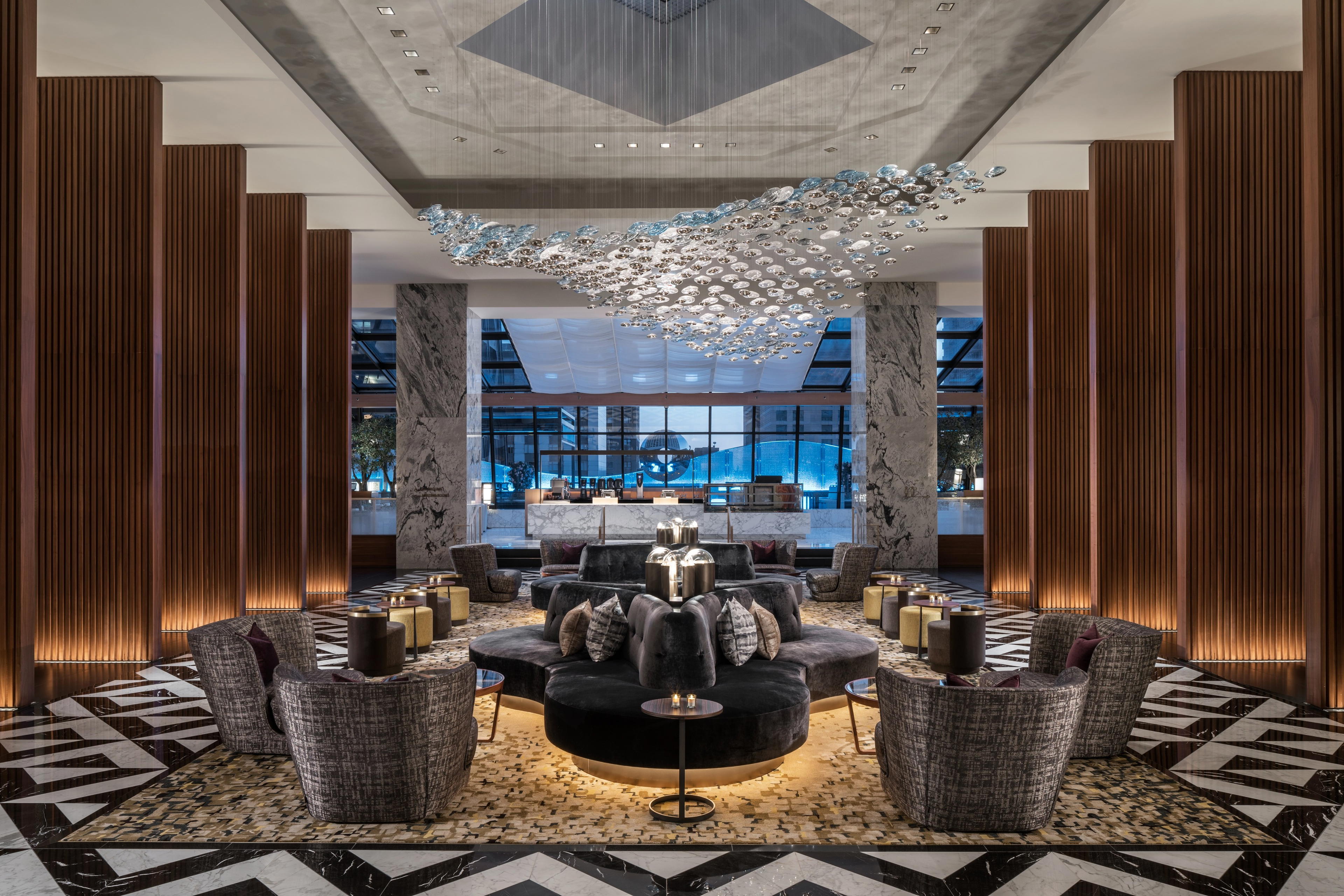
Cozy interior with dark wood paneling, leather banquettes, period artwork, busy atmosphere, and terrace seating in summer.