
Giano sits inside Hotel W on the quieter western edge of the Via Veneto district, bringing Sicilian-rooted Mediterranean cooking to one of Rome's more hotel-dense neighbourhoods. The kitchen operates under the influence of Ciccio Sultano, the two-Michelin-starred chef behind Ragusa's Duomo restaurant, with the menu shifting from lighter lunch formats to a more considered evening program. Michelin has awarded the Plate recognition in both 2024 and 2025.
Pearl is the En Primeur Club membership app — saves, bookings, and concierge access live there. Same editors, same standards.
- Address
- Via Liguria, 28, 00187 Roma RM, Italy
- Phone
- +39 06 894121
- Website
- gianorestaurant.com
- Directions
- Get directions
 Saves & bookings on Pearl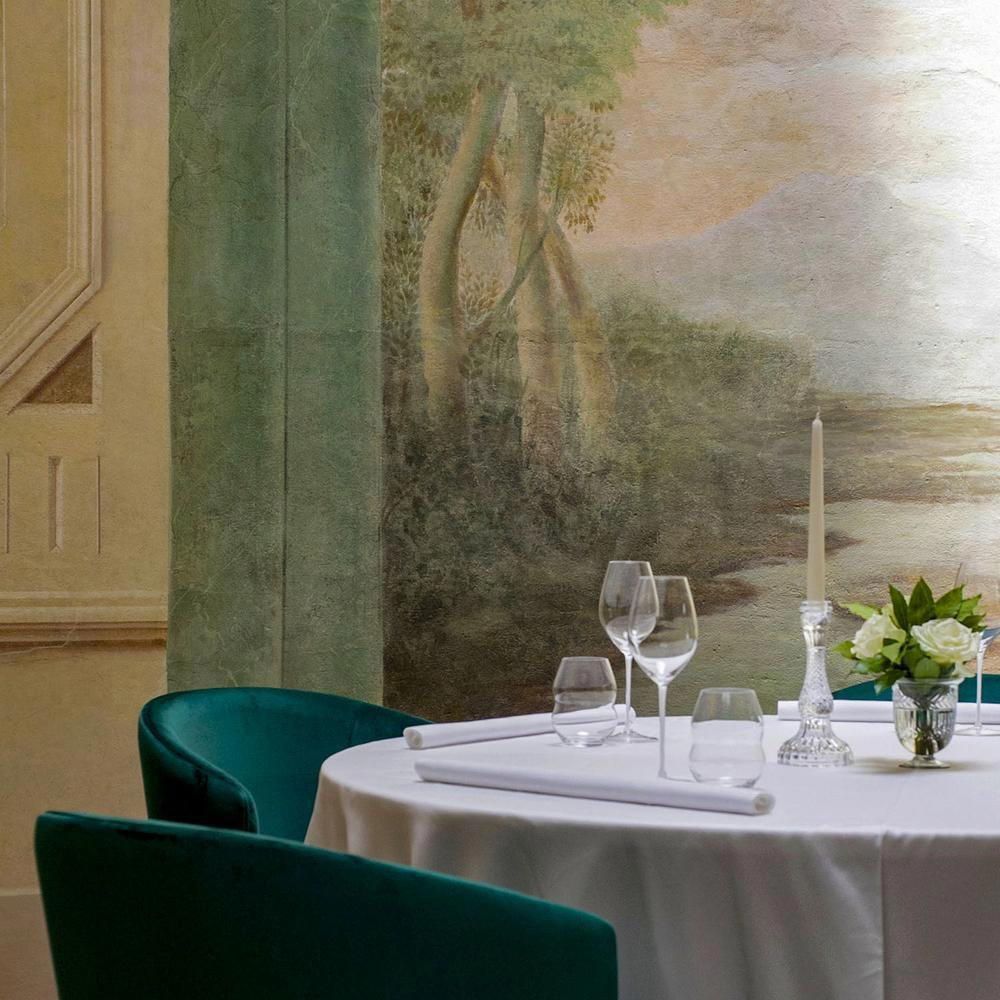
Via Veneto, Modern Hotels, and the Sicilian Thread Running Through Rome's Mid-Tier Dining Scene
Its reputation, grand hotels, foreign embassies, a certain faded glamour, tends to attract a clientele more interested in convenience than culinary seriousness. That context is worth holding in mind when assessing Giano Rome, because the restaurant operates against that grain. Positioned on Via Liguria just off the main boulevard, inside the Hotel W, it draws on a culinary lineage that has nothing to do with its immediate neighbourhood and everything to do with the far south of Italy.
Michelin awarded Giano Plate recognition in 2024 and 2025. In the context of Rome's hotel dining, where the distance between a Michelin Plate and a three-starred room like La Pergola is considerable, that placement positions Giano in a distinct and honest tier: a kitchen producing food that registers on the guide's radar without competing at the city's most demanding level.
Ciccio Sultano's Influence and What It Means for the Menu
In Italian fine dining, the question of creative lineage matters. The resident kitchen at Giano operates with the involvement of Ciccio Sultano, whose main restaurant, Duomo in Ragusa, holds two Michelin stars. That affiliation shapes the menu's identity in specific ways: this is not Roman trattoria food, nor is it the kind of broadly Italian hotel cooking that defaults to crowd-pleasing pasta and grilled protein. The reference point is Sicilian, and the approach is contemporary rather than literal.
Sicily's culinary tradition carries genuine complexity: Arabic-inflected spicing, abundant seafood, preserved ingredients, and a particular relationship with both sweet and savoury flavour profiles. When that tradition is reinterpreted at a hotel restaurant in central Rome, the risk is that it becomes decorative rather than substantive. The evidence from the menu, and from Michelin's continued recognition, suggests Giano avoids that trap. The kitchen applies modern technique to recognisably Sicilian source material rather than simply signalling origins through ingredient name-drops.
Acquolina in Rome and at Enoteca La Torre provides useful calibration. Both operate in the starred tier and demonstrate the range of what contemporary Italian cuisine looks like at the capital's more demanding end. Giano sits below that tier by award measure, but the Sultano connection anchors its menu to a serious culinary tradition rather than hotel-casual convenience.
Format, Atmosphere, and the Day-to-Night Shift
Hotel restaurants in the €€€ price tier across Europe increasingly split their offer by daypart: lighter, more accessible formats at lunch, and a more considered evening program that justifies the pricing and the kitchen's ambitions. Giano follows that structure. Lunch runs toward simpler plates; dinner moves into what Michelin's own description characterises as more gourmet territory. That split is operationally sensible and editorially honest, it sets the right expectations without overpromising.
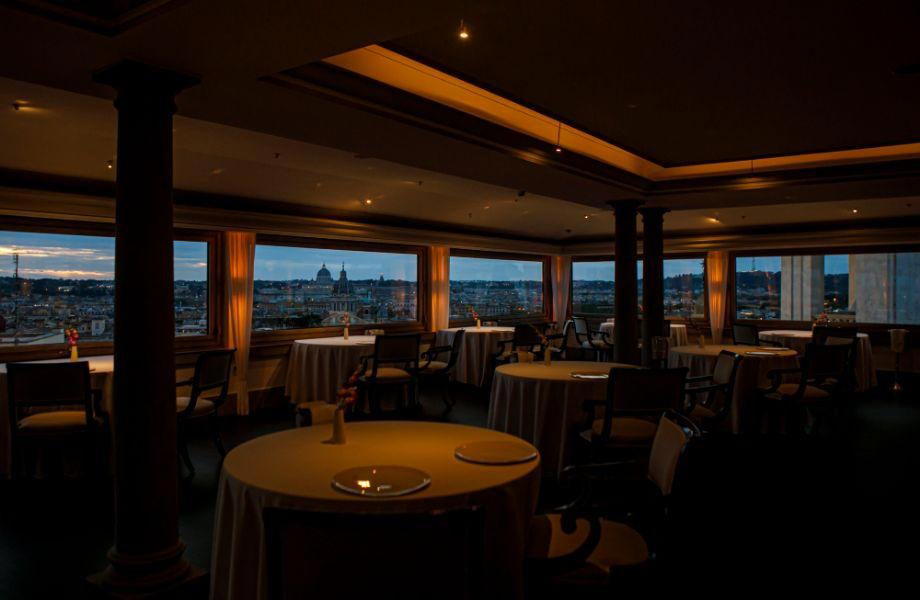
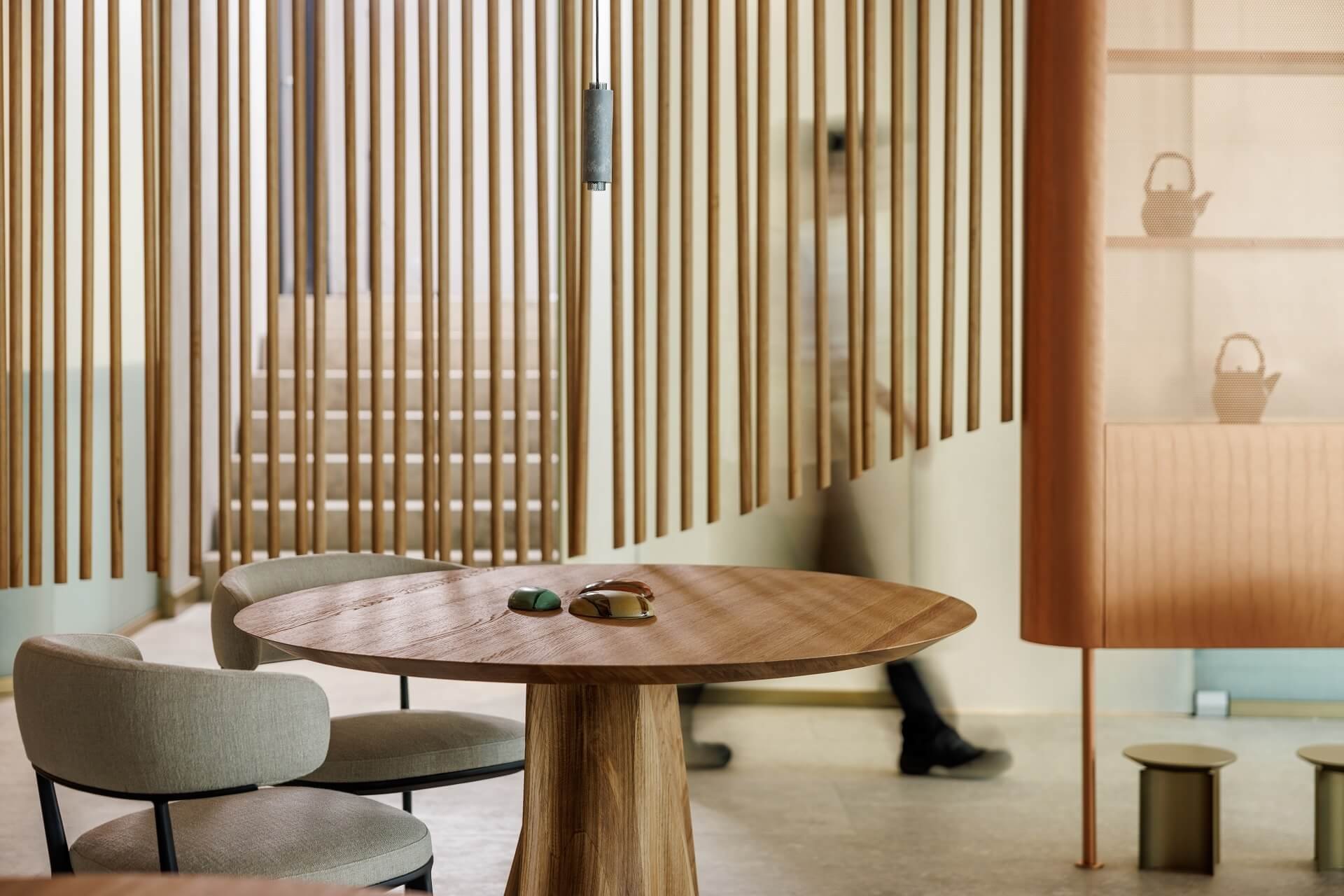
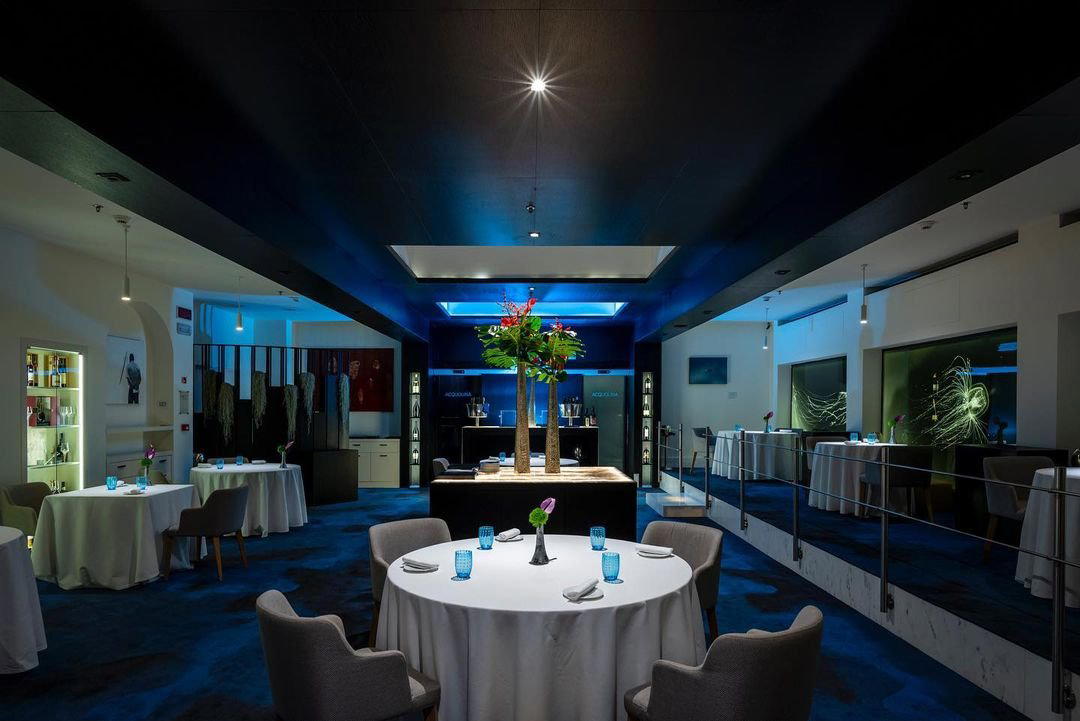
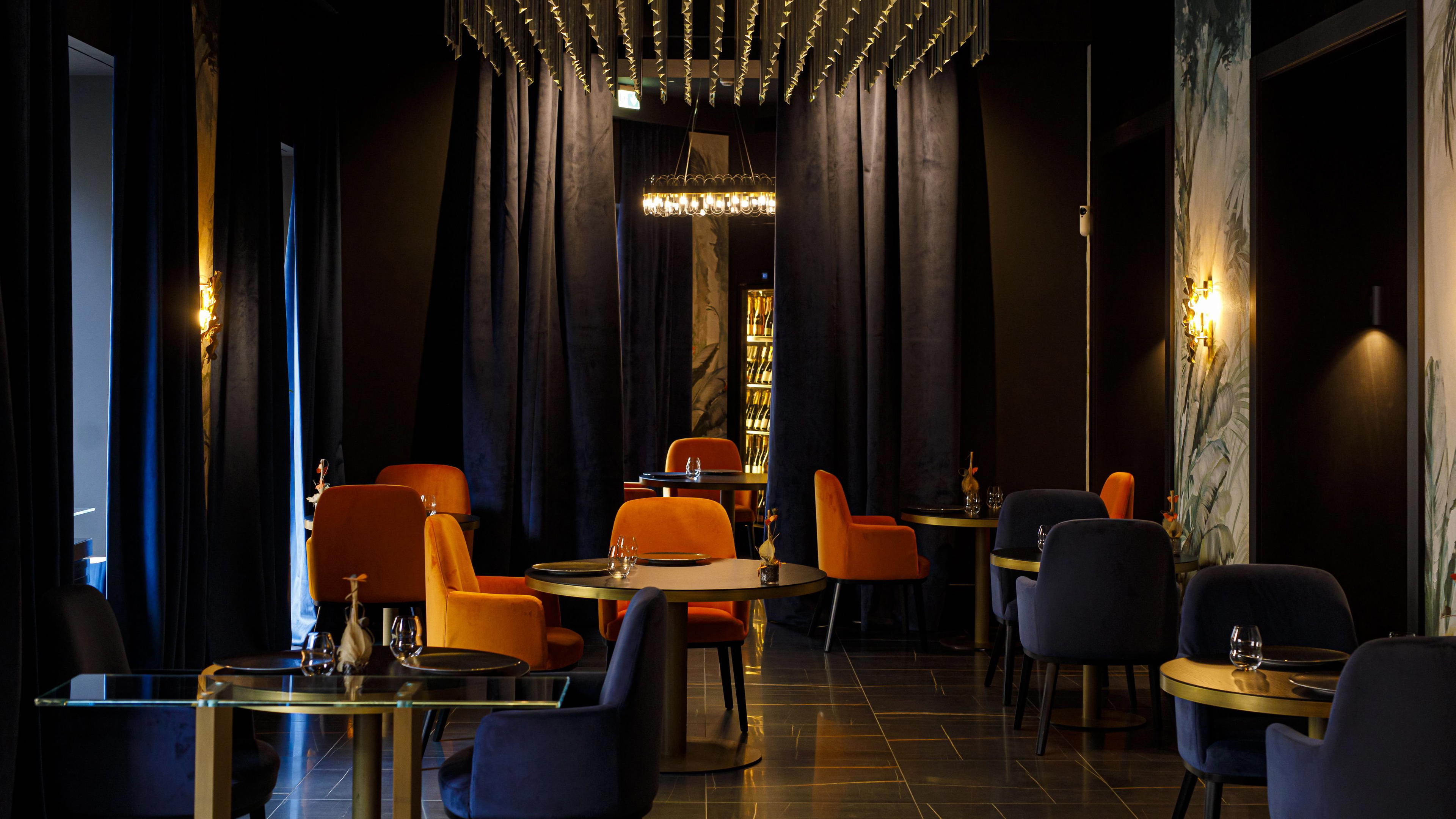
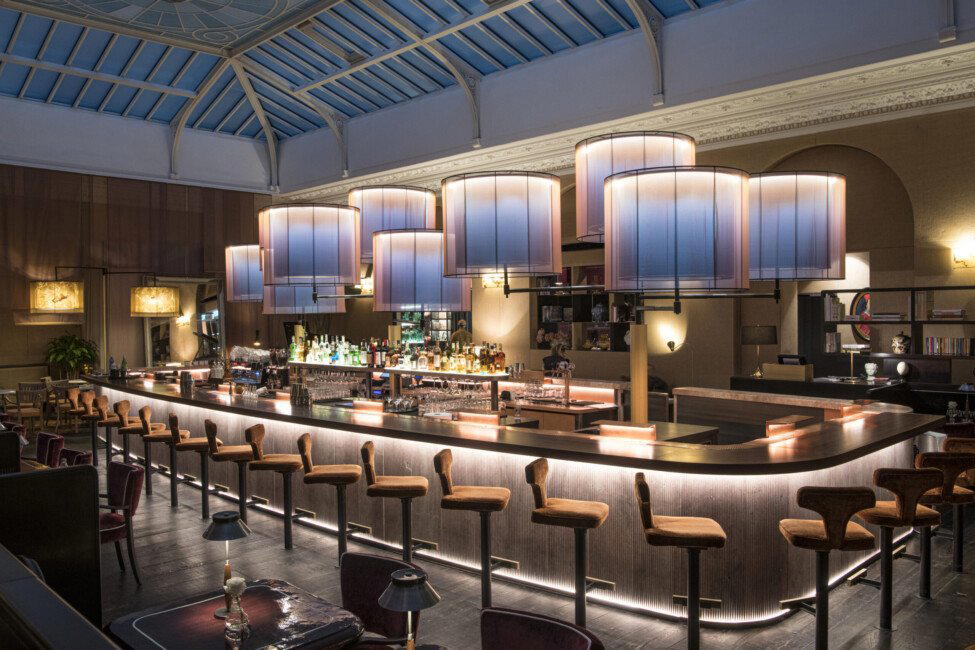
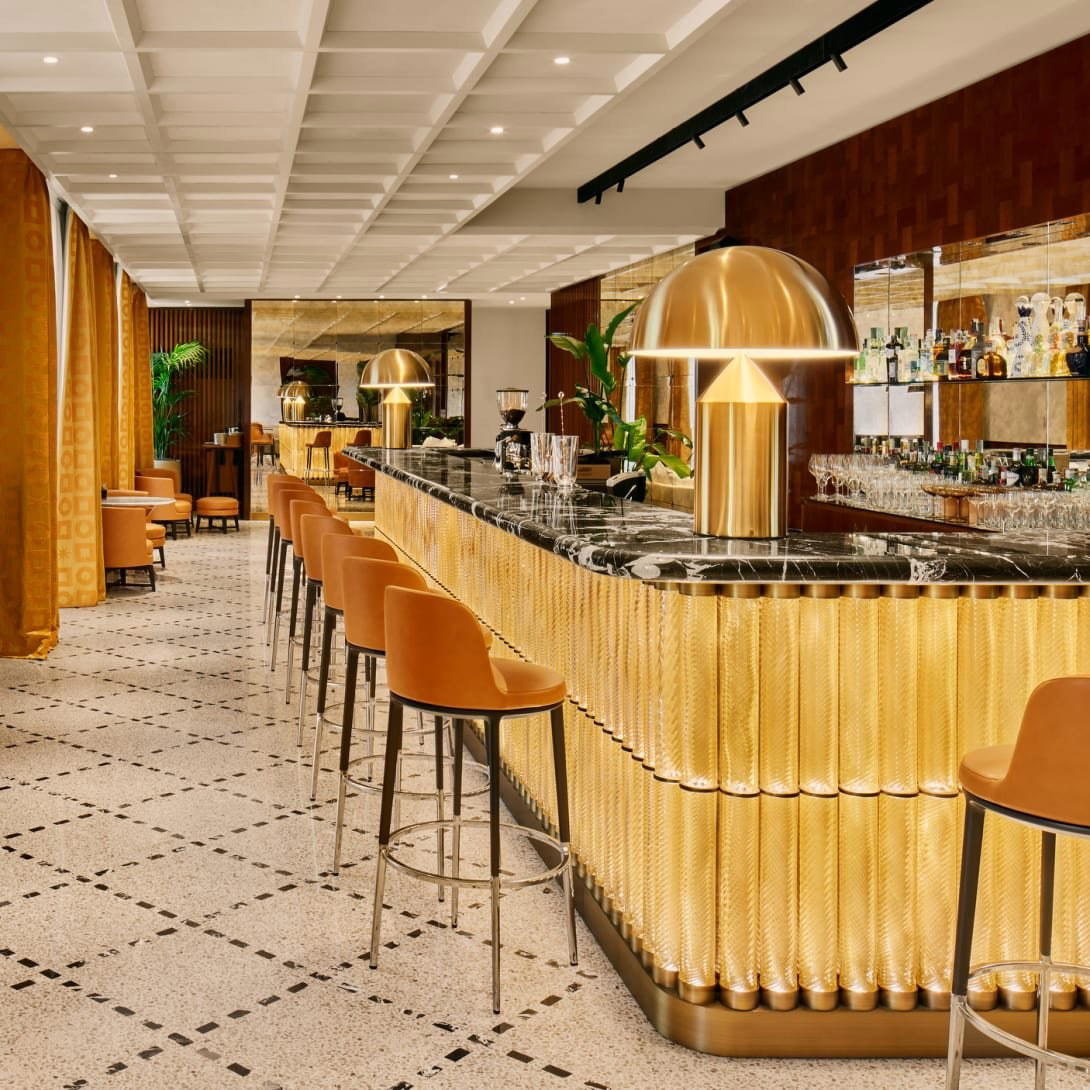
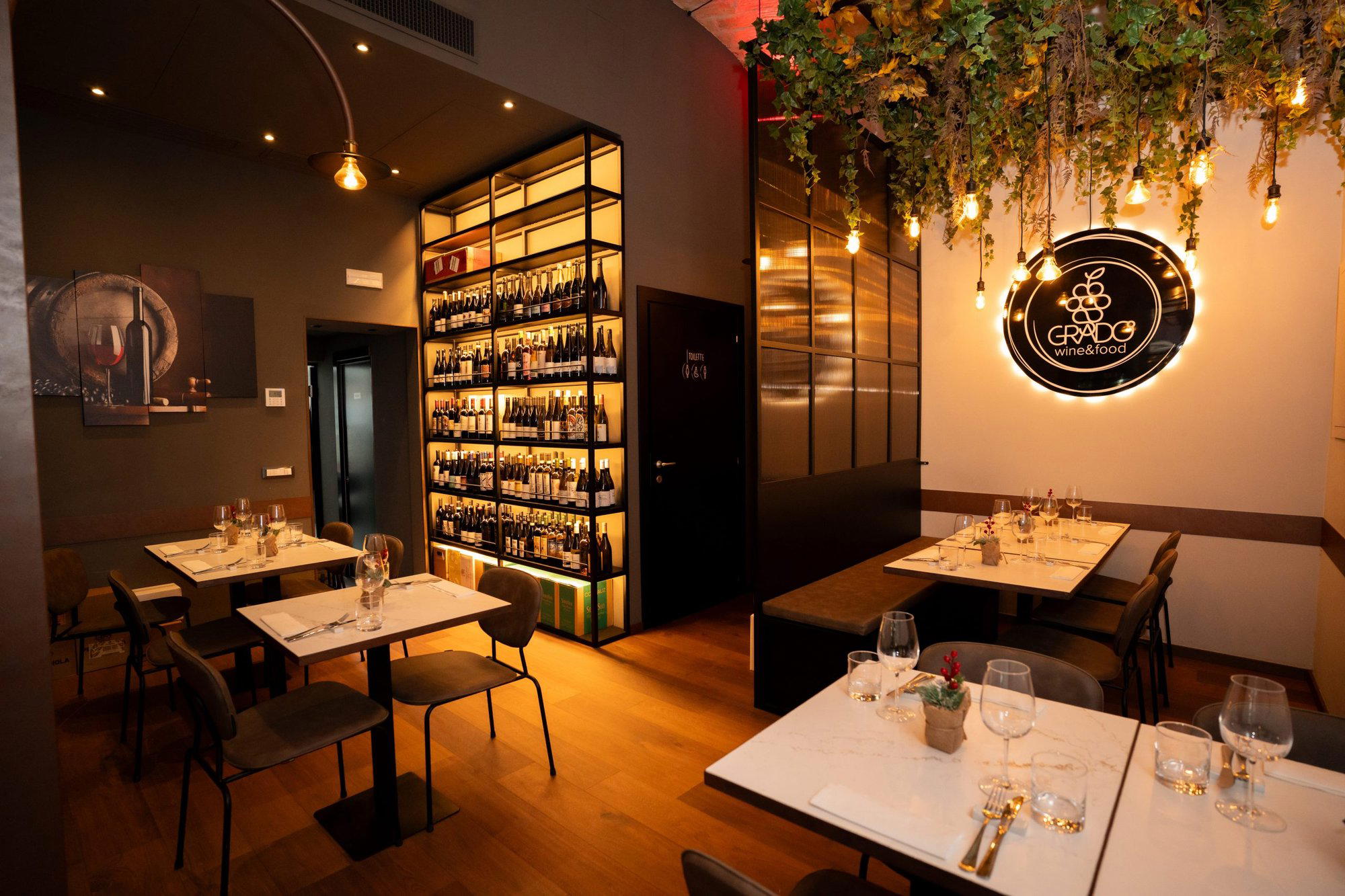
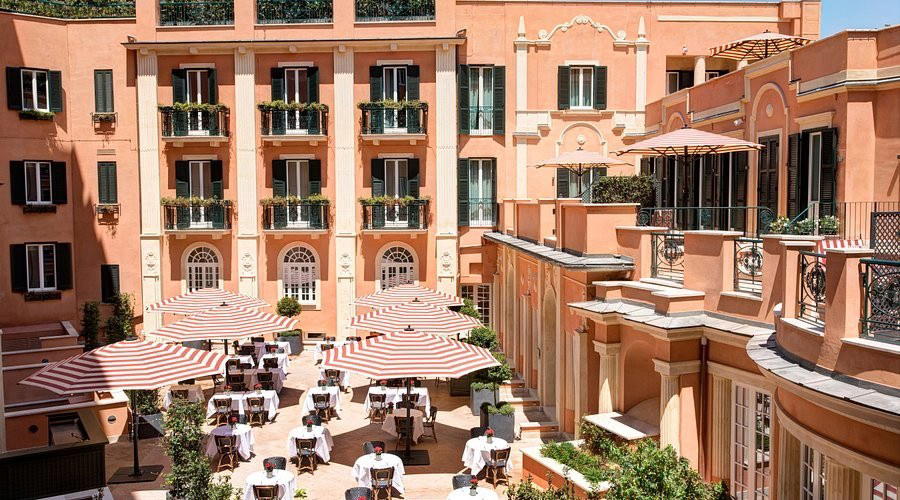
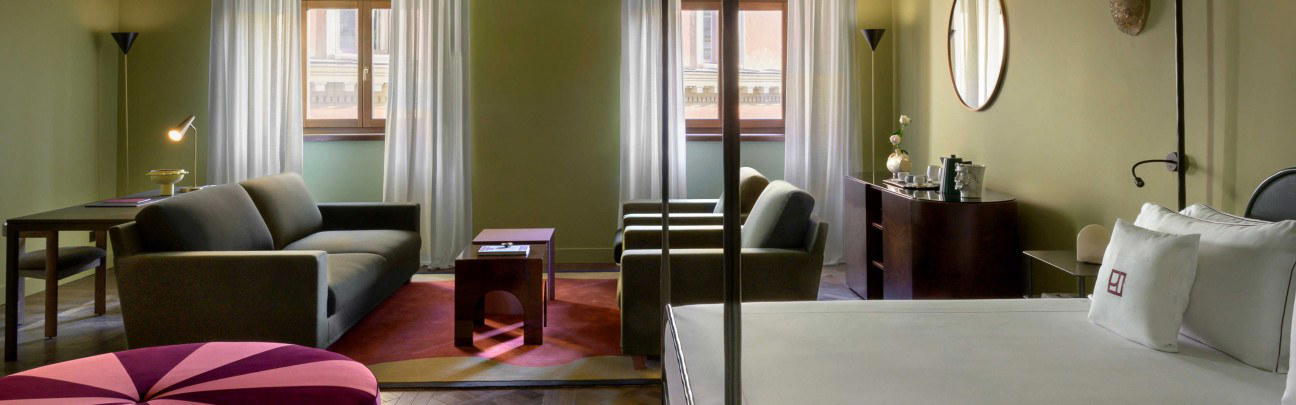
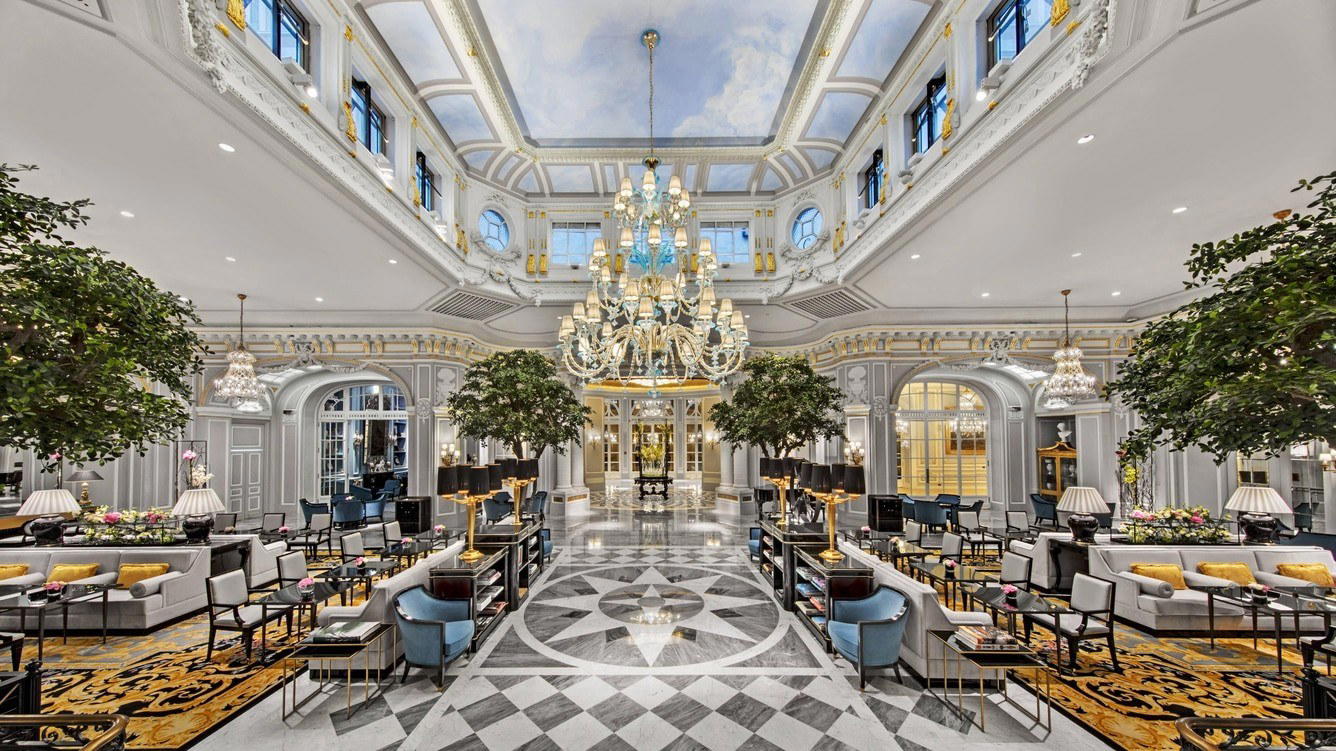
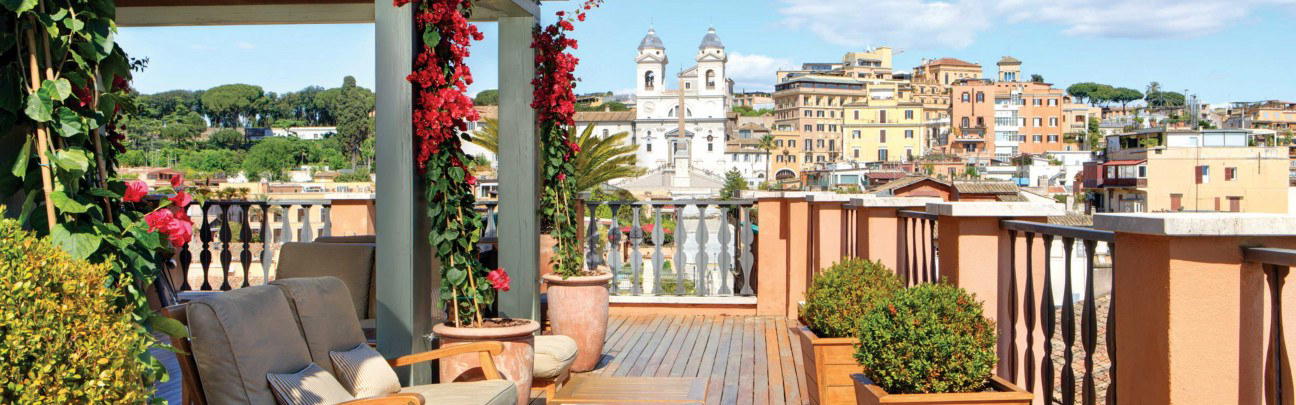
The physical setting reinforces the informal register. The atmosphere is described as modern and relaxed, with the restaurant sharing the Hotel W's cocktail bar and garden access. For Rome in summer, a garden attachment carries practical weight: outdoor dining in the city is rarely at the same standard as the interior, but access to open-air space in the Veneto district, away from the heavier tourist currents of the centro storico, changes the proposition meaningfully. The hotel format also means the space does not carry the neighbourhood-restaurant energy of somewhere like Casa Coppelle or the bar-forward character of Il Marchese, but it trades that for a calm that the surrounding area, quieter by Roman standards, naturally supports.
What the Menu Communicates About Approach
Several dishes carry enough specificity to read as genuine editorial positions rather than generic Mediterranean placeholders. Spaghetto taratatà, made with tuna and bottarga, sits in a long Sicilian tradition of pasta built on preserved and fermented fish products, bottarga being dried cured roe, used both as a seasoning and a primary flavour driver. Caponata, the sweet-sour aubergine preparation that appears across Sicily in dozens of regional variations, appears on the menu in a form that the restaurant characterises as reinterpreted. Carpacci feature as a recommendation alongside a reworked millefeuille in the dessert section.
What these dishes share is a grounding in Sicilian technique and pantry rather than continental genericism. That specificity is more valuable in a hotel restaurant than it might seem: it gives the kitchen a defensible identity and gives the diner a reason to eat here rather than at the city's many competent but characterless alternatives.
The broader Mediterranean category contains restaurants across a wide range of ambition and geography. Comparing Giano's position to Mediterranean-inflected kitchens elsewhere in Europe, from La Brezza in Ascona to Arnaud Donckele and Maxime Frédéric at Louis Vuitton in Saint-Tropez, makes clear how different the execution tier can be within a single cuisine label. Giano occupies its own honest position: not chasing the multi-starred register of the Mediterranean's most decorated tables, but delivering something with more editorial intent than standard hotel fare.
Visit Giano
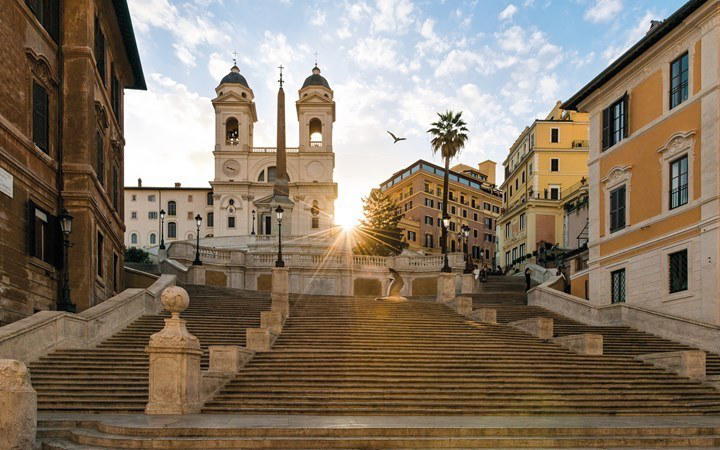
The address on Via Liguria places Giano within easy reach of the Spagna and Barberini metro stops, making it accessible from most parts of central Rome without a long walk or cab ride. Reservations are recommended, and the restaurant is open daily from 12 to 3 PM and 6:30 to 11 PM.
Osteria Francescana in Modena, Le Calandre in Rubano, Enoteca Pinchiorri in Florence, Enrico Bartolini in Milan, Dal Pescatore in Runate, and Atelier Moessmer Norbert Niederkofler in Brunico. Giano does not compete in that starred tier, but it occupies a coherent position below it, a hotel restaurant with a genuine culinary anchor and two consecutive years of Michelin recognition to substantiate it.
What People Recommend at Giano
Michelin specifically highlights the spaghetto taratatà with tuna and bottarga sauce, caponata, carpacci, and the reinterpreted millefeuille as dishes the kitchen handles with particular confidence. These are all grounded in Sicilian culinary tradition and reflect the influence of Ciccio Sultano, whose two-starred Duomo restaurant in Ragusa provides the creative framework. The evening menu, which leans toward the more considered end of the kitchen's range, is the better context for those dishes. The restaurant has received Michelin Plate recognition in both 2024 and 2025, and holds.
Comparable Venues
Comparable venues nearby, for context on price, style, and recognition.
| Venue | Cuisine | Price | Awards | Notes |
|---|---|---|---|---|
| GianoThis venue — the venue you are viewing | Modern Sicilian | $$$ | Michelin Plate | Not listed |
| La Ciambella | Modern Roman Trattoria | $$$ | Michelin Plate | Pigna |
| Cacciani | Traditional Roman-Lazio Cuisine | $$$ | Michelin Plate | Frascati |
| Retrobottega | Modern Italian | $$$ | Michelin Plate | Campo Marzio |
| Colline Emiliane | Traditional Emilian Pasta | $$$ | Michelin Plate | Trevi |
| Campocori | Modern Italian Fine Dining | $$$$ | Michelin Plate | Regola |
Recognition history
Dated appearances from independent guides and award organizations, with the underlying list record or original source where available.
Michelin Plate
Michelin
Michelin Plate
Michelin
Michelin Plate
Michelin

At a Glance
- Elegant
- Romantic
- Cozy
- Sophisticated
- Date Night
- Special Occasion
- Group Dining
- Family
- Hotel Restaurant
- Courtyard
- Open Kitchen
- Extensive Wine List
- Sommelier Led
- Garden
Current opening hours
- Monday
- 12–3 PM, 6:30–11 PM
- Tuesday
- 12–3 PM, 6:30–11 PM
- Wednesday
- 12–3 PM, 6:30–11 PM
- Thursday
- 12–3 PM, 6:30–11 PM
- Friday
- 12–3 PM, 6:30–11 PM
- Saturday
- 12–3 PM, 6:30–11 PM
- Sunday
- 12–3 PM, 6:30–11 PM
Hours can change for holidays and private events. Last verified .
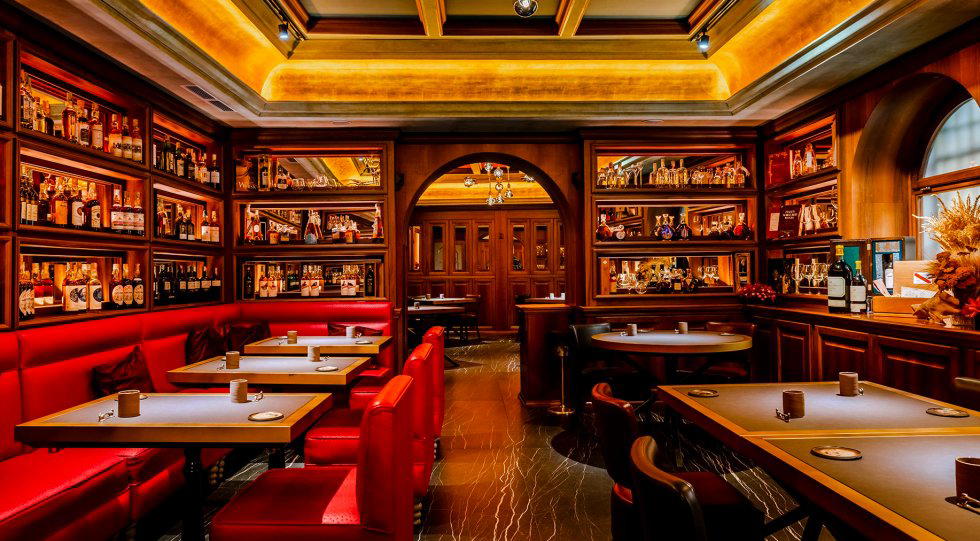
Chic, glamorous atmosphere with ornate decor, warm cozy lighting, and lovely courtyard seating.