
On Via di Ripetta near the Ara Pacis, Il Marchese occupies the convivial middle ground between Roman trattoria and modern cocktail bar. The kitchen holds a Michelin Plate (2025) and earns it on the strength of textbook carbonara, amatriciana, and seasonal artichoke preparations. A serious drinks program runs alongside the food, making it a reliable address for a full evening rather than a quick meal.
Pearl is the En Primeur Club membership app — saves, bookings, and concierge access live there. Same editors, same standards.
- Address
- Via di Ripetta, 162, 00186 Roma RM, Italy
- Phone
- +39 06 9021 8872
- Website
- ilmarchese.it
- Directions
- Get directions
 Saves & bookings on Pearl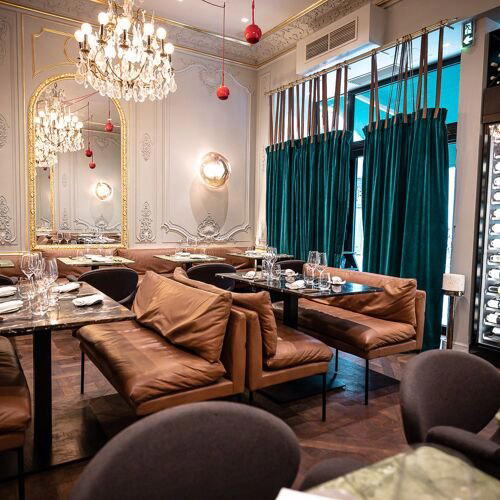
Where Via di Ripetta Meets the Aperitivo Generation
Rome's dining middle ground has always been contested territory. At one end of the spectrum, institutions like La Pergola and Enoteca La Torre anchor the city's fine-dining tier with multi-star credentials and prix-fixe formality. At the other, the city's countless neighbourhood trattorias trade on habit and proximity. The interesting shift over the past decade has been the emergence of a third category: osterie and mercati that take Roman cooking seriously, invest in a proper bar program, and pitch themselves to the crowd that wants a real evening out without the ceremony of a tasting menu. Il Marchese is a Modern Roman Osteria on Via di Ripetta in Rome, with a €€ price tier and a Michelin Plate in 2025.
Via di Ripetta runs from Piazza del Popolo south toward the Ara Pacis, a stretch that sits between the tourist density of Piazza Navona and the gallery-and-boutique character of the Tridente. It is a neighbourhood that rewards guests who arrive on foot and stay late. Il Marchese reads the room correctly: the format is informal without being careless, the room carries a touch of the osteria's traditional warmth while the cocktail list signals something more contemporary.
A Concept That Has Found Its Register
The name encodes the concept: osteria, mercato, liquori. Three registers operating at once. What has changed as the address has matured is the confidence with which all three coexist. Early iterations of the mercato-liquori format in Rome sometimes felt like the bar was apologising for the food, or the kitchen was afterthought to a cocktail-bar ambition. Il Marchese, as it stands under its current Michelin Plate recognition, has resolved that tension. The kitchen and the bar program carry equivalent weight, and the result is a room that fills at the pace of a restaurant but sustains at the pace of a bar.
That evolution matters for how you plan a visit. This is not a two-hour dinner-and-done proposition. The progression from antipasti through pasta to drinks is designed to occupy an evening, and the space accommodates that arc. In a city where the trattoria format has sometimes calcified into speed and indifference, that pacing is a deliberate editorial choice by the kitchen.
Roman Cooking on Its Own Terms
The Michelin Plate designation (2025) signals cooking that meets a standard worth noting.Acquolina or Giano. What the kitchen does is work within the Roman canon and execute it with care. Carbonara and amatriciana are the benchmarks by which any Roman restaurant invites judgement, and the Michelin assessment singles both out. These are dishes with no complexity to hide behind: the carbonara is guanciale, egg yolk, Pecorino Romano, and black pepper, and the margin between competent and compelling is entirely in the execution.
The antipasti list anchors the seasonal end of the menu. Artichoke preparations shift with availability; the croquettes offer a more stable reference point. This pattern, seasonal produce treated simply alongside a roster of year-round staples, is characteristic of how Rome's better-regarded osterie have positioned themselves in response to the modernist drift at the higher end of the market. Where restaurants like Casa Coppelle fold French technique into the Roman idiom, Il Marchese works closer to the source.
For a wider view of how this style of cooking compares across the Italian canon, consider how the tradition extends to institutions like Osteria Francescana in Modena or the long-running commitment to regional cooking at Dal Pescatore in Runate. The scale and ambition differ entirely, but the underlying respect for Italian regional cooking as the primary frame of reference is consistent.
The Drinks Program as a Defining Feature
What separates Il Marchese from a standard osteria is the cocktail program, and what separates it from a standard cocktail bar is the food. Rome has not historically been a city of serious bar culture in the way that Milan or London have developed it, but that has shifted. The aperitivo hour has lengthened, the negroni has become a reference drink rather than a novelty, and guests now expect a drinks list to demonstrate the same care as the kitchen. Il Marchese's cocktail selection is described as impressive within the Michelin assessment, and the mercato-liquori framing suggests a list organised around spirits and vermouth categories rather than themed cocktail names.
The Mediterranean bar tradition, when done well, treats drinks as part of the meal's architecture rather than a pre-dinner formality or an after-dinner coda. For points of comparison on how this approach scales into finer-dining contexts, the work at Arnaud Donckele and Maxime Frédéric at Louis Vuitton in Saint-Tropez or the coastal Italian register at La Brezza in Ascona offer context for how the Mediterranean tradition handles the food-and-drink relationship at different price points.
Planning a Visit
Il Marchese sits at Via di Ripetta, 162, in Rome's historic centre, which places it within walking distance of Piazza del Popolo and the Tridente shopping district. The price range falls in the €€ bracket, positioning it as one of the more accessible entries in the neighbourhood without dropping to budget-trattoria territory. Booking is recommended: with more than 1,800 ratings and consistent Michelin recognition, the room fills reliably, particularly on weekends and in the spring artichoke season when the antipasti list is at its most compelling. The format rewards arriving without a hard finish time; the evening is designed to extend naturally from food into drinks rather than separate into two distinct phases.
Enrico Bartolini in Milan, Le Calandre in Rubano, Enoteca Pinchiorri in Florence, and Atelier Moessmer Norbert Niederkofler in Brunico represent the upper end of that comparable set.
Compact Comparison
Comparable venues nearby, for context on price, style, and recognition.
| Venue | Cuisine | Price |
|---|---|---|
| Il Marchese - Osteria Mercato LiquoriThis venue — the venue you are viewing | Campo Marzio, Modern Roman Osteria | $$ |
| Almatò | Monte Mario, Modern Italian Fine Dining | $$$ |
| aede dining & wines | Prati, Modern Nordic-Inspired Italian | $$$ |
| Romanè | Trionfale, Authentic Roman Trattoria | $$ |
| Osteria dal 1931 | Gianicolese, Traditional Roman Osteria | $$ |
| Il Forno Campo de' Fiori | Parione, Roman Pizza al Taglio & Bakery | $$ |
Recognition history
Dated appearances from independent guides and award organizations, with the underlying list record or original source where available.
Michelin Plate
Michelin
Michelin Plate
Michelin
Continue exploring
More in Rome
Restaurants in Rome
Browse all →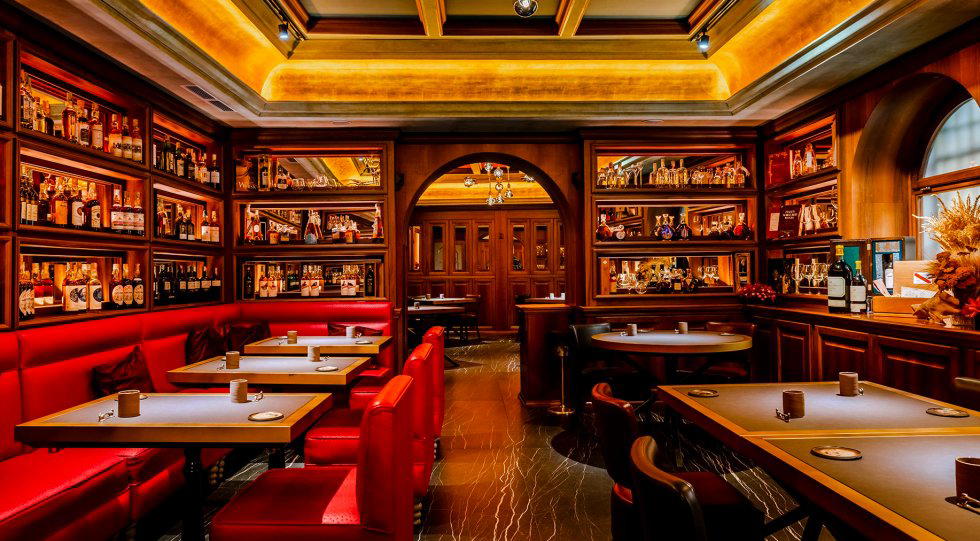
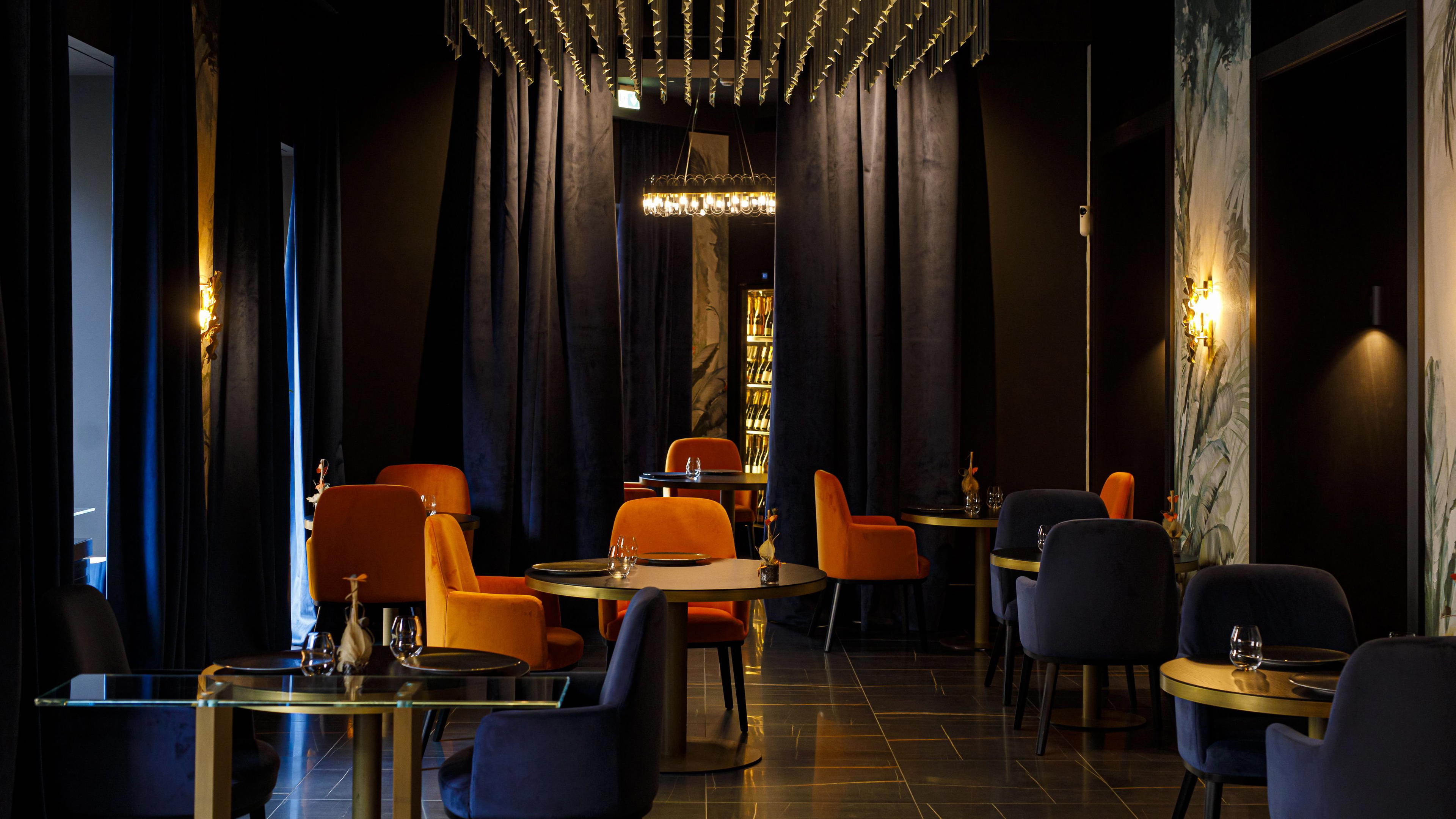
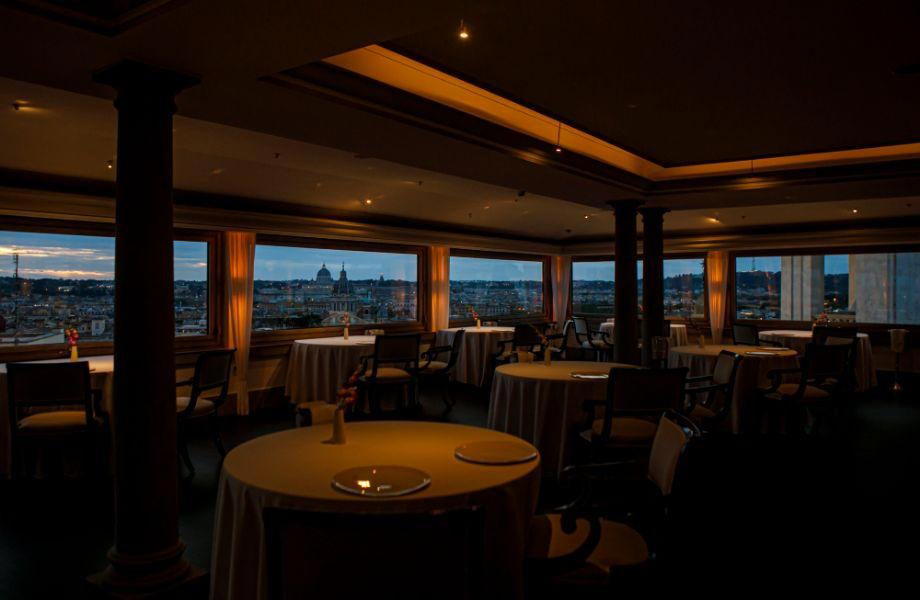
Bars in Rome
Browse all →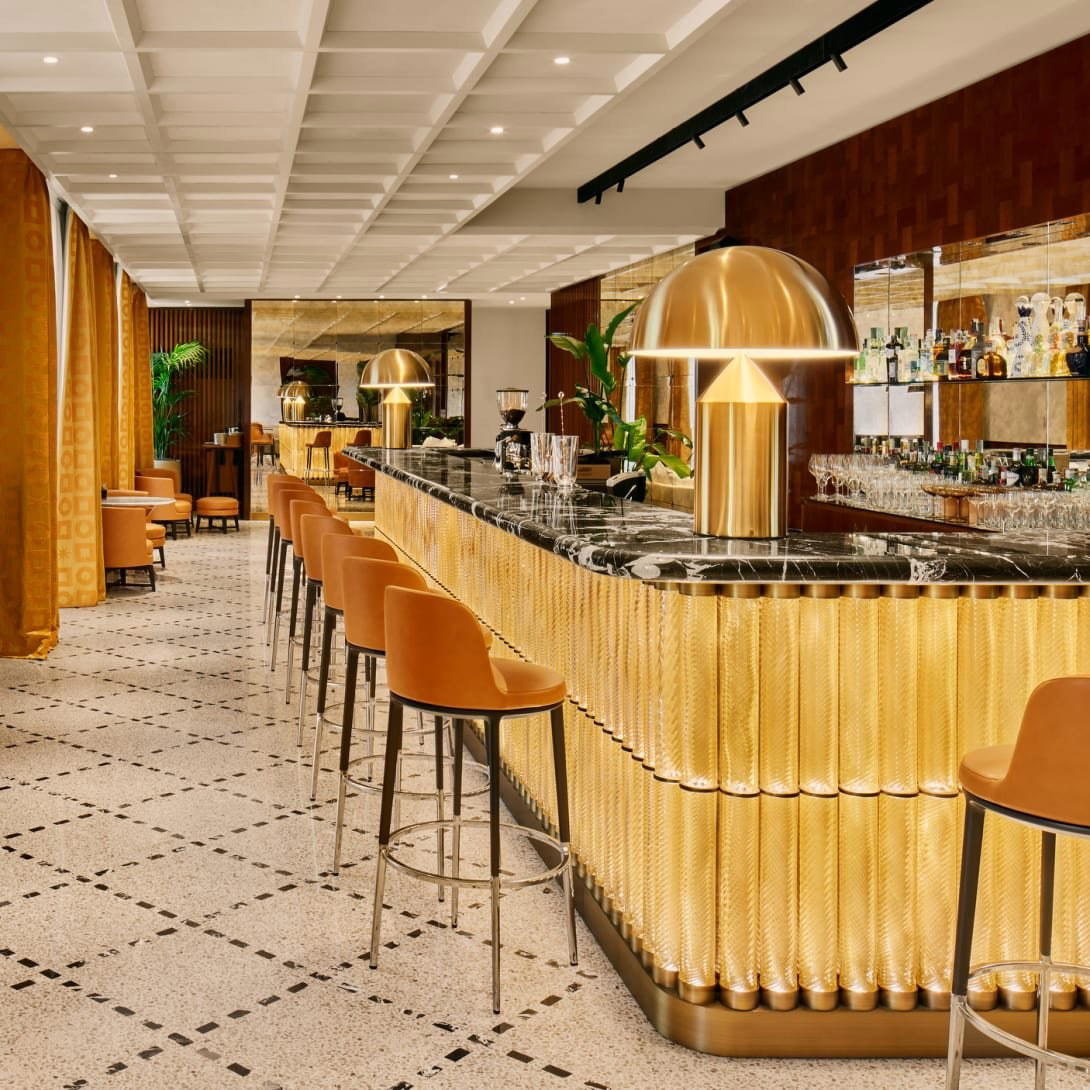
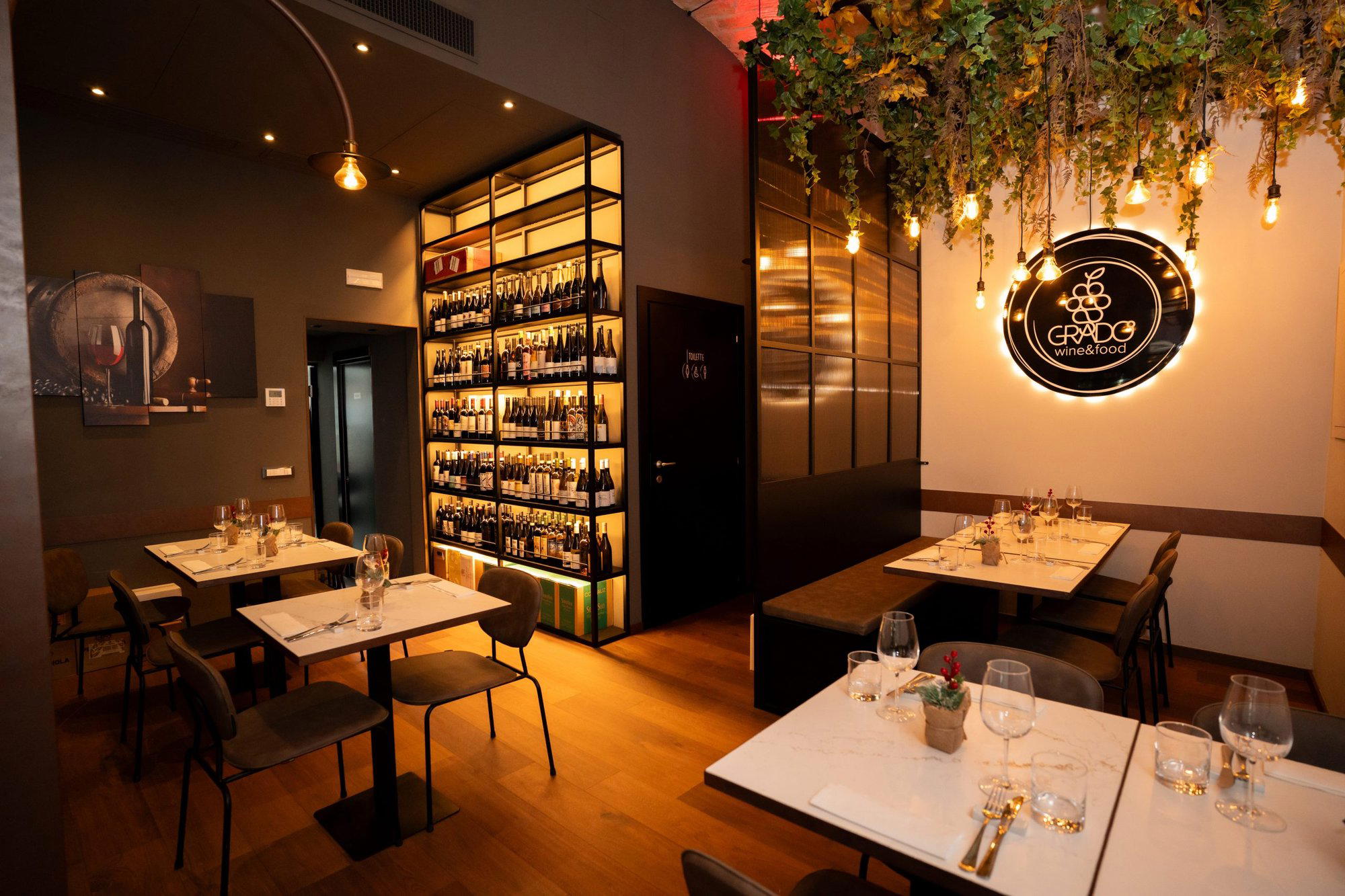
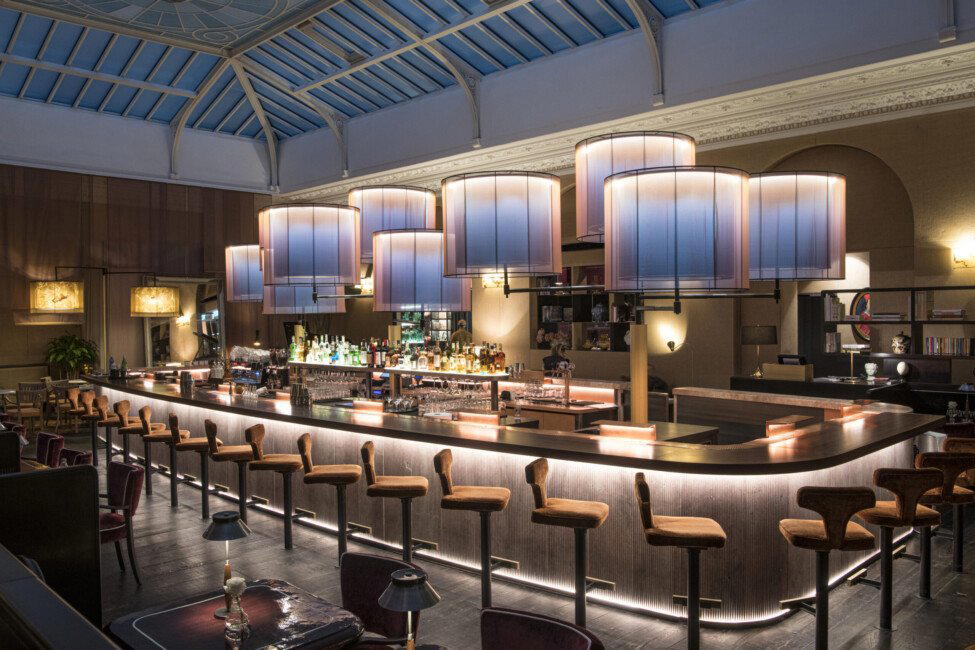
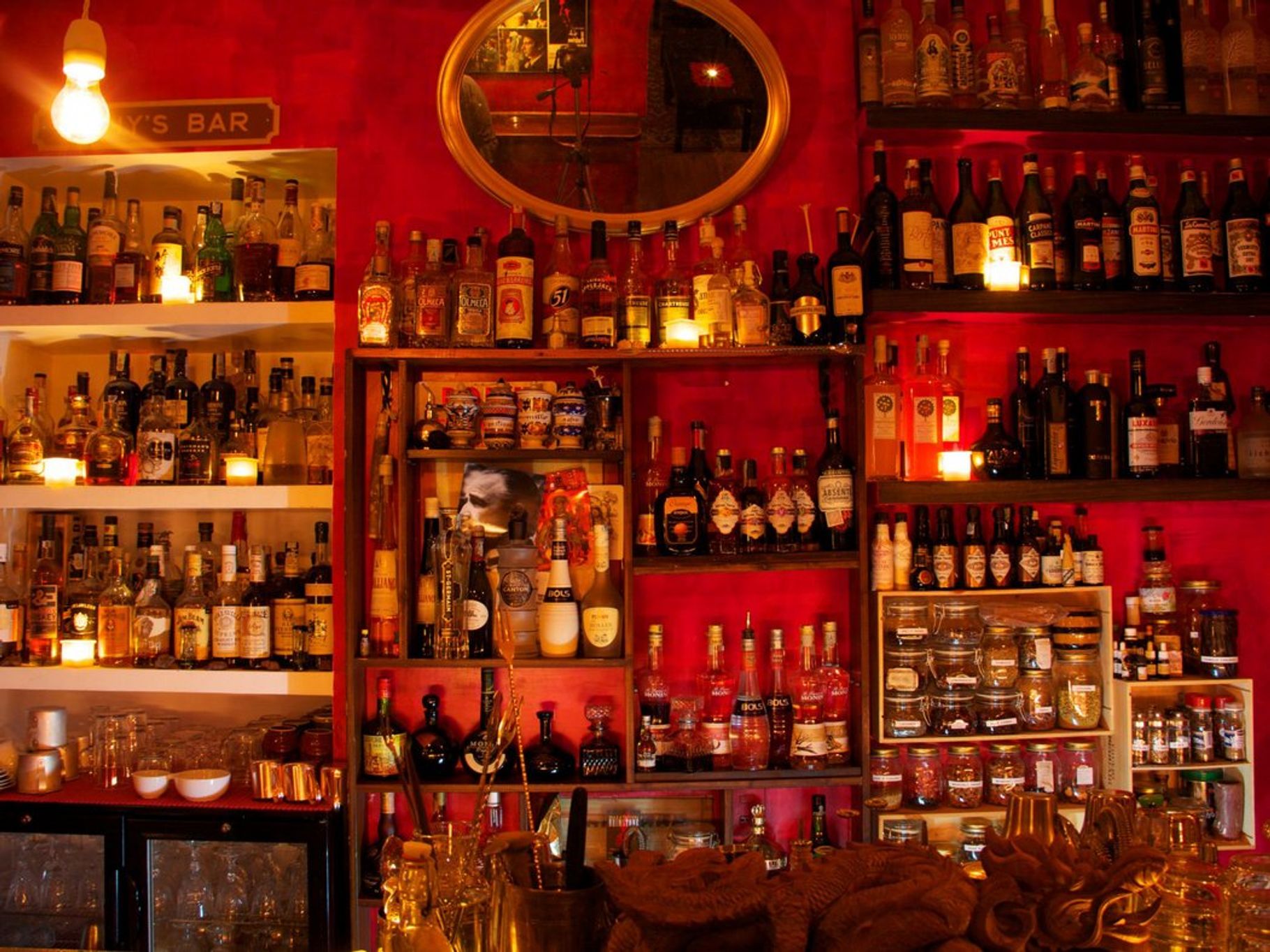
Hotels in Rome
Browse all →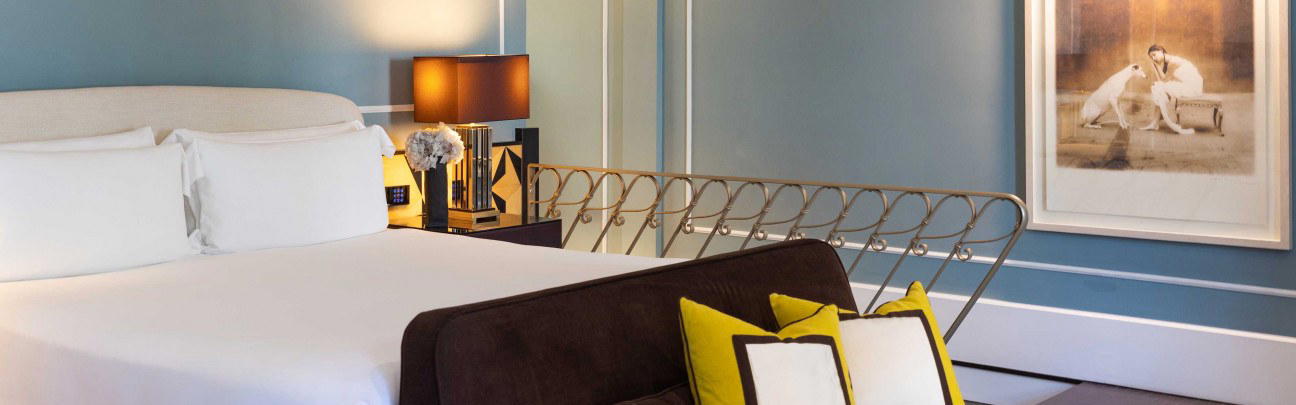
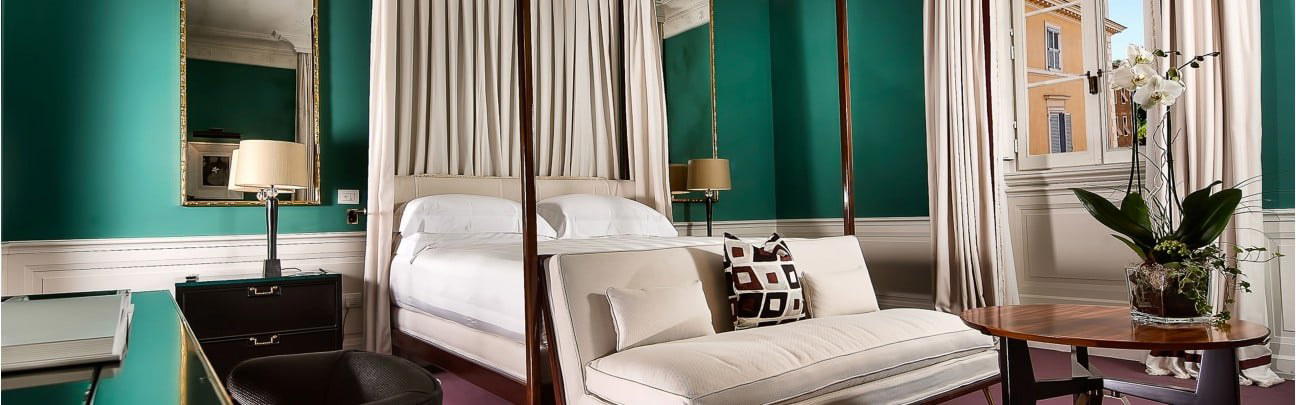

At a Glance
- Rustic
- Elegant
- Cozy
- Classic
- Date Night
- Group Dining
- Casual Hangout
- Open Kitchen
- Extensive Wine List
- Craft Cocktails
- Local Sourcing
Current opening hours
- Monday
- 12:30 PM–2 AM
- Tuesday
- 12:30 PM–2 AM
- Wednesday
- 12:30 PM–2 AM
- Thursday
- 12:30 PM–2 AM
- Friday
- 12:30 PM–2 AM
- Saturday
- 12:30 PM–2 AM
- Sunday
- 12:30 PM–2 AM
Hours can change for holidays and private events. Last verified .
Convivial and informal with a touch of elegance, featuring beautiful old-fashion style and spacious real estate.