Michelin Plate
Our verdict
One of Milan's most storied dining addresses, Giannino dal 1899 occupies several rooms near Piazza della Repubblica and earns its 2025 Michelin Plate through cooking grounded in Milanese tradition. The risotto al salto, ossobuco, and the veal 'elephant' chop place it firmly in the classic-contemporary register, at a price point below the city's multi-starred tier but well above casual neighbourhood dining.

Pearl is the En Primeur Club membership app, where members save venues, book tables and use the concierge.
The menu
What to order
- Classic Milanese Risotto
- Ossobuco
- Milanese Cutlet
- Riso al Salto
- Veal Chop
A Century of Milanese Cooking, Reconsidered
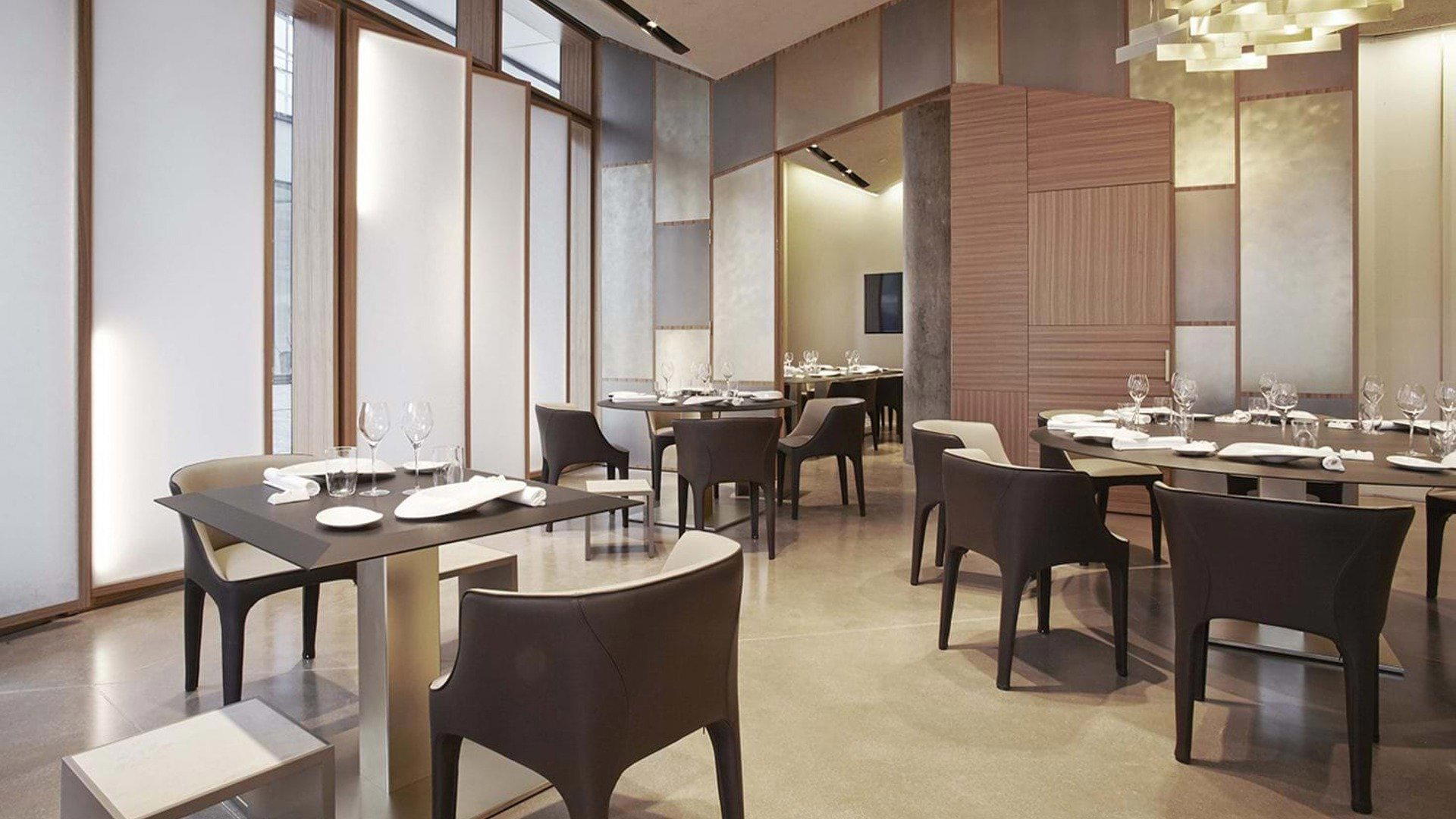
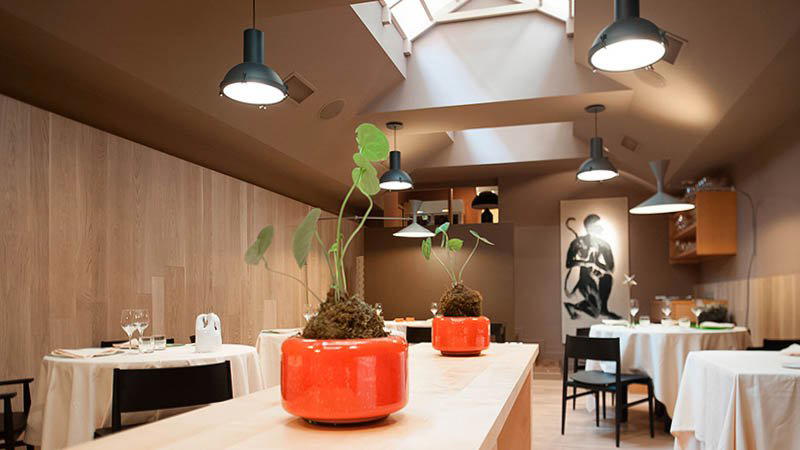
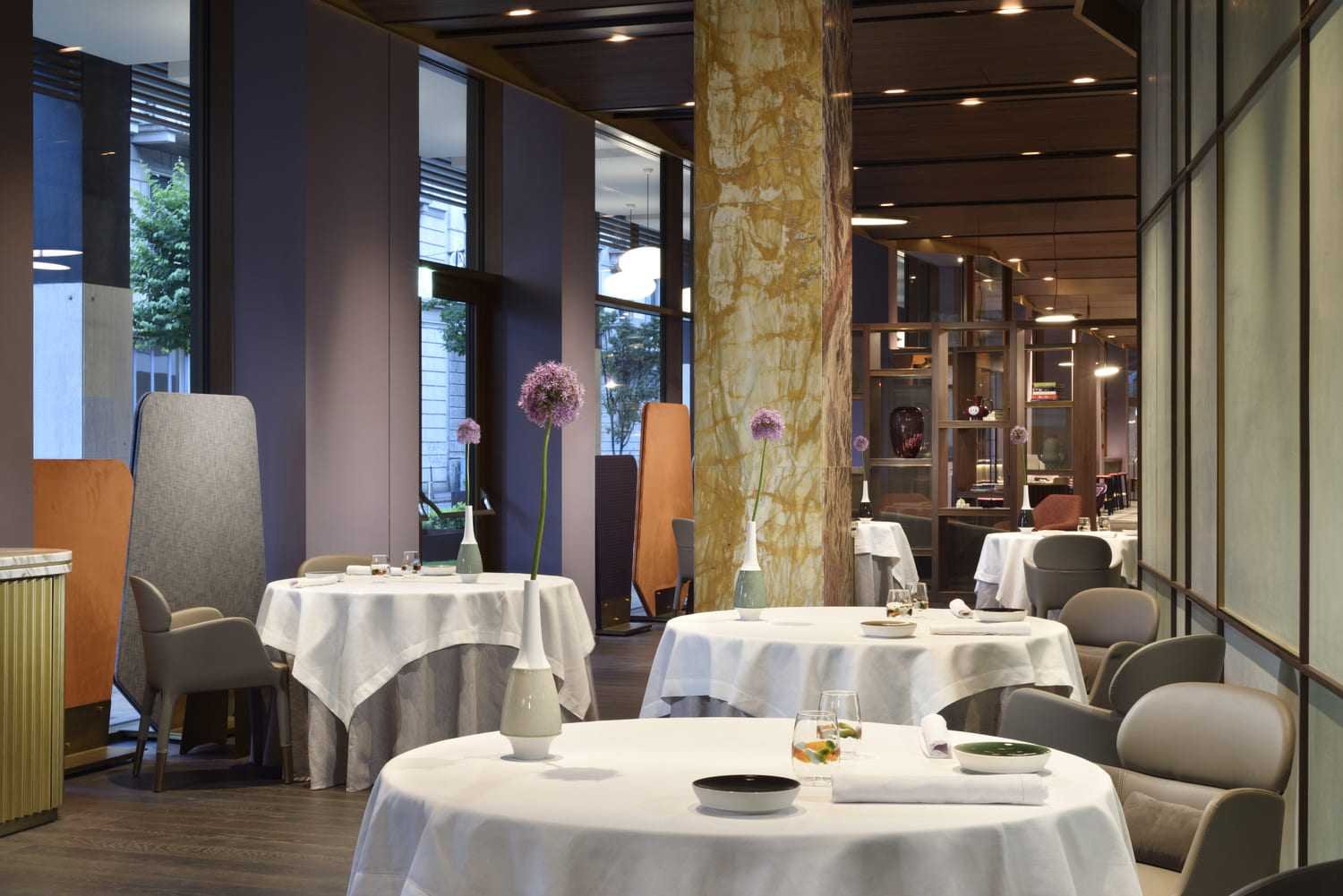
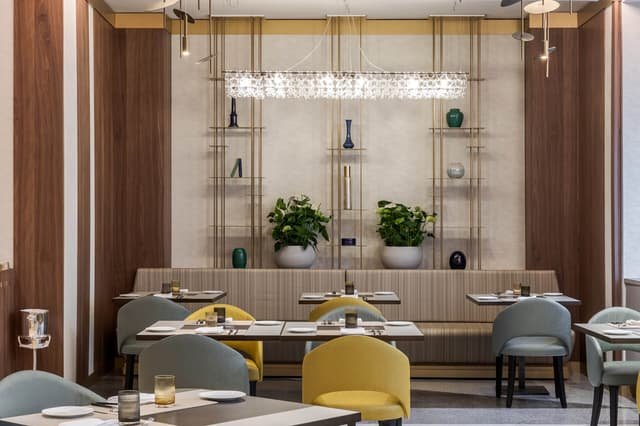
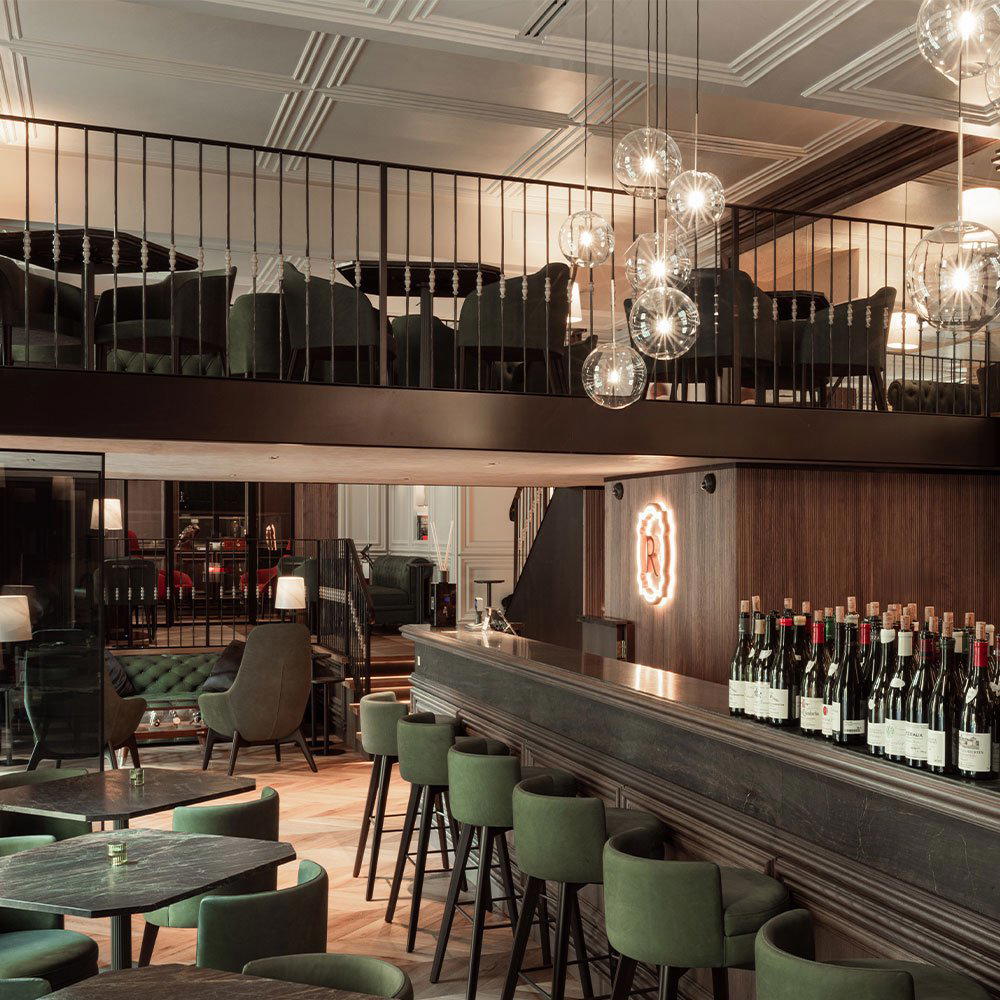
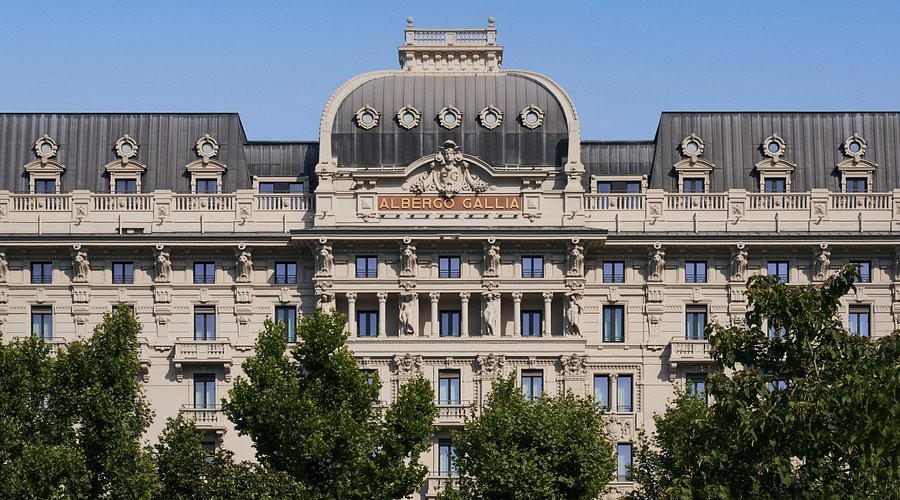
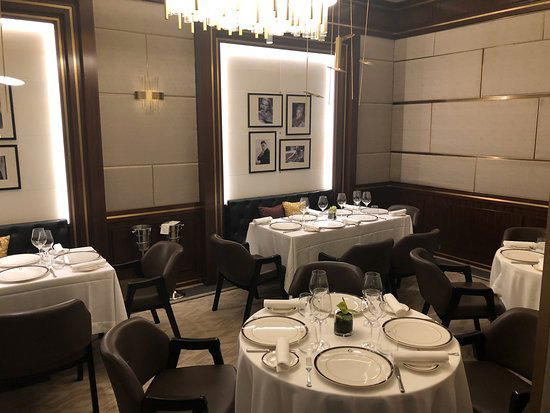
The restaurants that have shaped a city's palate over decades rarely shout about it. Near Piazza della Repubblica, on Via Vittor Pisani, Giannino dal 1899 occupies a position that few Milan addresses can claim: more than a century of continuous operation in a city that cycles through dining concepts at speed. The rooms read as contemporary rather than nostalgic, an elegance that is deliberate and edited rather than preserved in amber. That tension between longevity and relevance is the central editorial fact about this restaurant, and it is what makes the 2025 Michelin Plate a credential worth reading carefully. The Plate recognises cooking of quality that has not reached star level, but at a house of this age, holding Michelin recognition of any kind signals that the kitchen is not coasting on history.
Milan's premium dining tier has expanded significantly at the very leading. Il Luogo Aimo e Nadia and DanielCanzian both occupy formal, ingredient-driven territory, while the city's starred bracket, Enrico Bartolini at three stars, Seta and Andrea Aprea at two, Cracco and Contraste at one, operates at €€€€ and above. Giannino sits at €€€, a tier that asks for serious cooking without the tasting-menu architecture or white-glove formality. For readers cross-referencing the city's full dining picture, the EP Club Milan restaurants guide maps that entire hierarchy. Giannino's placement within it says something specific: this is a restaurant where the competition is other classic-contemporary Milanese houses, not the avant-garde counter-format operations that dominate international press coverage of the city.
Lunch and Dinner: Two Different Arguments for Coming
The Milanese lunch has its own grammar. The city runs on mid-day eating in a way that northern European capitals do not, and restaurants near the business and hotel district around Piazza della Repubblica, as Giannino is, fill at noon with a different clientele than they see at eight in the evening. At lunch, the calculus is efficiency alongside quality: the risotto al salto, the compressed, pan-crisped version of the classic risotto that came out of Milanese home kitchens as a way to use the previous day's remainder, makes particular sense eaten quickly against a working afternoon. The dish is not available at every address in the city, and ordering it at a house with this provenance gives the meal an additional layer of context that a newer restaurant simply cannot provide.
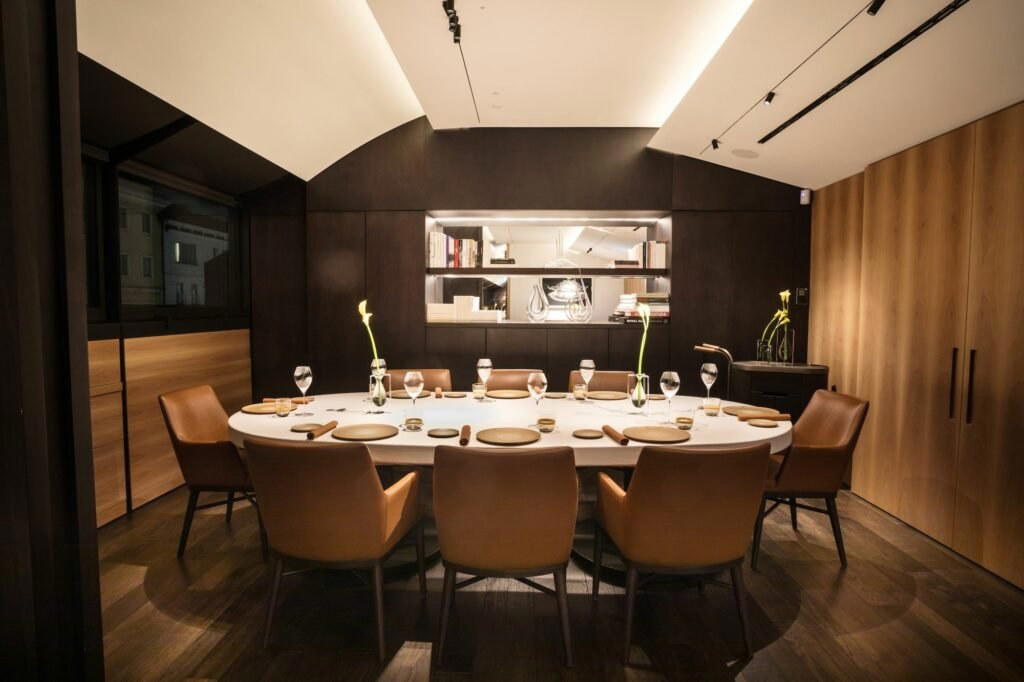
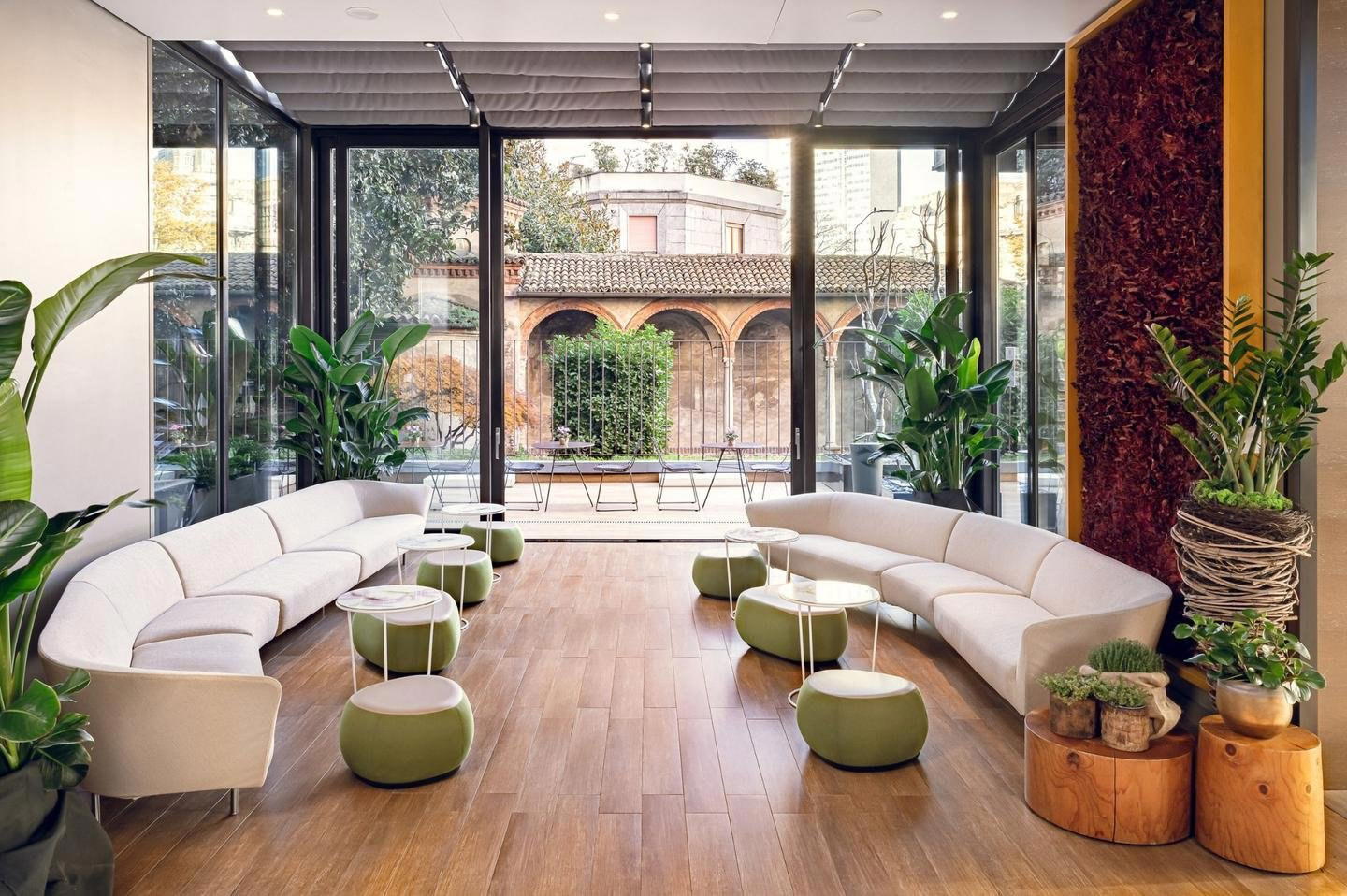
Evening service at Giannino tends to spread across its several rooms at a different pace. The contemporarily designed spaces, which read more like a well-considered modern dining room than a preserved historical interior, allow the meal to extend. The ossobuco with its traditional accompaniments, the veal chop cut thick enough to justify its 'elephant' designation, and the meneghina dessert, a Milanese confection by name, carry the kind of weight that works better across a two-hour dinner than a forty-five-minute lunch. The classic risotto, offered alongside the al salto version, is the kind of dish that reveals a kitchen's technical discipline in a single bowl, which is presumably why the awards text singles it out by name.
For travellers structuring a Milan itinerary, the practical implication is direct: a lunch visit tests the kitchen on speed and execution of a single essential dish; dinner allows the full spread of the menu to do its work. Belé and Sine by Di Pinto offer contemporary alternatives in the same city tier, while Casa Camperio addresses a similar classic-contemporary register. But neither carries the temporal authority of a house operating since 1899.
What About Milanese Cooking
The dishes that define Giannino's menu are not random selections from the broader Italian canon, they are specifically Milanese and Lombard in origin. Risotto alla Milanese requires saffron, bone marrow, and the restraint to finish it correctly; the al salto variation, pressed in butter until a crust forms, demands timing over technique. Ossobuco is braised veal shank, and the version associated with Milan is paired with gremolata and, classically, that same saffron risotto. The veal chop, cut thick and known colloquially as the cotoletta elefante, is a statement of proportion as much as technique, Milanese culinary identity expressed in grams rather than words.
These dishes appear on menus across the city, but their presence at a restaurant of Giannino's age and current Michelin recognition locates them within a specific argument: that traditional Lombard cooking, executed at the right level, requires no conceptual overlay. That position places the house in a different conversation from Osteria Francescana in Modena or Piazza Duomo in Alba, where the regional tradition is a starting point for reinvention. It aligns more closely with long-standing Italian Contemporary addresses like Dal Pescatore in Runate, where the cuisine's depth comes from depth of practice rather than from departure. Internationally, the same argument is made by Enoteca Pinchiorri in Florence or, at the far end of the Alpine arc, Atelier Moessmer Norbert Niederkofler in Brunico.
Planning a Visit: Location, Booking, and What to Expect
Via Vittor Pisani runs from Piazza della Repubblica directly toward Milano Centrale, which makes the address genuinely accessible from either the main rail hub or the hotels clustered around the Republic square. Readers building a fuller Milan picture beyond dining will find, the bars guide, the wineries guide, and the experiences guide useful for structuring the city across categories. The price range at €€€ positions it at the lower edge of formal Milan dining without entering the starred establishment tier, making it a practical choice for those unwilling to commit to a tasting-menu format but wanting cooking with credential behind it.
Booking is advisable rather than optional, particularly for midday on weekdays when the business lunch demand around Piazza della Repubblica is at its highest. For Italian Contemporary dining elsewhere in the country, the Agli Amici Rovinj in Rovinj and L'Olivo in Anacapri offer regional comparisons that underscore how location-specific this register of cooking can be, what Giannino does with Lombard tradition in Milan is not replicable elsewhere in the same form.
The meneghina dessert, specifically Milanese in name and character, is the natural close to a dinner here. Ordering it at a house that has been serving it across different political and economic eras of the city carries a kind of quiet historical weight that the room's contemporary finish deliberately does not announce.
Frequently asked questions
What's the pricing like at Giannino dal 1899?
Pricing at Giannino dal 1899 is listed as €€€.
What's Giannino dal 1899 known for in terms of accolades?
Giannino dal 1899 has received recognition including: Close to Piazza della Repubblica, Giannino is a historic name in city dining; in several rooms of remarkable contemporary elegance, dishes inspired mostly by Italian and Milanese tradition are served. Following this last line, we obviously ….
What should I order at Giannino dal 1899?
The menu follows a specifically Milanese and Lombard logic, so order accordingly: the risotto in its classic form, the riso al salto, the ossobuco, and the veal chop known as the 'elephant' cut. Close out with the meneghina dessert, which is a local reference rather than a generic pastry closer. The Michelin Plate recognition in 2025 singles out this kitchen, and it is these traditional preparations that earn it.
Where exactly is Giannino dal 1899?
Giannino dal 1899 is located at Via Vittor Pisani, 6, 20124 Milano MI, Italy, Milan.
What's the best way to book Giannino dal 1899?
The restaurant sits on Via Vittor Pisani, 6, a few minutes from both Piazza della Repubblica and Milano Centrale, so it draws business diners at lunch and theatre-goers in the evening, both services can fill early in the week. Phone and online booking details are best confirmed directly via a current search for the restaurant, as contact information shifts. Arriving without a reservation for dinner on a weekday is a risk not worth taking given the address's profile.
What's the signature at Giannino dal 1899?
The riso al salto, pressed, pan-crisped leftover risotto, is the dish that separates a serious Milanese kitchen from one playing at the tradition, and Giannino has been making it since 1899. The ossobuco and the 'elephant' veal chop round out a short list of preparations that are signatures by longevity rather than invention. That consistency across more than a century of service is what the Michelin Plate in 2025 reflects.
The Minimal Set
| Venue | Cuisine | Price | Awards | Notes |
|---|---|---|---|---|
| Giannino dal 1899This venue (the venue you are viewing) | Classic Milanese Fine Dining | $50–100 | Michelin Plate | Not listed |
| Enrico Bartolini | Modern Italian Fine Dining | $300–500 | 3 Michelin Stars · World's 50 Best #85 | Creative |
| Cracco in Galleria | Modern Italian Fine Dining | $150–200 | 1 Michelin Star · World's 50 Best #33 | Modern Cuisine |
| Andrea Aprea | Modern Italian Fine Dining | $200–300 | 2 Michelin Stars · La Liste Top Restaurants | Modern Italian, Italian Contemporary |
| Seta | Modern Italian Fine Dining | $150–200 | 2 Michelin Stars · La Liste Top Restaurants | Modern Italian |
| Contraste | Modern Italian Fine Dining | $150–200 | 1 Michelin Star · La Liste Top Restaurants | Progressive Italian, Modern Cuisine |
Recognition history
Dated appearances from independent guides and award organizations, with the underlying list record or original source where available.
Michelin Plate
Michelin
Full recognition history (2 entries)
Michelin Plate
Michelin