

A Michelin-starred address on Viale Umbria where Neapolitan instincts meet Lombard produce, Sine by Di Pinto operates at the €€€ tier with a kitchen that moves between precise classical technique and moments of deliberate playfulness. The 'Sine Confini' tasting menu anchors the proposition, while a wine list weighted toward lesser-known Italian labels rewards those who ask questions. Closed Sundays and Mondays; dinner Tuesday through Friday, lunch and dinner Saturday.
Pearl is the En Primeur Club membership app — saves, bookings, and concierge access live there. Same editors, same standards.
- Address
- Viale Umbria, 126, 20135 Milano MI, Italy
- Phone
- +39 02 3659 4613
- Website
- sinerestaurant.com
- Directions
- Get directions
 Saves & bookings on Pearl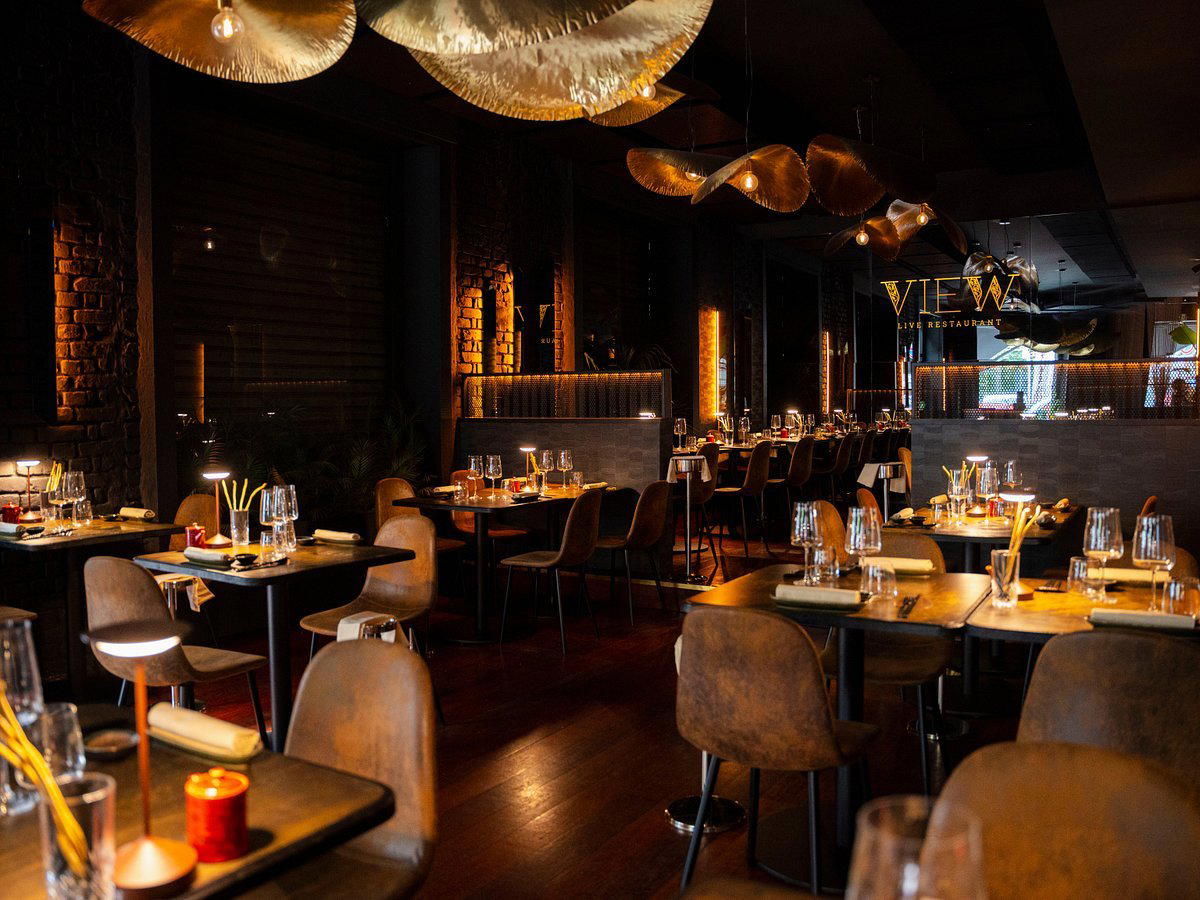
A Quieter Corner of Milan's Starred Scene
Milan's Michelin constellation clusters most heavily around the centre and the design-district corridors, where addresses like DanielCanzian and Casa Camperio draw the expense-account crowd and the pre-theatre circuit. Viale Umbria, in the Porta Romana–Calvairate belt to the south-east, sits at a deliberate remove from that geography. The neighbourhood is residential in character, the street itself wide and tree-lined, and the restaurant occupies the ground floor of a building. It shapes the experience from the first step through the door.
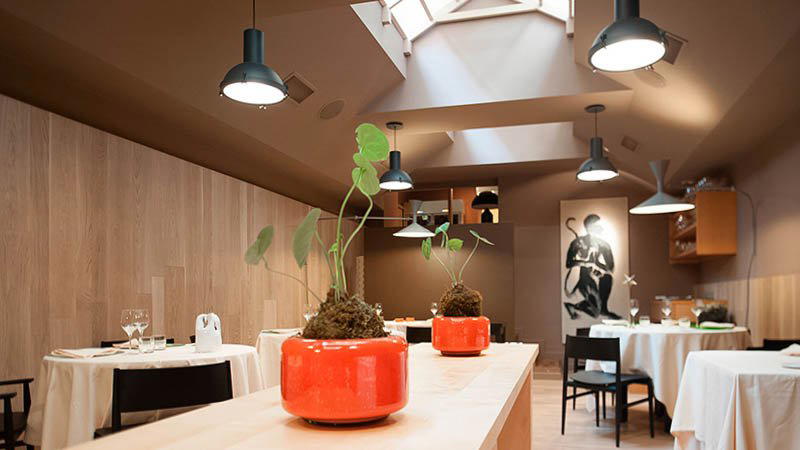
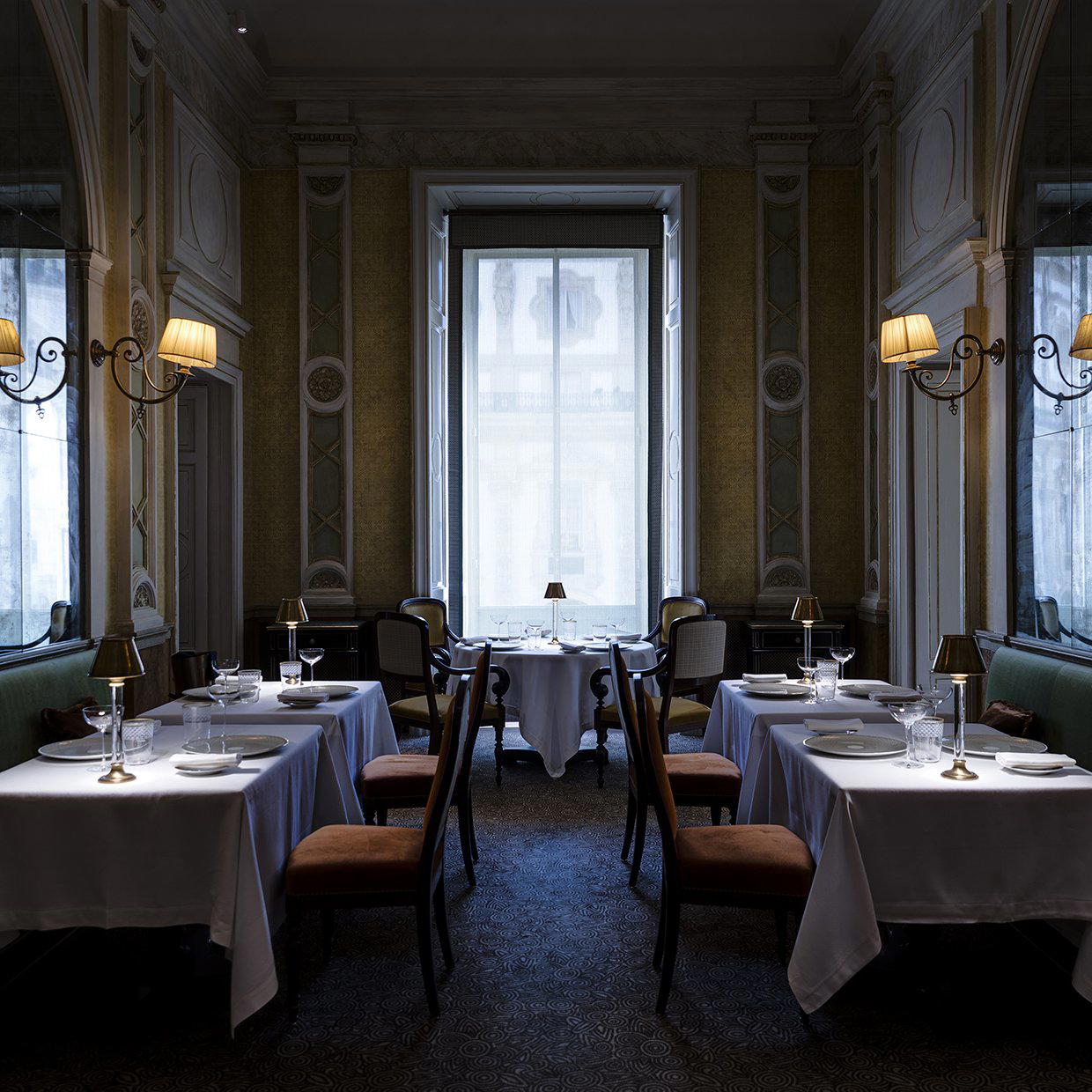
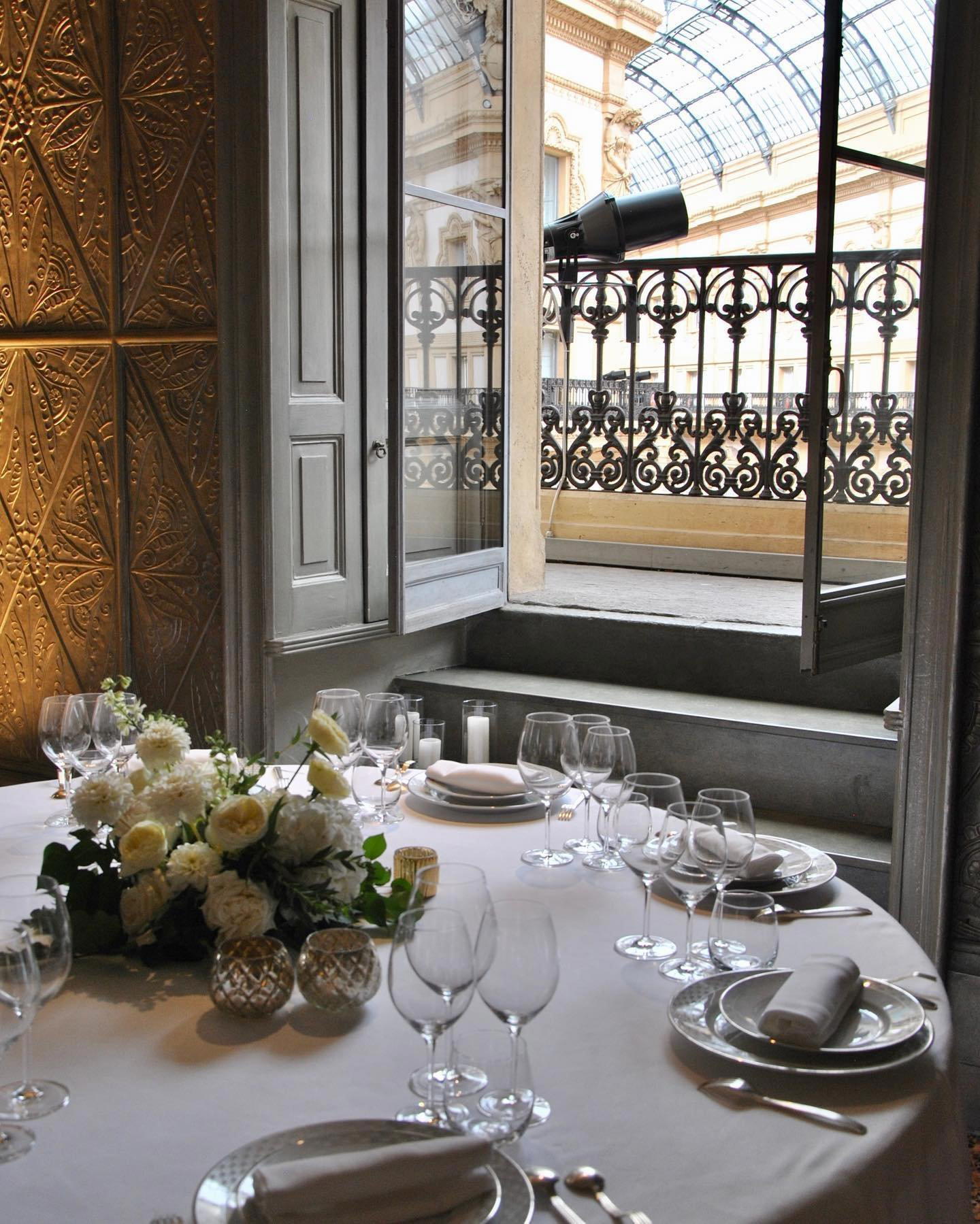
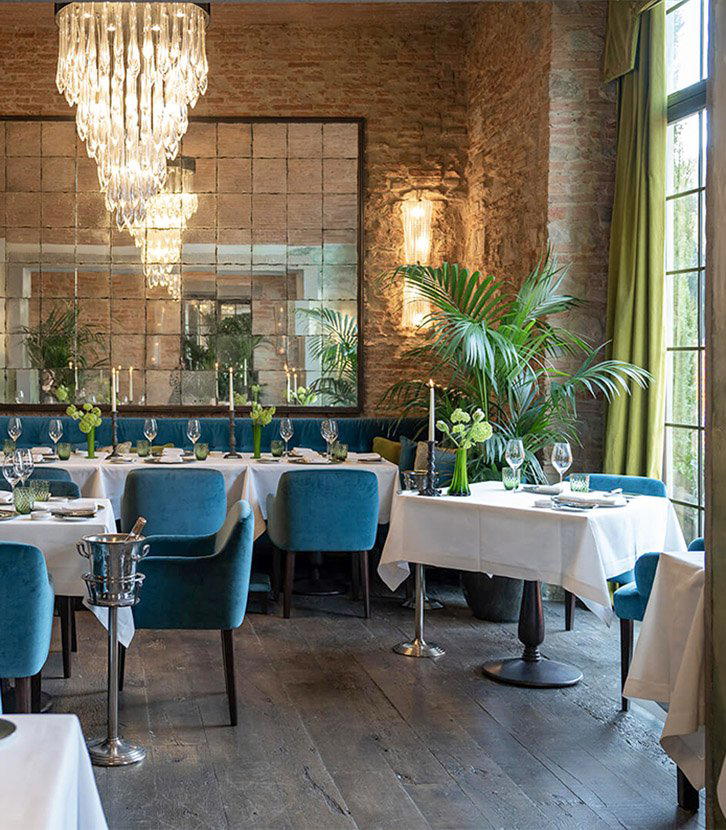
Inside, the aesthetic reads contemporary without erasure of warmth, modern furniture, considered lighting, tables spaced to allow genuine conversation. It is the kind of room that serious Milan diners have come to associate with a particular tier of ambition: not the showroom dining of the €€€€ bracket occupied by Seta or Contraste, but something more self-assured and less performative. Sine by Di Pinto earned its Michelin star, which places it inside a cohort of newer recognitions rather than long-established institutions. That distinction matters for how to read the experience.
The Cuisine: Naples Read Through a Lombard Lens
Contemporary Italian restaurants in Milan increasingly claim a dual geography, a southern or regional origin tradition in tension with the produce and palate of Lombardy. At Sine, the polarity is between Naples and the north. That is not a decorative framing. Neapolitan cooking carries a specific grammar: fried doughs, strong fish preparations, an ease with umami-forward marine flavours, a comfort with richness that Lombard cooking tends to discipline rather than embrace. The kitchen here works that tension deliberately rather than smoothing it into a generic modern-Italian mode.
The fried pizzetta with palamita fish and courgettes is identified by Michelin as the chef's speciality, and it crystallises the approach. Palamita, Atlantic bonito, a member of the mackerel family prized along the Campanian coast but relatively rare on northern Italian menus, is brought into a form (the pizzetta fritta) that is canonically Neapolitan street food. The courgette element introduces the vegetable register that Lombard summer cooking favours. The dish is simultaneously a statement of provenance and a record of displacement, which is precisely what good migration cooking achieves.
Elsewhere on the menu, shrimp ravioli served in multiple preparations within a single course, including alongside an intensely flavoured fish stew, represents the playful register that the kitchen deploys with care. Playfulness in a starred room is a tonal risk: too much and the cooking reads as clever without substance; too little and the Michelin description of "occasionally playful" becomes an oddity. Here it appears calibrated, moments of wit inside an otherwise disciplined set of courses.
Sine Confini: The Menu That Carries the Argument
The Sine Confini tasting menu is where the kitchen makes its fullest case. It functions as the vehicle for newer dishes that have not yet settled into the regular carte. In the structure of contemporary Italian fine dining, this is a familiar bifurcation: a stable menu that regulars can return to, and a creative menu that documents the kitchen's current research. It is the model used, in different configurations, by restaurants across the Italian scene from Osteria Francescana in Modena to Uliassi in Senigallia.
At Sine, the Confini menu rewards first-time visitors who want to understand what the kitchen is doing, and it makes sense for those planning a single visit to choose it over individual courses. The wine list evolves constantly, with a deliberate tilt toward lesser-known Italian labels. That is a meaningful choice in a city where many starred rooms anchor their lists on recognisable Barolo and Brunello producers. A wine list that positions lesser-known labels as a feature, rather than a gap, implies a sommelier operation with actual opinions, a useful signal when ordering.
Where Sine Sits in Milan's Starred Tier
To locate Sine by Di Pinto in the Milan restaurant hierarchy requires a calibrated reading of the €€€ price tier against its €€€€ neighbours. The city's leading end, addresses like Il Luogo Aimo e Nadia, Enrico Bartolini at Mudec, and Cracco in Galleria, operate at a price point and formality level that positions them as destination occasions. Sine operates one bracket down in price but with comparable technical seriousness, which makes it the kind of restaurant that experienced diners in the city return to more regularly than they can return to the three-star tier.
The comparison set for Sine is better understood as restaurants like Belé and Andrea Aprea, starred rooms where the cooking is personal and regionally specific rather than internationally oriented. Across Italy, the model of a chef working a dual-regional narrative has produced particularly consistently interesting starred cooking of the last decade. Quattro Passi in Marina del Cantone does it with Amalfi Coast seafood and broader Campanian tradition; Dal Pescatore in Runate has built three stars on a deeply specific river-valley Lombard register. Sine's Neapolitan-Lombard axis is a variant of that productive tension, newer in its recognition but not in its culinary logic.
Beyond Italy, the pattern of a chef transposing a southern seafood tradition into a northern European or northern Italian metropolitan context has parallels at venues like Agli Amici Rovinj and L'Olivo in Anacapri, where marine produce and a Mediterranean inheritance are reread through a more considered contemporary frame. And for those building a wider Italian itinerary, Enoteca Pinchiorri in Florence and Atelier Moessmer Norbert Niederkofler in Brunico represent the poles of how Italian fine dining has evolved: one rooted in classical cellar depth, the other in radical Alpine localism.
Planning a Visit: The Logistics That Shape the Experience
Sine by Di Pinto's schedule matters for planning. The kitchen is closed on Sundays and Mondays, a two-day closure that is less common among starred Milan rooms and has a practical consequence for itinerary planning. Tuesday through Friday service is dinner-only, beginning at 7 PM and running through to 11 PM. Saturday opens the week's only lunch sitting (12:30 PM to 3:30 PM) alongside the evening service. That Saturday lunch is the less pressured time of week to visit, and for visitors spending the weekend in the city it aligns better with other itinerary demands than the dinner-only weekday slots.
Viale Umbria 126 is accessible by metro (Porta Romana on the M3 yellow line is the nearest stop, with a short walk south-east) and by the surface tram network that serves Corso Lodi and Viale Umbria directly. Taxi and rideshare drop-off is direct on the wide boulevard. The residential neighbourhood means street parking is generally available in evenings for those arriving by car, though Milan's Area C congestion charge applies to the central zone rather than this address.
8 across 550 reviews at a starred restaurant in a major European city is a materially useful signal. At high-end rooms, the distribution of reviews tends to polarise more sharply than at mid-market addresses, dissatisfied guests at €€€ price points are more likely to record their experience. A sustained 4.8 across a three-figure review count implies consistent execution rather than a handful of notable visits averaged against silence.
For those building a wider Milan dining programme, DaV by Da Vittorio Louis Vuitton operates at a different register, luxury-branded, central, €€€€, and serves as a useful contrast point to understand what Sine by Di Pinto is deliberately not.
Know Before You Go
- Address: Viale Umbria, 126, 20135 Milano MI, Italy
- Hours: Tuesday–Friday: dinner 7:30 PM–11 PM | Saturday: lunch 12:30 PM–3:30 PM, dinner 7:30 PM–11 PM | Sunday–Monday: closed
- Price tier: €€€€
- Cuisine: Italian Contemporary, with Neapolitan and Lombard influences
- Recognition: Michelin 1 Star (2024)
- Guest rating: 4.8 / 5 (508 Google reviews)
- Nearest transport: Porta Romana (M3), tram on Viale Umbria / Corso Lodi
- Booking: Advance reservation recommended; Saturday lunch books with less lead time than weekend dinner
Awards and Standing
Comparable venues nearby, for context on price, style, and recognition.
| Venue | Cuisine | Price | Awards | Notes |
|---|---|---|---|---|
| Sine by Di PintoThis venue — the venue you are viewing | Contemporary Neapolitan Fine Dining | $$$$ | Michelin 1 Star | Not listed |
| Procaccini | Modern Italian Fine Dining | $$$$ | Michelin 1 Star | Sarpi |
| Anima | Modern Italian Fine Dining | $$$$ | Michelin 1 Star | Porta Garibaldi - Porta Nuova |
| Horto | Contemporary Italian Fine Dining | $$$$ | Michelin 1 Star | Brera |
| Contraste | Modern Italian Fine Dining | $$$$ | Michelin 1 Star | Porta Ticinese - Conca Del Naviglio |
| Abba | Modern Italian with Puglian influences | $$$ | Michelin 1 Star | Villapizzone - Cagnola - Boldinasco |
Recognition history
Dated appearances from independent guides and award organizations, with the underlying list record or original source where available.
Michelin 1 Star
Michelin
Star Wine List
Star Wine List
Michelin 1 Star
Michelin
Michelin 1 Star
Michelin
Continue exploring
More in Milan
Restaurants in Milan
Browse all →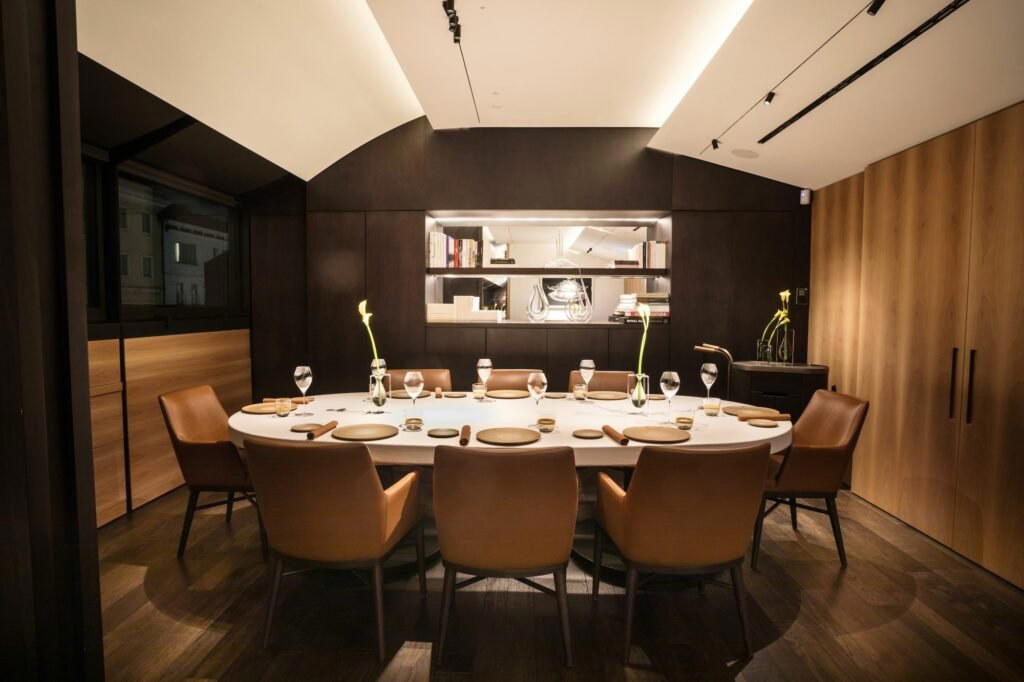
Bars in Milan
Browse all →
Hotels in Milan
Browse all →

At a Glance
- Elegant
- Romantic
- Sophisticated
- Trendy
- Modern
- Date Night
- Celebration
- Special Occasion
- Business Dinner
- Open Kitchen
- Chefs Counter
- Private Dining
- Extensive Wine List
- Sommelier Led
- Local Sourcing
Current opening hours
- Monday
- Closed
- Tuesday
- 7–11 PM
- Wednesday
- 7–11 PM
- Thursday
- 7–11 PM
- Friday
- 7–11 PM
- Saturday
- 12:30–3:30 PM, 7–11 PM
- Sunday
- Closed
Hours can change for holidays and private events. Last verified .
Elegant yet unpretentious with soft lighting, refined but welcoming atmosphere, open kitchen visible to diners, modern design with pink neon tones, non-invasive background music.