On Aldeota's main commercial artery, Geppos Italiano occupies a position among Fortaleza's Italian dining options that rewards those who know the neighbourhood's restaurant density. Where the city's Italian scene ranges from casual trattorias to more formal enoteca formats, Geppos holds its ground with a neighbourhood address that draws a loyal local crowd rather than the passing tourist trade.
Pearl is the En Primeur Club membership app — saves, bookings, and concierge access live there. Same editors, same standards.
- Address
- Av. Des. Moreira, 1011 - Aldeota, Fortaleza - CE, 60170-001, Brazil
- Phone
- +558534331048
- Website
- geppos.com.br
- Directions
- Get directions
 Saves & bookings on Pearl
Aldeota's Italian Address: What the Neighbourhood Tells You First
Avenida Desembargador Moreira is one of Aldeota's principal commercial spines, and the stretch around number 1011 tells you a great deal about where Fortaleza's mid-to-upper dining tier actually lives. This is not the waterfront restaurant strip that visitors default to, nor the more tourist-oriented end of Meireles. Aldeota functions as the city's professional and residential district, and the restaurants that endure here tend to do so on the strength of repeat local custom rather than foot traffic from beachfront hotels. That geography matters when assessing Geppos Italiano: it operates on a circuit that rewards the resident diner over the once-visit traveller.
Italian cuisine in Brazilian cities occupies a particular cultural position that differs from its role in, say, North American or Northern European restaurant markets. Immigration history, particularly the large-scale Italian settlement in São Paulo and the south, embedded pasta, risotto, and wood-fired cooking into Brazilian domestic food culture across generations. In northeastern cities like Fortaleza, that tradition arrived through a longer arc of diffusion rather than direct immigration density, which means Italian restaurants here are measured against a different baseline. The comparison set is not the Italian-Brazilian community tables of the south but rather the city's own evolving appetite for European formats served in a tropical context. Venues like Caravaggio Cucina & Vino represent one end of that spectrum in Fortaleza, while more casual or neighbourhood-anchored addresses fill the middle ground.
The Aldeota Restaurant Circuit in Context
To understand where Geppos Italiano sits, it helps to map the surrounding dining options. Aldeota has developed a layered restaurant scene that positions it alongside Meireles and Cocó as one of Fortaleza's three main dining neighbourhoods. The district accommodates a range of formats, from the meat-forward approaches at venues like Butcher's 746 and Carbone Steakhouse to the more bohemian register of Giz Cozinha Boêmia. Within that mix, an Italian address on Avenida Desembargador Moreira plays to a specific audience: professionals and residents who want something reliable, familiar in format, and not requiring a special-occasion budget or a far drive.
That positioning places Geppos in the neighbourhood-staple tier rather than the destination-dining tier. Fortaleza's most talked-about tables attract visitors from across the city and beyond, but the restaurants that sustain Aldeota on a Tuesday evening are a different category entirely. Being embedded in that daily rhythm is its own form of relevance, and it is a relevance that broader destination guides tend to undercount. The Fortaleza dining scene has enough depth now that neighbourhood anchors deserve attention alongside the headline addresses.
Italian Dining in Brazil's Northeast: The Broader Frame
Brazilian fine dining has attracted international attention primarily through São Paulo and Rio de Janeiro, where venues like D.O.M. in São Paulo and Oteque in Rio de Janeiro represent the country's highest-profile culinary output. The northeast operates on a different scale and with a different set of reference points. Fortaleza's restaurant culture is shaped by its own coastal geography, by Ceará's distinct food traditions, and by a growing urban professional class that has expanded demand for European-format dining without necessarily demanding the full tasting-menu apparatus.
Italian cuisine fits that context well. It carries the familiarity and comfort-food associations that make it commercially viable, while also offering enough range, from simple pasta-and-wine formats to more considered regional Italian cooking, to accommodate different price points and occasions. In cities like Curitiba, venues such as Manu demonstrate how Brazilian cities outside the southeast have developed genuinely sophisticated dining cultures. Fortaleza is on a similar path, and Italian addresses in Aldeota are part of the infrastructure that makes that development possible at a neighbourhood level. For broader context on Italian-adjacent European dining traditions in Brazil, Olivetto Restaurante E Enoteca in Campinas offers a useful reference point in the enoteca format.
Getting There and Planning Your Visit
Avenida Desembargador Moreira 1011 sits in central Aldeota, accessible by car or app-based ride services from Meireles or the city centre in under fifteen minutes during off-peak hours. Aldeota's restaurant density means the area rewards an early arrival: neighbourhood dining spots at this address tend to fill with local regulars from mid-evening, and arriving at the beginning of service is the cleaner approach if you want a relaxed pace. Contacting the venue directly or arriving early is the practical approach. The surrounding block has further dining options, making the Avenida Desembargador Moreira stretch a reasonable anchor for an evening that might start or end elsewhere. For visitors comparing options nearby, La Brasa Burger represents a more casual format in the same general area. Those planning a more extensive tour of Brazil's restaurant scene may find useful context in venues operating at different scales, from Birosca S2 in Belo Horizonte to Mina in Campos do Jordão, Orixás | North Restaurant in Itacaré, and Primrose in Gramado. For those curious about how European-format restaurants embed into regional Brazilian contexts, Castelo Saint Andrews in Gramado and State of Espírito Santo in Rio Bananal offer instructive comparisons. At the international level, venues like Le Bernardin in New York City and Lazy Bear in San Francisco illustrate the range of what European-influenced formats look like at their most developed.
Compact Comparison
Comparable venues nearby, for context on price, style, and recognition.
| Venue | Cuisine | Price | Notes |
|---|---|---|---|
| Geppos ItalianoThis venue — the venue you are viewing | Aldeota, Italian Pizza and Seafood | $$ | Not listed |
| La Brasa Burger - Fortaleza | Beira Mar, Brazilian Burgers | $$ | Not listed |
| Restaurante Coco Bambu Sul | Parque Manibura, Brazilian Seafood Grill | $$ | Not listed |
| Butcher's 746 | Aldeota, Brazilian Steakhouse & Barbecue | $$ | Not listed |
| Caravaggio Cucina & Vino | Meireles, Italian Seafood Trattoria | $$$$ | Not listed |
| Giz Cozinha Boêmia | Not listed | $$$ | Meireles, Contemporary Brazilian Bohemian |
Continue exploring
More in Fortaleza
Restaurants in Fortaleza
Browse all →
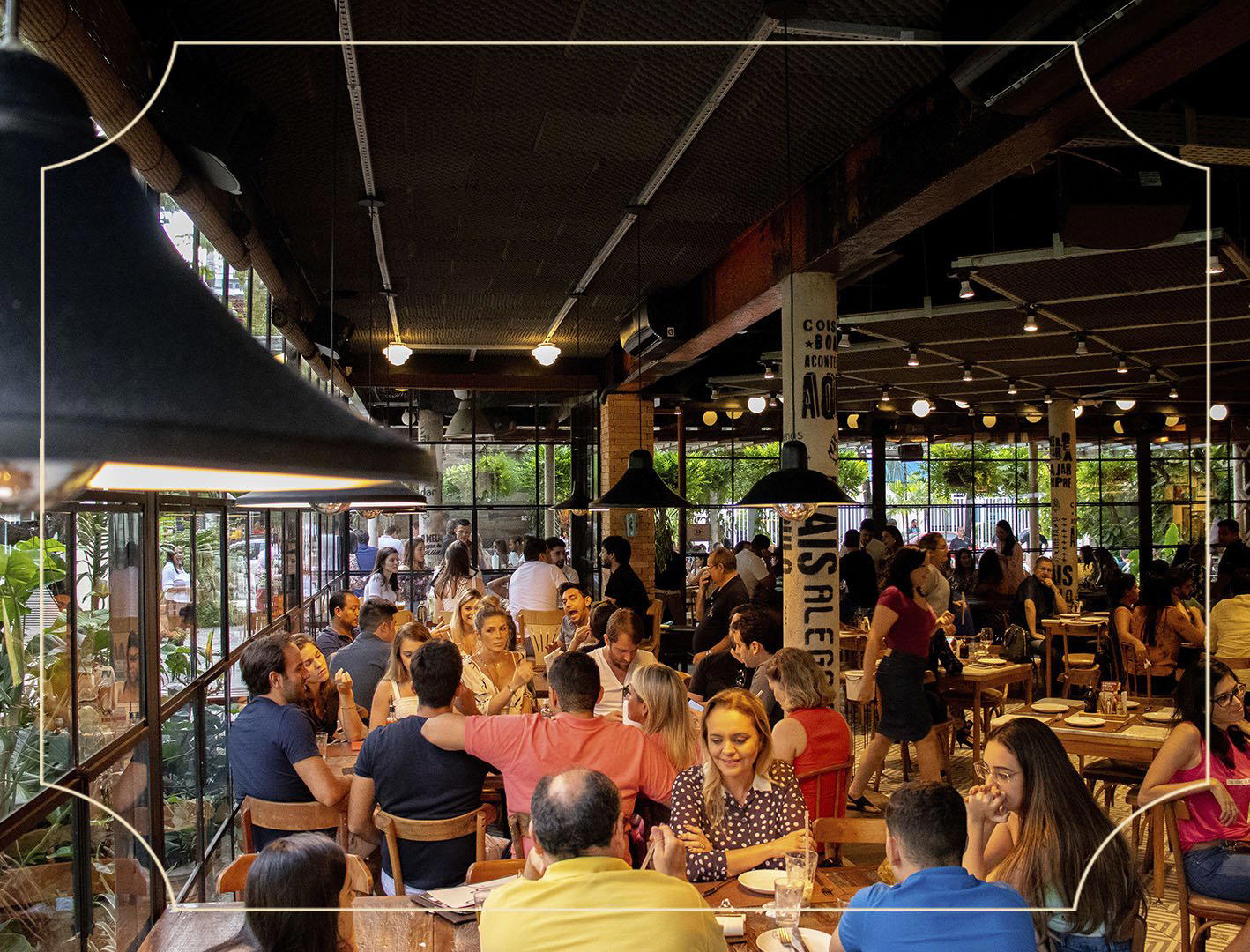
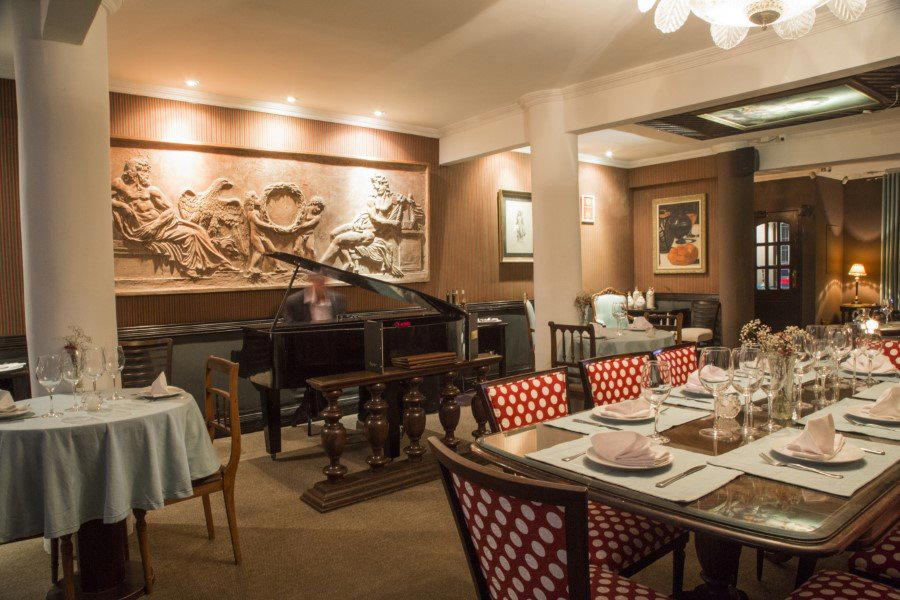
Bars in Fortaleza
Browse all →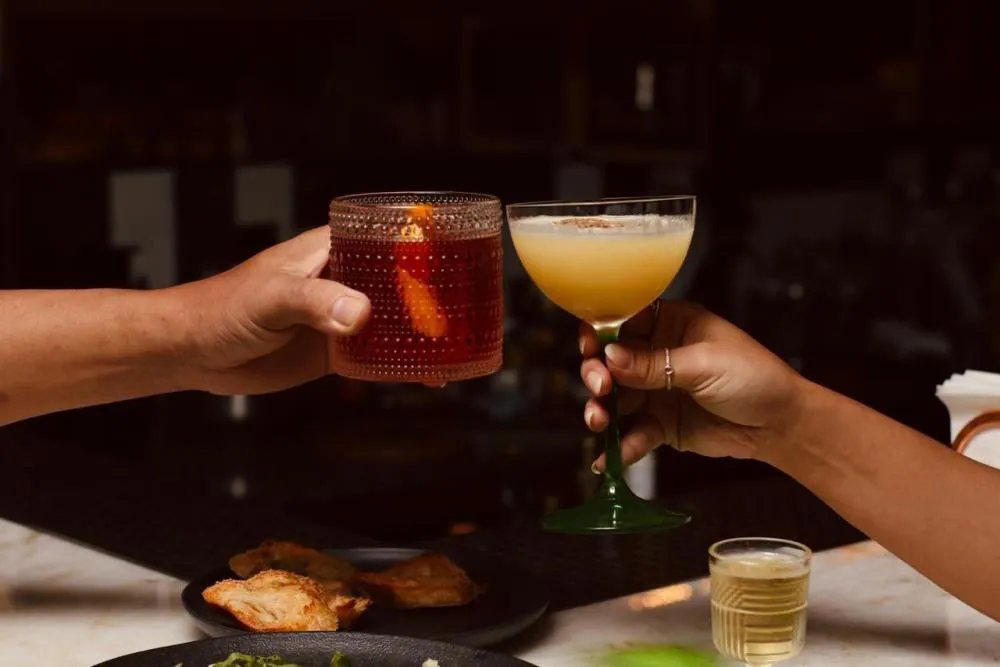
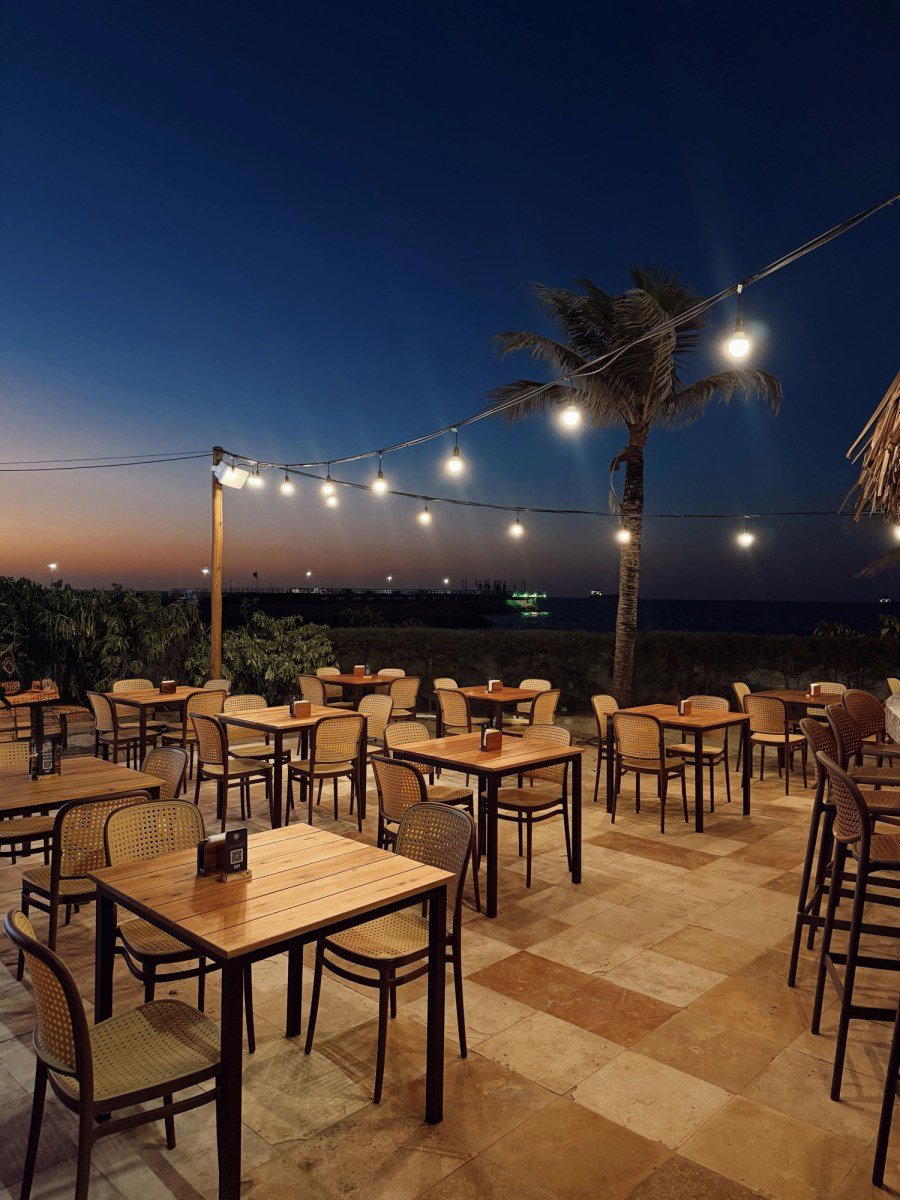
Hotels in Fortaleza
Browse all →
At a Glance
- Lively
- Family
- Casual Hangout
Current opening hours
- Monday
- 12–4 PM, 5:30 PM–12 AM
- Tuesday
- 12–4 PM, 5:30 PM–12 AM
- Wednesday
- 12–4 PM, 5:30 PM–12 AM
- Thursday
- 12–4 PM, 5:30 PM–12 AM
- Friday
- 12–4 PM, 5:30 PM–12 AM
- Saturday
- 12–4 PM, 5:30 PM–12 AM
- Sunday
- 12–4 PM, 5:30 PM–12 AM
Hours can change for holidays and private events. Last verified .
Great ambient with lively atmosphere.