Carbone Steakhouse occupies a prominent address on Avenida Desembargador Moreira in Aldeota, one of Fortaleza's most established commercial and dining districts. The restaurant sits within a city where serious meat cookery has carved out a distinct tier separate from the broader Brazilian churrascaria tradition, offering a more structured, table-service format that rewards those who prefer ritual over the rodízio parade.
Pearl is the En Primeur Club membership app — saves, bookings, and concierge access live there. Same editors, same standards.
- Address
- Av. Des. Moreira, 1300 - Aldeota, Fortaleza - CE, 60191-156, Brazil
- Phone
- +558531211614
- Website
- carbonesteakhouse.com.br
 Saves & bookings on Pearl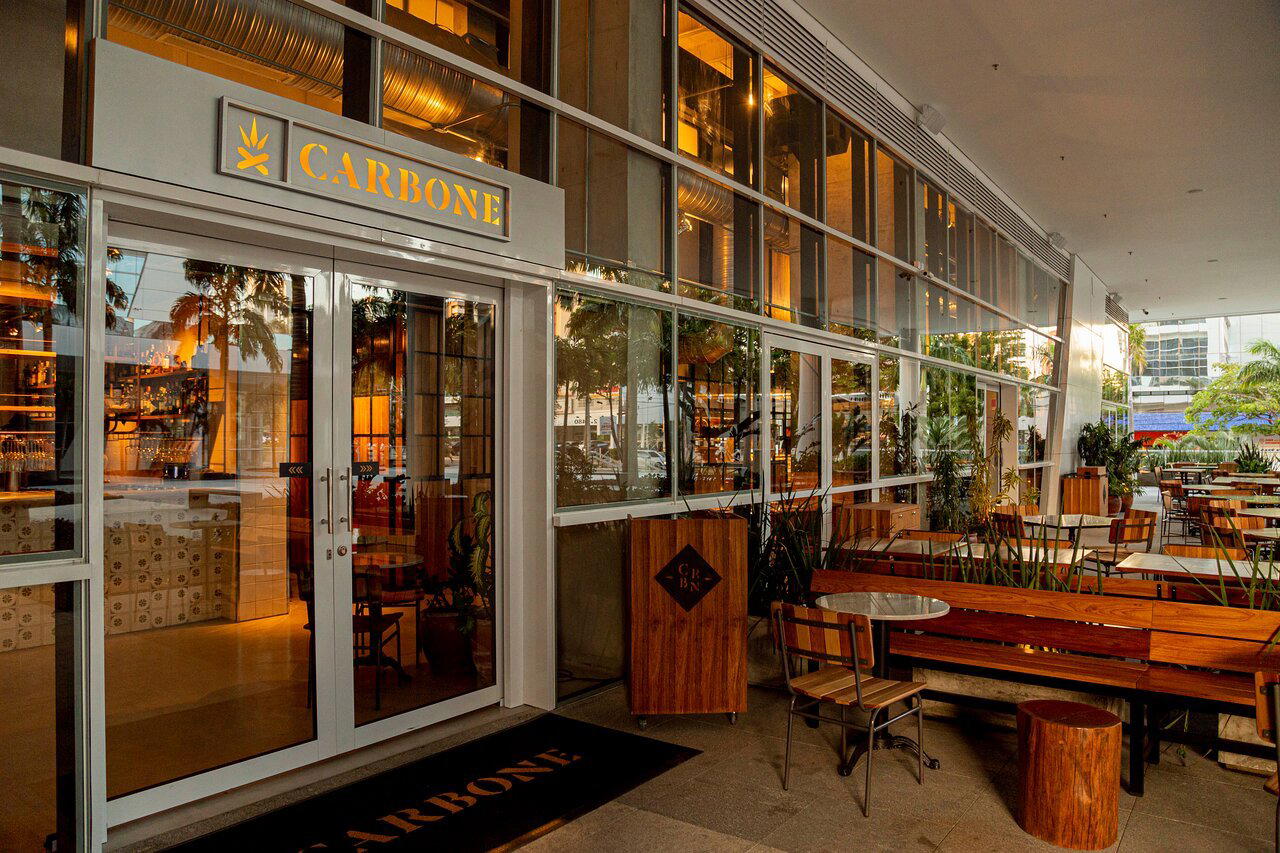
Where Fortaleza's Steakhouse Ritual Takes a Different Shape
Aldeota, the Fortaleza neighbourhood that runs along Avenida Desembargador Moreira, is not where you go for casual beachside bites. The district carries a different register: office towers, established commercial addresses, and a dining scene that skews toward sit-down formality rather than the street-food energy of Iracema or Meireles. Carbone Steakhouse positions itself inside that register, on a stretch of the Avenida that has accumulated a concentration of restaurants aiming at a more composed evening than the churrascaria circuit provides.
The geography matters because it shapes expectation. A steakhouse on this corridor is signalling something before you walk through the door: that the meal will have a pace, a structure, and a set of conventions distinct from the all-you-can-eat rodízio format that Brazil is internationally identified with. This is not a criticism of either model; it is simply an acknowledgment that Fortaleza, like São Paulo and Rio, now supports multiple tiers of meat-focused dining, each operating on its own logic of pacing, cut selection, and service rhythm.
The Dining Ritual at This Level of Steakhouse
Brazilian steakhouse culture is often flattened, in the international imagination, into the rodízio image: meat on swords, continuous service, a salad bar as intermission. The table-service steakhouse format that Carbone Steakhouse represents works from a different set of conventions, one closer in structure to the Argentine parrilla tradition or the North American chophouse than to the rodízio circuit. The guest selects cuts individually, the kitchen works to doneness on request, and the pacing of the meal is governed by the table rather than by the circulation of gauchos. For anyone who has eaten at Le Bernardin in New York City or at Lazy Bear in San Francisco, the structured progression of a serious table-service restaurant will feel familiar, even if the protein category differs completely.
This format places different demands on both kitchen and guest. On the kitchen side, individual cut cookery requires more precision than the continuous-rotation model; there is no margin for covering a slightly over-cooked slice with the next pass of the skewer. On the guest side, the format rewards a slower approach: reading the menu deliberately, discussing cuts with the server if the option is offered, and allowing each course its moment rather than loading the plate continuously. The ritual is the point, not a byproduct.
In Fortaleza's dining scene, this approach places Carbone Steakhouse in a peer group with other restaurants operating at the composed, table-service end of the spectrum. Venues like Butcher's 746 and Caravaggio Cucina & Vino occupy a similar dining tier in Aldeota and Meireles, where the expectation is a full evening rather than a quick meal. Elsewhere in the city, Geppos Italiano, Giz Cozinha Boêmia, and La Brasa Burger each anchor a different category, from Italian to creative Brazilian to casual beef-focused formats, underscoring how varied the protein-focused dining segment in Fortaleza has become.
Brazil's Beef Dining Context
To place Carbone Steakhouse accurately within the national scene, it helps to understand how Brazil's fine-dining meat category has evolved. The country produces varied beef, with regional breeds, aging practices, and cut traditions that only partly overlap with the Argentine or North American systems. At the more ambitious end of the restaurant spectrum, this has produced kitchens that treat Brazilian beef with the same specificity that Japanese restaurants bring to wagyu: provenance-conscious, cut-selective, and attentive to resting and service temperature. Nationally recognised restaurants like Oteque in Rio de Janeiro and D.O.M. in São Paulo have demonstrated, in different categories, that Brazilian kitchens can operate at the level of international fine dining. The question, for a city like Fortaleza, is how much of that ambition has translated into the local steakhouse tier.
The northeast of Brazil does not have the same beef pedigree as the south, where the gaucho tradition and the pampas ranching culture have fed the rodízio circuit for generations. Fortaleza operates somewhat outside that axis, drawing on supply chains that mix southern Brazilian product with more local sourcing. That gap, where it exists, is what separates the serious steakhouse operations from the mid-market ones: the former invest in sourcing outside the immediate region when the local supply cannot meet the required specification. The format and address suggest a kitchen positioned at the more deliberate end of the local category.
Beyond Fortaleza, the range of serious restaurant experiences across Brazil continues to expand. Birosca S2 in Belo Horizonte, Manu in Curitiba, Primrose in Gramado, and Orixás | North Restaurant in Itacaré each illustrate how regional Brazilian dining has developed distinct identities. For those building an itinerary across the country, Mina in Campos do Jordão, Castelo Saint Andrews in Vale do Bosque, Olivetto Restaurante E Enoteca in Campinas, and State of Espírito Santo in Rio Bananal demonstrate how varied the quality tier has become across cities and regions.
Planning Your Visit
Carbone Steakhouse is located at Av. Des. Moreira, 1300, Aldeota, Fortaleza, a central and well-connected address accessible by taxi or rideshare from the beachfront neighbourhoods in under fifteen minutes during normal traffic. For those building a broader Fortaleza dining itinerary, the EP Club full Fortaleza restaurants guide maps the city's key dining tiers and neighbourhoods in detail. Carbone Steakhouse accepts reservations and is recommended for smart casual dining.
Cuisine Lens
Comparable venues nearby, for context on price, style, and recognition.
| Venue | Cuisine | Price | Awards | Notes |
|---|---|---|---|---|
| Carbone SteakhouseThis venue — the venue you are viewing | Premium Brazilian Steakhouse with Argentine Grill | $$$$ | , | |
| Restaurante Coco Bambu Sul | Brazilian Seafood Grill | $$ | , | Parque Manibura |
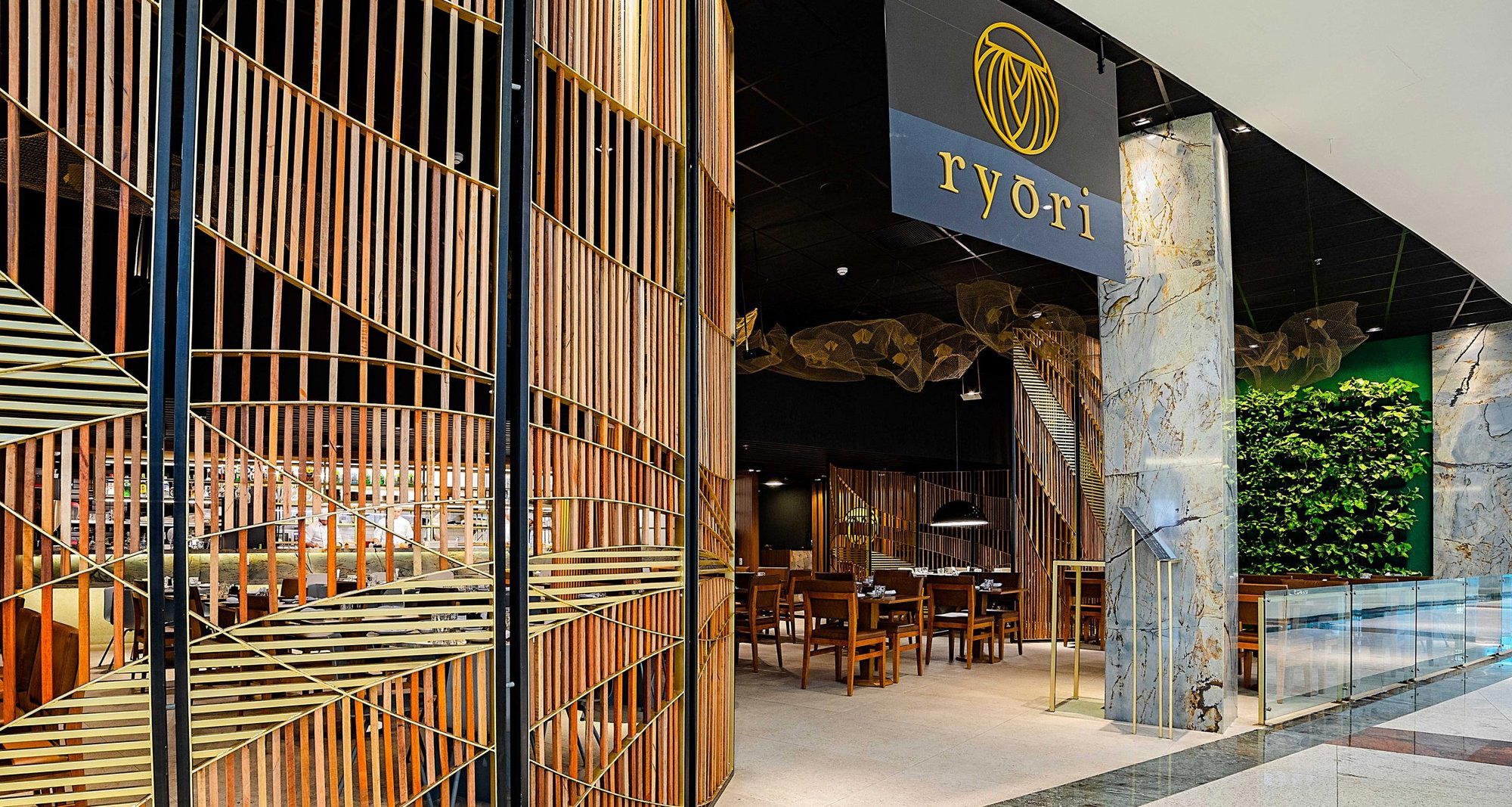
| Ryori - Shopping Buganvília | Modern Japanese Sushi Lounge | $$$ | , | City Center |
| Caravaggio Cucina & Vino | Italian Seafood Trattoria | $$$$ | , | Meireles |
| La Brasa Burger - Fortaleza | Brazilian Burgers | $$ | , | Beira Mar |
| Butcher's 746 | Brazilian Steakhouse & Barbecue | $$ | , | Aldeota |
Continue exploring
More in Fortaleza
Restaurants in Fortaleza
Browse all →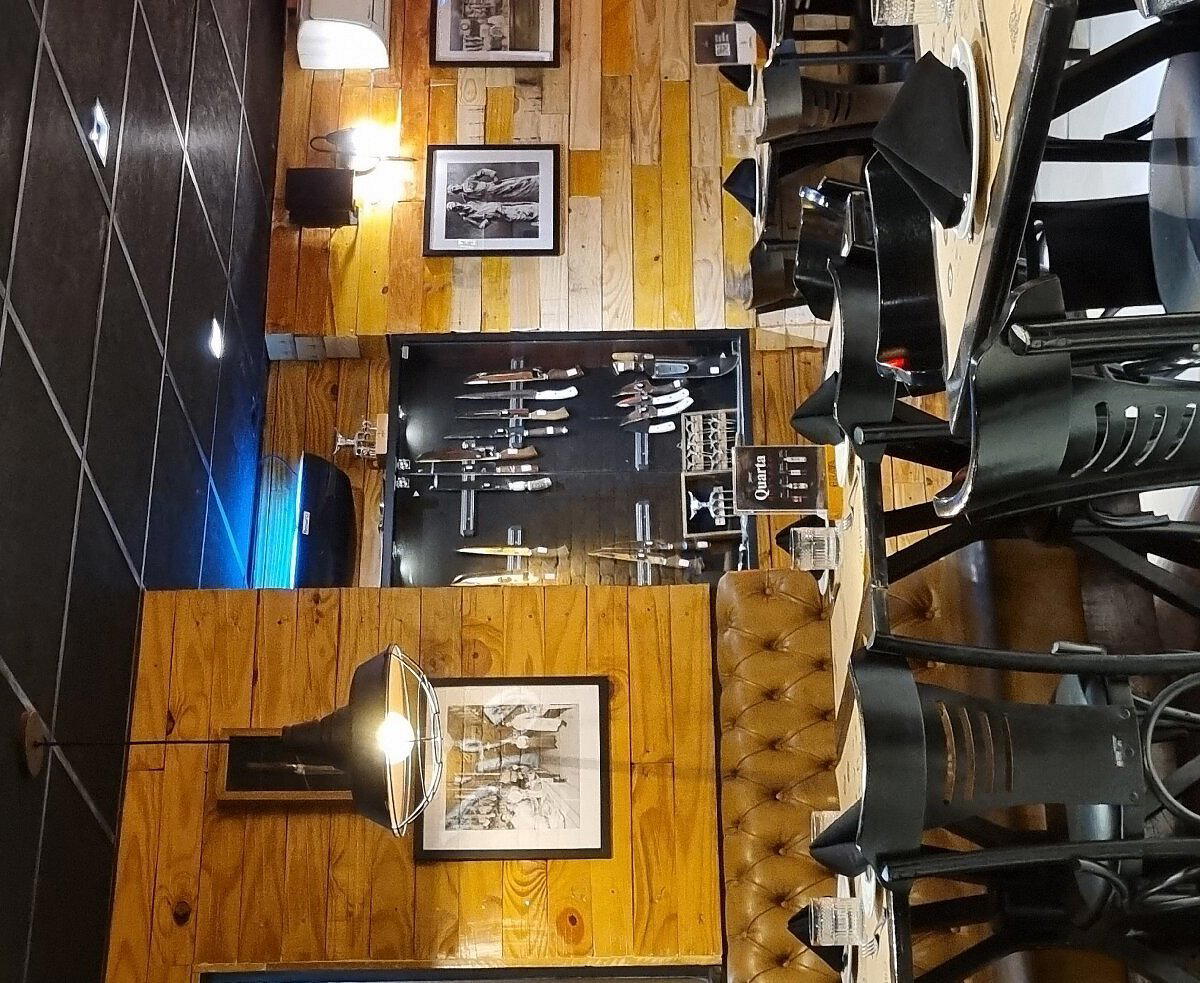
Hotels in Fortaleza
Browse all →
At a Glance
- Elegant
- Lively
- Sophisticated
- Date Night
- Business Dinner
- Celebration
- Special Occasion
- Group Dining
- Open Kitchen
- Terrace
- Design Destination
- Craft Cocktails
- Beer Program
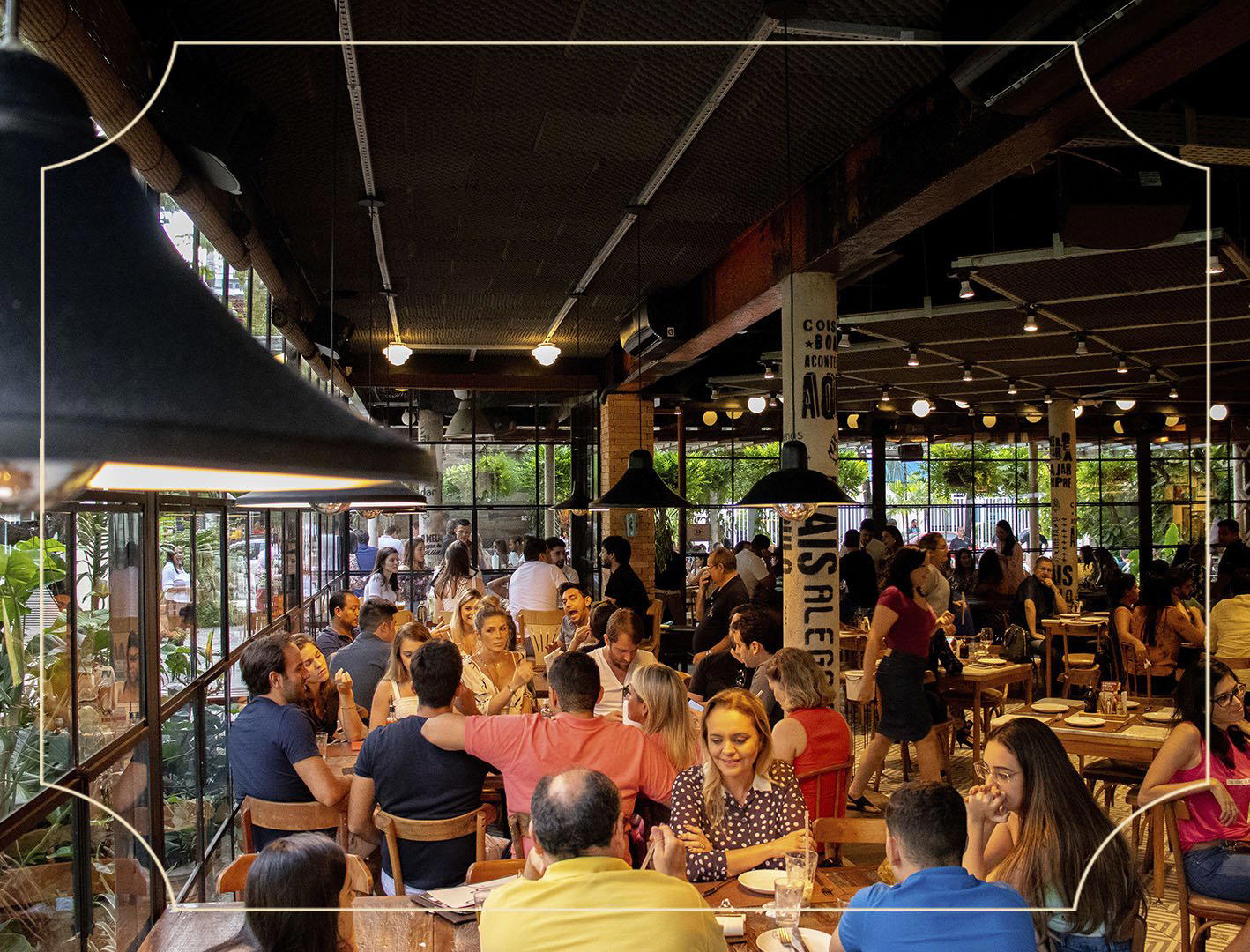
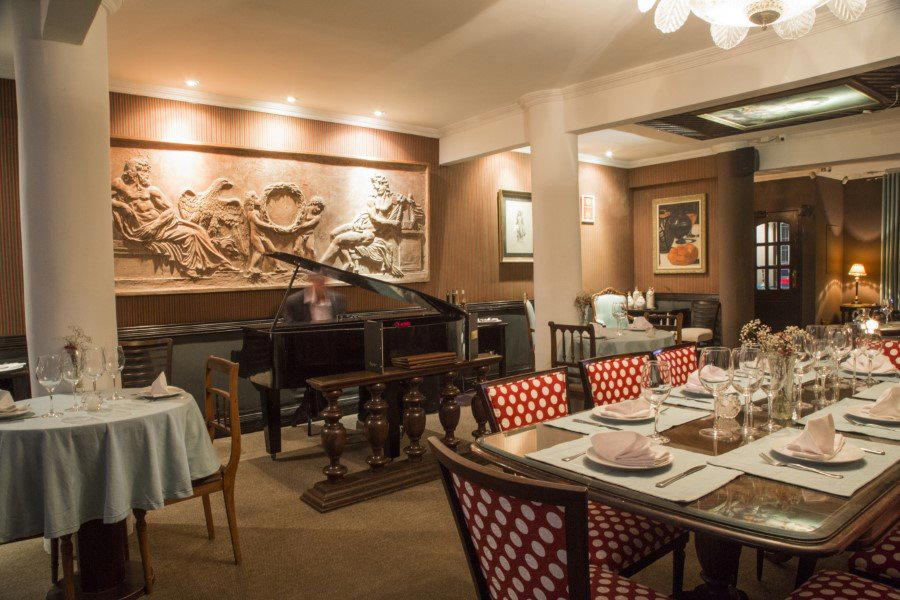
Cozy and well-lit with outdoor spaces featuring abundant plants, creating a refined yet welcoming gastronomic atmosphere.