Caravaggio Cucina & Vino occupies a notable position in Fortaleza's Italian dining scene, operating from Rua Prof. Dias da Rocha in the Meireles neighbourhood. In a city where the connection between sourcing and plate quality is becoming a sharper editorial question, this address represents the Italian-leaning end of that conversation. For visitors mapping Fortaleza's more considered restaurant options, it belongs on the same itinerary as the city's better European-influenced tables.
Pearl is the En Primeur Club membership app — saves, bookings, and concierge access live there. Same editors, same standards.
- Address
- R. Prof. Dias da Rocha, 199 - Meireles, Fortaleza - CE, 60170-310, Brazil
- Phone
- +5585981574013
- Website
- caravaggiocucina.com.br
- Directions
- Get directions
 Saves & bookings on Pearl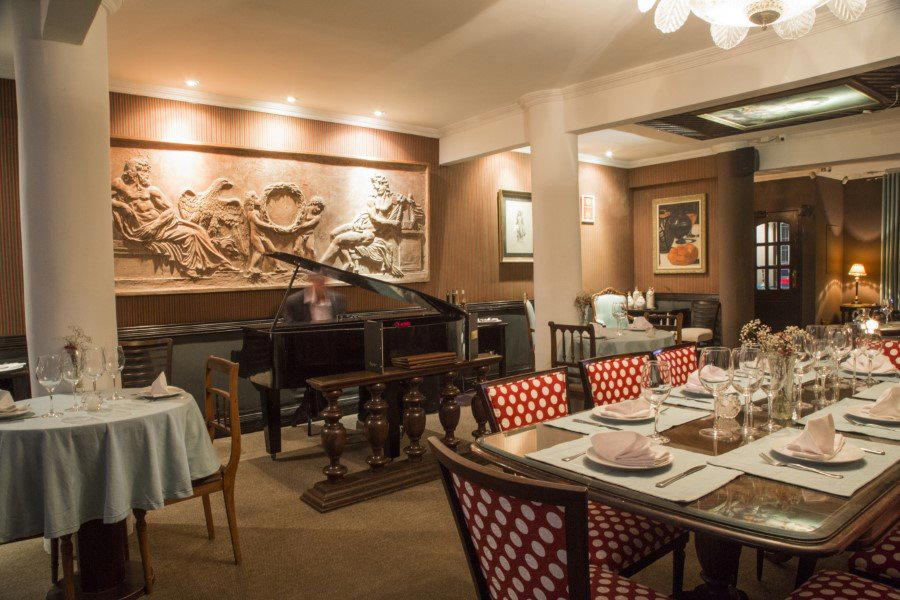
Italian Tables in a Northeastern Brazilian City
The Italian restaurant in Brazil is not a novelty, the country absorbed millions of Italian immigrants across the late nineteenth and early twentieth centuries, and their culinary influence spread unevenly across regions. In Rio Grande do Sul and São Paulo, that inheritance is dense and well-documented: Cantina Pozzobon in Santa Maria and similar cantinas in the south represent a relatively unbroken lineage from Italian regional cooking to Brazilian adaptation. In the Northeast, the picture is different. Fortaleza's food culture is anchored in Ceará's fishing traditions, dried meat preparations, and cassava-based cooking, not pasta and wine. Which means that when an Italian address does establish itself here with seriousness, it is operating against the grain of local tradition rather than riding it.
Caravaggio Cucina & Vino sits on Rua Prof. Dias da Rocha 199 in Meireles, Fortaleza, a restaurant serving Italian Seafood Trattoria cuisine. The name gestures at the Italian baroque painter whose dramatic use of light and shadow, chiaroscuro, became among the more recognisable techniques in Western art. Whether the kitchen trades in equivalently bold contrasts or whether the name is simply a cultural marker, the address places itself firmly in the Italian tradition, and the Meireles location puts it adjacent to the city's more considered dining circuit.
What Sourcing Means at This Latitude
The editorial question for any Italian restaurant operating outside its native culinary geography is always the same: what arrives at the table, and from where? Italy's regional cooking is deeply tied to proximity, Ligurian olive oil, Emilian cured meats, Neapolitan tomatoes grown in volcanic soil. When that cooking travels, the sourcing compromise is immediate. The leading Italian operators outside Italy manage this by making deliberate choices: sourcing certain key ingredients from Italian producers, substituting intelligently with local equivalents where quality is competitive, and building menus around what the local supply chain can actually support rather than chasing ingredients that degrade in transit.
In Fortaleza's case, the local supply chain offers some genuine advantages. The city's coastal position means access to Ceará seafood, lobster, shrimp, and fresh fish, that competes with anything available in southern Brazil. A kitchen willing to bridge Italian technique with northeastern Brazilian ingredients has raw material of real quality to work with. The question is whether the editorial identity of the address leans toward faithful Italian reproduction, creative synthesis, or something between. Without verified menu data, that question cannot be answered here with the specificity it deserves, but the framing matters, because it determines how Caravaggio competes within Fortaleza's restaurant tier.
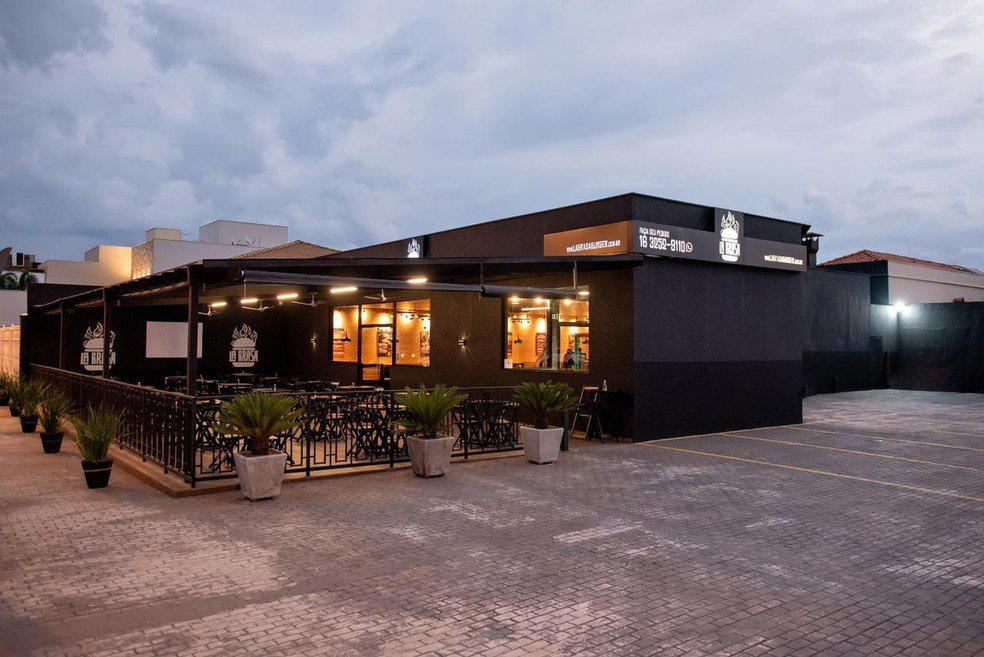
For comparison, the city's European-inflected dining addresses occupy a range of positions. Geppos Italiano represents another Italian-flag address in Fortaleza, which means Caravaggio operates in a small but defined peer group rather than in isolation. Across the broader Fortaleza restaurant scene, which also includes meat-focused formats like Butcher's 746 and Carbone Steakhouse, as well as more informal options like La Brasa Burger and the bohemian-leaning Giz Cozinha Boêmia, the cucina-and-vino format occupies a specific niche: sit-down, wine-paired, European-anchored.
The Vino Component and What It Signals
The inclusion of wine in the restaurant's name is not incidental. In Brazil, the wine programme has become a proxy for editorial ambition at the mid-to-upper restaurant tier. The country's own wine industry, centred in the Serra Gaúcha and Vale dos Vinhedos in Rio Grande do Sul, has matured significantly over the past two decades, and Brazilian sommeliers increasingly build lists that mix Italian imports with domestic producers, particularly for varietals like Merlot, Chardonnay, and the Campanha region's emerging Cabernet Franc. At a restaurant whose name leads with Italian heritage, the expectation is that the Italian producer list carries some weight: whether that means Piedmontese Barolo and Barbaresco, Tuscany's Brunello tier, or a broader sweep through regional DOC appellations.
What a wine list signals, beyond the list itself, is operational seriousness. Maintaining an Italian wine programme in Fortaleza requires import logistics, cellar management, and front-of-house training that separates addressed restaurants from casual trattoria-style operators. The Brazilian restaurant market at the premium end has benchmarks: D.O.M. in São Paulo and Lasai in Rio de Janeiro represent the national ceiling for sourcing discipline and programme depth. Fortaleza operates in a different register, but the principle, that a named wine programme implies a standard of operational investment, applies regardless of city scale.
Meireles and the Neighbourhood Context
Meireles is Fortaleza's most consistent address for restaurants with some ambition. The neighbourhood runs along the coast between Iracema and Aldeota, close enough to the Beira Mar waterfront to attract visitors and residents who associate the area with the city's more considered eating and drinking options. Within that geography, Rua Prof. Dias da Rocha is a commercial-residential street that hosts several restaurant addresses, which means competition and comparison happen at the street level as much as across the city.
For visitors arriving from outside Fortaleza, Meireles functions as a practical base: it is walkable to the beach, reasonably close to the city's better hotels, and concentrated enough that an evening of eating and drinking does not require crossing the city. Our full Fortaleza restaurants guide maps the neighbourhood's dining options in more detail, but the short version is that an Italian address in Meireles is competing with other European-inflected tables for the same dinner-out audience. That competition is ultimately good for the quality of the offer, restaurants that operate in defined peer groups tend to maintain standards more rigorously than those with no nearby comparators.
For readers cross-referencing Brazilian restaurant culture more broadly, the Italian tradition in Brazil has produced some durable operators across the country, from Bistro Fitz Carraldo in Manaus to Arte e Café Imperial in Angra dos Reis, demonstrating that European-format dining can find footing in Brazilian cities across the country's geographic range.
Planning a Visit
Caravaggio Cucina & Vino is at Rua Prof. Dias da Rocha 199, Meireles, Fortaleza, Ceará. Meireles is accessible by taxi and app-based transport from most of the city's central areas, and the street-level location makes it direct to find. Current hours are Mon: Closed; Tue: 6 PM to 12 AM; Wed: 6 PM to 12 AM; Thu to Sat: 12 to 4 PM and 6 PM to 12 AM; Sun: 12 to 4 PM. Reservations are recommended.
Side-by-Side Snapshot
Comparable venues nearby, for context on price, style, and recognition.
| Venue | Cuisine | Price | Notes |
|---|---|---|---|
| Caravaggio Cucina & VinoThis venue — the venue you are viewing | Italian Seafood Trattoria | $$$$ | Not listed |
| Geppos Italiano | Italian Pizza and Seafood | $$ | Aldeota |
| Restaurante Coco Bambu Sul | Brazilian Seafood Grill | $$ | Parque Manibura |
| Giz Cozinha Boêmia | Contemporary Brazilian Bohemian | $$$ | Meireles |
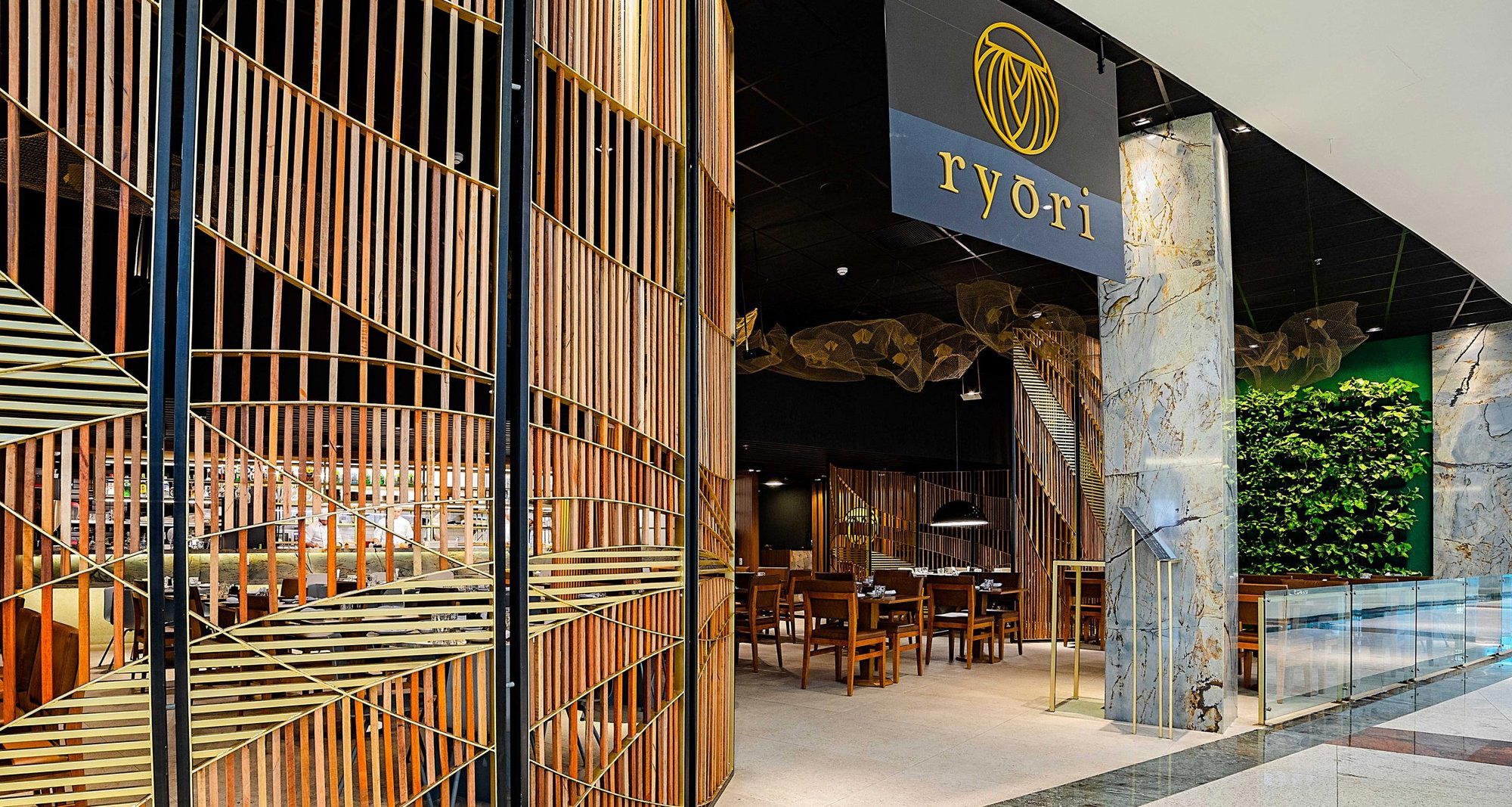
| Ryori - Shopping Buganvília | Modern Japanese Sushi Lounge | $$$ | City Center |
| Carbone Steakhouse | Premium Brazilian Steakhouse with Argentine Grill | $$$$ | Aldeota |
Continue exploring
More in Fortaleza
Restaurants in Fortaleza
Browse all →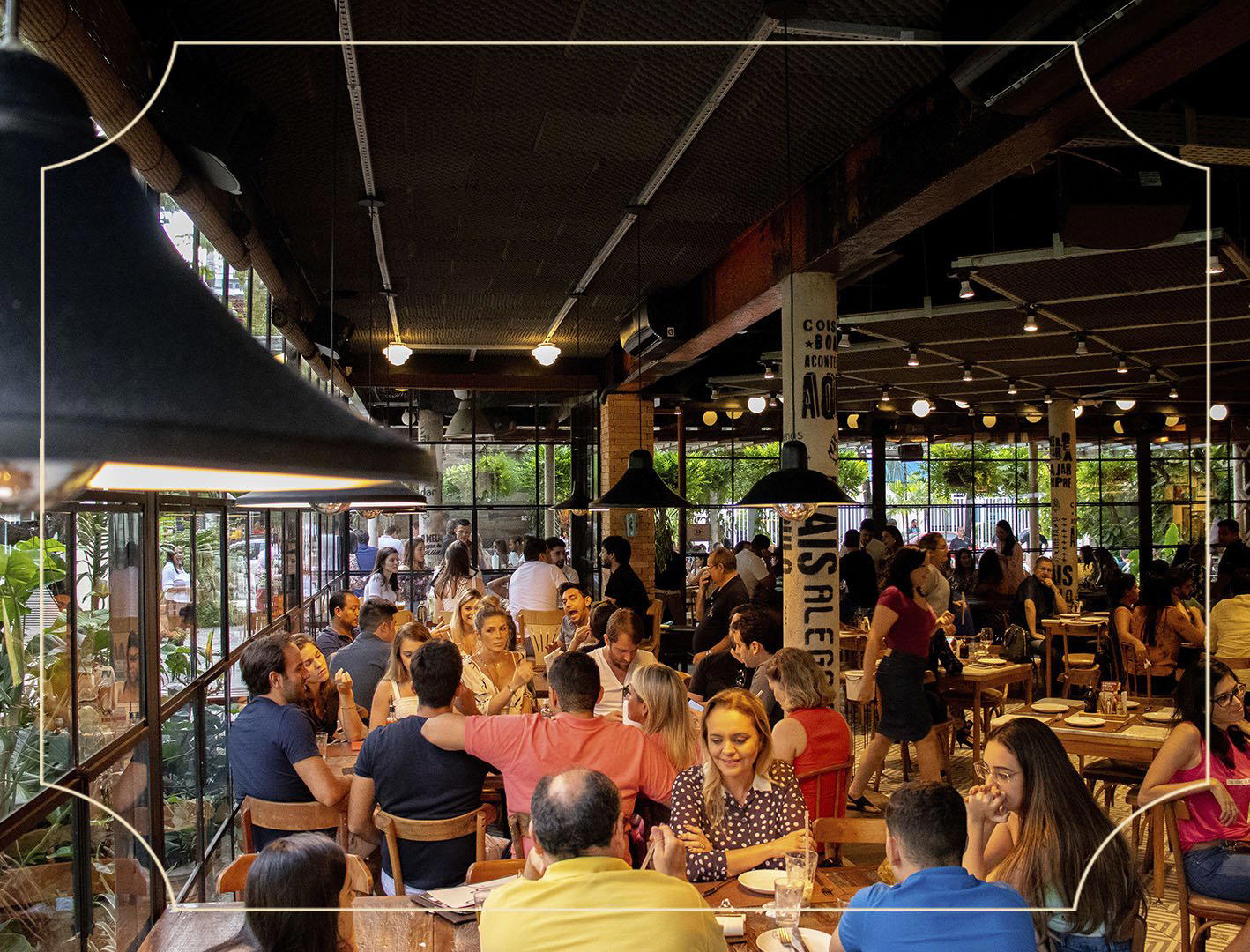
Bars in Fortaleza
Browse all →
Hotels in Fortaleza
Browse all →
At a Glance
- Intimate
- Elegant
- Cozy
- Romantic
- Sophisticated
- Date Night
- Special Occasion
- Celebration
- Live Music
- Extensive Wine List
Current opening hours
- Monday
- Closed
- Tuesday
- 6 PM–12 AM
- Wednesday
- 6 PM–12 AM
- Thursday
- 12–4 PM, 6 PM–12 AM
- Friday
- 12–4 PM, 6 PM–12 AM
- Saturday
- 12–4 PM, 6 PM–12 AM
- Sunday
- 12–4 PM
Hours can change for holidays and private events. Last verified .
Cozy and intimate with subtle ambient lighting, pleasant live music on select nights including jazz tributes, and a sophisticated yet welcoming atmosphere.