Our verdict
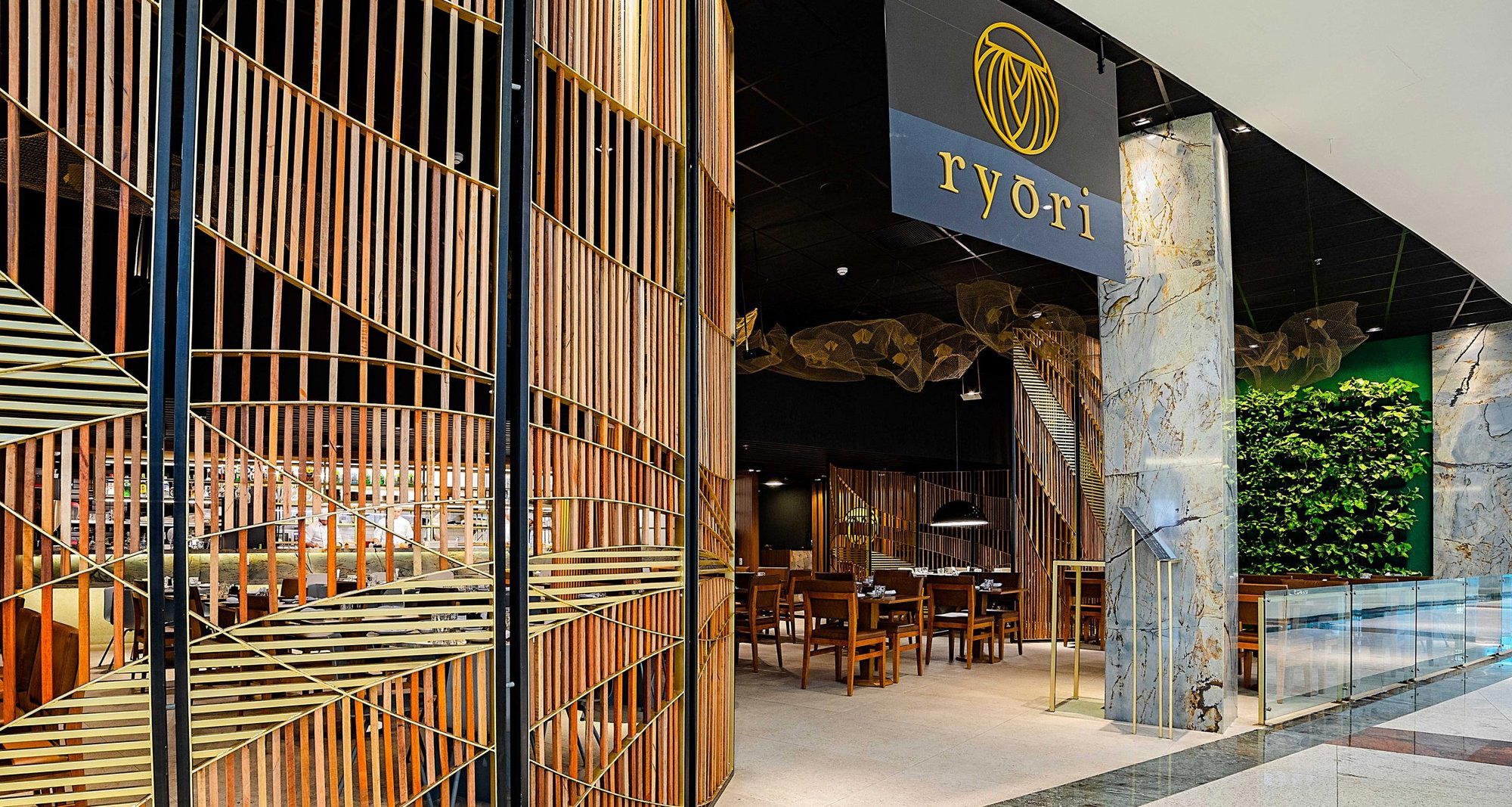
Ryori - Shopping Buganvília serves Modern Japanese Sushi Lounge at Av. Dom Luís in Fortaleza, with Japanese Sequence, Fish Taco, and Ryori Brie on a leisurely, conversational format.

Pearl is the En Primeur Club membership app — saves, bookings, and concierge access live there. Same editors, same standards.
- Address
- Av. Dom Luís, 1113 - Meireles, Fortaleza - CE, 60160-230, Brazil
- Phone
- +558532249997
- Hours
- Daily 11:30 AM–3 PM, 6–11:30 PM
- Website
- gruposocialclube.com.br
- Directions
- Get directions
The menu
What to order
- Japanese Sequence
- Fish Taco
- Ryori Brie
Meireles and the Mall Dining Question
In Fortaleza, the address on Av. Dom Luís tells you a great deal before you arrive. Meireles is the neighborhood that functions as the city's commercial and gastronomic center, a stretch of Atlantic-facing avenues where the restaurant density is high and the competition for attention is sustained. Shopping Buganvília sits within that corridor, and with it comes a tension that applies to mall-positioned restaurants across Brazilian cities: can a dining room inside a retail complex hold the same credibility as a freestanding address on the same street? For Ryori, that question is the context in which the entire experience operates.
The broader pattern across Brazil's mid-to-large cities is that shopping center restaurants have moved from afterthought food courts to deliberately programmed dining destinations. In São Paulo, this shift is well documented. In Fortaleza, the same logic has taken hold more slowly, which makes the Meireles corridor an interesting test case. Ryori occupies that space — a restaurant with a Japanese-inflected name and positioning, sitting inside a commercial structure on one of the city's most trafficked avenues.
The Meireles Dining Tier and Where This Address Fits
Fortaleza's restaurant scene has matured considerably over the past decade, with the Meireles and Aldeota neighborhoods absorbing the city's most ambitious dining projects. Within that geography, restaurants tend to cluster into legible tiers: the steakhouse-and-grill category, the European-influenced trattoria category, and the increasingly populated Asian-influenced category that ranges from casual sushi counters to more considered Japanese or pan-Asian formats. Ryori's name places it in that third tier, which is where Fortaleza's dining growth has been most visible.
For context, Fortaleza diners who want to benchmark premium dining in Brazil's northeast can compare the experience against the kind of critical markers that have defined the national conversation: D.O.M. in São Paulo set a template for what serious Brazilian cooking looks like at the leading end, and Lasai in Rio de Janeiro has done the same for ingredient-led tasting menus. Neither has direct equivalents in Fortaleza yet, but the city's mid-tier is more active than it was five years ago, which is the environment in which Ryori operates.
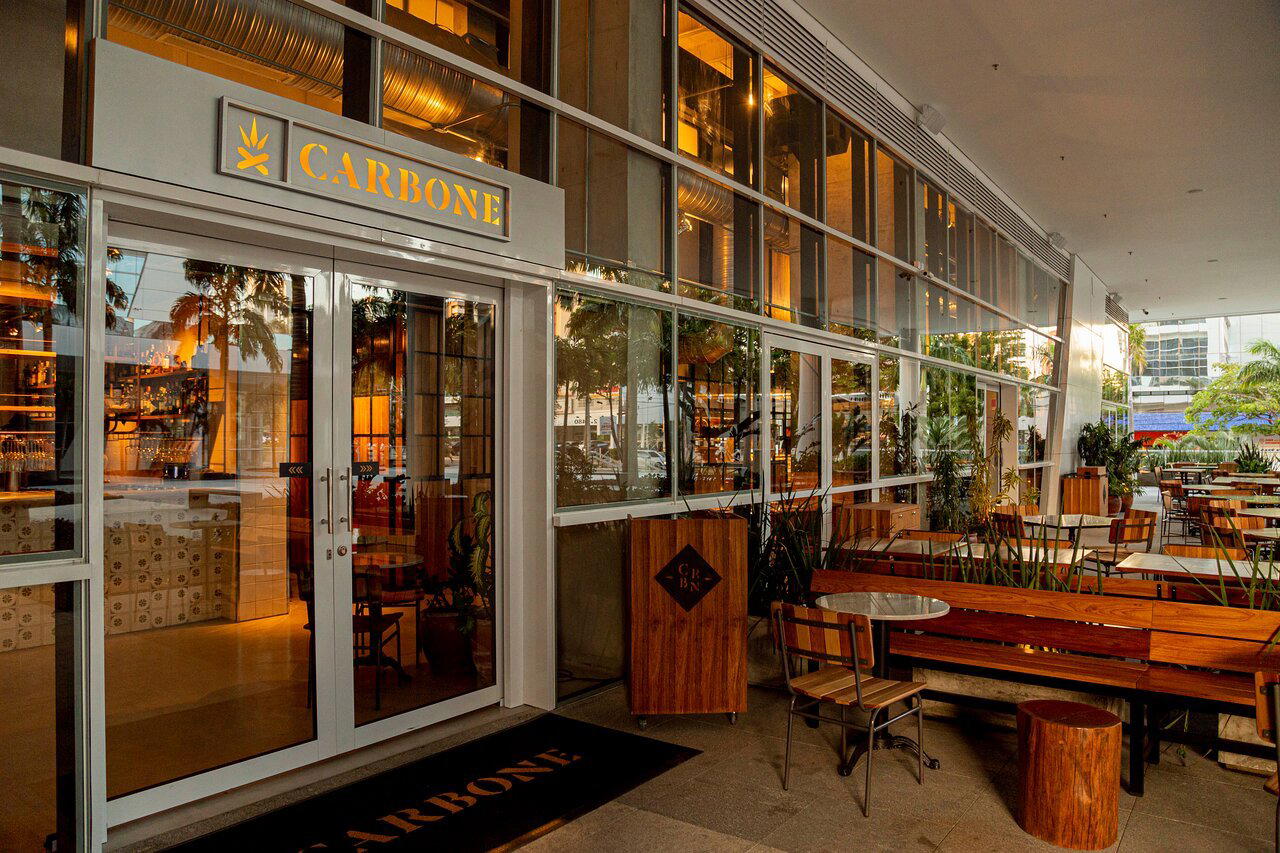
Within Fortaleza specifically, the competitive set worth watching includes Caravaggio Cucina & Vino in the Italian-leaning category, Butcher's 746 for premium meat-focused dining, and Carbone Steakhouse for a more internationally inflected steakhouse format. Geppos Italiano and Giz Cozinha Boêmia represent the more casual end of Fortaleza's dining options, where the bohemian restaurant tradition of the city shows up most clearly. Ryori positions itself differently from all of these, with a name and apparent concept that signals Japanese or Asian culinary reference points.
The Mall Format and What It Signals for Dining Experience
Restaurant formats inside shopping centers in Brazil have their own logic. The foot traffic is built in, the visibility is guaranteed, and the operational infrastructure (parking, air conditioning in a city where Fortaleza's heat is a real planning consideration) is handled by the building. What mall formats trade away is atmosphere autonomy: the approach to the space, the lighting transition from street to dining room, the sense of arrival that a standalone address can engineer. In a city like Fortaleza, where the heat makes the shopping center an appealing refuge for much of the year, the calculus is different than it would be in a temperate European city.
Japanese restaurant concepts in Brazil's shopping centers have followed this pattern for decades, from the large sushi chains that colonized mall food courts in the 1990s to the more considered Japanese-Brazilian fusion formats that emerged in São Paulo and spread to other cities. Fortaleza, with its significant Ceará restaurant culture and its own relationship to seafood, is a city where a Japanese-influenced restaurant can find genuine local ingredients to work with — the northeast coast's fish supply is a real asset for any kitchen with an eye toward raw preparations or lightly treated seafood.
Planning a Visit
Ryori is located at Av. Dom Luís, 1113 in the Meireles district of Fortaleza, inside Shopping Buganvília. The address is on one of Meireles's main arteries, accessible by car with the parking structure that the shopping center provides, or by taxi and app-based ride services from anywhere in the central and beachfront neighborhoods. For those exploring Fortaleza's broader dining options, our full Fortaleza restaurants guide maps the city's key dining neighborhoods and categories in detail.
For readers cross-referencing dining standards against international benchmarks, it is useful to note that Japanese-influenced restaurants operating at a serious level globally, from Atomix in New York City to Le Bernardin in New York City on the French seafood side, demonstrate what technical precision and ingredient sourcing discipline look like at the top of the category. Ryori's context is different in scale and ambition, but the benchmark is worth holding in mind when assessing any restaurant positioning itself around Japanese or Asian culinary traditions in a Brazilian regional capital.
Brazil's restaurant culture outside the São Paulo-Rio axis includes genuinely interesting addresses: Bistro Fitz Carraldo in Manaus, Cantina Pozzobon in Santa Maria, and Aero Burguer e Grill in Santa Cruz do Sul each represent how regional Brazilian cities have built their own dining identities. Arte e Café Imperial in Angra dos Reis, Casa da Dika in Bragança, Casa da Flor Restaurante in Dourados, Casa da Picanha Penedo in Itatiaia, and Famosa Pizza in Ribeirão Preto extend that picture across the country's diverse regional dining scenes. Fortaleza belongs to this broader map of cities where dining is genuinely local, shaped by specific coastal geography and cultural identity rather than imported from the major urban centers.
Frequently asked questions
What part of town is Ryori - Shopping Buganvília in?
Ryori - Shopping Buganvília is located at Av. Dom Luís, 1113 - Meireles, Fortaleza - CE, 60160-230, Brazil, Fortaleza.
Is Ryori - Shopping Buganvília a good option for Japanese food in Fortaleza's Meireles neighborhood?
Ryori occupies the Meireles dining tier, the part of Fortaleza where the city's more established restaurant operators have concentrated, particularly along Av. Dom Luís. Its position inside Shopping Buganvília at number 1113 gives it the foot traffic and accessibility that standalone Japanese restaurants in the neighborhood typically lack.
What's the must-try dish at Ryori - Shopping Buganvília?
Specific menu details for Ryori at Shopping Buganvília on Av. For the current menu and any signature preparations, contacting the venue directly or checking Shopping Buganvília's directory is the most reliable route.
How hard is it to get a table at Ryori - Shopping Buganvília?
Ryori operates inside Shopping Buganvília in Meireles, a high-traffic commercial address on Av. Dom Luís. Mall-format restaurants in this part of Fortaleza tend to absorb walk-in traffic more readily than standalone dining rooms, though weekend evenings in Meireles draw consistent demand across the neighborhood's restaurant tier.
What's the standout thing about Ryori - Shopping Buganvília?
The address itself is a defining factor. Av. Dom Luís, 1113 places Ryori inside one of Meireles's primary commercial corridors, where the Fortaleza dining scene has concentrated its more established operators over the past decade. A shopping center format here means consistent access rather than the reservation friction of standalone venues.
Do they accommodate allergies at Ryori - Shopping Buganvília?
No allergy or dietary accommodation policy for Ryori is documented in current editorial records. Given the venue's location inside Shopping Buganvília on Av. Dom Luís in Fortaleza, reaching the restaurant directly before your visit is the practical approach for specific dietary requirements.
The Essentials
Comparable venues nearby, for context on price, style, and recognition.
| Venue | Cuisine | Price | Notes |
|---|---|---|---|
| Ryori - Shopping BuganvíliaThis venue — the venue you are viewing | Modern Japanese Sushi Lounge | $30–50 | Not listed |
| Giz Cozinha Boêmia | Contemporary Brazilian Bohemian | $20–30 | Meireles, Contemporary Brazilian Bohemian |
| Carbone Steakhouse | Premium Brazilian Steakhouse with Argentine Grill | $50–100 | Aldeota, Premium Brazilian Steakhouse with Argentine Grill |
| La Brasa Burger - Fortaleza | Brazilian Burgers | $10–20 | Beira Mar, Brazilian Burgers |
| Caravaggio Cucina & Vino | Italian Seafood Trattoria | Not listed | Meireles, Italian Seafood Trattoria |
| Geppos Italiano | Italian Pizza and Seafood | $20–30 | Aldeota, Italian Pizza and Seafood |
Continue exploring
More in Fortaleza
Restaurants in Fortaleza
Browse all →
Bars in Fortaleza
Browse all →
Details
- Modern
- Elegant
- Sophisticated
- Date Night
- Group Dining
- Special Occasion
- Open Kitchen
- A La Carte
- Small Plates
- Vegetarian Friendly
- Vegan Options
- Gluten Free Options
Current opening hours
- Monday
- 11:30 AM–3 PM, 6–11:30 PM
- Tuesday
- 11:30 AM–3 PM, 6–11:30 PM
- Wednesday
- 11:30 AM–3 PM, 6–11:30 PM
- Thursday
- 11:30 AM–3 PM, 6–11:30 PM
- Friday
- 11:30 AM–3 PM, 6–11:30 PM
- Saturday
- 11:30 AM–3 PM, 6–11:30 PM
- Sunday
- 11:30 AM–3 PM, 6–11:30 PM
Hours can change for holidays and private events. Last verified .
Sleek modern interior with welcoming atmosphere and attentive table service.