On Rue Joseph Stevens in the Saint-Gilles pocket of central Brussels, Genco occupies a stretch of the city where old-school neighbourhood character and a newer wave of serious dining coexist without friction. The address alone places it in conversation with the Belgian capital's mid-tier independent scene, where wine curation and kitchen confidence increasingly define the room rather than formal ceremony.
Pearl is the En Primeur Club membership app — saves, bookings, and concierge access live there. Same editors, same standards.
- Address
- Rue Joseph Stevens 28, 1000 Bruxelles, Belgium
- Phone
- +3225113444
- Directions
- Get directions
 Saves & bookings on Pearl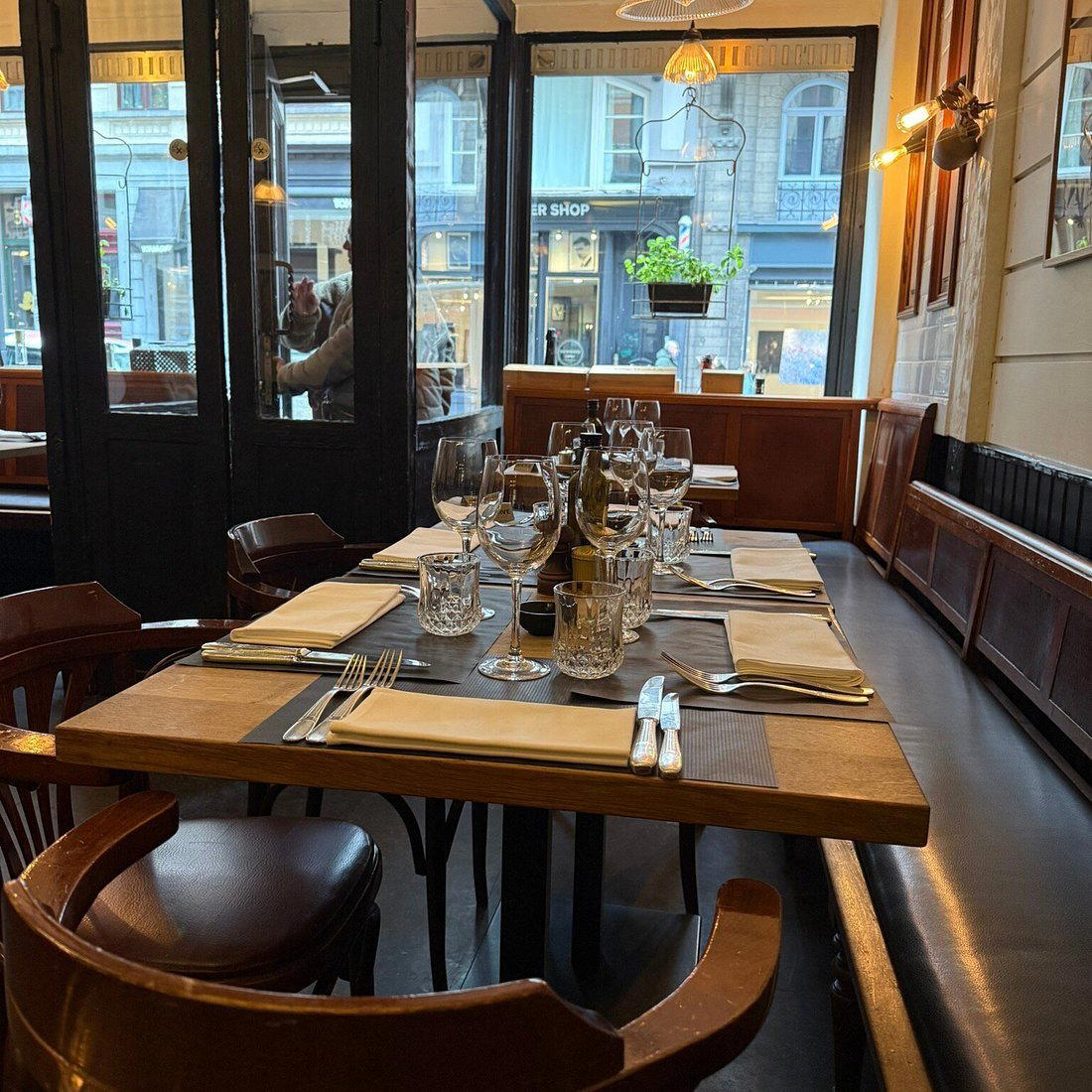
Rue Joseph Stevens and the Neighbourhood It Belongs To
Brussels has a particular kind of street that resists easy categorisation. Rue Joseph Stevens, running through the lower end of the Marolles and edging toward Saint-Gilles, is one of them. The area has accumulated decades of antique dealers, working-class brasseries, and more recently, a quieter generation of independent operators who opened here precisely because the neighbourhood did not demand they perform. Genco, at number 28, sits inside that logic. The physical approach, along a street where the architecture is worn in rather than restored, signals that this is not a room built around visual theatre. What greets you instead is the kind of address that earns its reputation through what happens at the table and in the glass.
This corner of Brussels belongs to a broader pattern visible across the city's independent dining scene. Brussels has developed distinct tiers: the grand classical houses, the Michelin-tracked modernists, and a smaller, harder-to-classify group of independents where the wine list and the sourcing philosophy carry as much weight as the kitchen pedigree. Genco operates in that third category, where the conversation between what is in the bottle and what arrives on the plate defines the experience more than any single element in isolation.
How Brussels Thinks About Wine Right Now
Belgium's relationship with wine has always been complicated by geography. The country produces little of note domestically, which means serious wine programs here are built on import relationships, cellar discipline, and the kind of curation that takes years to develop rather than months. The restaurants that have earned reputations for their lists in Brussels tend to share a few characteristics: they work with a small number of trusted importers, they hold back-vintage stock rather than turning inventory quickly, and they treat the sommelier's role as structurally equivalent to the head chef's.
At the formal end of the market, addresses like Comme chez Soi and La Villa Lorraine by Yves Mattagne maintain cellars built over generations, with Burgundy and Bordeaux depth that reflects decades of acquisition. The newer wave, represented by places like Barge and Eliane, has shifted emphasis toward natural and low-intervention producers, often from less-traded appellations. Genco's position on Rue Joseph Stevens places it geographically and temperamentally between these poles, in a neighbourhood where the clientele tends to arrive with opinions already formed and an appetite for being surprised by what fills the glass.
The Cellar as Editorial Statement
A wine list is never just an inventory. It is an argument about what matters. Particularly compelling lists in Brussels right now make that argument through selection rather than volume, choosing specificity over comprehensiveness. A list heavy with grower Champagne and unfashionable appellations from the Jura or the Loire tells you something about the operator's priorities that a 200-bottle selection heavy with recognisable labels does not. Across Belgium's independent dining scene, the shift toward producer-led, lower-intervention selections has accelerated since roughly 2018, tracking a change in what a particular generation of sommelier considers interesting work.
This mirrors shifts visible in comparable cities. Le Bernardin in New York City built its wine program around the idea that the list should serve the food's register rather than compete with it, a discipline that many smaller European independents have absorbed and applied at lower price points. In San Francisco, Lazy Bear built its beverage program into the tasting format itself, collapsing the distinction between kitchen and cellar decisions. The independents on Brussels streets like Rue Joseph Stevens are arriving at similar conclusions through different routes: less formal, more conversational, but no less considered.
Placing Genco in the Belgian Context
Belgium's serious dining addresses are more geographically distributed than the country's size might suggest. Outside Brussels, kitchens like Hof van Cleve in Kruishoutem, Boury in Roeselare, and Zilte in Antwerp have built reputations that draw from across the country and beyond. In Ghent, Vrijmoed operates a vegetable-forward program that has shifted expectations about what fine dining in Belgium can look like. Further afield, addresses like Willem Hiele in Oudenburg and d'Eugénie à Emilie in Baudour demonstrate that the country's most interesting cooking is not concentrated in the capital.
Within Brussels itself, the reference points span a considerable range. Bozar Restaurant operates inside a cultural institution and carries that register into its programming. Le Chalet de la Forêt in Uccle occupies a different bracket entirely, with the kind of setting and service formality that places it among the city's most formal rooms. Genco's position on Rue Joseph Stevens is closer to the informal end of that spectrum, in a street-level space where the emphasis falls on what is in the glass and on the plate rather than on ceremony. Restaurants in Lommel (Cuchara), Izegem (La Durée), and Neerharen (Ralf Berendsen) round out a national picture in which serious cooking is increasingly decentralised, but Brussels retains a particular density of independent operators working without the scaffolding of a hotel group or a starred reputation.
Planning a Visit
Rue Joseph Stevens is accessible on foot from the Porte de Hal metro station and sits within a short walk of the Grand Place for those combining visits across the centre. The Marolles neighbourhood around it rewards time spent beyond the meal itself: the weekend flea market at Place du Jeu de Balle is within easy walking distance, and the concentration of independent food and drink addresses in the surrounding blocks makes the area a reasonable half-day proposition for visitors who want to build a visit around the table rather than around landmarks.
At-a-Glance Comparison
Comparable venues nearby, for context on price, style, and recognition.
| Venue | Cuisine | Price | Notes |
|---|---|---|---|
| GencoThis venue — the venue you are viewing | Authentic Italian Trattoria | $$$ | Not listed |
| Bocconi | Modern Italian Fine Dining | $$$ | Pl. de Brouckere |
| 65 degrés | Modern French Gastronomic | $$$ | Ixelles |
| Le Corbier | Modern French-Belgian Bistro | $$$ | Grand' Place |
| Vincent | Traditional Belgian Brasserie | $$$ | Pl. de Brouckere |
| Racines Bruxelles | Modern Italian Trattoria | $$$ | Ixelles |
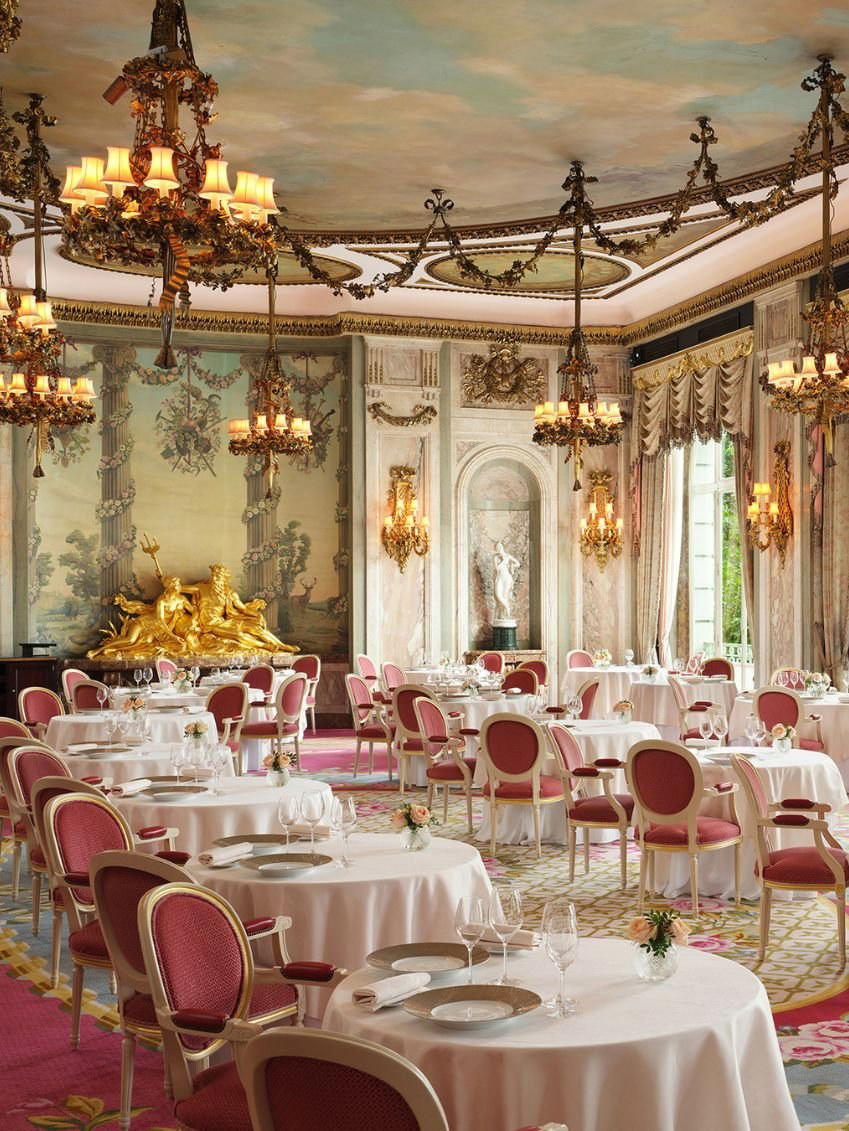
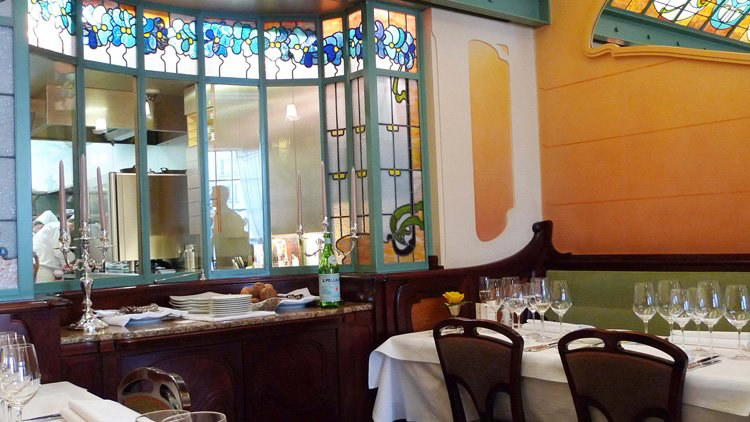
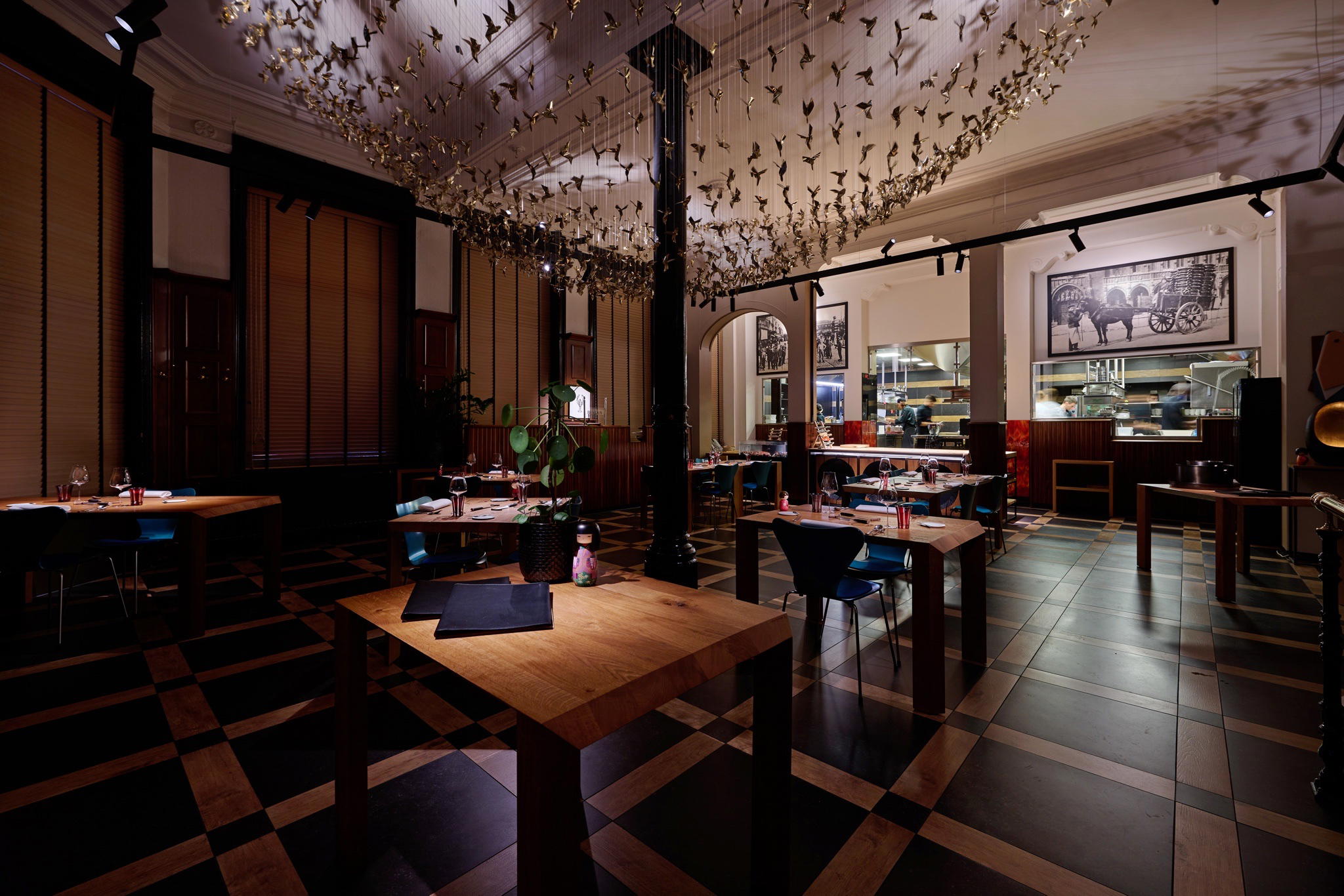
At a Glance
- Cozy
- Intimate
- Elegant
- Romantic
- Date Night
- Business Dinner
- Special Occasion
- Celebration
- Standalone
- Local Sourcing
Current opening hours
- Monday
- Closed
- Tuesday
- 12–2:30 PM, 7–10:30 PM
- Wednesday
- 12–2:30 PM, 7–10:30 PM
- Thursday
- 12–2:30 PM, 7–10:30 PM
- Friday
- 12–2:30 PM, 7–10:30 PM
- Saturday
- 12–2:30 PM, 7–10:30 PM
- Sunday
- 12–3:30 PM
Hours can change for holidays and private events. Last verified .
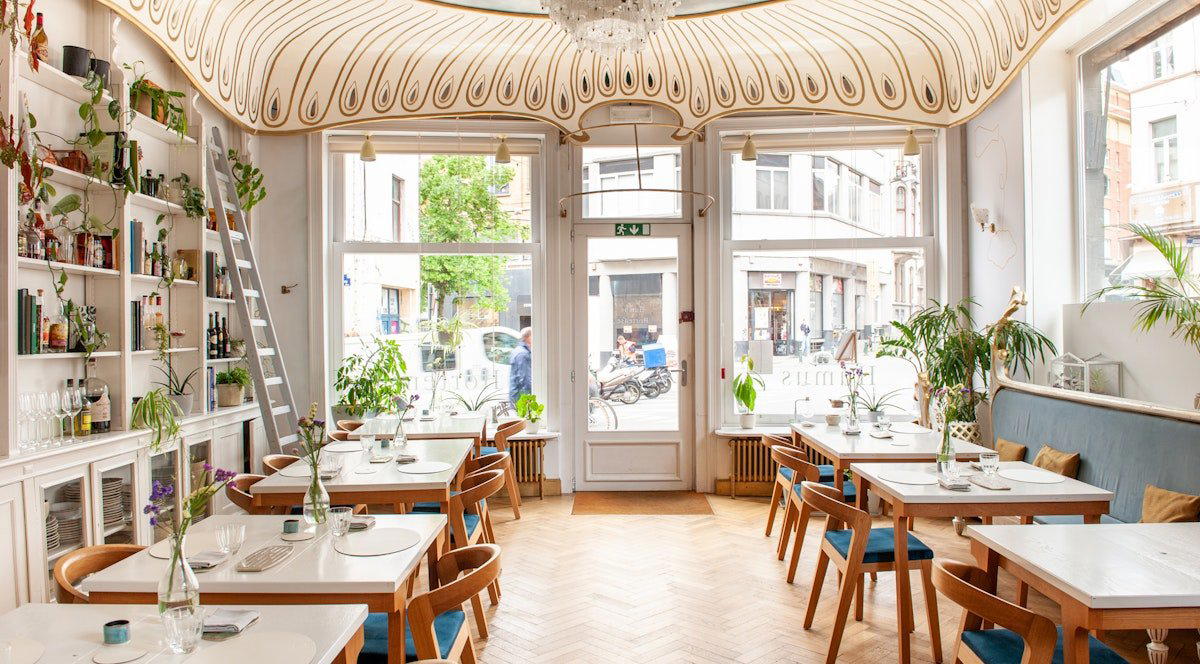
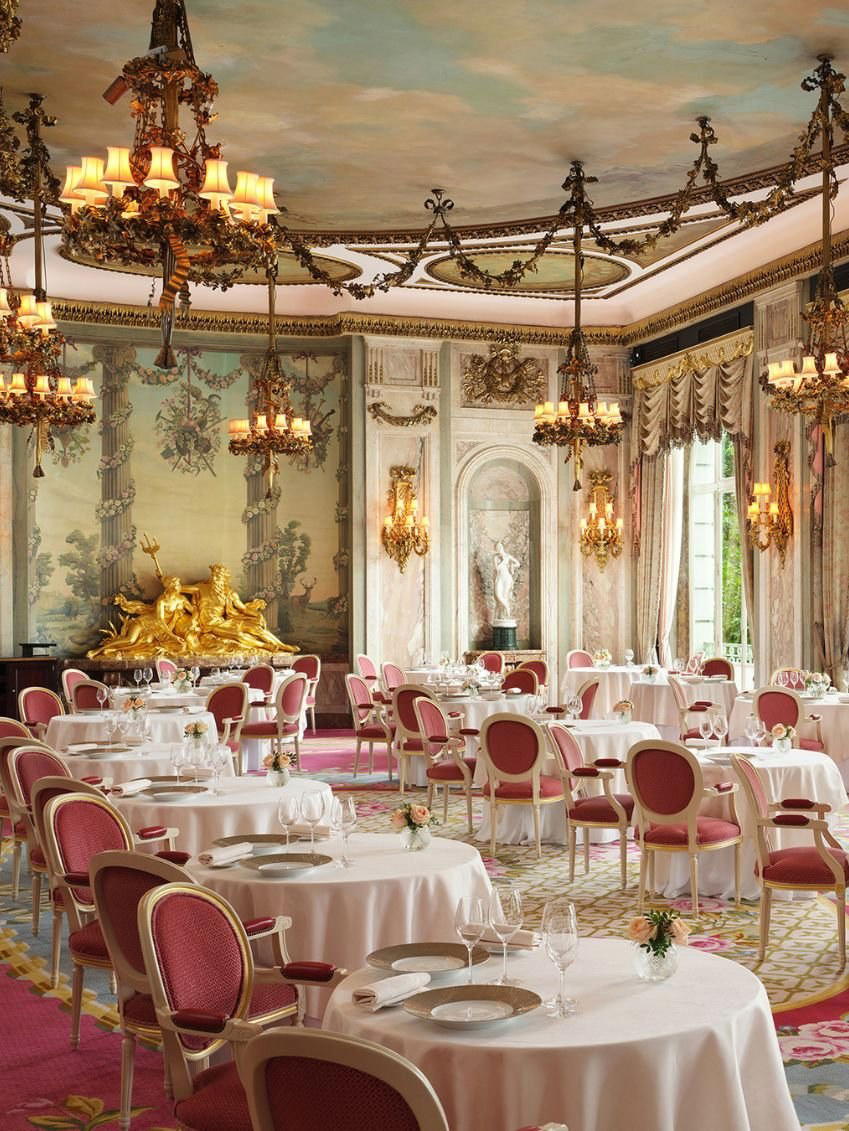
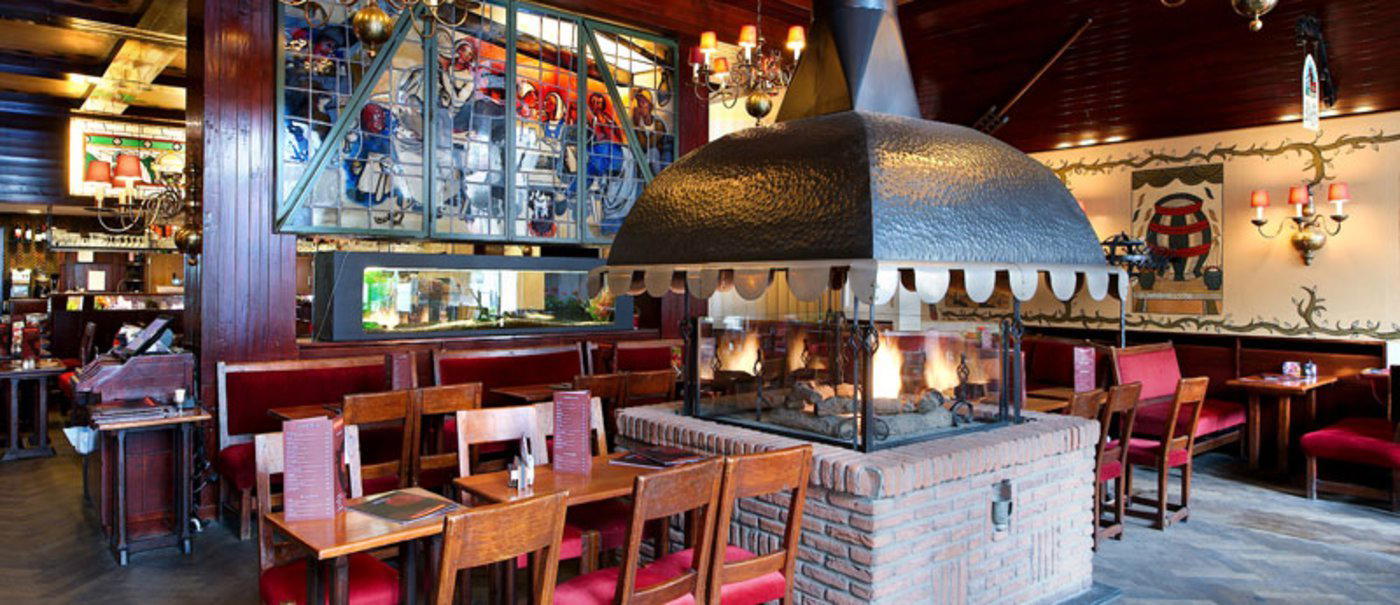
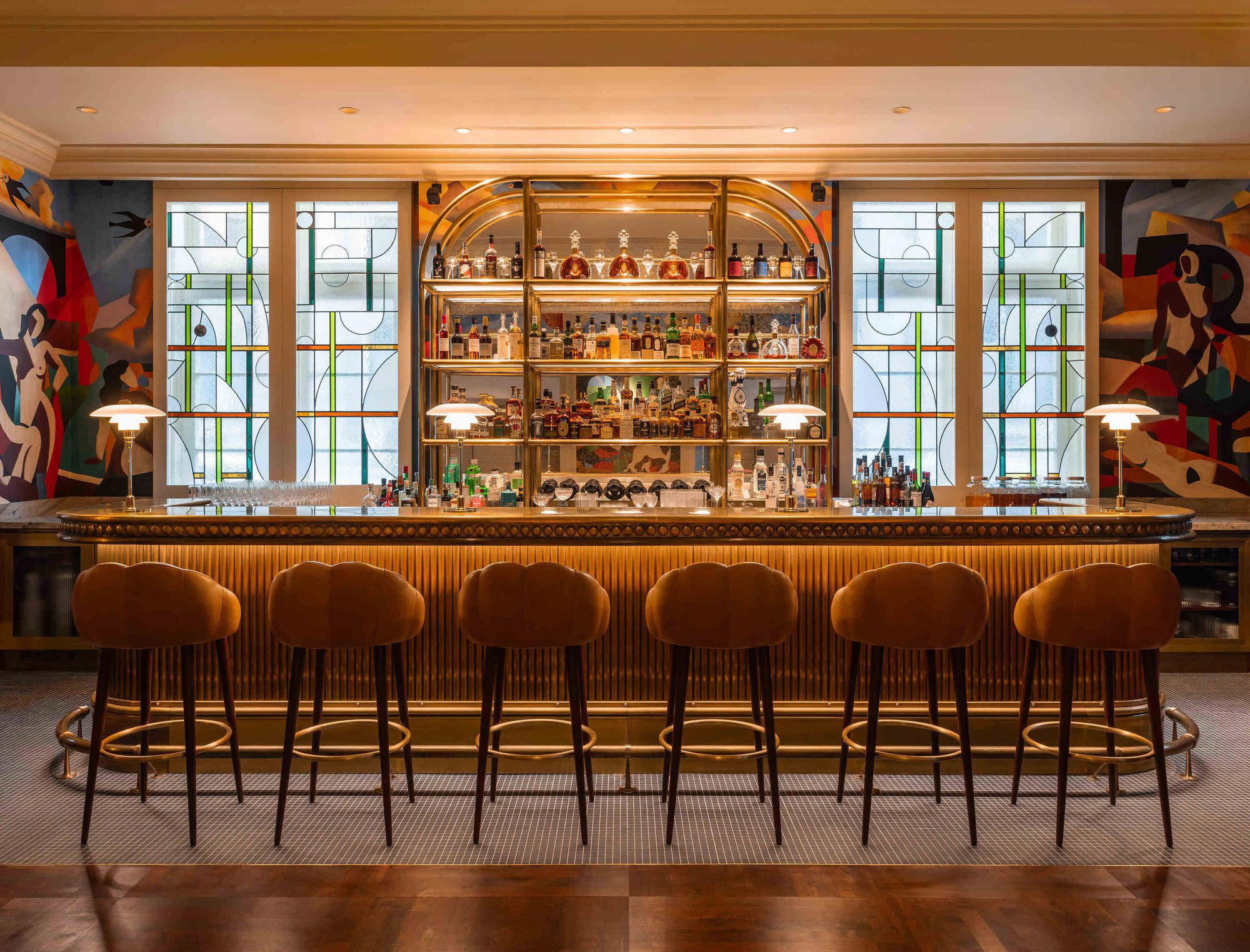
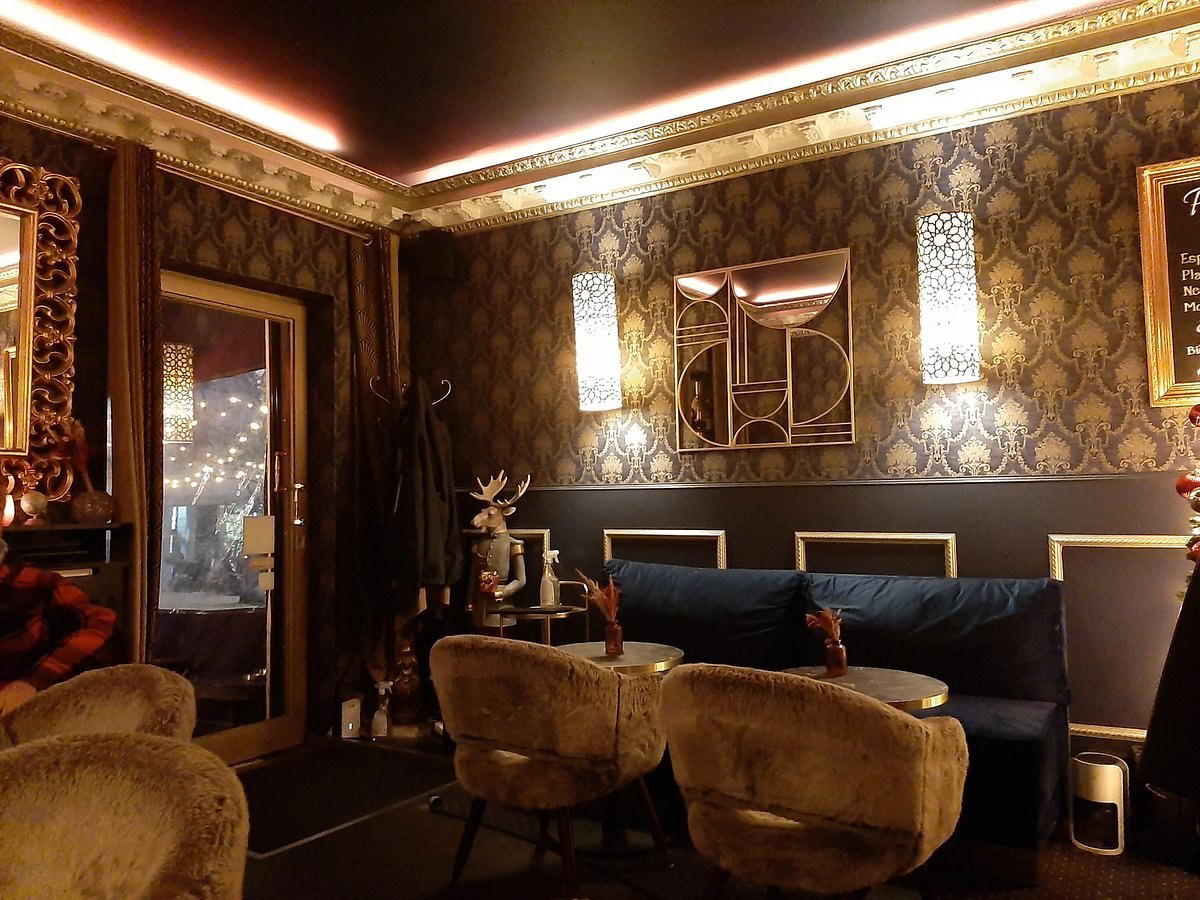
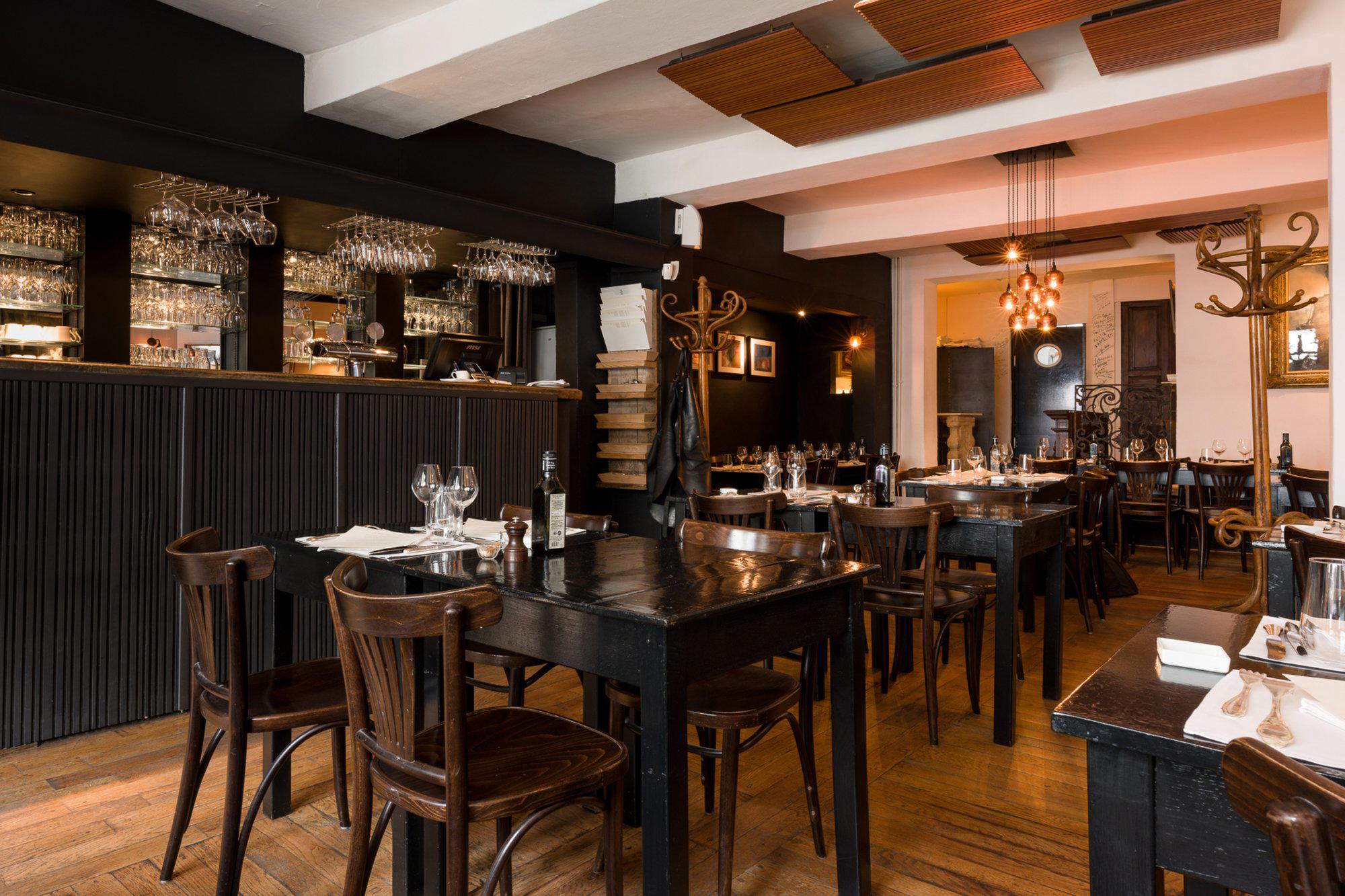
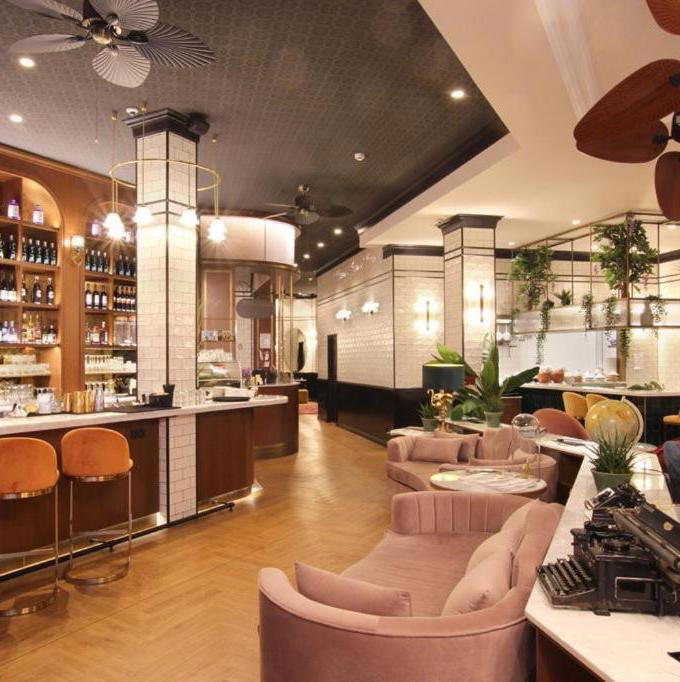
Warm and inviting with a cozy, welcoming atmosphere; intimate setting with refined aesthetics and casual comfort that transports diners to Italy.