On a quiet stretch of Büyük Karaman Caddesi in Fatih, İbrahim Usta's Karadeniz pide house represents a style of working-class Turkish baking that has changed little in decades. The Black Sea pide tradition centres on wood-fired flatbreads with carefully controlled fillings, and this Fatih branch operates as a neighbourhood institution rather than a destination restaurant. Plan to arrive early; tables turn fast and queues form without warning.
Pearl is the En Primeur Club membership app — saves, bookings, and concierge access live there. Same editors, same standards.
- Address
- Zeyrek, Büyük Karaman Cd. no 40, 34083 Fatih/İstanbul, Türkiye
- Phone
- +90 212 534 00 23
- Website
- google.com
- Directions
- Get directions
 Saves & bookings on Pearl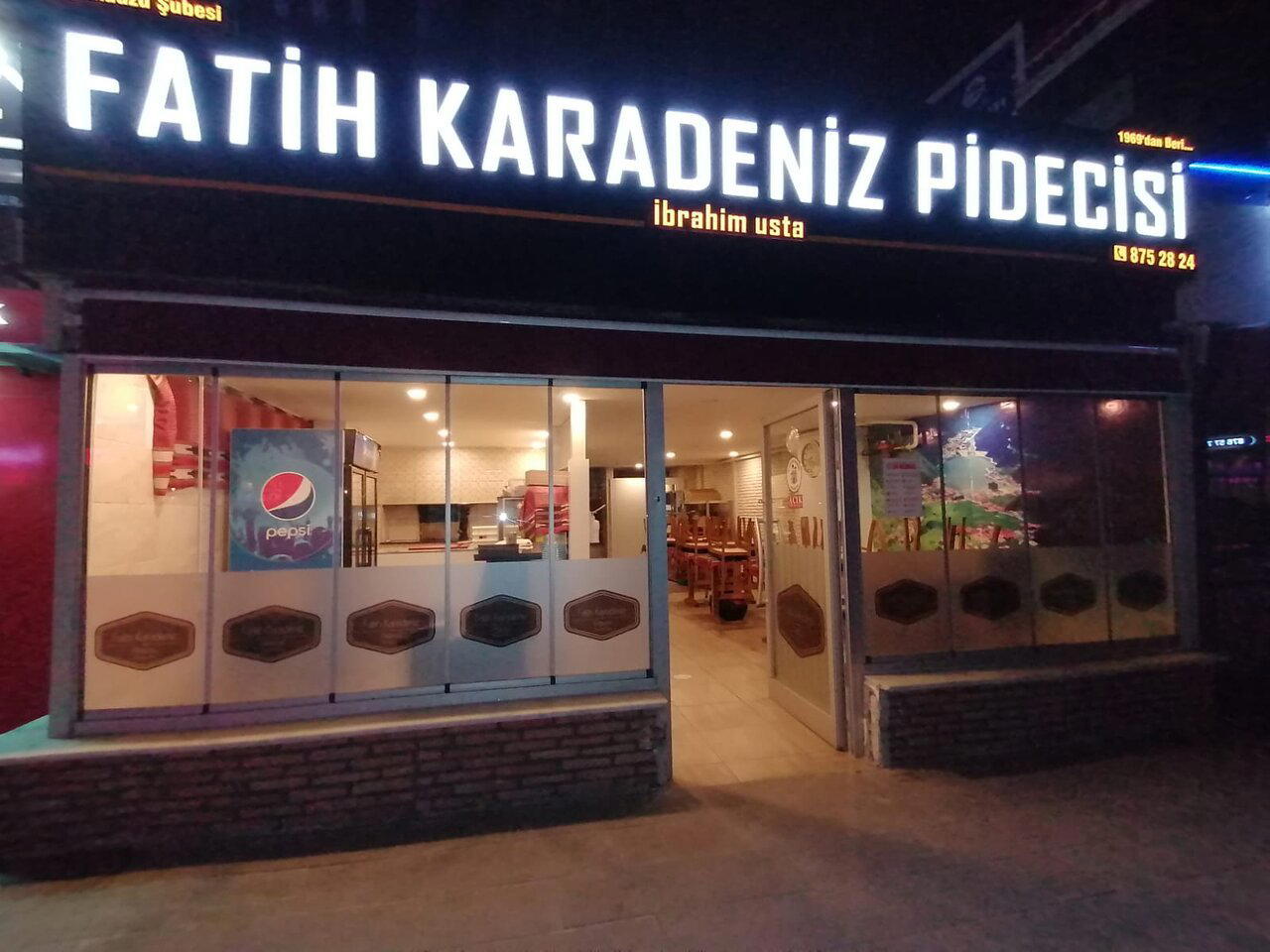
Black Sea Bread in the Old City
The neighbourhood around Zeyrek is one of Istanbul's older residential quarters, a district of Byzantine remnants and Ottoman timber houses that sits well outside the circuits traced by most visitors to Fatih. Büyük Karaman Caddesi runs through this fabric as a workaday commercial street, and Fatih Karadeniz Pidecisi İbrahim Usta occupies a spot on it that has nothing to announce itself beyond the smells of a working oven and the sounds of a busy lunch service. That low-key physical presence is itself a signal: this is a place shaped by neighbourhood demand, not tourist footfall.
Karadeniz pide, the flatbread style associated with Turkey's Black Sea coastal cities, has a distinct identity within the broader family of Turkish pide traditions. Where Sivas or Bafra styles are defined by particular closure techniques or spicing, the Black Sea approach tends toward an open, boat-shaped bread with a thin, crisped base and fillings that run to minced meat, egg, cheese, and butter combinations. The craft sits in the dough management and oven timing rather than in elaborate preparation, which means the quality of a given pideci is immediately legible in the texture of the crust and the heat distribution across the surface of the bread. Casual visitors often read a pideci as a simple operation; regular customers read it more carefully.
Walking In: What to Expect Before You Go
The editorial angle on İbrahim Usta's Fatih branch is not atmosphere in the design-led sense but logistics. The address on Büyük Karaman Caddesi places it in a part of Fatih that requires deliberate navigation. Public transit connections run to the broader Fatih district, but the final approach on foot through Zeyrek takes some attention, and first-time visitors arriving by cab should confirm the street number. No website or phone number is publicly attached to this branch, which means walk-in is the only practical access route. There is no reservation system to pre-empt.
Walk-in culture at working pideciler follows its own tempo. Lunch hours in this category tend to peak sharply, with the leading seats going quickly and the bread output timed to the oven cycle rather than to individual orders. Arriving at the edges of the main service window, whether early in the lunch run or toward the close of the afternoon session, typically produces shorter waits. The trade-off is that ovens at rest produce different results than ovens running at full temperature, and a working pideci at full pace is a different proposition from one winding down. For the bread itself, the peak service window is the better choice despite the wait.
The absence of a posted phone number or booking channel is common among this tier of Istanbul's traditional food operations. Istanbul's higher-end modern Turkish restaurants, places like Turk Fatih Tutak, Mikla, and Neolokal, operate with forward booking structures, tasting menus, and weeks-long lead times. The working pideci sits at the opposite pole of that spectrum: no booking, no menu theatrics, a short list of known preparations, and a price point that reflects the economics of a neighbourhood lunch trade. These are not comparable dining categories, but understanding where each sits helps frame the decision for any given visit.
The Pideci in Istanbul's Eating Culture
Istanbul's traditional bread-based eating culture runs parallel to, and largely independent of, the city's restaurant sector. Pideciler, börekçiler, and similar specialists operate on cycles that predate modern dining culture, rooted in the logic of the oven: produce what the oven can sustain, sell it at the right temperature, close when the day's output is done. The Karadeniz pide tradition arrived in Istanbul through the waves of Black Sea migration that reshaped the city's population across the twentieth century, and the concentration of Karadeniz-style operations in certain Istanbul neighbourhoods maps, loosely, onto those demographic patterns.
Fatih as a district has maintained a higher density of traditional food operations relative to the city's more touristic or gentrified zones. The neighbourhood's relative distance from the Beyoğlu and Galata restaurant circuits that draw most visiting food attention means that operations here have continued to serve local demand without the menu adjustments or price inflation that often follow sustained tourist interest. A Karadeniz pidecisi on this street is priced for the people who live nearby, not for an occasional visitor from overseas.
For context on the range of Turkish regional eating available across the country, the full Istanbul restaurants guide covers the city's spectrum from operations like this to tasting-menu formats. Elsewhere in Turkey, regional specialists of comparable register include Kokorecci Asim Usta in Bornova and Aravan Evi in Ürgüp, each embedded in a local eating culture rather than oriented toward destination visitors. The contrast with design-led or tasting-menu formats, whether at Nahita Cappadocia in Nevsehir or further afield at Le Bernardin in New York City or Lazy Bear in San Francisco, clarifies what this category of eating is and is not.
Visitors building a broader Istanbul itinerary around regional Turkish cooking might also consider Casa Lavanda for traditional Anatolian formats, or look to Arkestra for a fusion approach that operates in a completely different register. Beyond Istanbul, the coastal eating culture reads differently again, from Maçakızı in Bodrum to Mezegi in Fethiye, Ahãma in Göcek, Poyraz Sahil Balık Restaurant in Beykoz, Narımor in Izmir, Agora Pansiyon in Milas, and Divia by Maksut Aşkar in Marmaris, each representing a distinct coastal or regional register.
Planning a Visit
The Fatih branch of İbrahim Usta sits at Zeyrek, Büyük Karaman Caddesi no. 40, in the Fatih district of Istanbul. No reservations are accepted and no phone or website is available for advance contact, which makes this a walk-in proposition by default. The practical approach is to treat the visit as a neighbourhood stop rather than a scheduled meal: build time into an itinerary that already brings you to the Fatih or Zeyrek area, arrive during or just before the main lunch service, and be prepared to wait a short time if the room is at capacity. The format does not reward extended planning; it rewards showing up.
Nearby-ish Comparables
A quick peer list to put this venue’s basics in context.
| Venue | Cuisine | Price | Notes |
|---|---|---|---|
| FATİH KARADENİZ PİDECİSİ İBRAHİM USTA - FATİH ŞUBEThis venue — the venue you are viewing | Not listed | Not listed | Not listed |
| Turk Fatih Tutak | Modern Turkish | ₺₺₺₺ | ₺₺₺₺ |
| Mikla | Modern Turkish, Mediterranean Cuisine | ₺₺₺₺ | ₺₺₺₺ |
| Neolokal | Modern Turkish, Turkish | ₺₺₺₺ | ₺₺₺₺ |
| Arkestra | Fusion | ₺₺₺₺ | ₺₺₺₺ |
| Nicole | Modern Turkish, Modern Cuisine | ₺₺₺₺ | ₺₺₺₺ |
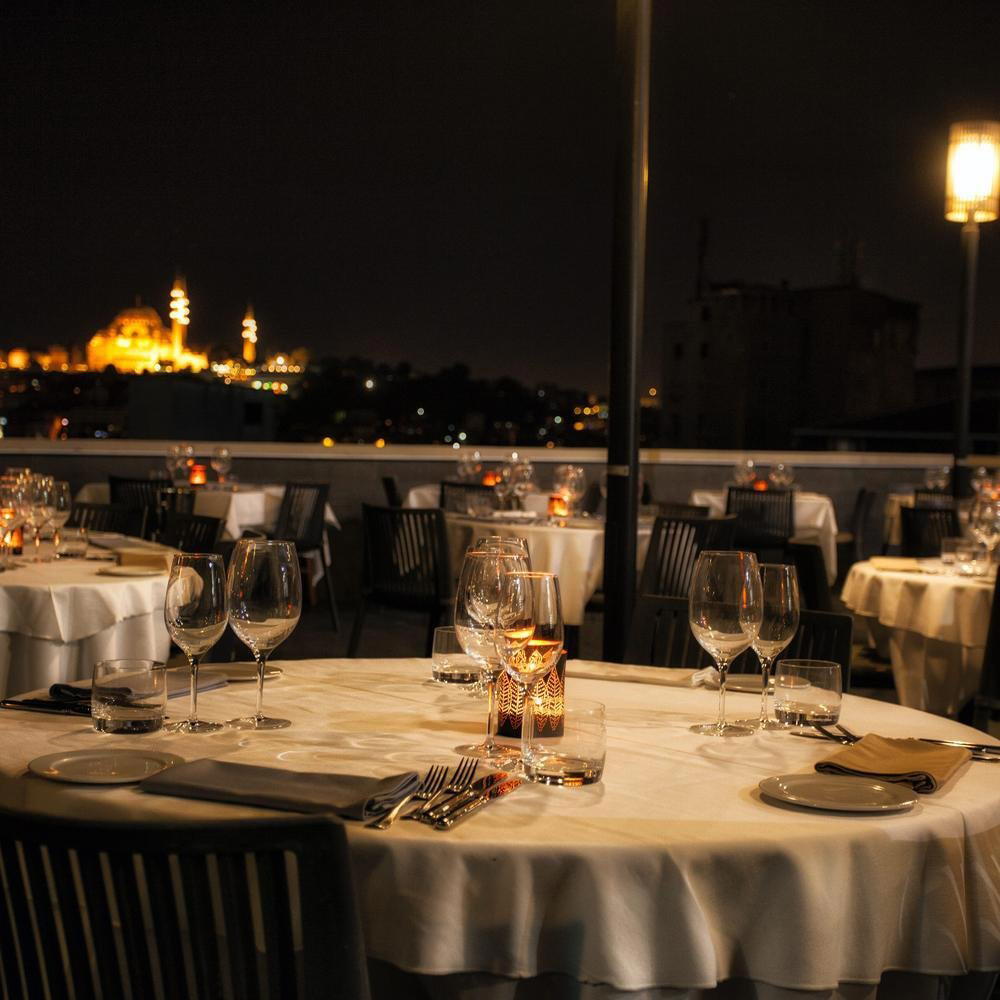
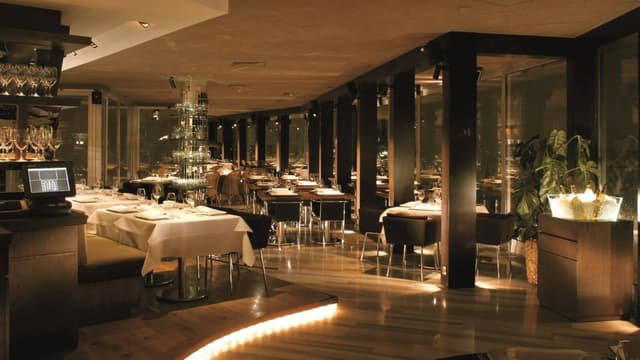
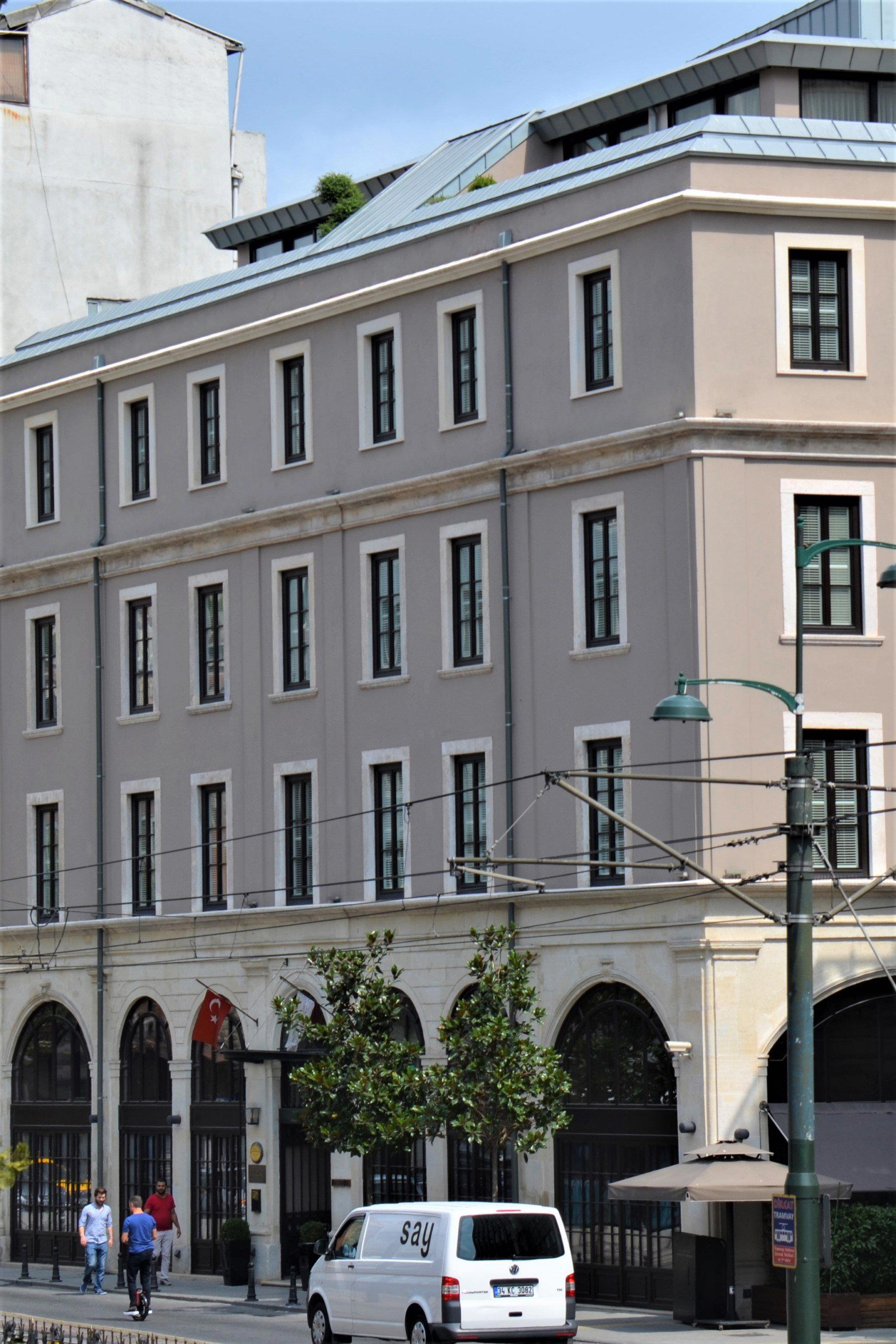
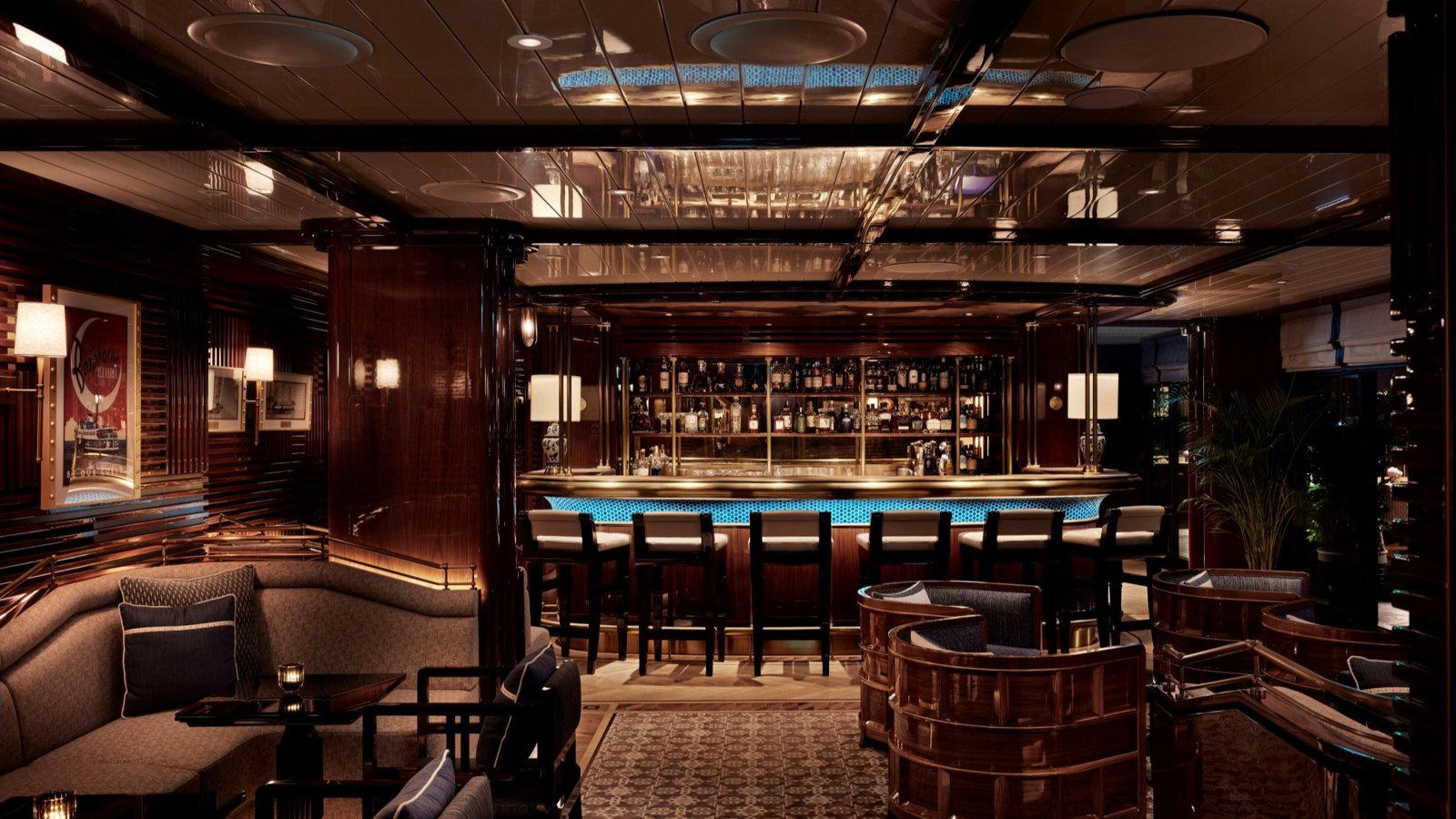
At a Glance
- Rustic
- Cozy
- Classic
- Casual Hangout
- Family
- Group Dining
- Historic Building
Current opening hours
- Monday
- Closed
- Tuesday
- 10 AM–8 PM
- Wednesday
- 10 AM–8 PM
- Thursday
- 10 AM–8 PM
- Friday
- 10 AM–8 PM
- Saturday
- 10 AM–8 PM
- Sunday
- 10 AM–8 PM
Hours can change for holidays and private events. Last verified .
Casual and atmospheric local spot in a historic neighborhood with a focus on traditional comfort food.
Know Before You Go
- Getting there
- Zeyrek, Büyük Karaman Cd. no 40, 34083 Fatih/İstanbul, Türkiye