The India
Our verdict
Located on Crane Court, a narrow passage off Fleet Street that has housed taverns and institutions since the seventeenth century, The India sits in one of the City of London's most historically layered pockets. The address alone positions it within a district shaped by ink, law, and long lunches, a context that still informs how serious London dining in EC4 operates today.

Pearl is the En Primeur Club membership app, where members save venues, book tables and use the concierge.

The menu
What to order
- Thali
- Tandoori Mixed Grill
- Nawabi Lamb Shank
- Onion Bhajis
Fleet Street's Longest Shadow
Fleet Street and its tributaries have been feeding lawyers, journalists, and City workers for centuries. The stretch between the Strand and Ludgate Hill once housed the entire British press corps, and the network of courts and alleys branching from it, Crane Court among them, built up a density of chop houses, taverns, and dining rooms that survived the newspapers' departure to Wapping and beyond. That tradition of sustained, serious eating in close quarters defines what EC4 still does well: venues that serve a professional clientele with real expectations, where the room earns its reputation through consistency rather than spectacle.
The India, at 8 Crane Court, occupies a specific kind of London address: a court rather than a street, which in this part of the city signals a certain remove from tourist traffic and a dependence on local loyalty. The Royal Society met at Crane Court from 1710 until 1780, and the passage's subsequent history as a professional enclave, printers, publishers, legal chambers, created exactly the kind of long-lunch culture that sustains a dining room over decades. Understanding that geography is the first step to understanding what The India offers and who it is built for.
Reading the Menu as a Document
The editorial angle that matters most at any Indian restaurant operating in central London's premium tier is how the menu positions itself between two competing traditions: the broad subcontinental sweep that plays to British familiarity with curry-house conventions, and the regionally specific, technique-driven approach that has reshaped serious Indian cooking in the UK over the past fifteen years. The name alone, The India, with a definite article, suggests an older institutional register rather than the regional-specificity signalling common to newer entries in the category.
In menu architecture terms, what a restaurant chooses to include is as instructive as what it omits. Indian cooking in a City of London context typically answers to a lunchtime professional crowd that values speed and recognisable reference points alongside quality. That produces menus structured around familiar navigational markers, starters, mains, breads, sides, rather than the tasting-menu or small-plates formats that have become shorthand for ambition in venues like Opheem in Birmingham, which has reworked the grammar of Indian fine dining into a contemporary European-adjacent idiom. The India's Crane Court location, serving a professional catchment rather than a destination-dining audience, almost certainly shapes that structure before the kitchen weighs in at all.
What a menu in this category reveals, when read carefully, is the restaurant's theory of its own customer. A long menu with regional breadth signals confidence in turnover and a wide catch. A tighter menu with fewer, more considered dishes signals either a smaller kitchen or a deliberate editorial position. In the absence of publicly available menu data, the key question for any visitor is which mode The India operates in, and the EC4 address, with its weekday professional dependency and quiet weekend rhythm, is the most useful contextual clue available.
Where It Sits in the City Dining Tier
London's premium Indian restaurant category has grown significantly more competitive since the early 2010s. The cluster of ambition around Mayfair and Marylebone, Gymkhana, Jamavar, Benares, established a high-price, high-technique benchmark that has since spread to other postcodes. Fleet Street and the surrounding City of London remain underrepresented in that tier compared to the West End, which creates a structural opportunity for venues willing to operate at a serious level east of Aldwych.
For comparison, the leading bracket of London fine dining, which includes venues like CORE by Clare Smyth, Restaurant Gordon Ramsay, Sketch, The Lecture Room and Library, The Ledbury, and Dinner by Heston Blumenthal, operates at the ££££ tier with Michelin recognition and a destination-dining audience drawn from across London and internationally. The India's City location and institutional character suggest a different competitive set: venues where the professional lunch is the anchor occasion, the room fills on weekdays, and weekend service is quieter by design. That is not a lesser model, it is a distinct one, and it produces a different kind of reliability.
Across the UK, the broader fine dining conversation increasingly includes destinations outside London: Waterside Inn in Bray, Le Manoir aux Quat'Saisons in Oxford, L'Enclume in Cartmel, Moor Hall in Aughton, Gidleigh Park in Chagford, Hand and Flowers in Marlow, hide and fox in Saltwood, Midsummer House in Cambridge, and Restaurant Andrew Fairlie in Auchterarder. Internationally, the tasting-menu-as-fine-dining model is well established at venues like Le Bernardin in New York City and Atomix in New York City. The India's positioning in the City of London occupies a more local and functional register than any of these, which is precisely what makes it useful to a different kind of visitor.
Planning Your Visit
Crane Court is accessible from both Fleet Street and Fetter Lane, a short walk from City Thameslink and Blackfriars stations, and within fifteen minutes on foot from the Chancery Lane and Temple tube stops. The court's low footfall outside working hours means the surrounding area is quiet in the evenings and at weekends, which affects atmosphere in ways worth considering before booking for a Friday dinner rather than a weekday lunch. Visitors arriving from outside the City for a specific occasion should verify current hours and reservation availability directly, as City restaurants with professional clientele often adjust their operating schedule around public holidays and court recesses. For a broader view of serious London dining, our full London restaurants guide maps the key categories and postcodes.
Frequently asked questions
Is The India child-friendly?
How would you describe the vibe at The India?
What should I order at The India?
Can I walk in to The India?
What's the defining dish or idea at The India?
Is The India connected to London's broader Indian restaurant renaissance?
Comparable Venues
Comparable venues nearby, for context on price, style, and recognition.
| Venue | Cuisine | Price | Notes |
|---|---|---|---|
| The IndiaThis venue (the venue you are viewing) | Traditional North Indian Cuisine | $30–50 | Not listed |
| Madhus of Mayfair | Authentic Punjabi Indian | $50–100 | Piccadilly Circus |
| Thali | Modern North Indian | $30–50 | Earl's Court |
| Bombay Brasserie | Modern Indian Brasserie | $50–100 | Earl's Court |
| Royals India | Authentic and Contemporary Indian | Not listed | St Giles |
| Kennington Tandoori | Modern Indian Cuisine | $30–50 | Kennington |
Continue exploring
More in London
Restaurants in London
All restaurants in London →
Bars in London
All bars in London →



Details
- Cozy
- Intimate
- Classic
- Elegant
- Business Dinner
- Group Dining
- Celebration
- After Work
- Date Night
- Private Dining
- Historic Building
- Standalone
- Beer Program
- A La Carte
- Set Menu
- Beer
- Wine
- Vegetarian Friendly
- Vegan Options
- Gluten Free Options
- Halal
Current opening hours
- Monday
- 11:30 AM–11:30 PM
- Tuesday
- 11:30 AM–11:30 PM
- Wednesday
- 11:30 AM–11:30 PM
- Thursday
- 11:30 AM–11:30 PM
- Friday
- 11:30 AM–11:30 PM
- Saturday
- 11:30 AM–11:30 PM
- Sunday
- 11:30 AM–11:30 PM
Hours can change for holidays and private events. Hours as of .
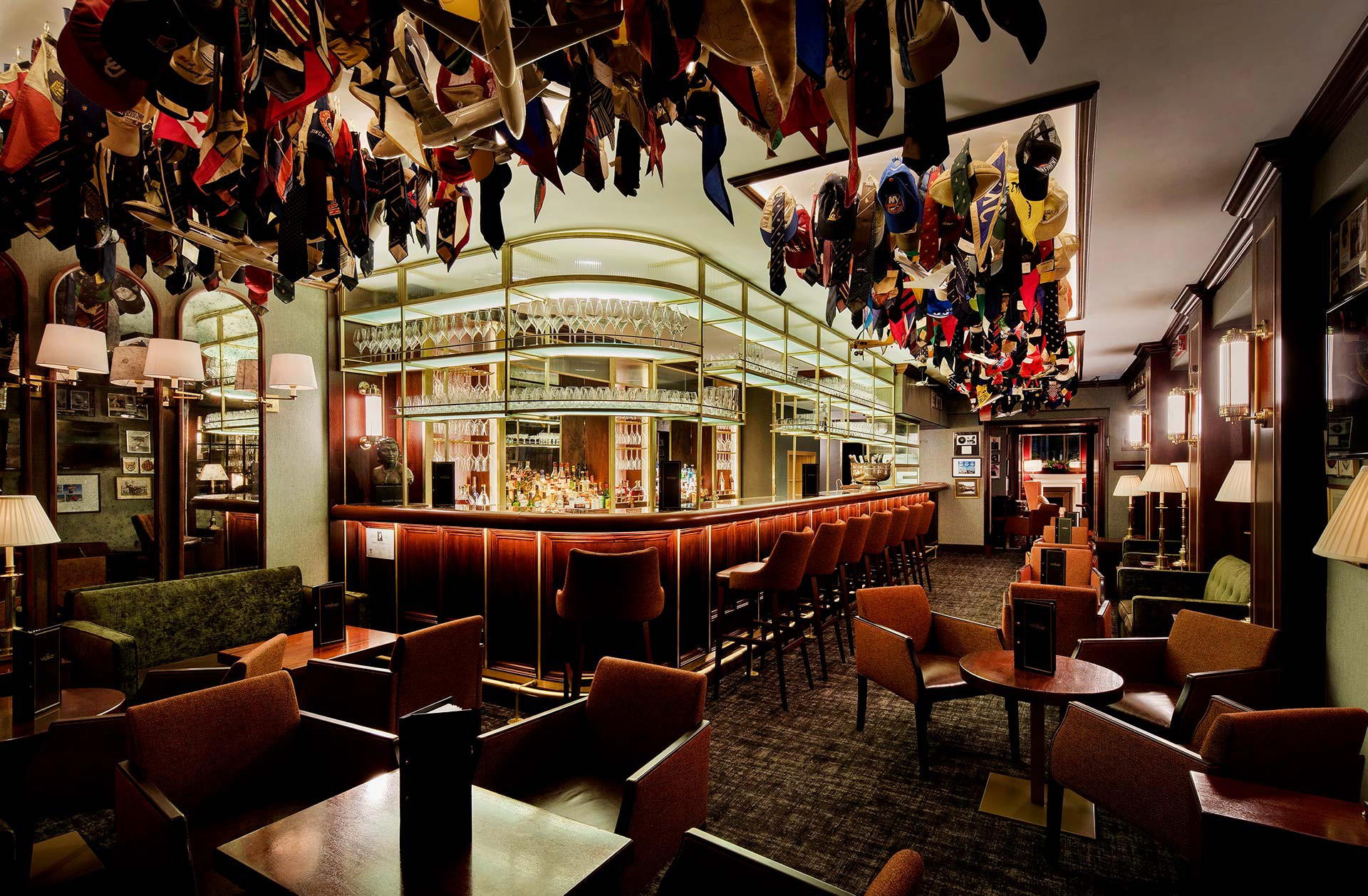
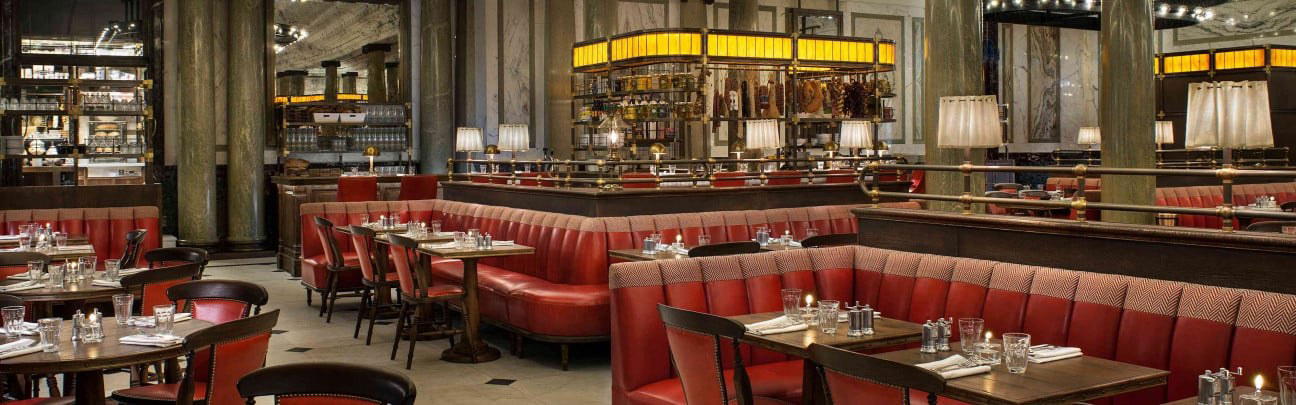
Quirky subterranean vibe with intimate, cozy interiors featuring whitewashed vaulted ceilings and comfortable leather chairs; can be lively and crowded during peak hours.