
Discreetly set above a narrow, cobbled lane, Berggericht reveals a refined sanctuary where Tyrolean tradition is distilled into a modern, multi-course reverie. The signature Tyrolean Feast, offered in four or six courses, with a vegetarian journey available by reservation, bridges classic technique and contemporary verve, expressed through dishes like yellowfin mackerel brightened with coriander and kiwi, and a silken ballotine of Tyrolean free‑range chicken with delicate poultry farce. Service is poised yet warmly personal, with a seasoned team guiding guests through thoughtful wine pairings that elevate each chapter of the menu. Here, Alpine terroir meets cosmopolitan polish in a dining room that glows with understated sophistication, inviting the well-traveled palate to linger, savor, and be surprised.
Pearl is the En Primeur Club membership app — saves, bookings, and concierge access live there. Same editors, same standards.
- Address
- Hinterstadt 15, Kitzbühel, 6370, Austria
- Phone
- +43 670 6045450
 Saves & bookings on Pearl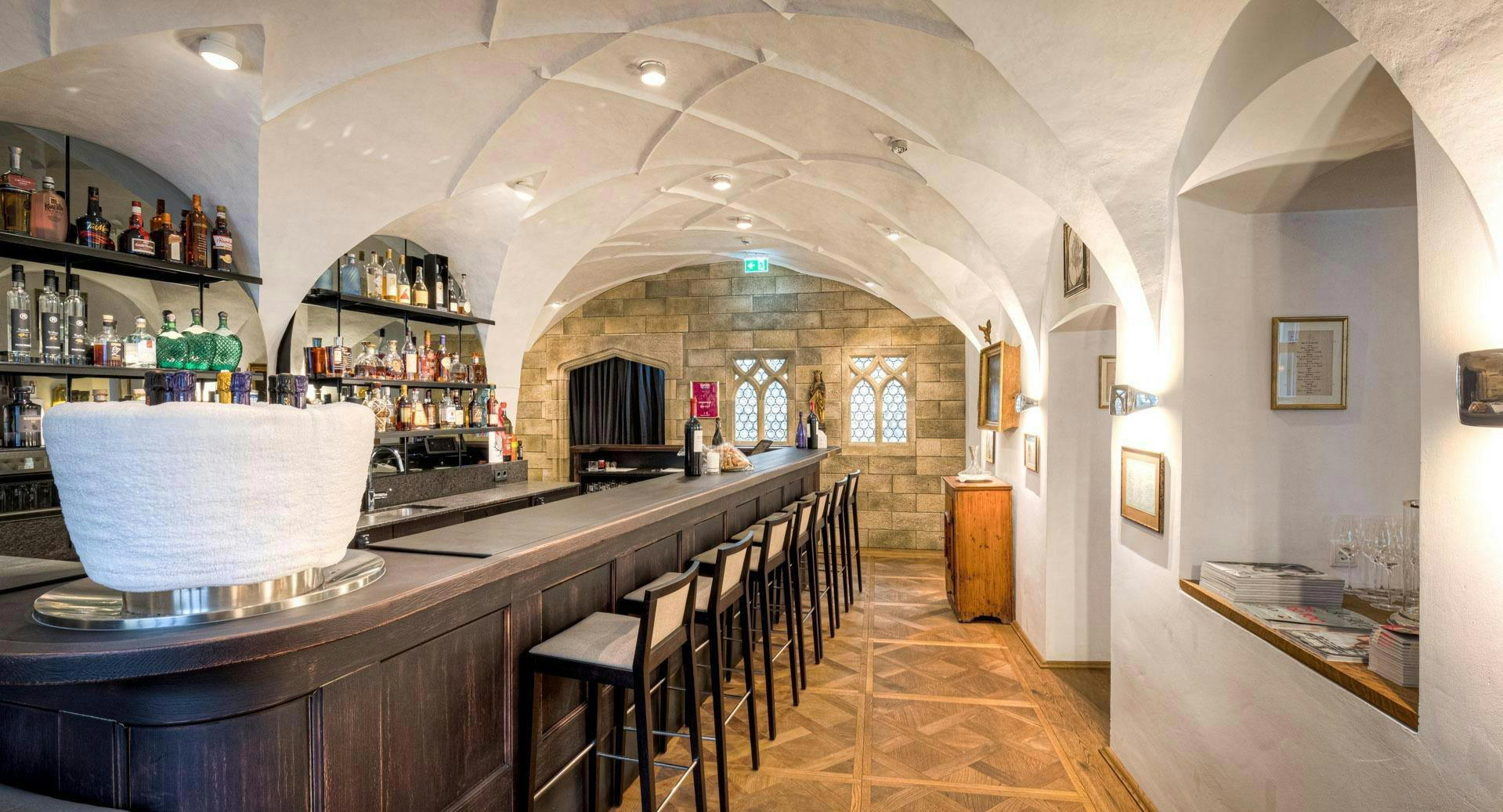
A Narrow Street, a First Floor, and a Set Menu That Earns Its Michelin Star
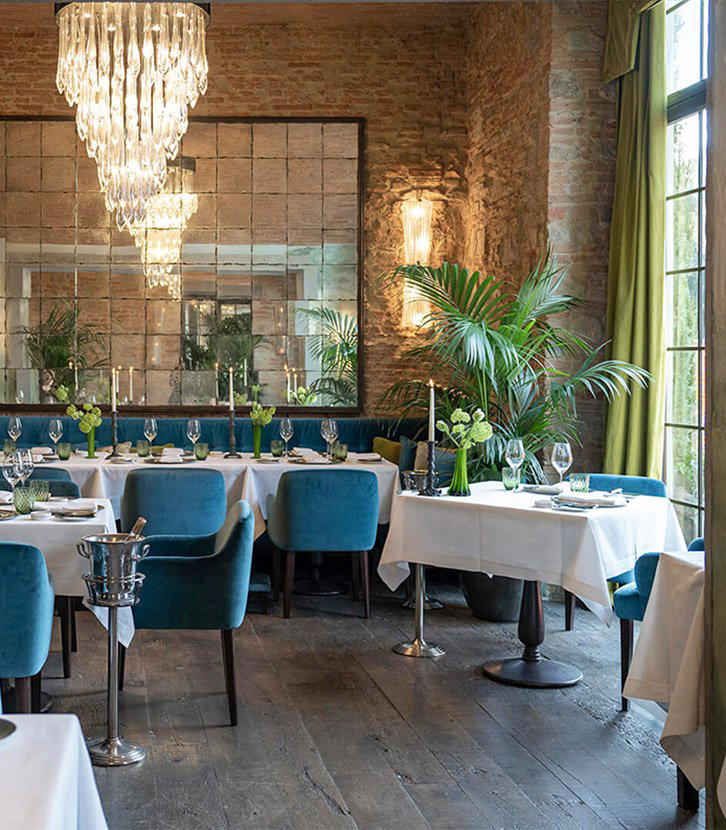
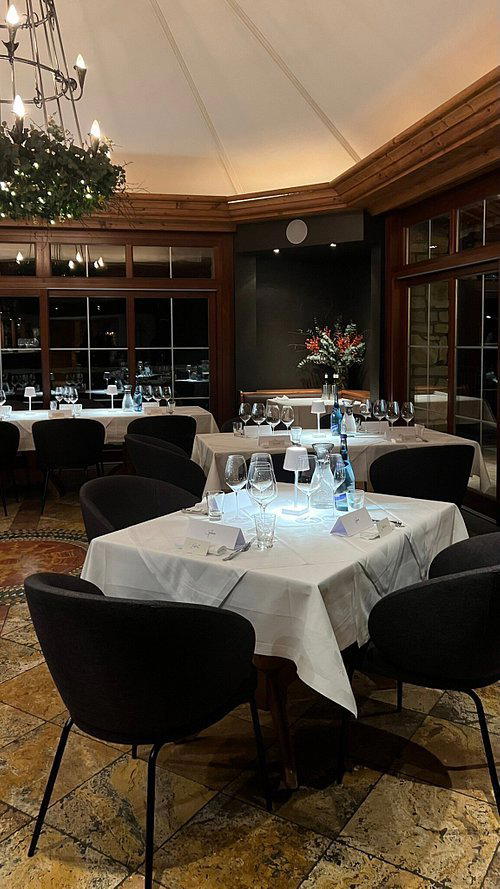
Hinterstadt is one of Kitzbühel's quieter pedestrian lanes, a narrow corridor of old Tyrolean townhouses running parallel to the busier shopping streets. The entrance to Berggericht sits here at number 15, reached through a passageway that gives nothing away. Once inside and up to the first floor, the room reads as polished and controlled: a stylish interior that signals intent without theatrical excess. This is not a ski-town restaurant trading on alpine kitsch. The physical environment tells you that the kitchen takes its work seriously, and the Michelin star confirms it.
Kitzbühel's dining scene has long performed above what you might expect from a town whose economic identity is so thoroughly tied to winter sport. The restaurants that survive and distinguish themselves across those windows tend to be the ones willing to build around a consistent culinary argument rather than a seasonal crowd. Berggericht sits squarely in that category.
The Tyrolean Feast: What the Menu Is Actually Saying
The set menu format here, named the Tyrolean Feast, comes in four or six courses, with a vegetarian version available when requested in advance. That vegetarian option on pre-booking is a detail worth noting: in Alpine fine dining, it has historically been the afterthought, something assembled at the last moment from garnishes and side dishes. The fact that it requires advance notice suggests the kitchen treats it as a parallel menu construction rather than an improvisation.
The framing of the menu as a Tyrolean Feast is not incidental branding. It reflects a sourcing and conceptual position that places regional produce, specifically ingredients and preparations associated with Tyrol, at the center of the cooking while allowing modern technique to shape how those materials appear on the plate. This is a different posture than generic Alpine fine dining, which often defaults to pan-European luxury ingredients dressed in mountain scenery. Here, the Tyrolean reference is structural, not decorative.
Dishes cited in the Michelin recognition illustrate the approach precisely. Yellowfin mackerel arrives with a coriander and kiwi sauce, which at first sounds like a detour into fusion territory but functions as an example of contrast and acidity being used to work against the fat of the fish in a way that references modern European technique. The Tyrolean free-range chicken ballotine with poultry farce filling, by contrast, is a classically structured preparation applied to a locally sourced bird, a signal that the kitchen can move between modes without losing coherence. Free-range chicken from Tyrol carries a different quality proposition than commodity poultry: the regional designation matters because Tyrolean free-range production is subject to specific welfare and feed standards, and the textural and flavour differences reach the plate. These are not decorative provenance claims.
In the broader context of Austrian alpine fine dining, this kind of regional grounding has become one of the more compelling arguments a kitchen can make. Döllerer in Golling an der Salzach has built a national reputation around exactly this logic, using Salzburg alpine ingredients as the conceptual spine of technically sophisticated cooking. Kräuterreich by Vitus Winkler in Sankt Veit im Pongau takes a similar position from the herb garden outward. Berggericht is doing something comparable in Kitzbühel, translating Tyrolean sourcing through a contemporary lens rather than presenting it as folk cuisine with fine dining prices.
How Berggericht Sits Within Kitzbühel's Dining Tier
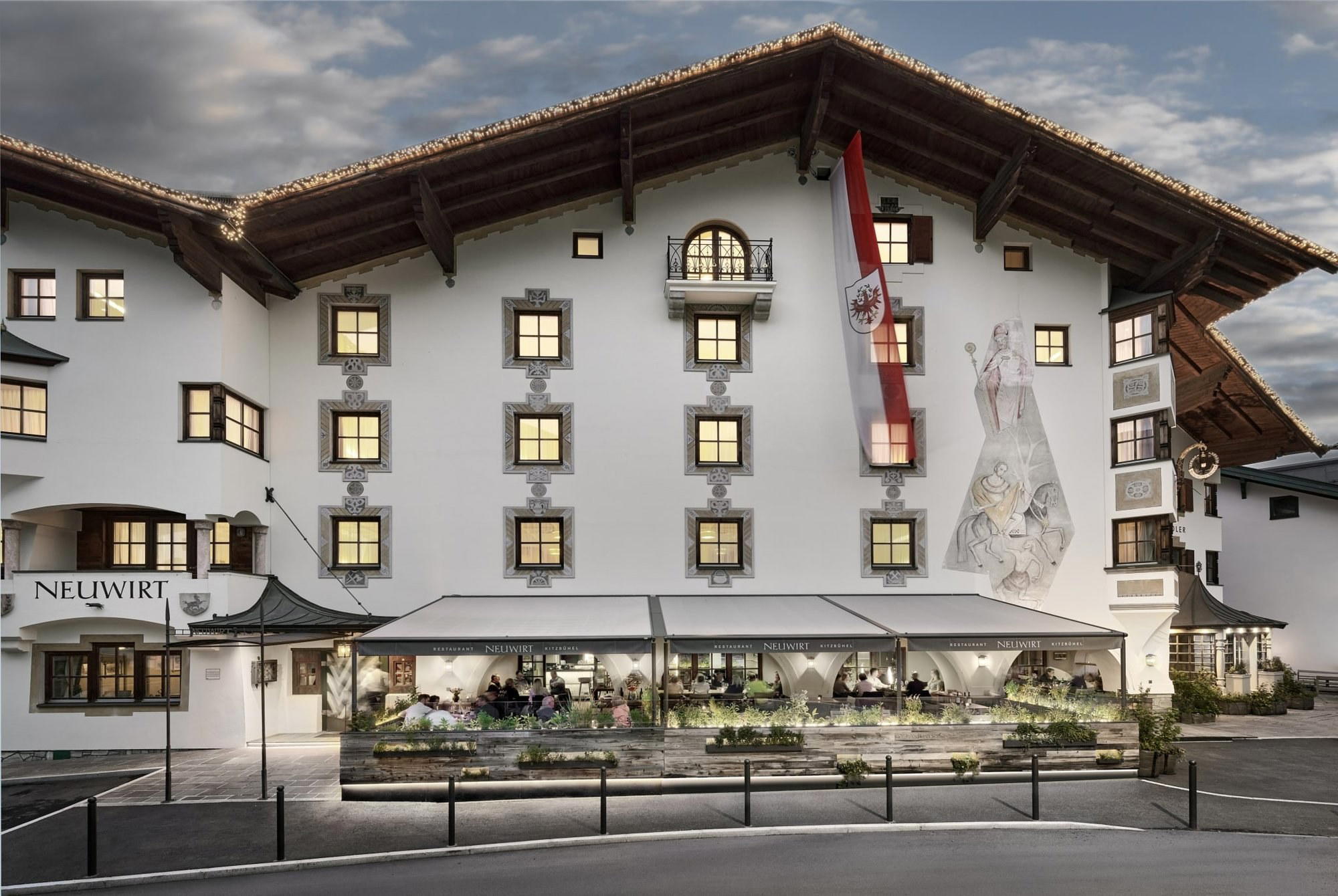
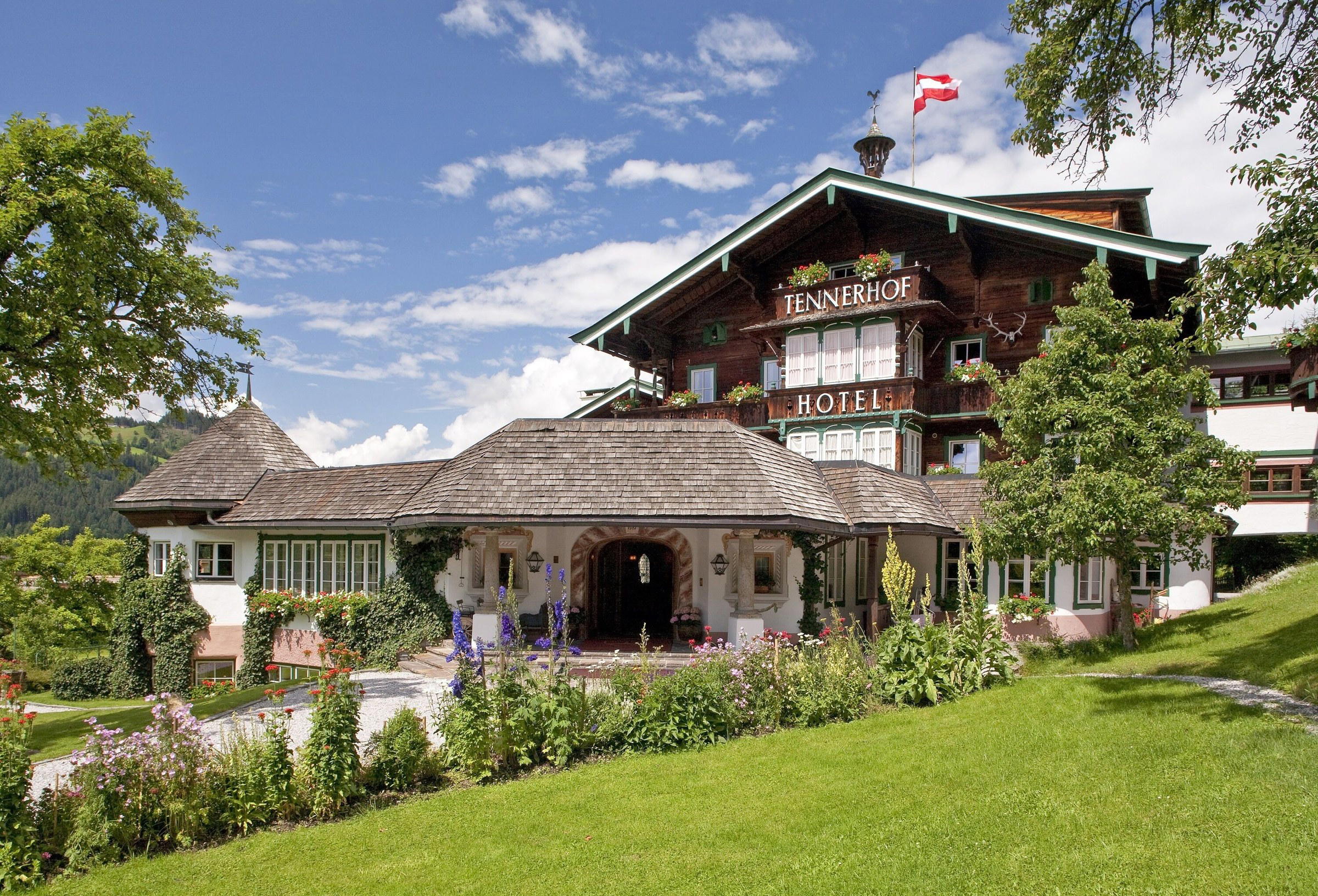
Kitzbühel's restaurant market spans a wide range, from the direct regional cooking at Mocking das Wirtshaus through the mid-range fusion of Lois Stern and the €€€ positioning of Les Deux Kitzbühel and Neuwirt, up to the Austrian fine dining register of Tennerhof Restaurant. Berggericht, priced at €€€€, occupies the top tier of that range and is the town's only current Michelin-starred address. That distinction matters not just as a signal of quality but as a competitive positioning marker: it is the only local kitchen that has passed independent fine dining scrutiny at the star level.
For comparison within the Austrian alpine fine dining bracket, Gourmetrestaurant Tannenhof in Sankt Anton am Arlberg and Griggeler Stuba in Lech operate at similar altitude-adjacent, resort-adjacent fine dining coordinates. Ikarus in Salzburg and Steirereck im Stadtpark in Vienna represent the urban end of Austrian fine dining ambition; Berggericht belongs to the alpine sub-category, where logistics, seasonality, and sourcing constraints shape what a kitchen can achieve differently than in a capital city context. The comparison holds: in a ski resort, building and sustaining Michelin recognition requires navigating supply chains and staffing realities that urban kitchens do not face in the same form.
If the editorial reference point widens further, the question of what modern Nordic and Northern European fine dining does with regional sourcing becomes relevant. Frantzén in Stockholm and FZN by Björn Frantzén in Dubai both operate on the principle that provenance specificity and technique are not in tension, that knowing exactly where something comes from and then applying formal kitchen skill to it produces more interesting food than either folk cooking or rootless luxury ingredient assembly. Berggericht's Tyrolean Feast is an alpine-scale version of that argument.
Service, Wine, and the Practical Shape of an Evening
The service is experienced and friendly, with a team prepared to guide guests through wine or non-alcoholic pairings alongside the set menu. In a set-menu fine dining context, this matters more than it might in an à la carte format: when the food sequence is fixed, the beverage pairing becomes the primary variable a guest can shape, and a service team that can narrate that pairing coherently adds a dimension to the evening that a disengaged team cannot.
The operating window of Thursday through Sunday, 7 PM to midnight, gives the kitchen four service evenings per week. For guests, booking well in advance is the practical assumption. Guests who want the vegetarian menu need to communicate it at booking rather than on arrival.
Hinterstadt 15 is accessible on foot from the medieval town center, which makes Berggericht a logical anchor for an evening that starts with a walk through the old town. The address places it away from the ski-lift terminus crowds and the louder après-ski strip, which is consistent with the room's register.
A Quick Peer Check
Comparable venues nearby, for context on price, style, and recognition.
| Venue | Cuisine | Price | Awards | Notes |
|---|---|---|---|---|
| Berggericht | Alpine Fine Dining | $$$$ | Michelin 1 Star | Hinterstadt |
| Les Deux Kitzbühel - Brasserie & Bar | Modern French Brasserie | $$$$ | Michelin 1 Star | Kitzbühel Innenstadt |
| Neuwirt | Modern Austrian Alpine Fine Dining | $$$$ | Michelin Plate | Kitzbühel |
| Römerhof Stüberl | Traditional Austrian & Tyrolean restaurant | $$$ | , | .null |
| Zuma | Contemporary Japanese Robata Grill | $$$$ | Michelin Plate | Kitzbühel |
| Das Steghaus am Schwarzsee | Modern Austrian with Mediterranean Influences | $$$ | , | Schwarzsee |
Continue exploring
More in Kitzbühel
Restaurants in Kitzbühel
Browse all →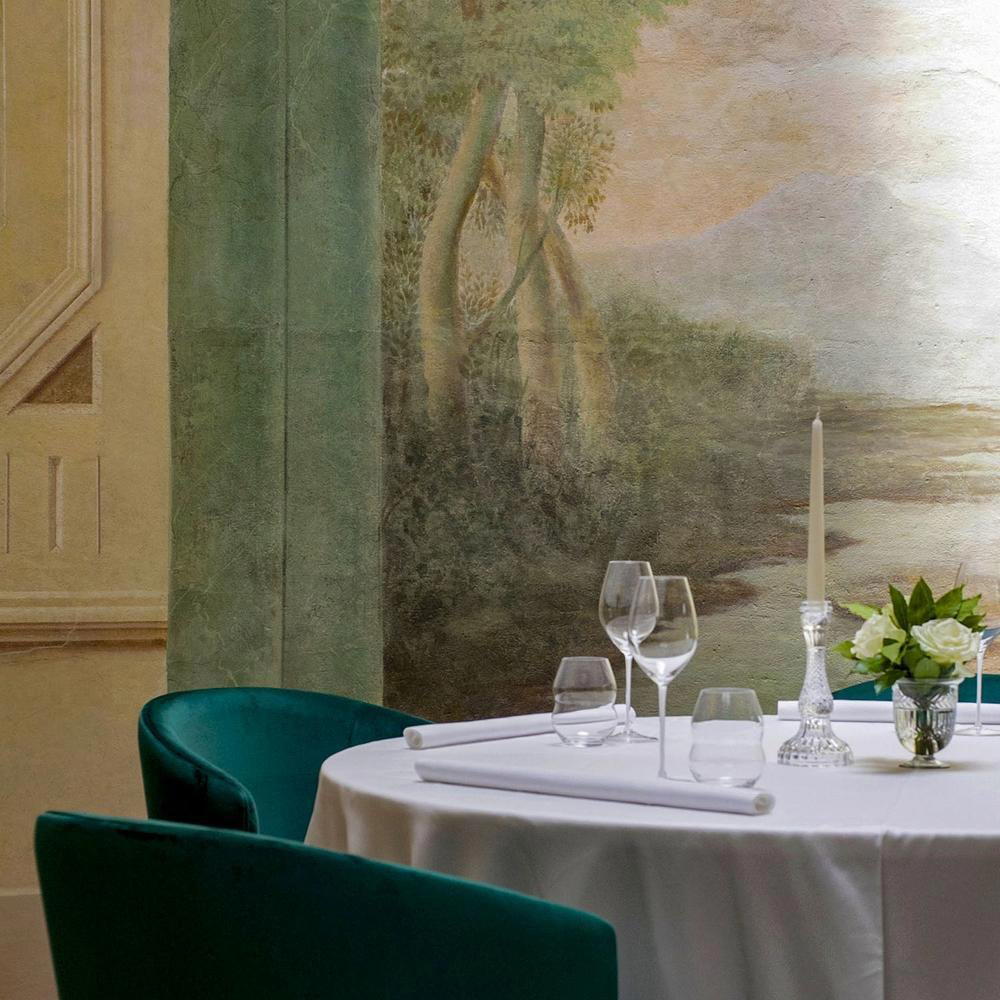
Bars in Kitzbühel
Browse all →


Hotels in Kitzbühel
Browse all →
Wineries in Kitzbühel
Browse all →
At a Glance
- Elegant
- Sophisticated
- Cozy
- Historic
- Date Night
- Special Occasion
- Celebration
- Historic Building
- Extensive Wine List
- Sommelier Led
- Local Sourcing
- Street Scene
Stylish, sophisticated, and historic with a warm, welcoming atmosphere in a renovated first-floor space overlooking the pedestrian zone.