Gasthaus DER BIERMANN occupies a specific niche in Munich's eastern suburbs, where the Riemer Strasse address places it well outside the tourist corridors of the Altstadt. The format signals a traditional Bavarian Gasthaus rather than a destination fine-dining room, situating it within the city's broader culture of neighbourhood hospitality that predates and outlasts any contemporary restaurant trend.
 Discover on Pearl
Pearl is the En Primeur Club membership app — saves, bookings, and concierge access live there. Same editors, same standards.
- Address
- Riemer Str. 350, 81829 München, Germany
- Phone
- +498994539515
- Website
- gasthausbiermann.de
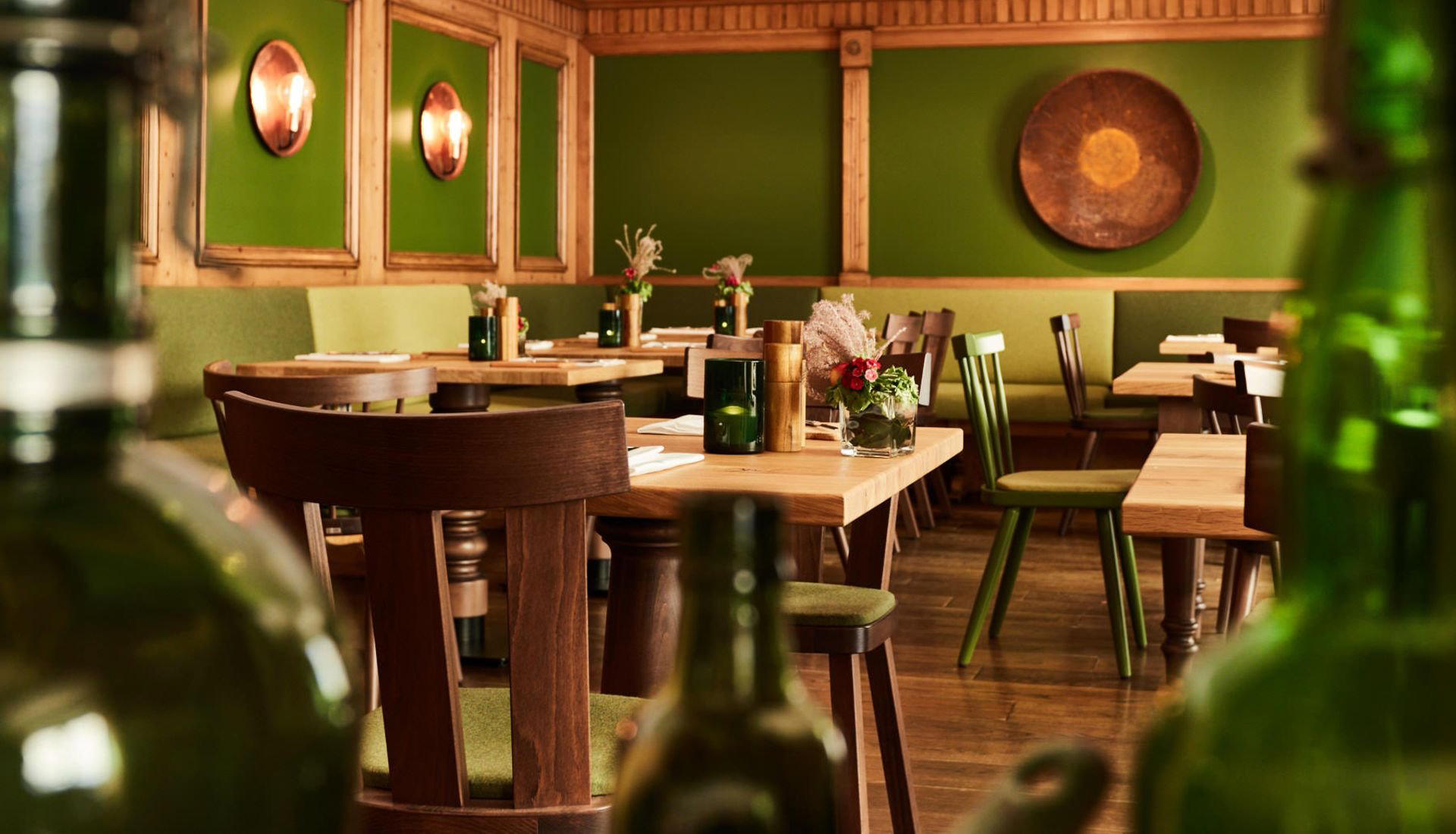
Munich's Gasthaus Tradition, East of the Centre
The Bavarian Gasthaus is one of Central Europe's most durable hospitality formats. Unlike the bierkeller, which orients itself around volume and seasonal peaks, or the modern Bavarian restaurant that reframes regional cooking through a contemporary lens, the Gasthaus holds a middle position: it is a neighbourhood fixture, built around regulars, designed for return visits rather than first impressions. Gasthaus DER BIERMANN is a traditional Bavarian gastropub at Riemer Str. 350, 81829 München, Germany, with a casual dress code and recommended reservations. It operates within that tradition rather than against it.
Riem itself provides useful context. Once home to Munich's old Riem Racecourse and then redeveloped after the 1998 Federal Garden Show, the area is a planned residential and commercial district at some remove from the inner-city dining density of Maxvorstadt or Schwabing. That geography shapes the audience: this is not a destination neighbourhood in the way that the streets around Tantris or the hotel dining rooms of the Altstadt are. The Gasthaus format makes sense here precisely because the district requires the kind of anchoring that a neighbourhood restaurant provides, a place with fixed coordinates in the lives of people who live nearby.
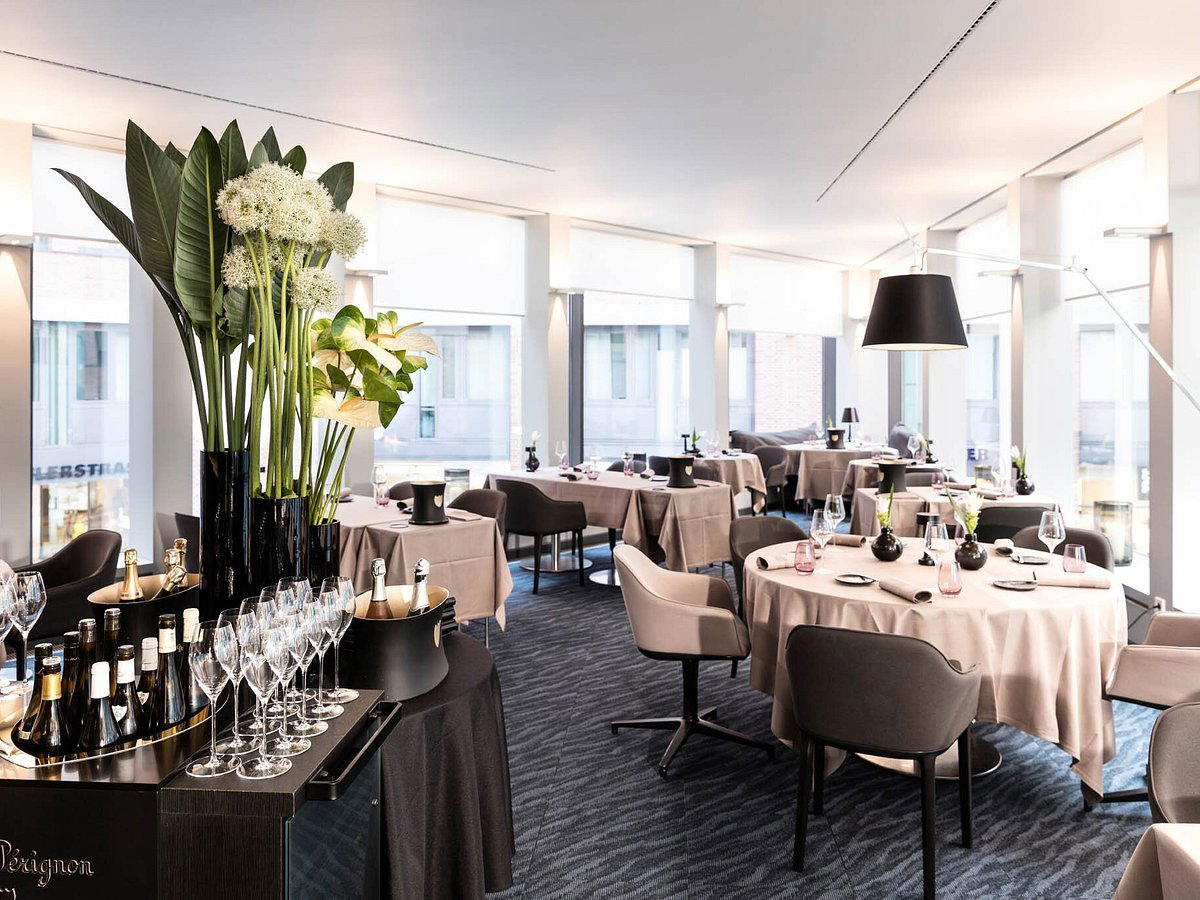
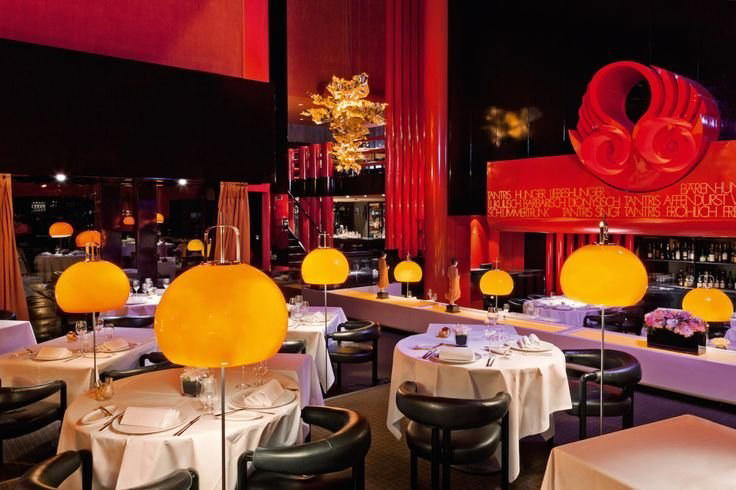
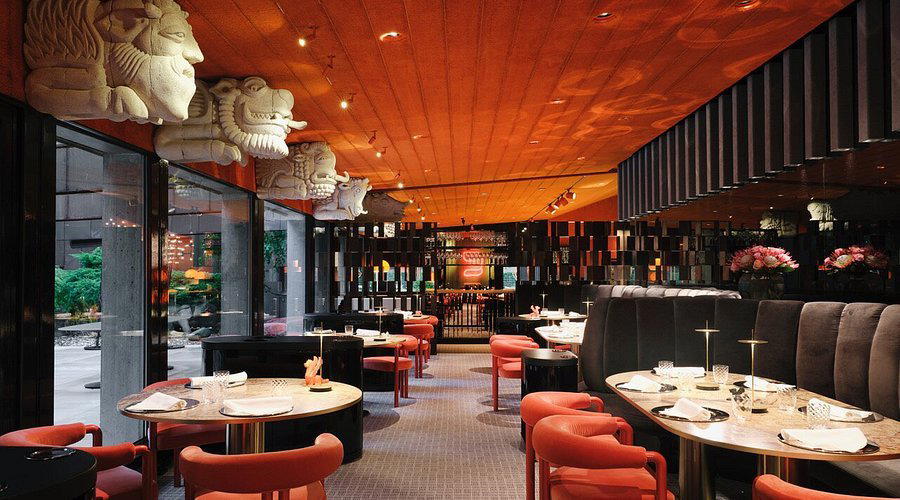
Within Munich's wider dining spectrum, the Gasthaus format occupies a lane that the city's award-winning kitchens do not. Venues like Tantris, Atelier, Alois - Dallmayr Fine Dining, Tohru in der Schreiberei, and JAN compete within the tasting-menu, Michelin-tracked tier where reservation windows and price points are explicit selection criteria. A traditional Gasthaus answers a different question entirely: not where to spend an evening as a destination, but where to eat as part of a neighbourhood routine. These are distinct functions, and conflating them misreads what each format is for.
The Cultural Architecture of the Bavarian Gasthaus
Understanding what a Gasthaus is, and what it isn't, matters for anyone approaching DER BIERMANN with expectations calibrated from other contexts. The term itself has legal and cultural weight in Bavaria. A Gasthaus is licensed to serve food and drink, and historically it provided lodging too, though the lodging function has largely dropped away in urban settings. What remains is the food-and-drink axis, usually expressed through a menu that reflects regional Bavarian cooking: roasts, dumplings, cold-cut plates, pork preparations, and a selection of local or regional beer.
That menu architecture is not a limitation; it is a statement of purpose. The Bavarian tradition of communal eating, long tables, and accessible pricing sits in deliberate contrast to the individuated, course-structured format of fine dining. Germany's broader fine-dining scene, represented by venues like Schwarzwaldstube in Baiersbronn, Aqua in Wolfsburg, Vendôme in Bergisch Gladbach, Victor's Fine Dining by Christian Bau in Perl, and Waldhotel Sonnora in Dreis, operates from an entirely different set of assumptions about service, format, and the relationship between kitchen and guest. The Gasthaus sits at the opposite end of that axis, where the measure of success is not innovation or critical recognition but consistency and belonging.
This distinction matters particularly in Munich, where the city's identity as a place of traditional Bavarian hospitality coexists with a serious fine-dining infrastructure. Visitors who arrive expecting one and encounter the other frequently misread the experience. A Gasthaus is not a failed restaurant; it is a different institution entirely.
Riem as a District: What the Address Tells You
The Riemer Strasse 350 address places DER BIERMANN at a specific coordinate in Munich's eastern development belt. The Riem district is accessible by U-Bahn on the U2 line, which connects it to the city centre, but it does not draw foot traffic in the way that inner-city neighbourhoods do. This affects how the venue functions: without passing trade, the repeat customer is structurally more important. The Gasthaus model is well suited to this condition, having evolved in pre-automobile rural Bavaria precisely to serve communities with stable, known populations rather than transient visitors.
For a visitor staying in central Munich and considering a trip east, the practical question is whether the journey is warranted. That depends entirely on what the visitor is seeking. If the goal is to experience a neighbourhood Gasthaus in a non-tourist context, the Riem location is an asset: the clientele is local, the atmosphere is unrehearsed, and the experience reads as an authentic cross-section of how Munich's eastern residential districts actually eat. If the goal is a high-impact single dining experience, the city's inner-ring options, see our full Munich restaurants guide, are better placed to deliver that.
Internationally, the community-dining model finds equivalents in formats as varied as Lazy Bear in San Francisco or the communal-table traditions that also shape venues like CODA Dessert Dining in Berlin and ES:SENZ in Grassau, though each maps to a distinct point on the formality spectrum.
Planning a Visit: What to Know Before You Go
The practical guidance below reflects the venue's regular opening hours and reservation policy.
| Factor | Gasthaus DER BIERMANN | Munich Fine Dining (e.g. Tantris, Atelier) | Central Munich Casual |
|---|---|---|---|
| Location | Riem (eastern suburbs, U2) | Various inner districts | Altstadt / Schwabing |
| Format | Traditional Bavarian Gasthaus | Tasting menu, table service | À la carte, mixed |
| Booking | Walk-in likely; call ahead for groups | Advance reservation required (weeks to months) | Same-day usually possible |
| Price range | Budget to mid-range (category norm) | €€€€ | €€ to €€€ |
| Audience | Local residential | Destination diners, visitors | Mixed |
Visitors travelling specifically to Munich for a fine-dining itinerary will find the city's Michelin-tracked venues more legible for advance planning. DER BIERMANN is more likely to reward spontaneous or locally-informed visits than research-led ones, which is consistent with how the Gasthaus format has always functioned across Bavaria.
Pricing, Compared
Comparable venues nearby, for context on price, style, and recognition.
| Venue | Cuisine | Price | Awards | Notes |
|---|---|---|---|---|
| Gasthaus DER BIERMANNThis venue — the venue you are viewing | Riem, Traditional Bavarian Gastropub | $$ | , | |
| Kaminbar | Theresienwiese, Classic German Bar | $$ | , | |
| bodhi | Neuhausen, Vegan Bavarian Comfort Food | $$ | , | |
| Das Neuhausen | $$ | , | Neuhausen, German & European All-Day Dining | |
| Deutsche Eiche | Isarvorstadt, Modern Bavarian | $$ | , | |
| Pretty Bun | Neuhausen, Premium Hot Dogs | $$ | , |
At a Glance
- Rustic
- Cozy
- Classic
- Business Dinner
- Group Dining
- Casual Hangout
- Historic Building
- Hotel Restaurant
- Beer Program
- Local Sourcing
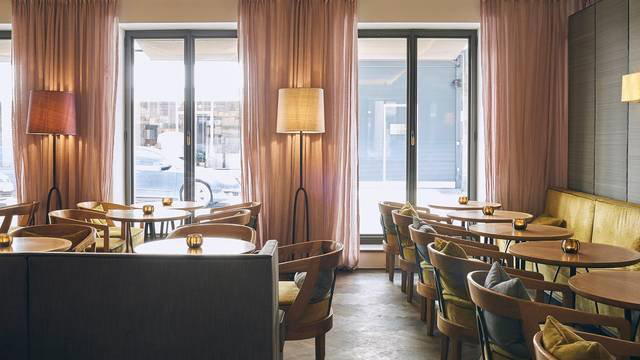
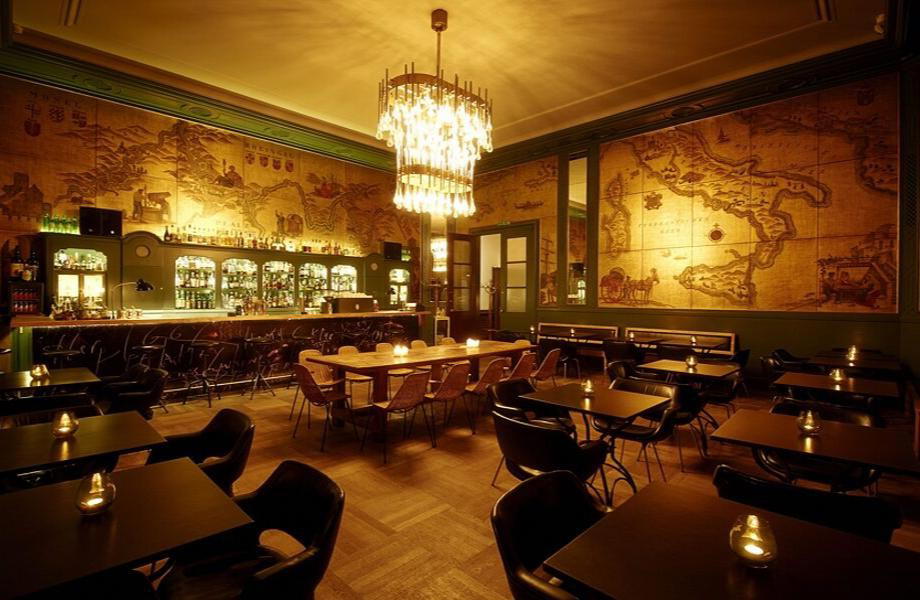
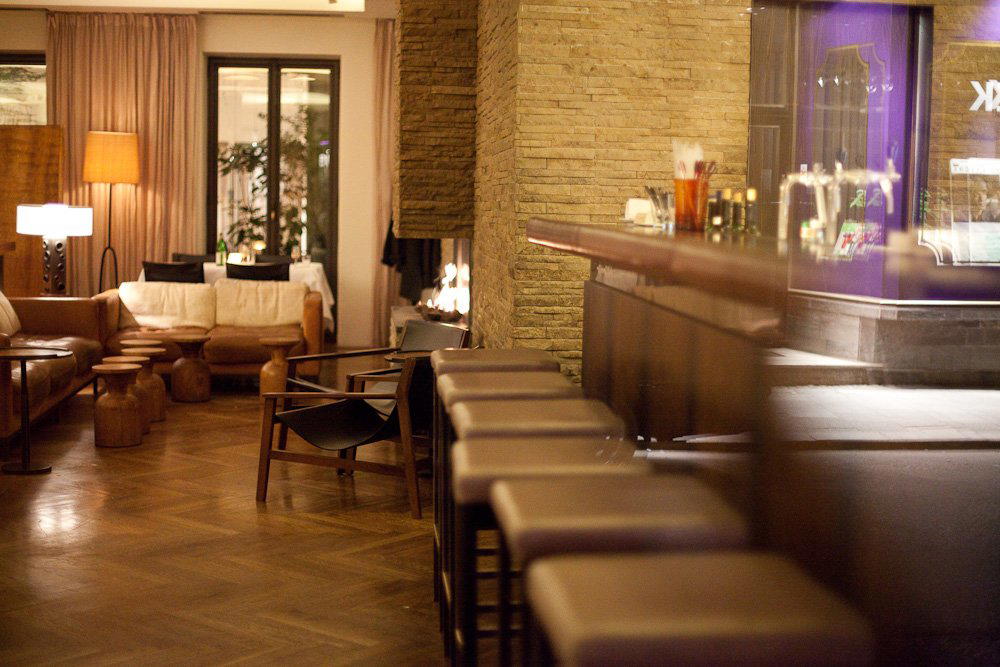
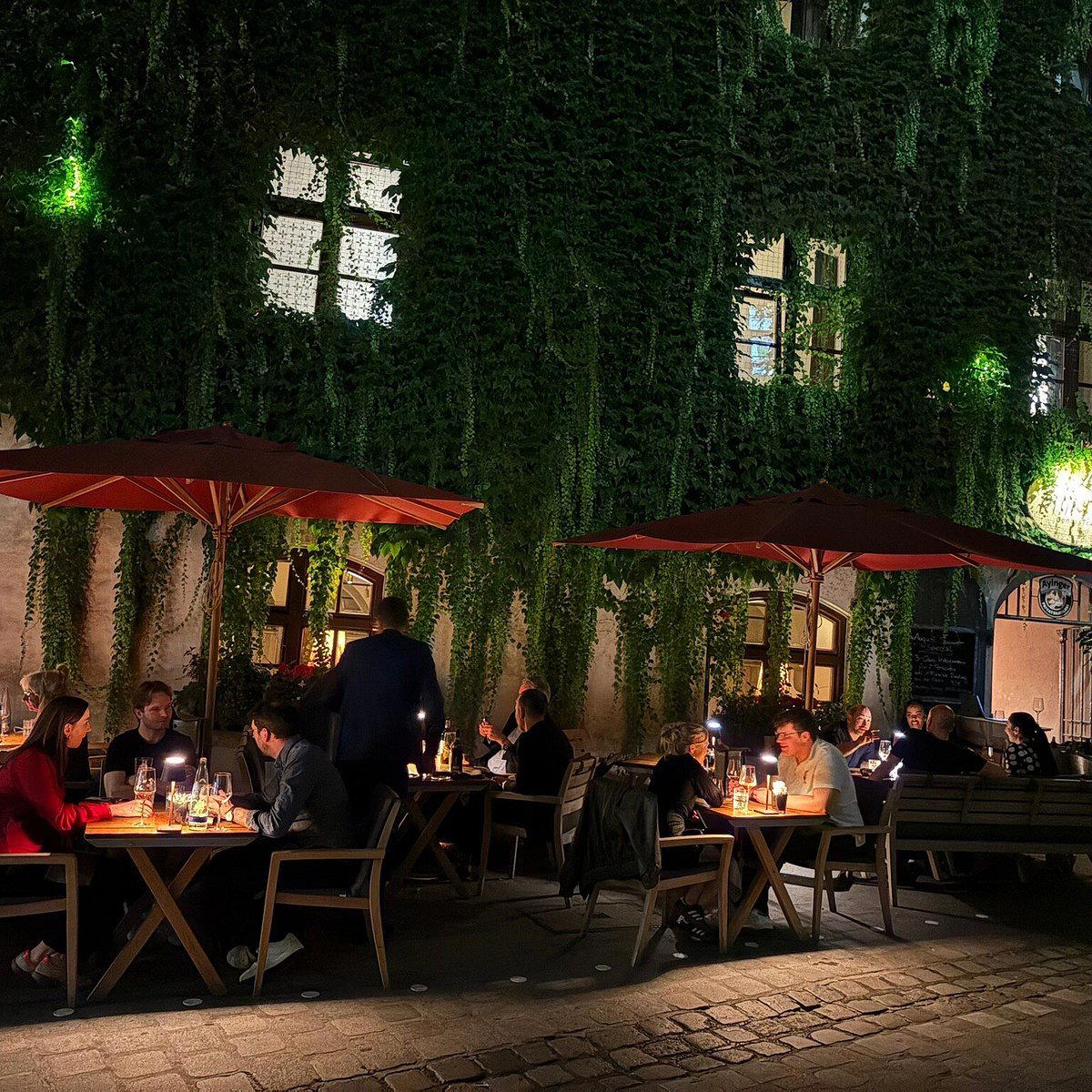
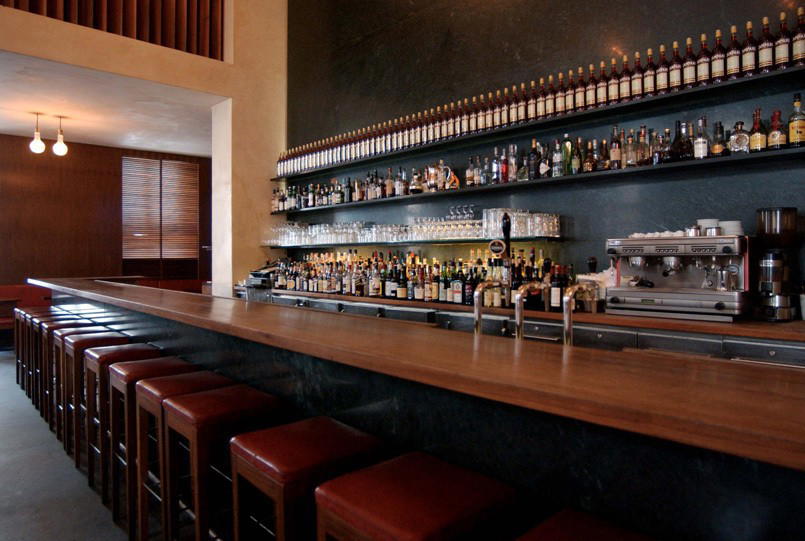
Energetic atmosphere with friendly attentive service and a welcoming Bavarian feel.