G.ELM

G.ELM belongs to the small, ingredient-led side of Minamiawaji dining: gelato and ice cream built around farm milk, contracted fruit growers, and a casual take-out format rather than a formal restaurant script. Its selection for Tabelog 100 Ice cream / Gelato 2023 gives the shop a national signal in a category where sourcing and texture matter more than ceremony.
Pearl is the En Primeur Club membership app — saves, bookings, and concierge access live there. Same editors, same standards.
- Address
- Ko-1530-2 Fukura, Minamiawaji, Hyogo 656-0501, Japan
- Phone
- +81 799-50-2332
- Website
- instagram.com
 Saves & bookings on Pearl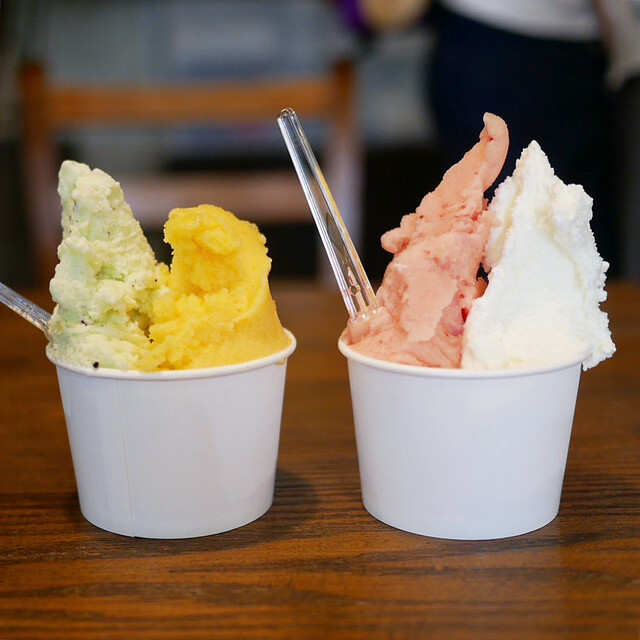
Fukura’s harbour-side rhythm sets the tone before the first order: low buildings, sea air, and a pace closer to an island errand than a destination dining room. In that setting, gelato has a different role from the after-dinner carts of Tokyo hotels or the polished counters of urban patisserie culture. It is daytime food, family food, a short stop that depends on ingredient clarity because there is little theatre to hide behind.
G.ELM fits that Minamiawaji register. The room is compact, with counter and table seating supported by benches outside, and the format leans casual enough for take-out. The draw is not a chef-led tasting menu or a long reservation chase; it is the island logic of milk, fruit, and quick service. For readers mapping the wider local scene, Our full Minamiawaji restaurants guide gives the broader dining context, while Our full Minamiawaji hotels guide, Our full Minamiawaji bars guide, Our full Minamiawaji wineries guide, and Our full Minamiawaji experiences guide help place a stop here within a fuller island itinerary.
Farm milk and contracted fruit give the gelato its local argument
Japan’s stronger gelato shops tend to split into two camps. One borrows from Italian gelateria discipline, focusing on churn, balance, and restrained sweetness. The other is more regional, using dairy, fruit, and agricultural relationships as the reason to exist. This Minamiawaji address belongs in the second camp. The milk is sourced directly from a farm, and fruit comes from contracted farmers, a sourcing model that matters on Awaji Island, where onions, dairy, seafood, and produce already define much of the food conversation.
That point is not decorative. Gelato is a compact test of sourcing because the format strips away heavy technique. Milk quality affects body; fruit quality affects acidity, aroma, and the need for added sweetness. A shop working with direct farm milk and contracted growers is making a claim about supply before it makes a claim about creativity. In a city, that sourcing might read as a premium selling point. In Minamiawaji, it reads as a practical extension of place.
The national recognition gives the argument weight. Selection for Tabelog 100 Ice cream / Gelato 2023 places G.ELM inside a curated Japanese dessert category rather than treating it as a local snack counter. Its Tabelog score of 3.59 is useful in the same way: not as a universal verdict, but as a signal that the shop has moved beyond neighbourhood affection into broader dessert attention. That distinction matters for travellers crossing Awaji Island, where casual formats often compete with more formal meals for limited itinerary time.
A casual island stop, not a formal dessert salon
The service model keeps expectations grounded. This is gelato and ice cream in a family-friendly, solo-friendly, friends-friendly setting, with take-out as part of the appeal. There are 16 seats, divided between counter and table seating, plus benches in front. Private rooms and private use are not part of the format, which is exactly the point: the pleasure is public, brief, and easy to fold into the day.
Compared with nearby higher-spend dining categories, the value proposition is blunt. Sushi Katsu and Chinese Suiyo occupy a far costlier bracket, while Katsugyo Ryori Binbiya sits in a modest seafood lane and Itsushou also appears in the low-price range. G.ELM belongs to the dessert-stop tier, where the decision is less about committing an evening and more about whether a short detour earns its place. The award recognition and sourcing details make that answer stronger than it would be for a generic soft-serve counter.
The atmosphere also explains the audience. Children are welcome, non-smoking rules apply, and the room’s old-wood interior gives the shop a warmer register than a convenience-led kiosk. The ocean-view location adds to the sense that this is part of a Fukura outing rather than a standalone dining event. For travellers used to Japan’s more coded restaurant genres, the useful comparison is not omakase or kaiseki. It is the regional dairy stop, where the craft sits in ingredient handling and consistency rather than elaborate service.
How it fits into a Japan food itinerary
G.ELM makes the strongest case when Minamiawaji is already on the route. It is not a replacement for a serious lunch, and it should not be treated like a destination counter with a long meal arc. Its role is narrower and clearer: a low-ceremony dessert stop with a credible sourcing story, national dessert-category recognition, and a setting that matches the island’s slower harbour geography.
That narrower role is useful. Japan’s dining culture can make travellers over-prioritise formality, chasing counters, courses, and omakase theatre while missing the everyday formats that reveal how regional food systems work. A gelato shop sourcing farm milk and contracted fruit growers tells a different story about place: not luxury, but supply chains, local habits, and the way families, solo visitors, and groups use a casual room.
For contrast across Japan’s broader dining map, EP Club’s restaurant archive ranges from beef formats such as -Grilled beef Sukiyaki- KAMAKURA TANUKIAN 鎌倉 たぬき庵 in Kamakura and #肉といえば松田 奈良本店 in Kashihara to casual and specialist addresses such as .cafe in Osaka, .know in Kumamoto, (Shoku) Vietnam in Kawasaki, [Curry Senmon Ten] Maruyama Kyoju. in Sapporo, [ki:] in Kyoto, 1/3 HAMBURGER FACTORY in Kanazawa, 1000 in Yokohama, and 1000mヒュッテ 1000m Hut in Kutchan. The same archive also tracks Japanese food culture abroad, including Jōdo Saké Bar in Los Angeles and Onigiri Time in Pasadena. Against that range, this Minamiawaji stop is a reminder that a small dessert format can carry serious regional information when the sourcing is specific.
The editorial read is simple: go for the ingredient story and the island setting, not for ceremony. The shop’s strength lies in making local dairy and fruit legible in a form that requires little time, little explanation, and no formal dining posture.
Comparable Spots, Quickly
Comparable venues by cuisine and price in the same metro.
| Venue | Cuisine | Price | Notes |
|---|---|---|---|
| G.ELMThis venue — the venue you are viewing | Gelato & Ice Cream Shop | $ | Not listed |
| Marche | Bakery Café | $ | Chūō |
| Froindou | Bakery & donuts | $ | Higashinada |
| Pane Ho Maretta | Popular Kobe artisan bakery | $ | Chūō |
| un peu de | Artisanal bakery and sandwich shop | $ | Higashinada |
| Fournier | Whole-grain Japanese bakery | $ | Izumi Chuo |
Recognition history
Dated appearances from independent guides and award organizations, with the underlying list record or original source where available.
Tabelog 100 #25 · No. 25
Tabelog · Tabelog 100 - Ice cream / Gelato - 2023
Continue exploring
More in Minamiawaji
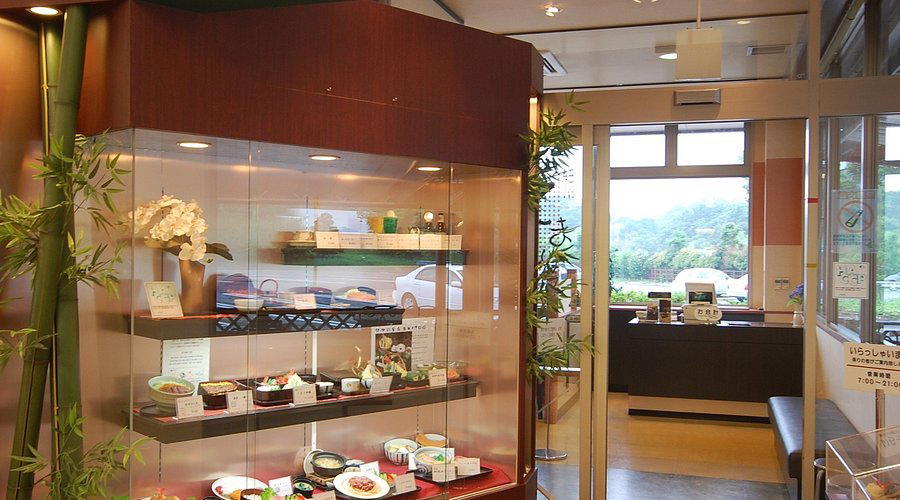
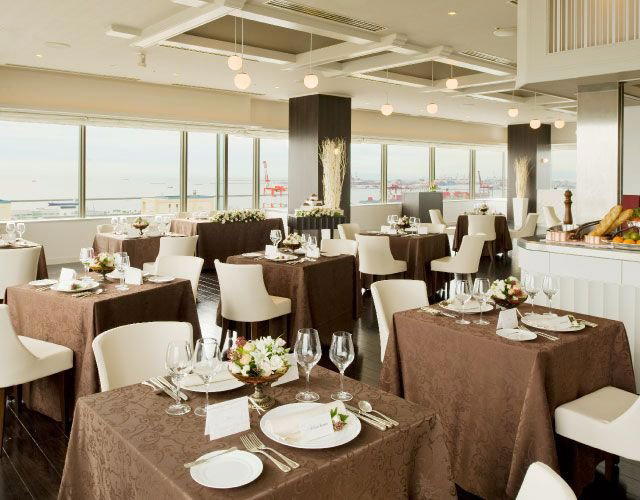
Restaurants in Minamiawaji
Browse all →
Hotels in Minamiawaji
Browse all →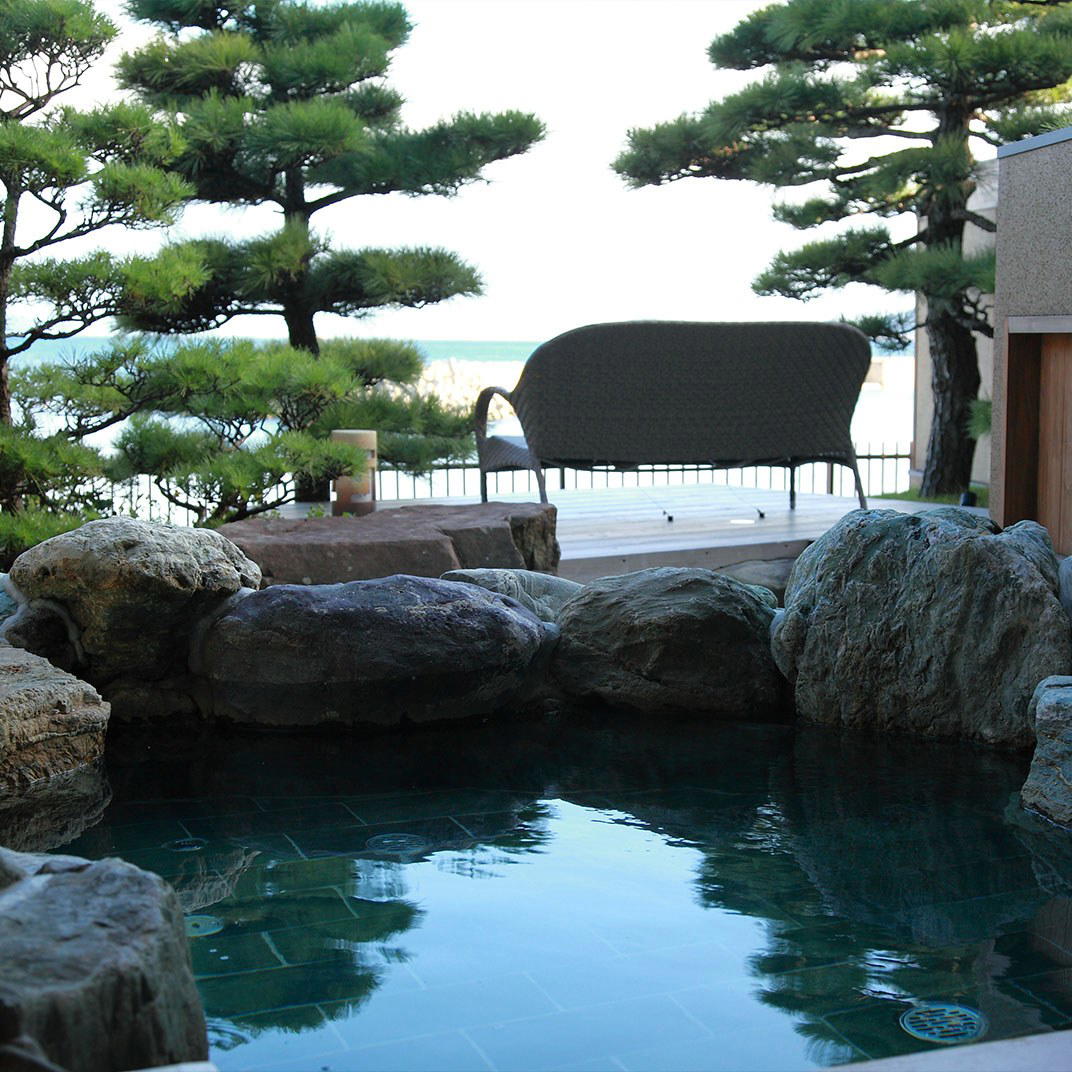
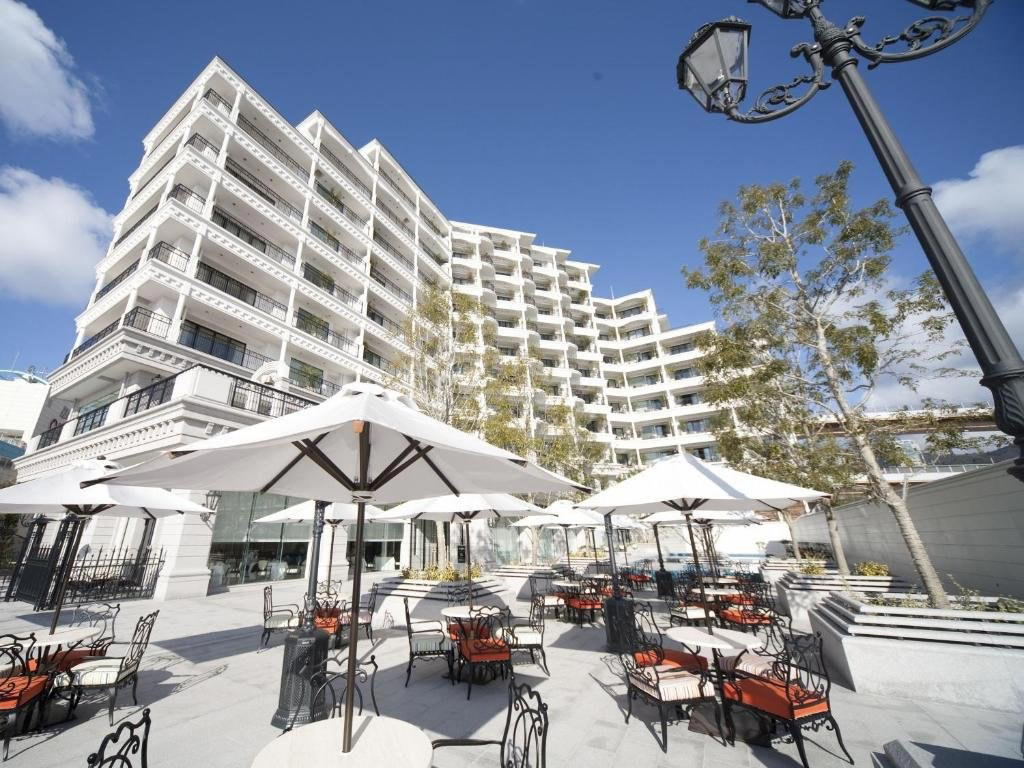
Wineries in Minamiawaji
Browse all →
At a Glance
- Casual Hangout
- Family
- Solo
- After Work
- Waterfront
- Standalone
- Waterfront
Current opening hours
- Monday
- 10 AM–5 PM
- Tuesday
- 10 AM–5 PM
- Wednesday
- Closed
- Thursday
- Closed
- Friday
- 10 AM–5 PM
- Saturday
- 10 AM–5 PM
- Sunday
- 10 AM–5 PM
Hours can change for holidays and private events. Last verified .
Casual, simple ice cream parlor atmosphere with indoor counter and table seating plus benches outside facing the water, geared toward daytime visitors and families rather than formal dining.