On Berger Strasse, Frankfurt's most commercially layered high street, Fusion Sushi occupies a position that reflects the neighbourhood's appetite for international formats alongside traditional German staples. The address places it in Bornheim, a district that has absorbed successive waves of restaurant openings across European, Asian, and Middle Eastern cuisines. Practical and accessible, it represents the mid-market sushi format that has become a fixture in German city dining.
Pearl is the En Primeur Club membership app — saves, bookings, and concierge access live there. Same editors, same standards.
- Address
- Berger Str. 104, 60316 Frankfurt am Main, Germany
- Phone
- +4917656393139
- Website
- bergerstreetfood.de
- Directions
- Get directions
 Saves & bookings on Pearl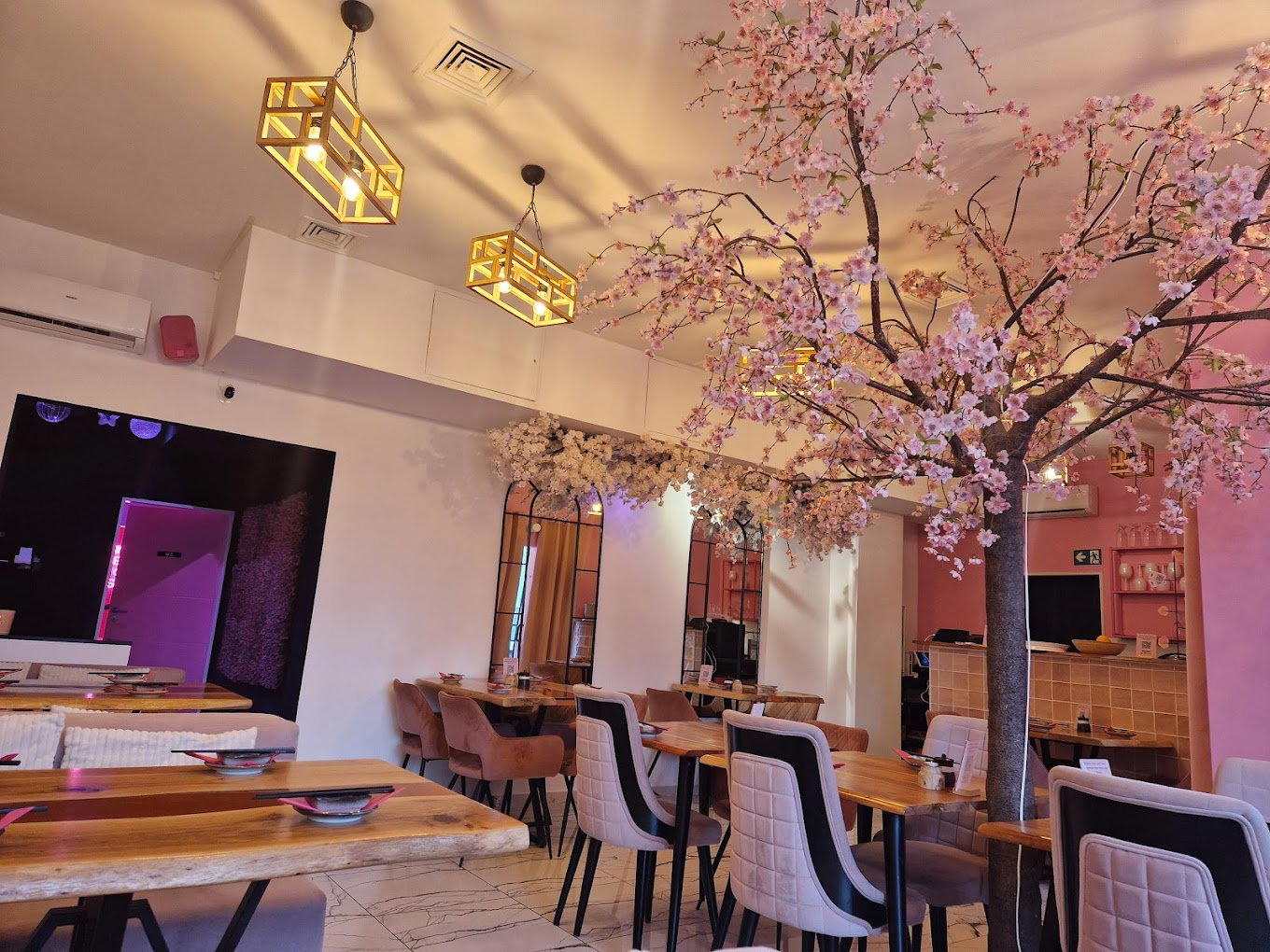
Berger Strasse and the Geography of Frankfurt's Mid-Market Dining
Berger Strasse runs northeast from the Konstablerwache through Bornheim and into Berger Warte, and it functions as one of Frankfurt's most readable barometers for how international food formats embed themselves in a German urban neighbourhood. The street has accumulated restaurants, cafes, and food shops across several decades, with no single cuisine dominating. Turkish snack counters sit alongside Italian trattorias, Vietnamese kitchens, and sushi bars. Fusion Sushi, at number 104, occupies a stretch of the street where the density of options is high and the competition for regular foot traffic is direct and constant. That address tells you something about the format before you arrive: this is everyday-accessible sushi, priced and positioned for a neighbourhood audience rather than for destination dining from across the city.
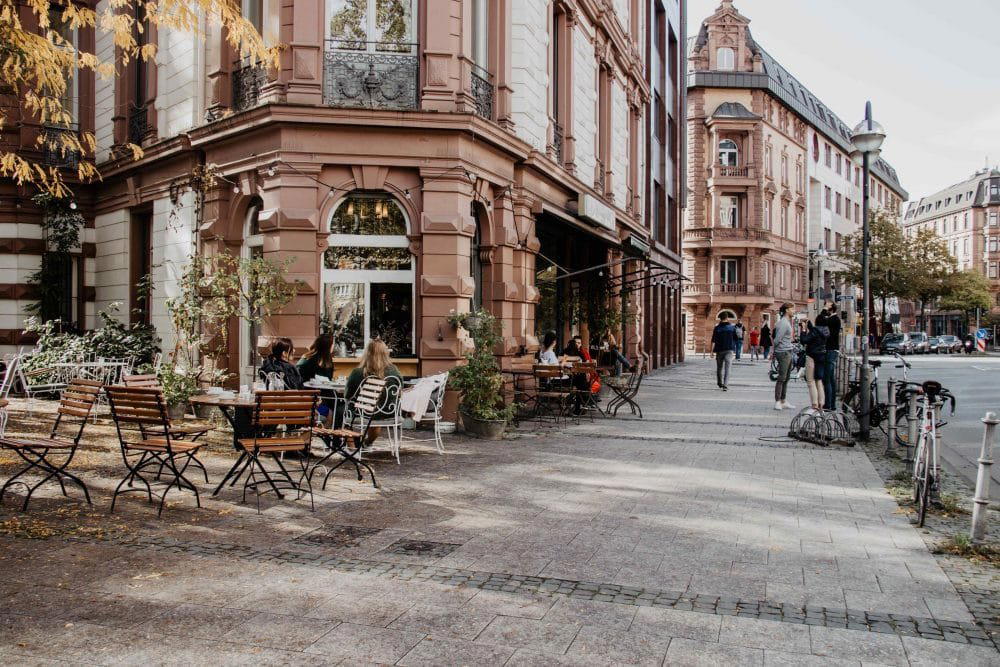
The physical approach along Berger Strasse is useful context. The street is wide, tram-served, and lined with a mix of residential facades and commercial ground floors. This is not Frankfurt's Sachsenhausen restaurant corridor, nor the finance-district lunch trade around Opernplatz. Bornheim has a residential permanence to it, and restaurants here tend to succeed on repeat custom rather than on occasion-driven bookings. That shapes what a venue like Fusion Sushi is doing and who it is doing it for.
The Tasting Arc: How a Meal at a Fusion Sushi Counter Tends to Unfold
Sushi formats in German cities have broadly sorted into three tiers over the past fifteen years. The first is the conveyor-belt or running-plate model, where volume and speed define the offer. The second is the mid-market sit-down format, with printed menus, combination plates, and a range that spans nigiri, maki, temaki, and cooked Japanese dishes alongside the raw fish work. The third, still rare outside Berlin and Munich, is the dedicated omakase counter, where the chef's sequence governs the meal entirely and the seat count is deliberately low. The restaurant operates in the second tier, and understanding what that tier delivers helps set the right expectations for a meal there.
In a mid-market sushi context, the meal typically opens with lighter, more accessible pieces: cucumber maki, edamame, a miso soup that frames what follows. The middle registers are where the kitchen signals its actual range: the quality of the rice seasoning, the knife discipline on the fish, whether the ratio of filling to wrapper in a maki roll is calibrated or generous to the point of structural collapse. These are the technical details that separate competent execution from merely functional output. The final register tends toward the richer combinations: tuna-based rolls with sauce additions, salmon preparations, and whatever the kitchen has chosen to express as its signature construct. The word "fusion" in the name suggests the kitchen is not operating within a strict traditional Japanese framework, which is common across German sushi venues and generally means Western-influenced additions to the menu alongside more conventional preparations.
What this format cannot deliver, and does not try to, is the pacing and narrative depth of a kaiseki or omakase sequence. For that register of Japanese dining within Germany, the reference points are elsewhere. Germany's Michelin-decorated dining scene is weighted toward French-influenced kitchens: Schwarzwaldstube in Baiersbronn, Aqua in Wolfsburg, Vendôme in Bergisch Gladbach, and Waldhotel Sonnora in Dreis represent the decorated tier. More progressive tasting formats appear at JAN in Munich, CODA Dessert Dining in Berlin, and ES:SENZ in Grassau. For international reference points in serious seafood or structured tasting formats, Le Bernardin in New York City and Lazy Bear in San Francisco set a different standard entirely. The restaurant does not position against those venues and should not be evaluated against them.
Frankfurt's Sushi and Japanese Food Context
Frankfurt has a Japanese business community of meaningful size, connected to the city's role as a European financial and logistics hub. That community has historically sustained a stratum of Japanese restaurants serving expat regulars who apply demanding standards to rice quality, fish sourcing, and technical precision. The venues serving that audience tend toward discretion and word-of-mouth, rarely featuring prominently in tourist-facing guides. Below that stratum sits a broader market of sushi restaurants serving the general Frankfurt dining public, for whom the format is now thoroughly familiar and where the competitive pressure on price and menu breadth is high. The restaurant's position on Berger Strasse places it in the latter group, competing on neighbourhood convenience and combination variety rather than on sourcing credentials or counter-seat intimacy.
For comparison within Frankfurt's wider mid-market international dining scene, the Berger Strasse corridor includes peers across other cuisines. Venues like Babam and atm by Deli&Grape represent the broader international mid-market that has developed in this part of the city. Fine dining options at a different register include ALEJANDRO'S, Allgaiers Restaurant, and Ariston, which operate at the summit of the Frankfurt market and reflect a different set of priorities and price points. Victor's Fine Dining by Christian Bau in Perl, Schanz in Piesport, and Restaurant Haerlin in Hamburg indicate the decorated end of the broader German dining spectrum for readers planning wider itineraries. The range is useful framing: Frankfurt supports everything from neighbourhood sushi to multi-star tasting menus, and the restaurant occupies a defined and unpretentious position within that range.
Visiting: What to Know in Advance
Berger Strasse 104 is accessible by tram on the lines that run the length of Berger Strasse between Konstablerwache and Bornheim Mitte, making it direct to reach from central Frankfurt without a car. The street itself has parking, though it is typically busy during evening dining hours. The restaurant is recommended for reservations, and its regular hours are Mon to Sat 12 to 10:30 PM and Sun 1:30 to 10:30 PM. As with most mid-market neighbourhood sushi restaurants in German cities, the format is unlikely to require advance reservation for a standard visit, but confirming hours before a specific trip is sensible given the absence of confirmed data here.
Category Peers
Comparable venues nearby, for context on price, style, and recognition.
| Venue | Cuisine | Price | Notes |
|---|---|---|---|
| Fusion SushiThis venue — the venue you are viewing | Fusion Sushi | $$ | Not listed |
| Kokumy | Pan-Asian Fusion Tapas | $$ | Roemerberg |
| Restaurant Chairs | German Fusion | $$ | Heimgarten |
| Duble Meze Grill | Authentic Turkish Meze Grill | $$ | Palmengarten |
| Tapas Locas | Traditional Spanish Tapas | $$ | Roemerberg |
| Freitagsküche | German Contemporary with Cultural Twist | $$ | Goethehaus |
Continue exploring
More in Frankfurt
Restaurants in Frankfurt
Browse all →
Bars in Frankfurt
Browse all →


Hotels in Frankfurt
Browse all →

At a Glance
- Lively
- Trendy
- Cozy
- Casual Hangout
- Date Night
- Sake Program
Current opening hours
- Monday
- 12–10:30 PM
- Tuesday
- 12–10:30 PM
- Wednesday
- 12–10:30 PM
- Thursday
- 12–10:30 PM
- Friday
- 12–10:30 PM
- Saturday
- 12–10:30 PM
- Sunday
- 1:30–10:30 PM
Hours can change for holidays and private events. Last verified .
Cozy and lively atmosphere with colorful fusion presentations.