Committee
Committee occupies a prominent position on Boston's Seaport waterfront at 50 Northern Ave, placing it squarely within the neighborhood's broader shift from industrial port to dining destination. The restaurant has tracked that evolution closely, adjusting its identity as the Seaport itself has matured from a novelty district into a more settled part of Boston's dining map.
Pearl is the En Primeur Club membership app — saves, bookings, and concierge access live there. Same editors, same standards.
- Address
- 50 Northern Ave, Boston, MA 02210
- Phone
- +16177375051
- Website
- committeeboston.com
- Directions
- Get directions
 Saves & bookings on Pearl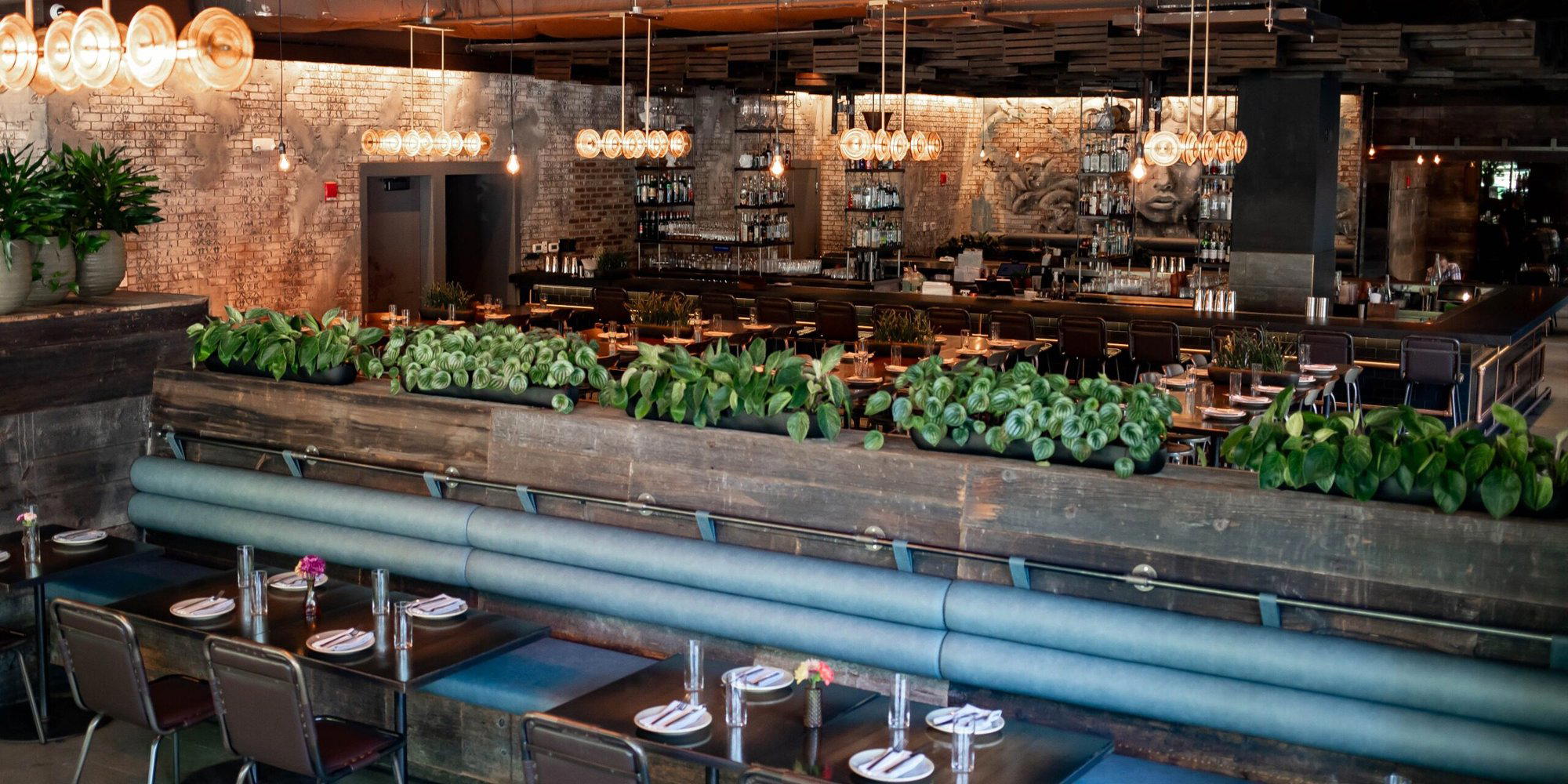
The Seaport's Changing Register
When Boston's Seaport District began its transformation from working waterfront to hospitality corridor, the early wave of restaurants that moved in faced an unusual challenge: the neighborhood had no culinary identity yet. Committee is a modern Mediterranean Greek meze restaurant at 50 Northern Ave in Boston’s Seaport District,500 reviews and an average price of about $55 per person. It arrived at 50 Northern Ave during that formative period, making it a useful lens through which to track how the area has evolved. The Seaport is now a well-established dining destination rather than a speculative bet, and that shift has forced every restaurant in the district to recalibrate, toward a clearer identity, a more defined audience, or a harder-to-replicate format. Committee's own arc reflects that pressure directly.
Approaching from the Northern Avenue bridge, the restaurant sits within a cluster of mid-rise commercial development that has replaced the open industrial character the district once carried. That context matters for understanding what Committee is trying to do: operate as a destination in a neighborhood that now competes with itself, where new openings arrive regularly and the early mover advantage has long since expired.
Evolution in a District That Kept Reinventing Itself
The initial surge of openings in the early 2010s brought volume; the mid-decade correction brought closures and consolidation; the post-pandemic period brought a harder question about which concepts actually belonged there versus which had simply filled space. Committee has been present across more than one of those phases, which makes its continued operation a point of interest in its own right. Restaurants that survive district-wide corrections typically do so by finding a more specific function, a format, price point, or audience that the neighborhood genuinely needs rather than merely tolerates.
That pattern plays out similarly in other American cities where formerly industrial waterfronts converted rapidly into dining and hospitality zones. The venues that hold across multiple cycles tend to share a few characteristics: a format flexible enough to serve different meal occasions, a physical space that reads well at different scales of occupancy, and a price positioning that doesn't depend on a single type of diner.
Positioning Within Boston's Broader Scene
Boston's restaurant scene has matured significantly over the past decade, moving from a city with a handful of national-attention venues toward one with more consistent mid-to-upper tier depth. The Seaport contributes a specific sub-segment of that depth: larger-format, accessible-price, waterfront-adjacent dining that serves the district's resident hotel population alongside destination visitors. Committee operates in that register, which places it in a different competitive tier than the more format-intensive venues elsewhere in the city.
The contrast with Boston's counter-service and tasting-menu tier is instructive. 311 Omakase and Agosto, a Portuguese-inspired fine dining counter, operate under the constraints of small seat counts and fixed formats that require a different kind of commitment from the diner. Committee's physical scale and waterfront position put it in a category that absorbs larger groups and more casual booking behavior, a distinct function within the city's dining ecosystem, not a lesser one.
Nationally, the comparison set for waterfront-adjacent, mid-format dining in American cities is wide. Venues like Emeril's in New Orleans and Providence in Los Angeles occupy different price and format tiers but share the characteristic of operating as anchor restaurants in areas where dining had to grow alongside neighborhood development. The higher end of the national spectrum, Le Bernardin in New York City, The French Laundry in Napa, Blue Hill at Stone Barns in Tarrytown, Addison in San Diego, and The Inn at Little Washington, defines a different category altogether, where format discipline and award recognition do the positioning work. Committee sits further down that spectrum, in the accessible-destination tier that most dining cities need more of than they have.
Other venues in Boston's mid-tier that draw useful comparisons include Abe & Louie's, which operates as a steakhouse anchor in a different part of the city, and Sarma in Somerville, which has built a specific Turkish small-plates identity that gives it a clearer format distinction. How Committee differentiates itself from that broader field of accessible Boston dining is the operative question for any visitor deciding where to spend a meal.
Planning a Visit
Committee's address at 50 Northern Ave places it in the core of the Seaport District, walkable from the Boston Convention and Exhibition Center and a short ride from South Station, which connects to the MBTA Red Line and Amtrak. The waterfront position means the restaurant draws heavily from the surrounding hotel cluster, which affects both the booking pattern and the energy of the room on different nights. Convention-heavy weeks tend to fill the district's restaurant capacity earlier, so advance planning is worth the effort regardless of the specific venue.
- Spanakopita
- Shrimp Saganaki
- Octopus with 'nduja ragu
- Souvlaki Trio
- Lamb Merguez
- Branzino
- Kreaton
Cuisine and Credentials
Comparable venues nearby, for context on price, style, and recognition.
| Venue | Cuisine | Price | Notes |
|---|---|---|---|
| CommitteeThis venue — the venue you are viewing | Modern Mediterranean Greek Meze | $$$ | Not listed |
| Trade | Modern Greek Mediterranean | $$$ | Financial District |
| Avra Estiatorio | Upscale Greek Seafood | $$$$ | Symphony |
| Limani Grille Seaport | Upscale Greek Mediterranean | $$$$ | Inner Harbor |
| Kestra | Mediterranean-American with Turkish Influences | $$$ | South Boston Waterfront |
| The Elephant Walk | French-Cambodian Fusion | $$$ | South End |
Continue exploring
More in Boston
Restaurants in Boston
Browse all →
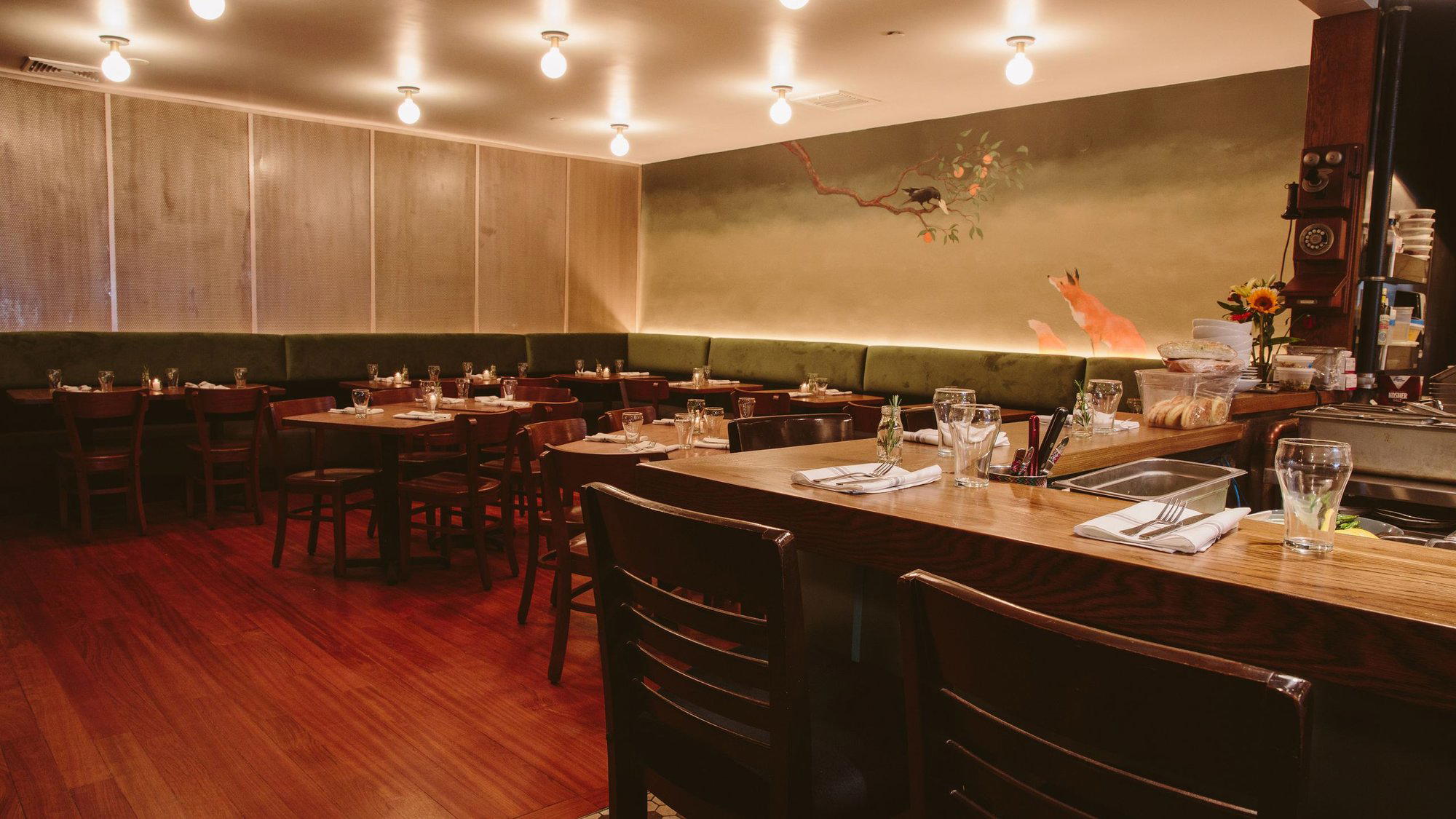
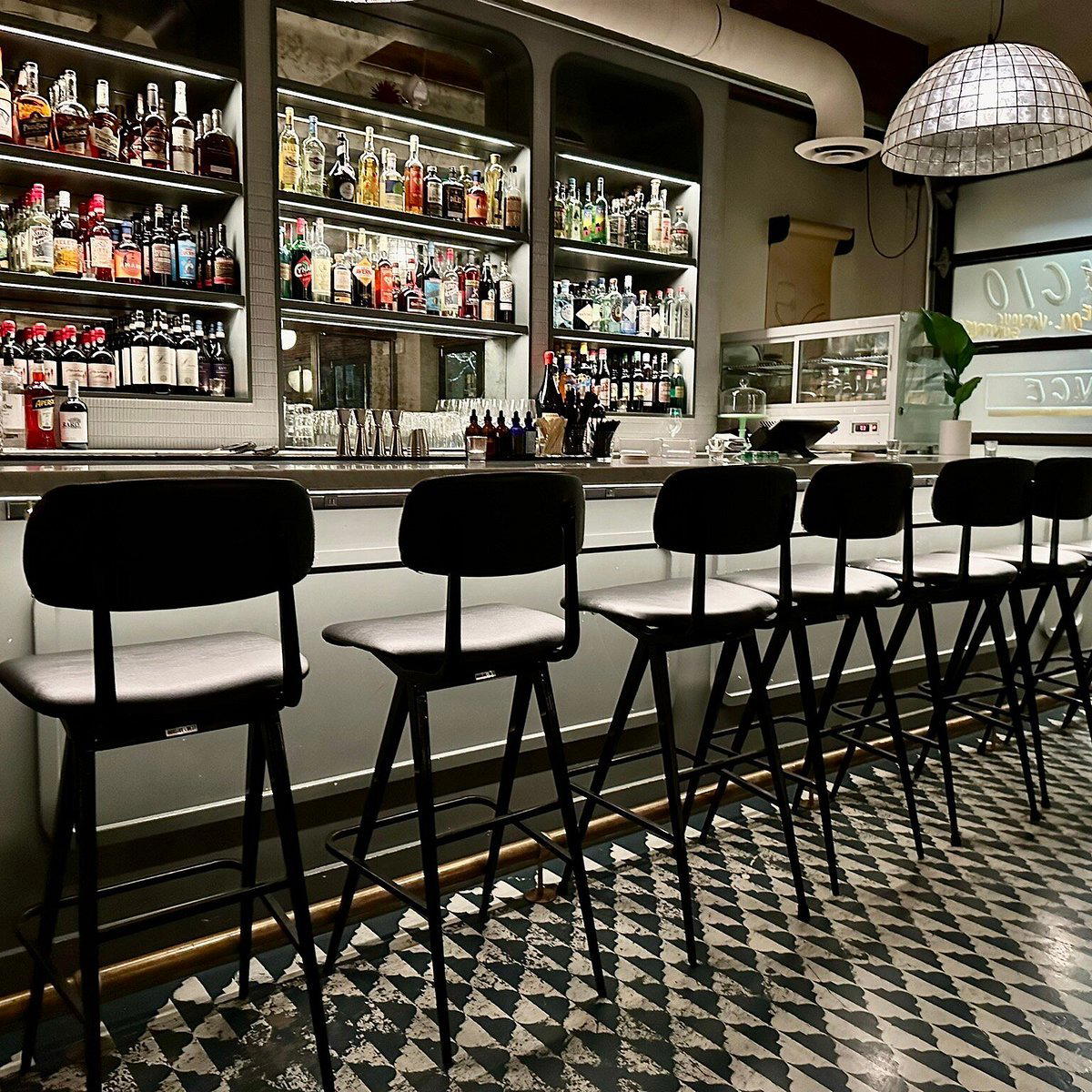
Bars in Boston
Browse all →
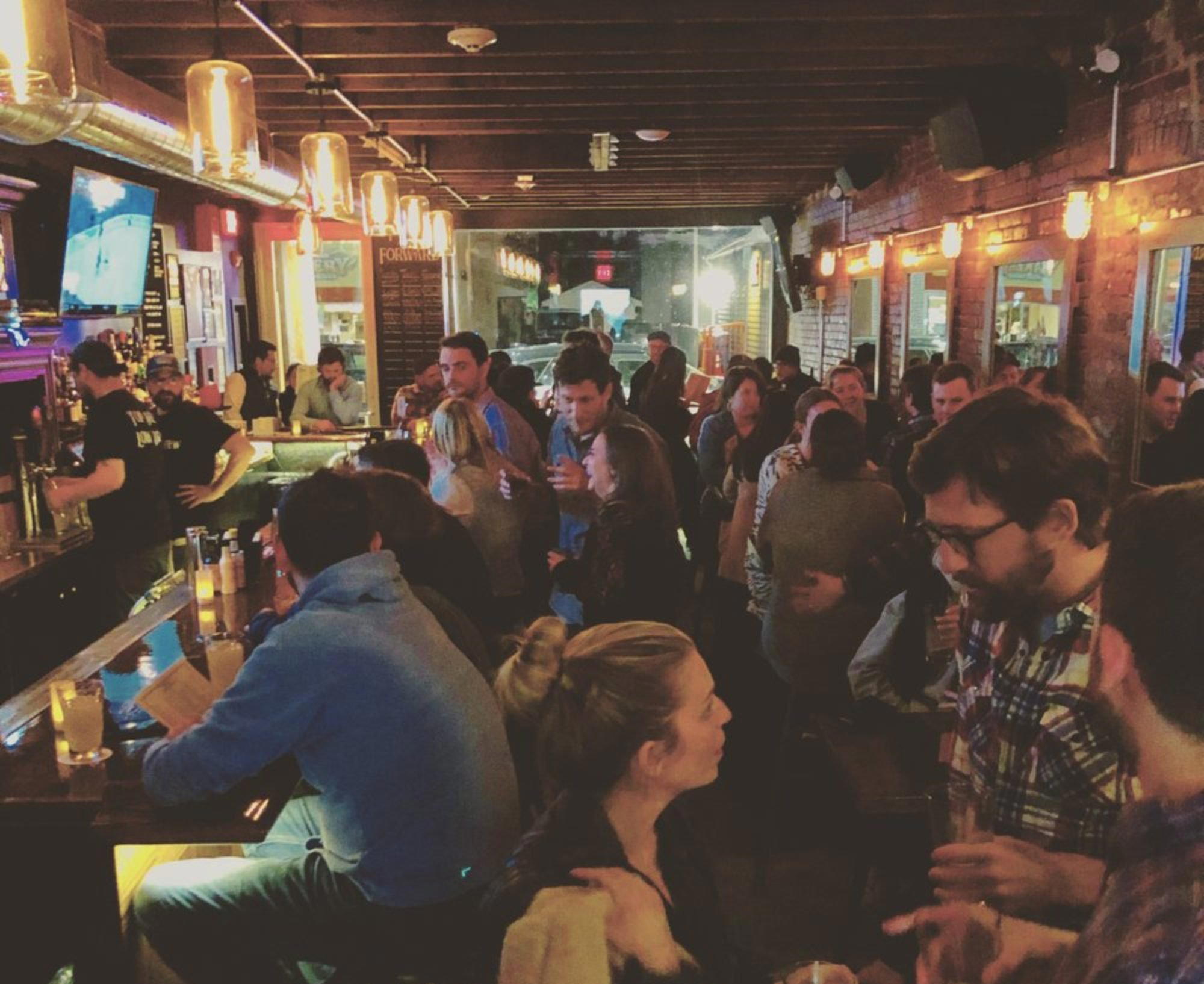
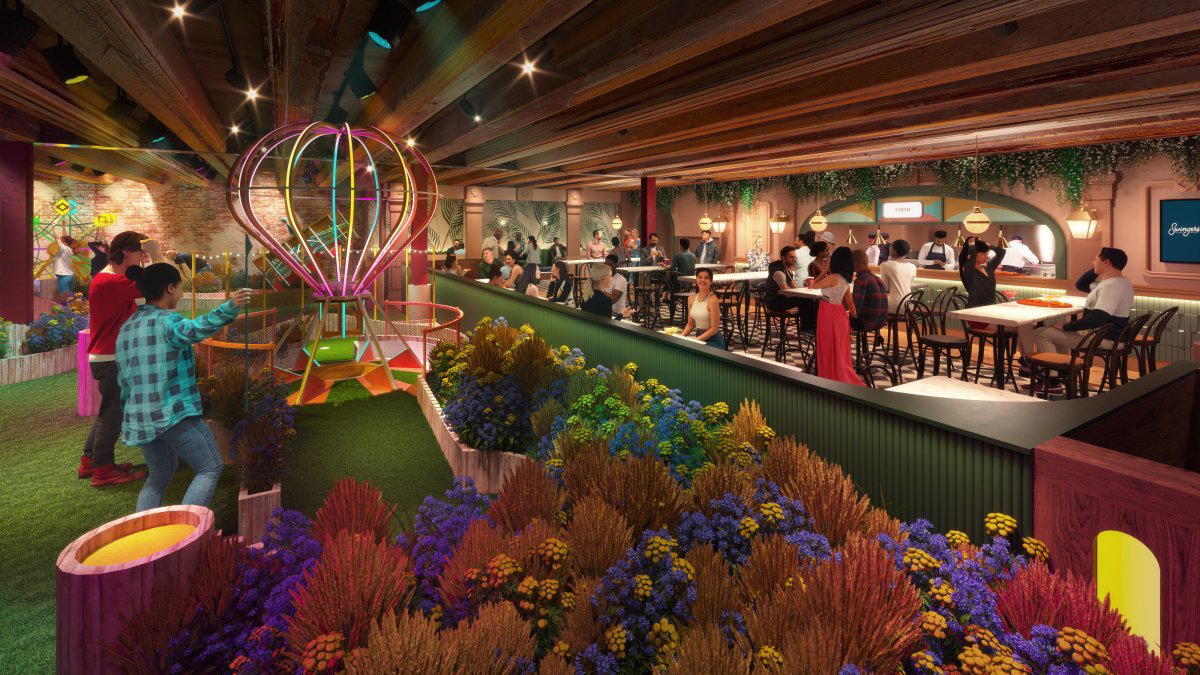
Hotels in Boston
Browse all →
Wineries in Boston
Browse all →
At a Glance
- Lively
- Modern
- Energetic
- Sophisticated
- Industrial
- Group Dining
- Casual Hangout
- Special Occasion
- After Work
- Private Event
- Waterfront
- Open Kitchen
- Private Dining
- Terrace
- Craft Cocktails
- Farm To Table
- Local Sourcing
- Waterfront
Current opening hours
- Monday
- 11 AM–12 AM
- Tuesday
- 11 AM–12 AM
- Wednesday
- 11 AM–12 AM
- Thursday
- 11 AM–1 AM
- Friday
- 11 AM–1 AM
- Saturday
- 10 AM–1 AM
- Sunday
- 10 AM–12 AM
Hours can change for holidays and private events. Last verified .
High-energy yet intimate atmosphere with modern industrial design featuring steel and reclaimed wood, a gleaming center bar as centerpiece, and a lively scene where guests constantly flow between tables and bar seating. Waterfront location enhances the relaxed yet sophisticated vibe.