Faccia a Faccia
On Newbury Street's most browsed block, Faccia a Faccia occupies a different register than the neighbourhood's see-and-be-seen cafes. The name, Italian for 'face to face', signals an approach to hospitality that prioritises direct engagement over spectacle. It sits within a Boston dining tier where the wine list and table experience carry as much weight as the plate.
Pearl is the En Primeur Club membership app — saves, bookings, and concierge access live there. Same editors, same standards.
- Address
- 278 Newbury St, Boston, MA 02116
- Phone
- +18575744840
- Website
- facciaafacciaboston.com
- Directions
- Get directions
 Saves & bookings on Pearl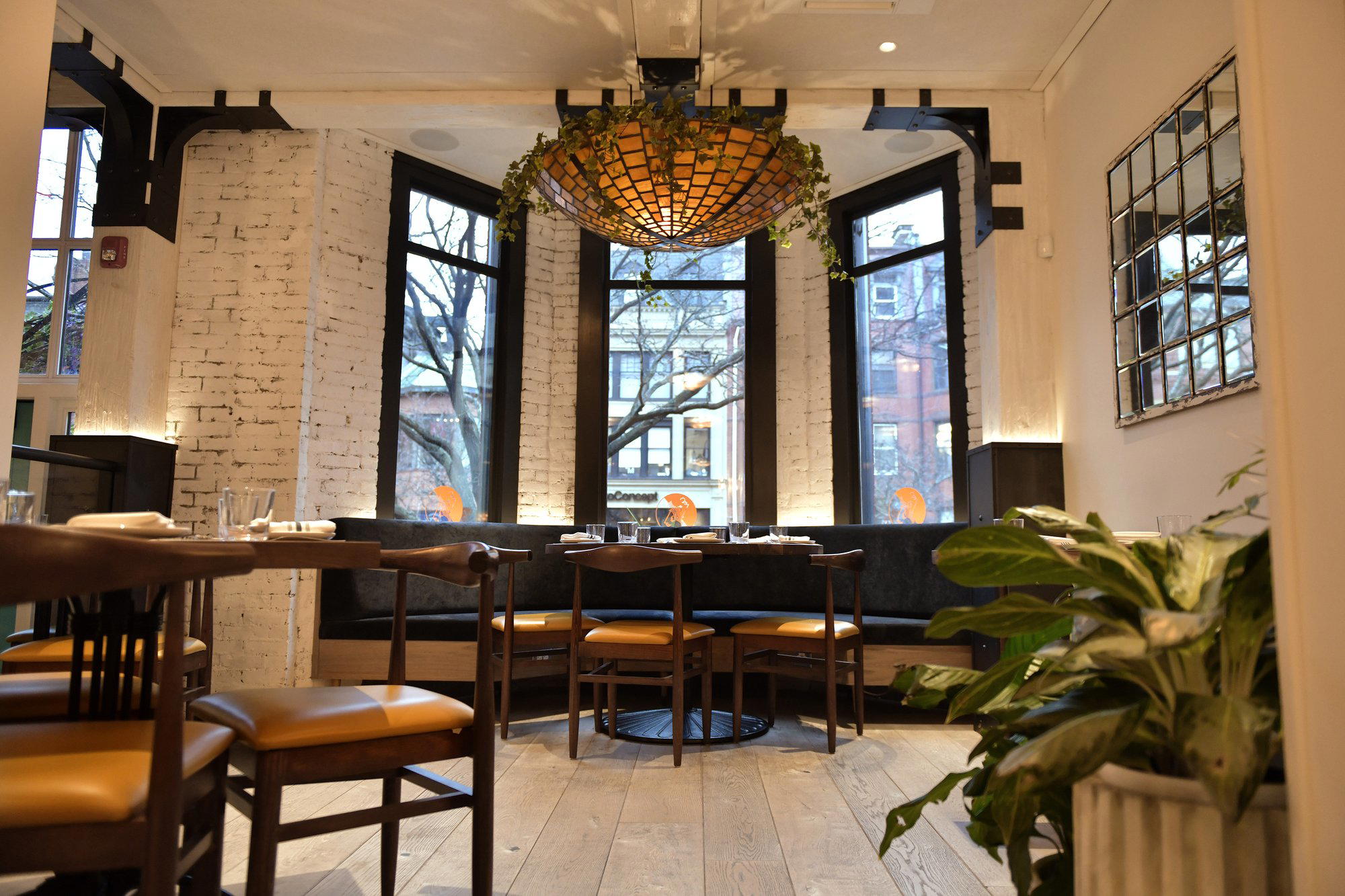
Newbury Street at a Different Tempo
Boston's Newbury Street runs at a particular frequency: boutique retail, pavement tables, a succession of restaurants calibrated for visibility rather than depth. Most addresses on the strip compete for the same foot-traffic diner. Faccia a Faccia, at 278 Newbury St, positions itself against that current. The name translates from Italian as 'face to face,' and that framing, direct, without the mediation of theatre or trend, shapes the room's logic before a menu reaches the table. In a neighbourhood where the dining proposition is often 'be seen here,' an address organised around genuine engagement with food and wine occupies a distinct lane.
That distinction matters in the context of Boston's broader dining map. The city has spent the last decade building a serious fine-dining tier, with tasting-menu counters and ingredient-driven rooms earning the kind of attention that once defaulted to New York. For a wider survey of where Faccia a Faccia sits within that movement, the full Boston restaurants guide maps the city's current options by neighbourhood and format. Nationally, the conversation around wine-led dining rooms runs through addresses like Smyth in Chicago and Providence in Los Angeles, rooms where the cellar functions as an editorial statement, not an afterthought.
The Wine Argument on Newbury Street
In American dining, the wine list is often the clearest indicator of a restaurant's actual ambitions. A list assembled by someone with genuine cellar knowledge reads differently from one built around recognisable labels at comfortable margins. The former tends toward depth in specific regions, older vintages given shelf space, and grower-producer names that reward the diner who asks questions. The latter tends toward breadth without argument, a wine list that covers territory without taking positions.
Italian-named restaurants in American cities face a particular tension on this front. The Italian wine canon is genuinely vast: from Barolo and Barbaresco in Piedmont to the volcanic minerality of Sicilian Nerello Mascalese, from Friulian orange wines to the coastal whites of Campania. A room that commits to that geography seriously, rather than defaulting to a handful of Tuscan Super Tuscans and a token Soave, signals something about how it approaches the table overall. Peer restaurants nationally that have built reputations partly on cellar discipline include Blue Hill at Stone Barns in Tarrytown and Single Thread Farm in Healdsburg, where the wine program functions as an argument in its own right.
Within Boston, the wine conversation tends to concentrate at a handful of addresses. Agosto, with its Portuguese-inspired tasting-menu counter format, has built a reputation around purposeful curation. 311 Omakase operates in a format where the pairing sequence is integral to the experience. Against these peers, a Newbury Street address that takes its Italian roots seriously as a cellar argument occupies a recognisable position in the city's wine-forward tier.
Italian Hospitality as a Dining Philosophy
The 'face to face' premise implies something specific about service tempo. Italian hospitality at its most considered is not the performance version, the tableside theatre, the silver cloche, the sommelier who recites technical notes without making eye contact. It is, at its core, relational: the sense that the people running the room are genuinely interested in the people sitting in it. That quality is difficult to systematise and almost impossible to fake for an entire service.
American Italian restaurants split broadly into two tiers. The first is the red-sauce institution, which trades on comfort and familiarity and has its own legitimate tradition. The second is the more recent wave of Italian-influenced rooms that take their cues from regional specificity, a particular valley in Umbria, a fishing port in Puglia, a market town in Emilia-Romagna, and build menus around that geography. The leading of these, nationally, include addresses like Atelier Moessmer Norbert Niederkofler in Brunico, where the Alpine-Italian idiom is pursued with rigour. Faccia a Faccia's Newbury Street address places it in a neighbourhood context quite different from those mountain rooms, but the underlying question, how seriously does an Italian-named room take Italy as a culinary reference?, applies across formats.
The Neighbourhood as Context
Newbury Street's dining tier sits between Boston's most ambitious tasting-menu rooms and its casual neighbourhood staples. It is not where you go for the kind of multi-hour, allocation-wine experience that defines Le Bernardin in New York City or The French Laundry in Napa. It is also not the raw-bar-and-oysters immediacy of 75 on Liberty Wharf or the waterfront positioning of 1928 Rowes Wharf. The Back Bay strip serves a mixed crowd: hotel guests from the adjacent blocks, residents from the surrounding brownstone neighbourhood, and a steady flow of visitors treating Newbury as their introduction to the city.
What this means for a wine-led room is that the list has to work across a wider range of entry points than a destination tasting-menu counter can assume. The diner who orders by grape variety and the diner who orders by price point both need to feel the room is working on their behalf. That range, without sacrificing the cellar's argumentative coherence, is the operational challenge that defines whether a wine program is genuinely curated or merely comprehensive.
Boston's comparison set for this format is instructive. Abe and Louie's holds its lane as a steakhouse with serious wine ambitions; its list is built around depth in Napa Cabernet and Bordeaux. Agosto goes narrow and deep on Iberian references. An Italian-focused room with genuine cellar conviction has room to stake out its own territory, particularly if it commits to Italian regional wines that remain genuinely underrepresented on American lists.
Know Before You Go
| Address | 278 Newbury St, Boston, MA 02116 |
|---|---|
| Neighbourhood | Back Bay |
| Cuisine context | Italian-named, wine-forward |
| Booking | |
| Nearby references | Back Bay T stop (Green Line) within walking distance |
A Tight Comparison
Comparable venues nearby, for context on price, style, and recognition.
| Venue | Cuisine | Price | Notes |
|---|---|---|---|
| Faccia a FacciaThis venue — the venue you are viewing | Back Bay, Coastal Italian | $$$ | Not listed |
| Ristorante Saraceno | Not listed | $$$ | North End, Classic Italian/Napoletana |
| Cantina Italiana | North End, Traditional Italian-American | $$$ | Not listed |
| Standard Italian | Kenmore, Modern Italian Pasta | $$$ | Not listed |
| Ci Siamo | Not listed | $$$ | South Boston Waterfront, Live-Fire Italian |
| Bambola | Not listed | $$$ | Seaport District, Roman Italian Supper Club |

At a Glance
- Cozy
- Energetic
- Elegant
- Group Dining
- Date Night
- Special Occasion
- Open Kitchen
- Terrace
- Private Dining
- Natural Wine
- Extensive Wine List
- Local Sourcing
Current opening hours
- Monday
- 5–10 PM
- Tuesday
- 5–10 PM
- Wednesday
- 5–10 PM
- Thursday
- 5–10 PM
- Friday
- 5–10:30 PM
- Saturday
- 5–10:30 PM
- Sunday
- 5–9 PM
Hours can change for holidays and private events. Last verified .
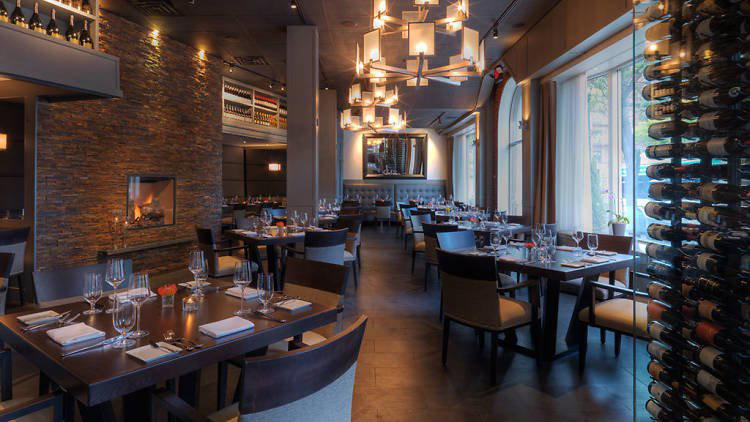
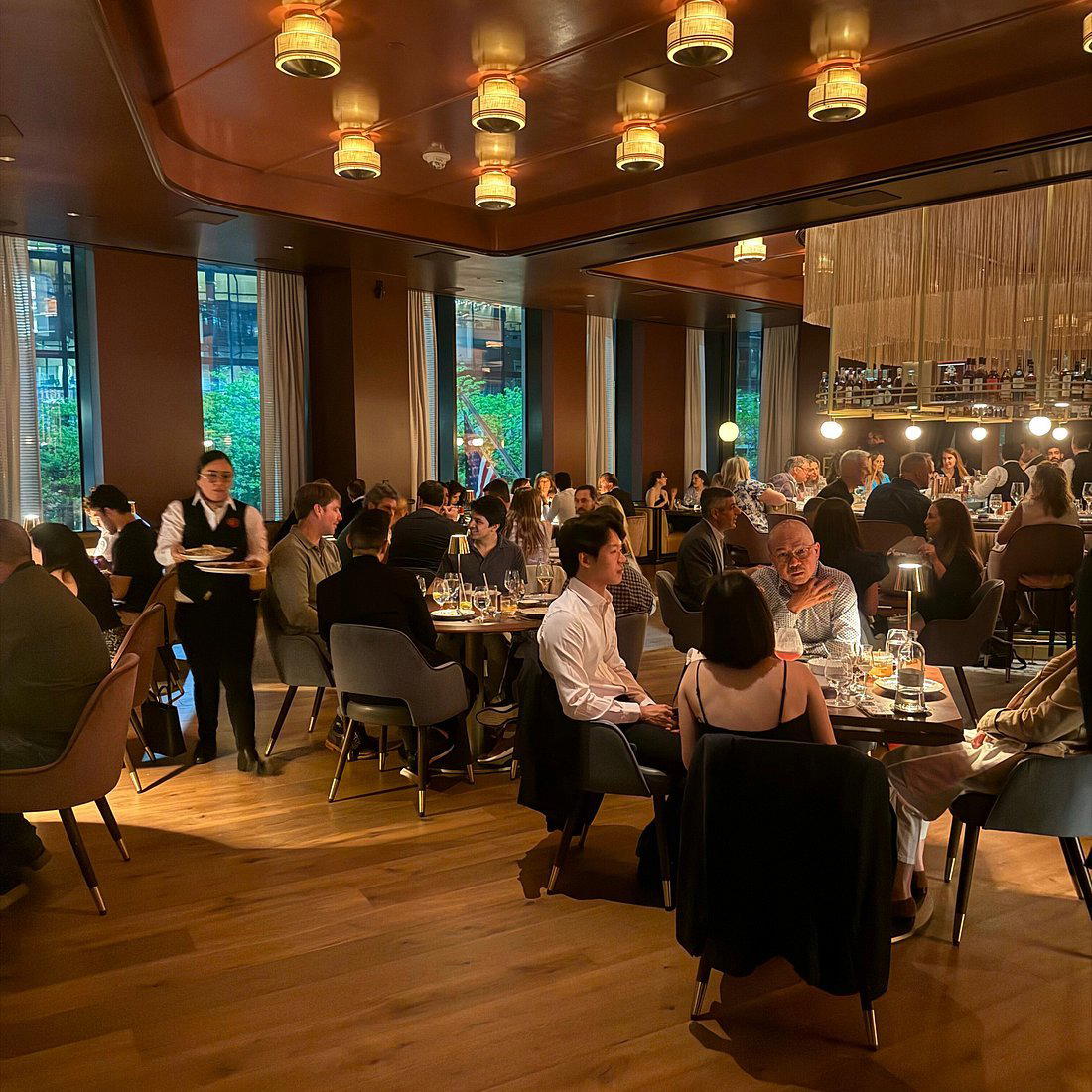
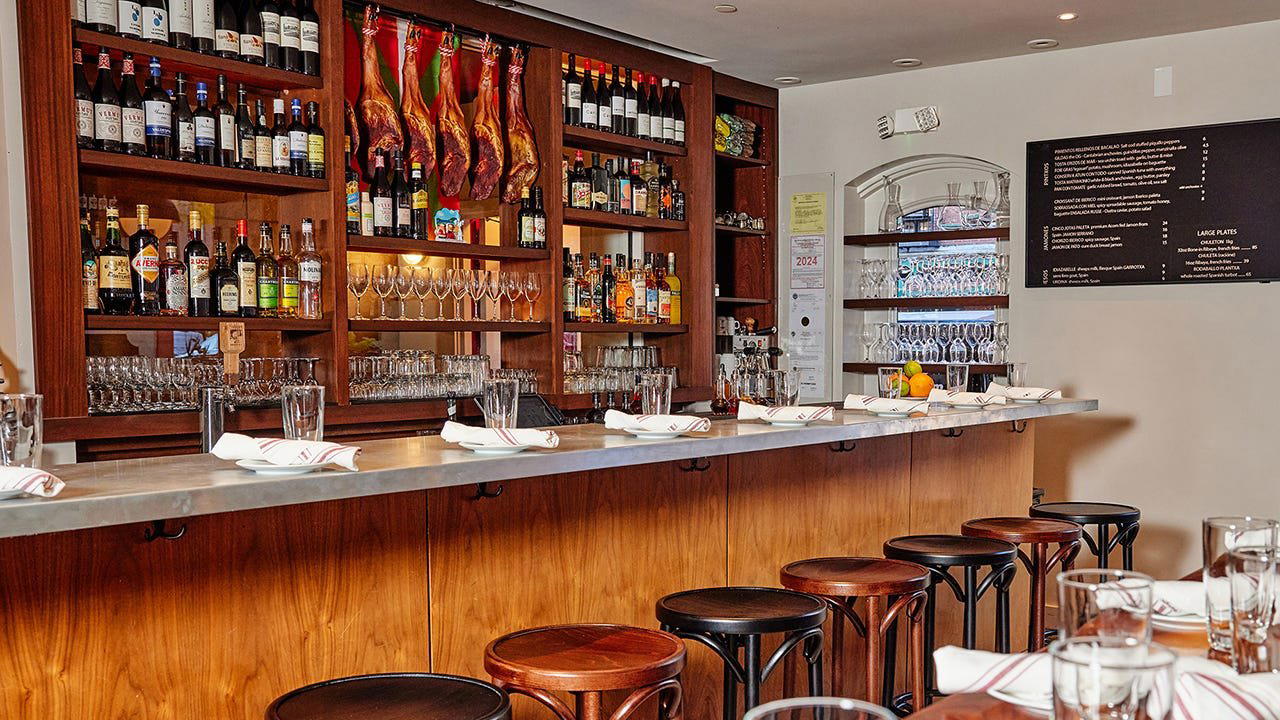
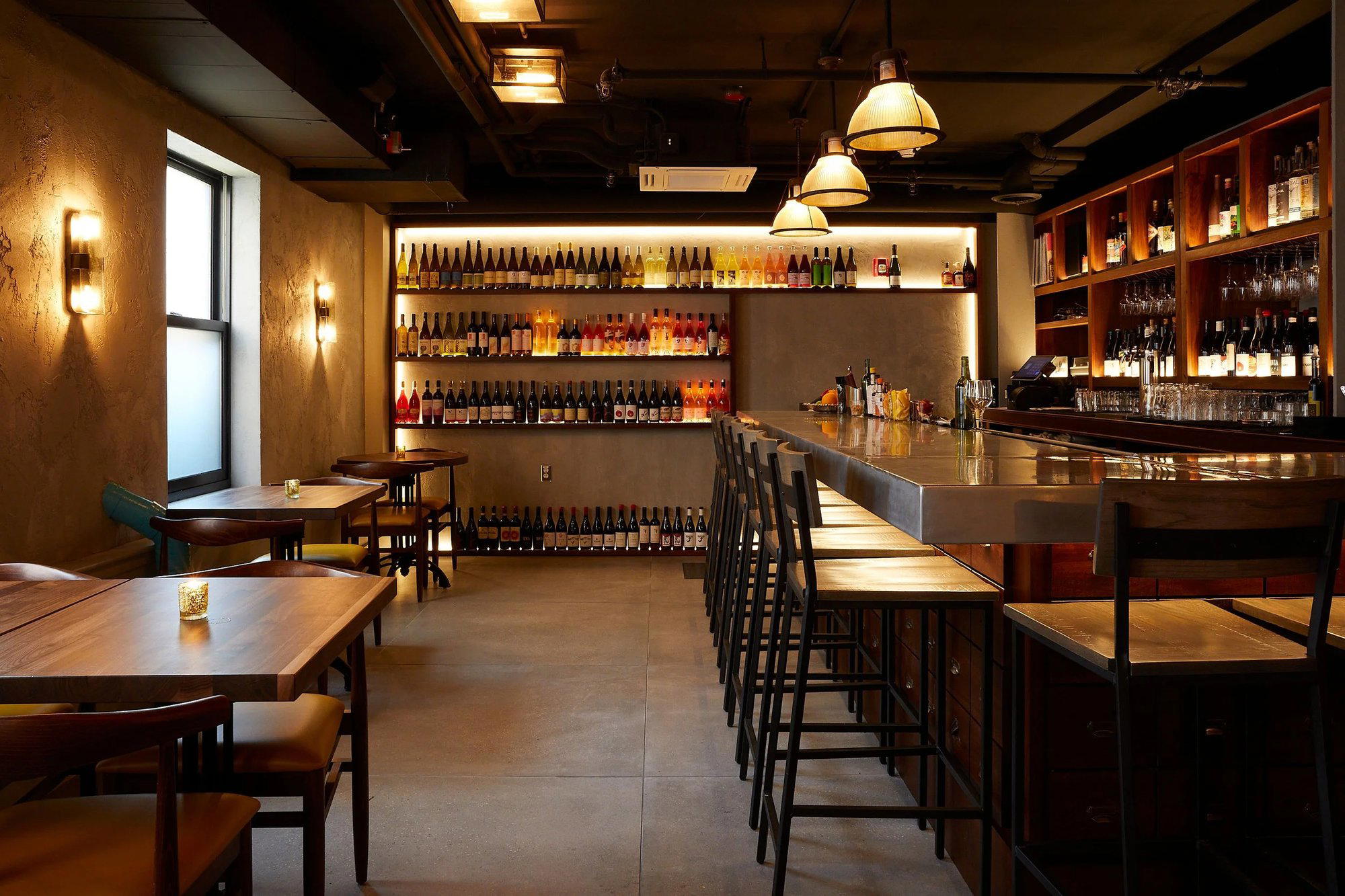
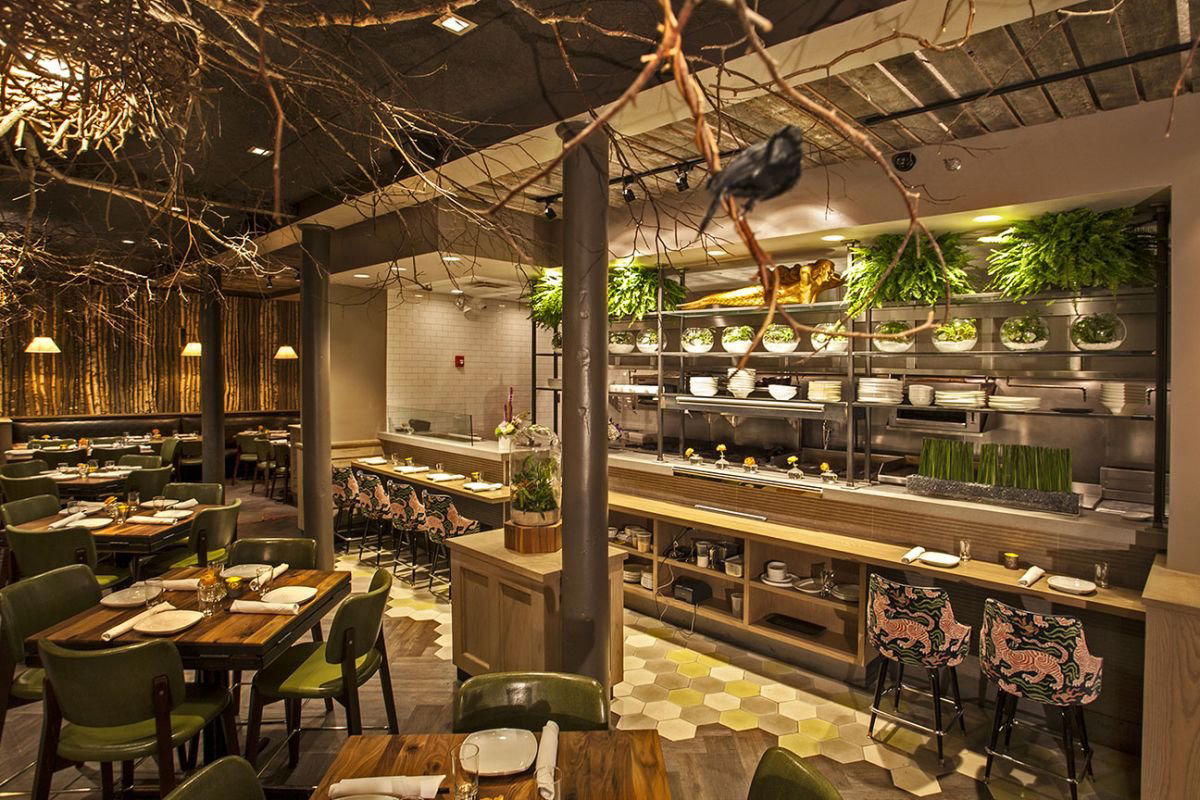
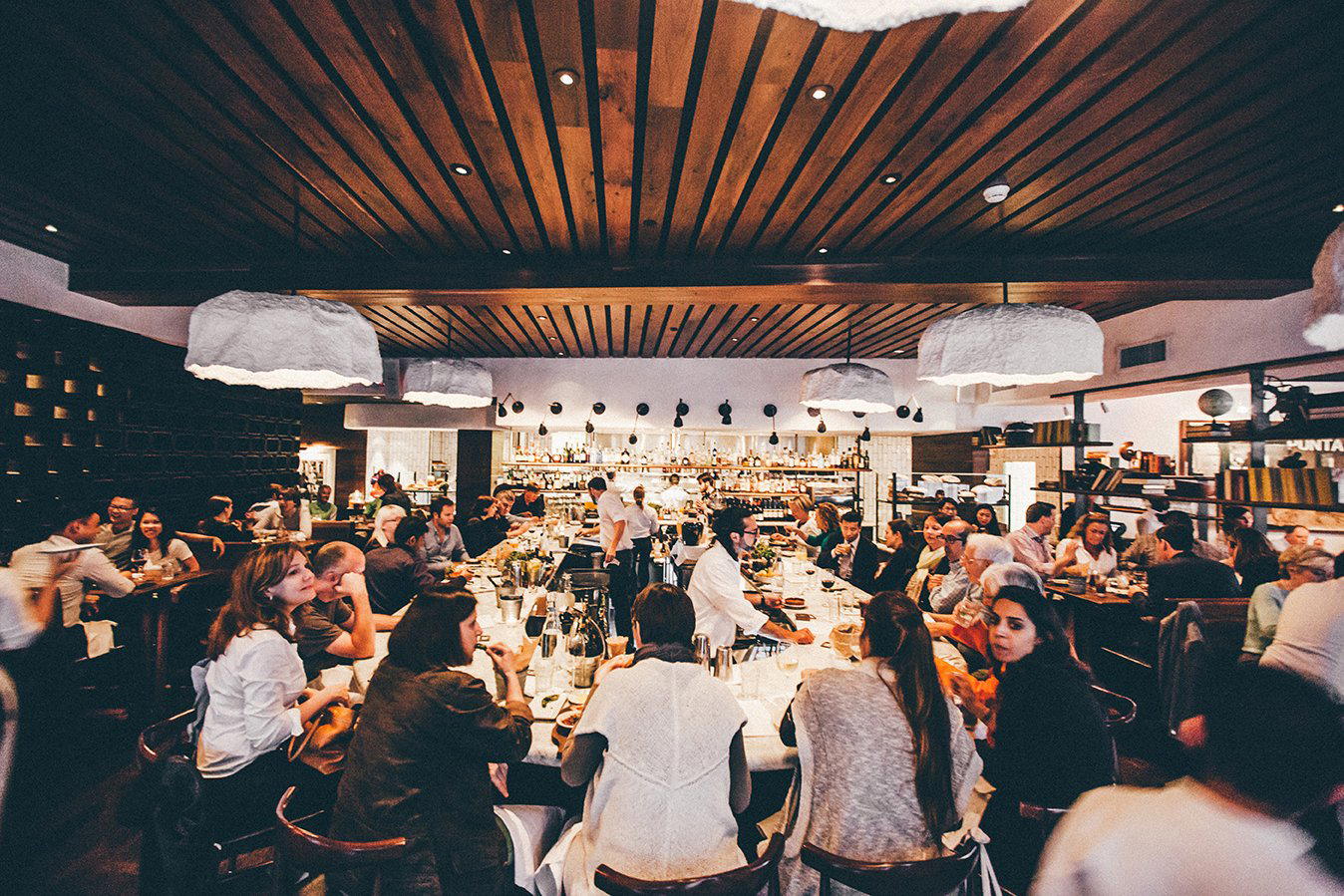
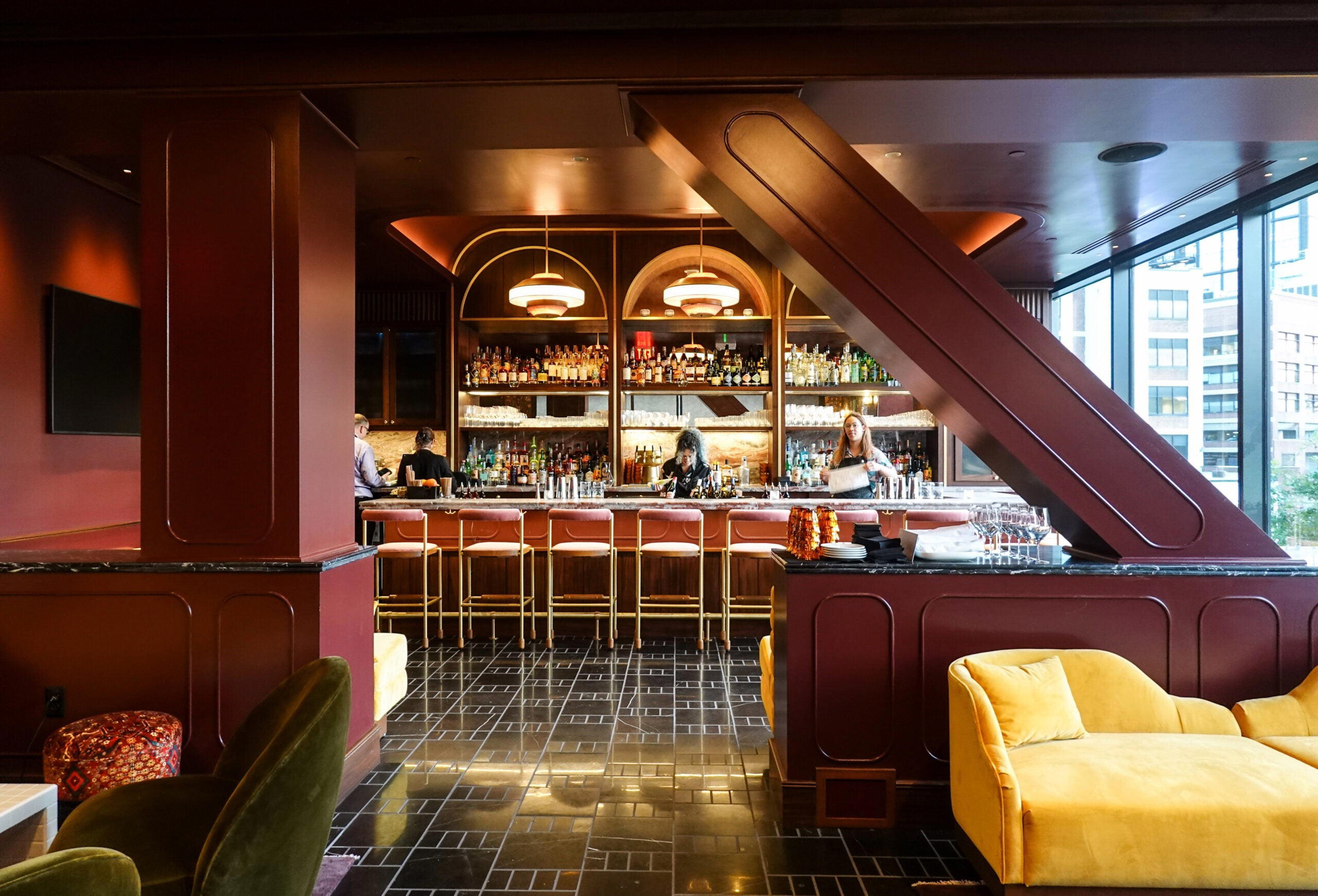
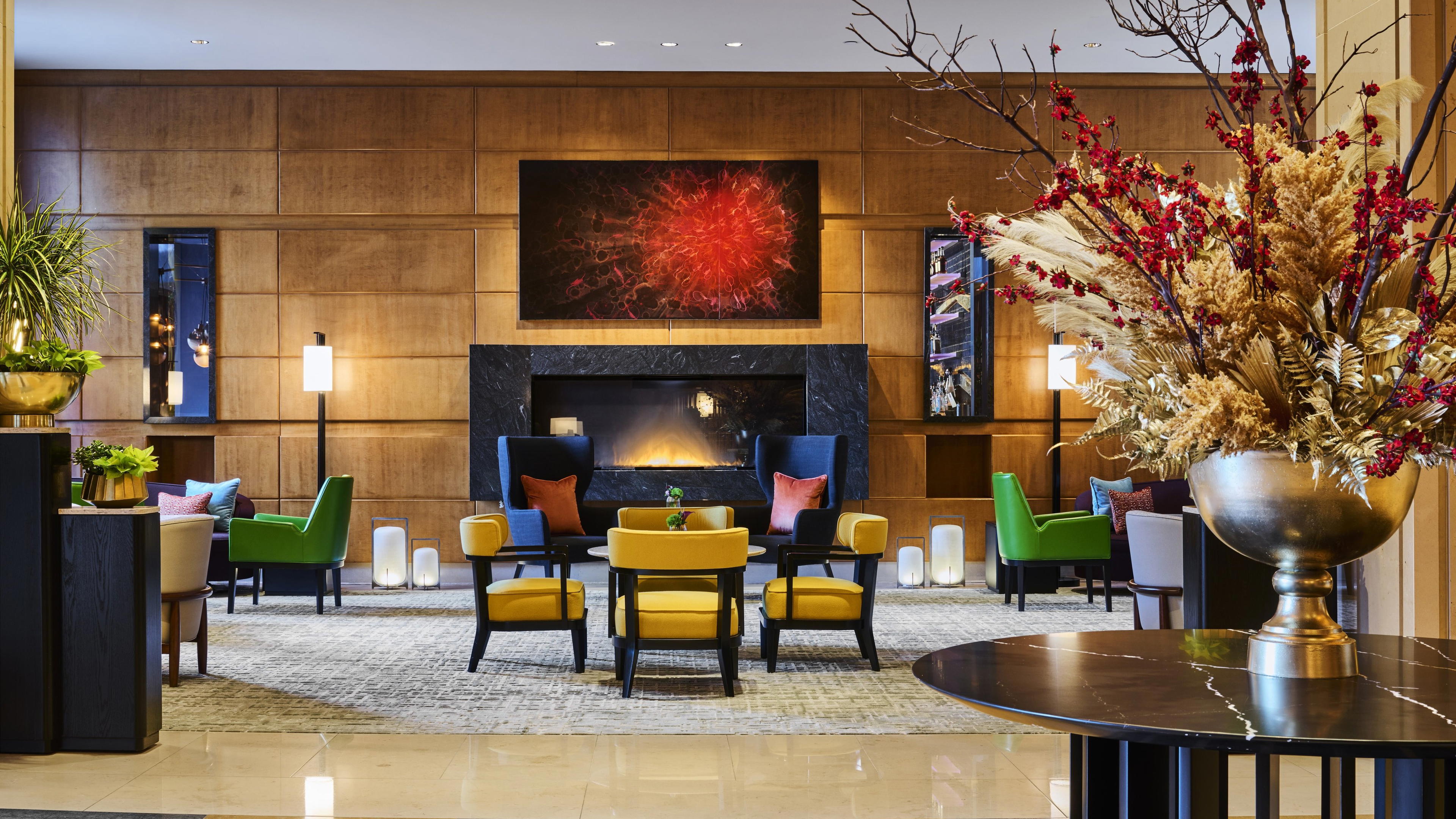
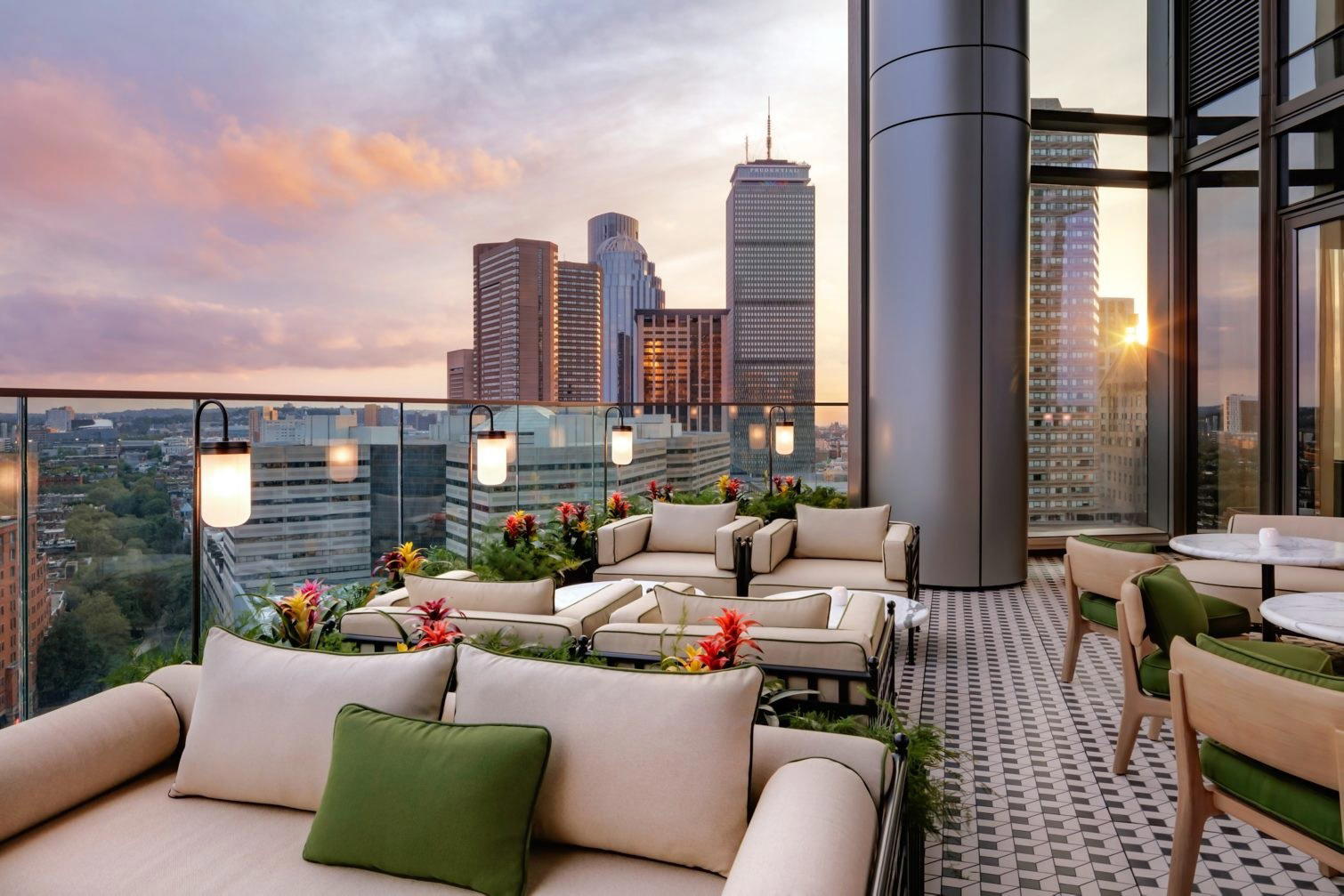
Cozy, bright, and energetic atmosphere with a busy central bar and lush greenery on the expansive outdoor patio.