Vela
Vela occupies a prominent address at 65 Seaport Blvd, positioning it within Boston's most commercially active waterfront corridor. The restaurant sits in a district that has shifted dramatically over the past decade, moving from industrial vacancy to a dense concentration of dining options across multiple price tiers. For readers tracking Boston's evolving fine-dining scene, Vela represents one data point in that broader Seaport transformation.
Pearl is the En Primeur Club membership app — saves, bookings, and concierge access live there. Same editors, same standards.
- Address
- 65 Seaport Blvd, Boston, MA 02210
- Phone
- +16173774640
- Website
- velaseaport.com
- Directions
- Get directions
 Saves & bookings on Pearl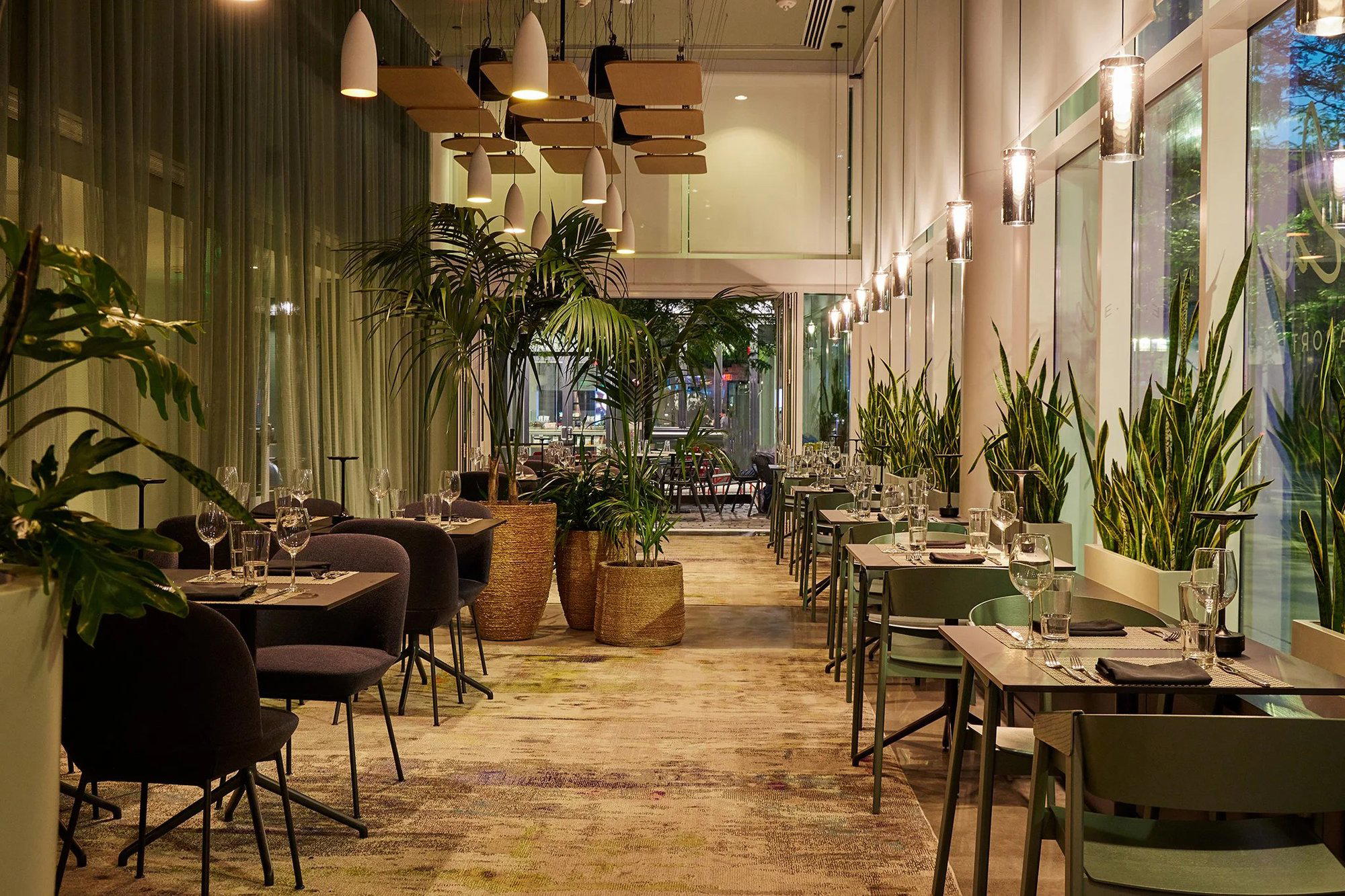
The Seaport Address and What It Signals
Standing at 65 Seaport Blvd, Vela occupies one of Boston's most contested dining corridors. The Seaport District has undergone more change per square block than almost any other neighbourhood in the city over the past fifteen years: a former industrial waterfront that accumulated glassy towers, hotel brands, and a dense restaurant layer faster than any established dining identity could take hold. That context shapes how any restaurant here gets read. Venues in the Seaport do not inherit neighbourhood credibility the way a spot on Newbury Street or in the South End might. They earn positioning through their own programming, format, and the comparable set they attract. Vela's address alone tells you it is operating in a high-cost, high-visibility environment where the ambient competition is broad and the diners are often split between expense-account business meals and occasion dining from across the metro area.
That kind of location pressure tends to sort restaurants quickly. The Seaport's dining layer includes waterfront seafood institutions like 75 on Liberty Wharf and the raw-bar tradition represented by spots like Neptune Oyster, alongside the broader Boston fine-dining circuit that runs through places like Agosto, the Portuguese-inspired tasting-menu counter that has become one of the city's more discussed chef's-counter formats. Vela's positioning within that spread is the operative question for any reader deciding how to allocate a dining night.
A District in Permanent Reinvention
The Seaport is an instructive case study in how dining scenes form under development pressure. Unlike neighbourhoods where restaurants predate the foot traffic, the Seaport's restaurant density arrived almost simultaneously with its residential and office towers, which means the area has been in a state of perpetual repositioning since it opened up. Concepts have opened, pivoted, and closed at a rate faster than most Boston neighbourhoods. That velocity of change rewards restaurants that hold a clear format and resist the temptation to drift toward whatever the current hotel-dining template happens to be.
This is the evolution frame that matters for Vela: not a single dramatic reinvention, but the ongoing pressure of operating in a district where the surrounding context keeps shifting. The restaurants that have maintained traction in the Seaport tend to be those with a defined point of view that does not require the neighbourhood itself to provide character. Compare that to the more settled dynamics at 1928 Rowes Wharf, which draws on the inherent gravitas of its historic waterfront address, or to 311 Omakase, where the format itself supplies all the necessary context regardless of location. Vela sits in a different position: a Seaport address that requires active cultivation of identity in a district still working out what it is.
Boston's Waterfront Dining in National Context
Boston's premium dining scene has historically punched below its weight relative to its economic profile. The city that produced institutional steakhouses like Abe and Louie's and built a serious omakase tier with venues like 311 Omakase has nonetheless been slower than New York, Chicago, or San Francisco to develop the dense critical mass of genre-defining restaurants that generates national conversation. The comparison set for ambitious American fine dining remains anchored elsewhere: Le Bernardin in New York for seafood precision, Alinea in Chicago for format-first ambition, The French Laundry in Napa for institutional authority. Lazy Bear in San Francisco, Providence in Los Angeles, Blue Hill at Stone Barns in Tarrytown, Addison in San Diego, The Inn at Little Washington, and Atomix in New York all represent the tier that Boston's most ambitious restaurants are measured against, whether or not the comparison is fair given the city's different scale and dining culture.
For the Seaport specifically, the waterfront dining model has global analogues worth considering. Properties like 8½ Otto e Mezzo Bombana in Hong Kong demonstrate how waterfront or high-visibility urban addresses can anchor serious fine dining when the format and credentials are strong enough to transcend the tourist-facing location pressure. The challenge for Seaport Boston is that the district's identity is still relatively thin compared to those long-established waterfront dining cultures.
What to Know Before You Go
Vela's address at 65 Seaport Blvd places it in the core of the Seaport District, accessible by Silver Line from South Station and walkable from several Seaport hotels. The neighbourhood is dense with options at multiple price points, which means spontaneous walk-in dining is possible nearby even if Vela itself requires advance planning. For readers building a broader Boston itinerary, the full Boston restaurants guide maps the city's dining tiers across neighbourhoods, which is useful context for deciding where Vela fits within a multi-night visit. Given the Seaport's concentration of corporate and occasion diners, evenings here tend to be busier than weekend lunches, and the district's parking and transit options are more developed than in older Boston neighbourhoods. Readers comparing waterfront dining formats should also note the contrast with 75 on Liberty Wharf, which operates in the same geographic pocket with a different positioning and format. For those whose Boston dining priorities lean toward format-driven tasting menus, Agosto and the omakase options in the broader city represent the strongest points of comparison. And for readers who appreciate the New Orleans dining tradition that helped shape American fine dining as it exists today, Emeril's in New Orleans and Single Thread Farm in Healdsburg offer instructive comparisons in terms of how destination restaurants build identity in competitive markets.
A Tight Comparison
Comparable venues nearby, for context on price, style, and recognition.
| Venue | Cuisine | Price | Notes |
|---|---|---|---|
| VelaThis venue — the venue you are viewing | Not listed | $$$ | Not listed |
| Common Craft Restaurant | Not listed | $$$ | South Boston, Upscale Gastropub with Craft Beverages |
| University of Massachusetts Club | Downtown, Contemporary American Seafood | $$$ | Not listed |
| Stephanie's On Newbury | Not listed | $$$ | Back Bay, Contemporary American Comfort Food |
| Back Bay Social | Back Bay, New American Bistro | $$ | Not listed |
| The Fed at The Langham, Boston | Not listed | $$$$ | Financial District, Polished American Pub Fare |
Continue exploring
More in Boston
Restaurants in Boston
Browse all →
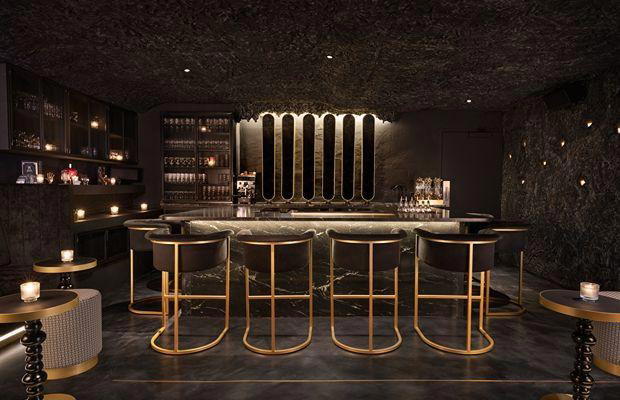
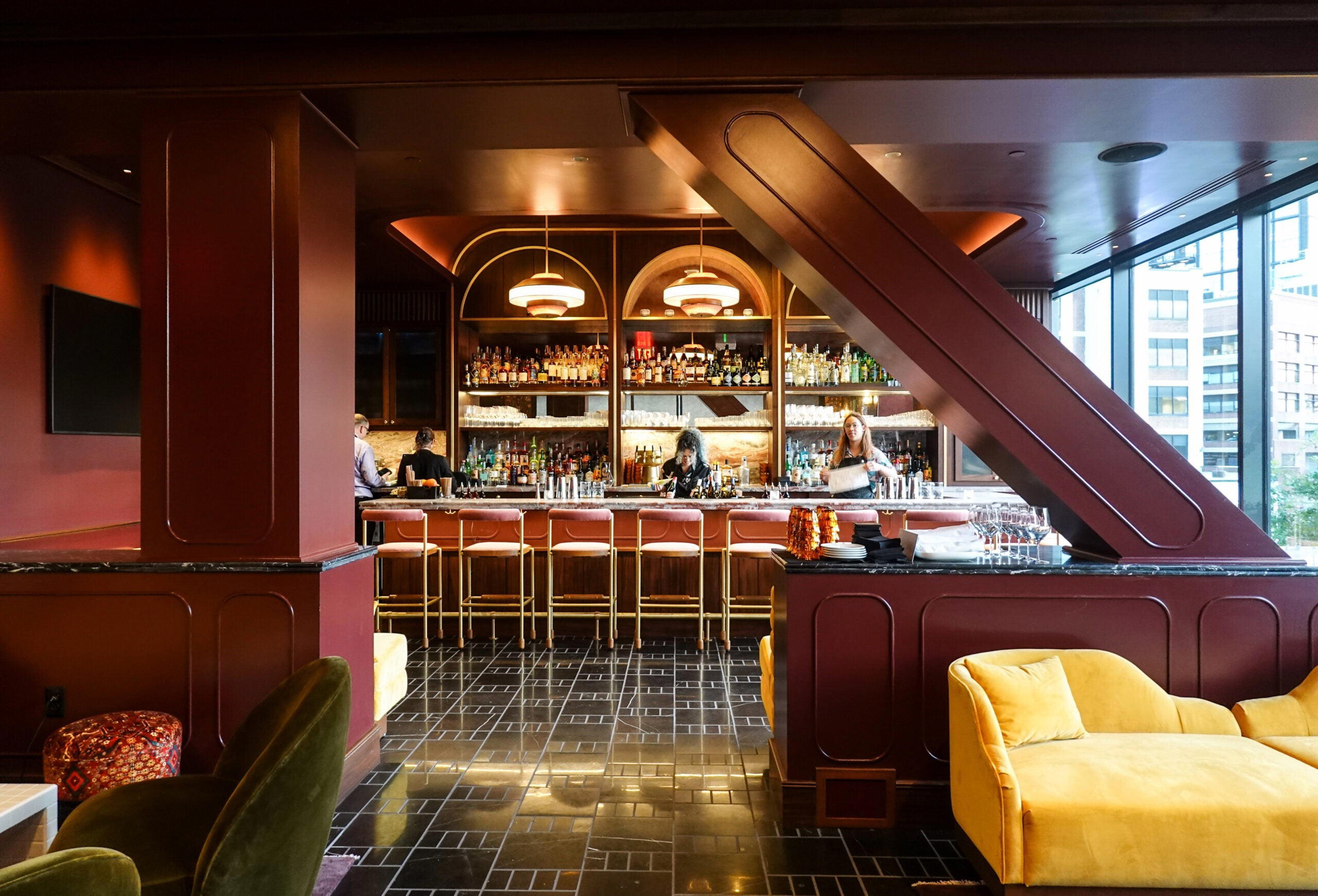
Bars in Boston
Browse all →
Hotels in Boston
Browse all →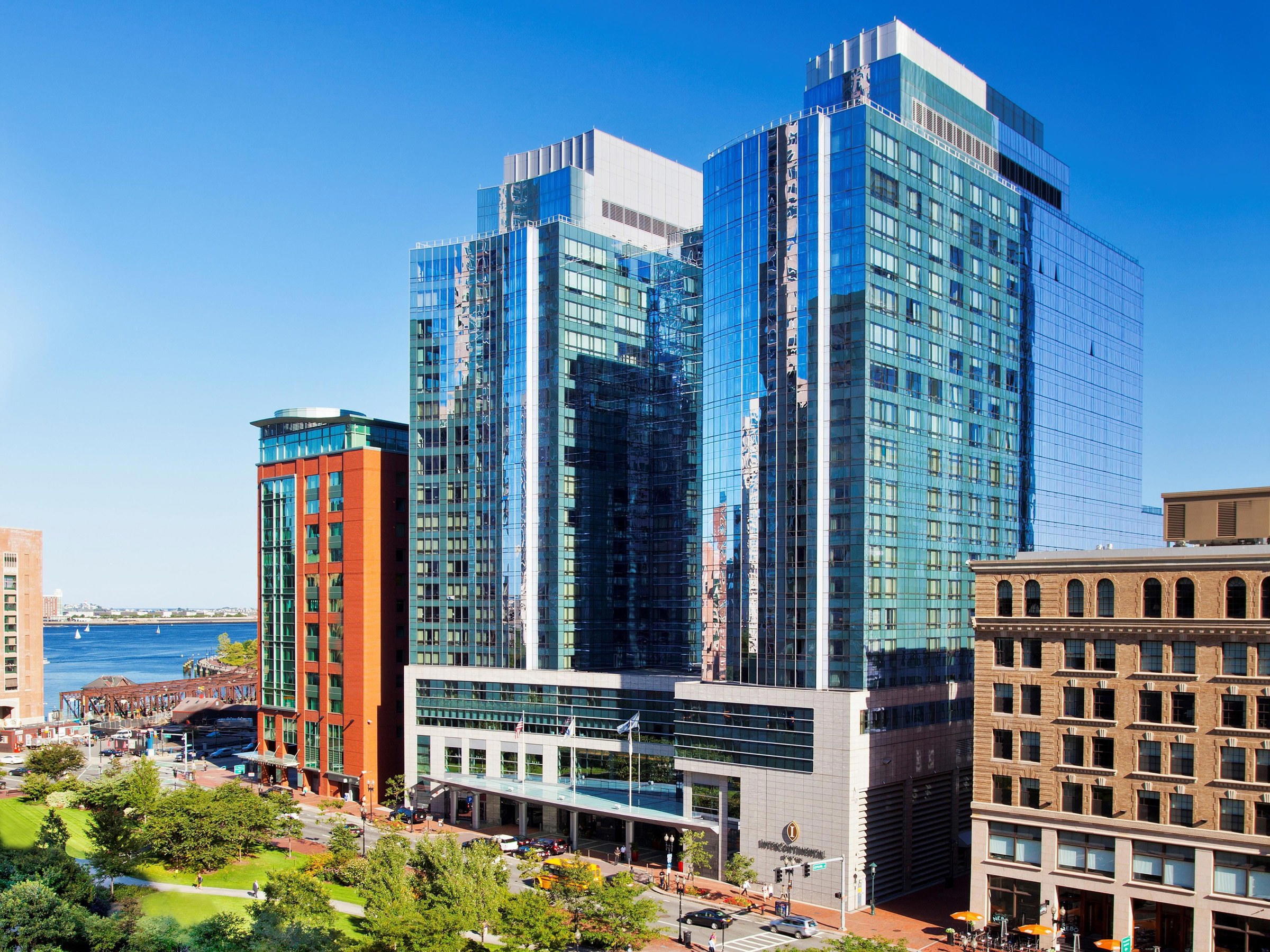
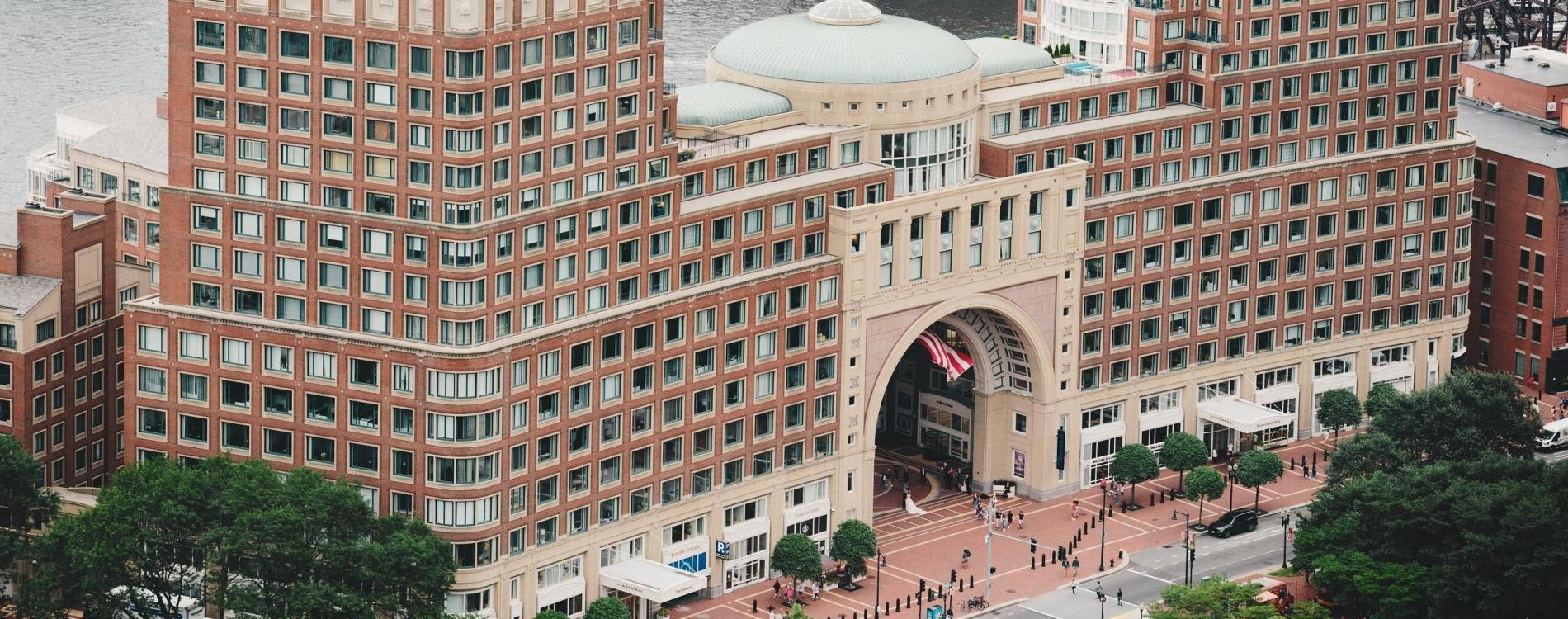
Wineries in Boston
Browse all →
At a Glance
- Modern
- Trendy
- Lively
- Brunch
- Business Dinner
- Casual Hangout
- Open Kitchen
- Hotel Restaurant
- Craft Cocktails
- Local Sourcing
- Street Scene
Current opening hours
- Monday
- 6:30 AM–10:30 PM
- Tuesday
- 6:30 AM–10:30 PM
- Wednesday
- 6:30 AM–10:30 PM
- Thursday
- 6:30 AM–10:30 PM
- Friday
- 6:30 AM–11:30 PM
- Saturday
- 12–11:30 PM
- Sunday
- 12–10:30 PM
Hours can change for holidays and private events. Last verified .
Bright and airy with expansive windows and floor-to-ceiling curtains creating a lively, modern atmosphere.