"Genuine Hospitality and Cuisine On arrival to Istanbul, many tourists order the chicken şiş (chicken kebab) for a meal because it's familiar and safe, but they're missing out on notable food in the world! I encourage anyone visiting Turkey to gastro-travel through the country's tasty cuisine and sample the many Ottoman dishes and succulent regional kebabs on offer. My favorite place to take guests is Fuego Cafe & Restaurant in Sultanahmet. Fuego opened in early 2012 and is fast becoming among the more reputable restaurants in the tourism precinct. The outstanding service by owner-operators Can, Ali, Mehmet and Salih has earned the restaurant accolades. Try the Ali Nazik (minced beef on yogurt, eggplant and tomato mash), Hünkar Beğendi (tender lamb on a bed of smoked eggplant puree) or pilic dolma (stuffed chicken with a rich saffron sauce) and wash it down with a glass of Turkish wine from the comprehensive wine list. The restaurant is also open late, so pop in for a nightcap or two on your way back to your hotel. If you're a coffee drinker, ask Can, a former barista, to brew you a cappuccino, latte, espresso, French coffee, Irish coffee, or even a herbal tea. Fuego welcomes guests for breakfast, lunch, and dinner all through the year and can accommodate people with food intolerances, just ask your waiter for recommendations."
Pearl is the En Primeur Club membership app — saves, bookings, and concierge access live there. Same editors, same standards.
- Address
- Alemdar, İncili Çavuş Sk. 15A, 34110 Fatih/İstanbul, Türkiye
- Phone
- +90 530 076 20 86
- Website
- fuegocaferestaurant.com
- Directions
- Get directions
 Saves & bookings on Pearl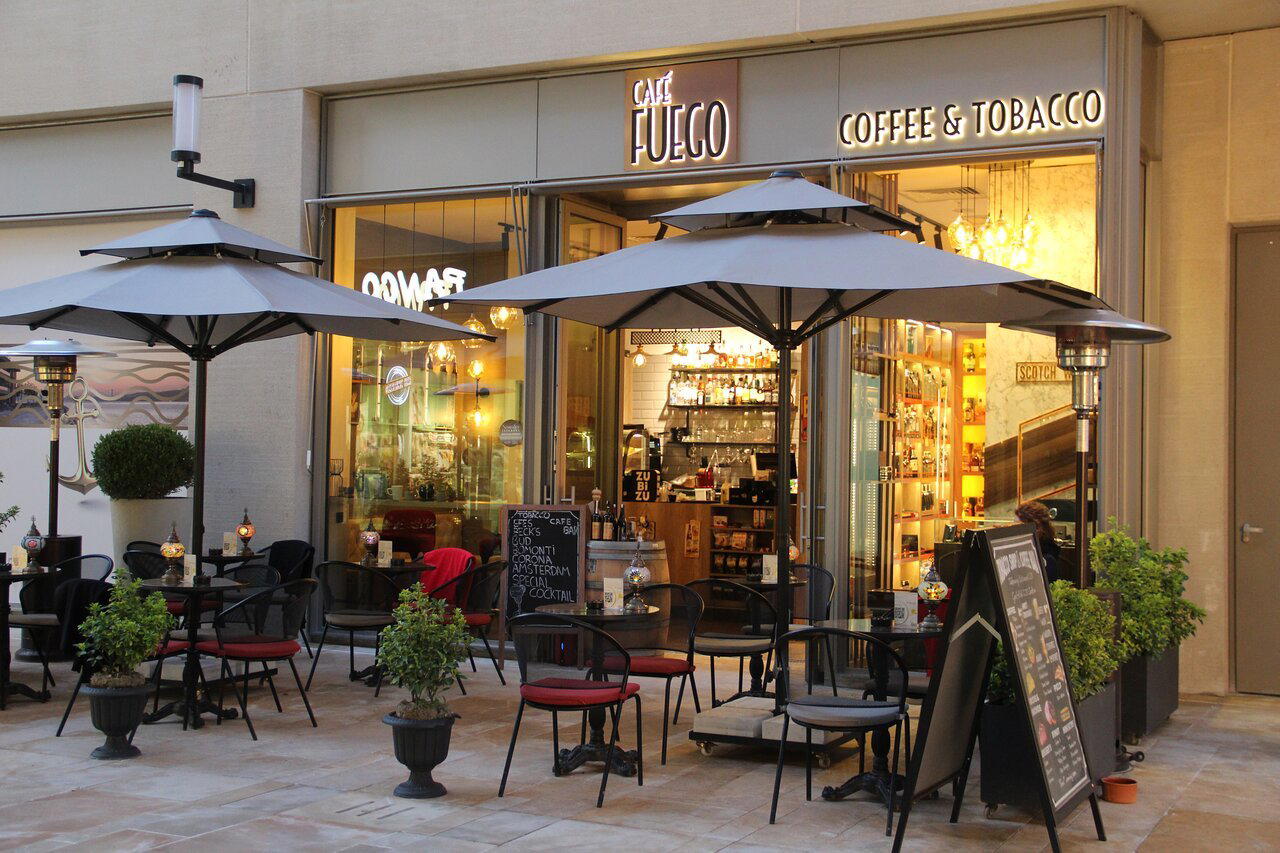
Fatih's Dining Scene and the Street That Frames Fuego
İncili Çavuş Sokak cuts through one of Istanbul's most historically dense quarters. Fatih sits at the peninsula's core, a neighbourhood where Byzantine foundations underlie Ottoman structures, where the city's oldest religious and civic life concentrated for centuries. Dining in this part of Istanbul has historically meant local meyhanes, neighbourhood kebab houses, and tea gardens rather than restaurants oriented toward international visitors. That makes the stretch around Alemdar a transition zone: close enough to Sultanahmet's tourist current to catch foot traffic, far enough inside Fatih's residential character to attract a genuinely mixed crowd. It is in this layered geography that Fuego Cafe and Restaurant operates, at address 15A on that narrow street.
Across Turkey, the broader conversation in dining has shifted toward how kitchens reconcile local product with globally absorbed technique. Places like Turk Fatih Tutak and Mikla have built their reputations at the ₺₺₺₺ tier by anchoring menus in Anatolian ingredients while applying French and Nordic methods. Neolokal does something similar from its rooftop in the historic Han. Fuego operates in a different register, a neighbourhood cafe-restaurant format rather than a high-investment tasting menu room, but the underlying tension between imported culinary logic and indigenous product plays out at every price tier in Istanbul, including here.
Local Ingredients, Imported Methods: How the Approach Takes Shape in Fatih
The editorial angle that applies across Istanbul's current dining moment is this: technique travels, but ingredient character is place-specific. In practical terms, that means a kitchen drawing on Turkish pantry depth, the dried fruits of the Aegean interior, the spice routes that still thread through the bazaar district two streets away, the bosphorus fish markets, the dairy traditions of central Anatolia, while applying temperature control, emulsification, or reduction logic absorbed from culinary training that looks westward. This intersection is not distinctive to high-end rooms. It shows up in neighbourhood restaurants that have absorbed the broader shift in Istanbul's cooking culture over the past decade.
For a cafe-restaurant in Fatih's Alemdar quarter, that might mean a menu that moves between the familiar comfort of Turkish breakfast culture, midday dishes built around seasonal produce from the city's wholesale markets at Bayrampaşa, and evening plates where the grill or open fire implied by the venue's name plays a structural role. Whether that means wood fire, charcoal, or simply a commitment to high-temperature cookery, it places the kitchen in a different category than Istanbul's cold-preparation meyhane tradition.
Seasonality matters particularly in this part of the city. Late spring through early autumn is when Istanbul's produce arrives in its most distinct form: the sweet peppers of late July, the aubergines that appear in August, the pomegranates that shift the colour of the market stalls in September. A neighbourhood restaurant in Fatih with access to these markets, and a cooking method that applies heat to draw out rather than obscure their character, operates with an ingredient advantage that more formal rooms sometimes sacrifice in favour of consistency. For those visiting in summer, the overlap of peak produce season with Istanbul's outdoor dining hours makes the Alemdar area worth factoring into an evening plan.
Positioning in Istanbul's Wider Dining Context
Istanbul's restaurant scene has consolidated around a small number of internationally recognised rooms at the high end, places that appear in Arkestra's fusion tier or in the Casa Lavanda category for traditional cuisine. What exists below that tier is a much larger, less documented set of neighbourhood restaurants that carry the actual daily eating life of the city. Fuego belongs to that middle register: accessible in format, rooted in a specific street address, and positioned for the kind of visitor who is moving through Sultanahmet or Fatih and wants something more embedded in local rhythm than the tourist-facing restaurants around the Blue Mosque perimeter.
For context on how the local-technique intersection plays out at other price points and geographies across Turkey, Maçakızı in Bodrum applies Aegean produce to a more resort-inflected format, while Narımor in Izmir works within the Aegean coast's distinct ingredient identity. In Cappadocia, Nahita Cappadocia and Aravan Evi in Ürgüp move through the same local-versus-imported question in a volcanic landscape where the ingredient palette runs toward valley herbs and cave-matured wines. Seafood in a more direct, less processed register appears at Poyraz Sahil Balık Restaurant in Beykoz along the Bosphorus. The pattern across all of these is that the tension between method and material is the defining characteristic of ambitious Turkish cooking right now, regardless of tier. Fuego, positioned in one of the city's most historically loaded neighbourhoods, participates in that conversation at street level.
Further afield, Mezegi in Fethiye, Ahãma in Göcek, and Divia by Maksut Aşkar in Marmaris show how the Aegean and Mediterranean coastline produces its own variant of this dynamic. Internationally, the structural parallel is closest to what restaurants like Le Bernardin in New York City and Lazy Bear in San Francisco represent at the premium end: a strong point of view on technique applied to the leading available local material, with the technique serving the ingredient rather than overwhelming it.
Planning a Visit: Practical Notes for the Alemdar Quarter
Fuego Cafe and Restaurant sits at Alemdar, İncili Çavuş Sokak 15A in the Fatih district, reachable on foot from Sultanahmet tram stop in under ten minutes. The surrounding streets are among Istanbul's most walkable, with the Topkapi Palace grounds and the Grand Bazaar both within reasonable distance. Opening hours run daily from 9 AM to midnight, and reservations are recommended. The neighbourhood is generally more accessible in the first half of the day and early evening; late-night foot traffic thins quickly on the residential streets around İncili Çavuş. Additional context on more traditional neighbourhood formats can be found at Agora Pansiyon in Milas and Kokorecci Asim Usta in Bornova, both of which represent the regional specificity that defines the lower end of Turkey's dining spectrum.
- Shepherd's Kebab
- Ali Nazik
- Hünkar Beğendi
- Sultan's Favourite
- Lamb Chop Casserole
- Adana Kebab
- Pottery Pot Dishes
Peers in This Market
Comparable venues nearby, for context on price, style, and recognition.
| Venue | Cuisine | Price | Notes |
|---|---|---|---|
| Fuego Cafe & RestaurantThis venue — the venue you are viewing | Traditional Turkish & Ottoman Cuisine | $$ | Not listed |
| Karakoy Gulluoglu | Traditional Turkish Baklava | $$ | Karakoy |
| Makarna Sariyi | Turkish Pasta House | $$ | Molla Fenari |
| Dürümcü Musa Usta Taşoluk | Turkish Dürüm and Kebap | $$ | Arnavutköy |
| Last Ottoman Cafe & Restaurant | Authentic Turkish Ottoman Cuisine | $$ | Hocapasa |
| Albura Kathisma | Traditional Turkish Kebab House | $$ | Sultan Ahmet |

At a Glance
- Cozy
- Lively
- Casual Hangout
- Group Dining
- Family
- Date Night
- Live Music
- Standalone
- Terrace
- Beer Program
- Local Sourcing
- Organic
Current opening hours
- Monday
- 9 AM–12 AM
- Tuesday
- 9 AM–12 AM
- Wednesday
- 9 AM–12 AM
- Thursday
- 9 AM–12 AM
- Friday
- 9 AM–12 AM
- Saturday
- 9 AM–12 AM
- Sunday
- 9 AM–12 AM
Hours can change for holidays and private events. Last verified .
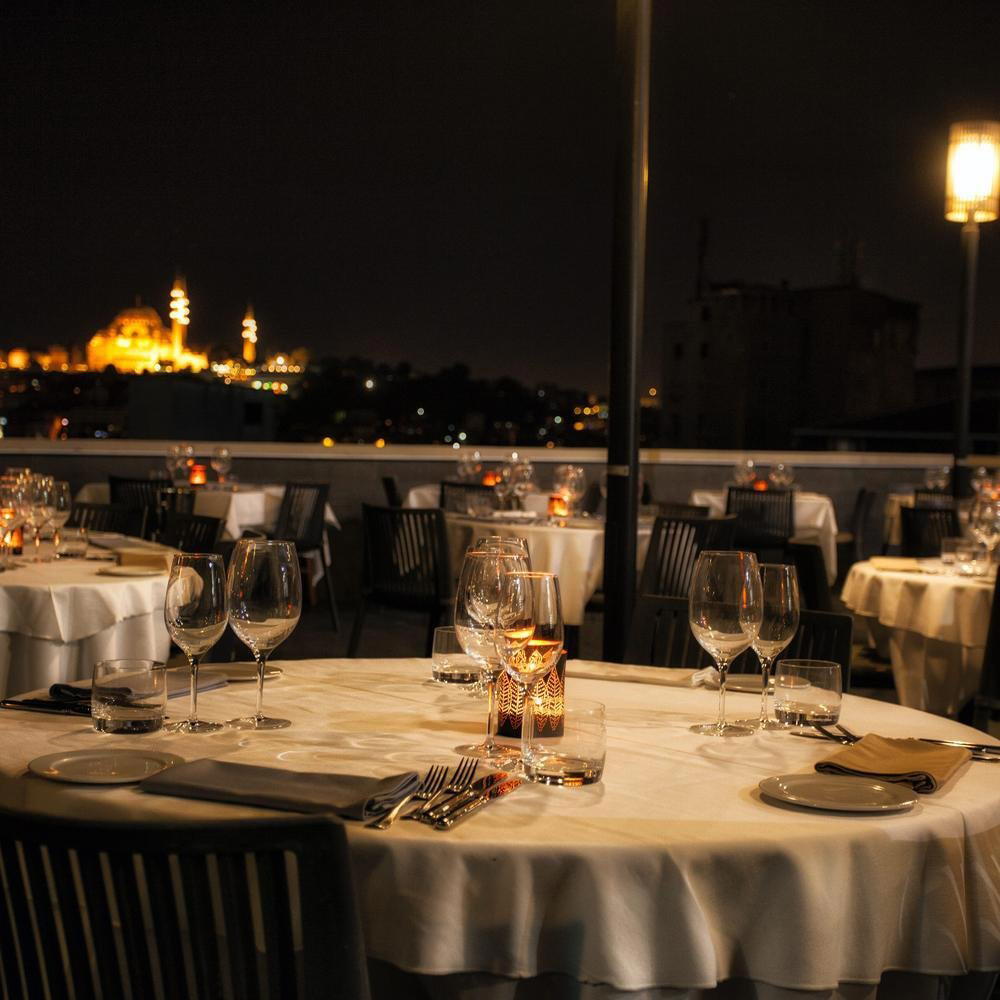
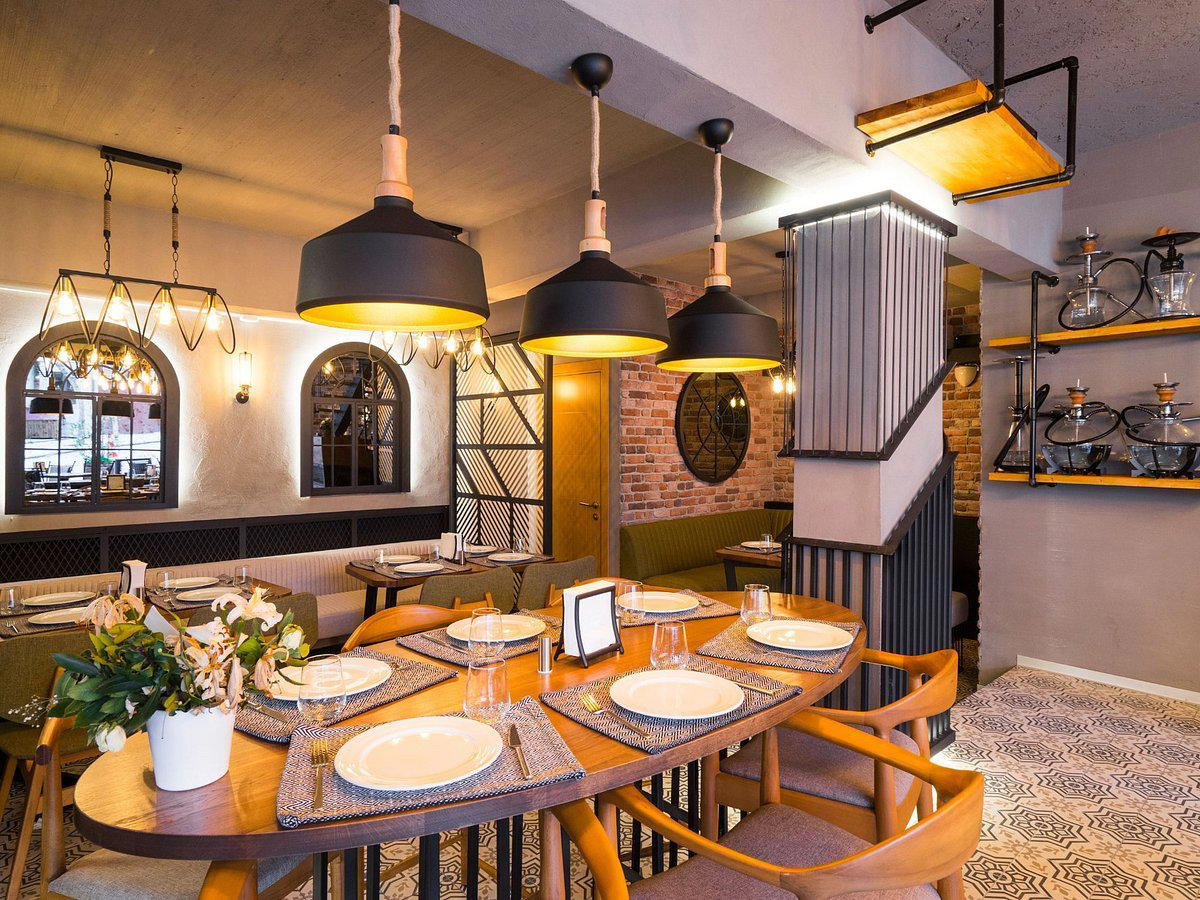
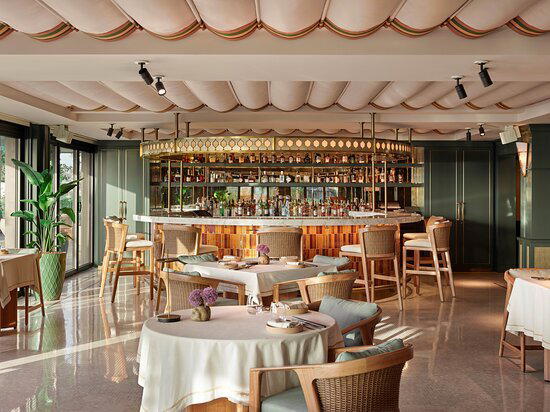
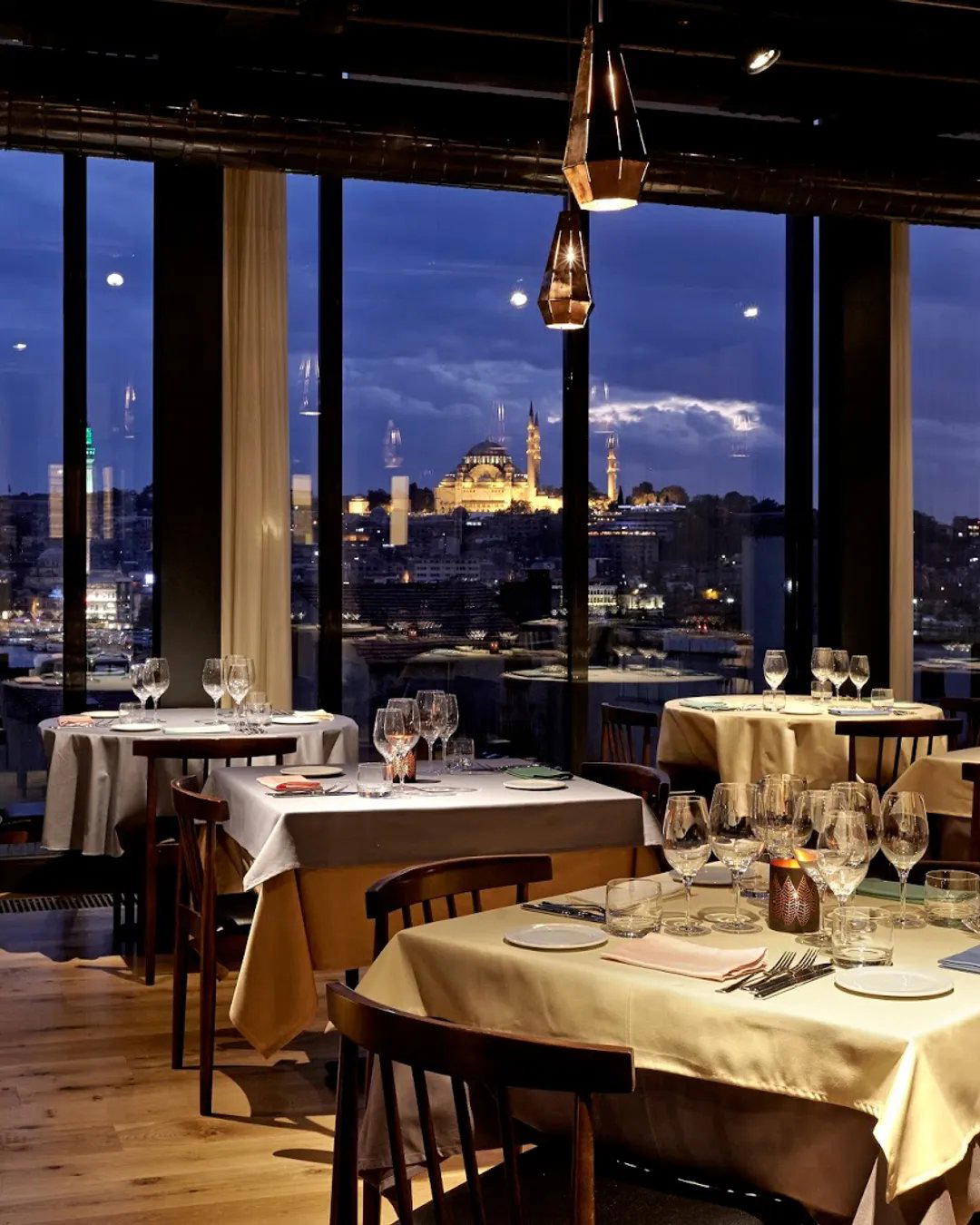
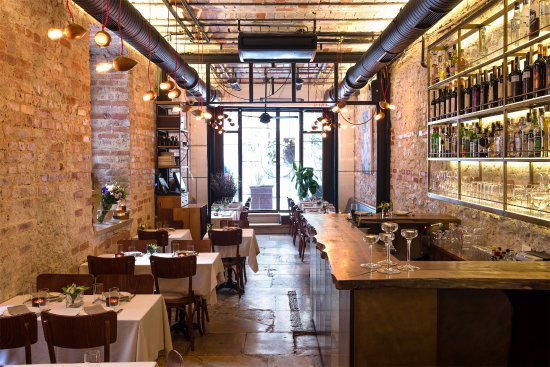
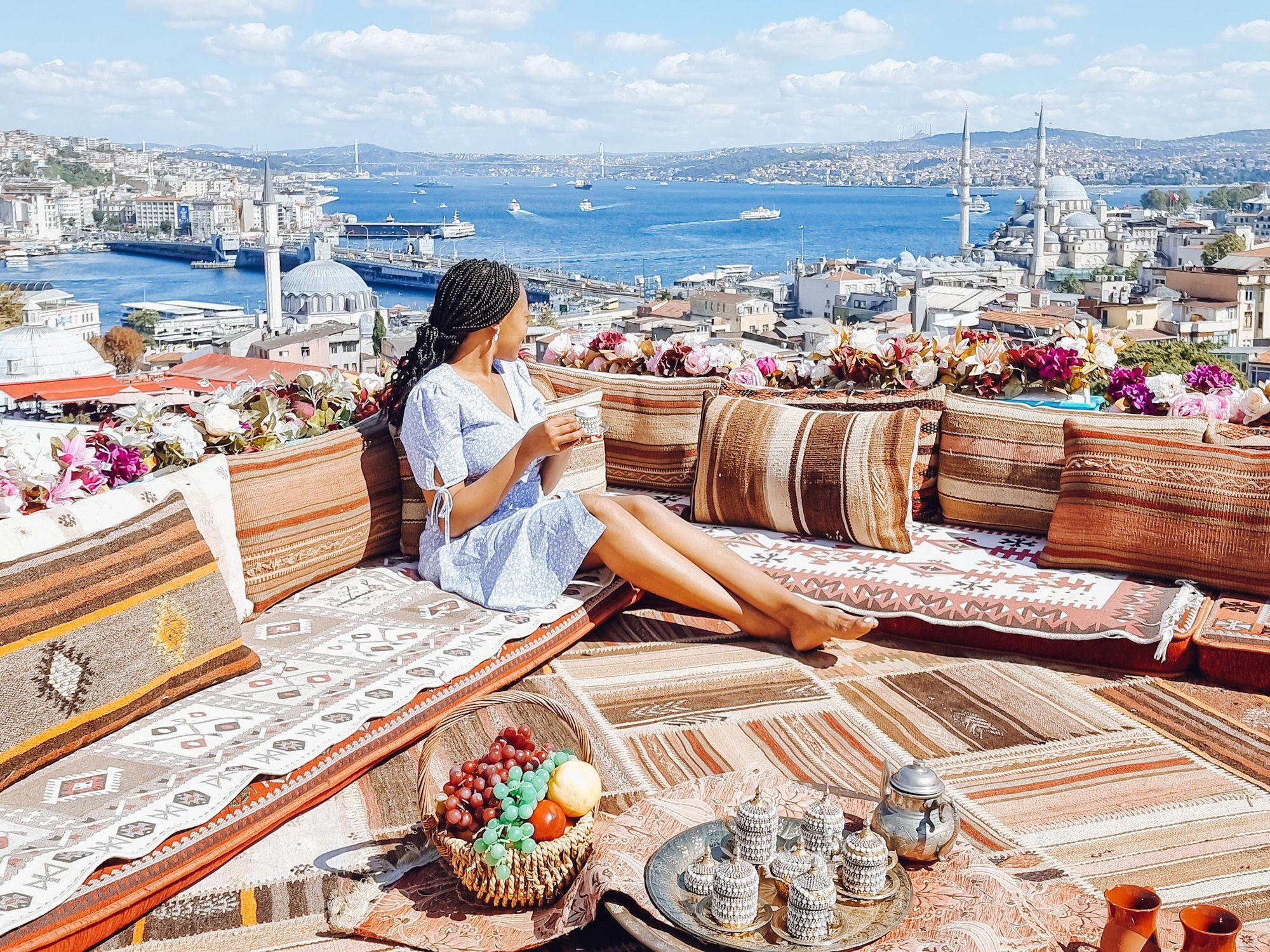
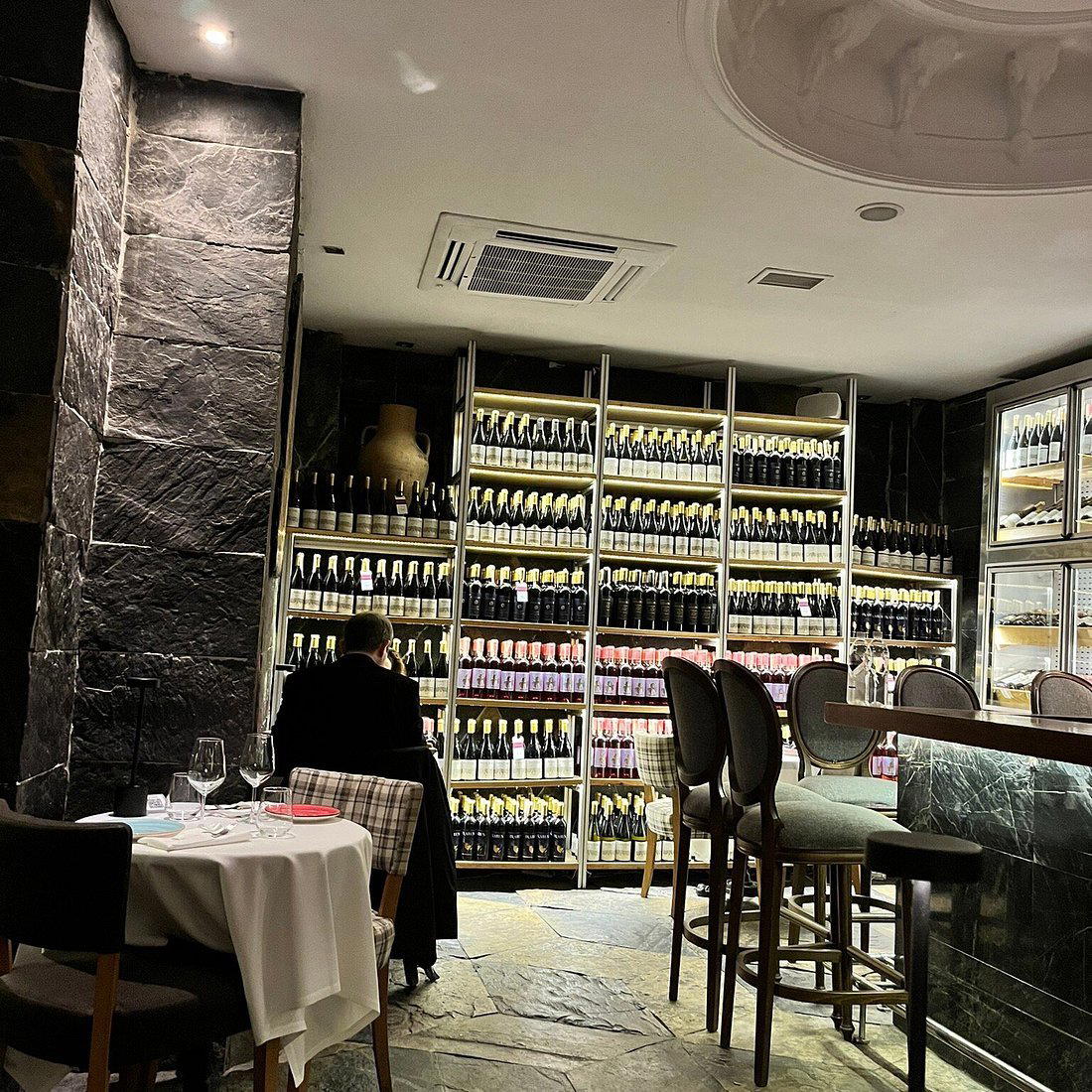
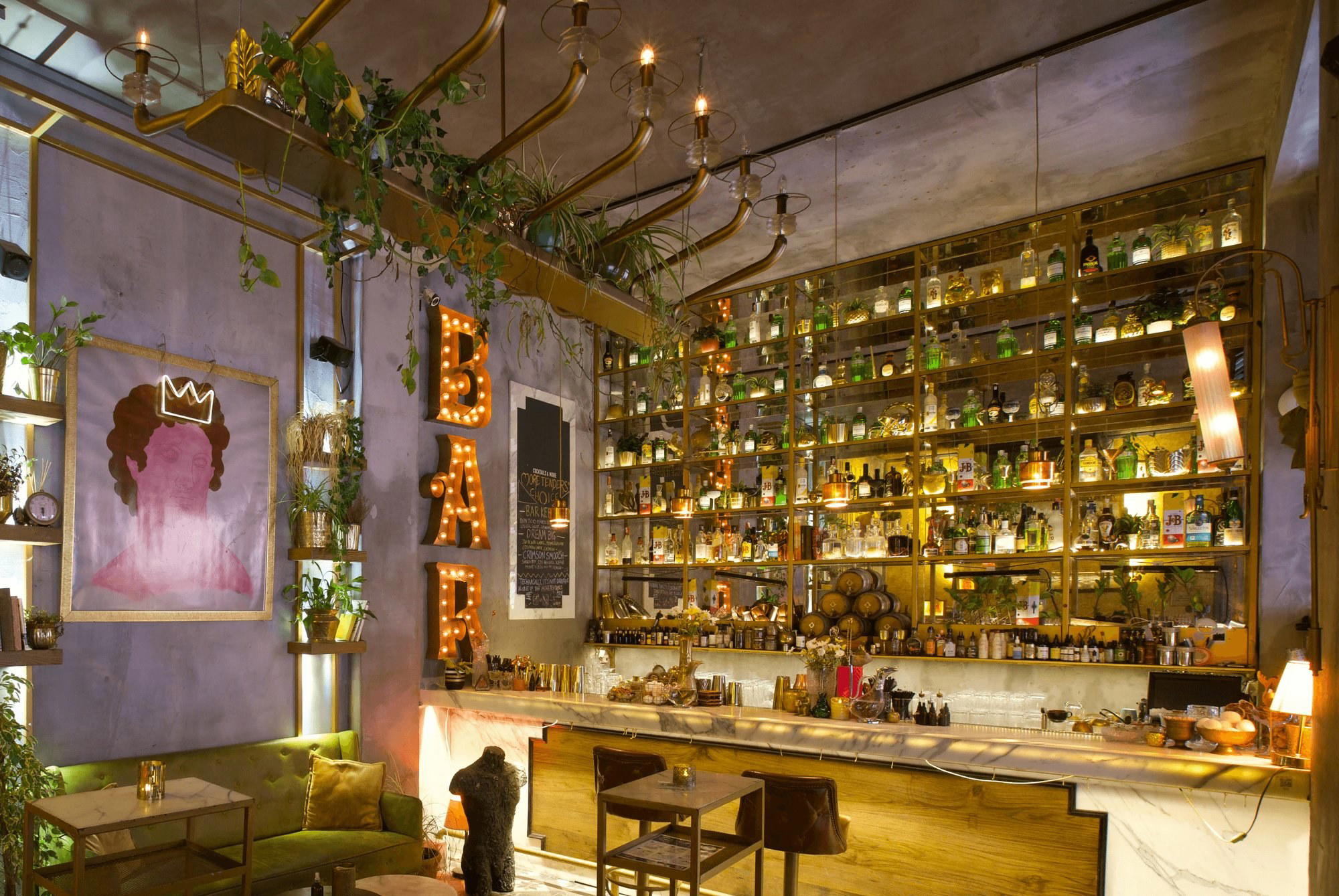
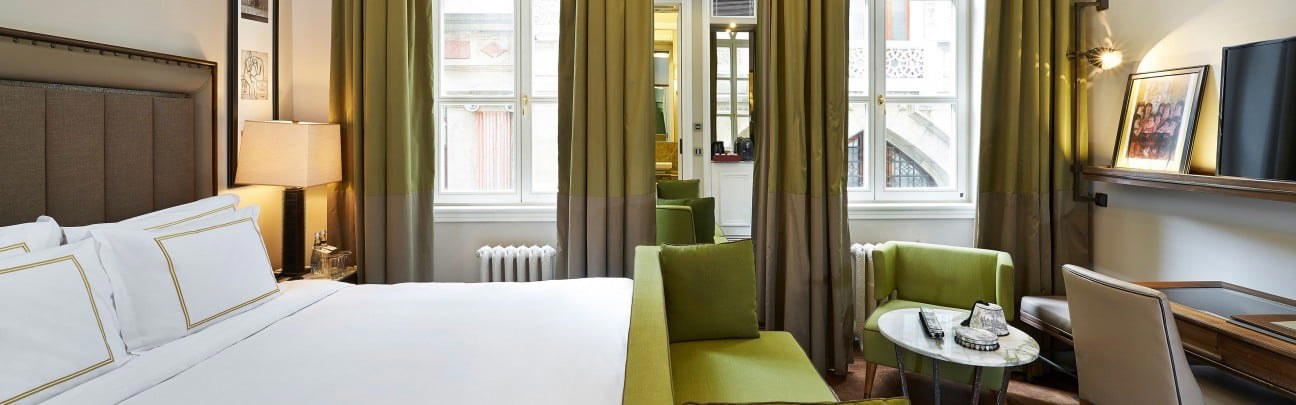
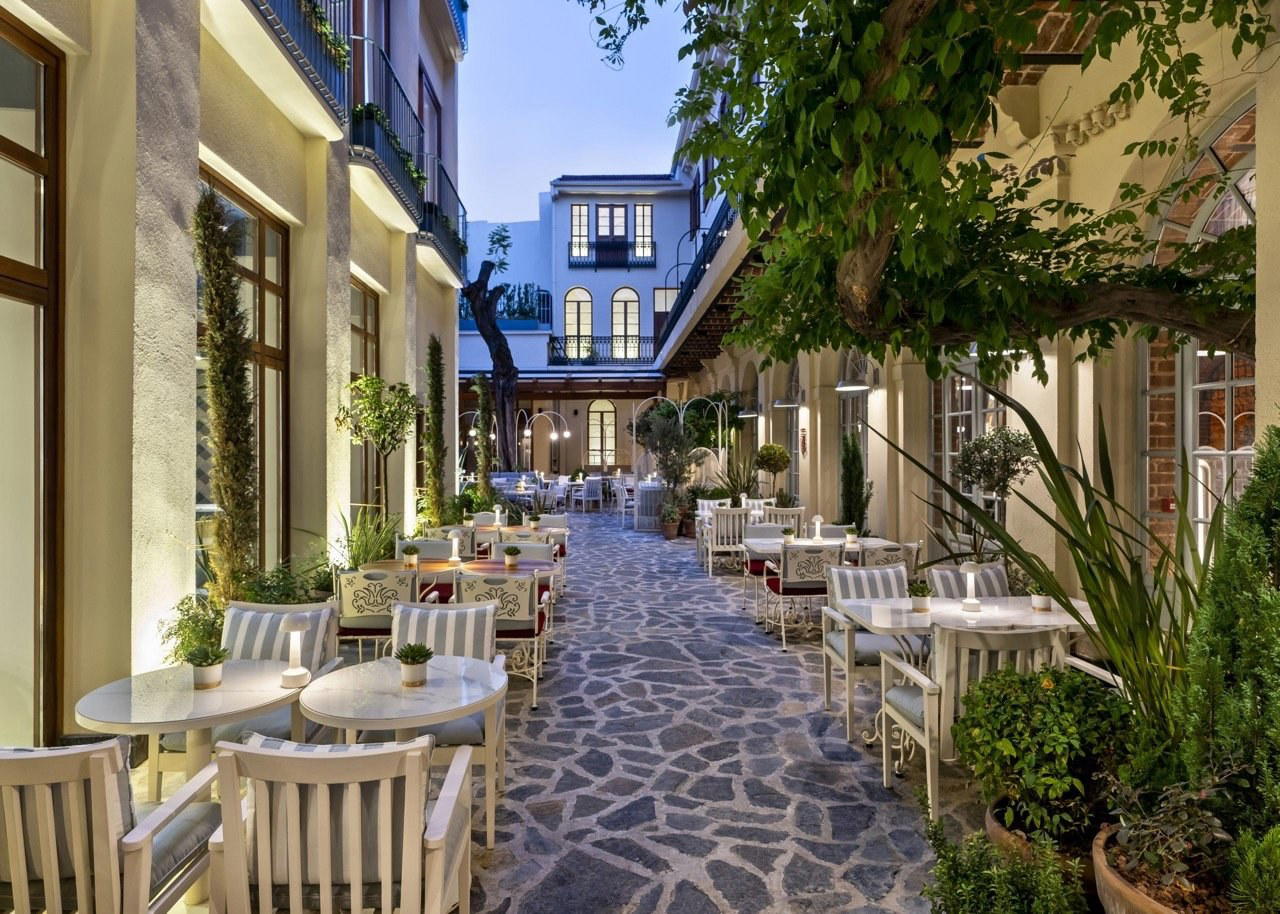
Contemporary, clean interior with warm and welcoming atmosphere; cozy side street location ideal for people-watching; pleasant mix of indoor air-conditioned seating and outdoor areas.