Our verdict
On Vezirhan Caddesi in Fatih, Makarna Sariyi occupies a corner of Istanbul where the Ottoman street grid still holds its original logic. The restaurant sits inside Istanbul's pasta-focused dining conversation, drawing visitors who want something more grounded than the high-concept modern Turkish menus that dominate the city's upper price brackets. It is one of the more specific addresses in a neighbourhood better known for its mosques than its dining rooms.

Pearl is the En Primeur Club membership app — saves, bookings, and concierge access live there. Same editors, same standards.
A Street in Fatih That Hasn't Caught Up With the Hype
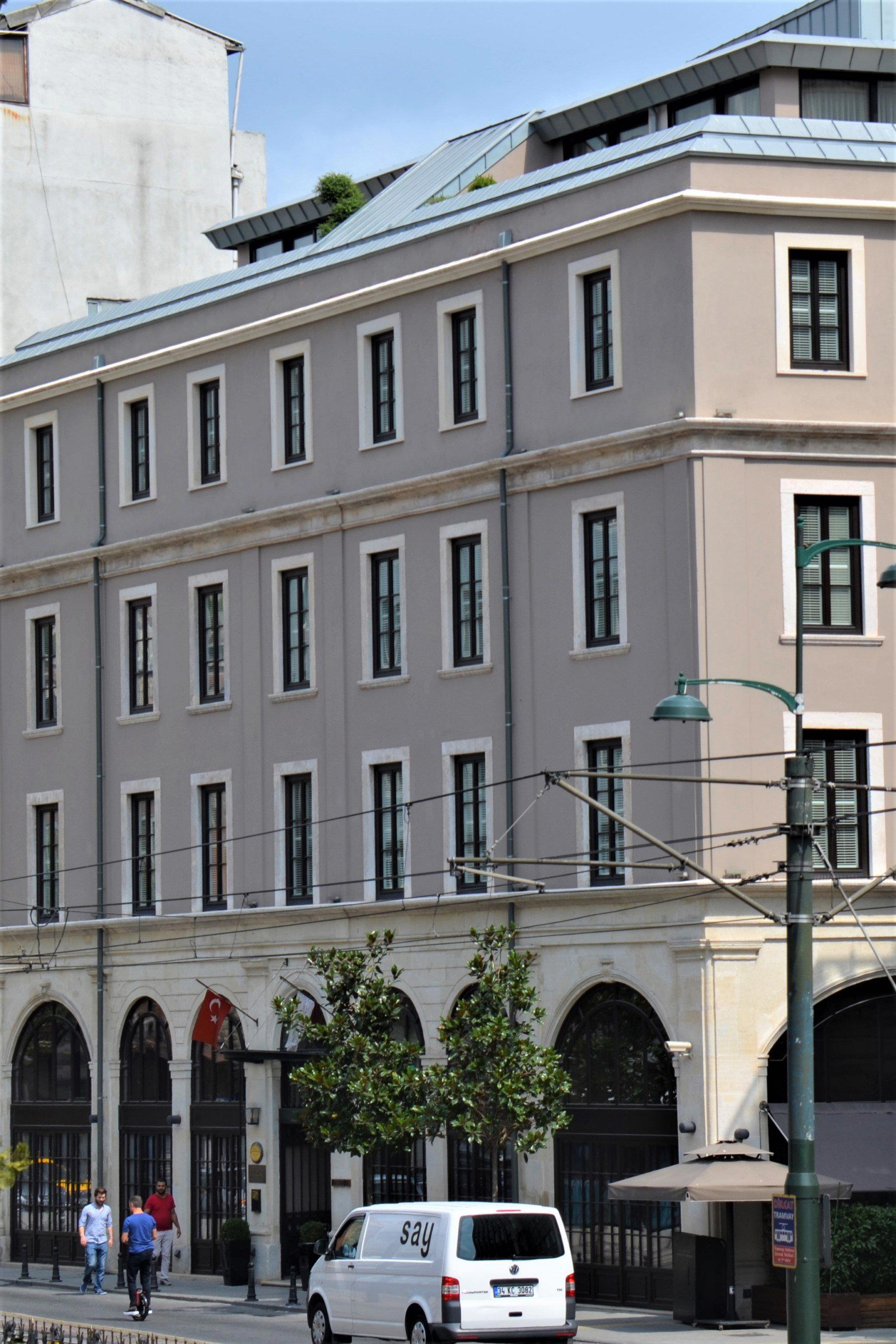
Approach Vezirhan Caddesi from the Beyazıt side and the neighbourhood reads as functional Istanbul: small traders, tea houses, the low hum of foot traffic that belongs to working districts rather than dining destinations. Fatih is not where Istanbul's restaurant press concentrates its attention. The Michelin-flagged modern Turkish kitchens, the rooftop tables with Bosphorus sight lines, the ₺₺₺₺ tasting menus served to international clientele — those belong to Beyoğlu, Karaköy, and the European waterfront. Fatih operates at a different register, and Makarna Sariyi, at No. 18, fits the character of its street.
That context matters. Istanbul's dining conversation in the upper tier has consolidated around a handful of restaurants where the editorial attention is intense and the price point reflects it. Turk Fatih Tutak, Mikla, and Neolokal each occupy the ₺₺₺₺ bracket and compete on technique, sourcing narrative, and international recognition. Makarna Sariyi is positioned differently, and the address in Fatih — rather than a converted warehouse in Karaköy or a rooftop in Pera, signals that difference before the menu does.
What the Name Says About the Format
Makarna Sariyi translates, roughly, to pasta palace or pasta mansion. The name situates the venue inside a specific culinary tradition: the long-standing Turkish affection for pasta forms that predate the Italian influence on the word itself. Turkish home cooking has its own pasta vocabulary, erişte, the hand-rolled noodle dried on trays; mantı, the stuffed dumpling that functions as both pasta and dumpling depending on the region; and broader noodle traditions that run through Anatolian cooking without needing to reference any Mediterranean neighbour. A restaurant that plants its identity in pasta, in this city, is making a claim about specificity and comfort over spectacle.
That specificity places it in contrast to the fusion-forward kitchens that dominate Istanbul's current critical conversation. Arkestra and Casa Lavanda represent different ends of the city's appetite for synthesis and reinvention. Makarna Sariyi's name suggests something less interested in reinvention and more committed to a single category done with depth. Whether that translates to a narrow menu or a broad interpretation of the pasta tradition is the central question the address invites.
The Fatih Setting and What It Means Sensorially
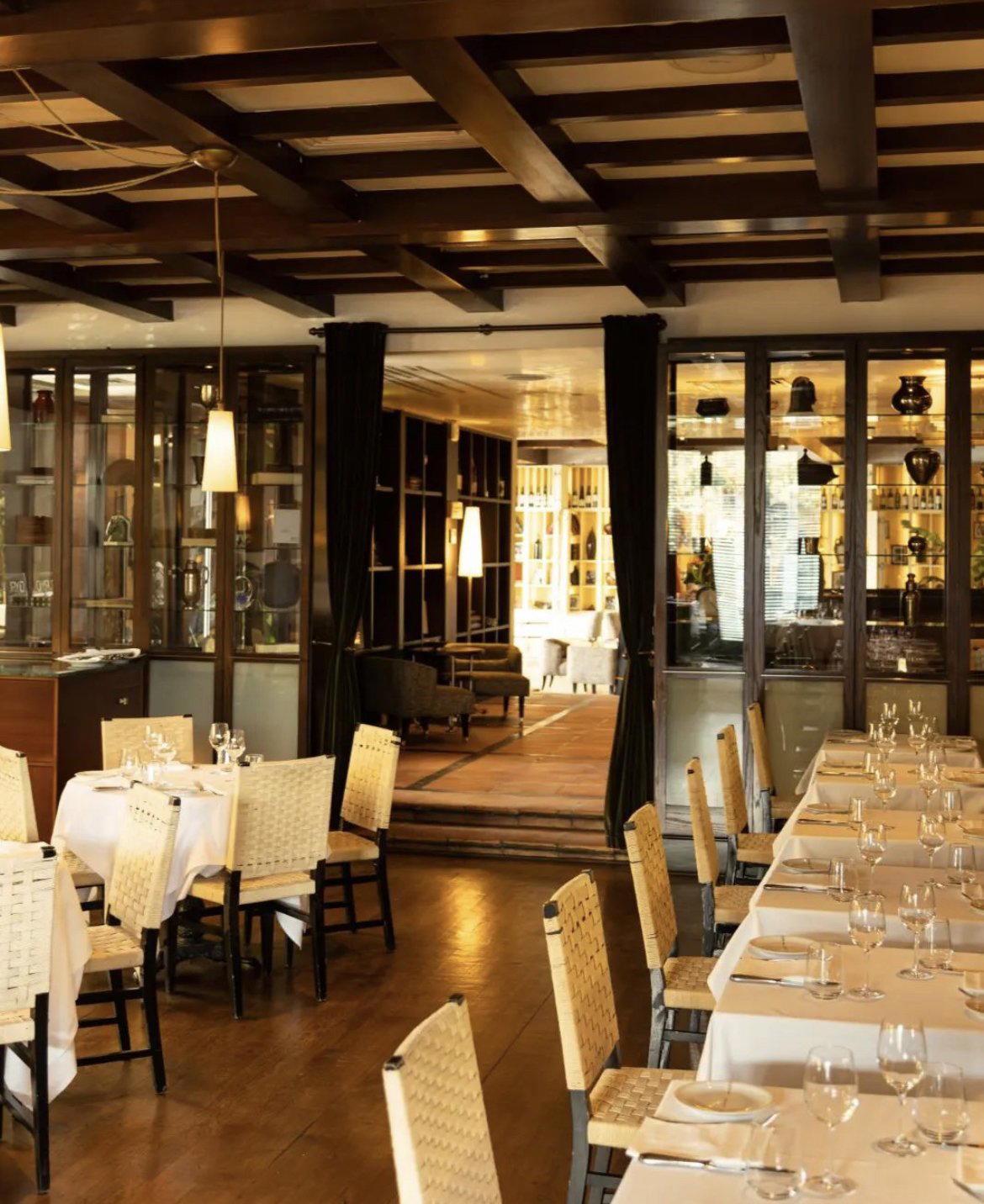
Restaurants in Fatih carry a different atmospheric load than those in the city's more photographed districts. The neighbourhood holds some of Istanbul's oldest urban fabric: Byzantine street plans overlaid with Ottoman-era hans and mosques, the Grand Bazaar's outer orbit, and the kind of stone-and-plaster building stock that absorbs sound and light differently than the glass-fronted dining rooms of Nişantaşı. At No. 18 on Vezirhan Caddesi, the address sits within this texture. The street itself is more commercial artery than destination strip, which means the restaurant operates without the ambient performance that comes with a high-footfall location.
For a venue built around pasta, that quieter register can be an asset. Pasta-focused dining, whether in Istanbul or anywhere else with a serious noodle tradition, tends to reward attention rather than spectacle. The smell of dough, the sound of a kitchen working at its own pace, surfaces worn by use: these are the sensory conditions that communicate craft more reliably than designed interiors. How well Makarna Sariyi translates its address into atmosphere is something each visitor will calibrate against their own expectations.
Where It Sits in Turkey's Broader Dining Map
Istanbul is the concentration point, but Turkey's restaurant culture has developed interesting pockets beyond the city. Coastal Aegean cooking in Izmir, as at Narımor, operates on different seasonal logic, built around olive oil and seafood that arrive at the table with less mediation. Cappadocia's dining scene, represented by addresses like Nahita Cappadocia in Nevsehir and Aravan Evi in Ürgüp, leans on the landscape's agricultural character and cave-dwelling heritage. On the Aegean and Mediterranean coasts, restaurants like Maçakızı in Bodrum, Mezegi in Fethiye, Ahãma in Göcek, and Divia by Maksut Aşkar in Marmaris serve seafood and produce anchored to specific coastlines. Even more grounded in regional specificity is something like Kokorecci Asim Usta in Bornova, which represents a different kind of commitment to a single product category.
Makarna Sariyi belongs to that last tendency: the single-focus address in a city that could have built a more diffuse, please-everyone menu. That makes it interesting in the same way that a good Istanbul börekçi or a serious meze counter is interesting. The constraint is the credential. For context on how Istanbul's scene as a whole maps across price and style, our full Istanbul restaurants guide covers the spectrum. Elsewhere on EP Club, venues like Poyraz Sahil Balık in Beykoz and Agora Pansiyon in Milas show how Turkish hospitality operates outside the Istanbul spotlight.
Planning Your Visit
Makarna Sariyi sits at Molla Fenari, Vezirhan Caddesi No. 18, in the Fatih district. Fatih is on the historic peninsula, accessible from the Beyazıt-Grand Bazaar tram stop on the T1 line, which puts the venue within a short walk of central transport without requiring a taxi across the Bosphorus or up into the European hills. The district is densest at midday on weekdays, when the surrounding commercial streets draw office and trader traffic; evenings tend to be quieter and more residential in character. As with many Fatih addresses, the experience will be shaped as much by the rhythm of the neighbourhood as by the room itself.
Visitors accustomed to the high-concept tasting menus at Le Bernardin in New York City or the communal intensity of Lazy Bear in San Francisco will find Makarna Sariyi operating at a different frequency entirely. The interest here is in something more quotidian and arguably harder to execute with consistency: a single food category, in an unfashionable district, without the scaffolding of international recognition. That is a narrower brief, and it is the reason the address is worth noting.
Frequently asked questions
Can I bring kids to Makarna Sariyi?
Makarna Sariyi sits on Vezirhan Caddesi in Fatih, a residential and commercial neighbourhood where family dining is a normal part of daily life. The pasta-focused format is generally accessible to younger diners.
Is Makarna Sariyi formal or casual?
Fatih operates at a different register than Istanbul's Beyoglu or Nisantasi restaurant strips, where dress codes and reservation theatrics are more common. Makarna Sariyi's address on a working street in the historic peninsula points toward an everyday, neighbourhood register rather than a formal dining setting. No dress code is documented.
What makes Makarna Sariyi different from pasta restaurants in other Istanbul districts?
Makarna Sariyi occupies Vezirhan Caddesi No. 18 in Fatih, the historic peninsula, which places it in a district shaped by centuries of Ottoman and Byzantine presence rather than the gentrification pressures affecting neighbourhoods like Karakoy or Cihangir. Restaurants in Fatih tend to draw a local clientele rather than a tourist-first crowd, which typically influences both pricing and the pace of service. That neighbourhood context sets a different baseline than pasta-focused venues operating in Istanbul's more photographed quarters.
What's the must-try dish at Makarna Sariyi?
The name Makarna Sariyi translates loosely to pasta palace, which signals that pasta is the central format of the kitchen rather than a supporting element. Visiting without a fixed agenda and asking what is freshest that day is often the more useful approach in restaurants of this type.
Same-City Peers
| Venue | Cuisine | Price | Awards | Notes |
|---|---|---|---|---|
| Makarna SariyiThis venue — the venue you are viewing | Turkish Pasta House | Not listed | Not listed | Not listed |
| Turk Fatih Tutak | Modern Turkish Fine Dining | $200–300 | 2 Michelin Stars · World's 50 Best #66 | Modern Turkish, ₺₺₺₺ |
| Mikla | New Anatolian Kitchen | $100–150 | 1 Michelin Star · World's 50 Best #44 | Modern Turkish, Mediterranean Cuisine, ₺₺₺₺ |
| Neolokal | Modern Turkish Fine Dining | $200–300 | 1 Michelin Star · World's 50 Best #100 | Modern Turkish, Turkish, ₺₺₺₺ |
| Arkestra | Modern European with Global Influences | $100–150 | 1 Michelin Star · Gault & Millau Türkiye 3 Toques | Fusion, ₺₺₺₺ |
| Nicole | Contemporary Turkish Fine Dining | $150–200 | 1 Michelin Star · Gault & Millau Türkiye 3 Toques | Modern Turkish, Modern Cuisine, ₺₺₺₺ |
Continue exploring
More in Istanbul
Restaurants in Istanbul
All restaurants in Istanbul →
Bars in Istanbul
All bars in Istanbul →
Details
- Casual Hangout
- A La Carte