Positioned steps from the Hagia Sophia in Fatih's Hoca Paşa quarter, Last Ottoman Cafe & Restaurant draws on Istanbul's Ottoman culinary inheritance at a point in the city where that tradition is most physically present. The address places it inside a district where historical cooking methods and regional sourcing patterns still shape what arrives at the table, making it a reference point for visitors tracing Istanbul's older dining character.
Pearl is the En Primeur Club membership app — saves, bookings, and concierge access live there. Same editors, same standards.
- Address
- Hoca Paşa, Darüssade Sk. No 10, 34110 Fatih/İstanbul, Türkiye
- Phone
- +905312045985
- Website
- lastottomancafe.com
- Directions
- Get directions
 Saves & bookings on Pearl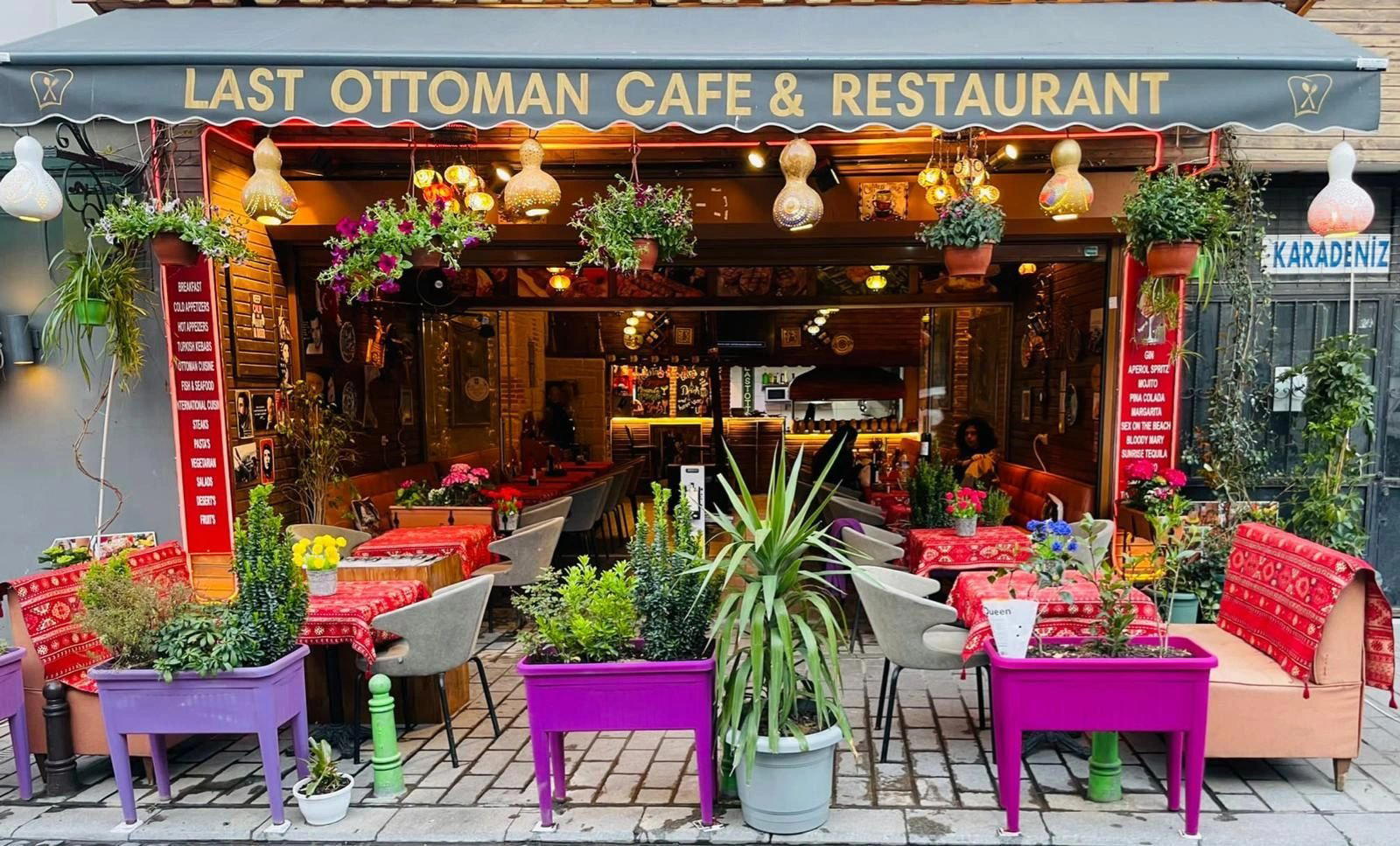
Where the Old City Still Sets the Terms
The Hoca Paşa quarter in Fatih is one of the few parts of Istanbul where the built environment and the food culture remain in rough alignment. The streets around Darüssade Caddesi sit within walking distance of the Hagia Sophia and the Topkapı Palace complex, and the restaurants that have survived here longest tend to serve food that reflects the district's Ottoman administrative and clerical history rather than the modernising impulse that has reshaped dining in Beyoğlu or Karaköy. Last Ottoman Cafe & Restaurant occupies that inherited position, placing itself inside a tradition rather than against it.
That distinction matters more than it might seem. Istanbul's premium dining tier has spent the past decade in active conversation with Ottoman culinary sources, but from a critical distance. Places like Neolokal and Mikla apply research and contemporary technique to pre-Republican recipes, operating at ₺₺₺₺ price points with rooftop settings and press recognition. Turk Fatih Tutak works in a similarly recontextualised register. Last Ottoman operates differently, positioned physically and conceptually inside the old city's grain, where the reference point is less fine-dining interpretation and more direct continuity with a neighbourhood that has been feeding travellers and pilgrims for centuries.
Ingredient Sourcing and the Ottoman Kitchen Logic
Ottoman court cooking was fundamentally a sourcing exercise. The palace kitchens drew provisions from across an empire that stretched from the Danube to the Hejaz, and the regional specificity of those ingredients, lamb from particular Anatolian plateaus, dried fruits from the Aegean hinterland, spices arriving through established trade routes, gave the cuisine its character. That logic did not disappear when the empire contracted; it redistributed into the neighbourhood kitchens, bazaar restaurants, and lokanta culture that still shapes how Istanbullus eat in the city's older districts.
Fatih remains one of the districts where that sourcing tradition is most legible. The area's markets and suppliers tend toward Anatolian and Black Sea produce networks that predate the city's current artisan food movement by generations. A restaurant operating in this quarter with Ottoman culinary orientation has access to ingredient relationships that newer establishments in trendier postcodes often spend considerable effort trying to reconstruct. The question worth asking at any restaurant in this category is not whether the menu name-checks Ottoman heritage, but whether the sourcing actually reflects the regional specificity that gave that heritage its texture.
For comparison, Asitane, also in Fatih, has spent decades reconstructing Ottoman palace recipes from archival sources, and its approach to ingredient provenance is unusually documented. That sets a high bar for Ottoman-positioned restaurants in the same district. Elsewhere in Turkey, sourcing-led operations like Hiç Lokanta in Urla and Narımor in Izmir demonstrate how regional ingredient fidelity can anchor a restaurant's identity at a level that transcends style or price tier.
The Physical Setting and What It Signals
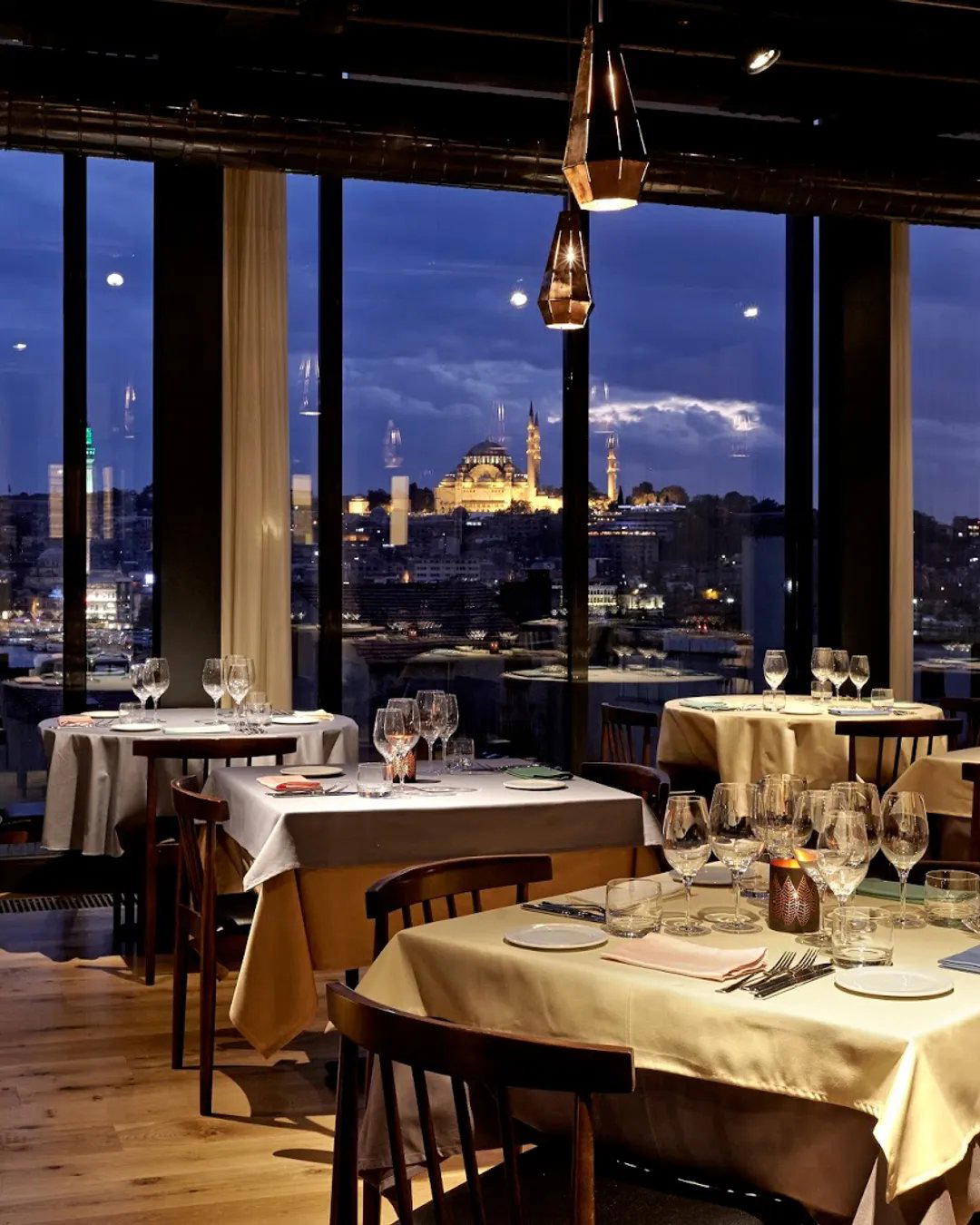
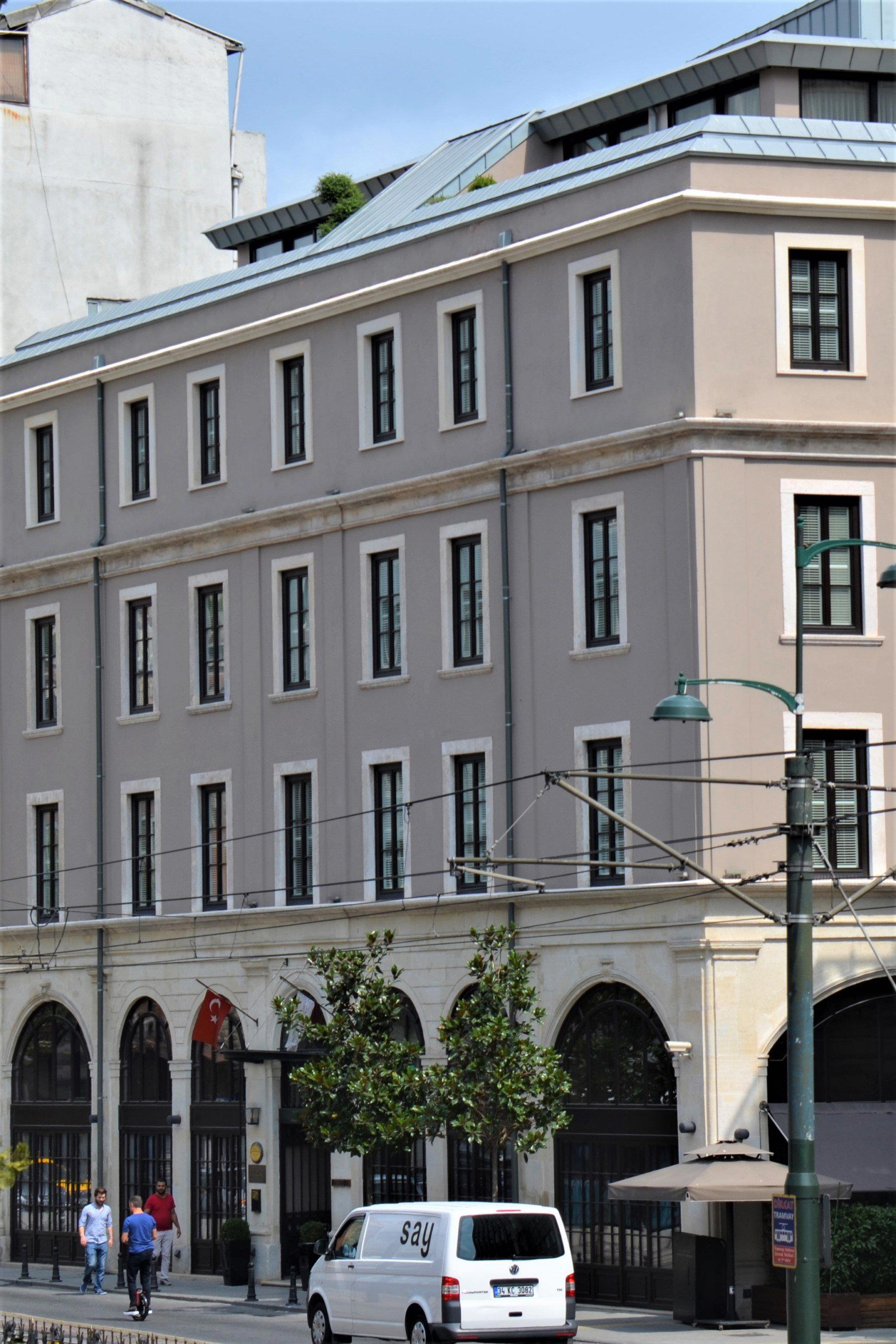
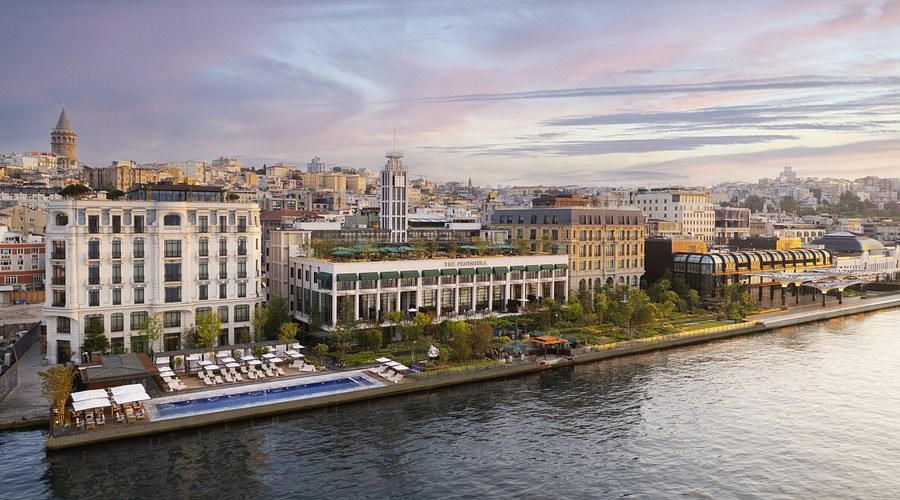
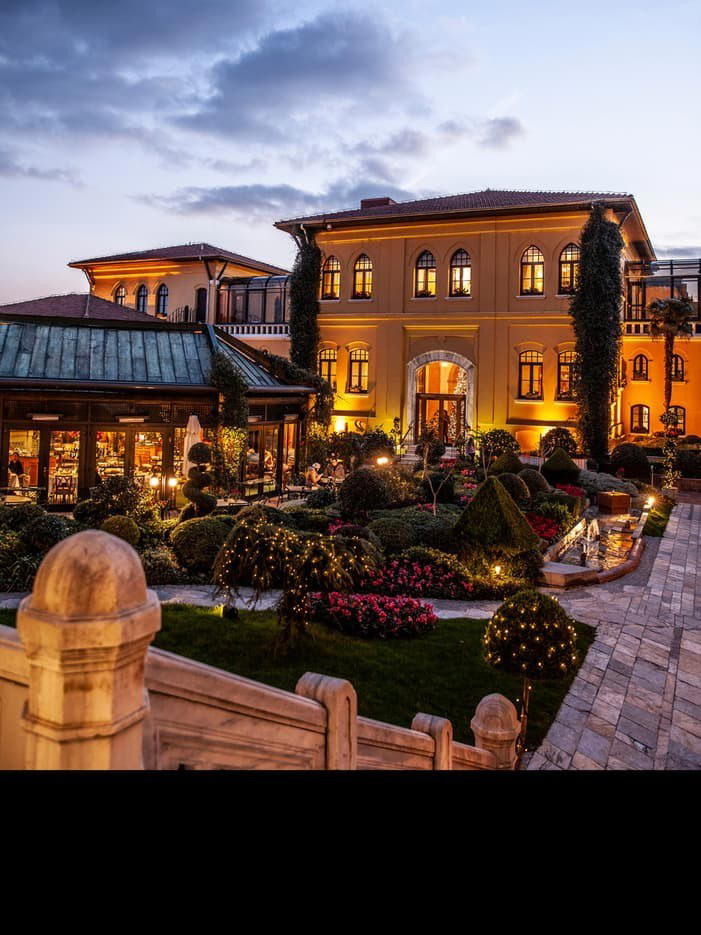
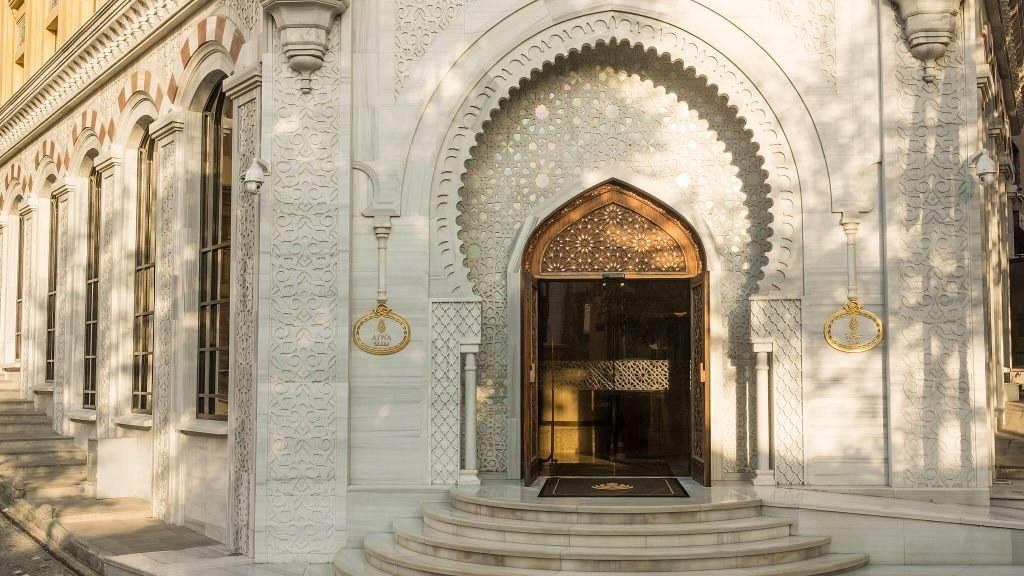
Approaching the Hoca Paşa address, the environmental cues are consistent with the older tourist and pilgrimage infrastructure of this part of Fatih: narrow streets, stone facades, the sound of the Sultanahmet call to prayer arriving in layers from multiple directions. Restaurants in this immediate cluster exist in a zone where foot traffic from the major Ottoman monuments is constant, and where the dining proposition tends toward accessibility and historical atmosphere rather than exclusivity or technical ambition.
That context shapes expectations usefully. This is not the register of Arkestra or the fusion experimentation visible in parts of the city's newer dining scene. It is closer to the tradition-oriented cafe and restaurant format that serves the district's mix of domestic pilgrimage visitors, international tourists, and local residents who use the area's eateries as working neighbourhood infrastructure. The cafe designation in the name is itself a signal: these are spaces that occupy a different social function than the reservation-required, tasting-menu-only category that dominates premium food coverage.
How Last Ottoman Fits the Fatih Dining Pattern
Fatih is not a monolithic dining district. It contains everything from street-level lahmacun counters to the carefully researched Ottoman reconstruction work at Asitane. Last Ottoman positions itself in the accessible middle, where the Ottoman reference is ambient and atmospheric rather than scholarly, and where the priority is a recognisable, well-executed version of the cuisine rather than archival fidelity. That is a legitimate and well-populated category in Istanbul, and the address in Hoca Paşa gives it stronger geographical credibility than the same proposition would carry in, say, a hotel lobby in Taksim.
Visitors cross-referencing the broader Istanbul dining map should note that the ₺₺₺₺ tier represented by venues like Casa Lavanda and the fusion category at Arkestra serves a different purpose than a Fatih neighbourhood restaurant with Ottoman orientation. Neither is a substitute for the other. The decision depends on whether the priority is critical reinterpretation of Ottoman food, regional Turkish specificity from elsewhere in the country, or direct atmospheric engagement with the old city's culinary character. Last Ottoman, by its location and apparent positioning, addresses the third of those.
For those extending the trip beyond Istanbul, the sourcing-first logic visible in Anatolian cooking finds regional expression at places like Kocak Baklava in Gaziantep, where ingredient provenance is the entire point, and at Maçakızı in Bodrum, where Aegean sourcing networks define the menu. The through-line in each case is that the most credible Ottoman and Anatolian food in Turkey tends to be anchored to specific ingredient geographies, not to stylistic performance.
Planning a Visit
The Darüssade Sk. No 10 address in Hoca Paşa places Last Ottoman within the dense tourist corridor between the Hagia Sophia and the Grand Bazaar, making it direct to combine with a morning in Sultanahmet. Given the foot-traffic intensity of this corridor, particularly between April and October when international visitor numbers peak, arriving at off-peak times, either before the midday rush or in the later afternoon, is the practical approach for a more considered meal. Phone and booking data are not available in current records, so confirming arrangements directly with the venue in advance is advisable. For the broader Istanbul restaurant picture, EP Club's full Istanbul restaurants guide maps venues across districts and price tiers.
At a Glance
- Cozy
- Romantic
- Classic
- Date Night
- Family
- Group Dining
- Casual Hangout
- Special Occasion
- Open Kitchen
- Standalone
- Historic Building
- Byob
- Local Sourcing
Current opening hours
- Monday
- 10 AM–1 AM
- Tuesday
- 10 AM–1 AM
- Wednesday
- 10 AM–1 AM
- Thursday
- 10 AM–1 AM
- Friday
- 10 AM–1 AM
- Saturday
- 10 AM–1 AM
- Sunday
- 10 AM–1 AM
Hours can change for holidays and private events. Last verified .
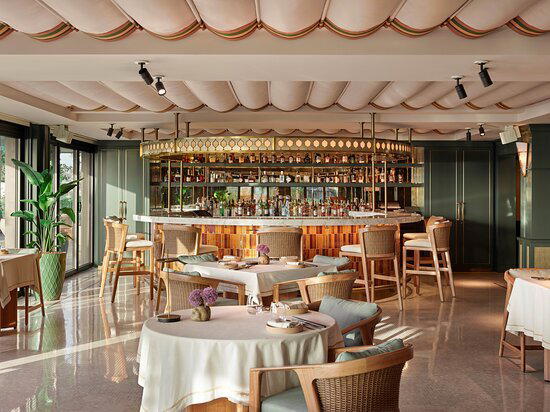
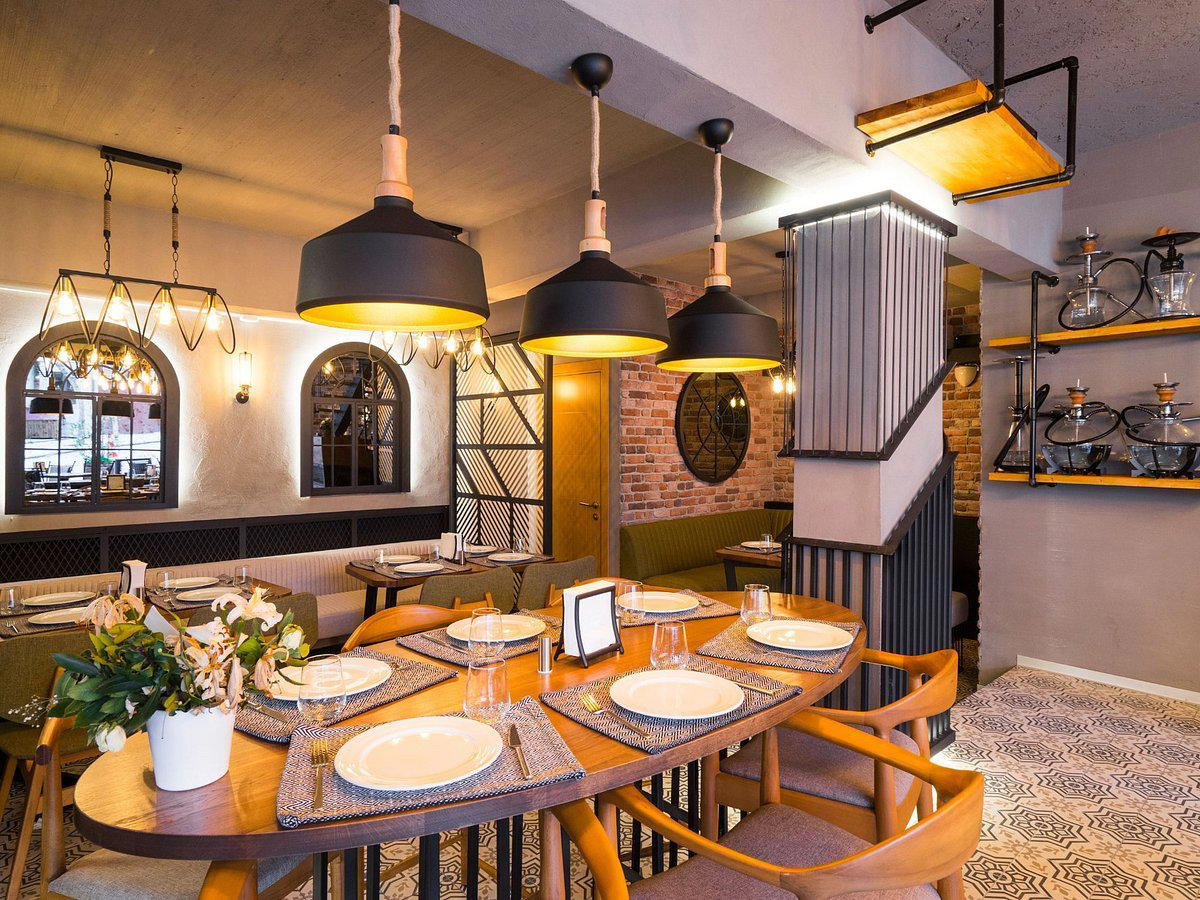
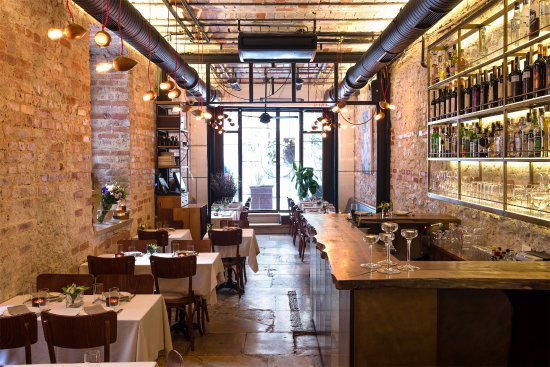
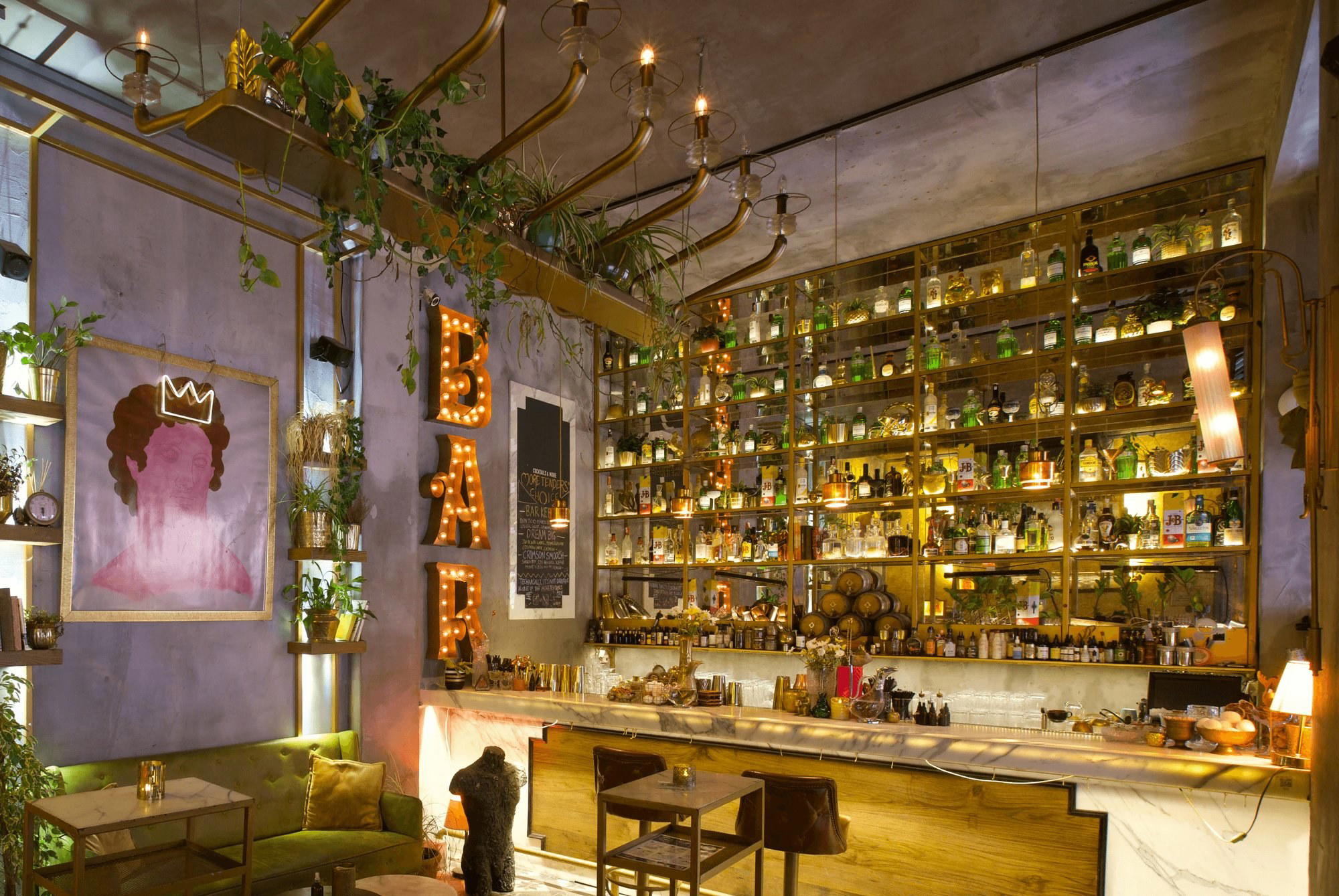
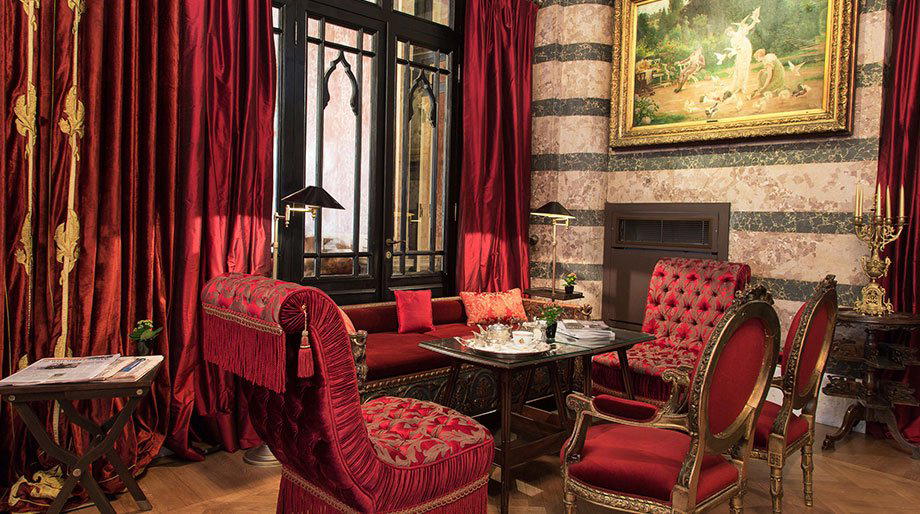
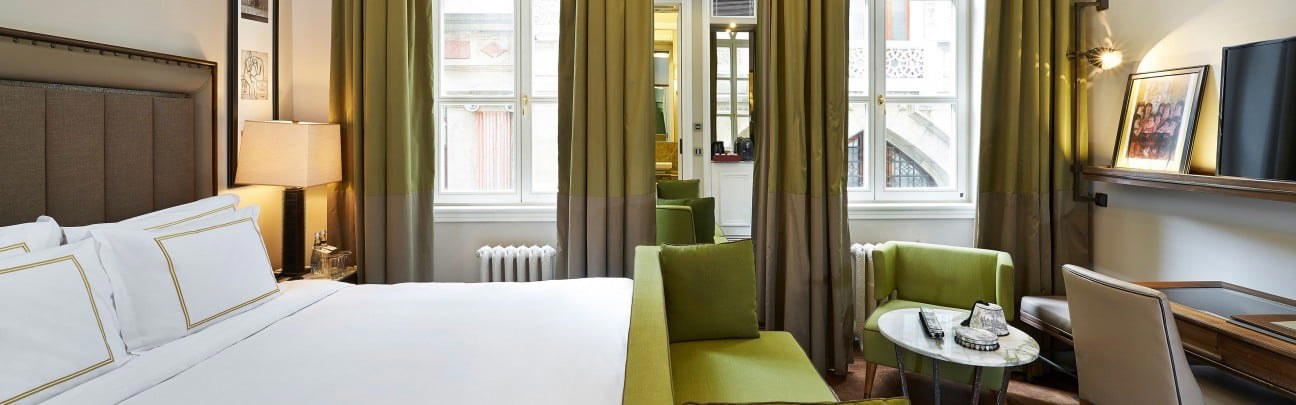
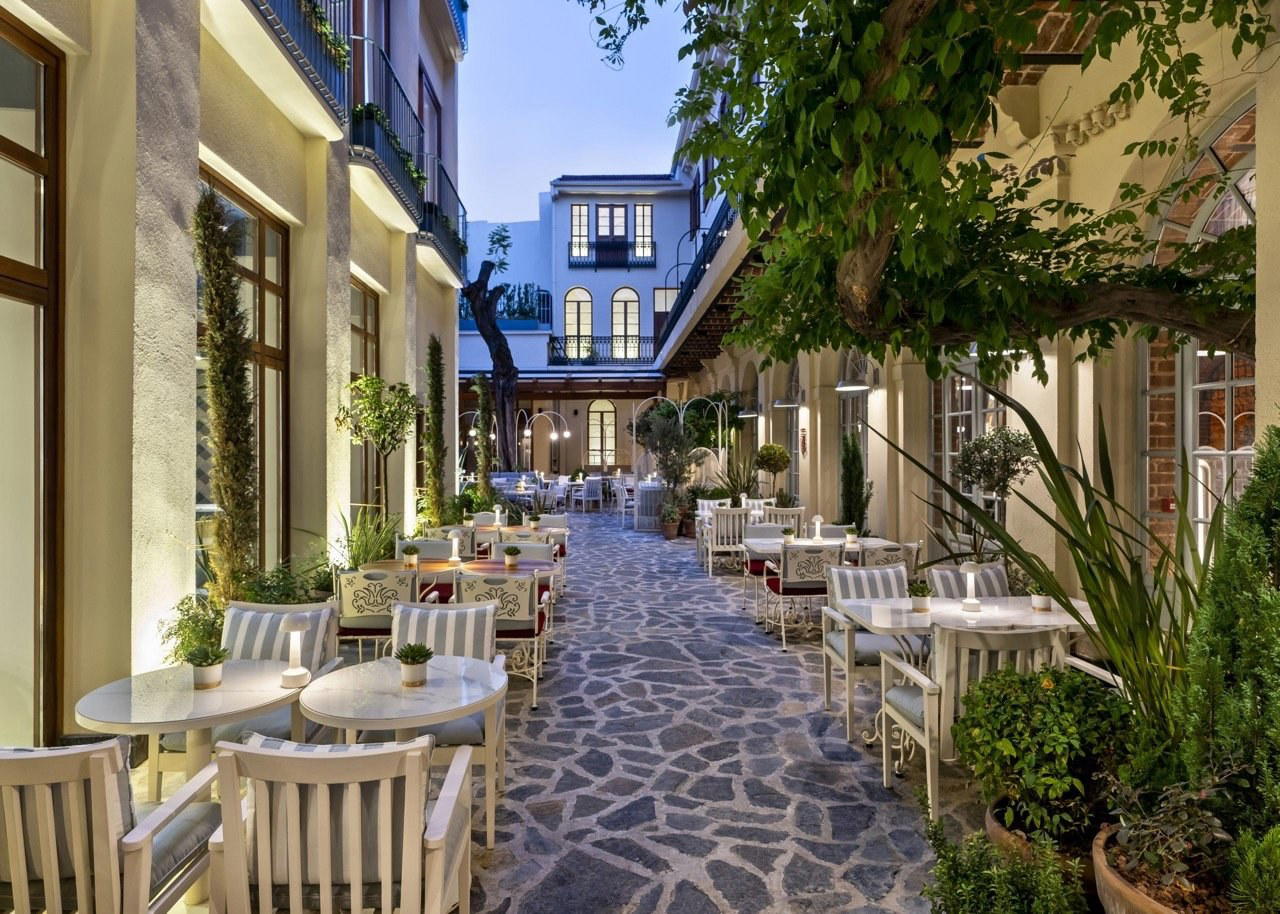
Warm and inviting with cozy fireplace, beautiful traditional decor, and pleasant ambient music creating an intimate yet welcoming atmosphere.
Know Before You Go
- Getting there
- Hoca Paşa, Darüssade Sk. No 10, 34110 Fatih/İstanbul, Türkiye